
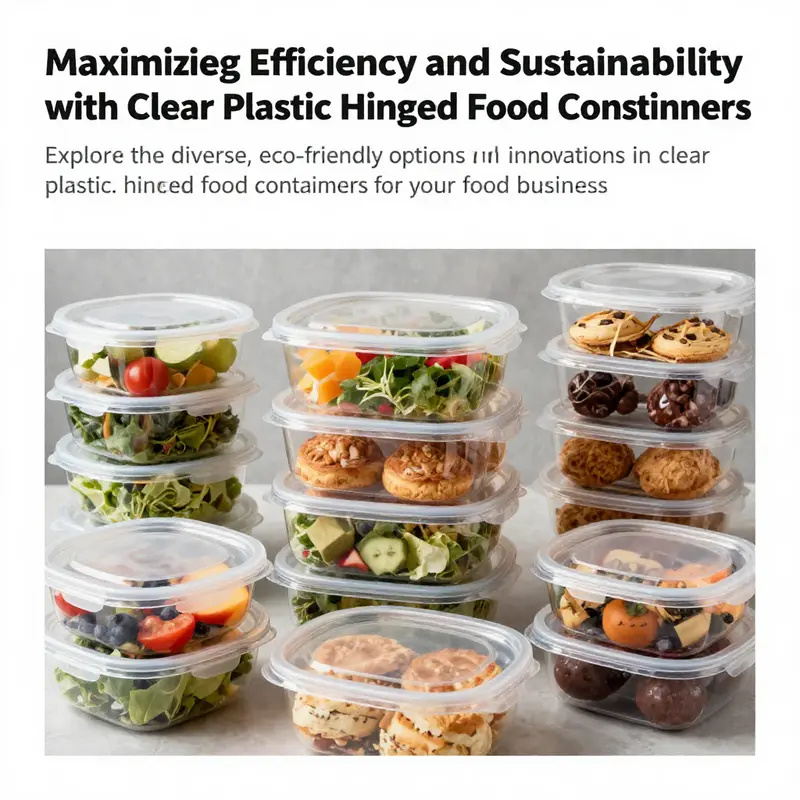
As the food service industry continues to evolve, the demand for efficient and appealing packaging solutions grows. Clear plastic hinged food containers have emerged as a popular choice among bubble tea shops, restaurants, food trucks, catering services, event planners, and corporate procurement teams. Renowned for their transparency, durability, and ease of use, these containers not only enhance product presentation but also support operational efficiency. This article will delve into the various aspects of clear plastic hinged food containers, including market dynamics, material science, environmental sustainability, customization options, and the challenges in production and supply chain management. Each chapter will provide insights into how these containers can meet the specific needs and preferences of diverse food service sectors.
Clarity at Scale: The Wholesale Dynamics of Clear Plastic Hinged Food Containers
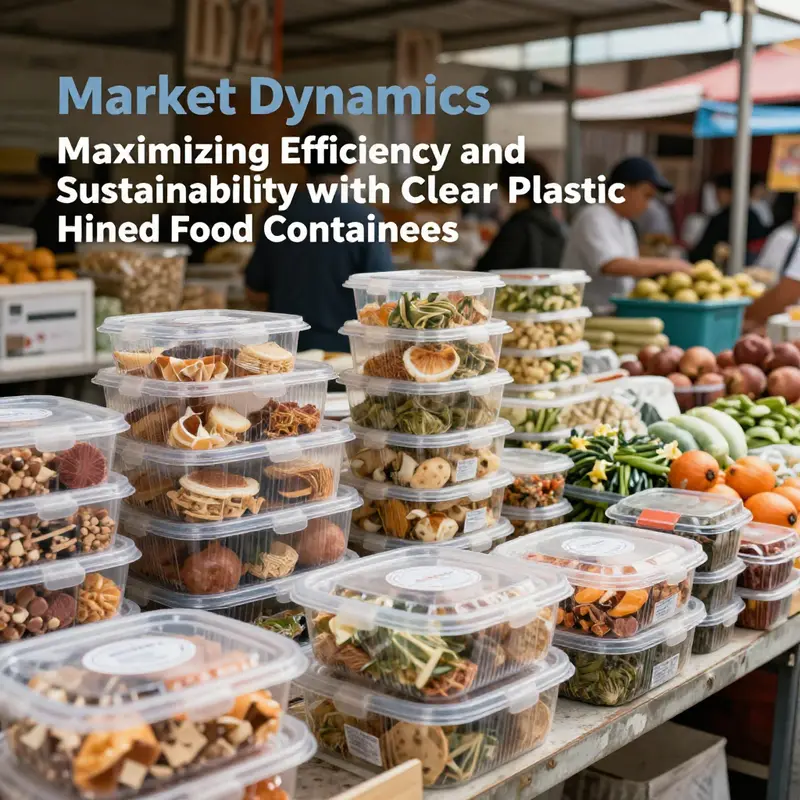
Clear plastic hinged food containers sit at the intersection of visibility, reliability, and logistics, a trio that underpins wholesale success across food service, retail, bakery, and meal-prep ecosystems. Their value rests not only in what they hold, but in how readily a operator can access, inspect, and transport while maintaining strict safety and hygiene standards. In the wholesale arena, these containers are more than containers; they are a compact system designed to streamline every link in the chain from kitchen to customer. When a kitchen needs to portion and protect a dish, a deli needs to present a product with confidence, and a delivery service must keep contents stable from appliance to doorstep, the hinged lid becomes a practical ally. Among the many reasons this design endures is the ease of one-handed operation, a feature that translates into faster service lines, reduced labor strain, and fewer spill incidents on the move. The hinge, paired with a cleareyed approach to material choice and production efficiency, creates a packaging module that competes not just on price, but on performance and reliability across countless cycles of use and reuse in real-world settings.
Material choice anchors the conversation about wholesale viability. Polypropylene (PP) has emerged as the dominant material in many clear hinged designs due to its blend of durability, clarity, and thermoforming versatility. The clarity of PP in particular is a critical asset: it enables visual inspection of the contents without opening the package, a factor that contributes to perceived freshness and quality in a retail display and a professional kitchen alike. While several food-contact plastics—PET, PVC, PS—are also employed across various models and applications, PP’s combination of resilience against cracking, chemical resistance, and balance of cost and weight makes it a favorite for high-volume production runs. In marketplaces focused on speed and consistency, the ability to source PP-clear hinged containers in large quantities translates into predictable procurement cycles, standardized inventories, and dependable shelf performance.
The value proposition extends beyond material performance to the consumer experience. The market dynamics are shaped by consumer confidence, a factor shaped in large part by transparency. When a consumer can clearly see the contents—the color, the texture, the portion size—the perceived freshness rises, and so does trust. This is especially true for products that are pre-portioned or marketed as ready-to-eat, where visibility can be the deciding factor between a purchase and a pass. The wholesale segment, therefore, leans into packaging that supports variety in application while preserving visibility. For takeout and meal-prep services, the container must be robust enough to endure stacking, bagging, and transit, yet light enough to minimize handling costs. The design language of clear hinged containers often aligns with these needs: a flat-bottom for stability on shelves and a top indent engineered to facilitate efficient stacking in bags or delivery trays. Such features are not incidental; they are engineered into the product to optimize supply-chain performance and reduce loss due to shifting, breakage, or leakage during transport.
Market projections reflect a strategic convergence of urbanization, rising disposable incomes, and the growth of fast-casual dining and online food delivery. The broader plastic food container market shows steady expansion, with forecasts suggesting a value around USD 66.17 billion by 2035 and a compound annual growth rate near 4.6 percent from a 2026 baseline. While macroeconomic trends propel demand, wholesale players emphasize agility and scale. Manufacturers with established thermoforming lines and diversified material offerings, including food-grade PP, are well positioned to meet this demand with reliable lead times and consistent quality. The emphasis in wholesale procurement often shifts from a single SKU to a portfolio approach: a mix of container sizes, lid styles, and tamper-evident features that can accommodate bakery boxes, deli cups, or ready-to-assemble meal components. In this context, large producers with vertical integration and high-capacity lines become strategic partners, able to deliver standardized performance across thousands of units per day and maintain uniformity in fit, closure strength, and surface clarity.
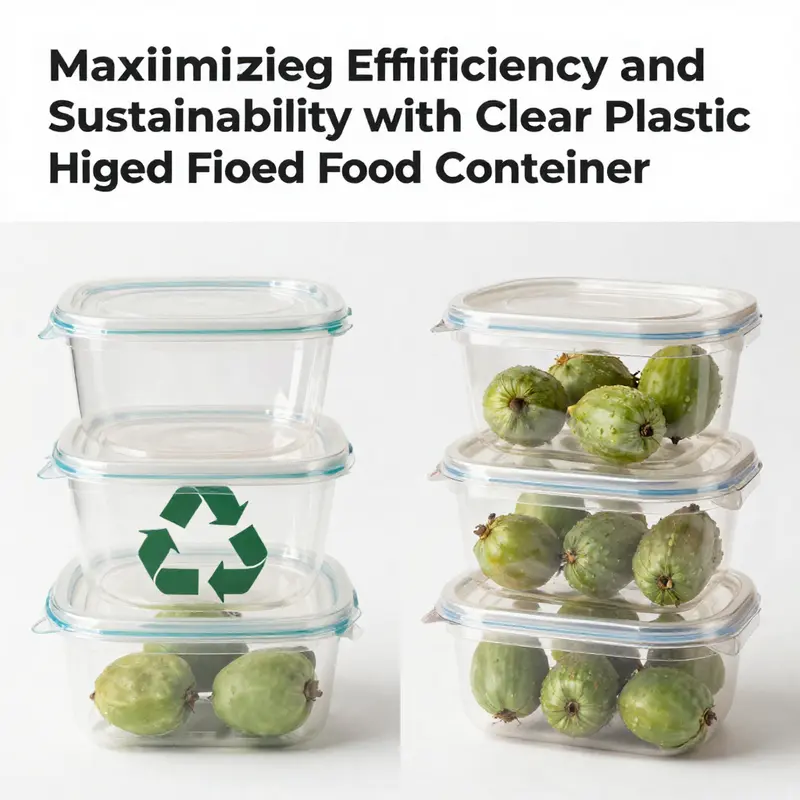
Sustainability remains a pivotal, if sometimes tension-filled, driver in wholesale decisions. The environmental conversation around plastic packaging foregrounds two realities: cost efficiency and waste management. Clear plastic hinged containers offer leakage-free transport, low material costs, and straightforward handling, advantages that wholesalers champion in price-sensitive segments. Yet the push toward more sustainable packaging fuels interest in recycled content and recyclable designs. Some suppliers emphasize the environmental benefits of their lineups by highlighting recycled content or end-use recyclability, and manufacturers are increasingly pursuing integrated design choices that reduce the need for additional waste streams such as shrink bands or outer wraps. Tamper-evident features, for example, can be built into the hinge or lid mechanism, reducing separate tamper-evident packaging while preserving product integrity. This alignment of safety and sustainability is not merely a marketing angle; it translates into real-world efficiencies: fewer packaging steps, reduced waste, and a more straightforward end-of-life path for the consumer.
From a production standpoint, the wholesale market rewards scale and consistency. In leading facilities, dozens of thermoforming lines produce a spectrum of container sizes and configurations. Capacity such as tens of tons of daily output demonstrates the industry’s ability to respond to seasonality and promotional spikes. The ability to offer customization—logos, color accents, or branding via heat transfer printing, silk screening, or painting—adds another dimension to wholesale value. Brands looking to differentiate their packaging can embed identity directly into the container, supporting on-shelf recognition without relying on secondary labels or wraps. This capability can be decisive for a bakery wanting a clear box that evokes a premium, artisanal identity while maintaining a practical, cost-efficient supply channel. The combination of customization options with robust, scalable manufacturing is a hallmark of modern wholesale supply in this space and a key reason why PP-clear hinged containers remain a central pillar of packaging portfolios.
The corridor of applications continues to widen as packaging becomes an enabler of process efficiency and consumer assurance. In food-service operations, the hinge design reduces the time required to open and close containers during busy service periods, improving throughput and error reduction. In retail settings, the ability to display transparent contents while preventing accidental openings supports both merchandising and safety. In bakery environments, where delicate pastries require careful handling, a sturdy bottom and secure lid reduce the risk of shifting, crushing, or contamination during display and transit. For meal-prep and ready-to-eat meals, the combination of clarity, secure closure, and compatibility with stackable storage resolves immediate logistical pain points: it limits mis-sealed units, preserves product quality over time, and simplifies inventory management for operators juggling multiple SKUs.
Despite these strengths, the wholesale landscape is not without its challenges. Environmental concerns surrounding plastic waste compel buyers and manufacturers to pursue recyclability and higher recycled-content levels. The market responds with innovations in design and material science that favor recyclability without sacrificing clarity or strength. In parallel, regulatory expectations around food safety continue to evolve, reinforcing the need for materials that meet FDA-compliance standards and demonstrate traceability in the supply chain. These pressures create an environment where continuous improvement is the norm: better integration of tamper-evident features, reduced packaging thickness without compromising barrier properties, and smarter supply chains that minimize waste through flatter, more stackable designs that optimize storage and distribution. Across these dynamics, the wholesale sector remains resilient because clear hinged containers deliver measurable advantages: faster access, reliable protection, and a visual guarantee of product integrity that resonates with both operators and end consumers.
The chapter of market dynamics thus unfolds as a synthesis of material science, design engineering, and logistics strategy. It is about choosing the right polymer with the right clarity, and then weaving that choice into a broader system that includes tamper-evident technology, efficient closure, and branding opportunities. It is about anticipating the needs of high-volume kitchens and busy retail floors, where every second saved and every product kept pristine translates into better margins and higher customer satisfaction. And it is about acknowledging that the most successful wholesale offerings will harmonize performance and responsibility: a transparent container that not only protects the food but also respects the resource constraints of a crowded global supply chain. As the market continues to mature, the winners will be those who can deliver consistent, scalable, and compliant solutions that meet today’s demand for clarity, convenience, and sustainability.
External resource: For broader market context and forecast data, see the Global Plastic Food Containers Market report by Grand View Research: https://www.grandviewresearch.com/industry-analysis/plastic-food-containers-market
Material Science Behind Clear Hinged Food Containers for Wholesale Success
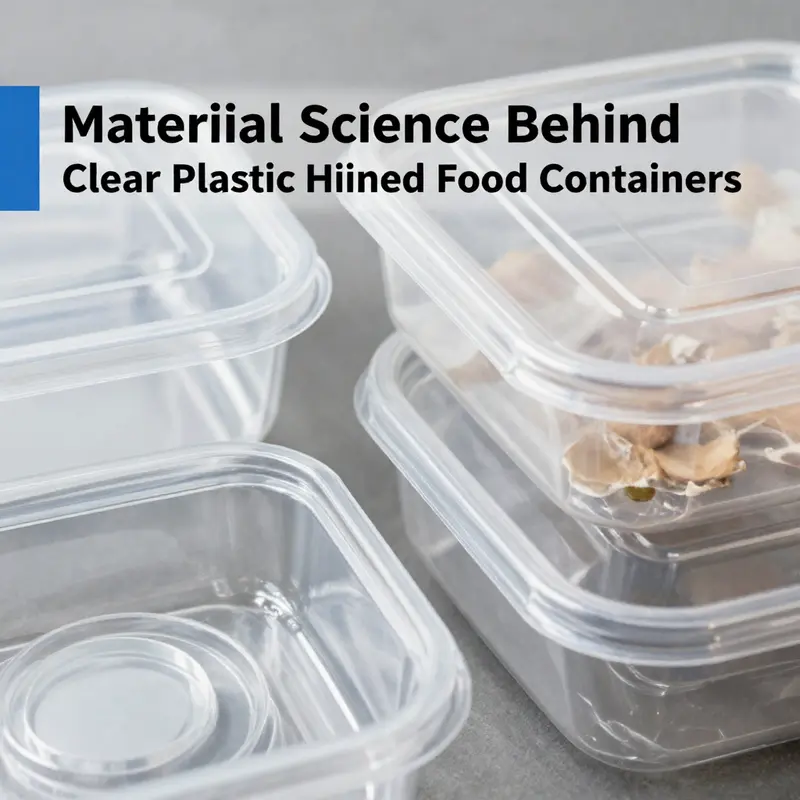
The clear plastic hinged food containers used in wholesale packaging rely on a careful balance of transparency, strength, safety, and processing efficiency. In bulk purchasing, buyers seek packaging that looks appealing on display and withstands cold storage, stacking, and repeated opening. The main materials are polypropylene (PP), polyethylene terephthalate (PET), and sometimes polycarbonate (PC). PP offers toughness, light weight, good heat resistance, and recyclability, supporting durable hinges and resistance to warping. PET provides superb clarity and barrier properties to moisture and gases, ideal for cold storage and high visibility clamshell designs, though it has lower heat tolerance than PP. PC delivers high impact resistance and thermal stability, but concerns about BPA have reduced use for direct-food-contact applications in many markets. The hinge mechanism depends on the polymer orientation, hinge thickness, and design geometry to allow repeated opening cycles without compromising seal integrity. In wholesale settings, packaging must also consider ventilation, tamper-evidence, stackability, and compatibility with existing filling lines and display fixtures, along with environmental sustainability goals like recyclability and post-consumer resin content. When selecting suppliers, buyers weigh not only clarity and strength but also lifecycle impacts, regulatory compliance, and total cost of ownership across production, distribution, and retail display.
null
null
Custom Fit, Clear Choice: Designing Wholesale Clear Plastic Hinged Food Containers for Brand Impact
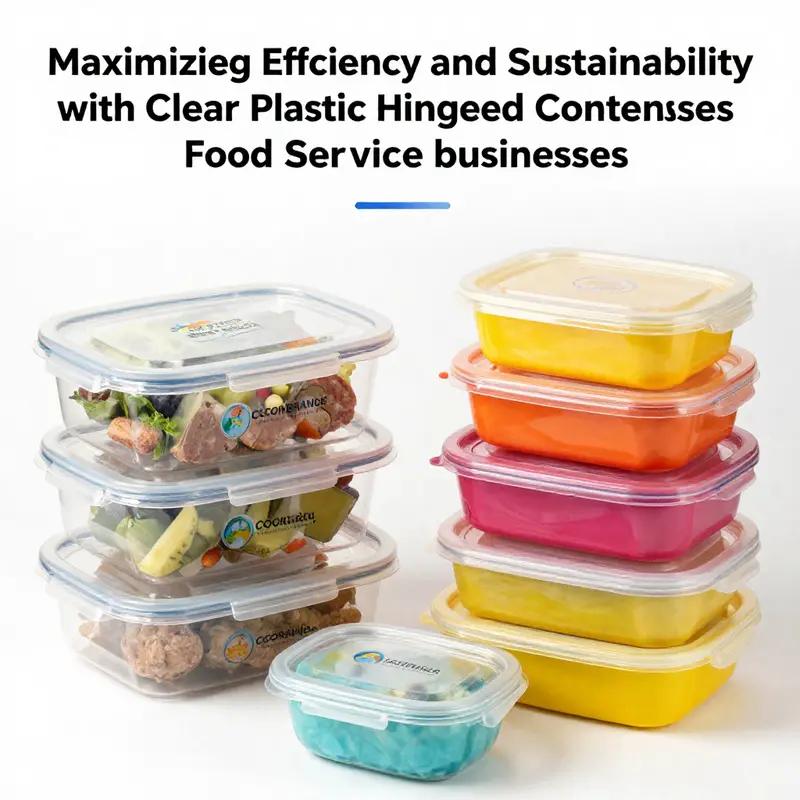
Customization is the quiet engine behind the wholesale market for clear plastic hinged food containers. In a category defined by visibility and efficiency, the ability to tailor packaging beyond function becomes the deciding factor between a generic box and a brand asset. The hinge lid, transparent walls, and molded strength create a platform for brands that want practicality with presence. Suppliers now offer a spectrum of customization options, allowing operators to align packaging with product, channel, and consumer expectations without sacrificing performance. In this light, customization is about harmonizing the container with the product it carries, the outlet that serves it, and the story the brand wants to tell.
Branding on a clear surface presents both opportunity and challenge. The most common methods—silkscreen, pad printing, and heat transfer—adhere well to food-grade plastics and deliver legible logos or brand marks without obstructing the viewer’s eye. Silkscreening tends to be economical at higher volumes and works well on flat surfaces, while pad printing excels at contoured areas or smaller text. Heat transfer can reproduce complex color palettes, enabling gradients and subtle hues that reinforce brand identity. The key is to balance legibility with transparency; ink must stand out without dulling the view of the contents. This synergy is why many manufacturers invest in surface preparation, printer compatibility, and color-fast inks that resist refrigeration, temperature swings, and transport vibrations. For buyers, the payoff isn’t just a logo on the lid; it’s a brand cue that travels with the product from deli counter to delivery, creating recognition at every touchpoint.
Color customization in a predominantly clear format remains a compelling option for brands that want a distinctive signature while preserving the perceived freshness of the contents. While transparency is the default, tinted variants—subtle blues or greens, for example—can anchor a line, denote product families, or signal dietary attributes. Even when color is introduced, the container can preserve the clarity of the food inside by keeping the walls largely transparent and reserving color for edging, rims, or accent panels. This approach supports merchandising needs across channels, where color-coded packaging can guide consumer choices and reduce misplacement in busy environments. The result is a packaging system that communicates at a glance, reinforcing the product’s narrative without compromising what’s inside.
Size and shape customization extend the container’s versatility far beyond a single application. Capacity variants such as 24-ounce or 32-ounce models serve different menu categories—salads, sides, desserts, or meal kits—while geometry options allow brands to tailor the silhouette to the item’s geometry. Squares and rounds each offer merchandising and stacking advantages, and increasingly, manufacturers can design for unusual shapes that fit specialized foods. The top indent, bottom contours, and lid geometry are engineered to optimize stacking stability in bags, on shelves, or within refrigerated displays. By aligning the container’s form with product dimensions, brands reduce wasted space, improve transport efficiency, and create a consistent, predictable consumer experience across outlets. The ability to tweak hinge placement and opening action also supports ergonomics in fast-paced service lines, enabling one-handed access while preserving airtight seals.
Structure and seal integrity are at the core of any customization conversation. The hinge position and opening mechanism determine how easily a container can be opened in a busy kitchen or during a quick grab-and-go moment. Some retailers require a particular opening angle to accommodate fork-friendly diets or to prevent spillage in transit; others prize a quick seal verification that reassures customers of freshness. Alongside the hinge, enhanced sealing features—such as reinforced rims, embedded gaskets, or a tamper-evident tear strip—bolster hygiene and product integrity. The latter is especially important for deli and bakery items, where tamper-evidence reinforces consumer trust from purchase through consumption. In practice, this means a cascade of design decisions: from the thickness of the wall to the geometry of the lid’s sealing ridge, all tuned to reduce leakage, minimize air exchange, and preserve moisture and aroma. Each refinement strengthens the container’s reliability under real-world handling, from crowded takeout windows to controlled-atmosphere refrigerated cases.
Material choices remain foundational to customization, and a common thread across options is food safety. The main materials—PET, PP, PVC, and PS—are selected for their balance of clarity, rigidity, and safety in direct food contact. PET provides clarity and stiffness, a boon for product visibility and shelf stacking. Polypropylene (PP) offers heat resistance and impact toughness, widening the range of foods that can be sold in these containers. Polystyrene (PS) lends a crisp, glass-like clarity with economical performance for short-term uses. Polyvinyl chloride (PVC) can deliver strong barrier properties in certain designs, though regulatory and safety considerations drive many buyers toward PET or PP for routine use. Beyond raw material choice, suppliers can tailor gradations of impact resistance, temperature tolerance, and chemical resistance, ensuring the container withstands freezing temperatures, reheating constraints, or exposure to cleaners in foodservice environments. The customization dialogue thus extends to end-use performance, with material selection precisely matched to the product profile.
In addition to core customization, manufacturers increasingly offer value-added features that improve usability and durability. Venting perforations can be integrated for products prone to moisture buildup, while interior dividers or adjustable separators accommodate multiple items in a single box without compromising appearance. Non-slip bottoms, stacking aids, and bag-ready top indent features address practical merchandising and transport needs, reducing the risk of shifting during delivery and helping products arrive as intended. Tamper-evident hinges or tear-tabs provide a clear first-use indication and help brands communicate safety and freshness to customers at a glance. Integrated design elements—such as a detachable lid, a locking mechanism, or a gusseted base—can enable easier packing workflows, particularly in high-volume environments where speed and reliability translate to lower labor costs and higher throughput.
The environmental dimension has grown from a compliance concern to a differentiating factor in customization programs. Many buyers now seek materials described as more eco-friendly or recyclable, driven by consumer expectations and regulatory trends. Designers are responding with multi-material strategies that reduce waste, along with options to minimize ancillary packaging, such as eliminating shrink bands or wrap labels through more integrated hinge designs. In practice, this often means selecting resins that are easier to recycle and optimizing wall thickness to reduce material use without compromising performance. The net effect is a family of containers that can meet safety standards while delivering a reduced environmental footprint. For brands, these choices translate into a packaging story that aligns with sustainability goals and resonates with eco-conscious customers, without sacrificing the reliability or clarity that define the product experience.
The customization journey is supported by scale-sensitive manufacturing capabilities. Large-scale producers operate multiple thermoforming lines and sustain high-volume output, enabling rapid prototyping, shorter lead times, and consistent quality across batches. Such capabilities matter when a restaurant chain, a meal-prep service, or a bakery seeks uniform shapes, precise tolerances, and repeatable finishes across hundreds of thousands of units. The ability to tailor hinge configurations, sealing features, color accents, and branding across a spectrum of sizes becomes a practical reality when the production platform is designed for flexibility as well as throughput. This convergence of design and capability is essential to meeting the diverse requirements of wholesale buyers who must balance cost, performance, and brand integrity in a single packaging solution.
For readers exploring practical pathways to customization, the landscape includes abundant supplier options and a growing array of design templates. If a brand aims to express its identity crisply while preserving the sheer transparency that elevates product appeal, the path typically involves a staged approach: identify the core performance specifications, select branding methods that complement transparency, and determine the most effective color and shape language for the target channel. A careful study of usage scenarios—dine-in, takeout, delivery, and display—ensures that the final design supports the product’s journey from kitchen to customer. When executed thoughtfully, customization becomes a durable bridge between product integrity and brand storytelling, a tangible asset that communicates quality at every handoff.
From Resin to Retail Aisle: Navigating Production Pressures and Supply Chain Realities in Clear Plastic Hinged Containers
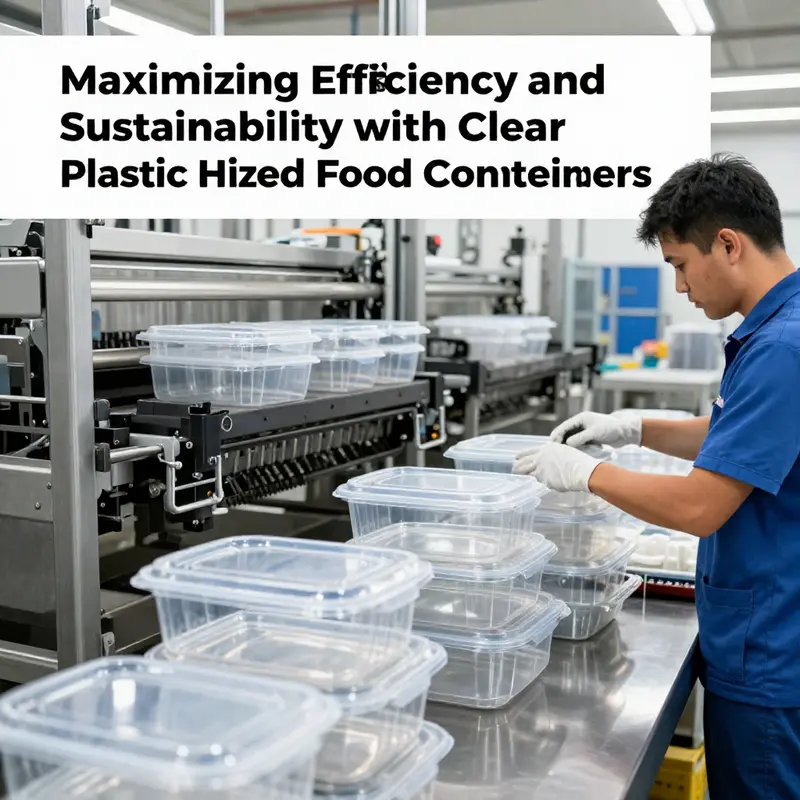
The journey of a clear plastic hinged food container from resin to retail shelf is a study in logistics, technology, and marketplace pressure. These containers, prized for their transparent walls and reliable lids, serve as a visible bridge between brand promise and consumer trust. Yet the path from raw materials to the deli case is not simple. It weaves together volatile commodity markets, high-precision manufacturing, and complex transportation networks that must align with stringent food-safety standards. In wholesale, where margins are tight and turnaround times are short, even modest disruptions in one link of the chain can cascade into delays, higher costs, or compromised product quality. The fundamental strengths of hinged designs—secure closure, one-handed use, and tamper-evident features—become meaningful only when supported by a stable, predictable production-and-supply system. The chapter that follows traces this system, focusing on how material sourcing, manufacturing complexity, and evolving environmental expectations shape the wholesale viability of clear plastic hinged containers.
Material sourcing anchors the entire chain. polypropylene (PP) and polyethylene terephthalate (PET) are the principal workhorses for these containers. Their properties—clarity, rigidity, and food-safety compatibility—make them well suited for direct contact with edibles. But PP and PET are plastics derived from petrochemical streams, so their prices and availability are intimately tied to global oil markets and geopolitical dynamics. A sudden shift in crude prices can ripple through supplier negotiations, procurement calendars, and production planning. Suppliers must forecast demand not only for current volumes but for potential price spikes, while buyers seek long-term contracts or multi-site sourcing to dampen exposure. The volatility is not merely about price; it is about lead times. If feedstock costs tighten, manufacturers may throttle output or shift to alternative resins, which can affect appearance, strength, and seal efficacy. Konsensus in the field is that a resilient procurement strategy blends spot buys for flexibility with fixed-term agreements for stability, all while maintaining compliant formulations suitable for food contact.
Manufacturing processes for clear hinged containers demand an extraordinary level of precision. The dominant method—injection or thermoforming with subsequent sealing—requires tightly controlled tooling, temperature, and shrinkage management. A misaligned mold, a minor variation in resin melt index, or an inconsistency in the raw material can yield a container with imperfect clarity, inconsistent wall thickness, or a fragile hinge. Such defects increase waste, lower yield, and disrupt downstream packing lines. Achieving the visual transparency that consumers expect compounds the challenge: shrinkage scratches, hazing, or optical distortions can undermine perceived quality even when the material performs adequately in terms of strength and heat resistance. The push toward sustainability intensifies this technical balancing act. Adding recycled content or switching to thinner walls to reduce material use can creep into the equation, potentially affecting rigidity, sealing performance, and heat tolerance. In other words, the engineering team must reconcile the bid for lower environmental impact with the uncompromising requirements of retail display, transportation, and customer safety.
Quality control underpins every stage of the chain. A flawless hinge must withstand repeated opening and closing without loosening or misalignment. The container must seal securely enough to maintain product integrity during transit and display, yet open easily for consumer convenience. Any lapse in tolerances translates into more rejects, retesting, and rework—costs that wholesalers inevitably feel, especially when competing for price-sensitive contracts. Some designs incorporate integrated tamper-evident features, such as a tear strip, which can improve hygiene and product trust but adds another set of tolerances to manage in production. The cumulative effect is a manufacturing environment where even modest improvements in process control can yield meaningful reductions in waste, fewer carryover defects, and steadier delivery performance. This is a sector where the devil is in the detail: microscopic variations in resin color, clarity, or flow can translate into perceptible differences on the shelf.
Logistics and supply chain management add further layers of complexity. Even though plastic containers are lighter than glass or metal, their bulk and collective weight can accumulate into substantial freight costs, especially when shipped over long distances. Distribution centers and retailers demand predictable delivery schedules, which pressure suppliers to keep lead times short and variability low. The industry is also navigating a growing emphasis on sustainability. Regulators and buyers increasingly favor packaging that is recyclable, reusable, or made with recycled content. Transitioning to more sustainable materials or processes often requires retooling production lines, investing in new molds, or adopting new certification regimes. While these changes may deliver long-term environmental and brand benefits, they can temporarily erode margins or slow time-to-market if capital budgets are constrained or if supplier capacity is constrained.
Market competition amplifies these pressures. The hinged container market is crowded, with many manufacturers vying for the same contracts from large food-service operators and retailers. This competitive landscape compresses margins and elevates the incentive to innovate quickly—whether through subtle improvements in clarity and stackability, enhanced tamper-evidence, or packaging that supports branded storytelling in-store. For smaller wholesalers or start-ups, the cost of incorporating sustainable packaging can be prohibitive, creating a real trade-off between environmental goals and price competitiveness. The industry thus faces a pendulum: sustainability advances are desirable and often demanded, but the higher upfront and ongoing costs can constrain adoption, especially for customers with tight operating budgets.
The production backbone of this sector is not abstract. Real-world capacity figures illuminate the scale at which these components operate. For example, some major producers run dozens of thermoforming lines and manufacture tens of tons of packing daily to meet steady demand. This scale is essential to buffer against seasonal spikes in food-service activity and to sustain national or regional distribution networks. Yet scale also concentrates risk. If a few key suppliers supply the majority of high-quality resin stock, disruption at any one link—whether due to equipment downtime, tariff shifts, or transportation bottlenecks—can ripple across multiple customers. The importance of diversified sourcing, transparent supplier relationships, and contingency planning cannot be overstated in wholesale procurement strategies. In practice, buyers increasingly favor suppliers who offer end-to-end visibility, reliable certifications for food contact safety, and defined service levels that minimize the chance of stockouts during busy periods.
Customization and branding add another dimension to the balance sheet. Many buyers seek options such as heat transfer printing, silk screening, or even subtle color accents to align packaging with brand identity. Each customization adds its own design and tooling costs, potentially delaying production or complicating the supply chain. However, when executed well, it can improve product salability and reduce the need for secondary labeling, which in turn can support faster in-store shelf turnover. The trade-offs are managed through careful scoping and collaborative planning between brand teams and manufacturing partners. A single integrated project plan can keep tooling, material selection, and production scheduling aligned, thereby unlocking faster responses to changing consumer preferences while avoiding costly last-minute changes.
An illustrative bridge between production realities and adjacent packaging ecosystems can be seen in related packaging formats that share process and supply chain logic. For instance, an octagonal kraft paper box used for restaurant packaging demonstrates how designers extrapolate from established performance requirements to new sustainability targets. The idea is not to replace plastic outright but to broaden the packaging mix in ways that preserve product integrity, reduce waste, and enhance brand storytelling on shelves and at the point of sale. For readers exploring a concrete example of adjacent packaging choices, a practical reference is available here: disposable octagonal box packaging.
Looking ahead, the sector will likely lean on several pillars to sustain growth while addressing environmental and regulatory expectations. Continuous improvements in resin technology can offer higher clarity with lower haze and improved heat resistance, enabling thinner walls without sacrificing performance. Recycling streams and circular economy concepts may drive the adoption of higher post-consumer recycled content, provided the material remains compatible with food contact standards and consumer safety expectations. In parallel, automation and digital twins in molding processes can reduce scrap, optimize cooling cycles, and shorten changeover times, which collectively support lower unit costs and more flexible response to demand fluctuations. The overarching objective is clear: deliver containers that meet stringent safety and performance criteria while reducing total lifecycle impact and keeping wholesale channels resilient against shocks in supply and demand.
To connect the production narrative with practical procurement decisions, consider how a buyer can frame supplier conversations around capacity, quality, and sustainability. Ask for transparent data on resin supplier diversification, forecast reliability, and defect rates. Request documentation of food-contact certifications and tamper-evident testing results. Probe how a supplier handles line retuning and mold maintenance to minimize downtime. And, where possible, evaluate a partner’s ability to provide integrated branding options or secondary packaging solutions that reduce overall waste and improve shelf efficiency. These conversations yield insights that go beyond price and delivery dates, revealing whether a supplier can sustain performance through peak seasons and evolving regulatory environments.
External factors also shape decision-making. Market analyses suggest this sector remains competitive, with consolidation tendencies and a premium placed on reliability and sustainability. The broader context shows that manufacturers who can align resin sourcing, tooling fidelity, and logistics planning with brand requirements will lead the pack in wholesale procurement. For readers seeking a macro view of how hinged-lid packaging markets are evolving, an external industry analysis provides a deeper dive into size, growth, and competitive dynamics. See this external resource for a comprehensive market perspective: https://www.researchandmarkets.com/reports/681234/hinged-lid-container-market-size-2025-2030-swat-competitive-analysis.
Final thoughts
Clear plastic hinged food containers play a critical role in the food service industry, offering practical solutions that balance efficiency, aesthetic appeal, and sustainability. As businesses look to enhance their operations and brand presence, leveraging the benefits of these containers will provide a competitive edge. Understanding market trends, choosing the right materials, committing to eco-friendly practices, embracing customization, and navigating production challenges are essential in making informed decisions for future procurement. By selecting the right packaging, businesses can ensure they meet customer demands while contributing positively to the environment.