
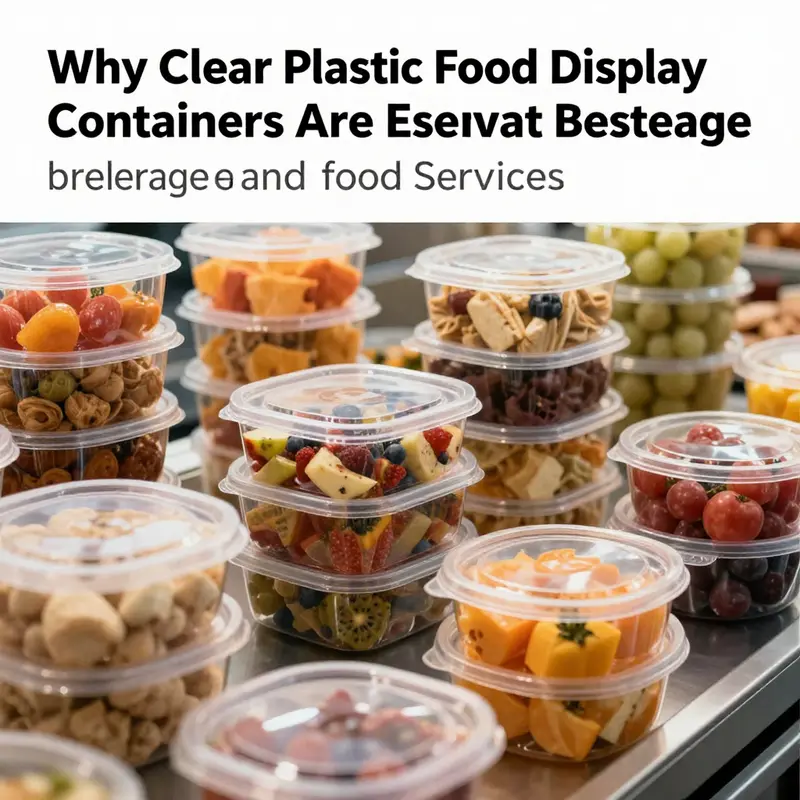
Clear plastic food display containers have become indispensable tools in the realms of retail, restaurants, food trucks, and catering services. These packaging solutions offer versatility, safety, and aesthetic appeal for businesses looking to optimize food presentation and storage. Their transparency allows easy visibility of contents, attracting consumers and minimizing selection errors, a crucial factor in fast-paced environments. In this article, we’ll explore the applications, design features, economic impacts, regulatory standards, and pros and cons of clear plastic food display containers—from their role in boosting impulse sales in bubble tea shops to their effective organization in home use. Each chapter will deepen your understanding of how these containers can benefit various aspects of food and beverage operations.
null
null
Seeing It All: The Design Language Behind Clarity, Hygiene, and Efficiency in Clear Plastic Food Display Containers
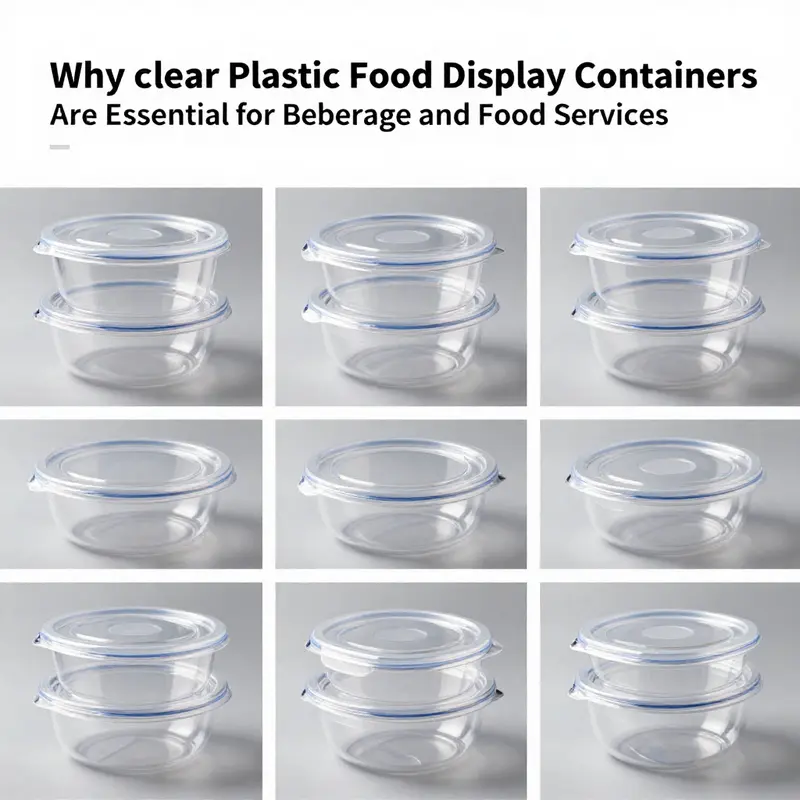
The design of clear plastic food display containers is less about a single feature and more about a cohesive system that governs how products are perceived, touched, and managed from the moment they are stocked to the instant a shopper makes a choice. In a retail landscape where visibility is the first salesman, these containers must do more than hold food; they must convey freshness, enable precise handling, and streamline the choreography of staff and customers alike. The core idea driving their design is clarity, not merely in appearance but in function. Clarity means legibility of contents, predictability of performance, and a user experience that reduces hesitation and error. When a shopper glances at a transparent bin and instantly recognizes a product’s color, texture, and portion size, the decision to reach for it is accelerated. When a staff member lifts a lid and finds a consistent interior surface that wipes clean in seconds, the task of restocking and maintaining hygiene becomes almost automatic. This integrated approach to design treats every surface, every hinge, and every seam as a point of interaction between human intention and microbial safety, between visual appeal and practical feasibility. The result is a family of containers that do not merely hold goods but actively support better merchandising, better hygiene, and better efficiency across the store floor, kitchen, or pantry shelf.
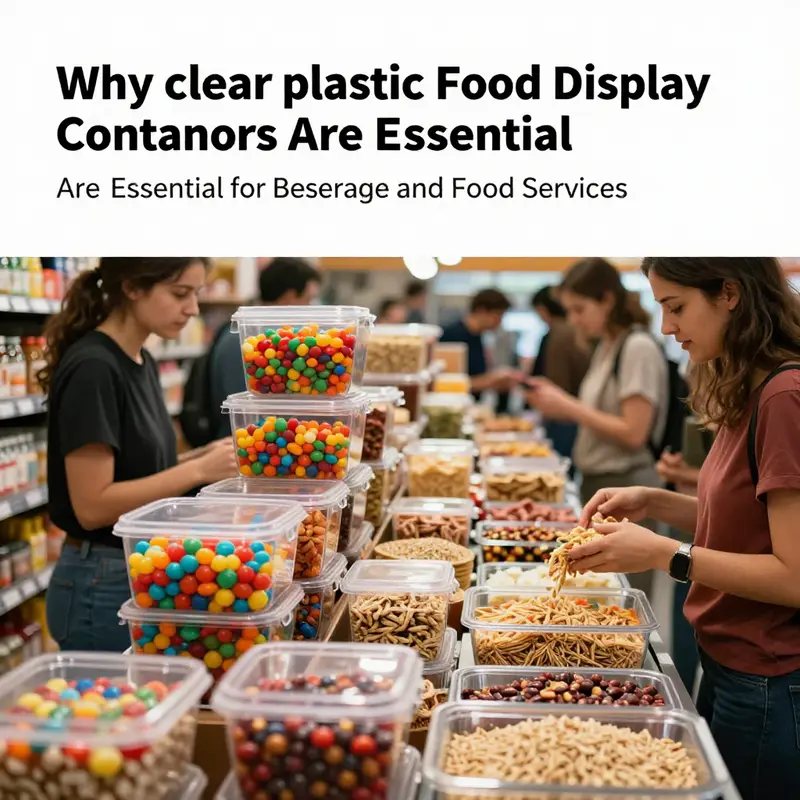
Transparency sits at the heart of this design philosophy. The value of a clear container rests on more than aesthetics; it is a strategic tool for inventory management and consumer confidence. When contents are visible, staff can identify stock levels at a glance, reducing the chances of overstocking or stockouts. Consumers, in turn, can assess uniformity and freshness without lifting or opening, which minimizes product handling and the risk of contamination. This visibility also aids in education and storytelling on the sales floor. A bin of uniformly colored grains, nuts, or dried fruits becomes a tiny display of order and quality, inviting selection through legibility rather than guesswork. The materials selected reflect this emphasis on clarity. PET is prized for its high transparency, which preserves the natural appearance of the contents, while PP offers a cost- and performance-balanced option when light heat resistance is beneficial. In some cases, newer formulations or blends introduce a modest sheen or clarity that remains durable under daily use, without sacrificing the smooth interior surface that makes cleaning straightforward.
Beyond clarity, modularity and stackability expand the physical footprint a retailer can devote to visible goods. In environments ranging from compact convenience stores to bustling bakery counters, vertical space efficiency translates directly into more display capability without expanding the store’s footprint. Containers are often designed with uniform dimensions that allow secure stacking, layer upon layer, without sacrificing accessibility or stability. The modular approach makes it easy to reconfigure displays for seasonal assortments or new product categories, a capability that is particularly valuable in spaces where floor space is at a premium. The practical benefit is tangible: in a well-organized stack, a fresh wave of products can be introduced quickly, maintaining a neat aesthetic that invites shoppers to explore. The interplay between stackable design and leak-resistant lids also plays a critical role. A secure lid not only preserves freshness during display but also protects against spills during handling by customers or during restocking. The lid design—often snap-on or press-fit—contributes to a spill-resistant experience that reduces waste and contamination while keeping the interior surface free of smudges or debris that might otherwise deter a quick selection.
Flexibility is another hallmark, reflecting how these containers adapt to a range of display modalities. Many are designed to attach to pegboards, walls, or display hooks, enabling retailers to craft bespoke layouts that respond to shopper flow and product assortment. This adaptability supports cross-merchandising, where complementary items are positioned together to prompt impulse purchases, such as pairing a visually striking snack with a nearby beverage display. The ability to reconfigure a display without specialized tools or significant downtime matters as much as the container’s own features. When a layout change is needed—perhaps to highlight newly arrived items or to create a more compact counter display—the system allows fast adaptation. In practice, this adaptability reduces downtime during restocking and merchandising shifts, helping staff keep the floor vibrant while maintaining hygiene standards.
Hygiene and safety are not afterthoughts in this design vocabulary; they are foundational criteria. The interior surfaces of clear plastic display containers are intentionally smooth to minimize sites where food can cling or where residues can accumulate. A clean interior simplifies sanitation routines and helps maintain appearance over time, which in turn reinforces consumer confidence. Lids contribute to hygiene by sealing contents and limiting exposure to air and contaminants, a feature that becomes especially important for perishable or semi-perishable items. In many applications, the lids’ leak-resistance reduces the risk of accidental spills during handling, further supporting a hygienic and orderly display. Durability under daily use is essential as well, particularly in busy retail and food-service environments. HDPE variants offer strong impact resistance and moisture resistance, helping containers withstand the bumps and knocks of busy service floors and crowded storage areas. These materials also resist common cleaning chemicals, ensuring that routine sanitizing does not degraded the glass-clear appearance or the integrity of the container over time.
The material choices themselves represent a balance of properties. PET’s superior clarity makes the contents appear bright and inviting, a critical factor when eye-catching visuals drive selection. PP contributes heat resistance, broadening the range of foods that can be displayed without concern for temperature exposure during brief storage or display calculations. In the interest of sustainability, some designs explore biodegradable options such as PLA, aligning with broader goals to reduce plastic burden while accepting trade-offs in strength, clarity, or heat performance. Each material choice is weighed against a product’s intended use, expected turnover, and the cleaning protocol required by the operation. For bulk-dispensing contexts, the emphasis on low friction and a smooth interior surfaces becomes a practical advantage: foods slide as intended, scoops reach to the bottom reliably, and the risk of crusty buildup on the sides diminishes. When the goal is long-term display with heavy daily use, HDPE or reinforced PP variants deliver the needed resilience without sacrificing the clean, transparent appearance that showcases the product inside.
In many settings, the audience for these containers ranges from the meticulous kitchen staff in a restaurant to the hurried shopper in a supermarket. The design therefore integrates ease of use with aesthetic appeal. A well-thought-out container communicates quality beyond its contents: its precise dimensions align with standard shelving, its corners resist snagging, and its rims offer fingertip-friendly access that makes scooping or pouring effortless. The goal is not simply to hold food but to facilitate a smooth, intuitive experience that reduces selection errors and speeds service. The visual uniformity across a display helps maintain an orderly impression even as stock rotates, while the transparent windows invite customers to inspect color, texture, and portioning at a glance. In this sense, design features operate on multiple levels simultaneously: they optimize logistics, enhance product visibility, support hygiene, and strategically influence purchasing behavior by reducing friction in the decision process.
The lifecycle implications of these design choices deserve attention as well. Reusability and ease of cleaning extend the operational life of the containers. A container that cleans quickly and resists staining or odor retention supports repeated use without compromising food safety or appearance. When a store’s merchandising system requires frequent swapping of items, a container that can be quickly emptied, sanitized, and refreshed is particularly valuable. The choice of lid design—whether snap-on for speed or fit-for-purpose for leak prevention—reflects a balance between speed and security. In high-turnover environments, speed often wins; in display cases where spill risk is higher, a more robust seal may be preferred. The overall design embraces this trade-off by offering a range of configurations that can be tuned to the specific workflows of a given operation, rather than forcing a one-size-fits-all approach. This adaptability makes the containers equally suitable for bakery showcases, deli counters, meal-prep stations, and bulk-dispensing zones, all while preserving the integrity and cleanliness of the displayed foods.
Yet every design system carries limitations that guide how they are used. Temperature resilience remains a consideration; while many plastics handle cool or ambient storage well, higher heat can shorten the life of some transparent plastics or alter their appearance over time. Microwave suitability, if applicable, is typically labeled and restricted to specific variants. The clear plastic display family excels in visibility and accessibility but often requires oversight to ensure that display conditions do not inadvertently expose perishable items to heat or moisture beyond recommended thresholds. For sustainability-minded operations, the end-of-life story matters as well. Recycling streams and compostability depend on the material and local facilities, and manufacturers are increasingly transparent about the trade-offs involved in choosing clarity, rigidity, and biodegradability. In practice, the best outcomes come from a design strategy that pairs clear, easy-to-clean surfaces with a lifecycle plan that aligns with store waste-management capabilities and the environmental commitments of the operation.
All these design features converge to produce a display system that is more than the sum of its parts. Clarity invites attention, modularity invites customization, lids enforce hygiene, and durable materials ensure reliability. In concert, they reduce spillage, improve stock control, and enhance the shopper’s confidence in the presented product. The result is not merely attractive packaging but a practical tool that supports efficient operations and a positive consumer experience. As retailers and food professionals continue to optimize their display ecosystems, the emphasis on integrated design—one that respects visibility, accessibility, hygiene, and lifecycle considerations—will guide the evolution of clear plastic food display containers toward even more versatile and responsible solutions.
External resource for further reading: Plastics News presents a detailed overview of the design features, showing how manufacturers balance clarity, durability, and safety in contemporary clear plastic food display containers. https://www.plasticsnews.com/industry-news/design-features-of-clear-plastic-food-display-containers
null
null
Clarity Under Code: Navigating Global Standards for Transparent Plastic Food Displays
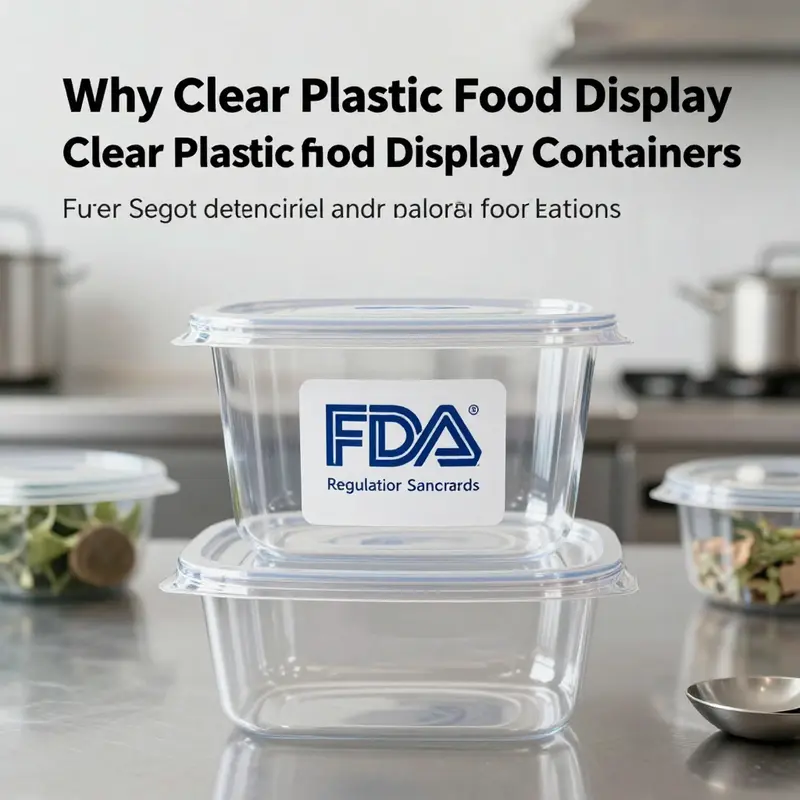
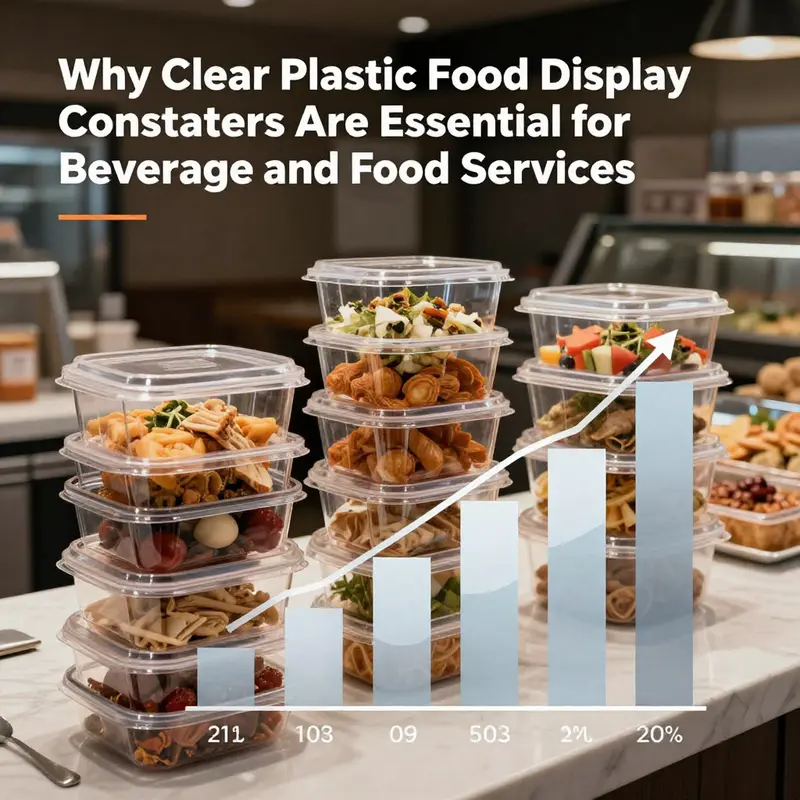
Clear plastic food display containers occupy a unique niche where visual appeal must harmonize with rigorous safety, environmental responsibility, and dependable performance. The very feature that gives these containers their power—their glass-like transparency—also raises the stakes for regulators, manufacturers, and retailers. When a shopper glances into a perfectly arranged display of confections, salads, or dry goods, they are not merely assessing color and form; they are trusting that the packaging holding those items has been vetted for direct contact with food, that substances will not migrate into the product, and that the container itself will withstand the daily rigors of a busy store floor. A chapter on regulatory standards for clear plastic food display containers, therefore, is not a side note but a map of the terrain where design, safety, and commerce converge. It explains why these seemingly simple vessels must satisfy a layered code that spans national rules, international guidelines, and evolving sustainability goals, all while preserving the clarity that makes them so effective on the shelf.\n\nAt the core of food-contact regulation is the simple, practical necessity that materials do not jeopardize the food they cradle. In the United States, the FDA governs the use of polyethylene terephthalate, or PET, in direct contact with food, through guidelines codified in 21 CFR 177.1520. This standard does more than authorize PET’s use; it establishes migration limits that govern how chemical constituents may move from plastic into a stored food item under various conditions of time and temperature. For a clear display container meant to hold macarons, truffles, sandwiches, or bulk snack mixes, these migration limits translate into a dependable safety envelope: the container will not release problematic substances at levels that could alter taste, safety, or aroma during the typical lifecycle of display and serving. The standard thereby shapes not only the choice of resin but also how the container is manufactured, finished, and cleaned. It guides decisions about plasticizers, stabilizers, and colorants so that what is visible remains appealing while remaining inert enough to preserve food quality over time. The clarity that entices shoppers is, in regulatory terms, married to predictability: a PET container that can be trusted to meet migration criteria across expected display durations and environmental fluctuations.\n\nBeyond the boundaries of a single nation, the global marketplace rewards materials and processes that can demonstrate cross-border safety and impurity controls. An international framework such as IEC 62321, although primarily associated with electronic products, has contemporary relevance for packaging because many food-contact plastics may include additives or surface treatments that could pose concerns if not properly controlled. IEC 62321 focuses on the detection of hazardous substances and heavy metals, providing a reference point for manufacturers seeking comprehensive screening of their materials. Compliance with such standards helps ensure that a clear plastic container is free from contaminants that could otherwise complicate regulatory acceptance in multiple regions. For producers aiming to supply a worldwide network of retailers, the ability to present verifiable test results and certificates of conformity—showing adherence to recognized screening practices—can shorten time-to-sell and reduce the risk of noncompliant inventories. In this sense, the standard is not a barrier to entry but a grade of assurance that supports global distribution.\n\nSustainability considerations are now deeply interwoven with safety standards. Many manufacturers recognize that material choices must align with environmental responsibilities without sacrificing performance. PET’s recyclability stands as a cornerstone of this alignment. When a container is designed with the possibility of recycled content, and when the resin and additives are selected to retain clarity and rigidity post-recycling, retailers gain a meaningful pathway to reduce waste. The literature and industry practice increasingly show that using recycled PET (rPET) or incorporating post-consumer content can yield tangible environmental benefits, often framed as reductions in virgin resin demand and lower overall carbon footprints. In parallel, standards increasingly favor recyclability, encouraging the adoption of clear labeling, compatible recycling streams, and design for disassembly where feasible. The outcome is a packaging ecosystem where a display can remain visually appealing and hygienically robust while contributing to a more circular economy. Designers and manufacturers thus face a dual mandate: maintain optical clarity and ease of cleaning while ensuring end-of-life options are practical, traceable, and aligned with local recycling infrastructures. This dual focus does not dull performance; it reframes it as a holistic value proposition that shoppers and retailers increasingly recognize as responsible and forward-looking.\n\nMarket access, of course, hinges on compliance across jurisdictions. For producers who wish to offer display containers in multiple countries, the regulatory puzzle requires not only adherence to upstream material standards but also conformance with labeling, hygiene, and safety expectations that vary by region. Meeting FDA requirements in the U S does not automatically guarantee acceptance in other markets; yet, a container that can demonstrate migration control, absence of hazardous additives (as screened by recognized standards), and traceable supply chains stands a far better chance of seamless cross-border distribution. The advantage is not merely regulatory clearance; it is the ability to present a coherent story of safety, quality, and environmental stewardship to retailers who operate complex, multinational networks. In practice, this means robust supplier verification, transparent declarations of resin content and additives, and the capacity to provide third-party test results or certifications when requested. When such documentation is consistently maintained, the container becomes easier to source across continents, and retailers gain assurance that the products on their shelves meet shared expectations for safety and environmental responsibility.\n\nThe design implications of regulatory and sustainability pressures are substantial but not prohibitive. Standards like those governing PET migrations push manufacturers toward precise control of the interior surface finish, the texture and smoothness needed to minimize food sticking, and the avoidance of materials that might shed particles or flavors into the food. The choice of lids—whether snap-on or press-fit—also reflects a convergence of leak resistance, user friendliness, and chemical compatibility. The cleanability criterion matters as well: interior surfaces must be resistant to staining, easy to sanitize, and compatible with routine cleaning protocols used in retail kitchens and food-service environments. These requirements influence not only the raw material selection but also the assembly methods, adhesive systems, and testing regimens used during product development. The result is a display container that not only looks pristine on the shelf but also behaves predictably in store environments and during transport. In practical terms, retailers benefit from reduced spillage, easier refilling, and a more consistent customer experience, while manufacturers enjoy the efficiency gains and risk mitigation that come from a clearly defined compliance path.\n\nWithin this regulatory framework, the messaging around packaging becomes part of the product’s value proposition. A container that is demonstrably safe and recyclable supports a retailer’s brand narrative around quality and corporate responsibility. The resulting trust extends to the consumer, who experiences a straightforward purchasing moment: the display is attractive, the lid seals securely, and the product inside is presented in a clean, unobtrusive format that respects safety and hygiene standards. Compliance, then, is not a dull obligation; it is a driver of customer confidence, operational efficiency, and long-term sustainability. The modern clear plastic display container owes its ongoing relevance to this synergy between elegance on the shelf and accountability behind the scenes. As regulatory expectations evolve—with increasing emphasis on recyclability, traceability, and contaminant screening—manufacturers are challenged to keep pace through rigorous internal testing, transparent documentation, and a willingness to adapt materials and designs without compromising visibility or performance. In short, regulatory clarity and aesthetic clarity can grow together, giving retailers a product that is both visually compelling and responsibly made.\n\nFor practitioners in this field, the takeaway is straightforward: integrate safety, compliance, and environmental stewardship from the earliest design stages. Specify PET grades with known migration characteristics, select lid systems that will endure repeated use and sanitation, and plan for recycled content wherever feasible without sacrificing clarity. Build a supply chain that can reliably produce and verify material declarations, keep up with evolving standards, and maintain documentation that can cross regional boundaries. When teams align on these principles, the resulting clear plastic display containers do not merely showcase food; they symbolize a disciplined approach to packaging that honors consumer health, environmental responsibility, and the practical demands of high-volume retail. The path from resin to rack to customer thus becomes a coherent narrative of safety, sustainability, and superb presentation—a narrative that stands up to regulatory scrutiny while still drawing the eye and inviting the hand.\n\nExternal resource: https://www.alibaba.com/product-detail/50-hole-clear-plastic-clamshell-display-box1600584932790.html?spm=a2700.galleryofferlist.pisp.1.4c4d1f2aQxYjDv&productId=1600584932790
Seeing Clearly, Storing Smartly: Weighing the Pros and Cons of Clear Plastic Food Display Containers in Home Kitchens
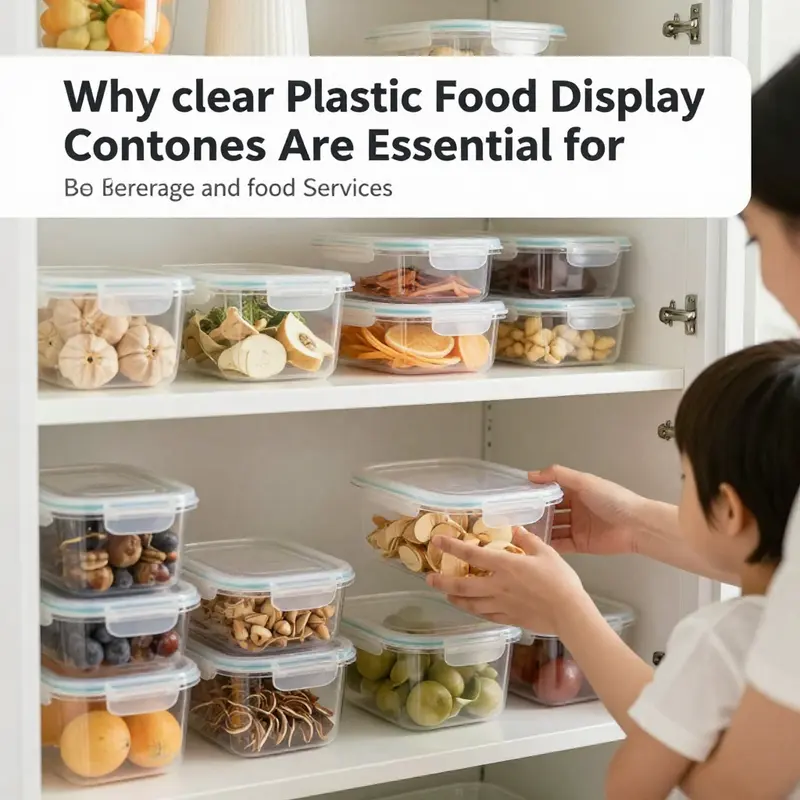
Clear plastic food display containers have become a quiet backbone of many home kitchens, where organization meets everyday practicality. The transparency of the walls is more than a visual virtue; it is a functional cue that guides our daily routines. When you open a cabinet and can immediately identify what sits inside a bin or tub, you save seconds and reduce the impulse to rummage through opaque boxes that hide their contents behind opaque walls. This clarity can translate into measurable benefits at home: fewer missed ingredients, less food waste, and a smoother workflow during meal prep. Yet visibility alone does not tell the full story. A home pantry or a corner of the kitchen island can reveal both the strengths and the limitations of these containers, especially when considered against the realities of domestic use, budget, and long-term storage needs.
From a materials perspective, clear plastic display containers are typically produced from food-grade plastics such as PET, HDPE, or PP. Each material brings its own balance of clarity, rigidity, and resilience. PET is prized for its sharp, glass-like transparency, which helps products maintain a bright, appealing presentation that appeals to the senses as much as to the mind. HDPE, while highly durable and resistant to impact, can be less transparent; its clearer variants do exist, but the depth of clarity may not match PET in every light condition. PP offers good chemical resistance and can be a middle ground between clarity and feel, but again, the specific formulation matters for how crystal-clear the container remains after repeated use and washing. The core advantage for home users remains safety: when these plastics are certified for direct food contact and comply with standards common in many regulatory environments, they carry the reassurance that they are suitable for daily food storage. The practical upshot is that you can store cereals, snacks, dried fruits, beans, pasta, and even ready-to-eat meals with a sense of confidence about safety and cleanliness.
Space efficiency is another compelling argument in favor of these containers. Many home-oriented designs embrace stackable geometries that fit neatly on pantry shelves and inside cabinets, turning potential clutter into an orderly, modular system. The stackable feature is not just about aesthetics; it is a real-world time saver. With better vertical organization, you can retrieve items more quickly and stack less, which in turn reduces the chances of spills and mix-ups during busy mornings. For households managing limited storage, every inch matters, and the stackable nature of clear display containers can liberate precious cabinet real estate without sacrificing accessibility. Built-in or integrated ergonomics, such as scoops or scooping lips, are another practical touch. They promote hygiene and portion control, which is especially useful in households that practice bulk storage of dry goods. A well-designed scoop reduces the mess that often accompanies a hurried grab-and-go moment, helping maintain a cleaner kitchen surface and reducing waste from spills that might otherwise end up in the trash or on the floor.
From a hygiene standpoint, the interior finish of these containers matters as much as the exterior clarity. Smooth interior surfaces resist sticking, scouring away quick residues, and enable easier cleaning. This is particularly important for households that store oily or sugary foods, where residues can cling to rougher surfaces and contribute to odors or staining over time. In practice, many home users discover that these containers are forgiving when cleaned promptly after use, and their transparency makes any lingering residue obvious enough to address quickly. Yet the same transparency can reveal wear. Repeated washing, exposure to heat, or sunlight can gradually affect clarity. Some plastics may develop a cloudy haze or a slight warp when subjected to high temperatures or prolonged UV exposure. While not universal, this tendency reminds users to be mindful of how and where these containers are stored, especially in homes with sunlit kitchens or near windows where direct sunlight can intensify long-term aging.
Safety and regulatory considerations remain central to any domestic decision about storage options. Containers designed for direct food contact and meeting widely adopted regulatory standards—such as FDA alignment in many markets and European equivalents—offer a baseline assurance that the materials are tested for common food storage scenarios. This is important not only for the risk of chemical migration but also for practical concerns like stain resistance and odor retention. In the home, where containers may host a range of foods from dry grains to oils or syrups, the ability to resist staining and odor absorption can prolong the perceived cleanliness and usability of the container without requiring intensive or frequent replacement.
When home users look at the practicalities of daily life, a few caveats deserve emphasis. Heat resistance is a frequent limiting factor for clear plastics. Glass and metal typically outperform plastics in high-temperature settings, and many clear containers are not intended for microwave use or for direct reheating. Even when labeled as microwave-safe, it is wise to follow the manufacturer’s guidance and avoid overheating or microwaving oils and high-fat foods that might interact with the polymer. The same caution extends to dishwasher heat; while many containers withstand regular dishwashing, repeated high-heat cycles can degrade transparency or cause minor warping over time. In other words, the everyday habit of loading the dishwasher should be balanced with a sense of how the chosen plastic performs under heat and detergent. Users who routinely reheat meals in the same containers will often steer toward models explicitly designed for microwave use or toward materials that demonstrate superior heat tolerance.
Another dimension to consider is the environmental footprint. Clear plastic containers contribute to a broader conversation about plastic life cycles. Recycling options vary by region, and not all plastic types are accepted everywhere. Even when a container is recyclable, the process relies on local recycling infrastructure, consumer participation, and proper sorting. This means that a home storage system built around plastic display containers invites a longer reflection on stewardship: can your household maintain a cycle of reuse and responsible disposal that aligns with local programs? The reality is nuanced. Reusable containers reduce the need for disposable packaging, but they still contribute to material demand and waste streams if not properly managed at end of life. For a household prioritizing sustainability, selecting containers with durable construction and a long service life can be as important as choosing the most transparent option.
Design considerations for home use also include the mechanics of the lids and the overall sealing performance. Snap-on or press-fit lids can provide spill resistance, an appealing feature for households with kids or for pantry storage where inadvertent tipping is a practical concern. The seal quality matters: a dependable lid minimizes the risk of moisture ingress, which could affect dry goods and baked items by inviting clumping or mold in rare cases. In addition to spill resistance, the design should support easy access. Ergonomic openings and scooping features can streamline portion control and make daily routines smoother, whether you are measuring out ingredients for a week of meal-prep or simply grabbing a quick snack before heading out the door. The ease of cleaning also factors into the decision. A smooth interior surface helps keep the container looking clear and feeling sanitary over many uses.
With these considerations in mind, how should a home shopper navigate a broad market of clear plastic containers? A practical path starts with aligning material choice with the intended use. If the priority is maximum clarity and visual appeal for pantry displays, PET-based designs are a natural fit, provided you are mindful of light exposure and potential clouding over time. If the goal is rugged daytime durability and resistance to rough handling in a busy household, HDPE variants—while perhaps less crystal-clear—offer robustness that can be worth the slight compromise in transparency. PP can serve as a balanced option for mixed storage needs, particularly where chemical resistance and lower cost matter. Regardless of material, validating safety certifications and verifying that the container is designed for direct contact with food helps anchor confidence in the choice. A thoughtful purchase also considers lid design, stacking compatibility, and the presence of accessory features like built-in scoops, which extend the functionality of a simple storage bin into a more organized system that supports portion control and hygiene.
In everyday use, the difference between a well-chosen set of clear plastic containers and a mismatched assortment can be felt in the rhythm of the kitchen. A pantry organized with clear, stackable, easily cleaned bins creates a sense of calm during bustling mornings and holiday prep alike. It encourages a habit of checking inventory regularly, which in turn reduces waste and overbuying. Yet the same setup can reveal its limitations if the containers are not maintained. Clouding, scratches, or loose seals can undermine the very advantages these products offer. When the kitchen is bright and well-ordered, the appeal is obvious: the contents behave like a living index of your food supply, guiding choices, tracking portions, and supporting consistent meal planning. The practical experience of visibility, lightness, and accessibility is the core value proposition for home use, even as durability, heat resistance, and environmental considerations remind us that there is no one-size-fits-all solution.
In sum, clear plastic food display containers for home use deliver a compelling blend of visibility, weight efficiency, and ergonomic access that is well-suited to pantry organization, meal-prep workflows, and freezer storage. They enable quick recognition of what is on hand, reduce the friction of daily routines, and offer solutions that help limit waste. At the same time, users should be mindful of the limits that come with plastic materials—clarity varying by polymer, sensitivity to heat and UV exposure, potential degradation over time, and the broader environmental footprint of plastic packaging. Making an informed choice means balancing the clarity of PET or PP against the durability of HDPE, evaluating lid quality and stackability, and aligning storage practices with the home’s specific temperature, humidity, and light conditions. This balanced view helps ensure that the purchase serves not just the momentary need for a neat display but the longer-term goal of a kitchen that remains practical, safe, and pleasant to use. For readers navigating the home-storage landscape, the takeaway is clear: clarity matters, but reliability, safety, and responsible stewardship must guide every selection.
External resource: https://www.alibaba.com/product-detail/Clear-Plastic-Candy-Dispenser-Bulk-Food_1600577087441.html?spm=a2700.1.wiss-1600577087441.1.1d6b5e5fQcLlYt
Final thoughts
Clear plastic food display containers shine in retail, food services, and even home organization, offering a seamless blend of visibility, safety, and efficiency. As businesses strive to present their food products attractively while also managing costs, the strategic use of these containers can lead to significant benefits. From enhancing impulse purchases in bustling environments to ensuring adherence to safety standards, clear plastic containers prove to be an invaluable asset across various applications. Whether for your bubble tea shop, food truck, or personal pantry, these versatile containers bring clarity and organization, supporting both aesthetic appeal and functional excellence.