
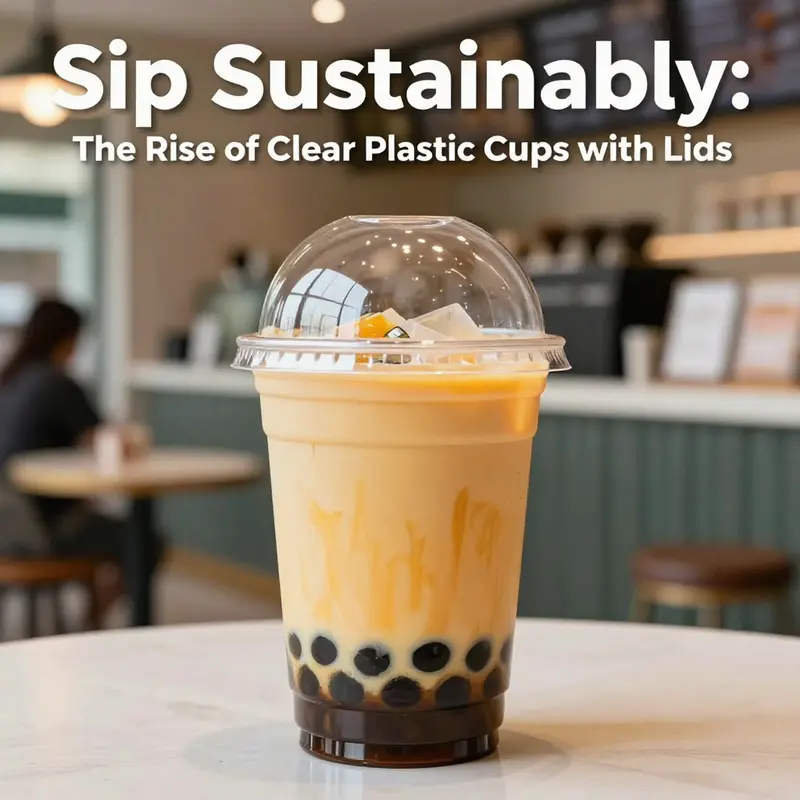
In a world where visual appeal, safety, and sustainability are paramount, clear plastic cups with lids have emerged as the go-to choice for beverage service across various sectors. These versatile cups not only showcase the vibrant colors of drinks like bubble tea and smoothies but also cater to the hygiene and convenience needs of consumers today. In the following chapters, we will delve into the materials that make these cups both practical and eco-friendly, explore the design features that enhance user experience, and analyze current market trends and applications that highlight their significant role in food service, catering, and retail environments.
Clarity and Footprints: The Lifecycle of Clear Plastic Cups with Lids
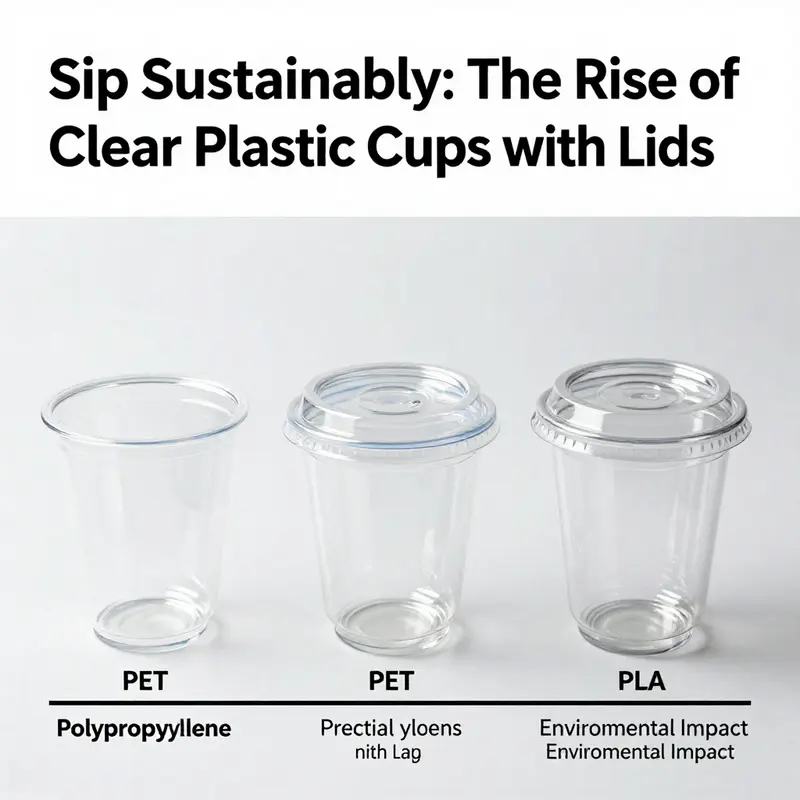
The transparency of a clear plastic cup invites questions about material choice, production energy, and end-of-life realities. PET and PP offer clarity and lightness, but each brings a distinct lifecycle: fossil-fuel inputs, manufacturing emissions, and varying recycling outcomes. PET is widely recyclable in principle, yet recovery rates can lag due to contamination and limited post-consumer processing. PP offers heat resistance and durability, but its end-of-life prospects depend on local recycling infrastructure. Bioplastics like PLA promise composting advantages where industrial facilities exist, yet they are not universally recoverable and can complicate mixed-waste streams. Beyond materials, production footprints and energy mix shape regional impacts, while end-of-life practices determine how much value is recovered versus landfilled. Recycling initiatives, better design for recyclability, and consumer participation are essential to close the loop. Recycled content, clearer labeling, and standardized collection can improve outcomes; new process technologies and policy incentives may expand recovery in the future. Finally, the choice of cup size and service model matters: reusable programs and carefully matched lids can dramatically reduce waste. The overall message is that transparency should extend beyond the beverage to the lifecycle that follows, guiding choices toward practical, scalable sustainability.
Clarity in Motion: The Design Language and Practical Benefits of Clear Plastic Cups with Lids
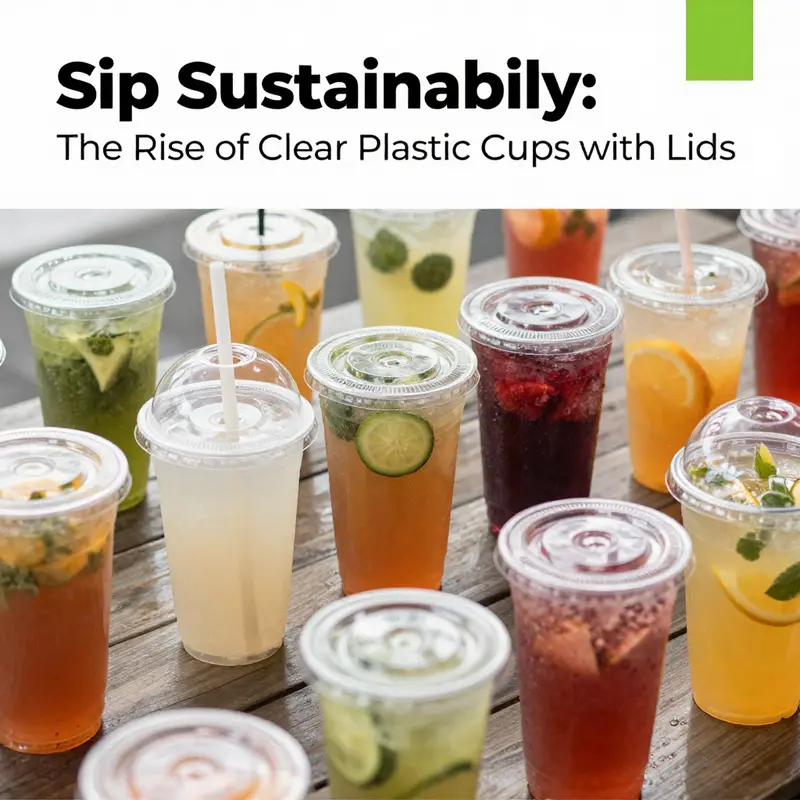
Clear plastic cups with lids sit at a curious crossroads of sight, touch, and transport. They are not just vessels for liquid; they are instruments that shape the consumer experience as it unfolds from counter to cup holder and beyond. The transparency of the cup makes the drink itself the show, allowing the color, texture, and even the play of ingredients to become part of the product’s narrative. When a barista swirls a daring gradient of layers into a smoothie or a bubble tea vendor reveals pearls suspended in milk tea, the cup becomes a stage. In this way, design and function fuse to elevate perception, signaling quality and care before a single sip is taken. But clarity is more than aesthetics. It also anchors practical advantages that ripple through every link in the supply chain—from kitchen staff and servers to customers and event organizers. The interplay between visual appeal and everyday utility is where clear cups with lids prove not just useful, but essential to contemporary beverage service.
The heart of the design story lies in crystal-clear transparency. The material choice—typically a food-grade polymer such as PET or PP—offers a window into the liquid and the life within it. PET’s high clarity and rigidity let drinks shine with near-glass-like brilliance, while PP’s versatility makes cups suitable for both hot and cold beverages. The result is a versatile toolkit that accommodates a wide spectrum of drinks—iced coffees with crema that sits atop, vibrant fruit-based blends that reveal their fruit shards, and creamy concoctions whose textures become visible through the cup’s walls. Transparency also supports branding: the cup becomes a moving billboard as it travels through the hands of customers and employees alike. When a brand prints a logo or distinctive color on the cup surface, the visual cues travel with the drink, extending brand recognition beyond the point of sale. A clear cup, then, is a platform—one that invites customers to assess color, layering, and even texture before the first sip.
Material selection is also a study in balance. PET, with its renowned clarity and rigidity, suits cold beverages and supports a crisp, premium look. It resists cracking when stacked or transported, a practical attribute in busy environments where dozens or hundreds of cups pass through service windows, delivery riders, and event tents. PP, meanwhile, is celebrated for its resilience in varied temperatures and its relatively forgiving cost profile. It remains a staple for cups that must tolerate occasional heat while preserving shape and performance as ice and condensation build up around the exterior. The choice between PET and PP is not a simple one of “clear or cheap.” It is a consideration of transparency strength, heat exposure, and the handling realities of a given operation. Some cup designs push this further with double-wall construction, a feature that introduces a thermal buffer that helps maintain beverage temperature while protecting the hands from the chill of iced drinks or the warmth of hot beverages. Such insulation can reduce external condensation, keeping the surface dry and easy to grip—a small but meaningful comfort in fast-paced service.
Lids complete the design narrative by solving the practical problem of containment. Clear cups with lids live in a world where spills and leaks can derail a service moment or a mobile order. The lid family branches into two primary configurations that address distinct needs. Flat lids with a straw hole offer a reliable balance of accessibility and security. They enable quick sipping for iced coffees, lemonades, or sodas and are compatible with standard straw diameters, a detail that matters when efficiency is prized and stock needs to be standardized across menus and outlets. The straw-hole design minimizes splashes during transport, a boon for curbside pickups, drive-through lanes, and events where a cup may travel from counter to customer’s hands in a matter of seconds. Then there are fully sealed flat lids—no hole, no access point—designed for high-risk transport scenarios or when freshness must be preserved with airtight sealing. They are particularly well-suited for delicate cold-pressed juices or dessert drinks where contamination risk and exposure to air must be minimized. Finally, for beverages that favor a strawless experience or a more controlled sipping flow, dome-shaped lids with a sipping aperture offer a middle ground that blends spill resistance with a premium drinking experience.
These lid configurations do more than prevent spills. They shape the consumer journey: how customers lift, sip, and recycle or dispose of the cup. In a café or fast-casual setting, a flat lid with a straw hole can be swapped for a dome lid at the counter to accommodate a thicker beverage or to invite a strawless sip for a more refined presentation. In events or catering, the choice between a sealed lid and a straw-hole lid can reflect the logistics of service—sealed lids for easy bagged transport, straw-hole lids for on-the-go consumption. The design language extends to the cup’s exterior textures and volumes as well. Subtle ribbing or smooth exterior contours can influence grip and stability in a variety of contexts, from a crowded coffee shop counter to a moving stadium concourse. The result is a holistic system where transparency, closure, and tactile feel converge to deliver consistent, reliable performance.
Beyond the visible aspects, the material construction and lid architecture grow more sophisticated as sustainability enters the conversation. Eco-conscious options have moved from niche to mainstream, with biodegradable or compostable alternatives gaining traction alongside traditional plastics. Biodegradable options, often derived from polylactic acid (PLA) sourced from renewable materials like cornstarch, promise a reduced environmental footprint when conditions are right. It is important to acknowledge that compostability typically requires industrial facilities to break down PLA efficiently. For brands that prioritize sustainability, certifications and end-of-life pathways matter as much as the cup’s appearance. In practice, this means a careful alignment of material choice with the operation’s waste management capabilities and community recycling or composting programs. The market is increasingly aware that a clear cup’s environmental impact is not defined solely by its production but by how it is disposed of after use.
The interplay of design features also touches branding and customization. The crystal-clear surface is a natural canvas for logos, color branding, and even seasonal artwork. Printed customization on PET or PP cups has become a practical method to reinforce identity at the moment of consumption, turning the drinking experience into brand storytelling. This is where the concept of packaging as an extension of a brand’s message becomes tangible. A well-chosen color, a crisp logo, and the right cup geometry can communicate quality, consistency, and care. Enterprises lean into this opportunity to differentiate themselves in crowded markets—from a neighborhood café to a large event operation. The ability to print or apply branding onto the cup surface adds a layer of consistency to the customer’s experience, ensuring that the drink’s appearance aligns with the brand’s broader visual identity.
In practical terms, clear plastic cups with lids must also navigate regulatory and safety considerations. Food-grade materials are essential, and compliance with local food-contact regulations helps ensure that the cups do not impart off-flavors or odors onto beverages. The stacking stability of these cups matters in both storage and transport; a cup that deforms or buckles easily during shipment can compromise hygiene and presentation. Therefore, manufacturers design with puncture resistance and resilient shape retention in mind, even when the cups are empty and stacked high. For many operators, the economics of these cups hinge on durability as well as initial cost. A cup that withstands thousands of handoffs without cracking or losing transparency offers a longer service life and reduces waste in the long run, aligning with efficiency goals and environmental considerations alike.
Despite the focus on clarity and containment, the chapter’s design language remains pragmatic. The sizes offered—commonly 7 oz, 11 oz, 16 oz, and 20 oz—reflect common serving needs across beverage categories. Smaller sizes support sample or kids’ beverages in family-friendly venues, while the larger sizes accommodate thirst-quenching cold drinks and bulk orders at events or fast-service settings. The variability in size is not merely about volume; it also speaks to how a drink’s air space interacts with temperature, condensation, and hand-hold comfort. A thicker-walled design can mitigate brittle cracking when cups are jostled in transit, and a slightly wider lip can improve sip comfort for thicker beverages. In practice, operators weigh the trade-offs between a sleek, slender silhouette and the practical demands of everyday service. The most successful cups blend a visually appealing profile with ergonomic considerations, ensuring that the cup feels secure in a customer’s grip while presenting the drink in its most flattering form.
As the beverage industry continues to evolve toward more sustainable and customizable packaging, clear cups with lids remain a flexible foundation. The option to incorporate sustainable materials alongside clear aesthetics supports a broader strategy of responsible service without sacrificing the visual impact that customers expect. This balance between aesthetics, practicality, and environmental responsibility is what makes these cups a staple across sectors—from beverage chains and cafés to fast-food outlets, events, and wellness centers. The cups’ clarity communicates quality and cleanliness, while their lids and construction protect, transport, and preserve the beverage experience from service line to takeaway. In this way, the design isn’t an afterthought; it is a central mechanism that coordinates how a drink is perceived, hydrated, and enjoyed in motion.
For brands seeking to explore the broader ecosystem of eco-friendly packaging while maintaining the familiar benefits of a clear cup, there are practical paths to explore. The choice of lid type can affect not only spill resistance but also the consumer’s overall perception of the beverage’s preparedness and care. The material may carry certifications that confirm compostability or recyclability, helping align operations with corporate sustainability goals. And the capability to print on the cup surface offers a route to cohesive branding that travels with the drink as it reaches the customer’s hands. If the aim is to present a turnkey solution that blends clarity, reliability, and a message of responsibility, the conversation often centers on the interplay of material science, closure design, and end-of-life options. The result is a packaging system that speaks to efficiency in operation, consistency in presentation, and respect for environmental considerations—an arrangement that fits neatly into the modern beverage service landscape.
For readers seeking a concrete example of how branding and packaging choices can come together in practical terms, see the concept of eco-friendly printed-logo cup designs as a model of integration between aesthetics, sustainability, and utility: eco-friendly printed-logo cold beverage cup with lid. This approach demonstrates how a clear cup can still carry a strong visual identity while aligning with broader sustainability commitments.
In sum, the design features and functional benefits of clear plastic cups with lids arise from a careful synthesis of materials, closure systems, and surface treatment that supports both the beverage’s integrity and the consumer’s experience. The crystal-clear window invites a visual appraisal of quality, while the lid architecture ensures containment and convenience. The choice between PET and PP, the potential for double-wall insulation, and the spectrum of lid types create a versatile toolkit adaptable to diverse beverage categories and service contexts. This is a packing system designed not only to hold liquid but to convey care, consistency, and capability—an everyday technology that quietly underpins the rituals of modern drinking.
External resource: https://www.alibaba.com/product-detail/16-oz-clear-plastic-cups-with-lids-for-boba-iced1600544976511.html?spm=a2700.galleryofferlist.pproduct_detail.235f3b4aHjBpTg&buyingType=1&productId=1600544976511&scm=1007.13257.1600544976511.0&source=gallery&isPc=false
null
null
Final thoughts
Clear plastic cups with lids are a pivotal element in the beverage industry, providing both practical benefits and aesthetic appeal that satisfies the modern consumer’s expectations. Their material composition reflects a growing commitment to sustainability, with eco-friendly options becoming more available for businesses looking to align with consumer values. As seen through their various designs and widespread applications in cafés, restaurants, and events, these cups are not merely functional; they are a statement of quality and care in beverage presentation. By investing in clear plastic cups with lids, businesses can enhance customer experience while embracing sustainability.