
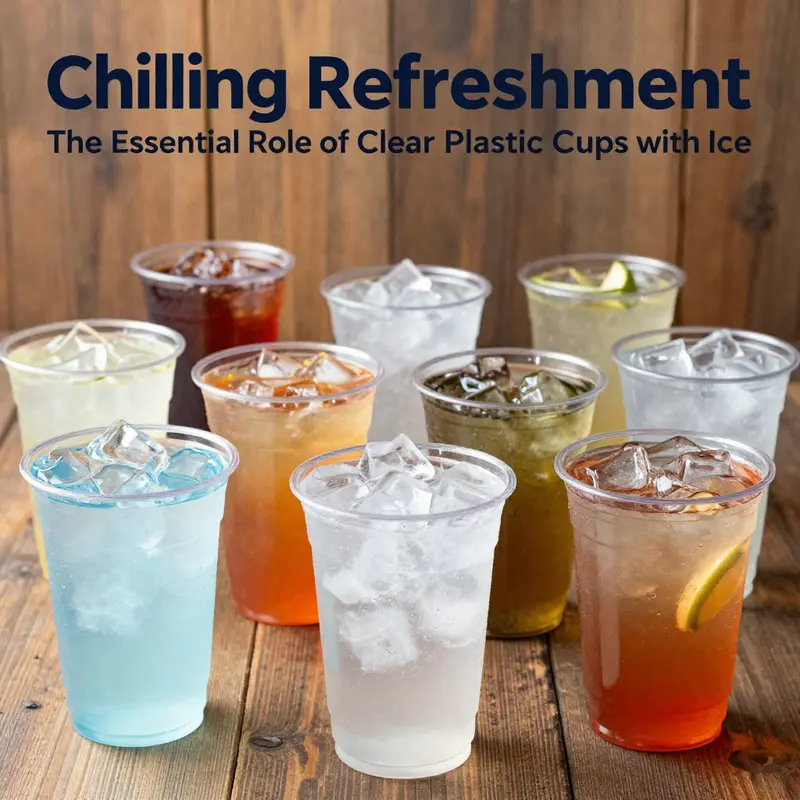
Clear plastic cups with ice have become a staple in the beverage industry, enhancing the visual appeal of drinks while maintaining functionality. These cups, commonly used in bubble tea shops, restaurants, food trucks, and catering services, offer numerous benefits from aesthetic presentation to practical usability. The upcoming chapters will delve into the design and functionality of these cups, explore the materials and manufacturing standards that ensure their durability, and examine the latest applications and market trends shaping their use across various sectors. Understanding these aspects will empower professionals to make informed decisions for their beverage service needs.
Crystal Vessels: The Art and Engineering Behind Clear Plastic Cups with Ice
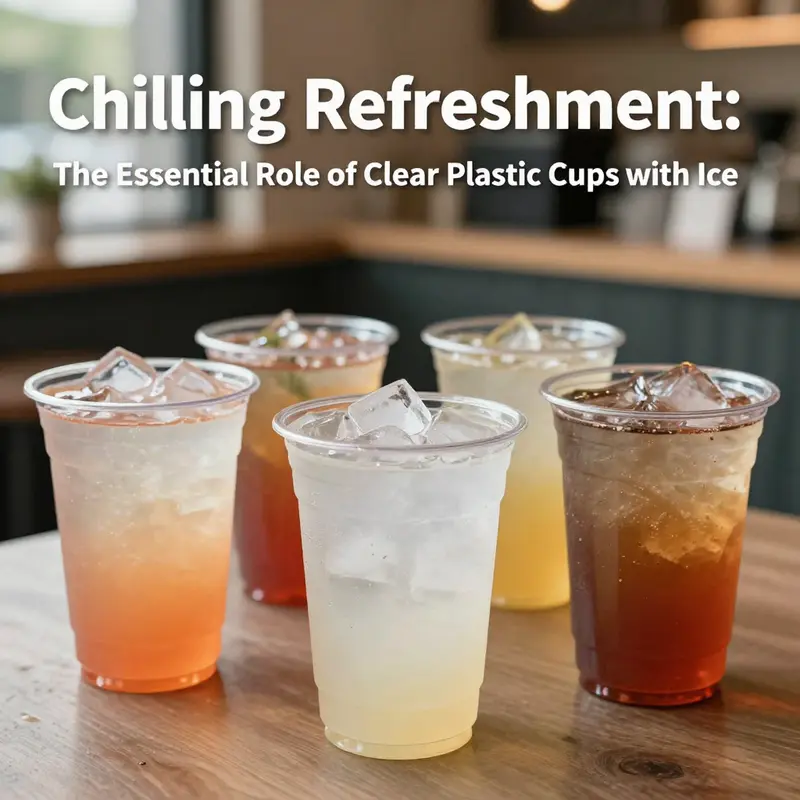
The moment a beverage designer lifts a clear plastic cup into the light, the cup becomes more than a vessel. It is a frame for color, texture, and motion, a small stage where ice catches the eye and liquid color plays a quiet game of reflection. In this chapter, we travel the arc from material science to user experience, tracing how a simple, transparent cup can elevate a drink through carefully engineered clarity, resilient performance, and thoughtful design. The ice within does more than chill; it surprises the senses. It creates a visual rhythm as facets fracture in the light, as small shards of reflected color dance along the rim. The drink’s hue—coffee amber, tea gold, berry red, or a milk‑white swirl—finds its best partner in the cup’s transparency. The cup does not just hold a beverage; it reveals a story—the process of making, the moment of consumption, the fleeting aesthetics of refreshment. This story, in turn, informs how the cup is designed, manufactured, and deployed across cafes, event spaces, and everyday kitchens.
At the core of the design is a balance between translucence and durability. Clear plastic cups are often molded from materials like PET or PP, chosen not for ornament but for structural integrity under cold temperatures. PET, with its high clarity, resists discoloration and provides a firm sense of rigidity when held, which matters when a person grips a cup full of ice and liquid. Polypropylene, meanwhile, can offer a little more rigidity at the lip and a slightly higher tolerance for repeated handling in busy service environments. The materials’ resistance to cracking and warping under cold conditions is not merely a technical footnote; it is what keeps drinks visually pristine from the first pour to the last sip, even as condensation beads on the outside of the cup. The moisture barrier of these plastics protects both the beverage and the cup’s integrity, ensuring that ice does not wick into the material in a way that would mar clarity or compromise strength.
Yet clarity alone does not define success. The lid is a quiet influencer of experience, and its design modulates risk as much as it modulates perception. Flat lids with tiny airway vents or straw holes have become a standard for the way customers sip at a casual pace or on the move. The choice of lid affects spill control, a critical factor when ice is involved. A well‑fitted lid wedges itself against the risk of spill during a brisk walk, a bustling event, or a swaying car ride. It also supports hygiene by sealing the drink from airborne particles while still permitting easy access through a straw or sipping opening. In the most demanding settings—long queues, crowded events, or service windows—the lid becomes a line of defense that keeps beverages cold and delivery on track.
A more subtle but consequential feature is wall thickness and reinforcement. Many clear cups rely on a standardized wall gauge designed to resist cracking when ice is present. In high‑volume environments, reinforced constructions, multi‑layer polymer composites, or thicker rims can deliver a tactile assurance of sturdiness. The goal is to maintain the cup’s transparent look while delivering resilience under impact and cold exposure. This is where engineering choices meet daily use. A cup must survive the cold shock of a frozen block or the rapid temperature swing when a hot beverage is added to a cold base during a rushed service. The materials science behind this is not about novelty; it is about maintaining a crisp, glassy appearance without fracturing under pressure. In practice, the most successful cups strike a balance: they remain crystal clear, withstand thousands of handling cycles, and keep ice intact enough to contribute to the drink’s visual appeal.
Beyond the raw materials and the lid, the design language of these cups often embraces modularity. The cup’s form must be compatible with a range of beverages, from milkshakes that push a spoonable texture to fizzing sodas that rely on capillary pressure dynamics to maintain carbonation as ice dilutes. The transparency is simultaneously a canvas and a constraint. It invites branding through color and liquid, but it also demands consistency in thickness and surface finish to avoid distortions that would misrepresent the drink’s appearance. In some environments, customers expect a clean, pristine surface that rejects fingerprints and smudges while still showing the drink’s inner theater. This requires surface treatments and molding tolerances that minimize surface imperfections, ensuring the ice’s angular geometry remains visible and compelling.
Another facet of functionality concerns the transition from cold storage to customer hands. The ice inside the cup represents not only a beverage component but also a temperature modulator. Ice absorbs heat as it melts, and the rate of melting can influence the perception of freshness and the drink’s body over time. A cup’s thermal performance is a function of the plastic’s insulating properties, the geometry of the cup, and the presence of a lid that minimizes heat exchange. In some designs, a thin wall may be optimized to slow heat gain without sacrificing the transparency that customers expect. The lid’s seal reduces convection between the interior and exterior, helping ice remain longer in a solid‑state phase and the beverage cooler for more of the drinking experience. The visual of ice lingering in the cup becomes a signal of care—the product is designed to keep the drink at its intended temperature for a longer window, supporting user satisfaction in both quick service and leisurely indulgence.
The choice of material and geometry also has ripple effects on maintenance and hygiene. Clear plastic cups are typically designed to be single‑use in many service contexts, yet there is a growing interest in reusable, eco‑conscious models that still deliver the same experience of clarity and reliability. This tension between disposability and sustainability nudges manufacturers toward refined production processes and better end‑of‑life outcomes. Even when cups are designed for single use, their cleanability during manufacturing, filling, and packaging is crucial. A cup that ships clean, with minimal surface defects, reduces the risk of contaminant adherence and ensures consistent aesthetic presentation from first fill to disposal.
In terms of customization, brands recognize the value of adding logos or branding elements to clear cups, a strategy that merges marketing and product design. The ability to print or embed branding on cups while preserving clarity is a delicate art. The printed or embossed branding must not interfere with the glassiness of the cup, nor should it compromise barrier properties or impact strength. In practice, customization options range from muted, translucent branding that sits subtly against the beverage to bold, fully branded surfaces that turn the cup into a moving advertisement. The business implications of such customization are significant: bulk purchasing and branding collaborations enable cafés and event organizers to create a cohesive cup identity that aligns with campaigns and seasonal offerings. The market for these cups often reflects a broader trend toward branded, disposable serving ware that doubles as marketing collateral, while also acknowledging consumers’ preference for product transparency and visual appeal.
These design considerations are not purely theoretical. They translate into real‑world performance data, as industry players test cups for temperature cycling, impact resistance, and clarity retention over time. The insight here is that even slight variations in the polymer formulation or the molding process can influence how ice behaves inside the cup and how the drink is perceived from outside. Cups that crack or frost over become unattractive, and the beverage’s color can appear dull or uneven if the surface texture is inconsistent. Suppliers therefore invest in robust quality control processes that verify crystallinity, optical clarity, surface quality, and dimensional accuracy. In practice, this translates to a product that remains visually compelling even after hours of service in a high‑volume environment. It also means that the cup can be stacked, stored, and transported efficiently without damaging the edges or compromising the lid’s fit, a small but essential detail that affects service speed and waste reduction.
As with any packaging decision, manufacturers and buyers weigh the trade‑offs between performance and sustainability. Even as clear PET or PP suits the immediate need for clarity and sturdiness, questions of recyclability and reuse persist. Recycling streams for clear plastics depend on clean separation from colors and contaminants, as well as consistent resin identification. The industry continues to explore coatings, barrier layers, and post‑consumer reuse pathways that maintain clarity while reducing environmental impact. Some models pursue multi‑layer reinforcement to improve impact resistance and reduce breakage, a choice that might influence end‑of‑life processing. In this context, the future of clear cups may lie in designs that optimize lifecycle performance—clarity during use, durability during transport, and recyclability afterward—with ongoing attention to consumer safety and regulatory compliance.
The practical implications of these design decisions extend into everyday use, pointing to how a seemingly simple item can shape the dining and beverage experience. In cafes, the way a cup feels when held—its weight, its rim smoothness, its resistance to cracking when ice rattles inside—contributes to perceived quality. In events, a stack of consistent, visually pristine cups can streamline service, aiding staff to move quickly while preserving presentation. In households, the choice of a clear cup may reflect a preference for transparency in what is being served and a desire for a durable, easy‑to‑clean option that remains visually appealing through repeated use. Even beyond beverages, the underlying principles—transparency as storytelling, lid design as habit formation, material selection as a balance between clarity and resilience—apply broadly to any product that aims to merge aesthetics with practical function.
To illustrate how these considerations converge in the marketplace, one can look at the broader landscape of bulk purchasing and customization. The industry often highlights options for bulk orders that include clear PET mini disposable cups with lids, a configuration that aligns with fast‑casual service and event catering. The commercial narrative here is not simply about selling a cup; it is about delivering a dependable envelope for cold drinks and a platform for brands to connect with customers through visual engagement. In this light, the clear cup becomes part of a coordinated system—storage, handling, service, branding, and post‑consumption flow. The interplay of these factors determines the cup’s ultimate value in the eyes of business operators and consumers alike.
For those who wish to see how such components are discussed in industry literature, a representative reference outlines the design features, functionality, and commercial aspects of clear plastic cups with ice, including materials like PET and PP, the role of reinforced construction, and the potential for customization and bulk purchasing. It also points to product examples and supplier platforms that showcase the practical realities of choosing the right cup for a given setting. As with any packaging decision, no one size fits all; instead, operators select a cup that harmonizes with their beverages, service pace, and branding strategy while meeting safety and regulatory expectations. In this sense, the cup’s design is a continuous negotiation among clarity, strength, hygiene, temperature management, and brand identity.
For readers who want a related view on packaging options beyond plastics, consider exploring the broader ecosystem of cold beverage cups that includes paper and compostable materials. The discussion around eco‑friendly printed logos on cold beverage cups—paper or otherwise—offers a complementary perspective on how brands balance aesthetics with sustainability without sacrificing the visual impact that a transparent cup can deliver. This broader context helps explain why some operators value certain design features more highly than others and how those choices ripple through pricing, procurement, and customer perception. If you’d like to explore a specific example of branding on cold beverage cups, you can look into eco‑friendly printed logo options that combine branding with practical containment and lid design, a strategy that mirrors the attention given to clear plastic cups while expanding the palette of available materials and finishes.
External reference: GF BDDessert Cup on Alibaba provides a concrete example of a clear PET disposable cup with lid in bulk, illustrating how manufacturers present specifications, compatibility with ice and beverages, and bulk pricing to buyers seeking reliable performance in a busy service environment. https://www.alibaba.com/product-detail/GF-BDDessert-cup-2-Clear-PET-Mini_1600539779874.html
In sum, the design and functionality of clear plastic cups with ice sit at the intersection of optics, physics, and human behavior. Clarity is not a cosmetic feature; it is a functional instrument that communicates freshness, quality, and care to the consumer. The cup must be sturdy enough to hold ice and liquid without cracking, flexible enough to withstand cold and handling, and transparent enough to let the drink become the focal point. The lid and wall construction must support a seamless user experience, from the first pour to the last sip. The potential for customization invites brands to transform the cup into a storytelling device without compromising its visual integrity. And behind all of these choices lies a simple truth: when ice and drink meet a well‑designed container, the result is not merely a beverage but a moment of visual and sensory clarity that enhances the everyday act of drinking.
For practitioners, the lesson is pragmatic as much as it is aspirational. When selecting cups for cold beverages, attention to material choice, lid compatibility, wall reinforcement, and the overall system in which the cup operates will yield the most consistent, satisfying results. The simplest drink can become memorable if presented in a vessel that respects its content and elevates the experience through thoughtful design. This is the essence of what we mean by clear plastic cups with ice: vessels that honor both form and function, turning a routine act into a small but meaningful celebration of refreshment.
As you move through the next chapters, keep this idea in view: the cup is not just a container but an interface between beverage and consumer, a medium that shapes perception as surely as taste. Its design speaks to the values and constraints of the environment in which it is used, and its continued refinement reflects a field that never stops asking how to make the simplest beverage experience more precise, more pleasing, and more shareable.
How Materials and Standards Shape a Clear Plastic Cup’s Performance with Ice
Materials and Standards Shape a Clear Plastic Cup’s Performance with Ice
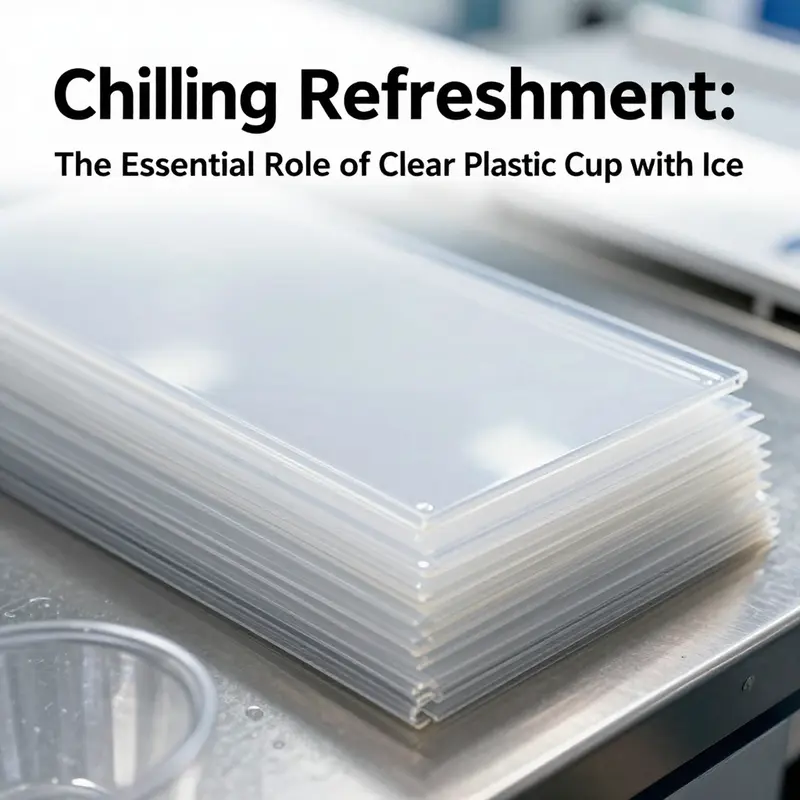
Clear plastic cups are purposeful objects. When filled with ice, they must do more than hold liquid. They must resist cracking, avoid warping, stay leak-free, and remain safe for food contact. The apparent simplicity of a transparent cup hides careful material selection, precise manufacturing, and strict regulatory testing. This chapter explains how the right polymer, wall geometry, additives, and production controls come together to deliver a clear plastic cup that performs reliably with ice.
Materials are the starting point. Two polymers stand out for cold beverage clarity and strength: polyethylene terephthalate (PET) and polypropylene (PP). PET is favored for single-use clear cups because it offers excellent transparency and stiffness at thin gauges. Typical wall thicknesses for PET cups range from 0.25 mm to 0.35 mm. Below 0.25 mm, the cup can buckle or lose structural integrity when loaded with ice. PET’s crystalline structure gives it enough rigidity to maintain shape while still keeping clarity that showcases the drink and ice.
PP is an alternative with a different trade-off. It handles heat better than PET and tolerates temperatures up to about 167°C, which makes it common in reusable or microwave-safe containers. However, polypropylene is less optically clear than PET. For designs where repeated washing or higher temperature exposure is required, PP can be an advantage. For a single-use clear cup intended to show the contents and ice, PET usually remains the material of choice.
Polymer selection is only the first decision. Wall geometry, base thickness, bead design at the rim, and optional ribbing all influence a cup’s performance when filled with ice. A thicker base increases resistance to cracking under a heavy load of cubes. A reinforced rim reduces deformation when lids are applied or when the cup is gripped. Small vertical ribs on the outer wall can increase column strength and reduce stress concentration without sacrificing too much clarity. Designers balance these features to keep material use low while meeting functional requirements.
Manufacturing method is the second major factor. Clear plastic cups for ice are commonly produced through thermoforming or injection molding of PET sheet or preforms. Thermoforming works well for thin-walled, single-use cups and yields excellent optical quality. Injection molding is used for thicker walls or complex geometries. Both processes must control wall-thickness distribution closely to prevent weak spots that could fail under cold shock or impact.
During production, controlling residual stress is critical. Rapid cooling can lock stress into the polymer. In a cold beverage application, that stress can lead to cracking when the cup is chilled quickly. Manufacturers use calibrated cooling profiles, annealing steps, or controlled mold temperatures to reduce residual stresses. This attention prevents premature fractures when ice is added.
Additives and surface treatments also matter. Clarifiers and nucleating agents improve optical quality. Slip agents and anti-block additives ease demolding and prevent sticking during stacking. However, every additive intended for a food-contact cup must be evaluated for migration into beverages. Processing aids left at the surface can appear as oily streaks or cause visible specks. Quality control processes screen for these defects because visual appearance is integral to using clear cups with ice.
Barrier coatings and lamination are sometimes applied to cups intended for long hold times or transportation. A thin coating can improve moisture resistance and reduce fogging caused by condensation. However, adding coatings introduces new compliance requirements because each layer becomes part of the food-contact surface. When coatings are used, manufacturers must validate adhesion under cold conditions and ensure the coating does not crack or flake away when the cup is stressed.
Cold-specific performance must be tested. Low-temperature resistance is not only about the polymer’s glass transition temperature. It includes impact resistance when chilled, leak and seal performance with lids, and the cup’s ability to maintain shape under the concentrated load of ice cubes. Standard tests simulate real use: cups are filled with ice and water, capped, then inverted and shaken. They are dropped from set heights to test impact resistance. They undergo cold shock cycles from ambient to chilled temperatures to reveal stress-related failures. Data from these tests define acceptable wall thicknesses and reinforcement patterns.
Regulatory standards tie the technical choices to safety. For manufacturers and buyers, compliance with food-contact regulations is non-negotiable. One widely-cited standard is GB 4806.7—2016, which sets migration limits and safety thresholds for plastic materials in food contact. It addresses total migration, specific migration of certain substances, and limits for heavy metals such as lead. Another relevant standard is QB/T 4049—2021, which is specific to plastic drinking cups; it sets requirements for appearance, capacity tolerance, seal and impact performance, and low-temperature resistance.
Meeting these standards requires a testing regimen. Migration tests expose large surface areas of the polymer to food simulants under elevated temperatures to accelerate potential transfer. Even though the cup is intended for cold service with ice, migration testing under controlled conditions ensures that long-term storage or abnormal temperature exposures will not cause unsafe chemical transfer. Sensory testing checks for off-odors and discoloration, which could indicate contamination or unsuitable additives.
Traceability and labeling are practical outputs of regulatory compliance. Each compliant cup should be clearly marked with the resin identification code, manufacturer details, production date, and any certification marks required by local law. This information supports quality control, recall actions, and correct end-of-life handling. For example, PET cups are typically marked with recycling code 1, which helps waste managers and consumers identify proper recycling streams.
Not all plastics are suitable for cold beverage applications. PVC, PS, and PC are generally discouraged for cups intended to hold ice. These polymers can leach harmful chemicals under temperature fluctuations or when combined with acidic beverages. Avoiding these materials for clear ice cups reduces risk for both user safety and regulatory non-compliance.
Beyond material chemistry, fit-for-purpose lid design is essential. Lids must seal reliably to prevent spills when a cup is carried. They also preserve cold temperature and limit airborne contamination. Lids designed for straws must maintain their seal even with an inserted straw. Manufacturers test lid-to-cup sealing across production tolerances. A good lid design compensates for small variations in wall thickness or rim roundness so a secure seal is achieved consistently.
When cups are intended for reuse, the material and manufacturing choices differ. Reusable cups require thicker walls, more robust rims, and resistance to repeated washing cycles. PP often becomes more attractive in this context due to its thermal resistance. Reusable cups may also be bonded or welded at seams rather than relying on simple friction-fit lids. Regardless of the approach, durability testing must mimic realistic cleaning cycles and dishwasher conditions to validate longevity.
Environmental concerns intersect with materials and standards. PET is widely recyclable, and many manufacturers now use post-consumer recycled (PCR) PET content. Adding PCR introduces new quality control challenges; impurities and color variations must be managed to maintain clarity and structural performance. Bottle-to-bottle recycling for food-contact PET involves additional purification steps and regulatory oversight. Buyers looking for lower-impact options can request documentation of PCR’s suitability for food contact and ensure that recycled content does not compromise performance when the cup contains ice.
Design for condensation management is another practical consideration. A clear cup with ice will produce condensation on the outer wall. Excessive water runoff can reduce grip and cause slips. Designers can add textured surfaces, subtle ribs, or micro-patterns to improve handfeel and reduce perceived slipperiness without obscuring the view of the contents. Some applications use insulating sleeves or double-walled constructions to reduce condensation while improving thermal performance. These solutions affect manufacturing complexity and cost, but they can improve the user experience significantly.
Quality control during production hinges on measurable indicators. Visual clarity and absence of defects such as black specks or haze are primary checks. Dimensional control for capacity tolerance ensures lids fit and dispensing equipment functions properly. Impact resistance and low-temperature resistance tests must be part of routine batch sampling. Seal performance tests, including vacuum and pressure checks, verify that lids will maintain integrity during transport. When failures are identified, root-cause analysis traces back to material batches, process settings, or mold wear.
Procurement specifications should be precise. Buyers need to specify polymer type, minimum wall thickness, base reinforcement, acceptable levels of recycled content, required certifications, and labeling details. Including sample test protocols in procurement documents prevents misunderstandings. For high-volume or branded applications, pre-production approval samples should be tested to the buyer’s standards before large runs begin.
Storage and handling practices influence final performance. Stored in humid or high-temperature environments, cups can deform or stick together, causing issues with automated filling equipment. Cold storage prior to filling can also introduce thermal stress if cups experience rapid temperature changes. Manufacturers and operators who manage inventory well prevent these issues and preserve cup performance when ice is added.
Finally, alternatives and transitions matter when environmental goals are in play. Paper-based cold beverage cups with clear lids are an option for some operators. These hybrid solutions combine a paper cup body with a plastic lid or a plastic-lined paper cup. When considering a switch, review the same performance and safety requirements that apply to pure plastic cups. One practical reference for alternative cold-beverage packaging is a collection of product examples for paper cold cups and lids, which can help inform design trade-offs: eco-friendly printed cold beverage paper cup with lid.
Choosing the right clear plastic cup for ice is not accidental. It is a deliberate process that balances clarity, rigidity, safety, and sustainability. The polymer chemistry sets the basic capabilities. Wall thickness and geometry tune mechanical performance. Additives and coatings adjust surface behavior, while manufacturing controls remove stress and defects. Compliance with standards such as GB 4806.7—2016 and QB/T 4049—2021 ensures that the cup meets legally required safety and performance thresholds. Together, these elements produce a cup that presents a cold beverage attractively, protects consumers, and performs reliably in real-world conditions.
For further regulatory detail on plastic materials and food contact requirements, consult the official standard text: https://www.nhc.gov.cn/wjw/s9504/202602/2d9a1f8e2b3b4e8d9c5c7d8a5f7e8f9d.shtml
Clarity in a Cup: The Visual Language and Market Pulse of Clear Plastic Cups with Ice
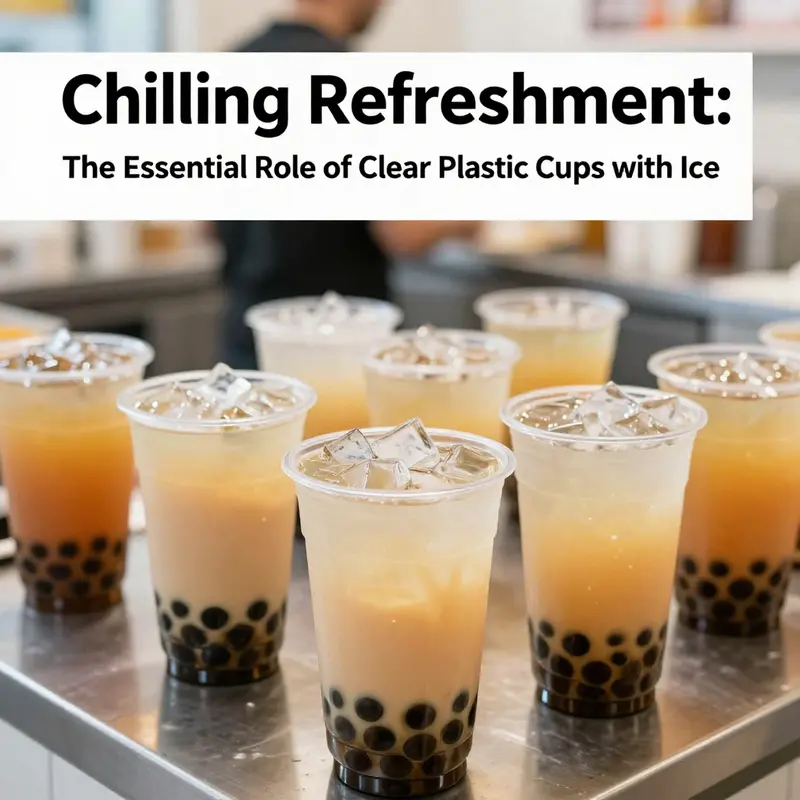
The allure of a beverage presented in a clear plastic cup with ice lies not merely in its function but in the visual language it communicates. The transparent wall becomes a canvas, inviting the eye to travel from the glint of light on ice to the shifting hues of a drink’s syrup, fruit, or coffee crema. In settings ranging from a quiet cafe corner to a bustling stadium concourse, these cups do more than hold liquid; they frame the consumer experience, shaping anticipation, perception, and satisfaction. Ice in clear plastic is not just a practical cue for chill; it is a design element that amplifies texture, color, and even brand storytelling through the simple, reliable medium of transparent material. The interplay of ice and liquid against the glassy surface can make a beverage appear more refreshing, more vibrant, and more deliberate in its preparation. For operators, this translates into a subtle yet powerful edge: a product that communicates quality and care without a word spoken. The chapter that follows foregrounds how a seemingly ordinary vessel becomes a strategic instrument in service design, product presentation, and market competition when ice and transparency are harnessed with intention.
Material science underpins this everyday theater. Clear plastic cups designed to hold ice are most often fabricated from PET or PP, polymers chosen for specific strengths that become crucial in cold contexts. PET offers stiffness and clarity that persist under chilled conditions, resisting the minor contractions and expansions that can creep into poorer plastics. PP, meanwhile, contributes toughness and resilience, reducing the risk of cracking or warping when a cup is repeatedly exposed to cold liquids and condensate. The temperature regime matters; when ice is present, the cup must tolerate subfreezing to near-freezing environments without losing form or compromising the surface finish that makes ice look so enticing. This is why moisture resistance is a key performance criterion. Condensation can sweep the exterior with a slick sheen, which, if uncontrolled, may alter grip, distract from presentation, or complicate stacking for storage and transport. Manufacturers address these concerns through carefully engineered surface properties, moisture barriers, and sometimes multi-layer constructions that maintain a pristine exterior while shielding the cup’s structural core from humidity and cold.
The physical design of these cups often centers on a practical but aesthetic junction: a flat lid that seals and showcases rather than obscures. The lid option is not a mere accessory; it is a functional partner that preserves temperature, protects hygiene, and preserves the beverage’s appearance as it travels from the counter to the customer. In beverages where ice remains a visible feature—iced coffee, smoothies, lemonade, or a layered tea—lids can be designed to maintain a clean profile while still allowing foreknowledge of what lies inside. Some designs embed micro-features like straw holes or compatibility with standard straw inserts, enhancing convenience for users who prefer sip-and-go experiences. The lid’s geometry, along with the cup’s transparency, forms part of a visual system that communicates freshness, reliability, and care for the drink’s presentation. In venues that prize speed without sacrificing aesthetics, such as cafes and event venues, these design details are not afterthoughts but core components of brand-consumer interaction.
The applications of clear plastic cups with ice extend across a spectrum of beverage contexts, yet the underlying rationale for their selection remains consistent: they simplify perception and amplify appeal. In the food and beverage sector, these cups are particularly favored for cold drinks that rely on the visual cues of ice, ice cubes’ shapes, and the spectral play of light through layered syrups or milk. A simple iced coffee becomes a theater piece when the cup’s clarity allows one to trace the coffee’s deeper tones and the sparkle of ice as it moves with the drink’s tilt. Smoothies and lemonades gain dimension as fruit flecks or color gradients become visible, inviting a multisensory impression even before the sip. This is not mere window-dressing; the visible ice and color paths contribute to a consumer’s confidence in freshness and portion. In many ways, the cup becomes a stage for color and texture, a subtle marketing tool that communicates quality and generosity without words. This visual storytelling is especially potent in casual dining, street food setups, and mobile beverage operations where immediate recognition matters and where disposableware must still carry a premium perception.
Events and gatherings have long exploited the clarity of ice-exposed cups to elevate the overall ambiance. Outdoor festivals, school functions, picnics, and casual receptions often rely on disposable yet stylish drinkware that can withstand weather, handling, and the demands of large volumes. In such contexts, the combination of ice and transparency helps beverages look inviting from a distance, a factor that can influence line dynamics, pacing, and even perceived value. The cup’s role expands beyond containment; it contributes to the experiential arc of the event, aligning with the mood, branding, and flow of service. In high-volume environments, durability becomes non-negotiable. Clear cups must resist the rigors of rapid service, stacking, and transportation, while maintaining the optical clarity that makes the ice and color pop. Advances in reinforced transparent polymers or multi-layer constructions are shaping the market by delivering improved impact resistance and long-term clarity. These innovations help venues manage waste more efficiently by enabling fewer breakages and longer service life without compromising appearance.
If one looks at broader market currents, several themes emerge as accelerants for the adoption and evolution of clear plastic cups with ice. Sustainability and eco-consciousness have moved from niche considerations to mainstream expectations. There is a growing demand for alternatives that minimize environmental impact, including recyclable or biodegradable materials, and the exploration of reinforced transparent cups that balance durability with crystal clarity. In busy environments, the tension between disposability and sustainability is palpable; manufacturers respond by offering products designed for recycling streams, or by incorporating materials that can be repurposed after use. The push toward eco-friendly solutions often intertwines with performance goals such as higher impact resistance and better resilience to condensation, which in turn supports cost savings by reducing breakage and spoilage. The trend toward durability is also linked to the economics of high-volume settings, where a cup’s life cycle—from production to disposal—affects overall operating costs and waste footprints. In tandem with materials science, the industry is exploring multi-layer structures and reinforcement technologies that deliver robust performance without sacrificing the coveted clarity that makes ice visually authoritative.
Branding and customization form a second major thread in the market narrative. Modern consumers increasingly expect packaging to communicate identity and story, even in simple, everyday items like a cup. The rise of precision engineering and, more recently, accessible digital fabrication tools makes it feasible to imprint or print designs directly on clear cups while preserving transparency. Customization ranges from subtle brand marks and color accents to more complex geometries that catch the eye when filled with ice and liquid. For beverage operators, customization is not only about aesthetics; it’s a channel to reinforce trust and recognition. A distinctive cup can become a recognizable cue for a brand in a crowded space, aiding recall and repeat business. Specialty markets—such as coffee-focused venues or dessert bars—often leverage clear cups with lids to balance the desire for a clean, on-brand presentation with practical needs like spill safety and mess reduction. The combination of a transparent vessel and a branded surface offers a dual-layer storytelling system that can be leveraged in a way that feels premium yet approachable.
A parallel wave of innovation concentrates on lids and closure systems, which have evolved from simple caps to sophisticated, multi-functional components. Lids with small straw holes offer convenient access for iced beverages and soft drinks, while fully sealed flat lids provide maximum spill protection for thicker drinks like bubble tea and smoothies. Some lid designs incorporate insulation layers or sophisticated seals to maintain temperature and hygiene while minimizing the risk of leaks during transport. These innovations illustrate how the capsule—cup plus lid—can be optimized for specific beverage types and service contexts. The result is a modular approach to drinkware that accommodates a wide variety of beverages while preserving the transparent aesthetic that customers value. In practice, a cafe may choose a cup with an ice-friendly lining for iced coffee and a different lid configuration for a fruit smoothie, aligning design choices with the texture, viscosity, and temperature profile of each beverage.
Beyond aesthetics and function, there is a pragmatic layer to the conversation: the operational realities of serving ice-filled beverages at scale. Clear cups must withstand often harsh conditions of fast-paced service, from automated dishwashing environments to back-of-house temperature fluctuations and the rigors of transport. The crystallized ice inside can act as a structural burden as the beverage shifts, demanding a cup that maintains rigidity and form. Proper stacking, moisture control, and uniform manufacturing tolerances are essential to ensure consistent performance across a wide distribution network. The user experience is intimately tied to these factors: a cup that feels sturdy in hand, resists wobble when carried, and does not lock in condensation that could compromise grip or presentation. The sum of these design and production choices is a reliable, visually compelling product that supports quick service while maintaining a premium appearance. In practice, operators look for a balance of clarity, strength, and moisture resistance—the trio that makes the ice visually striking and the beverage physically dependable.
The market’s trajectory is shaped not only by product performance but by the values and expectations of consumers. Environmental mindfulness is pushing the development of reusable, recyclable, and biodegradable alternatives, often accompanied by clear labeling that helps end-users identify proper disposal routes. In parallel, the demand for customization and branded experiences continues to grow, with operators seeking packaging that carries identity without compromising the visual purity of the drink. This dynamic has given rise to a broader ecosystem of compatible accessories and services, including lids designed for spill protection, straw compatibility for convenience and hygiene, and surface treatments that preserve the cup’s brightness and clarity over multiple uses. The overall result is a market that respects both the user’s sensory experience and the planet’s long-term health, aiming to harmonize decorative appeal with responsible practice.
From a standards and guidance perspective, the conversation about clear plastic cups with ice is anchored by technical specifications that address material grades, temperature performance, and compatibility with various lid designs. Industry guidelines emphasize the need for clarity, impact resistance, and consistent dimensional stability under cold conditions. In addition, the conversation about sustainability increasingly intersects with regulatory and consumer expectations, highlighting the importance of recyclability, labeling, and end-of-life options. These standards and guidelines help ensure that cups perform reliably across a spectrum of service contexts, from a quiet morning coffee shop to a high-energy festival environment. The ongoing refinement of materials and processes—driven by feedback from operators, baristas, and event coordinators—ensures that the cups not only meet functional requirements but also align with evolving preferences and regulatory landscapes. As the market continues to innovate, it will likely advance toward solutions that combine heightened durability with even clearer optics and more versatile closure systems, while maintaining or expanding recyclable pathways for end-of-life handling.
In considering the broader narrative, these cups with ice function as a bridge between practical service design and experiential branding. The glass-like transparency invites customers to engage more deeply with the drink’s content—its color, its ice geometry, the way creamy or syrupy layers swirl as the cup tilts. The ice becomes a participant in the beverage’s story, a cue that signals refreshment and quality. For operators, the cup’s clarity reduces ambiguity: beverage color and texture are visible from a distance, enabling customers to pick a preferred option with confidence. The lid, when properly chosen, supports a spill-safe experience that permits mobility, a crucial advantage in environments like stadiums or street fairs. In those contexts, the ritual of handling, passing, and sipping transitions smoothly from preparation to consumption, and the paper trail—recyclable or otherwise—extends the lifecycle of the drinkware in a manner that supports sustainability narratives without sacrificing convenience. The resulting picture is of a category that is at once pragmatic and expressive, a testament to how everyday objects can carry meaning, function, and responsibility in a single, well-engineered package.
For readers seeking a deeper dive into the technical dimensions behind these choices, industry literature provides a thorough map of material grades, processing techniques, and performance tests that validate the behavior of clear plastic cups under ice-filled conditions. This includes considerations of barrier properties that limit moisture migration, optical clarity that preserves the ice’s sparkle, and mechanical resilience under cold impact. The body of knowledge also points to ongoing research into improved recyclability and alternative polymers that deliver comparable or superior performance with lower environmental footprints. In practical terms, operators can translate this knowledge into more informed purchasing decisions, selecting cups that meet their logistical constraints—whether that is high-volume throughput, consistent stacking reliability, or compatibility with a preferred lid system. Such decisions are not merely about cost; they are about delivering a consistent, high-quality guest experience that aligns with sustainability goals and brand promises. The partnership between material science, design engineering, and service strategy is what sustains the vitality of clear cup usage in an ever-competitive beverage landscape.
As this market continues to evolve, the interplay between presentation and practicality will remain central. The visual clarity of ice and drink will continue to attract attention in busy settings, while advancements in materials and closure systems will further enhance durability, safety, and convenience. The transparency that made these cups popular is not a relic of a simpler era but a platform for ongoing innovation—one that invites operators to curate a beverage presentation that is as precise as it is appealing. The chapter’s meditation on the synergy between ice, color, lid design, and sustainable practice is not merely descriptive; it is a map for future decision-making. It suggests that success in this space will come from balancing the immediacy of service with the longer view of environmental stewardship, from optimizing sensory impact through thoughtful optics to ensuring that the packaging system supports high-volume operations without compromising safety or aesthetics. In this sense, the humble clear plastic cup with ice stands as a microcosm of current packaging challenges and opportunities: a simple form that, when designed and deployed with intention, amplifies experience, strengthens brand differentiation, and demonstrates the power of clear choices in a world that increasingly values both clarity and accountability.
For readers who want to connect these ideas to practical sourcing and branding decisions, a nearby path is to explore options that combine eco-conscious materials with high-clarity optics and adaptable lid configurations. A practical example would be selecting an eco-friendly printed logo option for cold beverage cups with lids, a choice that can reinforce brand identity while maintaining a clean, transparent presentation. eco-friendly-printed-logo-cold-beverage-cup-with-lid. This approach allows operators to tailor their merchandising in a way that complements the beverage’s own visual appeal without introducing clutter or visual discord. By aligning branding with the material and design choices of the cup itself, venues can craft a cohesive, recognizable experience that travels with the drink from counter to customer. The broader takeaway is that the cup is not a passive container; it is an integral element of the beverage’s identity in a crowded marketplace.
External resources offer technical depth for the curious reader. For a thorough treatment of the material science and application techniques that underpin clear plastic cups designed to hold ice, see the article on Understanding Clear Plastic Cups For Tasting: Technical Specifications, Grades, and Application Techniques. This resource provides a rigorous framework for evaluating the performance of cup materials, the effects of temperature on structure, and the nuances of performance testing across beverage contexts. It helps connect laboratory insights with practical, field-relevant outcomes, guiding designers and operators toward products that meet both aesthetic and functional criteria. You can access this external reference at https://www.engineering.com/technical-articles/understanding-clear-plastic-cups-for-tasting.
Taken together, the narrative around clear plastic cups with ice reveals more than a packaging choice. It reveals a disciplined approach to crafting drink experience, where material selection, optical quality, closure systems, and sustainability strategies converge. The cup becomes a conduit through which beverage quality is perceived, brand values are expressed, and consumer expectations are translated into everyday service. In a landscape where visual appeal matters as much as taste and convenience, clear plastic cups with ice prove to be a sophisticated, adaptable platform for modern beverage service—one that invites designers, operators, and consumers to participate in a shared moment of clarity.
Final thoughts
In conclusion, clear plastic cups with ice represent an essential element in the beverage service industry, balancing functionality and visual appeal. Their design, crafted from durable materials such as PET and PP, ensures they withstand the rigors of cold, icy beverages while enhancing the overall customer experience. As market trends continue to evolve, the framework established in this article provides valuable insights for businesses looking to optimize their beverage presentation and service offerings. Embracing the advantages of these cups can elevate your establishment’s aesthetic, serving quality, and customer satisfaction.