
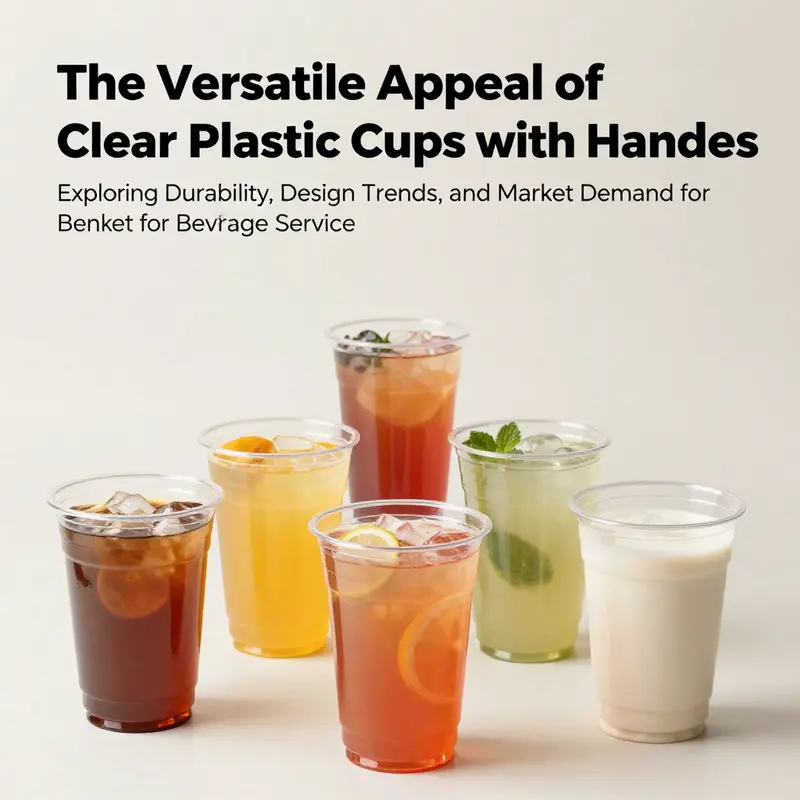
Clear plastic cups with handles are transforming the way beverage-serving businesses operate, offering a blend of functionality, aesthetic appeal, and ergonomic comfort. These cups, with their sturdy design and capacity options that typically range from 12 to 16 ounces, cater to various beverages—from refreshing iced teas to vibrant bubble teas. As customer expectations evolve, it becomes increasingly critical for bubble tea shops, beverage chains, restaurants, food trucks, event planners, and corporate procurement teams to understand the importance of these cups. Each chapter of this article dives deep into aspects such as durability and material considerations, emerging design trends, market demand and strategic pricing, environmental impact, and the practical applications of these clear plastic cups with handles. Together, these insights will guide businesses towards making informed decisions that enhance both customer experience and operational efficiency.
Durability in Focus: Materials and Design of Clear Plastic Cups with Handles
Durability in Focus: Materials and Design of Clear Plastic Cups with Handles
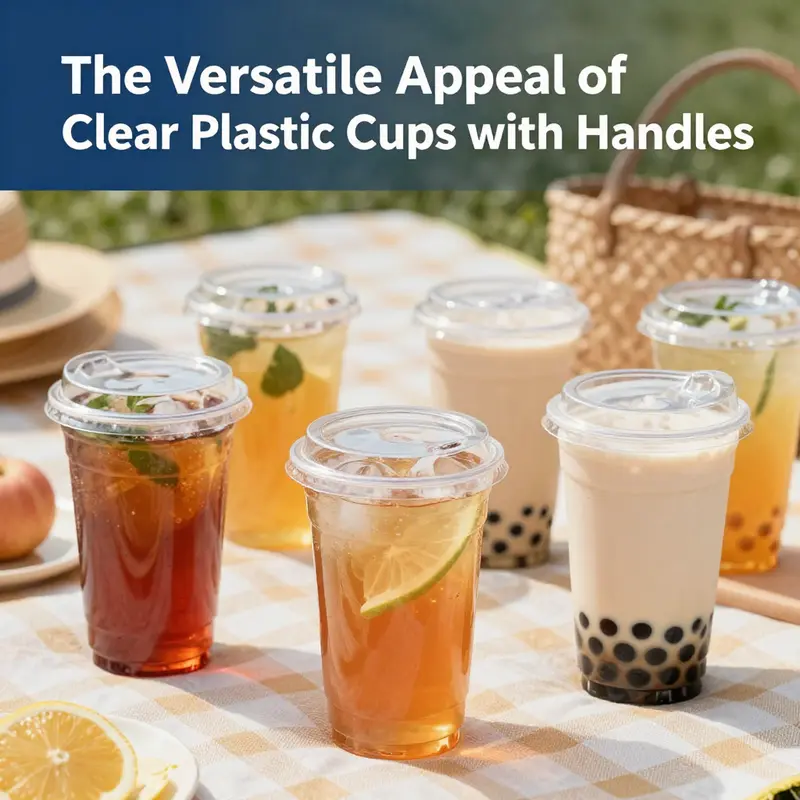
Clear plastic cups with handles stand at a quiet crossroads between practicality and perception. They are small but essential tools in the daily rhythm of meals, beverages, and social gatherings. The clear body makes the color and appeal of a drink visible, while the handle offers an ergonomic grip that reduces strain during conveyance, especially outdoors or in fast-paced service settings. Durability is not a discretionary add-on; it is the backbone that determines how many times a cup can be used, how it withstands heat and impact, and how reliably it performs under pressure when crowds gather or weather turns unpredictable. In this chapter, we explore the material choices most commonly used for these cups and the design features that translate raw resin into dependable drinkware. The conversation moves beyond aesthetics to the realities of temperature, handling, and safety, because a cup that shatters or warps under normal use undermines all the advantages its clear surface might promise.
The core materials cited in the literature are polypropylene (PP), polycarbonate (PC), Tritan™, and PET. Each brings a distinct balance of heat tolerance, impact resistance, and safety to the table. Polypropylene offers heat tolerance up to about 160°C and shows excellent resistance to cracking when subjected to thermal stress. This makes PP a favored choice for cups that may cradle hot beverages or sit through brief microwave-assisted service, provided the product specifications confirm suitability. Polycarbonate, by contrast, is renowned for its durability and transparency. It remains one of the strongest options for impact resistance, a trait that matters in busy environments where cups can be dropped or knocked against hard surfaces. Yet the safety conversation remains central; any PC used for food contact should be BPA-free to align with consumer expectations around safety.
Tritan™ stands out for its unique combination of clarity and toughness. It can deliver glass-like transparency while absorbing shocks that would cause ordinary plastics to crack. This makes Tritan™ particularly attractive for reusable or semi-reusable settings where the same cup changes hands multiple times in a single event or daily use in a café or outdoor venue. PET provides crystal clarity at a price point that is often more forgiving, which explains its prevalence in many cold-drink applications. However, PET comes with a caveat: its microwave compatibility is limited, and some formulations are less forgiving when heated compared to PP or Tritan™. The upshot is that material choices are not merely about looks; they define what drinks can be served safely, how the cup behaves when hot liquid is involved, and how easily it can be recycled or repurposed after use.
In practice, these material choices influence design features that further bolster durability. Clear cups with handles frequently employ reinforced handles that integrate with thicker wall sections or engineered junctions to distribute stress better when the cup is carried or set down. A reinforced handle may reduce flex at the grip point, while thickened walls enhance the cup’s resistance to cracking or shattering under impact. A reinforced handle improves grip stability, particularly when hands are full or when the cup is used in windy outdoor settings. Some designs even incorporate specialized engineering to balance weight, grip, and stiffness. For instance, even though the example here centers on broader categories, there is mention of small, break-resistant configurations—such as 3.5oz clear coffee mugs with lids—being engineered to withstand the rigors of children’s use, mobile vendors, or event catering where durability and portability are prized nearly as much as clarity.
From a broader manufacturing perspective, producers tend to emphasize materials that can be produced in large batches with consistent quality, while still delivering the safety and performance demanded by modern consumers. The primary focus tends to be on polymer families that combine clarity with toughness, such as PP, PC, Tritan™, and PET. Some industry voices also note that, in pursuit of durability, certain lines may be processed using blends or adjustments in resin composition to optimize impact resistance and heat tolerance. In every case, the choice of material must align with the intended use case—whether the cup will be used for hot coffee, iced tea, or cold cocktails—and with the environmental expectations of the market, including considerations about recyclability and end-of-life disposal.
The social context in which these cups operate also shapes material decisions. The market has shown a growing appetite for sustainability, and this translates into a preference for BPA-free formulations and materials that can be recycled or reused without compromising safety. The aesthetic dimension—the bottle-like clarity of glass removed from glass itself—remains a key selling point, particularly in settings like outdoor festivals, picnics, or casual dining. The ability to see a drink’s color and ingredients through a clean, transparent wall makes beverages more appealing and can subtly influence consumer perception of freshness and quality. At the same time, durability cannot be sacrificed for appearance; a cup that looks pristine but fails under normal handling will disappoint users and erode trust in the product line.
An example of how design and material choices intersect in practice is the way some manufacturers combine material performance with practical features. Reinforced handles are not mere embellishments; they are functional responses to how people actually carry drinks on the go. Thickened walls, likewise, do more than deter cracking; they create a sense of sturdiness that mirrors the user’s expectations when a drink is in hand and when the cup is stood on a crowded table or pressed against a crowded cooler on a sunny day. This alignment of form and function helps explain why a clear cup with a handle can feel more premium and reliable than a similar cup lacking a handle or built with a thinner wall. The tactile experience—the weight, the balance, the grip—contributes to perceived durability, which in turn influences purchasing decisions, usage patterns, and even how people stack, wash, or reuse these items over time.
The discussion wouldn’t be complete without acknowledging that the economics of durability also matter. Clear plastic cups with handles are often produced in large batches, a factor that reduces per-unit cost and supports supply chain efficiency. Simultaneously, durability characteristics influence pricing, because higher heat tolerance, greater impact resistance, or more elaborate design features can command higher price points in certain channels. The tension between cost containment and performance is a constant design consideration for manufacturers and retailers alike. In broader terms, sustainability trends—whether consumers pursue biodegradable or recyclable materials—urge manufacturers to innovate continuously, balancing durability with environmental responsibility. This means that the best-performing cup today may be one that combines a robust polymer with thoughtful design choices, while also offering recyclable or recyclable-friendly options at the end of its life.
To connect these ideas with practical usage, consider the linkage between material choice and the serving context. For homes, cafes, and street vendors where speed and reliability matter, a cup that remains clear after multiple uses and can resist hot beverages without warping offers tangible benefits. For themed events or seasonal gatherings, the durability of the cup carries through even when it’s used in crowded, high-energy environments. The visual appeal of the clear walls helps beverages look appealing, and the handle supports a comfortable grip during long hours of service. In the broader conversation about clear cups with handles, materials like PP, Tritan™, PC, and PET offer a spectrum of performance options to match specific use cases, whether that is a hot beverage, an iced tea, or a mixed cocktail. The choice of material, then, is a decision about how these cups will be used in the real world, including who will handle them, where they will be used, and how long they are expected to last.
For readers seeking a concrete reference on clear cups and material choices, a complete buying guide highlights why BPA-free materials such as Tritan™ and polycarbonate are favored for ensuring safety and durability in clear plastic drinkware. As you scan product specifications, look for explicit statements about heat tolerance, microwave compatibility, and whether the material is BPA-free. Such indicators help ensure that the cup you select meets your durability and safety expectations while aligning with your environmental considerations. For a concise overview of how to evaluate these products in 2026, you can explore a comprehensive buying guide linked in external resources.
As a practical note, you may encounter internal product pages that showcase related drinkware options and accessories. For example, many menus and retailers feature disposable single-wall cups that are designed for lightweight, everyday use, such as the disposable-single-wall paper cup 12oz-16oz kraft coffee cup with lid. This kind of page demonstrates how a business communicates durability and safety in a bundled product context, where the cup’s materials, lid compatibility, and handling features are aligned to meet customer expectations while supporting efficient service and waste management thought processes. It’s a reminder that durability is not an isolated attribute but part of a larger system of product design, packaging, and consumer use.
In sum, the durability of clear plastic cups with handles is best understood as the outcome of deliberate material selection paired with purposeful design features. The materials—PP, Tritan™, PC, and PET—each bring specific strengths, whether it’s heat tolerance, impact resistance, or clarity. When these materials are paired with reinforced handles, thicker walls, and precise engineering, the resulting cup can perform reliably across hot and cold drinks, crowded events, and everyday use. The environmental conversation adds another layer of consideration, pushing designers toward materials and configurations that support recycling or reuse, without compromising safety or durability. The end result is a product that not only protects its contents but also delivers a confident, comfortable user experience, whether enjoyed at home, in a cafe, or on a rented lawn under a bright sun. External resources and internal references provide complementary perspectives on how to assess and select these cups for durability, safety, and sustainability across varied contexts.
External resource: Choosing Clear Cups: A Complete Buying Guide for 2026.
Seeing Clearly, Holding Happily: Design Trends in Clear Plastic Cups with Handles
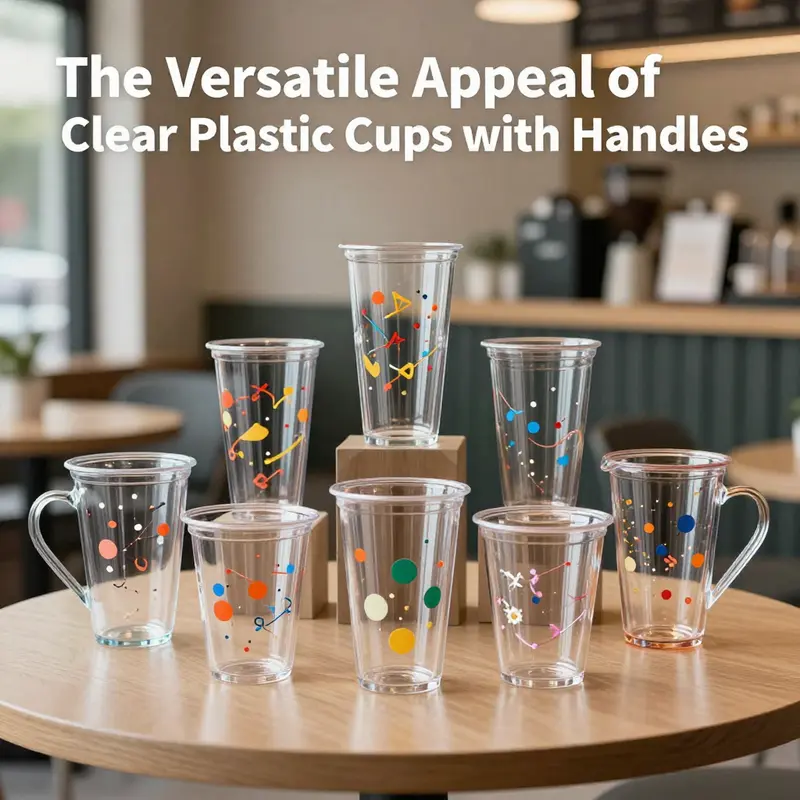
Clear plastic cups with handles have evolved beyond simple containment to become a studied blend of visibility, touch, and adaptability. In venues ranging from casual eateries to outdoor gatherings, the cup remains a stage for color, texture, and ergonomics. The interplay between transparency and shape guides how a beverage is perceived, how comfortably it can be held, and how the user’s experience unfolds from first grip to final sip. Designers and manufacturers have responded to this continuum by refining form and material choice in ways that balance practicality with aesthetic appeal. The result is a family of cups that can feel both understated and distinctive, depending on the context and the message a brand wants to convey.
Ergonomic shaping sits at the heart of contemporary design in these cups. The handle is no longer a mere accessory but an integral part of the user’s interaction with the beverage. Modern ergonomics prioritize grip comfort, ensuring that a cup remains pleasant to hold whether its contents are steaming or chilled. Handles are now sculpted with smooth curves and contoured grips that align with natural finger placement. This attention to shape reduces the perceived effort of holding a drink for extended periods, which is especially important during outdoor events or lengthy conversations. Yet practicality never compromises clarity. The cup continues to reveal the drink’s color and its layers, a feature that enhances the visual appeal of the beverage and the overall presentation. In other words, the design must keep the beverage visible while the hand remains at ease, a dual objective that guides material choices and wall thickness.
Handle design has become a distinct design language of its own. Sleek and minimalist silhouettes dominate current trends, with handles that feel almost invisible against the cup’s body when viewed head-on. But the elegance of a simple line does not preclude function. Contours are engineered to prevent slipping and to distribute weight more evenly along the palm. In premium and eco-conscious lines, handles are increasingly aligned with broader brand narratives about sustainability and responsible consumption. Subtle variations—slightly wider grips, gentle flares at the base, or integrated finger rests—offer tactile benefits without sacrificing the cup’s clean, transparent profile. These choices matter in busy service environments, where quick, confident handling can speed up throughput while reducing the chance of accidental spills.
Texture patterns are another arena where designers experiment without compromising the drink’s visual clarity. Subtle tactile cues—faint ridges along the cup body, gentle dimples on the handle, or a light, matte-like finish in a controlled area—provide a tactile feedback that enhances grip without marring transparency. The challenge is to introduce texture in a way that remains compatible with high-clarity plastic. When done well, texture can make a cup feel more premium and more secure in the hand, especially for users who operate in outdoor settings where wind, rain, or variable temperatures add friction to the grip. These texture patterns can also serve practical roles: they can help customers orient the cup by touch in dim lighting or crowded lines, and they can provide a consistent touchpoint for branding elements that might otherwise rely solely on color or print.
The applications of these design strategies extend beyond the initial moment of purchase. In commercial settings, clear cups with handles are valued for their ability to support an appealing presentation while accommodating a broad range of beverages. The design language must suit the demands of cafes, event spaces, and casual dining alike. In cafes, the cups may need to handle hot drinks with a comfortable grip, while in events and catering, durability and ease of use become paramount. The cups’ transparency amplifies the visual impact of the drink, making the hue of a juice or the gradient of an iced beverage a key element of the customer’s perception. The cups thus function as both vessels and display cases, and designers must ensure that the transparency does not compromise strength or reliability in real-world conditions.
Material choices anchor these trends. High-density polyethylene (HDPE) and polycarbonate are common due to their resistance to shattering, lightweight build, and clarity. HDPE offers robustness and cost efficiency, which is important for high-volume production and supply-chain stability. Polycarbonate, while typically more expensive, delivers superior clarity and heat resistance, supporting a broader range of beverage temperatures and improving long-term durability for reuse scenarios. The tension between cost and performance drives ongoing material research, including the exploration of recyclable or bio-based alternatives that can preserve clarity and impact resistance while aligning with sustainability goals. In practice, a cup’s perceived value often correlates with its weight, wall rigidity, and how well the handle feels when grasped; the material choices influence every one of these facets.
Sustainability trends weave through design decisions as both consumer expectations and regulatory landscapes shift. Recyclability is a baseline consideration, but manufacturers are increasingly evaluating end-of-life options that reduce environmental footprint. Clear cups with handles can be produced in formulations that support recycling streams or that enable easier separation of components for reuse. Some producers are experimenting with eco-conscious lines that couple premium looks with responsible materials, appealing to a segment of buyers who seek durability and a smaller ecological footprint. The question of whether a cup is designed for single-use or for reuse also informs design choices. Reusability emphasizes durability, comfortable handling, and the ability to maintain clarity after multiple cycles, while single-use variants underscore cost efficiency and straightforward disposal. In markets where sustainability is a selling point, design teams are careful to balance these competing demands while preserving the beverage’s visual appeal through clever shaping and finish choices.
Economic factors naturally influence design trajectories. The pricing of cups with handles varies with production costs, the complexity of the handle geometry, and the level of branding. A streamlined, minimalist handle may reduce tooling and molding costs, enabling economies of scale in mass production, while premium lines with refined contours and textured surfaces may command higher prices. Branding elements—logos, color accents, and custom inscriptions—also affect cost, particularly when print processes are integrated into the cup itself or when transfers and embellishments are used around the handle area. The market’s appetite for novelty designs at events or themed gatherings further shapes design possibilities. In such contexts, a cup can become a collectible element of the experience, allowing vendors to price for perceived value and brand narrative rather than just the raw material cost.
The social and cultural dimension of these cups is evident in how they are used to convey mood and occasion. Themed collections and special finishes—while not always the focus of functional design—have an outsized impact on consumer perception. A clear cup with a handle can be dressed up with subtle markers of a celebration or event, turning a practical item into a lightweight piece of decor that complements the drink’s color and aroma. This design flexibility supports a broad ecosystem of services, from cafés that want a consistent, dependable vessel to event planners who aim to create a cohesive sensory experience. The result is a product category that is not merely utilitarian but capable of contributing to brand storytelling and environmental messaging when paired with thoughtful packaging ecosystems.
For readers who want a broader perspective on related cup design ecosystems, this related page offers further context on eco-conscious and branding considerations within cup design: eco-friendly printed logo cold beverage cup paper cup with lid. It illustrates how the same design principles—ergonomics, texture, and material choice—can align across different cup formats while preserving the core objective of clarity and comfort in use. While the specific product category differs, the underlying logic of balancing form and function remains consistent across materials and applications.
As designers continue to push the boundaries, the clear plastic cup with a handle stands as a versatile canvas. It captures the tension between visibility and tactility, between lightness and strength, and between mass production and customized experience. The ongoing evolution of grip geometry, the refinement of minimalist yet expressive handles, and the careful integration of tactile textures all point to a future where every sip is accompanied by a precise, intentional human interaction. In this space, form supports function without suppressing the beverage’s appeal or the user’s comfort. The cups become quietly confident tools in everyday rituals, ready to carry a beverage through a morning commute, a park picnic, or a late-night gathering, all while preserving the clarity that makes the drink itself the star of the moment. For researchers and practitioners alike, the core lesson is straightforward: when the hand meets a well-crafted handle, the experience of drinking is elevated by thoughtful design that respects both the eye and the touch.
External reference for further reading: All About Clear Wholesale Plastic Cups With Lids: Specifications, Performance, and Common Uses. This resource offers a detailed exploration of materials, performance metrics, and practical applications that complement the discussion of design trends and user experience presented here.
Clear Hands, Clear Markets: Weighing Demand, Durability, and Pricing for Handle-Cup Solutions
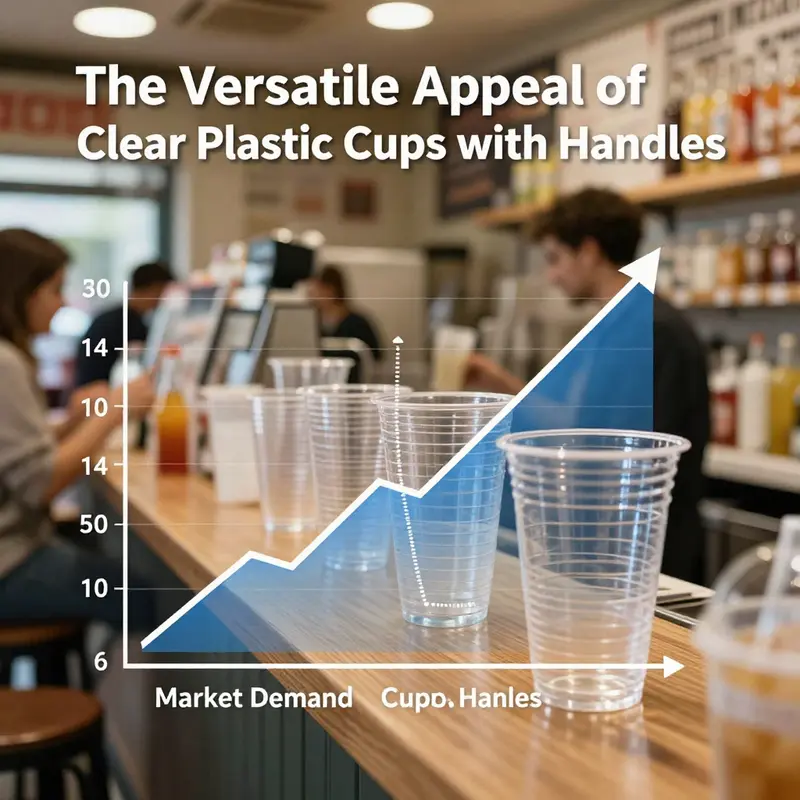
The clear plastic cup with a handle has quietly become a backbone of contemporary beverage service, especially in settings that pair quick service with careful presentation. Its value lies not in novelty but in a balanced blend of visibility, ergonomics, and logistics. In markets shaped by on-the-go consumption, these cups offer a reliable canvas for showcasing the color and clarity of a drink while keeping hands comfortable during the moments of transport and service. This combination matters in both indoor dining rooms and outdoor environments where gusts of wind, bustling crowds, and seasonal heat can test the stability of any serving solution. The result is a product that, while simple in form, plays a pivotal role in how a beverage experience is perceived and managed from the first sight of the cup to the last sip.
Market demand for clear plastic cups with handles is driven predominantly by the foodservice and retail sectors, which lean on two axes: presentation and practicality. In catering, events, and fast-casual restaurants, the rise of creative beverage menus makes sight lines crucial. The clear material heightens the appeal of layered drinks, fruit-infused concoctions, and subtly colored beverages, allowing color, texture, and garnish to speak for themselves. The handle, meanwhile, addresses a practical need—an ergonomic grip that reduces fatigue during service and makes the cup easier to balance when vendors are moving through crowded aisles or outdoor festival terrain. For dessert and appetizer courses, the same cup can function as a compact, stackable vessel that keeps portions clean and presentable when plated beside other offerings. In short, the market rewards a cup that can do double duty: elevate appearance while simplifying workflow.
The application of these cups extends beyond beverages. They have found a niche in presenting appetizers, small desserts, and sampler portions in a manner that preserves portion integrity and allows for dessert or drink enhancements to be showcased. The clear cup with handle can be a practical alternative to opaque disposables in venues that prize transparency and the ability to monitor ingredient visibility for quality control and customer satisfaction. This versatility feeds demand across both indoor and outdoor events, where space, stacking capability, and quick replenishment become critical. As outdoor activities surge in warmer months and holidays drive seasonal promotions, the demand curve for these cups tends to rise in tandem with foot traffic and event schedules. The practical need for a spill-safe, easily carryable, and visually appealing cup aligns neatly with the operational realities of busy service teams.
From a material science perspective, the choice between polyolefin and clear engineering plastics shapes both performance and cost. In reusable or semi-durable models, polypropylene (PP) is preferred for its strength, impact resistance, and heat tolerance. PP supports a broader temperature range, which is valuable for outdoor events where beverages may span from chilled to hot. In single-use contexts, polyethylene terephthalate (PET) is a dominant choice because of its optical clarity, safety profile, and economical unit cost. PET’s shine helps ensure product visibility on crowded tables and in bright lighting, but it comes with tradeoffs: it is not microwave-safe and tends to degrade with repeated reuse, which nudges buyers toward single-use or carefully managed reuse programs. This dichotomy informs how operators price and package drinks in different campaigns, with PP versions often positioned for longer-term, semi-durable event use and PET versions optimized for high-volume, short-duration promotions.
Supply chain realities also shape demand and pricing. Lead times commonly fall within a 15- to 30-day window, a span that allows buyers to align production schedules with seasonal demand and promotional calendars. In practice, buyers frequently rely on bulk procurement to secure favorable unit costs, especially when facing peak periods or large-scale events. The economics of scale become visible here: the lower per-unit cost of PET makes it attractive for mass campaigns, while PP’s durability can justify higher unit prices when cup reuse or extended service life is a objective. Supplier reliability adds a further layer of complexity and risk management. Buyers prioritize vendors with a proven on-time delivery track record and consistent quality. For instance, a supplier with a 100% on-time delivery rate and a meaningful repeat order rate signals robust operational discipline, whereas a markedly lower fulfillment rate raises red flags about potential production delays that could derail event planning and promotional timelines. These supplier dynamics often guide the pricing framework, as higher reliability can translate into premium pricing or, at minimum, reduced carrying costs and stockouts.
Geography also matters, as regional manufacturing ecosystems influence cost, lead times, and the ability to respond quickly to demand spikes. Regions known for high-volume plastics manufacturing—where economies of scale support rapid production and efficient logistics—offer advantages in pricing, delivery reliability, and batch consistency. Buyers weighing the economics of a single-use, clear-handled cup must consider not only material costs but the full cost of ownership: freight, warehousing, stockouts, and the risk of promotional postponements. In this calculus, a supplier’s capacity to provide large batches on tight schedules becomes a key differentiator. The market rewards vendors who can guarantee timely replenishment and consistent quality, especially when tied to large event calendars or seasonal campaigns. As a result, pricing strategies increasingly reflect a holistic view of supply chain performance rather than unit cost alone.
Regulatory compliance remains a constant backdrop to pricing and procurement decisions. Food-contact plastics are governed by safety standards that mandate traceability, material safety data, and documentation proving suitability for contact with food and beverages. Buyers must verify that products meet applicable regulations, such as FDA safety guidelines in many jurisdictions, to protect brand integrity and mitigate legal risk. The need for compliance documentation intersects with cost considerations: certificates, testing, and audit readiness add to lead times and unit costs, but they are essential investments for campaigns that aim to scale across multiple markets or retail channels. In practical terms, this means that pricing cannot be reduced to a simple function of resin type or supplier quote; it must incorporate expected compliance-related costs and the risk premiums buyers attach to uncertain supply conditions.
Pricing strategy itself evolves from a nuanced understanding of customer segments and their promotional aims. For brands orchestrating large, time-limited campaigns, PET-based cups may be marketed on price efficiency and visibility, while PP-based options can be positioned around durability and reusability, appealing to customers who rotate cups through multiple service events in a limited venue. Design intricacies—such as embossed handles, soft-touch finishes, or branded exterior textures—can justify premium pricing when tied to a broader branding or experiential strategy. The ability to customize, whether through logos, color accents, or themed artwork, further shapes the value proposition and enables price differentiation. Yet even with customization, competition remains intense in high-volume channels, so suppliers frequently rely on transparent cost components, flexible MOQs, and clear delivery commitments to secure long-term partnerships. In this context, the most successful pricing models blend baseline unit costs with forecasted demand, promotional calendars, and a supplier’s reliability profile, creating price bands that accommodate both steady, year-round sales and peak-season spikes.
Sustainability and consumer expectations continue to influence how firms price and select clear cups with handles. There is a palpable tension between the convenience of single-use products and the rising consumer demand for recyclability and responsible waste management. Brands are responding by exploring recyclable or even biodegradable formulations, as well as programs that encourage reuse or return systems in venues that can support them. While these shifts may carry incremental costs, they also open opportunities for premium pricing in segments where customers place a value on environmental stewardship or brand differentiation. In practice, the viable path often lies in a hybrid approach: offer PET-based single-use options for high-volume events, alongside PP-based reusable or semi-durable variants for longer-running venues, all while maintaining robust compliance and clear messaging about recyclability or reuse capabilities. The result is a pricing ecosystem that recognizes material properties, durability, brand positioning, and environmental considerations as interdependent variables rather than isolated cost factors.
Taken together, demand, material science, supply chain reliability, and regulatory compliance shape a coherent picture of how clear plastic cups with handles are priced and deployed in modern foodservice ecosystems. The chapters that follow will extend this view by examining how buyers forecast demand, negotiate with suppliers, and align production schedules with promotional calendars, all while maintaining a commitment to safety, quality, and sustainability. In markets that prize both display clarity and handling ease, the cup remains more than a container—it is a critical interface between beverage makers, servers, and diners, translating color, texture, and temperature into an efficient, tangible experience. External resource: https://www.fda.gov/food-packaging
From Clarity to Consequence: Tracing the Environmental Footprint of Clear Plastic Cups with Handles
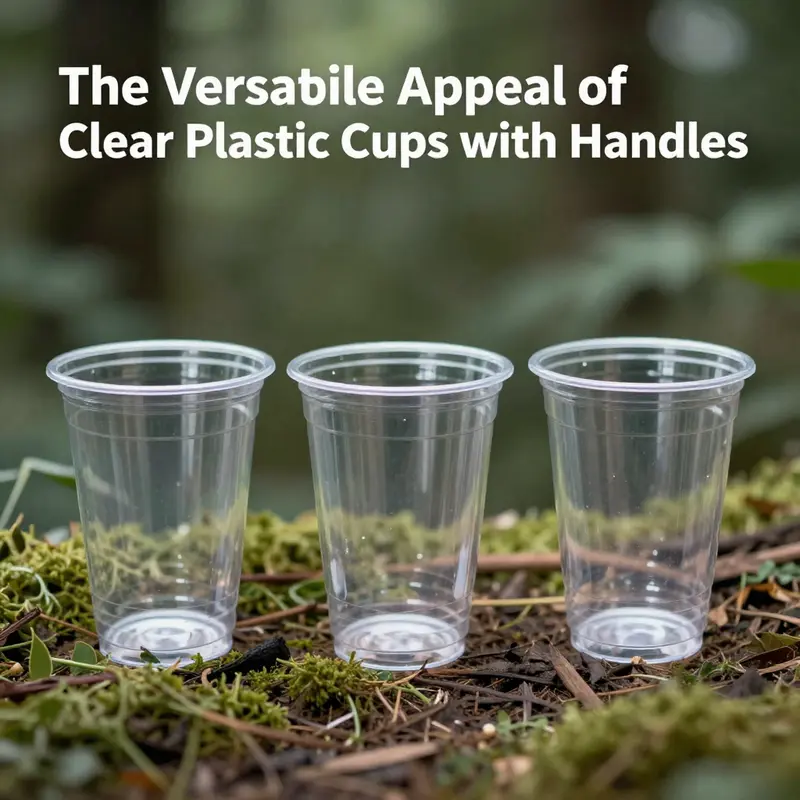
Clear plastic cups with handles embody a paradox of modern convenience. Their transparency showcases a drink’s color and appeal, inviting consumption in a range of settings from a sunlit park picnic to a bustling conference lounge. Typically designed in the 12 to 16-ounce range, these vessels are built to serve cold beverages—smoothies, juices, iced teas, and cocktails alike—with a level of practicality that feels almost effortless. The handle, a small ergonomic detail, reduces the risk of spills and makes a brisk day outside more comfortable. Yet the same features that enhance user experience also anchor a set of environmental challenges that ripple through production lines, waste streams, and ecosystems. Understanding the full trajectory of these cups means tracing more than their physical form; it means examining the lifecycles, incentives, and trade-offs that accompany plastic cups from cradle to grave.
The materials most commonly used for these cups are PET and PS. PET brings durability and clarity, delivering a crisp, see-through appearance that can entice consumers to reach for a cold drink rather than a warm one. PS offers lightness and cost advantages, which can be crucial in mass production and fast-moving consumer environments. However, both polymers share a fundamental limitation: they are not biodegradable. In practical terms, that means once a cup leaves a consumer’s hand, its fate depends on the strings of recycling, litter management, and end-of-life infrastructure rather than natural decay. The result is a long residence in soils and waterways, where plastics can fragment into micro-particles that travel far from their origin. This persistence is not merely a theoretical concern; it translates into tangible pressures on wildlife, soil health, and water quality, especially in areas where waste management systems are overstretched or poorly funded.
Production itself is energy- and resource-intensive. The lifecycle footprint begins with petrochemical feedstocks derived from fossil fuels, and continues through resin polymerization, extrusion, molding, and finishing processes. Each step consumes energy, emits greenhouse gases, and requires materials that carry with them an upstream history of extraction and refinement. In a world already contending with climate and resource constraints, the aggregate impact of manufacturing even seemingly small, everyday items accumulates in ways that are easy to overlook when a beverage is poured and the moment ends with a single use.
Recycling and waste management reveal a second layer of complexity. In ideal conditions, clear plastic cups can be recycled, but several barriers frequently derail this potential. First, contamination from leftover beverage residues can render a batch of cups unsuitable for recycling, lowering the incentive for facilities to process them. Second, regional infrastructure varies widely: many areas lack the specialized streams needed to separate PET or PS from other plastics, or to convert them into high-value feedstock for new products. Even when systems exist, the economic value of recycled plastic can be modest, undermining the financial motivation to invest in full-scale recycling capacity. The net effect is a steady stream of cups that end up in landfills or the environment, contributing to broader litter and pollution concerns and complicating efforts to close the loop on plastic waste.
A comparative lens helps illuminate where these cups fit within broader sustainability conversations. A 2025 lifecycle assessment by a study team led by C Galafton suggests that some alternative materials—such as polypropylene (PP) cups or certain compostable designs—may exhibit lower impacts in specific scenarios. Still, no single material universally outperforms others across all stages of the lifecycle. Even when a plastic cup performs modestly in one metric, its short usage lifespan and challenges in end-of-life management tend to yield a sizable overall footprint when waste management realities are factored in. In other words, the problem is not simply a matter of choosing a different plastic; it is a matter of rethinking the entire consumption loop—from how these cups are used and disposed of to how they are designed and recycled.
Misconceptions about the environmental friendliness of clear plastic cups are widespread, and that misperception compounds the issue. The clarity and perceived cleanliness of PET and PS cups can create a sense that disposal is a neutral act, or that recycling is straightforward and universally effective. In truth, recycled plastic often loses value with every cycle, and contamination or misrouting can reduce the quality of recycled material. Microplastics can emerge at multiple points in the lifecycle—from production waste to fragmentation in the natural environment—accelerating a broader pollution problem that extends beyond the confines of any single product category.
Mitigation strategies point toward practical and systemic changes, recognizing that no silver bullet will single-handedly resolve a multifaceted problem. On the consumer side, scaling up reuse is a straightforward path. Reusable drinkware, when properly cleaned and maintained, eliminates the one-off waste associated with single-use cups. Yet, as many users know, habit and convenience will always shape behavior, making cultural and educational efforts essential to shift norms. On the waste-management frontier, improving collection, sorting, and processing capacities can help capture a larger share of plastic cups for recycling, LDPE and PET streams being better coordinated through standardized labeling and incentives. The design community also has a crucial role to play: creating cups that are easier to recycle, with reduced multi-material complexity and clearer pathways for recovery. In this context, designers and producers can pursue materials that enable higher-quality recycling or more straightforward biodegradability, while preserving the user experience that makes these cups appealing in the first place.
For readers exploring viable alternatives without sacrificing practicality, there is a growing movement toward packaging choices that can align with circular economy goals. Some suppliers offer eco-friendly recyclable pulp cup holders, which can be paired with beverage services to reduce reliance on traditional plastics. This approach is not a panacea, but it signals a shift toward packaging ecosystems that emphasize end-of-life options and fill gaps left by conventional plastics. For those seeking to learn more about these alternatives, a practical entry point is the option to review what is available in the market and how it integrates with existing distribution channels. eco-friendly recyclable pulp cup holder.
Ultimately, the environmental impact of clear plastic cups with handles is a function of design choices, infrastructure, consumer behavior, and policy context. It is not enough to consider material safety or aesthetic appeal in isolation; the full story requires examining energy intensity, chemical leaching potential (where relevant), end-of-life options, and the social costs of litter and ecosystem disruption. The chapter of this narrative that remains most urgent is the need to align short-term convenience with long-term stewardship. This means investing in better recycling technologies, expanding access to proper waste streams, designing products with end-of-life in mind, and, when possible, embracing reusable alternatives that remove the pressure to manage single-use waste altogether. As stakeholders across manufacturing, retail, and public policy collaborate, the path forward will likely involve a mosaic approach—one that maintains consumer-friendly qualities while bending the curve of environmental harm toward a more resilient packaging landscape. For curious readers, the broader literature on this topic provides a rigorous compilation of lifecycle perspectives and policy considerations that frame these decisions in a global context. A deeper, peer-reviewed assessment can be found in the ScienceDirect article linked at the end of this chapter for those seeking a more technical and numbers-driven exploration of the issues presented here.
Grip, Clarity, and Flow: The Practical Reach of Clear Plastic Cups with Handles in Everyday Beverage Service
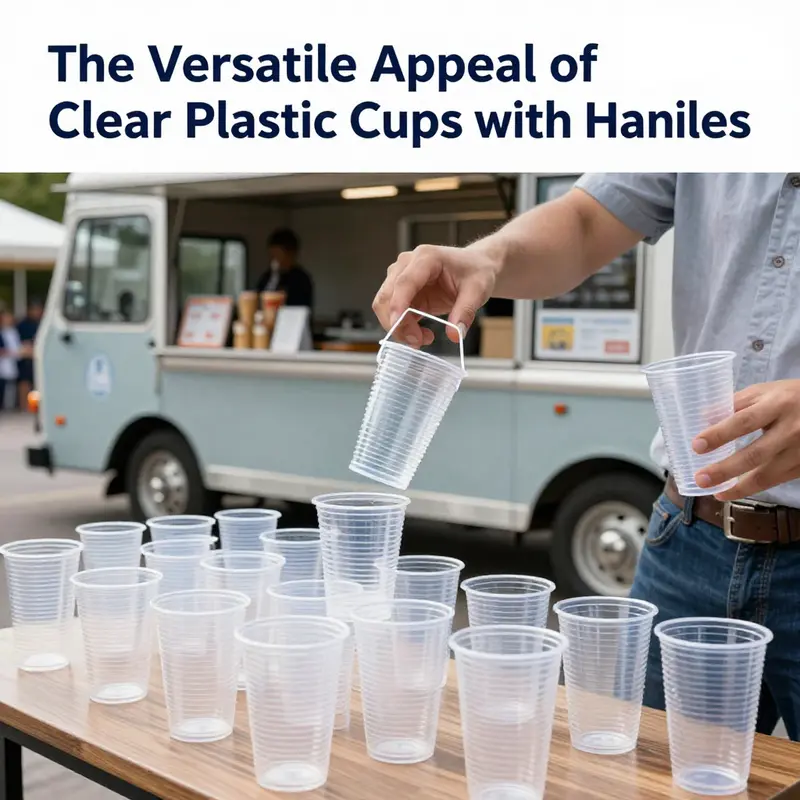
The clear plastic cup with a handle sits at the intersection of utility and display. In fast-service settings it balances visibility, ease of grip, and stacking efficiency. Materials like HDPE offer durability, while polycarbonate provides higher clarity and impact resistance. The built-in handle improves transport when beverages are cold or full, reducing spills and increasing comfort for staff and customers alike. The transparent walls showcase color gradients, garnishes, and branding, turning the drink into a visual centerpiece while maintaining simple, reliable performance. Capacity typically ranges from 12 oz to 16 oz, supporting iced tea, lemonade, or cocktails without needing specialized glassware. Sustainability is a growing consideration, with BPA-free formulations and recyclability driving responsible choices alongside reusable or paper-based alternatives in some programs. In busy environments, the cup’s design helps service flow by enabling one-handed carrying and quick restocking, making it a dependable yet unobtrusive part of the beverage experience.
Final thoughts
Clear plastic cups with handles are more than just vessels for drinks; they embody convenience, style, and adaptability. As businesses such as bubble tea shops, restaurants, food trucks, and event planners seek reliable and attractive options for beverage service, understanding the multiple facets of these cups becomes essential. From durability and market trends to innovative designs and environmental impacts, each aspect plays a vital role in selecting the right drinkware. Incorporating clear plastic cups with handles into your operation not only enhances customer experience but also positions your business as forward-thinking in today’s competitive landscape.