
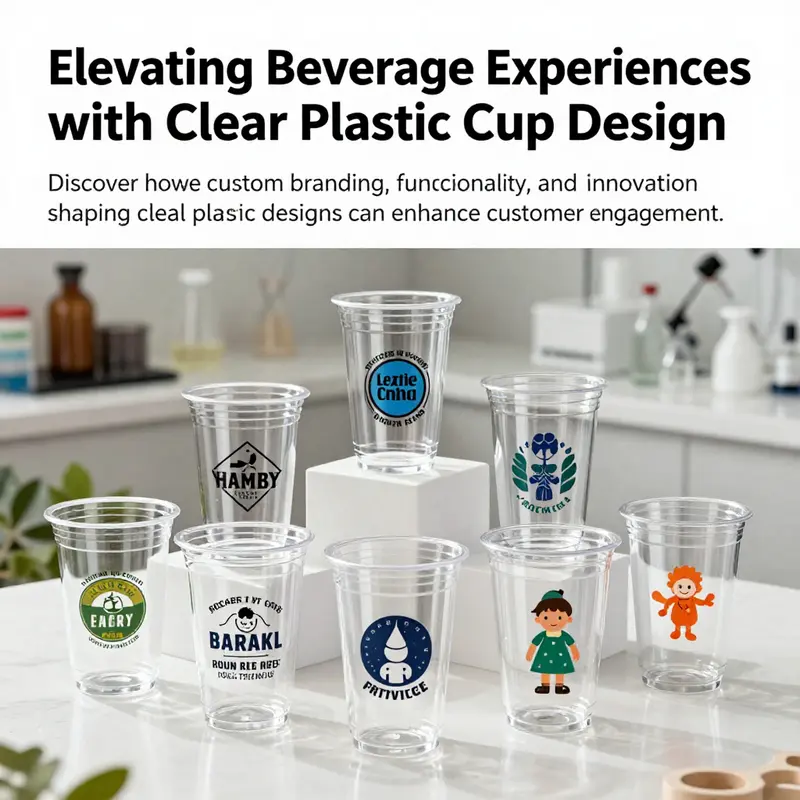
Clear plastic cups have quickly emerged as a staple in today’s beverage service landscape, appealing to a diverse range of businesses from bubble tea shops to event planners. Their transparency not only adds aesthetic appeal but also offers unparalleled versatility for branding, practicality, and innovative insulation. This article delves into four critical areas of clear plastic cup design: custom branding and marketing strategies that engage consumers, the technical precision and functionality vital for professionals, the inherent safety and practicality for everyday use, and the innovative insulated designs that cater to on-the-go lifestyles. Through examining these aspects, we aim to equip businesses with the knowledge to maximize the benefits of clear plastic cups in their service offerings.
Brand as Glass: Clear Cups as Marketing Canvases
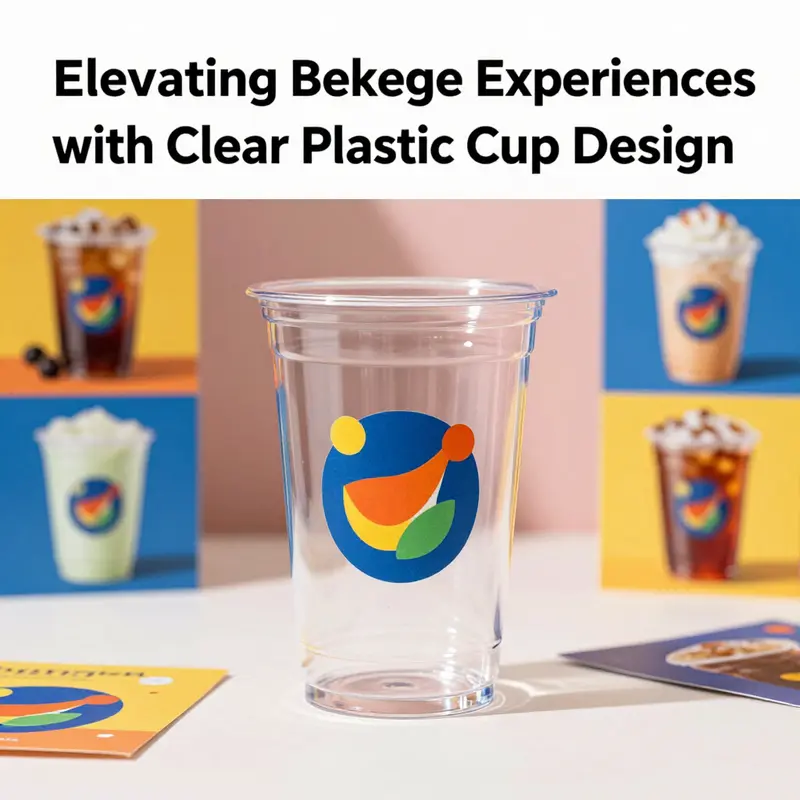
The clear plastic cup has evolved beyond a simple vessel and now acts as a moving, affordable canvas for brand storytelling. In events from trade shows to tastings, its transparency offers visibility and versatility without shouting. The design challenge is to align liquid color, print, and typography so that the cup communicates clearly at a distance and up close. When a drink is poured, the beverage color becomes part of the branding moment, shifting with light and volume. The cup therefore becomes an instrument of perception rather than a billboard, inviting lookers to read the logo and engage with the brand through behavior, not disruption. A successful strategy treats the cup as a flexible platform that can carry a primary identity on one side and a supporting cue on the opposite side, such as a short URL or QR code. Clarity of typography, contrast, and white space are essential to ensure legibility through condensation and glare. Material choice matters: high-clarity polymers like PET or PP balance durability, printability, and recyclability. Printing methods should maximize legibility while preserving a transparent backdrop; inks or films with low opacity help the logo stay crisp. The cup’s design must also consider sustainability, choosing recyclable materials and communicating end-of-life options clearly to consumers. Ultimately, the cup behaves as a portable touchpoint that travels with the consumer, enabling brand moments long after the event ends.
Precision by Design: How Clear Plastic Cups Balance Optics, Ergonomics, and Performance
Design Principles in Practice
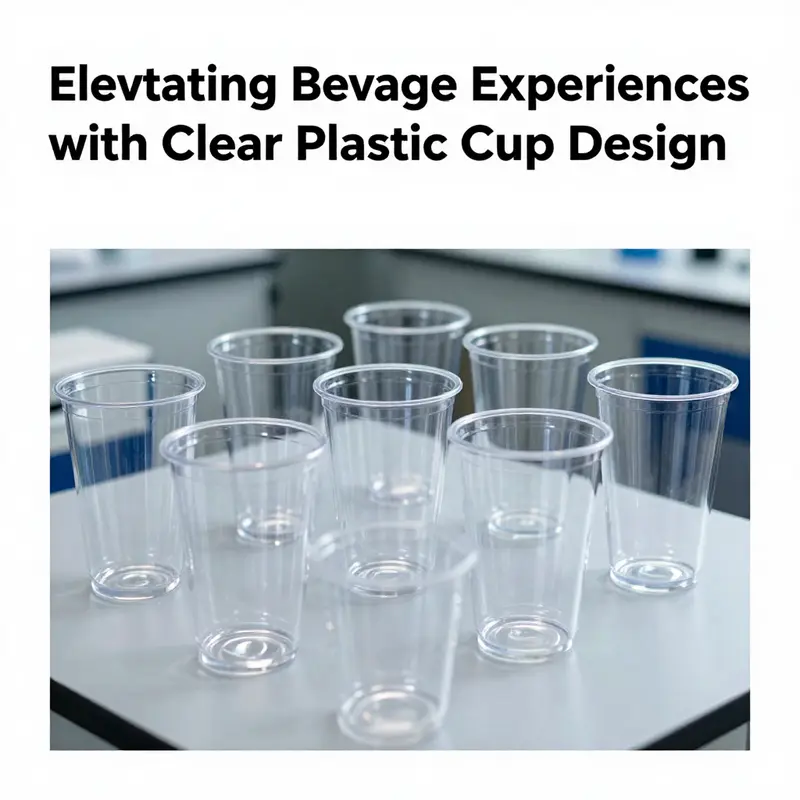
Clear plastic cups are deceptively simple. Their role is to hold liquid. Yet to perform reliably across beverage service, lab tasting, and on-the-go retail, they must meet many technical demands at once. Designers combine material science with ergonomic shaping, lid engineering, and production tolerances to deliver vessels that look pristine and function without fail. This chapter follows that integrated approach—showing how choices about polymers, geometry, surface treatment, and sealing come together into a single coherent product.
Material selection sets the stage. Clarity, stiffness, impact resistance, and food safety guide the choice between PET, polypropylene, polystyrene, and polycarbonate. PET delivers excellent gloss and low haze. It resists many common beverages without distorting color, making it ideal when visual presentation matters. Polypropylene offers chemical resistance and flexibility at a lower cost, and polystyrene gives crisp optical properties for single-use cold cups. For repeated use and high-impact settings, polycarbonate still wins for toughness and dimensional stability. Each polymer requires specific wall thicknesses and processing methods to achieve the intended feel and optical quality.
Optical performance is quantifiable. Haze, light transmittance, and birefringence determine how a liquid will appear through the cup. Low haze values preserve vivid color and allow trained assessors to judge clarity and viscosity. Manufacturers control optical properties by stabilizing polymer blends, minimizing stress during forming, and adding clarifiers or UV absorbers. For sensory applications where reflection must be minimized, small surface texturings and matte bands are introduced. These reduce glare while preserving transparency where it matters most—around the liquid column.
Geometry drives ergonomics and stacking. A gentle taper allows easy nesting, reducing shipping volume and storage cost. Conversely, a flare at the rim aids sipping and lid seating. Internal and external ribs can enhance grip without increasing material. Designers often embed a subtle shoulder or thumb rest aligned with typical hand width. For tasting vessels, specific volumes and shapes support consistent pours and handling. Standardized capacities—like small tasting measures—improve repeatability across venues and suppliers.
Lid engineering is as precise as cup geometry. A flat lid with a cut straw hole appears simple, but its dimensions require tight tolerances. The straw aperture must allow standard straws to pass without excessive play. Too tight and insertion is difficult. Too loose and leaks become likely. Lip geometry at the lid-to-cup interface is critical. A continuous, even sealing surface with complementary profiles prevents flex-induced gaps during transport. Some lids add secondary features, such as snap-fit tamper bands or venting grooves for carbonation release. All features must be modeled for thermal expansion differences between lid and cup material.
Leak management extends beyond lid fit. Designers engineer bead profiles, locking ribs, and overlapping flanges to channel liquid away from the seam. For high-risk environments, tamper-evident lids incorporate breakaway tabs that show if a cup has been opened. For beverage chains and vending, heat-sealable PET lids form hermetic bonds to the cup rim. The sealing process uses controlled heat and pressure to create a barrier that resists shaking and upside-down handling. These seals must be calibrated to avoid deformation of the cup body while achieving a reliable hermetic closure.
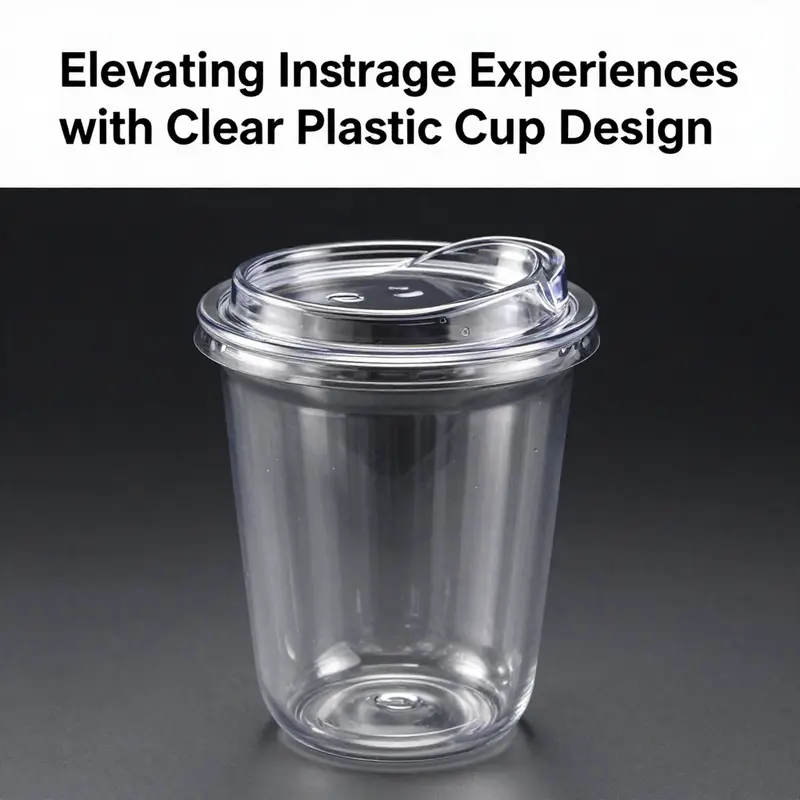
Thermal performance varies with use. Single-wall cups excel for cold beverages but poor for heat. Double-wall cups and insulated variants address this. Double-wall construction traps air between layers, cutting conductive heat transfer. Some premium cold cups use vacuum insulation or foam laminates for superior retention. The outer wall stays comfortable to hold while the interior keeps temperature stable. With hot or cold extremes, designers must balance insulation with stackability, thickness, and weight. For travel mugs, additional features—thumb-slide closures, gasketed lids, and secure locking mechanisms—improve spill resistance while preserving ease of use.
Manufacturing strategy dictates achievable detail. Thermoforming produces thin, optically clear walls at high speed, ideal for disposable cold cups. Injection molding is used when precise features or thicker walls are necessary, like for durable tasting cups and some insulated designs. Blow molding enables hollow double-wall parts for certain reusable models. Each process imposes limits on draft angles, wall transitions, and rib depth. Designers apply those constraints to maintain optical clarity, avoid sink marks, and control shrinkage.
Surface finishes enable downstream printing and handling. Smooth, glossy surfaces favor full-color printing and clear visuals. Matte or textured bands create writing zones or anti-glare areas for photography and display. Surface treatments such as corona discharge or flame treatment increase surface energy on polyolefins, allowing inks and coatings to adhere reliably. For branded applications, pad printing, screen printing, and shrink sleeves each require specific surface preparations and ink chemistries. These processes must be compatible with food-contact regulations and withstand repeated washing when intended for reuse.
Durability and safety are non-negotiable. Impact resistance must survive drops and rough handling. Designers rely on polymer toughness, ribbing, and wall thickness to prevent cracking. Low-temperature performance also matters; some plastics become brittle when chilled. Material selections and additives can shift the ductile-to-brittle transition lower, making cups safe for iced beverages and freezer storage. Food-contact compliance governs allowable additives and processing aids. Bisphenol and certain plasticizers are avoided to meet regulatory standards and consumer expectations.
Functional testing ensures real-world reliability. Leak tests, both static and dynamic, simulate transport and agitation. Optical inspections identify hazing or flow lines that could interfere with sensory evaluation. Dimensional checks confirm lid compatibility and stacking behavior. Accelerated UV exposure gauges color stability and polymer breakdown. For tactile qualities, human-factor studies reveal preferred rim thickness, grip pattern, and mass distribution. These tests inform iterative design adjustments before tooling is finalized.
Sustainability shapes modern decisions. Clear plastic cups are under scrutiny for waste and recyclability. Designers explore thinner walls, mono-material constructions, and recycled feedstocks to reduce lifecycle impact. Mono-PET bowls and lids simplify recycling streams compared with multi-material assemblies. Clear appearance can be preserved even when using recycled content, though careful sorting and processing are required. Some operations shift to compostable materials or paper-based alternatives when recyclability infrastructure is lacking. For brands balancing clarity with eco-credentials, printed paper options offer a different path, as seen in eco-focused beverage packaging. For an example of paper cup alternatives and lids, consider this resource on eco-friendly printed cold beverage paper cups with lids: https://greendispopack.com/product/eco-friendly-printed-logo-cold-beverage-cup-paper-cup-with-lid/.
Innovative geometries and digital production are expanding possibilities. Additive manufacturing and advanced thermoforming allow complex ribbing and tailored stiffness zones. 3D-printed clear polymers enable rapid prototyping of grip patterns and lid mechanisms. These methods accelerate iteration cycles and enable customization for niche applications, such as bespoke tasting vessels for research labs.
Finally, design is always a trade-off. Clarity, strength, insulation, and cost tug in different directions. The best clear plastic cup is not the most expensive, nor the clearest, but the one where material choice, form, and sealing strategy align with the use case. Whether a cup must showcase a layered beverage under shop lights, survive a festival crowd, or allow a sommelier to judge a white wine, technical precision and thoughtful functionality turn a basic container into a reliable tool.
For a deeper technical perspective, consult the comprehensive analysis at the external resource: https://www.foodserviceindustry.com/technical-analysis-of-clear-plastic-cups-design-2026
Designing Clear Plastic Cups for Safe, Practical Use: Materials, Features, and Real-World Trade-offs

Materials and Safety Foundations
Clear plastic cups owe their usefulness to a careful balance of material science and practical design choices. At the heart of that balance are plastics like PET and PP, selected for optical clarity, strength, and compatibility with food contact. These polymers give cups the sparkling transparency that customers expect while resisting dents and cracks during heavy use. Designers treat clarity as more than an aesthetic detail; it is a functional requirement. Clear walls reveal beverage color, carbonation, and texture, aiding service staff and improving the consumer experience. The same transparency also places new demands on surface finish and dye stability. Scratches, residue, and fingerprints show up quickly, so the material and finishing processes must prioritize scratch resistance and ease of cleaning.
Material selection also addresses chemical safety and long-term stability. Modern clear cup programs emphasize BPA-free formulations, and reputable suppliers test for potential leachables under real-use temperatures and conditions. Polypropylene often offers better heat tolerance, which helps in short-term exposure to warm liquids or dishwashing cycles. PET excels at clarity and barrier properties, keeping beverages protected while preserving visual fidelity. Both materials can be formulated, processed, and certified to meet food contact regulations, but those certifications require ongoing quality control during production and distribution.
Beyond polymer chemistry, thoughtful design controls how a cup behaves in real use. Rim geometry affects how liquids leave the vessel, which changes spill risk and drinking comfort. Thick, straight rims help during pouring and stacking, while tapered rims can reduce drips when tilting for a sip. Wall thickness and taper also govern structural stability. Designers adjust these parameters to prevent catastrophic failure when cups are nested, carried on trays, or stacked densely at events. A marginally thicker base reduces tip risk without significantly increasing material use or weight. These small decisions influence whether a cup will pass a bartender’s or caterer’s practical test day after day.
Practicality begins with handling. Ergonomic contours and micro-textured grip bands deliver secure holding without obscuring the view through the wall. Double-wall or insulated versions protect hands and prevent condensation. When cups must be used outdoors or in variable temperatures, thermal behavior becomes important. Polymers expand and soften at different rates, and defining safe use ranges prevents deformation when cups encounter hot liquids or prolonged sun exposure. For any intended application, specifying temperature limits and recommended lids helps end users avoid misuse that could compromise safety.
Lids and closures extend functionality and hygiene. Lids prevent spillage, block contaminants, and support transport. Designers choose dome lids for foamy or layered drinks and flat or snap-fit lids for sealed transport. A lid’s sealing geometry must match the cup’s rim precisely to avoid leaks. When combining disposable cups with reusable lids, compatibility and sanitizing guidelines matter. For paper-based containers that use clear PET lids, manufacturers ensure a snug fit to maintain barrier performance while minimizing material overlap. For a related example of combined cup-and-lid solutions, see this resource on custom disposable kraft paper bowls with PET lids.
Health considerations do not end with the polymer choice and lid geometry. Repeated washing, exposure to high-temperature sanitizing, and aggressive detergents can degrade plastics. Over time, micro-abrasions reduce clarity and increase the likelihood of bacterial adhesion in crevices. Designers recommend use-and-replace cycles for disposable-purpose cups and provide clear care instructions for reusable lines. Marking cups with intended single-use or limited reuse guidance helps reduce misuse and preserves safety margins.
Practical resistance to moisture and temperature variation is central to performance. PET resists moisture ingress and provides an effective barrier to gases and aromas, preserving beverage character. Polypropylene tolerates heat better but can carry a matte finish that slightly reduces clarity. Additives and co-extruded layers can deliver hybrid benefits, but they also complicate recycling and may shift health and safety assessments. Thoughtful design weighs the trade-offs between performance, recyclability, and lifecycle impacts.
Designers also tackle real-world durability issues like scuffs, smudges, and fingerprinting. Transparent surfaces tend to highlight every imperfection. To combat this, some cups feature subtle surface patterns or micro-textures that hide wear without detracting from transparency. Anti-fingerprint coatings are another option, though they must be certified for food contact and withstand repeated handling. For high-volume venues, a slightly frosted finish may offer a pragmatic compromise: maintain a modern look while reducing the visual burden of daily wear.
Stackability and storage efficiency are logistical priorities. Nesting geometry saves space and reduces handling time during setup. But aggressive nesting can trap moisture and residues between cups. Designers mitigate this by incorporating drainage channels and controlled taper angles. A well-designed cup nests smoothly yet separates easily when staff need to grab one during service. Stability during stacking also requires consistent material thickness; uneven walls cause leaning towers that invite spills.
From the perspective of event managers and safety officers, the trade-offs between single-use convenience and environmental responsibility are increasingly important. Practical design choices now account for end-of-life pathways. Using mono-material constructions eases recycling, while multi-material laminates complicate separation. Clear cups can be recyclable when labeled properly and when made from materials accepted by municipal recycling streams. Designers who aim for sustainability often prioritize PET, due to its widespread acceptance in recycling programs, while also optimizing the cup for minimal material use without compromising strength.
Finally, legal and regulatory compliance anchors practical design. Meeting food contact standards is not optional. Cups intended for beverage service must be tested for extractables, migration, and mechanical integrity under expected use conditions. Clear labeling, including BPA-free claims and temperature guidance, informs users and reduces liability. Compliance is a living process; manufacturers update testing as new standards emerge and as bodies publish new guidance. For authoritative standards and a deeper look at food contact materials, consult the FDA’s guidance on food contact labeled materials.
Design decisions for clear plastic cups are never purely technical. They represent a negotiation among clarity, strength, hygiene, ergonomics, and sustainability. Each choice affects how a cup behaves in the hands of staff and customers. The most successful designs anticipate real use cases: multi-day festivals where cups are rough-handled, school cafeterias demanding shatter-resistance, or tasting labs requiring optical neutrality and precise volumes. In every scenario, clear communication about intended use and care—on packaging or via point-of-sale instructions—amplifies safety and practicality.
Practical drawbacks remain. Scratches and smudges will accumulate, and transparent surfaces will reveal them. No design can eliminate all visual wear without sacrificing other features. The pragmatic path is to design for maintainable aesthetics: choose finishes that age gracefully, provide replacement guidance, and use materials that keep leachables and structural failures well within regulated limits. Combining these strategies produces clear plastic cups that serve their purpose effectively, look good in service, and align with safety expectations.
By focusing on materials, rim and wall geometry, lid compatibility, and clear end-user instructions, designers create clear plastic cups that are both practical and safe. The best-performing cups result from iterative testing, honest reporting of limitations, and design choices that respect real-world behavior. Those cups support hospitality, retail, and events by providing transparency, convenience, and predictable performance—without sacrificing health or safety. For formal regulatory details, refer to the U.S. Food and Drug Administration guidance on food contact materials: https://www.fda.gov/food/food-contact-materials
null
null
Final thoughts
Clear plastic cup design has evolved far beyond mere functionality. It plays a pivotal role in branding, safety, and innovation, shaping customer experiences across various sectors. By leveraging the unique advantages of clear plastic cups—from captivating marketing graphics to technical precision and thoughtful safety features—businesses can create lasting impressions and elevate their service offerings. Understanding these elements empowers bubble tea shops, restaurants, food trucks, and event planners to select the right products that resonate with consumers and enhance operational efficiency.