
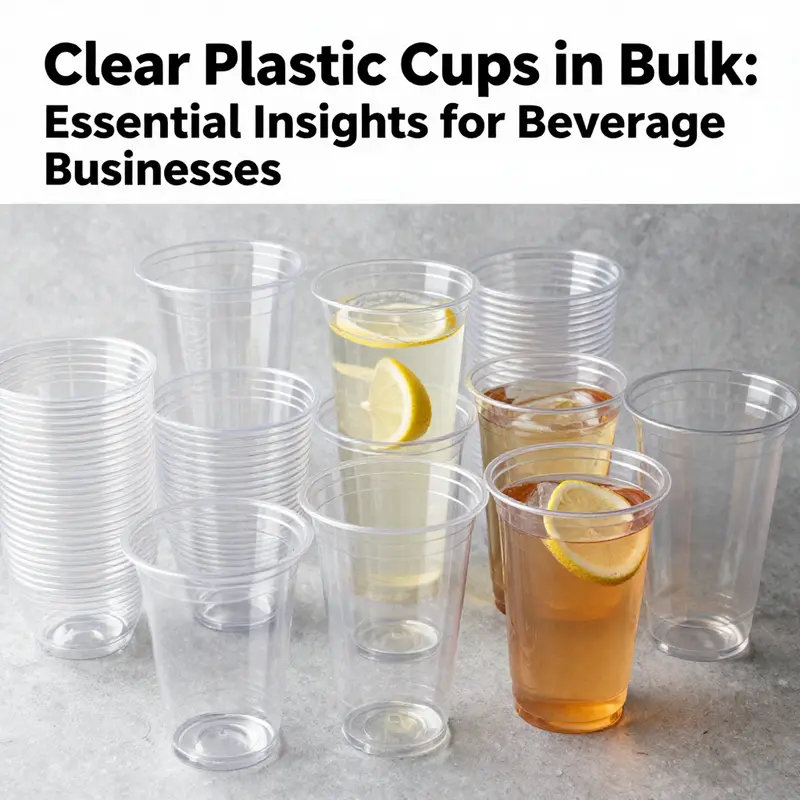
Clear plastic cups have become indispensable in the food and beverage industry, particularly for businesses like bubble tea shops, restaurants, and catering services. Their versatile design, combined with cost-effectiveness, is crucial for enhancing customer experience and operational efficiency. This guide explores the materials that make up these cups, their various applications, the safety standards they must meet, and environmental considerations to keep in mind. By understanding these elements, procurement teams and event planners can make informed choices that align with their business values and customer expectations, setting the stage for successful deliveries and events.
Crystal Clarity, Safe Forms: How Materials Define Bulk Clear Plastic Cups
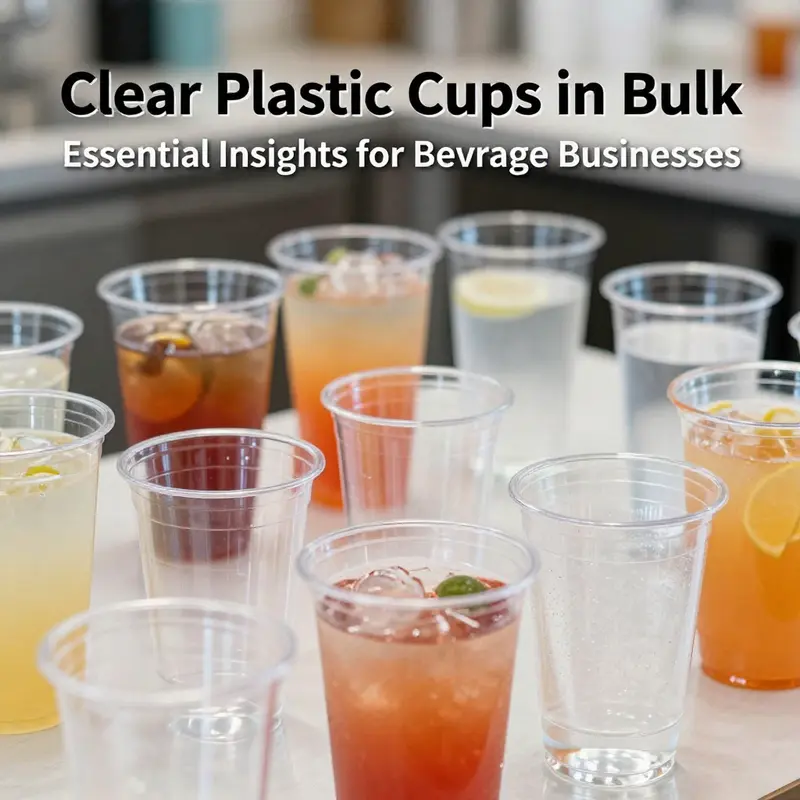
Clear plastic cups in bulk occupy a unique space in the food service and events ecosystem. They must be affordable, deliver a pristine visual presentation, and endure the rigors of busy service—from refrigerated showings to hot coffee lines. The material choice behind these cups shapes every practical outcome: display appeal, user experience, safety, and even the vendor’s ability to scale procurement without compromising quality. In a market that prizes visibility as much as durability, the conversation about bulk clear cups inevitably centers on materials. The most common options—polystyrene (PS), polycarbonate (PC), polypropylene (PP), and polyethylene terephthalate (PET)—each bring a distinct mix of clarity, strength, heat tolerance, and safety considerations. Understanding these traits helps buyers align product performance with application, seasonal demand, and regulatory expectations, while keeping an eye on cost and sustainability in a marketplace that increasingly favors responsible choices.
Polycarbonate sits at the top of many service menus for its remarkable clarity and toughness. Its ability to resist impact means cups stay intact during rapid service, rough handling, and occasional stacking within supply carts. For tastings, demonstrations, or beverage flights, the see-through quality of PC lets customers visually assess color and texture, an often overlooked driver of perceived freshness and quality. Yet the same clarity that makes PC attractive also invites scrutiny. One historical concern with polycarbonate is the potential leaching of bisphenol A (BPA), a compound linked to hormonal disruptions in some studies. In response, most manufacturers now offer BPA-free polycarbonate or alternative plastics that maintain transparency while addressing health and regulatory concerns. This shift reflects a broader industry trend: better safety profiles without sacrificing performance.
BPA-free options broaden the field without forcing buyers to abandon the virtues of clear, sturdy cups. When a supplier can demonstrate a BPA-free formulation that preserves optical clarity, impact resistance, and rigidity under typical bulk-use conditions, it becomes a strong candidate for a wide range of beverages—from cold cocktails to iced tea and carbonated sodas. The emphasis on BPA-free variants also aligns with consumer expectations and food-contact standards, making these cups a prudent choice for venues that rely on repeat orders, large events, and brand-consistent service.
Polypropylene offers a different balance of strengths that makes it a compelling alternative, especially for hot beverages and microwave-ready scenarios. PP cups can safely withstand higher temperatures and have a melting point around 167°C, which translates into practical performance in self-service stations, catering trucks, and takeout contexts where hot drinks are common. In bulk purchases, PP’s heat tolerance translates into decreased risk of deformation or leakage when cups are filled with steaming liquids or subjected to transit in warm environments. As a food-contact plastic, PP is widely accepted for many beverage applications, and its cost-to-performance ratio remains attractive for large orders and multi-event rotations. For buyers focused on versatility—hot drinks, cold drinks, or mixed-service menus—food-grade PP cups strike a reliable balance between safety, durability, and economy.
PET, another staple in the plastic-cup landscape, is prized for being lightweight and highly recyclable. PET’s clarity is excellent for presenting beverages, and its chemical resistance supports a clean, glass-like appearance that many operators associate with premium presentation. However, PET has limitations regarding temperature: it should not be exposed to liquids hotter than roughly 70°C, as higher temperatures can cause deformation and raise concerns about substances transferring from the cup into the drink. This makes PET an ideal choice for cold or room-temperature beverages and for applications where recyclability and weight reduction are priorities. In bulk contexts, PET can help trim shipping weight and optimize waste streams, provided hot beverages are not part of the routine.
Polystyrene remains a common sight in many markets because of its clarity and cost-effectiveness. Yet the material’s broader regulatory landscape, along with evolving consumer safety expectations, has pushed buyers to weigh PS against BPA-free PC, PP, or other alternatives. The decision often comes down to the intended use case, regulatory environment, and the willingness of a supplier to certify materials for food contact. For bulk buyers, this means a careful evaluation of whether the convenience of PS is worth potential trade-offs in safety perception or end-of-life considerations.
In recommending bulk plastic cups for frequent or mixed-use scenarios, two options tend to balance safety, durability, and clarity most effectively: BPA-free polycarbonate and food-grade polypropylene. BPA-free PC preserves the visual appeal of glassy clarity while delivering robust impact resistance, making it suitable for both single-use events and environments that demand a bit more ruggedness. Food-grade PP offers excellent heat resistance, compatibility with hot beverages, and broad suitability for bulk packaging, where durability and ease of handling are critical. Both options serve broad service profiles—from corporate catering to large-scale beverage distribution—while meeting common food-contact standards.
Beyond these primary materials, the conversation naturally touches on sustainable and temperature-aware alternatives. Biodegradable or compostable options, often based on plant-derived polymers such as polylactic acid (PLA), promise a path to reduced environmental impact. Yet the performance realities cannot be ignored: many PLA-based cups struggle with hot liquids and long-term heat exposure, and their compostability depends on specialized industrial facilities and local waste streams. For buyers who prioritize sustainability without sacrificing practical performance, a mixed strategy can work. Use compostable cups for specific, labeled events or eco-conscious campaigns, while retaining traditional, recyclable options like PP or PET for everyday bulk service. The result is a portfolio of cups that can be matched to demand profiles, with a clear understanding of limitations and end-of-life considerations.
In addition to material choice, bulk purchasing hinges on matching the right cup to the operational workflow. Temperature resistance, structural integrity under pressure, and lid compatibility all factor into whether a 7-ounce, 12-ounce, or 16-ounce size will perform as expected. Bulk orders are typically driven by predictable usage patterns: hospitality events, corporate gatherings, and food-delivery services all rely on consistent sizing, reliable stacking, and secure seals when lids and straws are part of the package. The material choice underpins all of this: a cup that looks clear and pristine when filled with a beverage must also withstand the handling realities of a busy service line.
From a sourcing perspective, the emphasis on safety and standards remains constant. Reputable suppliers provide clear documentation on food-contact compliance, and many buyers request samples before committing to large-scale purchases. For bulk programs, it is prudent to verify certifications, confirm that the material family aligns with intended use (hot vs. cold), and assess the supplier’s ability to provide consistent, scalable packaging. In addition, environmental considerations should inform supplier selection. Where possible, choose suppliers who offer recyclability options, clear labeling, and transparent information about end-of-life processing. The buoyancy of the bulk clear cup market—the steady demand from hospitality, events, and rapid-delivery sectors—reflects a broader trend toward reliable performance, safety, and responsible material choices.
The practical takeaway for buyers is clear: choose materials that align with the beverages being served, the environment in which cups are used, and the waste-management realities of the operation. BPA-free polycarbonate and food-grade PP emerge as the most versatile, safe, and cost-effective starting points for bulk purchases. When the menu is predictable and hot beverages are rare, PET offers weight savings and recyclability. For specialty campaigns that emphasize sustainability, integrated compostable options can be included where feasible, with a clear plan for waste streams. The goal is a cohesive cup program that delivers visual appeal and mechanical reliability, while keeping safety, compliance, and environmental considerations in plain sight for staff and customers alike.
For readers seeking a practical reference on safety standards and materials used in food-contact packaging, the U.S. Food and Drug Administration (FDA) provides detailed guidance and regulatory context that can support informed decision-making across suppliers and markets. External resources offer further clarity on what constitutes acceptable food-contact materials and how to interpret labeling for bulk orders.
External reference: FDA guidance on food-contact materials and chemicals.
Crystal Economy: Maximizing Cost-Efficiency and Strategic Applications of Bulk Clear Plastic Cups
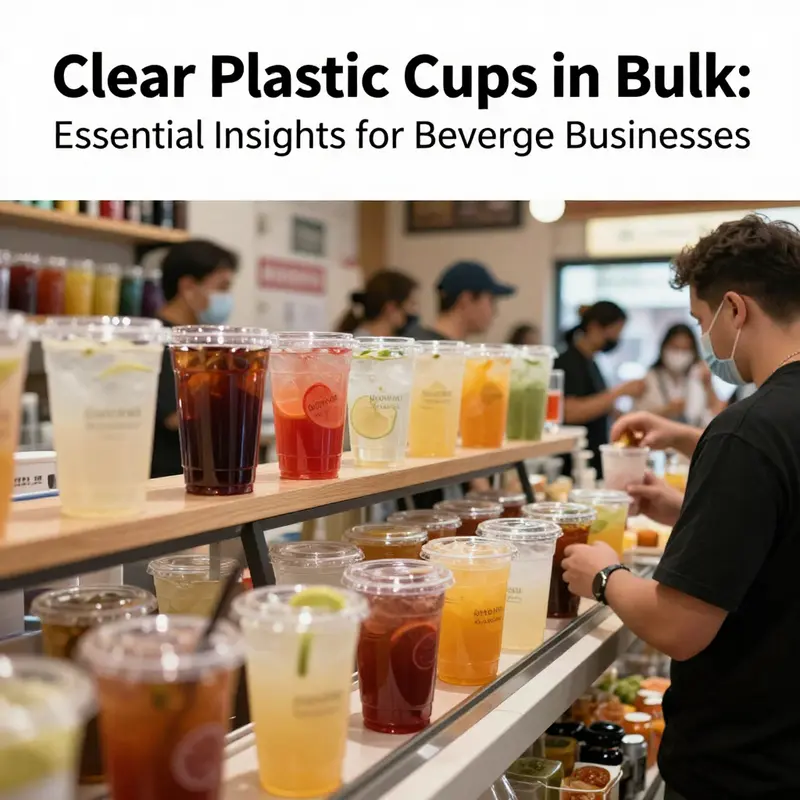
Clear plastic cups sold in bulk are more than simple take away vessels. They are a tangible lever for margin management and service speed in a world where beverage programs must balance taste, presentation, and throughput. When a business buys thousands of cups at once, the unit price declines and the reliability of supply rises, reducing the friction that can slow service during busy periods. This cost efficiency is not just about pennies saved per cup; it compounds across a service day, a week, or a season, strengthening the bottom line for high-volume operators such as restaurants, caterers, event planners, and retailers. The value equation becomes even clearer when you consider the partnership between price, performance, and practicality. Bulk cups arrive in standardized counts and configurations that align with common service patterns, which minimizes the need for last minute substitutions and the associated labor costs that typically accompany smaller, fragmented orders. The result is a streamlined purchasing process, a predictable inventory level, and more accurate forecasting for beverage programs that must scale up quickly without sacrificing quality or speed.
Materials and the economics of clarity sit at the heart of this equation. The industry standard materials for clear disposable cups are polystyrene (PS) and polypropylene (PP), with polyethylene terephthalate (PET) also featured in some lines. Each material carries a distinct balance of clarity, rigidity, and thermal performance that translates into a different risk and cost profile for bulk buyers. PS is renowned for its crystal clarity and stiffness, which helps drinks look as appealing as they taste. PP, while sometimes slightly less transparent, offers stronger heat resistance and a bit more resilience under stress, a feature that matters when cups are stacked, carried, and used in crowded service lines. PET brings its own strengths, combining clarity with impact resistance and robust performance in mixed-use settings. The material choice should be guided by the beverage profile, the expected handling conditions, and the environmental footprint the operation is comfortable accepting. In bulk terms, this often means balancing the desired visual appeal with the likelihood of breakage, temperature exposure, and the pace of service. A well selected material not only preserves drink appearance but also reduces waste through fewer incidents of cracking or deformation during busy service.
The applications of bulk clear cups are surprisingly diverse, reflecting a universal need for an unobtrusive, dependable vessel that can showcase the beverage. The transparency of the cup is a feature, not a flaw, because it allows the natural color, layering, and ingredients of a drink to shine. This visual appeal matters across a wide range of beverages — cold water, carbonated sodas, fresh juices, smoothies, iced tea, coffee, and even cocktails — and it is particularly powerful in outdoor events, stadiums, weddings, corporate gatherings, and school cafeterias where speed and perception matter. The lightweight design and shatter resistance of these cups reduce breakage and waste, while their compatibility with standard lids and straws facilitates modern service models that emphasize hygiene and convenience. In practice, bulk cups act as a reliable backbone for both self-serve stations and full-service environments, enabling quick turnover and consistent presentation whether drinks are consumed on site or delivered to a seat, a desk, or a curbside pickup point.
The safety and regulatory foundations of bulk cups are not optional add-ons; they are a core part of the procurement discipline. Food contact compliance matters because it governs the safety of direct beverage contact. In many markets, clear cups are designed to meet FDA standards for food contact in the United States, while EU regulations guide products sold across European markets. Documentation and certificates of conformity are standard expectations, and reputable suppliers will readily furnish these records to support audit readiness and brand due diligence. For buyers, requesting samples before committing to large orders is a prudent step. Real-world testing can reveal how a given cup performs with the target beverage, whether the temperature range expects a hot coffee or a chilled smoothie, and how the cup holds up under the actual stacking and handling rhythms of the operation. A rigorous testing phase helps prevent supply chain hiccups and ensures that the bulk program can scale without compromising safety, quality, or service speed.
Customization and branding are not boutique add-ons; they are a natural extension of bulk procurement that can elevate a disposable item into part of the brand experience. Many bulk clear cup lines support full color printing and branding, turning a routine service item into visible marketing. Corporate colors, event themes, seasonal artwork, and even message blocks can become part of the cup’s design, creating a consistent, moveable medium for branding across multiple venues and channels. The advantage is particularly evident in events and hospitality programs where the cup becomes a touchpoint that reinforces recognition and recall long after the beverage is consumed. In addition to printing, practical compatibility with lids and straws remains a central driver of versatility. The ability to standardize on a single cup size and series across dine-in, takeout, and delivery helps streamline inventory, lowers overall SKU complexity, and reduces the cognitive load faced by frontline staff during peak times. The centerpiece is a cohesive approach that aligns cup design with the broader packaging ecosystem of the operation, from napkins and sleeves to lids and carrier boxes.
Sustainable considerations increasingly color bulk purchasing decisions, even in the realm of clear cups. The market now offers a spectrum that includes biodegradable or compostable options made from plant-based materials such as PLA, balanced against the performance expectations of busy service environments. For many operations, the strategic choice becomes one of timing and context: use traditional clear cups to optimize cost and reliability during high-volume, everyday service, while reserving eco-friendly alternatives for events with explicit sustainability commitments or for campaigns that call for enhanced environmental stewardship. When evaluating these options, buyers should assess the full life cycle implications, including manufacturing energy, end-of-life infrastructure, composting availability, and the relative performance in temperature and handling. This due diligence ensures that the chosen path aligns with brand promises and operational realities, rather than being a marketing abstraction. A mixed approach often provides the best of both worlds: robust bulk supply for standard service and targeted use of eco-friendly variants for special occasions or campaigns focused on responsible packaging.
Procurement discipline is the practical backbone of a successful bulk cup program. The most effective buyers establish clear supplier criteria, verify certifications, and request tests that mirror actual usage. Temperature resistance, wall thickness, and the cup’s fit with lids and straw diameters are not abstract specifications; they translate into real-world outcomes such as faster service times, fewer spills, and reduced returns. Lead times and minimum order quantities must mesh with event calendars and seasonal demand, while warehouse realities — storage density, pallet configurations, and shelf life — shape the most efficient ordering cadence. A trusted supplier will provide transparent pricing, reliable delivery windows, and flexible terms that accommodate both routine operations and peak demand surges. With a solid partnership, the bulk route not only preserves safety and quality but also accelerates service and supports growth through predictable execution.
Brand strategy and operational efficiency can converge when the cup becomes a durable canvas for communication. For instance, brands can explore related disposable options such as the eco-friendly-printed-logo-single-wall-paper-cup to gauge how branding and design scale across formats. This cross-category thinking encourages a cohesive customer journey, from the moment a beverage is chosen to the moment it is enjoyed. When combined with a structured bulk program, it is possible to harmonize the tactile experience of the drink with the visual message delivered by the cup, creating a sense of reliability and quality that travels with the product through every hand it passes. A bulk approach, thoughtfully designed, thus becomes a strategic tool rather than a mere logistical solution. It supports menu variety, brand storytelling, and sustainable commitments while maintaining the speed and precision that modern beverage service demands. The result is a scalable, repeatable platform that can adapt to changing demand, seasonal campaigns, and evolving consumer expectations.
External resource for technical context: https://www.epackagesupply.com/clear-plastic-cups
Clear Confidence: Safety and Compliance in Bulk Clear Plastic Cups
Purchasing clear plastic cups in bulk is more than a price decision; it is a safety and compliance decision that affects food-contact safety, worker welfare, and environmental responsibility.
Materials commonly used include polystyrene (PS) and polypropylene (PP), both known for clarity and rigidity, making them staples in beverage service and events.
Clarity matters because a transparent cup enhances the visual appeal of drinks, but safety must come first; cups must come from sources that meet food-contact standards and avoid substances that could migrate into beverages.
In bulk sourcing, buyers should require documentation that confirms food-contact safety and specify the resin grades used for the intended application.
Heat tolerance matters: most clear cups are not designed for hot-fill above roughly 70 C (158 F), so service conditions should be matched to cup grades and labeled accordingly.
When heat is involved, the supplier should provide appropriate testing data and clear usage guidance to prevent deformation or leakage.
Environmentally conscious buyers will encounter compostable and PLA-based options, and should look for certifications such as industrial compostability standards and explicit end-of-life guidance; not all facilities process compostable cups, so clear certification and disposal instructions are essential.
Documentation matters: Certificates of Compliance, Material Safety Data Sheets, and third-party test reports support traceability and risk management, especially for large events or multi-site programs.
Finally, align supplier selection with your overall packaging strategy, ensuring that the chosen cups meet safety, performance, and sustainability goals while supporting a reliable end-to-end supply chain.
Clear Conscience, Clear Cups: Environmental Realities of Sourcing Bulk Clear Plastic Cups
The lure of clear plastic cups in bulk rests on a simple equation: visibility, cost, and convenience. The crystal clarity of a cup can elevate the appeal of a beverage, making a bright color or a subtle layer of foam more alluring to customers. In bulk, these cups deliver scale, enabling caterers, venues, and retailers to service crowds with predictable pricing and consistent performance. Yet beneath the surface of that clarity lies a set of environmental trade-offs that trace back to every stage of the product’s life—from raw material extraction to manufacturing, use, and end of life. To navigate these realities responsibly, buyers and suppliers alike must move beyond the surface of appearance and into the lifecycle implications that shape the broader sustainability profile of bulk clear plastic cups. A shared awareness of these implications can align commercial efficiency with ecological stewardship, without necessarily sacrificing the practical benefits that make bulk cups a staple in hospitality and food service.
The most immediate environmental concern centers on manufacturing pollution. Factories that produce clear plastic cups often discharge wastewater containing a mix of residual chemicals and microplastics. This effluent can infiltrate rivers and lakes, undermining aquatic ecosystems and threatening biodiversity. The downstream effects extend beyond wildlife; humans who rely on these water systems for drinking, irrigation, and recreation may be exposed to contaminants that accumulate over time. Industrial runoff can contribute to long-term ecological degradation, promoting changes in sediment composition, altering food webs, and imposing costs on communities that must remediate polluted water bodies. The environmental footprint of production thus becomes a shared responsibility of the supply chain, calling for rigorous wastewater treatment, responsible process design, and transparent reporting from manufacturers that operate at scale.
Alongside manufacturing emissions, the broader issue of plastic waste looms large. Clear plastic cups, though sometimes perceived as clean and neutral in color, remain single-use items for many applications. Even when designed for dense reuse or extended service, many cups end up discarded after a single event or service cycle. Global recycling rates for mixed plastic streams are uneven and often inadequate to prevent large volumes from reaching landfills or escaping as litter. In these pathways, cups persist for long periods in the environment, gradually fragmenting into microplastics that can migrate through soil and waterways and re-enter the food chain. The persistence of these materials contributes to a troubling accumulation of plastic waste, a pressure point that intersects with other waste streams, municipal budgets, and extended producer responsibility frameworks. The net effect is that bulk buys of clear cups, if not paired with robust waste management, can become part of a larger pattern of environmental degradation rather than a solution for busy operations.
These realities prompt a serious look at alternatives and design choices that can reduce harm without erasing the commercial benefits bulk cups provide. For some applications, reusable options offer a compelling path. When a venue or event supports a reliable return-and-reuse system, the per-use impact can decline substantially compared with single-use paths. Where reuse is impractical, biodegradable or compostable cups made from plant-based materials present another route, provided that the supply chain supports appropriate composting infrastructure and consumer education. It is important to note, however, that not all compostable cups thrive in ordinary home facilities; many require industrial composting environments to achieve meaningful degradation. This nuance matters for bulk purchasers who might otherwise assume that “biodegradable” equates to effortless end-of-life management. The real-world performance of these alternatives depends on local waste streams, facility availability, and the clarity of consumer instructions about disposal.
Even when shifting away from conventional plastics, there is a need to consider lifecycle impacts in a holistic way. Recycled-content cups, for example, can reduce virgin material requirements if the recycled stream is well-managed and post-consumer content is reliably sourced. However, achieving high-quality recycling depends on compatibility with existing collection, sorting, and reprocessing infrastructure. In some markets, incompatible streams or poor separation contaminate recyclables, undermining material value and increasing recycling costs. For buyers handling bulk orders, this means asking for clear, verifiable data about the cradle-to-grave performance of a cup—inputs, energy use, water use, emissions, and end-of-life processing—so that procurement decisions reflect genuine environmental outcomes rather than marketing narratives.
The conversation about environmental responsibility also touches on policy and standards. Food-contact regulations, while primarily framed around safety, intersect with environmental stewardship in meaningful ways. Clear cups intended for beverages must meet hygiene and safety criteria, but they should also be scrutinized for their impact on waste streams and recycling compatibility. Validating supplier certifications, demanding third-party audits, and requesting lifecycle assessments can help purchasers avoid inadvertent support for materials with opaque or unsustainable supply chains. In bulk contexts, where orders scale rapidly, the onus is on buyers to vet suppliers not only for product performance but for governance, transparency, and environmental accountability. This is where documentation, traceability, and honest communication become essential tools for responsible sourcing.
To translate these principles into practical decisions, many buyers look for thoughtful packaging strategies that reduce overall environmental harm. One strategic path is to favor packaging configurations that minimize material use and optimize end-of-life options. For instance, selecting clear cups that are compatible with widely available lidded and straw systems can streamline recycling or composting workflows, provided that those streams are correctly implemented. Another tactic is to negotiate supplier guarantees about recycled-content levels, end-of-life options, and take-back programs where feasible. These measures help align bulk procurement with broader circular economy goals, where products are designed for durability, repair, reuse, refurbishing, and high-quality recycling. In addition, investing in staff training and clear disposal signage at points of service can reduce contamination and improve the fate of cups after use, amplifying the environmental benefits of any given bulk order.
For readers seeking a practical link to an alternative approach, it is useful to explore eco-friendly options that align with responsible bulk purchasing. For example, a line of eco-friendly, printed paper cups designed for cold beverages offers a glimpse into how packaging can balance functionality with environmental considerations. While this narrative centers on plastic cups, the underlying principle—prioritizing systems that support responsible disposal or recycling—translates across materials. See the eco-friendly option here: eco-friendly-printed-logo-cold-beverage-cup-paper-cup-with-lid. This example illustrates how suppliers can frame a product’s environmental attributes with transparent labeling, continued product performance, and a pathway for responsible end-of-life management.
In the end, the environmental considerations surrounding bulk clear plastic cups demand a balanced, informed approach. They require clear communication across the value chain, from raw-material sourcing and manufacturing to distribution, use, and end-of-life handling. They call for ongoing evaluation of alternatives—whether reuse, advanced recycling, or plant-based biodegradable options—paired with robust waste-management practices in the environments where these cups are deployed. They invite a culture of accountability, where buyers ask tough questions about certifications, supply-chain transparency, and the real-world performance of greener options. And they encourage a shift toward a circular mindset in which the goal is not simply to minimize harm per cup, but to reimagine the entire lifecycle so that every bulk order contributes to cleaner waterways, less waste, and a more sustainable industrial system. For those who seek a broader lens on these issues, a comprehensive external resource examines the wide-ranging environmental impacts of plastic cups and situates them within the larger context of plastic-use in everyday life: https://www.dongsu.com/blog/environmental-impacts-of-plastic-cups.
Sourcing Clarity: Vetting Suppliers for Bulk Clear Plastic Cups
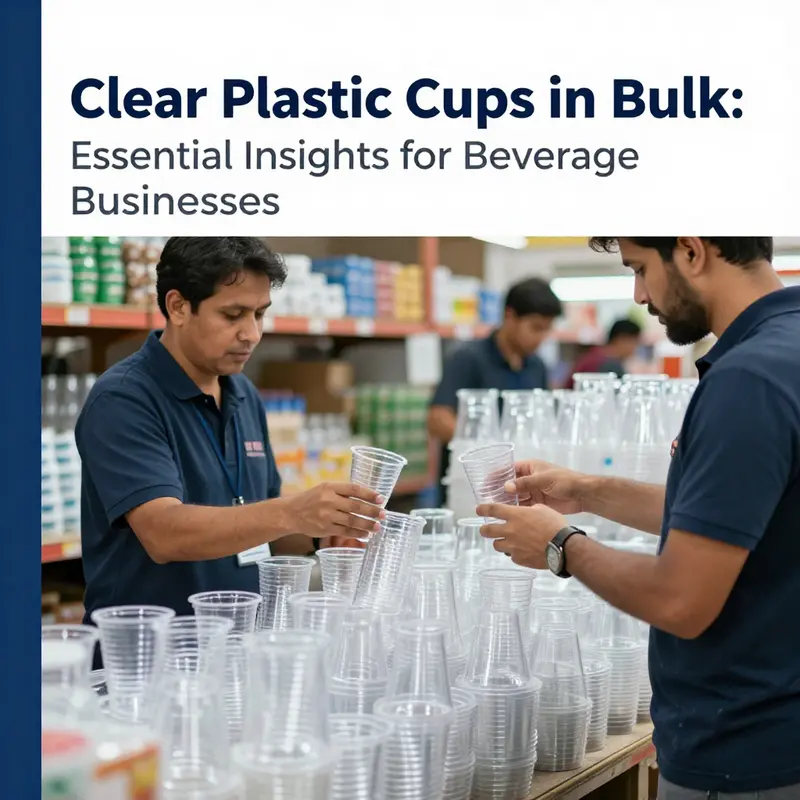
The process of stocking bulk clear plastic cups starts long before the first carton arrives. It begins with a clear view of how these cups perform under real-world conditions—how they hold up to hot and cold beverages, how well they resist cracking or sweating, and how consistently transparent they remain from the first to the last cup in a pallet. In bulk buying, performance is a function of material choice, manufacturing discipline, and a supplier’s ability to scale without compromising safety or appearance. The goal is not simply to secure a low price but to secure a steady flow of dependable cups that can uphold a brand’s visual standard while meeting rigorous safety requirements across markets. This is particularly important for operators who rely on uniform presentation for beverages that depend on color and clarity to entice customers and communicate quality. The bulk route is efficient when it rests on a foundation of verified capabilities rather than supply-chain luck.
A crucial starting point lies in the geography of manufacturing clusters. In recent years, three Chinese provinces have emerged as centers of scale and sophistication for disposable drinkware: Guangdong, Fujian, and Jiangxi. Each hosts integrated factories that bring together injection molding, thermoforming, mold making, printing, and logistics into a tightly choreographed ecosystem. Such proximity among raw-material suppliers, toolmakers, and finishers reduces turnaround times and enables rapid, voluminous production. Typical lead times, when orders align with the factory’s standard capacity, hover in the range of 15 to 30 days. This tempo matters for events, hospitality rollouts, or seasonal beverage campaigns, where the ability to forecast demand and lock in a supplier who can respond quickly translates into lower stockouts and less last-minute pricing pressure. In this context, bulk clear cups can move from design concept to final delivery with far greater reliability than if they were sourced from dispersed, loosely coordinated manufacturers.
Yet speed and scale must be balanced by diligence. A supplier’s technical competence, compliance posture, and operational reliability are as critical as the price tag. Buyers should request documented evidence of compliance with international safety standards before any large-scale order. The most essential benchmarks typically include food-contact compliance frameworks such as FDA 21 CFR, EU Regulation (EC) No 1935/2004, and LFGB for certain markets. Additional certifications, including RoHS and REACH, help verify that materials meet broader environmental and health-safety expectations. This is not a mere checklist; it is a risk-management discipline that protects brands from regulatory challenges and product refusals at ports or in retail environments. When a supplier can demonstrate a clear record of conformity, producers and buyers gain a shared confidence that the cups will perform as promised across geographies and over time.
Material selection remains a central design decision with practical implications for performance and cost. The bulk market commonly differentiates among PET, PS, and PP—each with its own balance of clarity, rigidity, thermal tolerance, and price. PET is prized for lightness and clarity, making it a strong choice for high-visibility beverage displays and cold drinks at large events. PS, with its exceptional transparency and structural support, often carries a premium but can elevate perceived quality in premium catering or restaurant service. PP offers superior heat resistance and resilience, lending itself to hot liquids and more demanding handling, and it frequently serves as the pairing material for lids and straw apertures in a complete serving solution. In hot beverage contexts, PP’s tolerance to higher temperatures becomes a decisive factor; for cold-service applications where maximum clarity matters, PET or PS may be preferred depending on the brand’s aesthetic and the expected turnover rate.
Beyond raw material choice, many manufacturers offer customization that aligns with branding and customer experience. In provinces like Fujian and Guangdong, automation and digital printing enable a spectrum of customization options, from logo imprinting to multi-color designs and specialized lid configurations. The capacity to deliver consistent branding across thousands or millions of cups hinges on repeatable molds, reliable color management, and robust quality control. For brands considering custom packaging, these capabilities can be transformative, turning a simple disposable cup into a portable brand touchpoint. While customization can add cost, it also opens pathways to stronger brand recognition at events, in-store promotions, and delivery experiences where every detail reinforces messaging.
The sourcing landscape is not static. While China maintains its leadership in scale, diversification within a broader supply-chain strategy is increasingly common. Vietnam, for example, is emerging as an alternative destination that can offer competitive pricing and different lead-time dynamics. For buyers seeking risk diversification or shorter supply lines for certain SKUs, a multi-regional approach can reduce exposure to regional disruptions while preserving the advantages of bulk ordering. Regardless of geography, the bedrock remains supplier verification: a rigorous process that looks beyond unit price to assess capability, documentation, and process maturity.
To operationalize supplier verification, buyers should demand a transparent, auditable trail of information. At a minimum, this includes current certifications, test reports, and declarations of conformity for each material grade used in the cups. For a bulk program, it is prudent to request a sample batch from a potential supplier to evaluate clarity, uniform wall thickness, and lid compatibility before committing to large quantities. The evaluation should extend to mold maintenance practices, supply of spare parts, and the manufacturer’s capacity to handle custom runs and urgent reruns without compromising lead times. A credible supplier will also provide a clear, real-time view of manufacturing capacity, inventory levels, and expected timelines for production changes or tooling adjustments. In practice, buyers benefit from structured due-diligence tools and third-party verification processes that can confirm technical competence and compliance readiness in a way that is verifiable and repeatable across orders.
The procurement journey also includes a careful look at environmental and safety considerations that inform long-term purchasing choices. There is growing demand for sustainably oriented options, including biodegradable or compostable cups made from bioplastics such as PLA. While these alternatives can align with corporate sustainability goals, they often involve trade-offs in cost, clarity, and heat tolerance. Buyers should assess the total cost of ownership, including potential changes to shelf-life, storage conditions, and end-of-life disposal when choosing from standard PS, PET, or PP lines versus more sustainable alternatives. The conversation around sustainability is not only about materials; it also encompasses packaging efficiency, palletization, and the ability to minimize waste during transit and handling. A holistic assessment helps ensure that bulk purchases contribute to both operational efficiency and environmental stewardship over the contract lifecycle.
Given the complexity of this space, relying on a credible sourcing platform can streamline supplier vetting and documentation management. Industry resources emphasize the value of platforms that curate verified manufacturers, publish up-to-date compliance documentation, and offer bulk pricing insights. Such platforms can provide a transparent view of product specs, regulatory compliance, and supplier reliability, helping buyers compare options more efficiently than through isolated supplier inquiries alone. When a prospective partner can share digital copies of FDA, EU, and LFGB compliance, as well as RoHS and REACH statements, buyers gain a higher degree of assurance that the cups will meet the safety expectations of end users across markets. This reduces the risk of costly rejections after product release and supports a smoother regulatory path during import and distribution.
For practical, real-world reference, many buyers find it helpful to explore related content on packaging and cup-related product pages that discuss bulk options and branding capabilities. For an example of related take-away cup options and custom branding capabilities, see this internal page: Disposable single-wall paper cup—12oz to 16oz with lid. While this page focuses on a paper cup category, it reflects the broader pattern of customization, packaging integrity, and customer-oriented design that often informs decision making for clear plastic cups as well.
As a practical takeaway, buyers should close the loop on verifications with a formal supplier scorecard that captures regulatory readiness, on-time delivery performance, defect rates, and responsiveness to change orders. The scorecard provides a consistent basis for comparing suppliers over time and across different product grades. A well-structured procurement approach also accounts for packaging safety, pallet safety, and compatibility with common logistics lanes to ensure that bulk shipments arrive intact. In this way, the act of sourcing becomes a strategic function that underpins product quality, brand integrity, and customer satisfaction across every service channel—from in-person events to home-delivery programs.
External resource: https://www.epackagesupply.com/clear-plastic-cups
Final thoughts
Clear plastic cups are more than just practical items; they represent a critical aspect of how businesses engage with their customers and manage operations. By understanding the materials, applications, safety standards, environmental impact, and the sourcing process, beverage businesses can optimize their procurement strategies for bulk clear plastic cups. Staying ahead in this dynamic industry requires not only cost-efficient solutions but also a commitment to safety and sustainability. Invest in the right cups today, and watch your service elevate to new heights of customer satisfaction.