
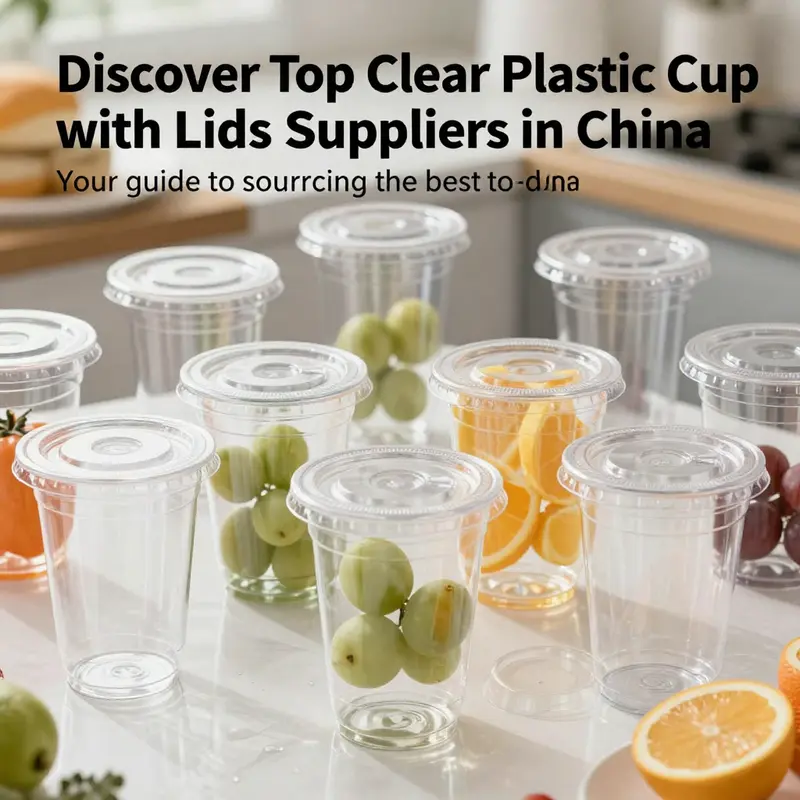
Clear plastic cups with lids have become essential to businesses in the food and beverage industry, especially for bubble tea shops, restaurants, food trucks, and catering services. As demand surges for these practical solutions, sourcing high-quality suppliers from China proves advantageous. This article delves into the leading suppliers in China, current market trends and pricing, and essential quality assurances and certifications to look for. Understanding each aspect will empower businesses to make informed purchasing decisions, ensuring both quality and value in their offerings.
Navigating the Rising Tide: A Deep Dive into China’s Leading Suppliers of Clear Plastic Cups with Lids
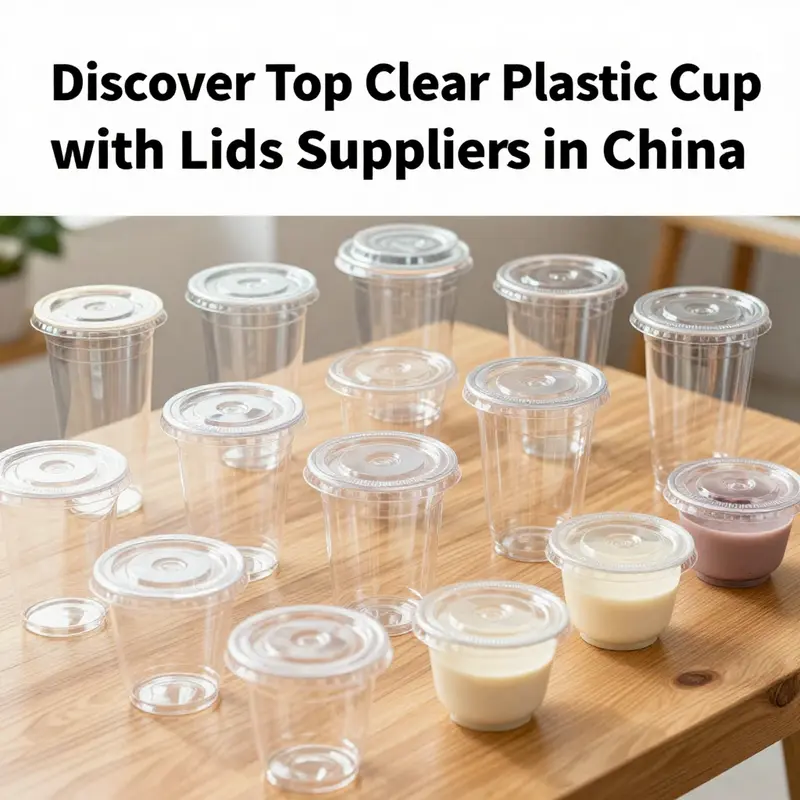
Clear plastic cups with lids sit at the crossroads of practicality and presentation. They are the vessels that carry cold drinks at stadium concessions, carryout meals from busy kitchens, and branded samples at corporate events. In recent years, a stable and scalable supply chain for these cups has become a defining feature of global packaging markets, with China playing a pivotal role. The chapter that follows threads together the geography of production, the economics of scale, and the practical realities of sourcing. It maps how buyers move from curiosity to confident orders, and it explains why the choices made in the supplier landscape in China ripple across quality, price, speed, and reliability. The story is not merely about a mold and a plastic resin; it is about a system that can translate a design concept into millions of units with predictable performance, compliance, and a footprint that aligns with evolving consumer expectations around safety and sustainability. In this context, the term leading suppliers is not a flashy label but a measurable outcome: a network of manufacturers who orchestrate complex processes, maintain rigorous quality controls, and deliver consistent results under pressure, all while offering flexibility for customization and scale that other regions often struggle to match. The avenues this chapter explores are not single threads but a woven tapestry of regional strength, procedural discipline, and strategic partnerships forged across vast logistics corridors. The core insight is that the best suppliers are not just those who can produce large quantities, but those who can align every link in the chain with the buyer’s specific requirements, from food-grade certifications to branding opportunities, from rapid prototyping to mass production, and from standard packaging to sustainable materials that meet growing regulatory and consumer demands. To understand this landscape, it helps to think in terms of three interlocking dimensions: regional ecosystems that host the manufacturing capacity, the operational practices that convert raw material into finished cups with lids, and the market signals that drive performance, pricing, and risk management. Taken together, these dimensions illuminate how buyers source reliably from China’s clear plastic cup with lid suppliers and how they balance competing priorities—cost, lead time, quality, and compliance—in a global procurement context.
The regional geometry of production in China shapes what is possible in clear cups with lids. Guangdong stands out as a dynamic hub where plastic processing and assembly have evolved into a vertically integrated pipeline. The province hosts a dense ecosystem of molders, printers, fitters, and packagers, with near end-to-end control over the conversion of resin into finished cups and lids. What this means in practice is speed, consistency, and the ability to implement design changes with relatively short cycles. The supply chain here benefits from mature logistics networks that connect inland manufacturing clusters with seaport infrastructure, enabling quick turnarounds for both small trial runs and large scale export orders. Buyers who need to see rapid iterations—whether for product testing in a new market, brand customization, or the introduction of new lid geometries—will often find Guangdong-based suppliers more responsive and capable of maintaining tight schedule adherence even when order volumes rise. The same region often demonstrates a strong proclivity for certifications and traceability, which reduces the compliance risk for international buyers who must meet stringent food safety standards and import regulations. The practical upshot is clear: the Guangdong ecosystem can translate product concepts into tangible, compliant units with a speed that is valuable for brands testing market receptivity or rolling out seasonal promotions.
Beyond the southern core, other provinces contribute complementary strengths that shape the overall competitiveness of China as a supply source. Sichuan’s advantage lies in its scale of injection molding capacity. A manufacturing environment oriented toward high-volume production allows for aggressive unit costs as output grows. For buyers who plan to scale volume quickly, Sichuan-based operations can be a decisive factor in total landed cost. The economics here is not simply about a low price per unit, but about the way large-scale operation enables predictable pricing patterns across a broad range of SKUs and configurations. For those buyers who require stability in cost structures as demand fluctuates, the Sichuan model provides a certain resilience, with the capacity to absorb commodity price shifts and maintain service levels that smaller facilities might struggle to sustain under stress.
Fujian adds a different dimension to the mix. Its exporters are recognized for achieving a balance between affordability and moderate MOQs, making them attractive to small-to-mid-size distributors, regional brands, and startups that want a foothold in the market without committing to large upfront volumes. This balance of cost and accessibility supports a more iterative go-to-market approach. Startups often rely on Fujian-based suppliers to pilot packaging concepts in real-world settings, obtain customer feedback, and refine specifications before scaling. The Fujian corridor thus functions as an accelerant for market experimentation, allowing new ideas to travel from concept to consumer with less friction than might be encountered if one pursued only high-volume production regions. The result is a more diverse supplier landscape in which smaller players can participate meaningfully, while still drawing on the capacity and know-how of larger manufacturing clusters.
The broader geography also includes Zhejiang and Jiangsu, which provide a backbone for scalability and optimization in production and distribution. These provinces have long been centers of industrial efficiency, where lean manufacturing practices, standardized QA regimes, and sophisticated vendor management systems converge to create reliable, repeatable outcomes. For buyers whose priorities include consistent lead times and reproducible print quality for branding, these regions offer a compelling combination of process discipline and supply chain visibility. Suppliers in these areas frequently maintain robust engineering support for customization, allowing buyers to push the envelope on lids, wall thickness, and printing—without sacrificing the precision that mass production demands. The regional mosaic, then, is not simply a matter of geography; it is a constellation of capabilities that buyers can align with their product strategy, whether their focus is premium branding, simple functional packaging, or sustainable alternatives.
A note on the legacy and experience embedded in the Chinese manufacturing landscape helps explain why certain profiles stand out as dependable partners. In the annals of plastic cup and lid production, there are plants with decades of accumulated expertise in PET and PP materials, mold design, and precision assembly. Some facilities trace their roots to a period when the industry first began to standardize formats and lid-fit specifications, building a repository of best practices over generations. This depth of know-how translates into robust process control, a natural advantage for inquiries that involve tight tolerance requirements, consistent seal integrity, and repeatable clarity in transparent cups under varied temperature conditions. Experience also matters in how suppliers address regulatory and safety considerations. The global market imposes rigorous expectations around food contact materials and labeling, and seasoned manufacturers develop systematic pathways to certify materials, document batch histories, and conduct traceability testing. The combination of long-standing technical know-how and an evolving compliance posture positions such suppliers to meet the demands of multinational brands that require uniform performance across multiple markets.
The commercial mechanics of sourcing clear cups with lids from China reflect a sophisticated, data-driven approach to supplier selection. Buyers frequently navigate a spectrum from small, flexible factories to large, export-oriented mills. The landscape offers an unusually wide range of MOQs. Some suppliers accommodate micro-purchase needs for trials or regional pilots, while others are built to handle tens of millions of units in a single seasonal push. This flexibility matters because market testing often precedes scale. A startup may begin with a modest order to validate a concept with a specific brand client or a limited distribution channel. If the product resonates, the same supplier can ramp up production with minimal disruption, maintaining consistent vessel geometry and lid fit across the expanded run. From the buyer’s perspective, this tiered approach lowers the barrier to entry for new packaging ideas and makes it feasible to test multiple lid configurations, wall thicknesses, and printing effects in parallel rather than sequentially.
Quality assurance and certification play a central role in the sourcing decision. Chinese suppliers typically present a portfolio of certifications that attest to the safety and suitability of materials for food contact, as well as quality management practices that align with international standards. Commonly referenced certifications include food-grade attestations and third-party testing verifications. The desirability of such credentials is elevated for global buyers who must demonstrate compliance in diverse markets, where regulatory frameworks differ yet share an emphasis on consumer safety. With the rise of sustainability expectations, more suppliers are also expanding capabilities to offer materials with reduced environmental impact, including bioplastics and compostable variants, where feasible. The ability to provide a credible sustainability narrative, along with robust performance, becomes a differentiator in a crowded marketplace that increasingly values responsible packaging choices.
The decision calculus for buyers extends beyond certifications and capacity. It involves a practical assessment of supplier reliability, a concept that encompasses lead times, sample policies, defect management, and on-time delivery performance. Public indicators of reliability are often gleaned from the supplier’s track record, including historical on-time fulfillment rates and responsiveness to inquiries. Buyers tend to favor partners who combine quick turnarounds with thorough pre-shipment quality checks and transparent communication during manufacturing. A supplier that can provide proactive project updates, real-time production dashboards, and rapid resampling when design iterations are needed earns a competitive edge. In a market where a single delay can ripple across the supply chain, having a partner that preserves schedule integrity becomes a strategic imperative for brands managing seasonal campaigns or time-sensitive launches.
The design and customization dimension deserves particular attention. Clear cups with lids often function not merely as containers but as brand touchpoints. The capacity to support embossing, printing, and custom labeling can shape consumer perception and set a product apart from the shelf. Suppliers that invest in design-for-manufacture considerations—such as print compatibility with transparent surfaces, lid fit tolerances, and dye or ink adhesion—offer buyers a smoother path from concept to finished goods. In many cases, the most successful partnerships blend technical capability with creative collaboration. A buyer may present a branding concept, a target color palette, or a special event motif, and the supplier translates that into a production-ready specification package, backed by sample renders and physical prototypes. This collaborative dynamic reduces the risk of misinterpretation and accelerates the approval cycle, a boon for teams working under tight deadlines.
The sourcing journey also includes navigating the platforms that connect buyers to manufacturers. The dominant B2B marketplaces in China provide filters that help buyers identify candidates with food-grade certifications, robust communication metrics, and track records of timely delivery. While these marketplaces can dramatically lower the friction involved in initial supplier discovery, the downstream evaluation remains indispensable. Buyers often request samples, conduct pre-production trials, and audit capacity through on-site visits or third-party sourcing services. This due diligence helps translate the marketplace impression into a practical forecast of performance. The dynamic here is iterative and data-driven: early sample feedback informs process adjustments, which, in turn, refine the subsequent production schedule. The goal is to reduce the distance between concept and compliant, cost-effective mass production without compromising the reliability that buyers rely on for multi-market rollouts.
For readers who are exploring this landscape as potential buyers, a few practical considerations crystallize. First, define your drafting criteria early. Clarify whether the priority is cost per unit, ability to meet exacting lid-fit tolerances, or the capability to support layering of branding across different cup sizes. The answer will guide supplier selection and negotiation posture. Second, assess materials and sustainability options without sacrificing food safety. The market now includes options ranging from traditional petroleum-based polymers to bio-based and recycled-content formulations. Each option carries implications for print fidelity, heat resistance, and sealing performance, so require a clear statement of material compliance and testing data. Third, test the commercial terms that matter for your cash flow and risk management. Look for transparent pricing structures, flexible MOQs, scalable lead times, and clearly defined quality acceptance criteria. Fourth, examine the supplier’s post-sale support, including warranty considerations, corrective action processes for defects, and the availability of spare parts or replacement components should a batch require rework. Finally, keep an eye on evolving regulatory expectations and consumer sentiment regarding sustainability. In a market that increasingly favors responsible packaging, suppliers who can pair performance with credible environmental narratives will retain relevance as demand shifts.
To illustrate how buyers can translate these considerations into a practical sourcing strategy, consider a typical scenario that many brands encounter when expanding globally. A brand sees rising demand for a clear, stackable cup with a compatible lid that supports a branded imprint and a clean seal. They begin by identifying a short list of regional hubs likely to meet their scale and speed requirements. They evaluate the capabilities of Guangdong-based producers for rapid prototyping and small-volume flexibility, while also checking Sichuan plants for cost-efficient bulk runs. They explore Fujian facilities for market-entry pilots and Zhejiang or Jiangsu operations for mass production stability. They request samples in several configurations to test fit, seal performance, and print clarity, and they insist on third-party test data demonstrating food safety compliance and material stability under the anticipated temperature range. They negotiate terms that allow for phased production, with a clear success criteria for each phase, ensuring that the initial trial is followed by a measured scale-up that aligns with demand signals from the target markets. If the supplier can deliver consistent on-time shipments, maintain high communication responsiveness, and provide credible sustainability and branding options, the probability of a successful market entry rises markedly. In such a way, the choice of partner becomes a strategic decision that affects not only the immediate procurement but also the long-term brand perception and supply chain resilience.
As this landscape evolves, it is important to acknowledge the role of industry platforms in shaping supplier choice. Marketplaces that aggregate factory capabilities, compliance credentials, and shipping performance give buyers a clearer, data-driven view of potential partners. Yet the most meaningful decisions come from direct engagement with suppliers—their willingness to share production capacities, to discuss process control measures in detail, and to provide evidence of consistent delivery histories. Buyers who combine marketplace due diligence with site visits, third-party verification, and a structured pilot program tend to build partnerships that endure the fluctuations of global demand and the intrinsic variability of supply chains.
For those navigating this space, a practical synthesis emerges. The leading suppliers in China operate within a layered ecosystem that blends regional specialization with global ambitions. Guangdong excels in speed and integration, Sichuan offers scale-driven pricing, Fujian supports market-entry flexibility, and Zhejiang and Jiangsu anchor scalability with process discipline. In practice, the most successful sourcing strategies do not rely on a single hub but on a calibrated portfolio of suppliers that together cover the spectrum of needs—from micro-orders for testing to megadeals for peak seasons. Customization capabilities, material options, and certification portfolios are not icing on the cake; they are the core enablers of a reliable, globally deployable packaging program. The buyer’s task is to translate requirements into a structured sourcing plan that uses each region’s strengths while maintaining a consistent governance framework across suppliers. Only then can the promise of clear plastic cups with lids—simple in concept yet complex in execution—be leveraged to create packaging that performs predictably, showcases brands with clarity, and travels across borders with confidence.
To further explore practical pathways for sustainable packaging and design-specific considerations, an internal resource on eco-friendly printed logos for cold beverage cups with lids offers additional context and real-world examples. eco-friendly-printed-logo-cold-beverage-cup-paper-cup-with-lid
External resource: a comprehensive overview of marketplaces and supplier evaluation practices in large-scale plastics manufacturing can be found at https://www.alibaba.com.
Clear Pathways: Market Trends, Pricing Dynamics, and Global Sourcing Realities for China’s Clear Plastic Cups with Lids
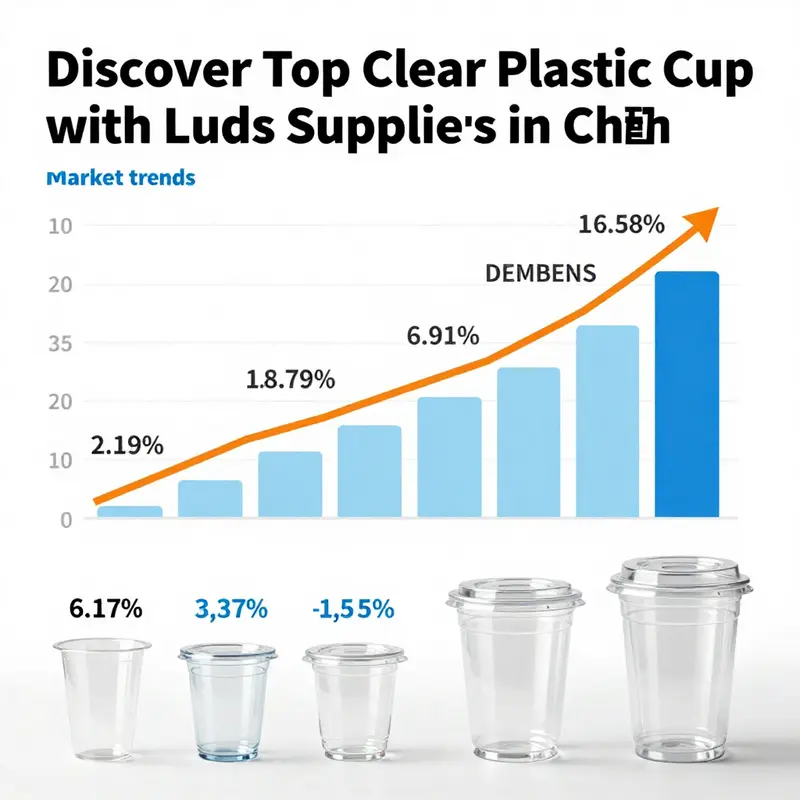
The growth of disposable beverage packaging has become inseparable from the rhythms of the modern service economy. Takeaway trends and ready-to-drink formats have rewritten the playbook for cups and lids, and clear plastic cups with lids have moved beyond containers to become platforms for branding, convenience, and storytelling on the move. In major manufacturing hubs in China, a vast constellation of suppliers has built capabilities to translate design ideas into finished products at scale, with a spectrum of materials, finishes, and customization options that can meet everything from boutique beverage concepts to global quick-service needs. The forces shaping this market are not only about price; they are about reliability, compliance, and the ability to respond to a climate of rapid change where consumer expectations for packaging, sustainability, and brand signal coexist with the urgency of supply chains that must move with precision across oceans and time zones.
To understand the landscape that underpins this category, one must consider the geographic and industrial logic that governs supply in China. Guangdong, Zhejiang, Sichuan, and Jiangsu have become the corridor through which raw materials flow, molds are engineered, and finished products are dispatched toward ports with the capacity to reach markets worldwide in a fraction of the time that once seemed possible. Guangdong—home to dense clusters around cities renowned for plastics processing—offers an integrated ecosystem. These plants are, in many cases, tightly coupled with upstream suppliers and downstream converters, enabling shorter lead times and tighter control over quality as production scales up. Sichuan, with its rapidly developing plastics base, complements this by bringing regional strengths in high-frequency tooling, automation, and a broader set of supplier capabilities that can respond to both high-volume orders and complex customization. The other provinces contribute through specialized engineering know-how, adherence to international testing regimes, and a broader logistics network that links inland manufacturers with coastal gateways, including major export nodes that decrease transit time and improve reliability during peak demand periods. This regional concentration is not accidental. It reflects a deliberate alignment of manufacturing capability with export-readiness, and it helps explain how buyers can find a mix of standard shapes, varied capacities, and a broad palette of materials that can be tuned to different regulatory environments.
From a buyer’s perspective, the market presents a spectrum of price points that reflect material choices, processing technology, and the level of customization pursued. The base material of choice in many cases remains a plastic polymer—propylene, polyethylene terephthalate, or their blends—selected for clarity, rigidity, and suitability for contact with food and beverages. The decision tree often starts with the volume and the desired clarity of the cup. For smaller formats designed for samples or desserts, the cost per unit tends to be lower, while larger capacities, or cups designed for multi-serve applications, command higher unit costs due to material volume and the sheer scale of production. When you step into a mix of MOQs, lead times, and printing options, price becomes both a function of quantity and a reflection of the complexity of finishing. Custom printing, for example, can shift unit costs by significant margins, even when base materials and standard molds are similar. In practice, buyers often encounter a price corridor that captures a broad range: smaller, simple cups with transparent walls can be available at low unit costs, while larger or highly customized cups, such as those with brand-specific prints, shapes, or lid configurations, will fetch higher prices. This complexity means that price alone is a poor predictor of total cost when a supplier’s ability to meet deadlines, maintain consistent quality, and adhere to certifications is part of the package.
One persistent driver of market dynamics is the rising interest in sustainability, which complements the straightforward demand for convenience. While the core dynamic of single-use packaging has drawn scrutiny, many suppliers have begun offering eco-friendly options that aim to balance performance with environmental considerations. In practice, this means an expanding set of materials and processes designed to reduce environmental impact without sacrificing clarity or rigidity. Biodegradable or compostable alternatives, such as PLA-based formulations, are increasingly positioned as compliant with standards in Europe and North America, including REACH and RoHS considerations, alongside food-contact certification regimes like FDA and SGS in relevant jurisdictions. The integration of these materials into clear cups with lids is not purely a trend; it reflects a structural shift in how the packaging supply chain will operate as consumers, retailers, and regulators demand more responsible packaging solutions. The breadth of options also includes recyclable designs and, more broadly, material strategies that emphasize recyclability of cup components or simplification of the recycling stream. This shift toward eco-friendly options has implications for total landed costs, as the introduction of new materials or recycling-compatible design often carries a premium, albeit balanced by potential savings in waste management or brand value in markets where sustainability is a purchasing differentiator.
In tandem with these material shifts, the channel for sourcing remains highly diverse. Buyers routinely turn to large, centralized B2B platforms as well as direct engagement with factories or trading houses that boast integrated capabilities. The practical upshot is that buyers are not limited to a single path; they can negotiate across a spectrum of options that balance price, speed, and risk. This dynamic is particularly relevant for brands and operators that require consistent supply during seasonal peaks, urgent promotions, or campaigns that demand rapid ramp-ups. In many cases, the most robust sourcing approach combines multiple supplier relationships to mitigate risk and diversify the supplier base. A thoughtful sourcing strategy may emphasize a core partner for long-term stability who can meet stringent labeling and packaging requirements, while also maintaining a flexible network that can adapt to spikes in demand or shifts in material costs.
Pricing dynamics in late 2025 and early 2026 reflect these tensions between scale, customization, and compliance. A typical publicized spectrum for clear cups with lids, when quoted wholesale, shows three broad bands tied to capacity and design. Small to mid-size cups—those used for beverages and desserts in cafes, bakeries, and smaller quick-service roles—often come in the 0.02 to 0.04 USD per unit range, with a minimum order quantity that can begin from tens of thousands to around fifty thousand pieces, depending on the exact material (PP, PET, or PLA blends) and the finish. Mid-range volumes, such as standard drink cups for milk tea or coffee in popular service sizes, can see unit prices ranging from about 0.01 to 0.05 USD, reflecting the prevalence of common molds and the ability to leverage economies of scale, though customization adds a premium. Larger formats intended for juices or fruit teas—particularly those that may include features like built-in handles or enhanced lid closures—tend to sit in a higher price band, roughly 0.10 to 0.25 USD per unit, with MOQs that are similar or higher due to the need for more robust tooling and longer lead times to sustain the larger stock commitments.
Supply stability remains central to the pricing conversation because it directly informs the risk-adjusted cost of procurement. Several indicators illuminate this reality. Some manufacturers have demonstrated exemplary reliability, with high on-time delivery rates and robust quality control ecosystems that ensure consistent performance across campaigns. In contrast, other suppliers may exhibit more variable fulfillment histories, underscoring the importance of due diligence that goes beyond unit price. A supplier with a proven track record of punctual deliveries during seasonal spikes can offset higher unit costs with lower stockouts, reducing total working capital charges and protecting campaign timelines. Conversely, a supplier plagued by inconsistent delivery can incur hidden costs in expediting, air freight, or last-minute replacements that erode any initial price advantage. In this context, the procurement decision becomes a composite assessment of cost, reliability, and policy alignment, including the supplier’s capacity to meet environmental and food-safety certifications, and its ability to provide documentation necessary for importing into European, North American, or other strict markets.
In practice, buyers will want to harmonize three pillars: compliance, capacity, and communication. Compliance encompasses a supplier’s ability to produce under food-safety regimes and to provide certifications such as FDA-equivalent approvals, SGS testing results, and standards that align with REACH and RoHS for the European market. Capacity touches the tangible ability to scale production during peaks, to deliver on multi-country orders, and to support late-stage edits in design or packaging without compromising timeline integrity. Communication, perhaps the most overlooked pillar, includes responsiveness, technical support during CAD-to-mold handoffs, and the post-sale service that ensures any issues—from slight dimensional variances to print misalignment—are addressed quickly and with clear remediation. Buyers who invest in these three dimensions often realize lower total cost of ownership, even when their unit costs appear higher at the outset. The market rewards not only the lowest price but the smartest price: a price that includes risk mitigation, predictable delivery, and a supply chain that can absorb shocks without compromising product integrity or brand perception.
Within this landscape, the question for many buyers becomes how to measure a supplier’s true value beyond the sticker price. One practical approach is to consider the supplier’s end-to-end capabilities: raw material sourcing, injection molding, quality control, and packaging. A factory with an integrated chain reduces the risk of misalignment between upstream materials and downstream assembly, thereby improving yield and reducing rework. This is especially pertinent when considering advanced customization—printing, color matching, and lid designs—that can demand close coordination between the print house and the molding line. In scenarios where tight branding or premium packaging is desired, the supplier’s ability to manage color fidelity, adhesion of inks to clear substrates, and durability of printed designs under cold-chain conditions becomes as critical as the base price. The pricing tension thus reflects not just the immediate unit cost, but the long tail of maintenance, compliance, and the reliability of delivery in the face of demand volatility.
The procurement decision is also shaped by the evolving supply chain narrative around regional specialization and logistics efficiency. The proximity of production clusters to export ports translates into tangible savings in transit times, which translates into more reliable schedule adherence and lower inventory carrying costs for buyers. This geographic advantage is not uniform; it is nuanced by the specific port access, the safety and efficiency of customs processing, and the adaptability of a supplier to different incoterms. In practice, buyers often benefit when they can align procurement with a supplier’s logistical sweet spot, selecting partners who can leverage efficient distribution channels to support a global book of orders with predictable lead times. The trade-offs then extend to the level of packaging protection, the feasibility of direct-to-client shipments versus consolidations, and the optimization of container space for international dispatch. All told, the market is moving toward partnerships that fuse price discipline with the assurance of delivery, quality, and regulatory compliance—a synthesis that ultimately shapes the real cost of ownership for brands and distributors.
The consumer-facing dimension—brand recognition and consumer trust—also weighs on the pricing and product development equation. The addition of branding opportunities on the cup or lid, the ability to imprint logos and holiday designs, or to implement color-coded lids for beverage categories, can drive perceived value and willingness to pay a premium in certain market segments. Yet this added value must be balanced against the marginal cost of customization and the need to maintain compatibility with existing dispensing equipment and cold-chain logistics. For operators who operate across multiple formats, a modular packaging approach may be attractive: a core, economical cup that can be upgraded with a branded sleeve or a high-clarity lid for promotional campaigns. In such configurations, the return on investment hinges on how effectively the packaging can support sales momentum, reduce breakage or spillage, and convey brand consistency across channels.
From an innovation standpoint, the Chinese manufacturing ecosystem is not simply a passive supplier base; it has become a site where new tooling concepts, quality control innovations, and packaging solutions are developed in tandem with customer requirements. The demand for more precise tolerances, improved optical clarity, and tighter sealing performance has spurred investments in mold design, material science, and process controls. Even in a market that prizes high-volume efficiency, the ability to tailor products to specific application contexts—such as coffee shop environments, dessert displays, or mobile catering—requires a nimble engineering capability and a readiness to iterate designs quickly. This is where the interplay between procurement strategy and product development becomes essential: buyers who articulate clear specifications and engage in early-stage collaboration with suppliers are more likely to see successful outcomes in terms of quality, time-to-market, and post-sale satisfaction.
For readers seeking practical navigation into this complex space, the overarching lesson is to adopt a strategic sourcing posture rather than relying on price alone. Prioritize certifications and compliance, assess the supplier’s production capacity and delivery history, and place emphasis on responsiveness and technical support as much as on price. In addition, consider how the supplier’s ecosystem aligns with your company’s sustainability and branding objectives. The decision to prioritize one supplier over another should reflect how well the partnership supports a stable supply chain and consistent product quality over time, while still offering the flexibility to adapt to shifts in demand or to pivot to alternative materials or packaging configurations when market conditions demand it. Together, these elements form a resilient procurement framework that can navigate price volatility, regulatory changes, and shifting consumer expectations with confidence. For buyers who are exploring the landscape and weighing options, the path to reliable sourcing for clear cups with lids becomes clearer when the focus shifts from unit costs to total value across the lifecycle of a packaging program.
To deepen practical understanding, consider this anchor point: the broader ecosystem of clear cups with lids is intertwined with multiple packaging formats and colorways, and the choice of lid design—whether a standard cap, a leak-resistant closure, or a specialized shape—can influence not only the user experience but also spill rates, transport safety, and visual appeal on a retail shelf. For brands that value consistency, it may be prudent to identify a core supplier capable of meeting baseline specifications with a track record of on-time delivery and consistent labeling. Then, cultivate a flexible network that can fulfill additional needs, such as color-matched lids or printed branding options, in a way that does not compromise core reliability. In this sense, the market rewards those who invest in the planning and coordination needed to deliver a holistic packaging solution rather than those who chase the lowest marginal cost in isolation. The result is a sourcing approach that reflects the reality of a global supply chain: efficiency, predictability, and branding coherence underpinned by compliance and quality assurance.
As you navigate this landscape, a useful starting point for transparency and due diligence is exploring supplier platforms that reveal broad product ranges, materials, and compliance attestations, alongside clear lead times and MOQs. While price remains a crucial factor, a disciplined buyer will weigh conformity, track record, and the ability to scale with demand as equally important. The convergence of these considerations defines how a category that might once have seemed straightforward—clear plastic cups with lids—has evolved into a sophisticated sourcing problem where strategic thinking and operational discipline yield faster time to market, steadier supply, and stronger brand integrity across global markets. The results are not merely about acquiring a container; they are about securing a reliable platform for beverage experiences that travel—from a bustling cafe to a festival lineup, or from a hotel lobby to a roadside kiosk—without compromising safety, quality, or the environmental and regulatory standards that shape modern packaging narratives.
For readers who want to explore related resources and widen their sourcing lens, a comprehensive listings resource offers a broad panorama of bulk clear cup options with lids, including details on volumes, minimum orders, and supplier capabilities across regions. This external reference provides a snapshot of the market dynamics described here and can serve as a practical companion for negotiations and supplier selection. External resource: https://www.alibaba.com/product-detail/Bulk-Clear-Cups-with-Lids-Plastic-Cups1600338847779.html?spm=a2700.galleryofferlist.dproduct&albq=8f7c8a2d041e457e8107139533c85262
If you would like a model for a related category that preserves the supply chain logic discussed here, you can also explore a related page on eco-friendly paper cup options that includes lids and customization. This internal resource highlights how packaging choices can align with brand goals while still delivering reliable performance in the field. Internal link reference: disposable-eco-friendly-custom-paper-coffee-cups-with-lid
Beyond the numbers and the logistics, the story of clear plastic cups with lids from China is a narrative about sophistication through specialization. The market has matured to the point where buyers must think in terms of supply chain posture, regulatory alignment, and enduring value, not merely per-unit price. The best practice is to approach procurement as a collaborative process—engaging suppliers early, clarifying expectations, and sharing forecasts to secure capacity. In a landscape where volumes can swing with seasonality, promotions, and global events, the ability to plan with confidence and to adapt quickly is what ultimately preserves brand continuity and customer satisfaction. The chapter you have read, with its emphasis on trends, pricing, compliance, and reliability, aims to equip buyers with a practical compass—one that helps navigate the complexities of a dynamic market and arrive at decisions that endure beyond a single transaction. By focusing on total value—reliability, compliance, and branding potential—while keeping a keen eye on the evolving material landscape and environmental considerations, purchasers can build partnerships that endure and scale with their business ambitions.
Quality Assurance and Certifications for Clear Plastic Cups with Lids Suppliers in China
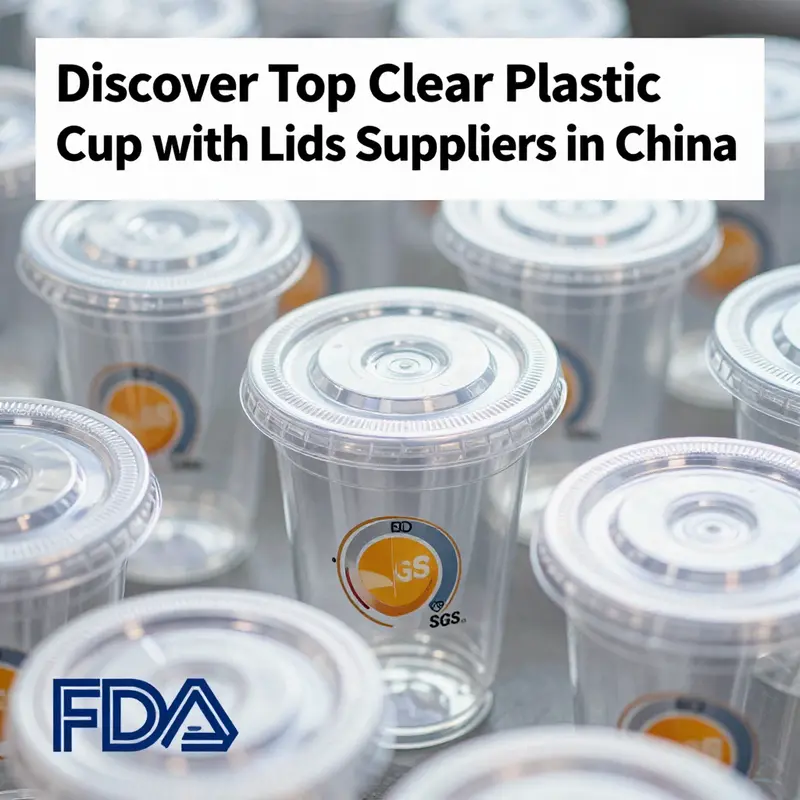
In the world of global packaging, clear plastic cups with lids are small but pivotal components that carry large expectations. They sit at the intersection of safety, performance, and perception. A quality assurance program for these cups is not merely a checklist; it is a strategic compass that guides sourcing teams through the complexities of regional manufacturing, diverse material chemistries, and the rigorous demands of international markets. When buyers look to China for supply, they are not simply chasing cost efficiency or multi‑million unit capacity. They are seeking reliability that translates into consistent product safety, predictable lead times, and auditable traceability from raw resin to finished cup. The best suppliers in this space understand that quality is built into every step of the value chain—from the choice of resin to the sealing of the lid, from on‑line process control to post‑shipment documentation. Across major manufacturing provinces, from Guangdong to Sichuan and Zhejiang to Henan, the infrastructure for stringent quality management is both a competitive advantage and a necessary shield against risk in a global procurement environment that prizes safety and compliance as much as price and speed. The journey toward robust quality assurance begins with the materials themselves. Reputable suppliers insist on food‑contact resins that align with global standards for safety and regulatory acceptance. In practice, this means polypropylene (PP), polystyrene (PS), or polyethylene terephthalate (PET) resins that have been tested and certified for food contact. On the U.S. side, suppliers should be able to demonstrate compliance with FDA requirements for materials used in contact with food. The documentation may include certificates or test reports indicating that the resin meets the relevant FDA regulations, including migration limits and stable composition under typical use conditions. In the European Union, the bar is even more explicit. Materials marketed for food contact must align with EU Regulation No. 1935/2004 and the subsequent amendments that govern safety, migration limits, and overall compatibility with food. For clear cups, where hot or cold beverages may come into contact with the wall and lid, a manufacturer’s ability to prove compliant material behavior under heat and mechanical stress is non‑negotiable. These compliance assurances are not merely formalities; they underpin access to markets where consumers rightly expect that what they drink from is safe and well regulated. They also translate into practical guarantees for brand owners who rely on a predictable supply chain that honors the same safety standards across all batches and all shipments. Beyond the basic food‑grade material compliance, environmental and chemical safety certifications extend the conversation from safety to stewardship. In markets where environmental considerations shape purchasing decisions, evidence of compliance with REACH—Registration, Evaluation, Authorisation and Restriction of Chemicals—becomes a baseline expectation for suppliers serving European customers. REACH certificates demonstrate that the chemicals used in coloring, additives, and processing do not pose unacceptable risks to humans or the environment. While REACH is a European standard, its reach extends across supply chains globally because many buyers require REACH conformity as part of their supplier qualification. RoHS considerations, though traditionally tied to electrical and electronic products, also surface in the plastics sphere when colorants and additives may contain restricted substances. A responsible supplier commits to selecting colorants and stabilizers with low or no restricted metals, thereby avoiding future compliance hurdles and recall risks. Such evidence of chemical safety is often captured in a certificate of compliance or a REACH dossier that can be verified through third‑party testing laboratories. Certifications of this type serve as a critical trust signal for buyers who may not have the bandwidth to audit every line in every factory. They also help to streamline the due diligence needed for contract manufacturing agreements, especially when the buyer operates in highly regulated regions or serves customers with strict internal QA expectations. The quality management system (QMS) that governs production often reflects industry best practices that go well beyond regulatory compliance. ISO 9001 is a foundational framework for consistent quality across design, production, and delivery. For manufacturers of clear cups with lids, ISO 9001 certification implies structured processes, clear responsibilities, and continual improvement cycles. It signals to customers that the supplier has established document‑driven, data‑driven, and process‑driven operations that can deliver reliable performance under varying demand conditions. In the food packaging segment, ISO 22000 complements ISO 9001 by introducing a food safety management system that aligns with HACCP principles. This standard is particularly relevant for suppliers who offer cups intended for food contact, where traceability, hazard analysis, and preventive controls are crucial to mitigate risks of contamination or alteration during production, filling, or transport. The ecosystem of certification and standardization does not end with certification bodies alone. Buyers are advised to seek certifications and reports that can be verified via reputable third‑party platforms such as SGS or TÜV Rheinland. Independent audits lend credibility to a supplier’s stated capabilities and provide a neutral stamp of approval for critical processes and facilities. The value of verification cannot be overstated. Certification documents should be current, with valid dates and scope clearly defined. A certificate that covers general quality management without specific coverage for food contact materials, or one that has expired, provides little practical assurance. To translate certification into real‑world confidence, buyers should request official copies of documents and verify them through trusted verification services. Factory audits—remote or on‑site—are an essential complement to documentation. An on‑site assessment can reveal how quality systems operate in practice: the cleanliness of the production area, the effectiveness of incoming material checks, the calibration regime for measurement equipment, and the rigor of batch traceability. A well‑run audit not only verifies compliance but also uncovers opportunities for continuous improvement. In practice, the best suppliers embrace a culture of data‑driven quality. They maintain real‑time dashboards on process parameters such as wall thickness, optical clarity, and lid seal integrity. They implement statistical process control to monitor variability and respond to drift before it affects yield or performance. They keep detailed batch records that make it easy to trace any issue back to its root cause, whether it is resin lot variation, pigment dispersion, or a tooling change. The procurement team, in turn, benefits from this transparency because it translates into reduced risk, more predictable production calendars, and cleaner post‑sale support. When evaluating suppliers, buyers increasingly look beyond the standard certifications to the manufacturing ecosystem that supports these cups. Production capability matters as much as the certificates. A supplier with a modern injection molding line, a robust thermoforming capability, and automated sealing and capping lines can deliver large volumes with consistent quality. The capacity story is not just about headcount or machinery; it is also about process reliability and changeover discipline. Buyers often assess a supplier’s ability to handle customization—different cup sizes, varying lid designs, and print options—while maintaining strict QC across every variant. The ability to print or label with consistent color accuracy, legibility, and resistance to wear during washing or use is a practical quality attribute that connects to brand protection and consumer experience. In addition to certifications and processes, the selection of a supplier is influenced by regional manufacturing dynamics. China’s packaging cluster map features Guangdong as a leading export hub with a mature ecosystem for disposable plastic packaging. Zhejiang is noted for premium design and high‑end finishing, including aesthetically refined lids and seals. Sichuan offers cost efficiencies and growing capabilities that appeal to long‑term partnerships, especially when combined with competitive logistics. Henan, positioned as a central logistics hub, provides advantages in distribution efficiency to inland markets and, increasingly, to international routes via rail and road networks. For buyers seeking a stable, scalable supply, this regional geography can translate into shorter lead times, lower freight costs, and improved risk distribution across multiple facilities. Lead time is a practical concern that ties directly to QA as well. When a supplier can deliver within a tight window after design approval, the impact on end‑user availability and promotional campaigns can be substantial. In practice, a high‑quality supplier may offer lead times as tight as a week to two weeks for standard configurations if the process is well established and the critical materials are in stock. For customized configurations, the window may extend, but the alignment of QA gates with product approvals ensures that speed does not come at the cost of safety or compliance. The real test of QA comes in the post‑production and post‑shipment phases. Clear cups with lids are often shipped in mixed containers, facing varied handling and stacking conditions. Packaging integrity tests, drop tests, and lid‑sealing tests are practical checks that reflect real‑world use. A robust QA program will also track customer complaints and return data, using that feedback to close the loop with prevention actions across engineering, supplier development, and procurement. Even with rigorous QA, buyers recognize that risk cannot be eliminated entirely. A diversified supplier base, with validated capabilities across several certified facilities, reduces the single point of failure that could otherwise interrupt supply. A disciplined supplier development plan—one that includes joint improvement projects, shared KPIs, and regular performance reviews—helps ensure that the supply remains resilient even during market fluctuations or capacity constraints. The bottom line is that certification alone does not guarantee flawless performance; it is the combination of well‑described, auditable processes, verified documentation, and sustained supplier engagement that yields dependable outcomes. The buyer’s due diligence must be ongoing, not a one‑off exercise tied to a contract signature. With continuous surveillance, buyers can maintain the confidence that the cups meeting their specifications will also meet the stringent demands of their customers. For those who need a practical, end‑to‑end lens on the topic, a real‑world perspective on packaging practices can be gained by exploring resources that describe how containment, labeling, and regulatory compliance converge in the packaging supply chain. For an up‑to‑date, concrete example of lid‑centric packaging solutions, consider this product page detailing disposable double‑wall hot paper cups with lid, which illustrates the integration of design, materials, and sealing performance in a way that mirrors the QA expectations described above. disposable double-wall hot paper coffee cups with lid. The page offers a window into how vendors articulate compatibility between cup body, lid geometry, and thermal performance, a microcosm of the broader QA landscape for clear cups with lids. To support ongoing due diligence, buyers should rely on independent verification of certifications and supplier documentation through recognized testing and certification bodies. In the end, the strongest suppliers create a virtuous circle: rigorous QA feeds reliable performance, which in turn justifies certification and audits, which then reinforces buyer confidence and supports deeper, long‑term partnerships. As markets continue to tighten around safety, sustainability, and supply certainty, the ability to demonstrate clear, verifiable compliance becomes a strategic asset rather than a compliance obligation. For a rigorous, external confirmation of certification credibility, reviewers can consult widely recognized laboratories and registries that issue validation reports and product conformity statements. For independent verification of certifications, see SGS.
Final thoughts
Choosing reliable suppliers of clear plastic cups with lids is fundamental for businesses in the beverage and food sectors. With China being a key manufacturing hub, understanding supplier credibility, market trends, and quality standards is crucial for success. By collaborating with trusted suppliers, businesses can enhance their product offerings and elevate customer experiences through quality packaging solutions. Make informed choices that align with your brand’s needs to ensure reliable and efficient service.