
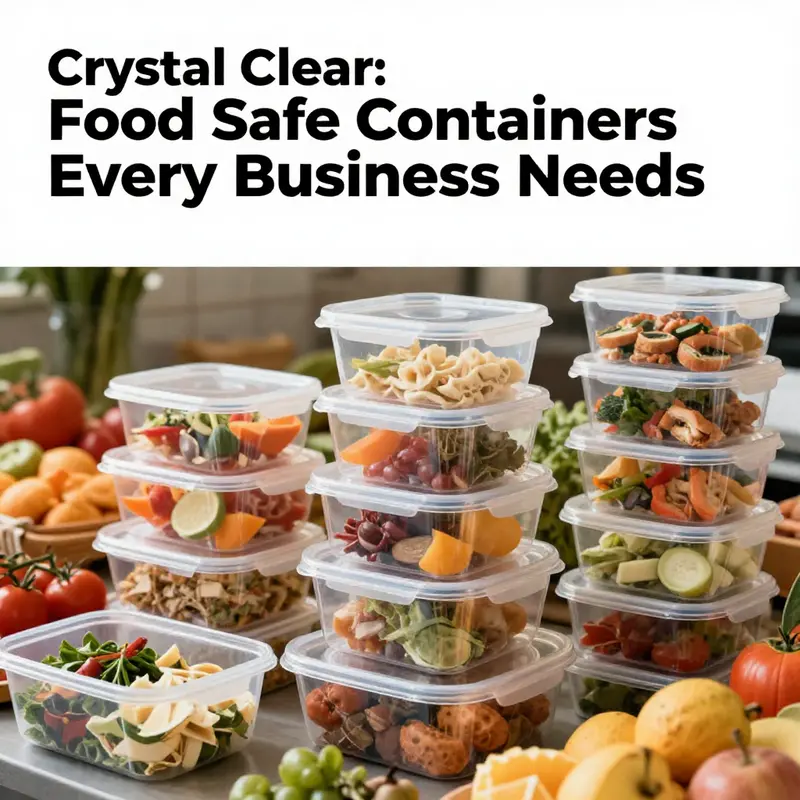
In the competitive world of food service, the right packaging can be the difference between a satisfactory experience and a memorable one. Clear plastic containers have emerged as the go-to choice for businesses ranging from bubble tea shops to catering services, primarily because of their transparency, durability, and food safety. As you aim to enhance the presentation and preservation of your offerings, understanding the materials used in these containers is critical. In our discussion, we will explore the various materials that ensure food safety and freshness. We will also delve into the certifications and safety standards that guarantee these containers are suitable for food contact. Finally, we’ll examine the diverse applications of clear plastic containers in food storage, providing valuable insights tailored for your unique business demands.
Inside the World of Food-Grade Plastics: Uncovering the Science and Safety Behind Clear Food Storage Containers
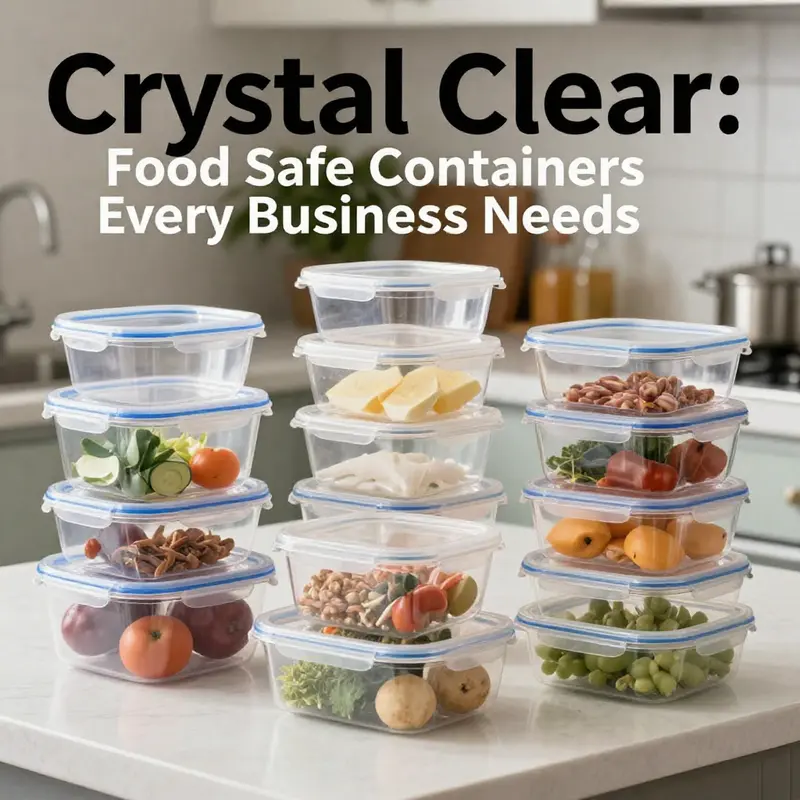
Clear plastic containers designed for food storage are ubiquitous in both home kitchens and commercial food services, admired for their transparency, durability, and the peace of mind they offer when it comes to safety and hygiene. At the heart of these containers is a blend of highly engineered materials, each carefully selected to meet stringent food safety regulations. Over the years, the development and refinement of food-grade plastics have dramatically enhanced our ability to store, preserve, and transport a wide range of food products. This chapter delves deeply into the materials used in these containers, examining the science behind their properties, the rigorous testing they undergo, and the role they play in ensuring that food remains uncontaminated and fresh from production to consumption.
Central to the construction of clear plastic containers is the use of polymers such as Polyethylene Terephthalate (PET), High-Density Polyethylene (HDPE), and Polypropylene (PP). Each of these materials comes with unique advantages that influence not only the visual appeal of the container but also its strength, stability, and safety for food contact. PET, for example, is prized for its exceptional clarity and robustness. Known for its lightweight characteristics and high strength-to-weight ratio, PET has become a dominant material in the production of containers that display food in an appealing manner. Its ability to provide an unobstructed view of the food inside greatly enhances consumer confidence, as customers can clearly identify the contents without opening the package. Additionally, PET boasts impressive moisture, oxygen, and chemical resistance, ensuring that the quality of the stored food is not compromised by environmental influences. The material is also highly recyclable, which aligns with global trends towards sustainable packaging solutions, making it an ideal choice for both commercial and ecological considerations.
High-Density Polyethylene (HDPE) is another key player in the realm of food-safe plastics. Although HDPE containers are somewhat less transparent than those made from PET, they offer exceptional durability and robust chemical resistance. HDPE’s structure makes it highly resistant to impact, heat, and a wide array of chemicals, attributes that are particularly beneficial in environments where containers might experience rough handling or exposure to varying temperatures. Because of its durability, HDPE is frequently chosen for products that require repeated use, such as milk jugs, yogurt tubs, and condiment bottles. Food safety is paramount, and HDPE meets this criterion by complying with FDA standards, ensuring that any potential leaching of substances into stored food remains well below harmful levels.
Polypropylene (PP) further diversifies the material solutions available for clear plastic containers. Celebrated for its excellent heat resistance, PP is uniquely suited for applications requiring microwave or oven use. This adaptability makes it a favored material for containers that hold hot or freshly prepared foods. PP maintains its integrity under high temperatures, which not only makes it apt for reheating but also ensures that the container does not deform or release unwanted chemicals during the process. Its resistance to oils and acids reinforces its reliability in various culinary environments, from everyday home kitchens to bustling food service outlets. Because PP consistently meets both domestic and international standards, it is widely recognized as an optimal choice for food storage and packaging. Manufacturers rely on PP’s stability, knowing that it can safely accommodate both cold and hot foods without compromising safety or structural integrity.
Beyond the performance attributes of PET, HDPE, and PP, the overall safety of clear plastic containers also depends on factors such as compliance with regulatory requirements and the cleanliness of the production environment. Most manufacturers that produce food-grade plastics follow stringent guidelines set forth by institutions such as the U.S. Food and Drug Administration (FDA) and the European Union. These guidelines cover everything from the raw materials used in production to the processing conditions under which the plastic is molded into containers. For example, molds are often created and maintained in ISO-certified clean-room conditions to minimize the risk of contamination. Each container undergoes tests to ensure that it can withstand both mechanical stresses and exposure to varying chemical environments without transferring undesirable compounds to the food contained within.
Attention to detail in the production process extends to the choice of additives and colorants used in plastic containers. To achieve the transparency that is so prized in these products, manufacturers often use minimal colorants or opt for additives that will not compromise clarity. Despite this minimalism, the additives must be food-safe, meaning that they cannot leach harmful chemicals over time or when exposed to conditions such as microwaving or freezing. This careful balance between achieving the desired aesthetic and ensuring food safety is a testament to the advanced technology and rigorous quality controls that underpin modern plastic container production.
From an economic perspective, the production of clear plastic containers is a field where efficiency and safety converge. The economic benefits of using materials like PET, HDPE, and PP are manifold. The durability and recyclability of these plastics reduce overall costs by extending the life of each container and minimizing waste. For instance, containers made from PET are not only robust and versatile, but their recyclability also means that they contribute less to landfill waste, aligning with the growing consumer demand for sustainable packaging solutions. This economic rationale is supported by the fact that many food storage and packaging companies now adopt eco-friendly and recyclable materials, as consumers increasingly favor products that reduce environmental impact while maintaining high standards of safety and performance.
In many commercial kitchens and food service operations, the transparent nature of these containers is also a significant tactical advantage. The ability to visually inspect food inside a container without having to open it aids in inventory management, quality control, and portioning. Clear plastics help staff quickly identify any discrepancies or issues such as mislabeled contents or potential contamination, thus supporting overall hygiene and operational efficiency. Moreover, the stackable nature of these containers maximizes storage space in crowded refrigeration units or delivery vehicles, addressing both logistical and space management challenges that are often encountered in the food service industry.
Looking at the broader picture, the story of clear plastic containers is intricately linked to the evolution of food preservation techniques over the past several decades. Traditional methods like glass and metal containers, while effective in many respects, often fell short when it came to convenience, cost, and sometimes even safety. The advent of high-engineering plastics provided a solution that addressed many of these shortcomings. With their lightweight nature, improved durability, and ability to be produced in clear, see-through formats, plastics quickly became the material of choice for modern food storage. This transformation has been ongoing, with continuous improvements in chemical formulations ensuring that current plastic containers are safer and more reliable than ever before.
One cannot overstate the importance of continuous innovation in the plastics industry. As technologies advance, manufacturers are constantly seeking ways to enhance the performance of food-grade plastics while reducing their environmental footprint. Research into biodegradable additives and alternative polymers holds the promise of even more sustainable packaging in the future. In parallel, the rigorous testing protocols enforced by regulatory bodies ensure that innovations do not come at the cost of consumer safety. The result is a dynamic industry that balances the demands of usability, safety, and eco-consciousness. This interplay between innovation and regulation is a driving force behind the ever-improving standards of food storage solutions available in today’s market.
Furthermore, the versatility of these plastics extends beyond the traditional realms of food storage and packaging. In many food service settings, clear plastic containers are employed for portion control and ready-meal packaging. Their transparent nature not only enhances operational efficiency but also acts as a deterrent against cross-contamination—a key concern in busy commercial kitchens. The transparency allows for a quick visual check of the contents, which complements more traditional hygiene practices. For instance, restaurants and catering companies often rely on quality control measures that involve inspecting containers for any visible signs of damage or residue. This is crucial in maintaining a high standard of food safety, especially in environments where food is handled frequently and subjected to varying conditions.
In some instances, clear plastic containers are designed to be single-use, especially in situations where hygiene is of utmost priority, such as in medical or laboratory settings. These disposable containers, often made from Polystyrene (PS), are engineered to provide a clear view of their contents while ensuring that the risk of contamination through repeated use is effectively eliminated. Although PS is well-suited for disposable applications due to its clarity and low cost, its limited heat resistance requires that it be used under controlled temperature conditions, which further underscores the importance of selecting the correct material for each specific application.
Another important aspect of food-grade plastic containers is the careful consideration of physical and chemical interactions between the container and its contents. In real-world applications, it’s not enough for a container to be merely non-toxic; it must also maintain its structural integrity and not interact chemically with the food it holds. This is why extensive testing is conducted to ensure that these plastics do not, under typical conditions of use, leach undetectable contaminants into food. Factors such as storage temperature, acidity of the food, and duration of storage are all taken into account when assessing a container’s suitability. The result is a product that offers reliability in both short-term use—such as for takeout meals—and long-term storage, such as for leftovers or pre-prepped meals in the freezer.
The careful balance between functionality and safety in the development of food-grade plastics is evident in the performance characteristics that these materials display. For example, containers made from PP can withstand not only high temperatures but also the rigors of repeated use. Unlike some alternatives that may degrade over time, PP remains resilient even after numerous cycles of heating and cooling. This reliability extends the useful life of the containers and reduces the need for frequent replacement, thereby offering both economic and environmental benefits. Similarly, HDPE’s robustness means that containers made from it can endure the mechanical stresses encountered in busy kitchens, such as constant stacking, handling, and transport. In many ways, the choice of material is as much about ensuring the safety of the food as it is about ensuring the longevity and practicality of the container in real-world scenarios.
As we consider the evolution of food-safe plastics, it’s also essential to acknowledge the broader regulatory framework that governs their production and use. Federal regulations such as FDA 21 CFR and EU Regulation (EC) No 1935/2004 establish rigorous standards that all food contact materials must satisfy. These standards are designed to minimize the risk of contamination and ensure that the materials used are inert, stable, and safe under a wide range of conditions. Manufacturers invest significant resources in research and development to meet these standards, employing state-of-the-art technology and precision engineering to produce containers that are both reliable and in full compliance with regulatory mandates. Regulatory oversight, combined with consumer demand for safer food packaging, drives the continuous improvement seen in food-grade plastics today.
Beyond regulatory compliance, the transparency of these containers offers the added benefit of consumer reassurance. When shoppers see clear plastic containers displaying crisp, colorful food products, there is an immediate psychological reassurance of what is inside and the perceived freshness of the food. This visual verification plays a subtle yet potent role in food marketing and presentation. It fosters a trust relationship between the product and the consumer, reinforcing the idea that what is visible is indeed what is safe. In this way, the seemingly simple act of storing food in a clear container becomes a symbol of quality assurance and safety, bridging the gap between scientific innovation and everyday consumer experience.
The intersection of safety, functionality, and sustainability in food-grade plastics is perhaps best illustrated by the emergence of eco-conscious designs. A growing number of manufacturers have begun to incorporate recycled materials into their production processes without sacrificing the stringent safety standards required for food storage. These recycled and eco-friendly plastics offer the dual benefits of reducing waste while still delivering the performance and clarity expected by consumers. Notably, eco-friendly packaging solutions not only address environmental concerns but also appeal to a demographic that is increasingly mindful of the broader impact of their purchasing choices. For those interested in exploring sustainable packaging, there is extensive information available, including discussions on innovative products such as the internal link to an amazing example of eco-friendly, recyclable packaging showing how sustainable practices and high-performance materials go hand in hand.
In the realm of scientific advancement, researchers continue to explore alternative polymers and modifications of existing plastics to further enhance the performance of food storage containers. Studies focus on improving the barrier properties of these plastics to prolong the shelf life of food by reducing its exposure to air and moisture. Concurrently, there is substantial work being done to mitigate any potential environmental impacts by developing polymers that are more readily recyclable or biodegradable. This research is critical in ensuring that as consumer demands evolve, the technology behind food-grade plastics will remain at the forefront of sustainable design while never compromising on the safety of the stored food.
The story of clear plastic food storage containers is not only one of technical achievement but also one of everyday practicality. Consumers benefit from having a storage solution that is versatile enough to accommodate a wide range of needs—from microwaving a warm meal to safely storing leftovers in the refrigerator or freezer. The inherent properties of the plastics used make them ideally suited for these varied applications, combining ease of use with uncompromising safety. In kitchens around the world, whether in restaurants, cafeterias, or family homes, these containers have become an indispensable tool in maintaining the freshness, safety, and aesthetic appeal of food.
Moreover, the intricate balance of chemical composition, structural integrity, and environmental consideration in these materials showcases the remarkable progress made in material science and engineering. When a container made from PET or HDPE is chosen over a traditional, less durable alternative, it represents a decision informed by decades of research and development. Each container is a culmination of advances in polymer chemistry, a deeper understanding of food safety requirements, and an unwavering commitment to quality control. The care taken in designing these products embodies the intersection of science and daily life, providing a clear example of how technical precision translates into everyday benefits.
It is also worth noting that the properties which make clear plastic containers so appealing are not incidental but the result of painstaking innovation. The path to developing these food-safe plastics involved a systematic analysis of numerous competing factors—from chemical inertness to physical resilience under a broad range of temperatures. In practical terms, these considerations mean that consumers can trust these containers to perform consistently, whether they are sealing in the freshness of a home-cooked meal or preserving an intricately prepared delicacy for later enjoyment. This reliability is a central reason why industries ranging from food production to catering depend so heavily on well-engineered, state-of-the-art clear plastic containers.
Steps are continually being taken to refine these materials further. For instance, enhancing the clarity and durability of PET while minimizing the environmental footprint remains a focus for many researchers. Likewise, improvements in the processing and recycling of HDPE and PP contribute significantly to reducing waste and lowering the overall cost of food storage solutions. This iterative process of innovation not only helps to optimize the performance of food-grade plastics but also ensures that they evolve in response to emerging challenges, whether those are environmental or driven by new consumer expectations.
In conclusion, the materials used in clear plastic food storage containers are a testament to human ingenuity and the relentless pursuit of safety, efficiency, and sustainability. From PET to HDPE and PP, each polymer offers a unique set of properties that together create a product that is greater than the sum of its parts. These containers not only reflect rigorous scientific testing and regulatory compliance but also represent a bridge between technological advancement and everyday practicality. For further details on the safety and material standards of food-grade plastics, please refer to the guidelines provided by the U.S. Food and Drug Administration at FDA Food Contact Materials.
The journey from raw polymer to finished container is an intricate blend of advanced chemistry, careful manufacturing practices, and an unyielding commitment to consumer health. It is a journey that continues to evolve as scientists and manufacturers work together to create ever-improving solutions. In choosing clear plastic containers for food storage, one is, in effect, choosing a product that has been meticulously engineered to meet the highest standards of hygiene, durability, and overall performance. This balance of form, function, and safety is what makes clear plastic containers a cornerstone of modern food storage—a subtle yet profound example of how everyday products can embody the best of scientific progress and responsible manufacturing practices.
Ensuring Food Safety Through Rigorous Standards: The Critical Role of Certifications in Clear Plastic Containers

The world of food storage is complex and highly regulated. Clear plastic containers must meet strict guidelines before reaching consumers. Manufacturers work hard to ensure that these containers are safe. Every step from design to production is rigorously controlled. Safety assessments focus on material composition, manufacturing practices, and end use. The entire process is designed to protect public health.
At the heart of this system are trusted regulatory bodies. In the United States, the Food and Drug Administration (FDA) plays a central role. The FDA sets parameters for every material that comes in contact with food. These materials are scrutinized to avoid any leaching of chemicals. The FDA does not issue approvals lightly. Instead, each material must pass precise tests. These tests check for chemical stability, thermal resistance, and structural integrity. When materials pass, they are labeled as food grade. The term food grade assures consumers that the container will not contaminate the food inside.
Manufacturers choose materials carefully. Polyethylene Terephthalate (PET) is favored for its clarity. PET offers superb strength and excellent visual appeal. Consumers can easily see the food inside, which is an important aspect of quality control. High-Density Polyethylene (HDPE) is another popular option. HDPE provides robust chemical resistance and durability. Many milk jugs and rigid food containers are made from HDPE because of these qualities. Meanwhile, Polypropylene (PP) is chosen for its versatility. It is ideal for refrigerated storage and even works well in takeout applications. Even when used in microwave applications, PP containers are known for their reliability. Each material is subject to rigorous tests before it is approved for food contact.
Internationally, safety standards are harmonized under several key organizations. The European Food Safety Authority (EFSA) is a crucial body in Europe. EFSA publishes guidelines that align with the high standards set by the FDA. Similar to the FDA, EFSA examines materials and manufacturing procedures in detail. Manufacturers aiming for a global market must meet both American and European regulations. This process fosters high confidence among consumers internationally. Moreover, the International Organization for Standardization (ISO) contributes to these efforts. ISO standards, such as ISO 18802, create consistency in plastic packaging across the globe. The adoption of these standards encourages producers to maintain high quality in every container they produce. The result is an ecosystem where safety is paramount.
The manufacturing process of clear plastic containers is intricate. Every facility must follow strict guidelines to ensure no contamination occurs. Raw materials are sourced only from suppliers who can demonstrate food safety credentials. After sourcing, the materials undergo testing in dedicated laboratories. These tests confirm that the plastics bear no contaminants. Quality control does not stop at the raw material stage. The manufacturing process includes multiple inspections. Once produced, the containers are tested again for durability and chemical stability. Temperature limits and exposure to various food substances are closely monitored. Extreme care is taken when containers are designed to withstand microwave heat. Consumers must be able to trust that the plastic holds up in different conditions.
It is not only about the raw materials and production process; packaging design also matters. Transparent containers must have consistent performance throughout their lifecycle. They must resist cracking, warping, and discoloration. Labels such as “BPA-free” or “food safe” are not applied arbitrarily. They signal that the container has withstood rigorous examinations. For consumers, these labels are a guarantee of quality. Food safety experts advise always checking the manufacturer’s guidelines. Often, a container will include specifications on temperature limits and cleaning instructions. Safe use is a shared responsibility between the producer and the consumer. Both parties contribute to maintaining high safety standards in the food supply chain.
Across the production chain, innovations continuously improve safety and performance. Research and development departments strive to create plastics that excel in clarity and strength. New compounds and formulations are tested to ensure that they do not leach unwanted chemicals. For instance, the development of BPA-free alternatives, such as Tritan, shows industry commitment to consumer safety. Products using Tritan have undergone extensive safety evaluations. They must prove that they do not risk contaminating food even when exposed to high temperatures or acidic environments. The industry is evolving rapidly, and manufacturers are adopting these innovations to create safer products. As a result, both consumers and regulatory agencies benefit from higher performance standards in food storage solutions.
Small details in production can make a significant difference over time. Every batch of plastic is sampled and tested. These tests assess clarity, strength, and thermal resistance. The sensitivity of these tests cannot be understated. Even a slight deviation in material composition could compromise food safety. Manufacturers invest in state-of-the-art equipment to monitor the process. Sensors and automated quality control systems provide real-time feedback. When an anomaly is detected, production is interrupted so that issues can be rectified immediately. This attention to detail is one reason why clear plastic containers remain so popular in both domestic and commercial circles.
The importance of certifications cannot be overstated. Certifications are not merely a marketing tool. They serve as a formal acknowledgment that strict standards have been met. The FDA’s compliance process is a model of rigorous oversight. Similarly, adherence to ISO standards confirms that a manufacturer follows best practices. International standards ensure that products are safe regardless of where they are produced or sold. Such global consistency is essential in a world where food often travels across borders before reaching a consumer’s table. When a container carries certification marks, it instills confidence. Consumers know that their food is stored in an environment that minimizes risk of contamination.
Clear plastic containers are used beyond home kitchens. They are a staple in many commercial kitchens, delis, restaurants, and food service operations. In these busy environments, the clarity of containers allows staff to quickly verify contents. This reduces waste and improves efficiency. When containers are certified as food safe, restaurants and caterers experience fewer complications. For example, portion control and meal prep become smoother when every container is up to rigorous standards. The industry demands that even in fast-paced settings, the health and safety regulations are not overlooked. With certified containers, the risk of contamination is greatly reduced. The confidence that comes with using certified containers is invaluable in high-demand food service settings.
An interesting example lies in the careful selection of containers for meal preparation. Professional kitchens rely on containers that can be safely stored in refrigerators and then reheated in microwaves. Manufacturers must verify that these plastics remain stable under multiple temperature cycles. Consumers trust that these containers will not degrade or alter the quality of their food. Professionals in the food industry learn to appreciate the nuanced differences between various types of plastics. While PET and HDPE are visually similar in many applications, each has distinct safety and performance profiles. A container that is safe for refrigerated storage may not be suitable in the microwave. The determination of these differences comes from extensive testing and certifications. Manufacturers then provide detailed instructions on how their products can be used safely.
The journey toward ensuring food safety does not end with certification. Continuous monitoring and periodic re-testing are essential parts of the process. Regulatory agencies periodically review certified products. These audits help to verify that packaging continues to meet required safety standards. Advances in technology sometimes lead to the re-evaluation of once-accepted materials. Over time, research may reveal new risks that were previously unknown. In these cases, regulatory bodies update guidelines and manufacturers must innovate quickly. This dynamic system of checks and balances is designed to safeguard public health. It builds a bridge between scientific research and consumer protection. The result is a food storage solution that is both reliable and safe.
Attention to environmental factors is also critical. Plastic containers must not only be safe for food, but they must also be responsibly manufactured. The production process is increasingly examined for its environmental impact. Energy efficiency, waste management, and recycling potential are factors in the modern production cycle. PET, for example, is not only valued for its clarity but also for its recyclability. Manufacturers are aware that the life cycle of these containers impacts the global environment. They seek food-safe materials that also offer eco-friendly benefits. While safety is the primary concern, sustainability is an ever-growing priority in the industry. This dual focus ensures that the packaging meets modern demands for both safety and environmental responsibility.
Manufacturers engage in a constant dialogue with regulatory agencies. This cooperation leads to improved standards over time. It is common for safety standards to evolve in response to new scientific findings. Industry experts remain in close contact with the regulators through conferences, published guidelines, and quality workshops. This open exchange of ideas drives innovation in food-safe packaging. Every new generation of clear plastic containers benefits from the lessons learned in previous iterations. As safer materials are developed, existing products are often phased out to embrace improved safety profiles. Such proactive measures have a lasting impact on public health. They demonstrate the commitment of the food packaging industry to evolve and enhance consumer protection.
In many cases, the certification process involves collaboration between laboratories and certification agencies. Analytical tests are conducted in controlled environments. These tests measure the migration of chemicals from the plastic to the food. Even minute levels of leached substances are recorded and scrutinized. Only when these levels are below the established limits can a container be deemed safe. The rigorous nature of these tests is a testament to the commitment to consumer health. This is especially important for containers that come in direct contact with highly perishable items. The fact that every clear container undergoes such a process highlights the seriousness with which food safety is treated. Consumers benefit from a system that leaves little room for error.
The achievements in material science have allowed the development of advanced plastics. Chemical engineers work to design polymers that maintain their structure under various conditions. They also strive to ensure that no harmful substances seep into stored food. This level of chemical precision is critical when containers are used multiple times. As consumers demand greater durability and clarity, the benefits of advanced materials become even more apparent. Today’s containers are a far cry from the simple, untested plastics of the past. They are the result of decades of research, technological innovation, and strict regulatory oversight.
In addition, manufacturers often introduce internal quality control measures that exceed even regulatory guidelines. Many companies conduct internal audits and run additional tests on their products before they leave production. In doing so, they create an extra layer of safety. These practices are not only meant to comply with government mandates but also to build consumer trust. With enhanced quality control, the risk of contamination is minimized from the very beginning of the manufacturing process. The investment in additional safety measures is reflected in the enduring reputation for quality among manufacturers. This continuous commitment to improvement is one of the driving forces behind innovation in clear plastic container production.
The consumer’s role in maintaining food safety is equally important. Consumers are advised to check the packaging for key indicators such as a “food-safe” symbol or a BPA-free label. These symbols assure that the container meets the rigorous standards set by regulatory authorities. It is wise to follow the manufacturer’s recommendations on cleaning and use. Washing containers in the dishwasher or microwaving them according to directions helps preserve their integrity. The process of verifying these parameters is simple but crucial. Educated consumers contribute to a safer food supply by staying informed and following guidelines.
The transparency of clear plastic containers is itself an integral part of maintaining safety. Clear containers allow users to quickly inspect the condition of the food stored inside. They also help staff in commercial kitchens to reduce the risk of using an old or contaminated container. This visual check is a simple yet effective safety measure that adds another layer of insurance. In busy kitchens, where time is a critical factor, the ability to immediately identify any discrepancies is highly valued. The clarity of the container ensures that any changes in the appearance of the food can be noticed at a glance. It may seem like a small detail, but it contributes significantly to overall safety.
The history of plastic certification is long and instructive. Regulations have been refined over decades to address emerging challenges. In earlier times, less was known about the long-term effects of chemical exposure. Today, the guidelines are stricter, and the science is more robust. Researchers have shown that proper certification can prevent health complications over time. These findings have led to stricter policies and more comprehensive testing protocols. The evolution of these standards shows that the industry is committed to continuous improvement. Each update to the certification process is informed by the latest scientific research. As a result, consumers are provided with products that offer enhanced protection and performance.
Developments in international standards have also had a significant impact on product quality. The creation of ISO standards has provided a common framework for safety across multiple markets. By adhering to these standards, manufacturers ensure consistency regardless of where a container is made. The global nature of food distribution means that containers manufactured in one country must be safe for use in another. This uniformity is one of the most important factors in consumer protection. It helps avoid the confusion that could arise if containers met different criteria in different markets. International standards thus serve as an equalizer, raising the bar for safety worldwide.
The role of ongoing research cannot be ignored. Scientists continue to investigate the long-term effects of various plastics in contact with food. Their work aims to further reduce any potential risks through improved formulations. Every new study contributes to a better understanding of how materials behave over time. Researchers look at factors such as heat, acid exposure, and extended storage periods. These investigations support the development of more resilient and safer food storage solutions. As a result, manufacturers can update their processes and materials to reflect the latest discoveries. The commitment to research ensures that standards do not become stagnant and continue to evolve with new scientific insights.
It is important to also consider the economic aspects of these certifications. For manufacturers, obtaining certifications is not an extra cost but a long-term investment in quality. Certified products often face fewer legal challenges and help secure customer loyalty. This trust translates into a stronger market presence. Retailers are increasingly demanding products that carry recognized certification marks. They know that such products are less likely to cause harm to consumers. Over time, the adoption of rigorous food safety standards has created a virtuous cycle in the industry. Investment in safety and certification leads to consumer satisfaction. In return, the manufacturer gains credibility, which in turn supports further innovation and higher production standards.
A noteworthy point in this discussion is the role of digital information. Detailed guidelines and testing protocols are now available online. Manufacturers and consumers alike can access up-to-date information on standards and safety practices. For example, the official U.S. FDA website offers a comprehensive collection of documents on food contact substances. These resources provide transparency and promote accountability in the industry. It is easy to verify that each container has passed the necessary tests. Public access to such information builds trust. Consumers feel empowered when they can educate themselves on the safety aspects of everyday products. In one sense, these online resources serve as another layer of quality control.
The rigorous safety standards governing clear plastic containers also extend to packaging design. Containers must not only be safe but also practical. Every design decision, from shape to lid type, is influenced by safety considerations. The design process involves stress tests that simulate everyday use. Engineers design containers for durability under varying conditions. Any potential weaknesses are identified and addressed before production begins. This careful design process is reflected in the performance and longevity of the final product. Each container embodies a balance between functionality, aesthetics, and safety. Such a balance is achieved only through rigorous testing and adherence to certification protocols.
In commercial settings, the benefits of certified containers increase significantly. Food service operations are held to strict sanitation and safety standards. The use of certified clear plastic containers reduces the risk of cross-contamination. In busy restaurants and cafes, every minute counts. Using containers that are tested and approved can streamline operations. Staff can quickly identify the correct container for each use case simply by noting the clarity of the material and the certification marks. This efficiency is critical in fast-paced environments. The cumulative effect of all these checks and measures is a safer overall food handling process. The result is a system that minimizes health risks while maximizing efficiency.
Attention is also given to the future of food storage technology. As research progresses, new materials may emerge that set even higher standards. The industry remains committed to testing and certification regardless of technological advancements. Future containers may incorporate nanotechnology or advanced polymers that respond dynamically to temperature changes. Whatever the future holds, the certifications and safety standards will evolve accordingly. Manufacturers are already preparing for these advances by investing in research and quality assurance. The forward-looking nature of the industry is encouraging. It ensures that consumer safety is always the top priority.
It is also essential to consider the interplay between consumer expectations and regulatory requirements. Consumers expect products to be both functional and safe. When a container carries the food-safe label, it signals that every requirement has been met. Furthermore, responsible usage is a shared duty. Consumers must adhere to manufacturer recommendations. By following cleaning, storage, and usage guidelines, the integrity of the container is maintained. This collaboration between industry and consumers results in superior food safety outcomes. Informed consumers are able to recognize and act upon the benefits of certified products. Their trust reinforces the importance of maintaining high safety and quality standards.
The benefits of these stringent certifications extend far beyond simple food storage. In households and hospitality industries alike, every container is a building block of overall food safety. When every container is tested, the cumulative protection can significantly reduce contaminants. This holistic approach to food safety forms the backbone of modern culinary practices. It reassures consumers and professionals alike that health risks are managed effectively. The certification process itself has become a hallmark of excellence. It reflects a commitment that spans across design, production, and consumer use. The profound impact of these certified containers is felt throughout the food industry.
Quality control and continuous testing are paramount in this ecosystem. Every certified container represents countless hours of research, development, and meticulous inspection. The dedication to producing safe, transparent containers ensures that consumers can always trust their food storage solutions. This trust is reinforced with every regulatory update, every technological innovation, and every rigorous test passed by a product. The legacy of food safety in the realm of clear plastic containers is built on the back of proactive measures. It is a field that does not rest on its laurels but seeks constant improvement.
Today, clear plastic containers symbolize a blend of innovative design and steadfast regulatory oversight. They encapsulate decades of scientific advancement and rigorous testing protocols. Each container is a testament to the importance of safety in everyday life. Consumers, food service professionals, and manufacturers all benefit from a system built on trust and verified quality. For those seeking more details on the regulatory framework, additional information is available at the official U.S. FDA website. For more detailed guidelines on food contact substances, please visit FDA Food Contact Substances.
In summary, the certifications and safety standards for clear plastic containers are fundamental to protecting public health. The collaborative work between regulatory bodies, manufacturers, and research institutions has led to food storage solutions that meet the highest safety benchmarks. Every container is the product of comprehensive testing, adherence to international standards, and ongoing quality control. These efforts are not simply bureaucratic requirements but are integral to the overall strategy of preventing food contamination and ensuring consumer well-being. The clear plastic container industry continues to pioneer advances in safety, sustainability, and performance. As new technologies and materials emerge, the framework of certifications and rigorous testing will remain essential. This commitment ensures that every clear container used for food storage continues to deliver on its promise of unmatched safety and reliability, making them a dependable choice for households and commercial kitchens around the globe.
Crystal Clear: The Multifaceted Role of Food-Safe Plastic Containers in Contemporary Food Storage

Clear plastic containers have become a cornerstone in modern food storage, offering a blend of transparency, durability, and an uncompromising standard of hygiene. When revisiting the way our kitchens, delis, and restaurants organize their ingredients and prepared meals, we quickly notice the outstanding benefits these containers provide, from ensuring food safety to facilitating organization and portion control. The inherent clarity of these containers allows anyone—from home cooks to professional chefs—to quickly ascertain the contents, assess the quality, and optimize storage practices, regardless of whether the items are perishable or meant for long-term storage.
At the molecular level, these containers are produced from food-grade plastics such as Polyethylene Terephthalate (PET), High-Density Polyethylene (HDPE), Polystyrene (PS), and, in some advanced applications, Tritan. Each of these materials is carefully chosen for its unique properties: PET offers a sleek visual appeal and excellent rigidity, and is frequently seen in consumer beverages and clamshell food packaging. HDPE, noted for its toughness and resistance to chemicals, is often the choice for milk jugs, yogurt containers, and condiment bottles. Although PS is less favored due to its heat limits, it still plays an invaluable role in disposable containers, especially in takeout industries. Over time, innovations have brought chemicals such as BPA-free Tritan and polypropylene (PP) to the forefront, ensuring that modern containers are not only robust and reusable but also safe for microwave, freezer, and dishwasher environments. This meticulous selection of material ensures that every step—from manufacturing to the end consumer—is aligned with stringent food safety protocols.
As food service and storage needs evolve, so do the applications of these containers. In professional kitchens and commercial establishments, portion control is handled with remarkable precision by using clear plastic containers that offer secure snap-on lids or press-fit closures. These designs reduce the risk of accidental spills, preserve the quality of the food, and greatly simplify the process of inventory management and meal prep. An array of products, from large cylindrical containers for pantry items to smaller, portable versions for daily use, demonstrates the flexibility of these platforms. In commercial settings such as bakeries, delis, and cafeterias, the containers permit both a decorative presentation and a practical measure for maintaining product integrity. These benefits extend to the preparation and storage of ingredients as well—prepped vegetables, sauces, marinades, and even refrigerated desserts can be safely stored without the risk of cross-contamination or unwanted chemical leaching.
Beyond the immediate benefits of food safety, clear plastic containers also empower users to adopt more efficient storage practices. Dry goods like flour, sugar, coffee, and pasta are frequently stored in large containers that feature tight, airtight seals. This design not only extends shelf life but also helps regulate moisture levels, thereby preventing the growth of mold and the infestation of unwanted pests. The clarity of the container means that one can quickly scan the pantry without having to open each container individually, a small but significant improvement that enhances both convenience and food security. Moreover, these containers are often stackable—a design feature that contributes to better space savings in busy kitchen environments or smaller pantries. Their ability to be arranged in nested formations means that even establishments with limited space can maintain a systematic and accessible storage area.
From a technical perspective, the success of clear plastic food-safe containers rests on a delicate balance between material properties and practical utility. The formulations used in producing these plastics are strictly regulated by bodies such as the FDA in the United States or using EU food contact regulations in European markets. This ensures that materials in direct contact with food meet exacting standards to avoid contamination, leaching, or degradation. For engineers and procurement professionals searching for the ideal container design, several factors come into sharp focus. The chosen material must exhibit a high degree of structural integrity under various conditions—whether that be the rapid temperature changes of a microwave or the freezing conditions of a commercial freezer. Furthermore, ensuring that reinforced corners and reliable latching mechanisms are present in heavy-duty containers provides extra protection during shipping and prolonged usage.
Operational challenges do occasionally arise in the realm of plastic food packaging. One common issue is lid warping, which is sometimes observed after extended usage or exposure to high temperatures. This can compromise the seal of the container, potentially jeopardizing food safety by allowing air, moisture, or contaminants to seep in. Additionally, the appearance of discoloration may occur when oily foods or strongly pigmented ingredients are stored over extended periods. Such changes, though mostly aesthetic, can affect consumer perceptions regarding the cleanliness of the container. Nonetheless, ongoing advancements in polymer technology and production practices have significantly mitigated these drawbacks. Manufacturers continually refine their processing methods and alter plastic formulations to deliver products that counteract potential weaknesses while providing greater clarity, optimal sealing performance, and enhanced durability.
In practical applications, clear plastic containers are not limited to traditional food storage alone. They are increasingly used in settings where organized storage transcends foods to include office supplies, craft materials, and even pharmaceuticals. However, the coupling of visible identification with clear labeling is most apparent in the realm of food storage and service. For instance, restaurants and catering businesses often utilize specially designed clear plastic containers for both portion control and food display. These containers are engineered to be leak-resistant and might include specialized features like measured dispensing systems to serve liquids such as oils, syrups, or beverages. In ice cream parlors, various sized containers—from robust buckets designed for bulk storage to elegant, compact cups used for individual servings—are employed not only to preserve the product but also to provide a visual cue to customers about the quality and freshness of the treat inside. The transparency of these containers supports both an appealing product presentation and effective inventory control.
Given the multitude of applications and the technical intricacies involved in producing food-safe plastic containers, the selection process for ideal storage solutions can be challenging. For professionals in the engineering and food service industries, a broad range of criteria needs to be considered. Paramount among these is the material grade, which must comply with strict food safety standards and pass rigorous testing measures. Equally important is the structural design: containers must be able to withstand everyday wear and tear, rapid temperature variations, and in some cases, the physical stress of transportation over long distances. For instance, heavy-duty models that incorporate reinforced corners and advanced latching mechanisms are particularly suited for commercial kitchens where the containers may be handled roughly during peak operational hours or in shipping scenarios. Each design feature is carefully scrutinized to ensure that the container not only meets regulatory standards but also provides reliable performance in real-world applications.
In addition to their role in everyday food storage, clear plastic containers are being utilized in innovative ways to meet the evolving demands of modern consumers and food service operations. With a heightened emphasis on efficiency, many commercial operations have adopted the use of these containers for meal prepping and portion-controlled packaging. The ability to see the contents without needing to open the container streamlines food preparation and reduces the time spent searching through supplies. Moreover, the improved efficiency afforded by such design intricacies directly correlates with enhanced food safety, as there is less risk of cross-contamination when foods are stored in well-sealed, individually identifiable containers.
While large-scale manufacturers and restaurant operators largely benefit from these advancements, home kitchens are not left behind. Families and health-conscious individuals frequently choose reusable, food-safe plastic containers for everyday meal storage. The convenience of a container that can transition seamlessly between the microwave, freezer, and dishwasher is invaluable in a world that favors both convenience and sustainability. The assurance that these containers do not leach harmful chemicals contributes to their popularity and trust among consumers. In many cases, the containers also feature airtight seals that not only preserve freshness but also lock in nutrients and flavor, making it easier for busy home cooks to maintain a healthy and balanced diet even on the most hectic days.
The dynamic nature of consumer demand and technological evolution continues to drive significant research and development in the field of food-safe plastic packaging. Innovations in polymer science have resulted in containers that can now resist higher temperature thresholds while still maintaining superior clarity. This opens up possibilities for more versatile usage, such as in high-temperature cooking or for foods that require rapid transitions from refrigeration to serving conditions. Concurrently, the increasing global emphasis on sustainability has prompted many manufacturers to refine their production techniques, with comparably higher use of recycled content in PET and HDPE. This move not only aligns with environmental goals but further solidifies the role of clear plastic containers as a sustainable choice for food storage – a trend that is likely to continue as consumers become more eco-conscious and government regulations become more strict.
One of the pivotal advantages of clear plastic containers is the clear view they offer. Visibility is a critical factor in effective storage and inventory management. In environments such as commercial kitchens or large-scale food production facilities, the ability to quickly inspect the contents of a container without opening it reduces the risk not only of product waste but also of inadvertent contamination. For example, when containers are used to store prepped ingredients, being able to quickly verify that the food is in good condition and correctly labeled can prevent the mix-up of batches and ensure proper portion control. In these settings, even minor improvements in container design, such as enhanced latching mechanisms or improved chemical stability, can have significant downstream benefits on overall food quality and safety.
Furthermore, the modern consumer is not solely focused on functional aspects of storage; aesthetics play a critical role as well. The sleek, modern appearance of clear plastic containers complements contemporary kitchen designs and retail environments. This is particularly important in boutique eateries and high-end restaurants where the presentation of food is as integral to the dining experience as the taste itself. Transparent containers that showcase the vibrancy and freshness of produce, desserts, or sauces add to the overall aesthetic appeal, thus enhancing customer satisfaction and engagement. By merging the functional with the visual, these containers exemplify how design thinking in packaging can uplift a brand’s image while simultaneously meeting high-performance standards.
In settings where precision is key—whether in portion control or in the labeling of stored ingredients—clear plastic containers demonstrate their value unequivocally. Take, for instance, the storage of grains, cereals, or pet food. Large, cylindrical clear containers are often used to store dry goods because they not only allow for quick and easy identification but also keep contents safe from environmental variables that might compromise their longevity. The impact of such a design is particularly evident when compared to opaque containers or non-modular systems that can easily lead to misidentification and waste. It is this commitment to both convenience and robust functionality that has allowed clear plastic containers to maintain their status as a first-choice solution for both industrial and domestic applications.
Addressing challenges such as lid warping or discoloration remains an ongoing area of innovation. Manufacturers have started to employ double-wall construction and other advanced molding techniques to ensure that lids remain secure and intact over extended periods of usage. Such improvements are not just cosmetic—they play a critical role in maintaining the airtight seals that are essential for preserving the integrity of stored food. Additionally, refinements in surface treatment technologies help minimize the likelihood of oil or pigment-induced staining, thus preserving the container’s clarity and maintaining its visual and functional appeal. These technical enhancements, when combined, greatly elevate the overall reliability and durability of the containers, cementing their utility across diverse environments.
The evolution of clear plastic containers is a testament to the symbiotic relationship between consumer needs, engineering innovation, and regulatory oversight. As food safety standards become progressively more rigorous and as consumers seek greater assurance that the products they use are both reliable and environmentally responsible, the food storage industry continues to adapt. With incremental advancements in materials science, enhanced manufacturing techniques, and improved quality assurance processes, manufacturers are continually pushing the envelope to produce containers that are not only fit for today’s demands but also primed for the future. In the same vein, engineers and product designers are testing novel materials and exploring biodegradable options that might one day replace conventional plastics without compromising performance. This forward-thinking approach is gradually paving the way for the next generation of food storage solutions—ones where sustainability, functionality, and safety exist in perfect harmony.
The role of clear plastic containers in modern food storage is not limited to the practical: it also extends into the realm of marketing and consumer appeal. For businesses engaged in retail or food service, the ability to present products in a visually appealing manner is an essential component of the overall customer experience. Transparent containers allow consumers to see the quality and freshness of the product before purchase, enhancing trust and satisfaction. In many ways, these containers act as silent ambassadors of quality, providing an unambiguous visual guarantee of the contents within. The clarity of the container doubles as a branding asset, especially when the design seamlessly integrates with modern kitchen aesthetics and retail display practices.
In smaller scale applications, such as home kitchens, clear plastic containers have redefined the way families manage food storage and meal preparation. The reassurance of using a container that can safely store leftovers, presliced vegetables, or even homemade sauces is immense. These containers, often marked with temperature use guidelines and food safety certifications, are trusted allies in the daily effort to reduce food waste and ensure health. Their ability to maintain a consistent and secure seal, even after multiple cycles of washing and reusing, speaks volumes about the long-term commitment to quality and performance inherent in their design. It is in these everyday applications that the dual advantages of convenience and reliability truly shine, providing a robust solution to the modern challenges of food storage and organization.
In an era where both aesthetics and efficiency are paramount, clear plastic containers have carved a niche that transcends simple food storage. For businesses seeking reliable portion control systems and for homes desiring a clutter-free kitchen, these containers offer a natural solution. The meticulous attention given to every detail—from the choice of polymer to the final assembly—ensures that users benefit from products that are both resilient and visually engaging. One can even explore innovative designs available online, such as those discussed in articles focusing on modern packaging solutions. For instance, an in-depth look at eco-friendly and versatile packaging, which can be found through a comprehensive review of disposable kraft paper bowls, demonstrates that while the choice of material might evolve, the core principles of safety, transparency, and functionality remain unchanged.
The journey from raw polymer to a finished food-safe container is marked by rigorous testing and adherence to quality standards. Each batch of finished products is subjected to a series of tests to ensure that they meet the highest standards of chemical inertness, durability, and resistance to environmental stressors. This attention to detail reflects an overarching commitment to food safety—a commitment that is critical given the direct contact these containers have with the food we consume. As regulatory guidelines continue to evolve, the manufacturers of these containers remain proactive in updating their processes, integrating technical innovations, and rigorously testing new formulations to ensure compliance with both current and future standards. External resources, such as those detailed in technical guides on food plastic containers, further illuminate the meticulous engineering behind these everyday products. More detailed information about these processes can be found at this external resource.
In summary, clear plastic containers represent a critical junction where material science, design innovation, and food safety converge. Their multifaceted role in contemporary food storage—spanning commercial kitchens, home use, and even industrial applications—is a reflection of their inherent versatility, reliability, and visual appeal. As the demands for efficiency, sustainability, and safety continue to evolve in our modern world, these containers are poised to remain an integral part of the food storage landscape. With improvements continually made in durability, clarity, and design, clear plastic food-safe containers are not merely a trend; they are an enduring solution that thoughtfully addresses the challenges of food preservation, inventory management, and aesthetic presentation. Their role in both enhancing the longevity of food and safeguarding against contamination underscores their importance in today’s fast-evolving culinary and storage environments.
This comprehensive narrative reflects the journey and evolution of clear plastic containers, highlighting how the synergy between innovative materials, regulatory oversight, and end-user demands creates products that not only meet today’s high standards but also pave the way for a more sustainable and efficient future in food storage.
Final thoughts
Choosing the right clear plastic containers is crucial for any food-related business. By understanding the materials, certifications, and varied applications, you can make informed decisions that not only enhance your product presentation but also ensure food safety. The clarity and durability of these containers can work wonders for your menu offerings, while adherence to safety standards protects both your customers and your brand. As you continue serving delicious food and beverages, let clear plastic containers be the perfect companion to your culinary adventures.