
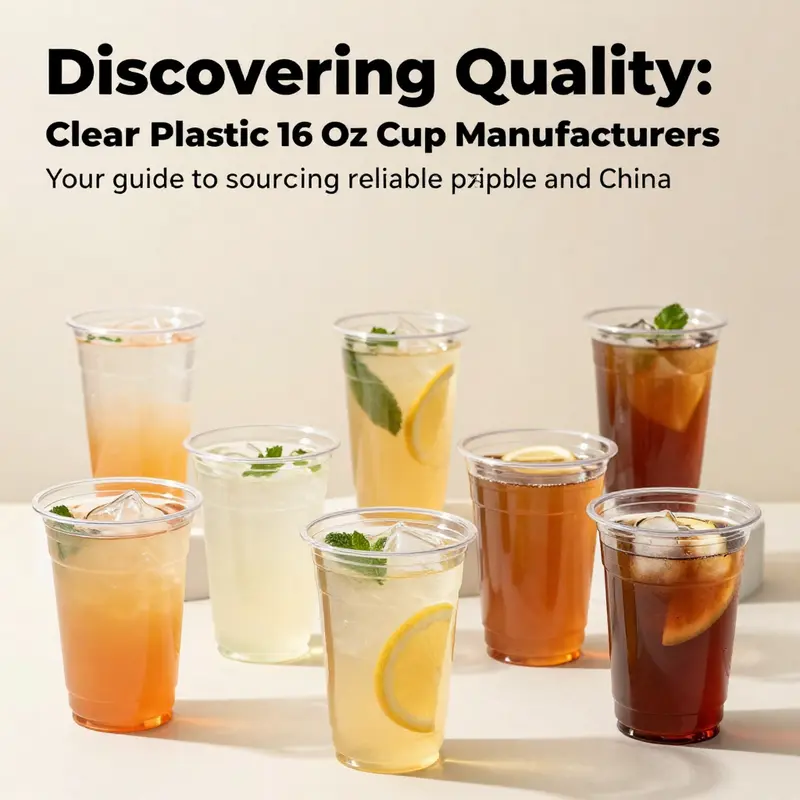
Clear plastic cups are indispensable for modern beverage service, especially in dynamic sectors like bubble tea shops, restaurants, and event planning. China stands out as a leading manufacturer of these essential items, among which Kunshan Nabo Container Technology Co., Ltd. shines brightly. This article dives into the insights surrounding the 16 oz clear plastic cups produced by this key manufacturer. We will explore the product specifications and practical applications of these cups, understand the economic impact and market dynamics of their production, and address the geopolitical considerations that come into play when sourcing from China. By the end of this journey, stakeholders will have a comprehensive understanding of the sources, specifications, and impacts of choosing clear plastic cups for their various needs.
null
null
Crystal Clarity on Demand: The Makers and Markets of China’s Clear 16-Ounce Cups
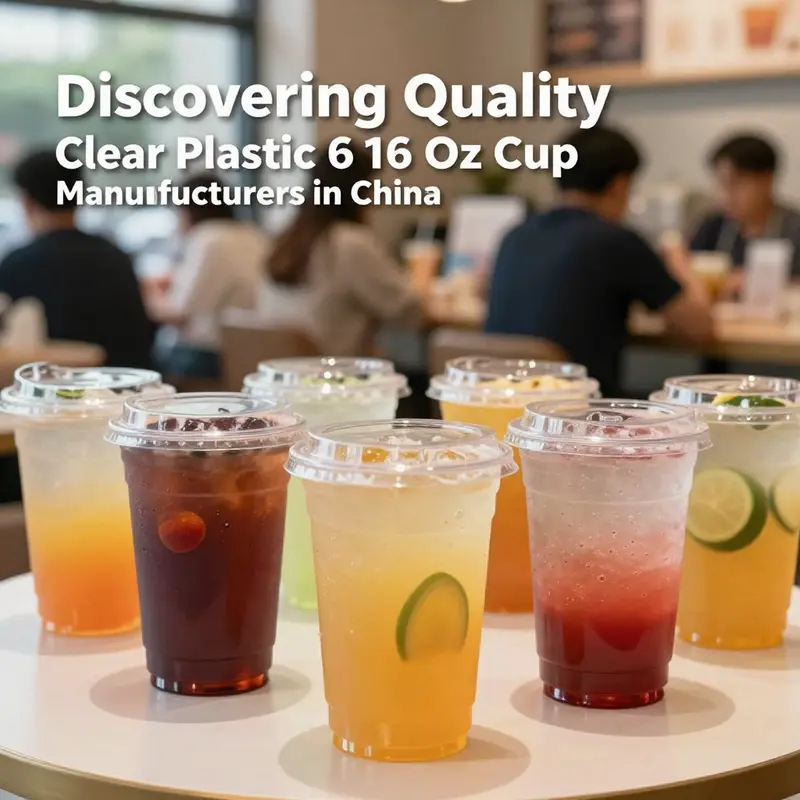
A clear 16-ounce cup is more than a simple vessel; it is a strategic node in the worldwide chain that turns raw beverages into branded experiences. In a market where visual appeal matters as much as taste, the choice of container speaks for the product before the first sip. When buyers look to China for supply, they encounter a mature ecosystem built around precision, safety, and timing. The leading players in this space have learned to marry capability with reliability, translating capricious consumer expectations into consistent manufacturing outcomes. Among them, Kunshan Nabo Container Technology Co., Ltd. stands out as a representative case of a Chinese producer that has refined the craft of 16-ounce clear PET cups. The emphasis is not only on crystal clarity but also on the durability and compatibility required by the modern beverage service, from cafes to corporate events and take-out markets. This chapter traces the arc from material science to market readiness, revealing how a product as seemingly simple as a clear cup embodies a complex web of standards, processes, and partnerships that define the competitiveness of Chinese manufacturers on the global stage.
At the heart of any clear cup’s profile are its materials. The most common choices for 16-ounce iterations are polypropylene (PP) and polyethylene terephthalate (PET). Each material brings distinct advantages. PP cups are celebrated for their durability and heat resistance, which makes them suitable for both cold and hot beverages. This resilience is especially valuable in markets with fluctuating service temperatures or where customers expect versatile use, such as coffee stations that transition from chilled drinks to warm lattes. PET cups, in contrast, are prized for their exceptional clarity and rigidity. The transparent glass-like appearance is a critical driver of consumer perception, enabling the beverage’s color, ingredients, and presentation to shine through. In recent years, an emerging segment has begun to explore plant-based alternatives like polylactic acid (PLA). PLA brings recyclability and compostability to the table, addressing sustainability goals that are increasingly prioritized by buyers, retailers, and regulators. Yet the PLA option also introduces trade-offs, including heat tolerance and material cost, that buyers must weigh against brand promises and shelf-life requirements. The result is a layered decision-making landscape where composition, end-use temperature, and environmental strategy must align with packaging performance expectations.
The standard 16-ounce footprint — about 473 milliliters in capacity, with typical dimensions near 80 millimeters in height and a diameter in the mid-to-upper 70s range — is not arbitrary. It reflects a careful balance of stacking efficiency, stability during pouring, and compatibility with lids and other components. A uniform, even rim design matters for both aesthetics and function. It ensures smooth pouring, reduces spill risk, and improves sealing when a lid is added. The modern cup is engineered to withstand the rigors of distribution — from a crowded cafe counter to a delivery bag. This is where shatter resistance and structural integrity become business imperatives, not mere technical conveniences. In many production lines, these attributes are validated through standardized tests that replicate real-world handling: dropping, squeezing, and repeated thermal cycling as beverages move from the freezer to service.
No discussion of clear cups would be complete without addressing safety and compliance. Reputable Chinese manufacturers typically pursue a host of certifications that reassure buyers in diverse markets. FDA compliance signals suitability for food contact in the United States, while LFGB and CE mark the bowls of approval for European and general international use. SGS and ISO 9001 certifications reflect a broader commitment to quality management and third-party verification. Some producers also pursue FSC certification to demonstrate responsible sourcing of materials or wood-derived components used in lids and packaging. Collectively, these attestations are more than bureaucratic bells and whistles; they are risk-management tools that reduce the likelihood of regulatory friction, product recalls, or reputational harm in cross-border sales.
Customization is another powerful lever for manufacturers in this sector. Chinese suppliers routinely offer options to imprint logos, branding, or promotional artwork directly onto the cup surface. This capability transforms a simple vessel into a brand touchpoint, turning cups into portable advertisements at events, retail settings, and food-service promotions. The value here extends beyond aesthetics; printed branding can contribute to consumer recall, create consistency across multiple outlets, and support licensing or sponsorship campaigns with a tangible, high-visibility medium. Buyers seeking differentiation often couple aesthetic customization with functional enhancements, such as curved rims for easier sipping, or specific lid designs that guarantee leak resistance for on-the-go use.
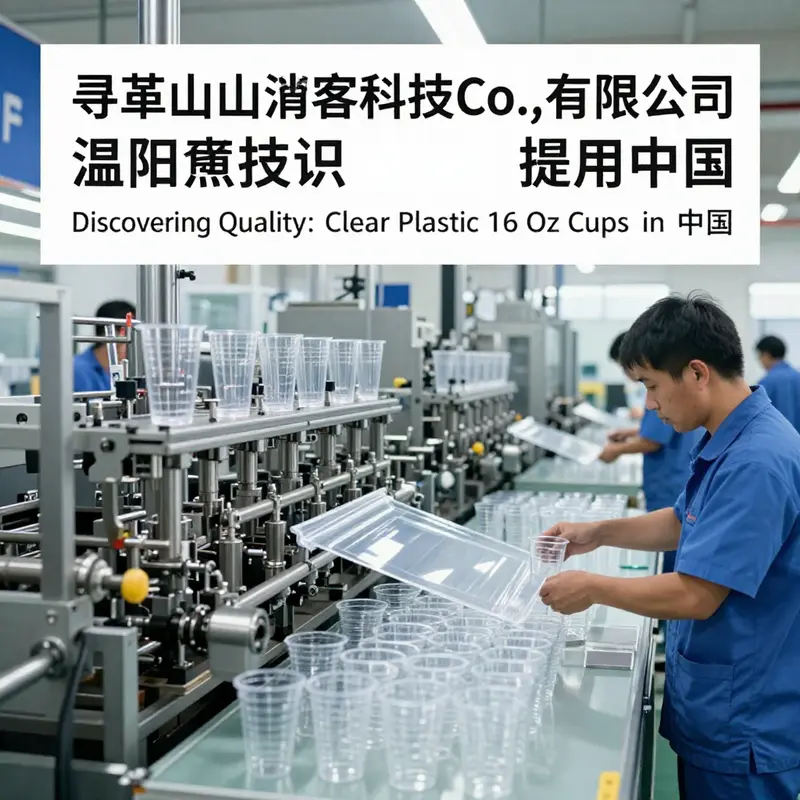
In practice, the manufacturing workflow behind a clear 16-ounce cup blends traditional molding techniques with modern process control. PET cups are typically produced by high-speed extrusion blow molding or injection molding, followed by precise annealing to relieve internal stresses and preserve clarity. PP cups may follow similar routes but are often chosen for their impact resistance and cost efficiency. Throughout the process, color and clarity must be balanced with wall thickness optimization to ensure uniform rigidity without sacrificing transparency. The dimensional tolerances are tight; even slight deviations can affect lid fit, stacking stability, or consumer perception. Consequently, the quality-management layer is deeply integrated into production, from raw material inspection to in-line optical checks and final packaging integrity tests.
For buyers, what matters most is a supportive, transparent supply chain. In the Chinese market, many suppliers offer secure payment options and robust refund policies, which are essential when sourcing from abroad. A trusted supplier provides clarity around lead times, minimum order quantities, and the logistics that bridge factory floor production with a buyer’s distribution network. This is particularly important when buyers need to ramp up for seasonal peaks, promotional campaigns, or the launch of new beverages requiring distinctive packaging. The ability to scale up or down with predictable timelines reduces the risk of stockouts or delays that can disrupt service levels in coffee shops, food courts, and catering operations alike.
From a product-safety standpoint, the combination of material choice and certification is a strong signal to markets that value is created not merely by price but by reliability. In major export markets, buyers frequently demand traceability data — batch IDs, material lot numbers, and test certificates — that map each cup to its source and its performance history. This traceability is what helps retain customers long after the initial order, as it underpins the capacity to respond quickly to any quality concerns while maintaining consistent product performance across multiple manufacturing cycles.
Beyond safety and performance, the environmental footprint of clear cups is a focal point for many buyers. The industry increasingly differentiates products by end-of-life capabilities. While PET offers recyclability where local infrastructure supports it, PLA-cup options respond to growing demand for compostable or bio-based solutions. The nuanced reality is that heat resistance, mechanical strength, and cost must align with a specific sustainability strategy. For a brand that wants to promote eco-conscious values, pairing clear cups with PLA lids or with certified composting streams can be a compelling story. Yet, stakeholders must be mindful of practical constraints, such as compostability logistics, end-of-life infrastructure, and consumer education about proper disposal. The smart path often involves clear communication about material choices, recycling or composting guidelines, and the organization of take-back or curbside programs where available.
From a procurement perspective, buyers should approach a Chinese supplier with a well-defined specification. Temperature range, beverage category, lid compatibility, and branding requirements all shape the final product. A clear brief helps factories select the right polymer, wall thickness, and molding process, minimizing post-production changes and reducing the likelihood of missed deadlines. Buyers should also request a sample set that includes multiple configurations and a few branded versions to validate the match between vision and reality. The sample phase is an opportunity to test stacking stability, seal integrity, and lid fit under simulated service conditions, as well as to verify color and clarity under lighting conditions typical of retail settings.
The narrative of a typical supplier in this space is a blend of technical capability and customer service. A paragraph of technical capability might describe how a facility maintains optical clarity through moisture control in the extrusion environment, or how their QA lab utilizes spectrophotometry to ensure color uniformity. The customer-service dimension translates into lead-time reliability, responsiveness to inquiries, and post-sale support in the form of replacement parts for lids or easy returns if a batch needs adjustment. In practice, buyers often rely on a structured, transparent communication channel with their supplier to guard against miscommunications that can derail a project at scale. This is particularly valuable when customization is involved, because branding changes can introduce iterations that demand both design alignment and rapid tooling updates.
The case of a prominent Chinese manufacturer in this field illustrates how production decisions ripple outward. When a factory prioritizes a given mix of PP and PET cups, capacity planning must account for seasonal demand, packaging affinities, and distribution routes. For instance, the choice of wall thickness and the decision to invest in high-speed lines can enable rapid fulfillment for high-volume coffee chains while still accommodating smaller, more customized runs for events or regional campaigns. This balance between mass production and bespoke service is where Chinese manufacturers often excel, leveraging scale to offer competitive price points without compromising quality or lead times. Suppliers are increasingly integrating digital order portals, real-time inventory updates, and batch-tracking capabilities that empower buyers to forecast needs with greater confidence. The synergy between manufacturing discipline and digital transparency is what makes the supply chain resilient in the face of global disruptions, whether they arise from port congestion, raw-material volatility, or shifts in consumer preferences.
To connect the narrative to broader industry dynamics, consider the role of sustainability as a decision vector for brands. The shift toward eco-friendly packaging does not negate the practical demand for clear cups; rather, it reframes it. Brands may choose a mixed-material strategy that uses PET cups for clarity and longevity in premium offerings while exploring PLA alternatives for certain cold beverages or promotional campaigns where compostability is a core message. The capacity of Chinese manufacturers to deliver both standard clear cups and eco-conscious variants, often under the same supplier ecosystem, is a critical factor in buyer trust. It enables a brand to pilot a sustainability narrative without sacrificing reliability or escalating procurement complexity. In this sense, the Chinese manufacturing base is not merely a source of products but a partner in shaping a company’s environmental story and its ability to scale that story across markets with consistent packaging performance.
As buyers navigate this landscape, an important step is aligning packaging choices with logistics and retail execution. The 16-ounce cup’s compatibility with lids, sleeves, and display units affects not just the purchase price but the entire distribution calculus. For instance, a cup with a dependable leak-proof lid reduces returns and customer dissatisfaction, which in turn influences store managers’ confidence in a partner’s reliability. The stacking behavior of cups in bulk packaging impacts warehouse space and loading efficiency, while the compatibility with standard cold-fill lines can determine whether a facility can switch from one beverage concept to another without costly equipment changes. These operational dimensions matter almost as much as the material composition itself.
In the end, the story of clear plastic 16-ounce cups from China is a story of precision, safety, adaptability, and partnership. It is about turning a basic container into a trusted component of a beverage program that travels from a manufacturing floor to a consumer’s hand across borders. The fusion of robust material science, rigorous quality control, and customer-centric service has produced a supply chain capable of supporting diverse markets — from bustling urban cafes to expansive event venues. The truth about what makes a cup perform is rarely visible to the consumer, but it is evident in the choices made by manufacturers, the certifications earned, and the way brands communicate reliability to their partners. In this framework, the Chinese production ecosystem demonstrates that clear cups can be more than a functional requirement; they can be a measurable contributor to a brand’s value proposition, helping to preserve product integrity while enabling creative branding and sustainable ambitions.
For those who want a closer look at the landscape and how products are listed and described by verified suppliers, industry platforms such as Made-in-China provide detailed listings that catalog material types, certifications, and customization options. This broader reference point helps buyers compare specifications, verify compliance, and forecast procurement needs with greater assurance. As the market continues to evolve, the ability of Chinese manufacturers to deliver clarity, reliability, and adaptable packaging solutions will remain a pivotal factor in the ongoing globalization of beverage packaging.
Internal link for further exploration: eco-friendly printed-logo paper cup with lid. The page offers a complementary perspective on branding-enabled disposables that can align with a sustainability and visual-marketing strategy when paired with clear plastic cups.
External resource for broader context: https://www.made-in-china.com/
null
null
Tides of Trade and Transparency: Navigating Geopolitical Risk in Sourcing Clear Plastic 16-Ounce Cups from China
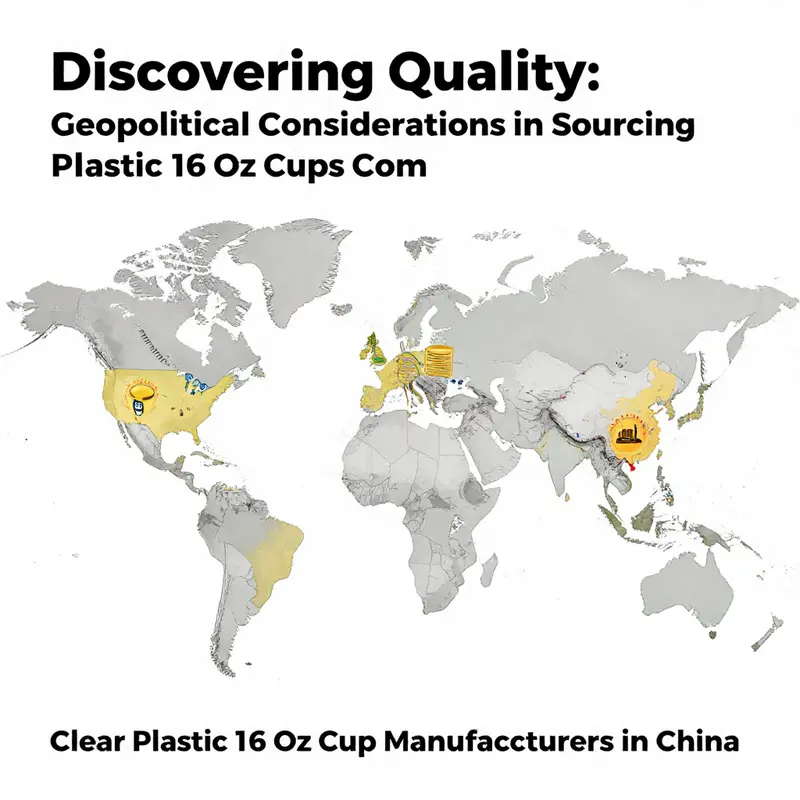
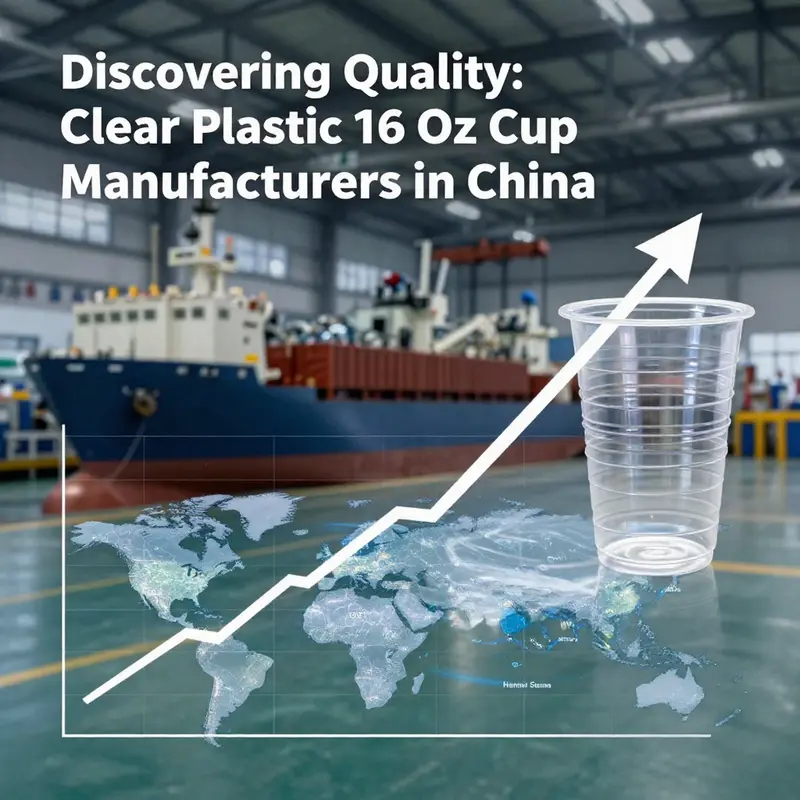
The global market for clear plastic 16-ounce cups sits at a crossroads where manufacturing efficiency, regulatory scrutiny, and political signals intersect. Buyers who seek reliable supply for cafes, events, or takeout services must read the landscape beyond material science and molding accuracy. The geopolitical dimension shapes availability, lead times, and cost structures in ways that can be felt as soon as a shipment is billed, or a batch is delayed at a distant port. In this context, China remains a dominant force in producing high-volume, customized packaging solutions, with sophisticated clusters that bring raw resin, mold engineering, printing, and logistics into a tightly integrated ecosystem. The attraction is not merely price; it is the velocity of prototyping and scale—capabilities born from a mature industrial network that can respond rapidly to design changes, color matches, and demand surges. Yet this strength sits alongside a more complex risk calculus. Trade policies, tariff regimes, and the security of the supply chain create an environment where control measures, documentation, and compliance culture are as important as the plastic itself.
To understand how buyers should navigate this space, it helps to consider how the industry is structured. In the coastal and delta regions where plastics manufacturing has concentrated, the proximity of resin suppliers, toolmakers, and converting facilities accelerates development cycles. For 16-ounce cups with clear PET material, the production sequence often hinges on tight tolerances for clarity, lid compatibility, and leak resistance. The advantage of such a setup is that a single supplier or a closely linked set of suppliers can deliver rapid iterations—from initial prototypes to mass production—without the friction of long intercontinental handoffs. This vertical integration reduces risk in the short term, enabling brands to test concepts, confirm performance, and scale for events or seasonal demand. It also supports consistent branding, because the same ecosystem can accommodate printed logos, color matching, and even lid systems in a unified workflow. The result is a more predictable pathway from idea to finished product, a factor many buyers weigh when budgeting for multi-month campaigns or recurring program launches.
But the geopolitical climate cannot be ignored. The United States and China, the two largest players in the plastic packaging arena, have pursued policy moves that influence how and where companies source their cups. Tariff structures, anti-dumping investigations, and heightened scrutiny of food-contact materials add layers of cost and administration. Compliance costs extend beyond the price tag of the cup itself; they touch the paperwork, testing, and certifications that prove a product is safe for use with food and beverages. In practical terms, buyers must consider whether suppliers can deliver the necessary documentation—such as records demonstrating the use of food-grade PET, traceability of resin batches, and conformity with relevant standards—without creating bottlenecks. The risk of delays grows when shipments trigger additional inspections or when port dwell times rise due to heightened checks on food-contact materials. This reality nudges procurement teams toward suppliers who maintain robust, auditable documentation and transparent supply chains that can withstand regulatory scrutiny.
The reason many brands still lean into Chinese suppliers despite these risks is not a single factor, but a balance of capabilities. For large-volume orders, the cost-efficiency of manufacturing at scale remains compelling. The clustering of competencies in provinces like Guangdong, Zhejiang, and Jiangsu means that mold engineers, plastic converters, and packaging printers can operate in close proximity. This proximity translates into shorter lead times for tooling changes, faster color development, and more reliable quality control loops. In addition, the strong logistics infrastructure facilitates freight consolidation, cross-docking, and timely delivery to distribution hubs, which is essential for businesses that rely on predictable replenishment cycles. When a brand needs to push a new design or a seasonal variant, the ability to move swiftly from concept to pilot to production can provide a tangible competitive edge. In that sense, proximity and vertical integration contribute to a form of resilience that is especially valuable in markets that experience sudden demand spikes or shifting consumer preferences.
Yet resilience is not earned by production speed alone. It depends on how well a supplier can align with the buyer’s risk tolerance and compliance expectations. Targeted tariffs on imports from China raise the cost of goods and complicate budgeting, particularly for buyers who operate on thin margins or tight cash flows. More insidiously, the regulatory environment for food contact materials has grown more exacting. Agencies in the United States, the European Union, and several other jurisdictions emphasize rigorous testing, traceability, and clear labeling. Even when a cup design is simple, the surrounding ecosystem—resin procurement, extrusion, forming, printing, and packaging—must meet the same standards as any other consumable packaging. Buyers increasingly demand evidence of compliance with FDA guidelines, LFGB standards, or EU 10/2011, depending on market exposure. The upshot is that a good supplier must supply more than a finished cup; they must deliver confidence in safety and performance that can survive a customs inspection or a regulatory audit.
Facing these realities, some buyers have turned to geographic diversification to manage geopolitical risk. Regions offering tariff advantages or favorable trade terms present attractive options, yet they often cannot sustain the same level of technical maturity or scale for complex packaging needs. Vietnam and Thailand, for example, have developed capabilities in plastics manufacturing and assembly, including some line items that can offer competitive pricing. The trade-offs, however, are real: differences in process maturity can yield variability in print fidelity, leak resistance, or consistency across batches. For brands pursuing high-volume, customized 16-ounce cups with precise print and tight leakage specs, the cost of potential quality drift becomes a nontrivial calculation. Lead times can stretch as suppliers ramp up new capacity or work through quality testing protocols, sometimes eroding the cost advantages that motivated the diversification in the first place.
In this tightrope walk, the smartest sourcing strategy often blends stability with flexibility. A diversified supplier base, balanced by a core preferred partner, can deliver the best of both worlds: the near-term certainty of a trusted supplier for day-to-day needs and the strategic redundancy of an alternative set of producers to buffer against disruption. Additionally, buyers should champion suppliers who maintain robust documentation practices and transparent product traceability. The ability to trace each batch back to resin lots, mold numbers, and printing plates reduces disruption when a problem arises and supports faster remediation.
A further dimension of resilience is the ability to adapt the product design to local regulatory expectations without sacrificing the core user experience. In practice, this means selecting materials and processes that can be validated quickly through standard tests and that accommodate regional labeling, packaging, and safety requirements. It also means embracing design-for-regulatory-readiness early in the development cycle. When teams align on what constitutes a compliant, safe, and user-friendly cup from the outset, the cost of late-stage changes declines and time-to-market improves. In such a framework, the supplier’s role expands beyond manufacturing to becoming a partner in regulatory navigation, material science, and quality assurance. This collaborative approach reduces friction and builds a shared sense of accountability for performance, safety, and delivery reliability.
Within this context, the reputation of manufacturers that can deliver both high-quality cups and dependable service matters. A leading tier in this landscape has emphasized not only the quality of the plastic itself but also the rigor of its manufacturing practices. Such producers highlight their use of food-grade plastics, strong quality-control protocols, and consistent performance across hot and cold beverages—an essential consideration given that a 16-ounce cup may encounter thermal stress and rapid handling in a busy cafe or concession setting. The emphasis on safety and compliance extends to the end-to-end process, encompassing resin procurement, tool maintenance, and post-production inspection. When buyers observe a supplier with a proven track record of meeting food-safety standards and delivering reliable shipments, they gain confidence that the partnership will weather policy changes and market fluctuations without sacrificing quality.
This is also where the practical realities of documentation become a differentiator. In a climate where shipments can pause at customs, having a dossier that includes material safety approvals, batch-level traceability, and certifications for the finished product becomes a form of product insurance. For buyers who operate across borders or plan to scale operations in new markets, the ability to demonstrate compliance without repeated testing can shorten the overall project timeline and reduce the risk of noncompliance penalties. In the end, this alignment between manufacturing discipline and regulatory preparedness forms a core pillar of geopolitical resilience. It signals that a supplier is not simply a vendor but a partner who understands the broader ecosystem and the potential shifts in policy, trade, and consumer demand.
The strategic implications for buyers are clear. First, they should map the entire supply chain, identifying where value is created and where risk accumulates. Second, they should prioritize suppliers who can furnish transparent documentation and standardized test data, aligning the production flow with regulatory expectations across target markets. Third, they should consider regional manufacturing approaches when appropriate, including nearshoring options or regional hubs that can reduce transit times and exposure to policy shocks. At the same time, they should not abandon the core advantages of a highly integrated Chinese manufacturing ecosystem, especially for rapid prototyping and scalable production. The most successful sourcing programs blend the best of both worlds: the speed and cost benefits of established clusters and the resilience gained through diversified, well-documented supplier networks.
In practice, buyers can implement several concrete steps. They can initiate a prequalification phase that evaluates suppliers on material safety credentials, process controls, and confirmable track records in food-contact packaging. They can require COAs, batch traceability, and third-party testing results to accompany every production run. They can negotiate flexible but robust terms that preserve price predictability while securing the ability to pause shipments for quality issues without catastrophic financial penalties. They can also set up contingency plans that specify alternative suppliers, acceptable substitute designs, and documented escalation paths should regulatory or political developments impose new constraints. These steps are not merely administrative; they are the practical tools that convert geopolitical awareness into stable, high-performance sourcing outcomes.
The overarching narrative is not one of surrender to external forces but one of proactive adaptation. By combining the efficiency and depth of the Chinese plastics ecosystem with disciplined risk management, brands can sustain a reliable supply of clear plastic 16-ounce cups while meeting the growing expectations for safety, sustainability, and accountability. The focus remains on ensuring that the cups perform as intended in real-world usage—from hot coffee to iced beverages—without compromising the ability to trace, verify, and validate every stage of the production journey. If buyers succeed in embedding compliance culture into the core of supplier relationships, they reduce the friction that geopolitical events would otherwise impose. The result is a more predictable, more resilient supply chain that can respond to market dynamics with confidence rather than fear.
For readers seeking further perspective on how geopolitical factors shape the U.S. plastic cold-drink cups market and, by extension, sourcing decisions for overseas manufacturers, an external reference provides valuable context. This broader lens highlights the ways in which policy shifts, trade tensions, and regulatory scrutiny influence industry dynamics and, ultimately, buyer strategy. External reference: https://www.statista.com/statistics/1453289/us-plastic-cold-drink-cups-market-geopolitical-influence/ .
Within the broader discussion of packaging choices, it is useful to situate the clear plastic 16-ounce cup against alternative materials and formats that might be adopted in different regions. While PET cups with transparent finishes remain favored for their clarity and barrier properties, ongoing debates about sustainability and recyclability push some buyers to explore paper-based or compostable alternatives for particular applications. In those conversations, the packaging supplier that can articulate a clear roadmap for regulatory compliance across jurisdictions, including end-of-life handling, will earn a seat at the planning table. The current market reality is that plastics continue to play a central role in many beverage formats, especially where durability, heat resistance, and print fidelity are non-negotiable. But the trajectory toward more transparent supply chains, greener material choices, and more granular regulatory clarity is unmistakable. A strategic buyer will listen for supplier partners who not only deliver a robust product but also illuminate how the production network adapts to evolving standards and trade realities without compromising performance.
For brands navigating this landscape, the practical takeaway is that geopolitics will not disappear from the margins of procurement strategy. Instead, it should be treated as a core dimension of risk-adjusted planning. The most resilient sourcing programs are built on three legs: a reliable core supplier capable of fast prototyping and scalable production, a diversified set of secondary sources to mitigate disruption, and a documentation regime that makes compliance verifiable at every step. When these elements align, the result is a supply chain that remains responsive, compliant, and cost-competitive even as the geopolitical weather shifts. And in a market where every shipment carries the weight of regulatory expectations and cross-border dynamics, that alignment makes all the difference between a cup that simply holds a beverage and a packaging solution that embodies supply chain maturity, quality assurance, and strategic foresight.
To readers who want to explore packaging options beyond plastics or to see how other packaging formats are positioned within the same risk framework, a related resource on eco-friendly paper cup design demonstrates how a supplier can balance sustainability with performance. See the internal link for a representative case of how packaging partners communicate capabilities across materials, printing, and lids, illustrating how the broader packaging ecosystem informs plastic cup sourcing decisions. eco-friendly-printed-logo-cold-beverage-cup-paper-cup-with-lid.
Final thoughts
As the demand for quality disposable products grows across sectors like food service, catering, and events, understanding the landscape of clear plastic cup manufacturing in China becomes crucial. Manufacturers like Kunshan Nabo not only offer quality products that meet health standards, but they also provide flexibility in applications, ensuring that every beverage served is presented attractively and safely. By considering factors such as market dynamics and geopolitical influences, businesses can make informed decisions on sourcing these essential products, ultimately enhancing their service offerings with reliability and style.