
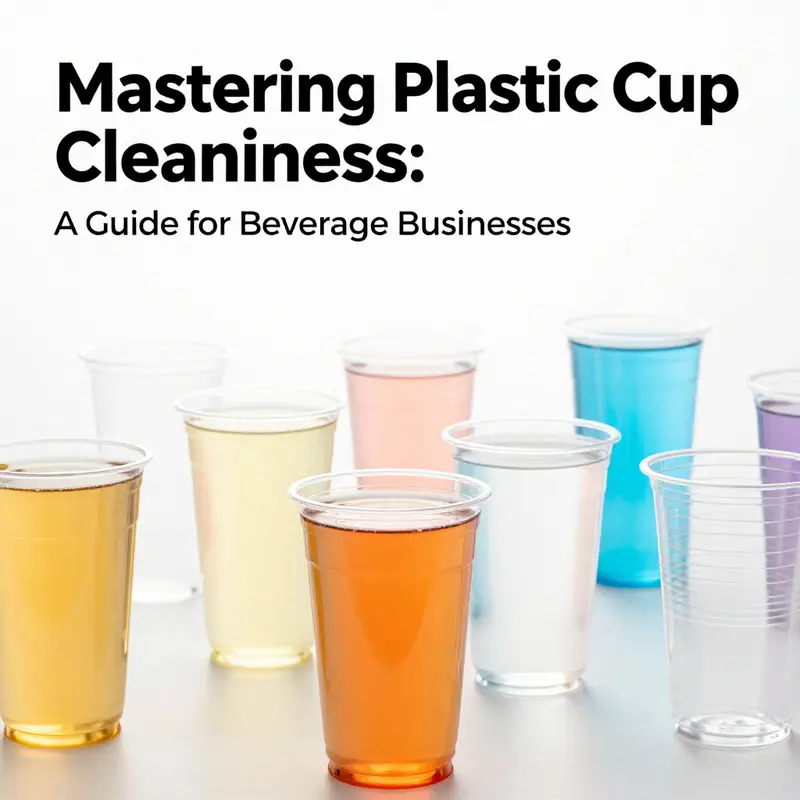
In the beverage industry, maintaining cleanliness and hygiene is paramount to ensuring customer satisfaction and safety. Plastic cups, widely used in bubble tea shops, restaurants, food trucks, and catering services, require effective cleaning solutions to prevent contamination and preserve product quality. This article delves into practical methods for cleaning plastic cups post-use, addresses persistent stains and odors through deep cleaning techniques, and emphasizes ongoing maintenance and replacement strategies. By exploring these key areas, beverage businesses can enhance their operational efficiency and uphold their commitment to health standards.
Rinse in a Flash: Immediate Cleaning Rituals for Odor-Free Plastic Cups

A cup is only a container until you decide what happens next. In the moments after you finish a drink, the plastic cup has a choice too: stay damp with leftovers that invite bacteria and odors, or begin a clean, deliberate sequence that keeps it fresh and safe for the next use. The simplest, most effective approach starts with speed and moves through a calm routine, turning a quick rinse into a lasting habit. When you treat plastic cups with a mindful, immediate cleanup, you’re reducing the chance of sugar, dairy, coffee oils, or fruit acids from drying into stubborn films. You’re also lowering the risk of mold forming in the mouth rim or under any lid sealing rings. In other words, the very first acts of post-use care set the tone for every future use, and they do so without requiring heavy equipment or elaborate rituals. They require only a little attention, done consistently, and the results show up in the cup and in the kitchen where you reach for it again the next time you crave a drink.
Rinsing immediately after use is the cornerstone of this approach. When the cup is rinsed under running water, the worst of the residues are flushed away before they have time to dry and harden. Think of the cup as a small vessel of potential odors and flavors; if you interrupt the drying process early, you prevent a stubborn combination of milk solids, fruit sugars, tea tannins, and coffee oils from bonding to the plastic. The goal is not to erase all residues in one go but to keep the surface from becoming a sticky trap for future use. A quick, thorough rinse avoids the all-too-common scenario where a cup looks clean but still carries faint smells or a thin film that can only be removed with more aggressive cleaning later. The habit also shortens the time you’ll spend scrubbing, because you’re dealing with a cup that hasn’t allowed residues to set in.
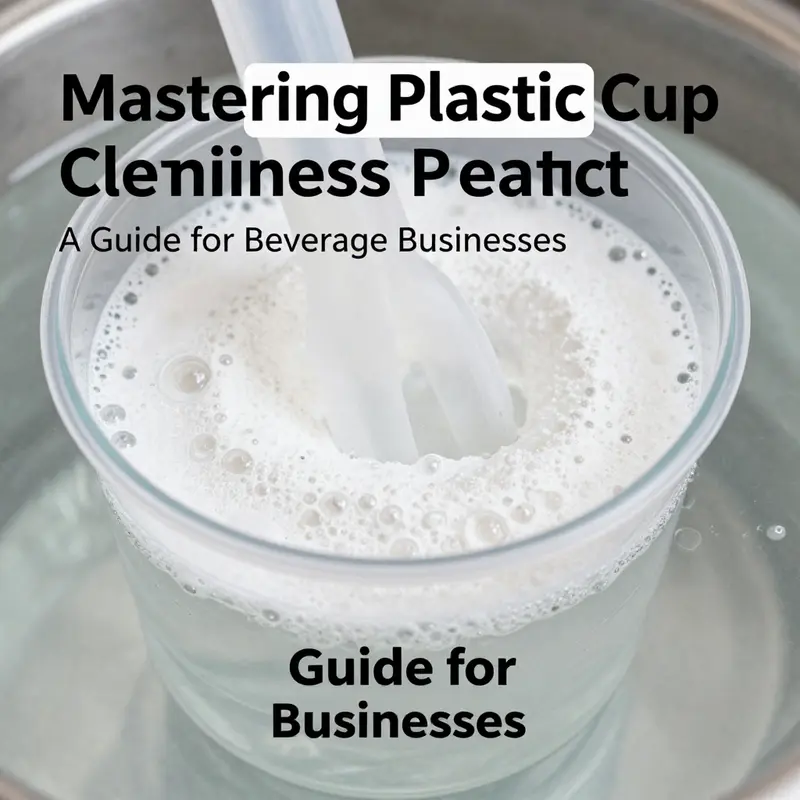
Once you have rinsed, the next step is to introduce warmth and a gentle cleansing agent. Warm water paired with a neutral dish soap creates a two-pronged effect. Warm water loosens fats and oils, which are common in coffee and dairy drinks, while the mild detergent dissolves them without roughing up the plastic. The combination makes it easier to wipe away any remaining film and to rinse cleanly. A soft sponge, a gentle cloth, or a specialized cup brush works best here. The inner sides, bottom, and especially the rim deserve attention—the places where residue tends to accumulate and where a dry cup can quickly harbor a stubborn film. The rim, in particular, is a narrow seam where lip oils and beverage residues like to cling, so a careful, deliberate scrub is essential. The goal is to lift and rinse away residues rather than simply wipe over them. In practice, a few confident strokes around the cup yield results that are more noticeable than you might expect from a quick rinse alone.
A long-handled bottle brush becomes a valuable ally when you want to ensure you’re cleaning the cup thoroughly without risking your fingers getting wet or pried into narrow crevices. Bottle brushes are designed to reach the deep corners and the bottom of cups and bottles where residue hides. The flexibility of the bristles helps loosen particles that a sponge might miss, and the long handle keeps the task ergonomic. When a cup has a slightly textured bottom or a groove near the base, the brush can slip into the crevices to dislodge dried particles. The brush method is not about scrubbing with force but about applying steady, controlled pressure while the warm soapy water does the heavy lifting. This is where technique matters; a gentle, thorough pass around the interior plus a swirl at the bottom can make a cup feel almost new without harsh cleaning.
For lingering odors, natural deodorizing agents offer a gentle and effective option. Baking soda, white vinegar, and lemon juice each bring something different to the table, and they can help neutralize odors without resorting to strong chemical cleaners. Baking soda works by neutralizing acids and absorbing smells; a teaspoon added to the cup, followed by hot water and a 15- to 30-minute soak, can reduce persistent aromas significantly. White vinegar is a mild acid that can break down odor-causing compounds and also provides a light disinfection effect when paired with hot water for a similar soak duration. Lemon juice introduces citric acid and a fresh scent that can provide a pleasant reminder of cleanliness. When using these agents, a key precaution is necessary: do not mix vinegar and baking soda in the same cup at the same time. The chemical reaction creates foam and reduces cleaning effectiveness, so if you choose to use both, use them in sequence with a thorough rinse in between. If you opt for lemon juice, you can simply squeeze the juice, fill with hot water, and let the cup rest for a short interval. Each method offers a natural deodorizing path that can refresh a cup without introducing harsh flavors or leaving a clinging residue. The aim is to restore freshness rather than merely mask it with a strong fragrance.
A practical note on temperatures helps ensure you protect yourself and the cup. While hot water can be an effective disinfectant in some contexts, it is not universally safe for all plastic types. High temperatures can cause certain plastics to warp, leach trace chemicals, or fade over time. The guidance here is to avoid soaking or boiling water in plastic cups unless you are confident that the material is heat resistant. Some plastics, such as polypropylene (#5) and certain BPA-free blends, are designed to withstand higher temperatures, but many consumer cups are not. The safest course is to verify the material and rely on warm—not extremely hot—water for routine cleaning, reserving hotter treatments for dishes or surfaces explicitly rated for hot cleaning. This approach protects your health and prolongs the life of the cup.
Drying is the final, equally important stage of immediate cleaning. After washing, the correct choice is to turn the cups upside down and let them air dry in a well-ventilated area. Natural air drying reduces the chances of moisture remaining in folds or rims, which can become breeding grounds for mold and bacteria. Towels, while convenient, can transfer unseen microbes back onto the surface, or they can trap dampness in crevices, creating a microenvironment that encourages growth. An open dish rack or a clean, dry surface where air can circulate is ideal. If you’re drying several cups, position them so air can flow around and beneath each cup. The emphasis is on letting gravity assist the drying process rather than reintroducing moisture with a towel that can harbor germs themselves. In short, air drying is a small but meaningful step toward a safer, more hygienic post-use routine.
Even with a meticulous rinse and wash, the cup’s condition must be monitored over time. Plastic is a resilient material, but wear is inevitable. Scratches, discoloration, or deformations can harbor bacteria that resist cleaning or release substances into beverages, especially when cups are reused frequently. A careful eye on the cup’s surface helps catch issues before they become problems. If a cup shows signs of wear, it is wise to replace it. The durable but finite life of many reusable cups generally falls in a realistic range of several months to a year, depending on usage and care. The habit of replacing worn cups aligns with food safety and with the practical reality that aging plastic can become less reliable as a barrier and more porous to odors and residues.
In addition to the cleaning steps themselves, the practical side of this routine matters. A dedicated cup brush or a small bottle brush kept near the sink makes the process smoother and more efficient. A small bottle of mild dish soap should be within reach so that you can pivot quickly from rinse to wash. An organized approach reduces the cognitive load of cleaning after every use, making it more likely you will follow through rather than skipping steps in a moment of convenience. You may also discover that keeping a couple of lids and gaskets clean becomes easier when you disassemble them during the cleaning cycle and reassemble only after they dry. If the cup has a lid, disassembling the lid and cleaning the sealing ring and any grooves becomes a habit that prevents mold growth and odor retention. The shared lesson here is simple: a little extra attention at the moment of cleaning compounds into noticeable benefits over time.
The routine, while simple, is also forgiving. It accommodates a wide range of cup designs, from the most basic reusable cups to those with more complex rims, seals, or textured bottoms. You can adapt the steps to your specific gear, and you can scale the routine up or down depending on the number of cups you need to refresh. The aim is not to create a rigid ritual but to establish a dependable pattern that makes cleanliness a reflex rather than a chore. In the bigger picture, this kind of immediate cleaning aligns with broader practices of safe, sustainable consumption. By treating cups with care and using a routine that minimizes the accumulation of residues, you extend their life and reduce waste in a practical, everyday way. It is a small, repeatable habit that reinforces a culture of cleanliness and stewardship, one cup at a time.
As you adopt this approach, you might find yourself curious about the materials you trusted to hold beverages in the first place. The conversation naturally broadens to include the challenges and opportunities of maintaining plastic drinkware in homes, offices, and communal spaces. The essential message remains practical and clear: rinse promptly, wash gently with warm water and soap, use a brush to reach hard-to-clean corners, consider a natural deodorizer for lingering odors, dry by air on a rack, and routinely inspect for wear. The routine does not demand pricey equipment or elaborate procedures, but it does require consistency. It is in the consistency that the benefits accumulate: fewer odors, less film, longer cup life, and a healthier environment for everyone who shares the same cups. The small acts become cumulative advantages, and over weeks and months, those advantages become more evident as the cups stay fresher, look better, and perform more reliably.
For those who want to connect this routine to broader packaging and product considerations, a simple reference to durable, reusable cup options can help. If you are considering upgrading or standardizing your cup collection, you can explore a range of designs that emphasize ease of cleaning and durability. The key is to choose materials that are genuinely washable and resistant to the kinds of residues most common in everyday beverages. This choice reduces the likelihood of odors and staining and makes the post-use routine even more efficient. When evaluating lids and seals, look for designs that come apart easily for cleaning and that resist mold growth when stored wet. The more you can disassemble and clean all parts, the lower the risk of hidden bacteria or plastic components degrading over time. A thoughtful approach to cup design and maintenance can complement your immediate cleaning regimen, reinforcing a cycle of hygiene that begins the moment the last sip leaves the cup.
In practice, the combination of immediate rinsing, careful washing, targeted deodorizing, and proper drying creates a holistic post-use care pattern. It respects the cup, your time, and the people who share the same cups, while also supporting a practical, sustainable approach to everyday living. The rhythm is simple but powerful: act quickly, wash gently, deodorize judiciously, and let air do the final work. This rhythm translates into fewer stubborn odors, clearer use cycles, and a cleaner, safer kitchen environment for everyone who reaches for a cup tomorrow. When you frame cleaning as a quick, reliable routine rather than a burden, you make it part of daily life—and you protect both health and the planet by extending the life of reusable cups instead of discarding them prematurely.
If you want a quick point of reference for the broader practice of plastic cup cleaning beyond the moment of use, consider how these methods align with professional guidance that emphasizes safe, simple, and repeatable steps. The overall message remains consistent: avoid aggressive scrubbing that could scratch the surface, avoid soaking in hot water unless the plastic is proven heat resistant, and keep the drying environment ventilated to prevent moisture buildup. With those guardrails in mind, your immediate cleaning ritual becomes not just a sequence of tasks but a reliable habit that preserves the quality and safety of your cups while supporting more sustainable usage patterns. As you continue to apply these steps, you may notice improvements in how your cups look and smell after multiple uses, which in turn reinforces your commitment to a practical, health-conscious approach to everyday materials handling.
To connect this practice to a broader context, the best outcomes come from integrating the routine into a simple system at home or in a shared space. This might include designating a specific area for rinsing and washing, keeping the brushes and detergents ready, and establishing a quick rule to reintroduce freshly cleaned cups into circulation rather than letting them sit dirty for longer periods. Such a system reduces cross-contamination and makes the cleaning process feel less like work and more like a natural extension of daily life. When everyone adopts a similar rhythm, the cumulative payoff is a cleaner kitchen, lower risk of contamination, and a more efficient use of reusable cups that can be enjoyed again and again without the fear of lingering odors or stubborn films. The gains are practical, tangible, and accessible to households, offices, and community spaces that rely on plastic cups for quick, convenient beverage service.
For readers who want to explore related considerations beyond immediate post-use cleaning, a related resource on durable and reusable cup options provides useful context. Consider this coupon-worthy but practical detail: there is a wide spectrum of cup designs aimed at ease of cleaning and long-term use. When you select a cup that is easy to clean, you set yourself up for better hygiene without extra effort, which means you can maintain a consistent cleaning habit with less friction. The intersection of user-friendly design and straightforward cleaning routines yields the best outcomes: cups that stay fresh, safe, and ready for the next drink without turning cleaning into a chore. This aligns with a broader environmental and health-focused goal of reducing waste and preventing contamination through responsible, repeatable practices.
In closing, immediate post-use cleaning of plastic cups is less about an elaborate protocol and more about establishing a reliable, repeatable rhythm. The steps—rinsing, washing with warm water and a mild detergent, deepening with a bottle brush when needed, addressing odors with safe deodorizing agents, drying properly, and inspecting for wear—form a practical framework that most people can adopt. This framework is flexible enough to accommodate different cup designs and lifestyles while remaining firmly aligned with safety and sustainability. The small effort invested in one clean cup becomes part of a larger culture of cleanliness, discipline, and thoughtful consumption. At the end of the day, the simplest routines are often the most powerful, and when you make the impulse to rinse and wash immediately a habit, you lay the groundwork for healthier kitchens, happier cups, and a more responsible approach to everyday materials use.
Internal link reference for related practical context: disposable takeaway paper cup with lid.
External reference for deeper guidance: https://www.healthline.com/health/food-nutrition/how-to-clean-plastic-cups#cleaning-methods
null
null
Guardians of Clean: Smart Maintenance and Thoughtful Replacement for Reusable Plastic Cups
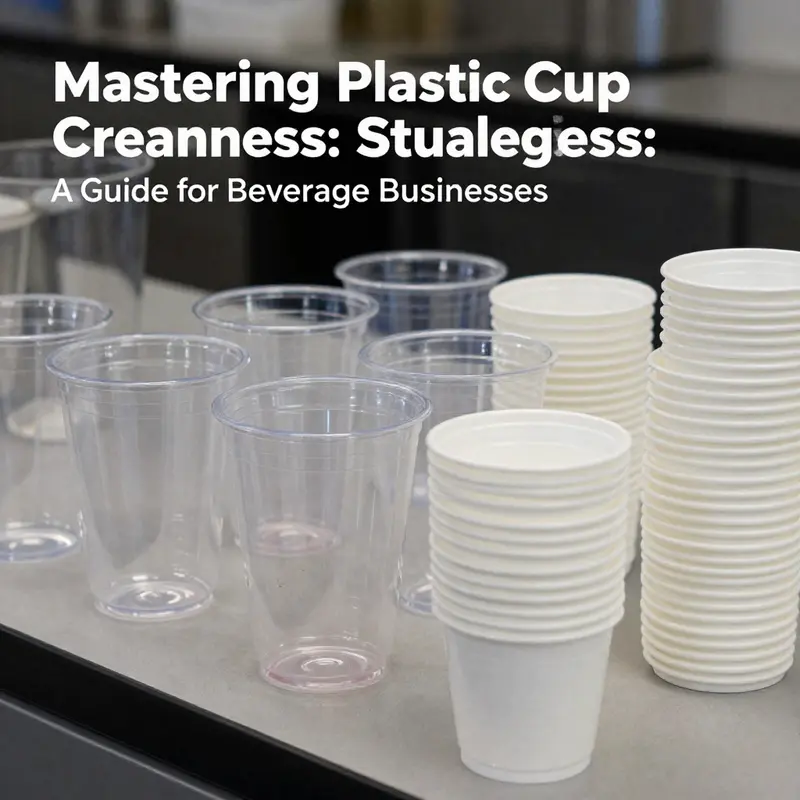
Every day, the simple plastic cup performs a small, quiet duty in our routines. It holds a morning coffee, a cold sip of water after a workout, or a quick juice for a child. Yet the same small object can become a silent reservoir for residues, odors, and unseen microbes if care steps are skipped. This chapter threads a cohesive narrative about maintenance and replacement that keeps that duty clean, safe, and efficient over time. It treats maintenance not as a chore but as a practical routine that protects health, extends the life of the cup, and reinforces the sustainability logic that underpins the entire discussion of clean out plastic cups. When a cup is well cared for, its surface remains smooth and its color stays true; when it is neglected, tiny scratches and hidden deposits can trap bacteria and degrade the material. Understanding the line between routine cleaning and deep, periodic refreshment helps any user move from reactive scrubbing to proactive stewardship, a shift that makes each use safer and more reliable.
The first guideline is deceptively simple: rinse promptly after every use. A quick rinse with clean water prevents food particles or beverages from drying and bonding to the plastic surface. Fresh residues are easier to dislodge, and the water acts as a thin barrier against the formation of stubborn films. A consistent habit of immediate rinsing reduces the workload later in the day and contributes to a calmer kitchen or office area, where cups spend less time soaking in the sink or mug rack. This tiny moment of attentiveness protects the cup’s interior from stains and odors that become harder to remove the longer they sit. It also reduces the likelihood that a guest or family member will notice a lingering scent or an apparently aged cup when a quick refill is needed. The practice is especially important for cups that see hot liquids, where steam and heat can drive flavor compounds into the plastic walls if residues are allowed to linger there.
Following the initial rinse, the next part of the routine centers on a gentle wash. Warm water and a mild, neutral dishwashing detergent work best for most common reusable plastics, such as PP and Tritan. A soft cloth, sponge, or a dedicated cup brush can reach tricky areas without scratching the surface. The emphasis should be on the sides, the bottom, and the inner rim, but particular care should be paid to the frequently neglected zones: the cup rim itself, the sealing rings if present, and the grooves at the bottom where tiny pockets of debris can accumulate. These are the places where odors take hold or where a microscopic storm of bacteria can gather when a cup is used often and not cleaned thoroughly. It’s worth repeating the idea that rough materials such as steel wool should be avoided, as they can abrade the surface and create micro-scratches that harbor future residues. A clean, gentle approach preserves the cup’s clarity and translucence, letting the user see through to the bottom and confirm there is no visible build-up.
There are moments when routine washing isn’t enough, and a deep-cleaning step is called for. Stubborn stains or odors may persist despite regular washing, especially if the cup is used for strongly colored beverages or foods with potent aromas. In these cases, a few well-chosen methods can restore brightness and remove lingering scents without compromising the plastic.
One method uses baking soda and vinegar. A spoonful of baking soda placed into the cup, followed by a small pour of vinegar, creates a fizzy, cleaning action that helps break down residues. The mixture should be allowed to sit for 10 to 15 minutes before thorough rinsing and scrubbing. This approach is effective for light to moderate buildup and is gentle on most non-porous plastics. The combination creates a mild exfoliation that can lift deposits from the interior walls and soften the odor compounds that cling to the surface. After the treatment, rinse until the cup is free of any baking soda or vinegar scent and dry completely before next use.
Citric acid offers another robust option for dealing with mineral deposits and persistent odors, especially in areas where hard water can contribute to limescale buildup. A citric acid tablet or a small amount of citric acid solution can be added to the cup, followed by warm water and a soak of about 30 minutes. This method is particularly useful for cups that have been exposed to mineral-rich water or to lime-like odors that linger after several uses. The acid gently chelates minerals and neutralizes odors without leaving chemical residues that could affect taste. After soaking, a thorough rinse and a light scrub ensure all traces are removed.
For heat-tolerant plastics, a boiling water rinse can serve as a disinfecting step. If the cup is labeled as heat-resistant—such as certain forms of Tritan or high-grade PP—it may withstand a controlled boil for one to two minutes. This can help inactivate surface microbes and give the cup a refreshed feeling. However, it is crucial to confirm the manufacturer’s care instructions before applying heat. High temperatures can warp or degrade some plastics not designed for dishwashing or boiling, so this step should be avoided for cups that do not explicitly tolerate heat. After a boil, careful handling is essential to prevent burns and to ensure the cup is fully dried before reuse.
Regardless of the chosen deep-clean method, a consistent rule applies after washing and any soaking: thorough drying. The recommended practice is to turn the cups upside down and allow them to air dry in a well-ventilated area. Wiping them dry with towels invites the possibility of recontamination—the very thing the drying step hopes to prevent. Air drying minimizes the chance of trapping moisture that can encourage microbial growth in rims and seams. If possible, place cups on a drying rack or a clean surface that is exposed to air circulation rather than stacking them inside one another while damp. In the long run, the goal is a dry, odor-free interior that is ready for the next round of use without carrying forward any residual moisture or scent from prior uses.
Maintenance isn’t just about cleaning; it also concerns watching the cup for signs that it has outlived its usefulness. Regular inspection should become part of the routine, with a careful eye trained on scratches, cloudiness, discoloration, and any deformation in the cup’s walls. Micro-scratches, while often cosmetic, can harbor bacteria or trap residues more easily than smooth surfaces. Cloudiness can indicate surface wear or chemical interactions with detergents, soft drinks, or dishwashing practices. Discoloration may reflect pigment migration, chemical exposure, or heat damage, each of which suggests a potential safety concern. Deformation, including warping or cracking, compromises the seal of the cup and can create micro-channels where microbes can thrive. If any of these changes are present, replacement should be seriously considered. The rule of thumb in frequent-use scenarios is not to wait for visible damage to accumulate but to replace cups proactively when they show early signs of wear.
The question of when to replace is nuanced and depends on usage patterns. For cups that endure daily use and frequent exposure to hot liquids, a prudent replacement window is often closer to 1 to 2 years. This range reflects the cumulative effects of heat, detergents, and repeated handling. Yet some guidelines suggest a more conservative annual replacement for cups subjected to intense usage, institutional settings, or repeated dishwasher cycles. A different category—single-use or nearly disposable cups—clearly belongs to the end of life: those are not designed for repeated cleaning and should be disposed of after one use. Even if a cup appears intact, repeated cleansing can degrade the material and increase the risk of micro-pitting, which invites bacterial growth or unwanted leaching. Prioritizing safety means recognizing that the cost of a prudent replacement is often far lower than the risk of a compromised cup.
To extend longevity while maintaining safety, selecting better materials matters. High-quality reusable cups made from food-grade plastics such as Tritan or polypropylene (PP) tend to resist staining, odors, and chemical leaching more effectively than lower-grade alternatives. These materials commonly tolerate repeated cleaning, whether by hand washing or gentle dishwashing, and they maintain optical clarity longer. The durability of Tritan and PP under heat, combined with their chemical inertness, supports a longer lifecycle when used with appropriate cleaning and drying practices. It’s also important to consult the manufacturer’s care instructions because some plastics may be labeled as dishwasher-safe while others require hand washing. The compatibility of a cup with high heat, aggressive scrubbing, or specific detergents can differ, and following the maker’s guidelines reduces the risk of accidental damage.
Beyond the micro-level care steps, there is a macro-level rhythm that helps households and workplaces manage cups more effectively. A rotation system—using multiple cups and permitting each one a day or two between uses—minimizes moisture retention and reduces opportunities for microbial colonization. In practice, this means keeping at least two or three cups in regular circulation and scheduling a gentle reset for each cup between uses. This approach distributes wear evenly, lowers the chance that any single cup will accumulate a stubborn odor, and makes the weekly cleaning workload more predictable. It also encourages a mindset of stewardship: by giving each cup a longer recovery period, you reduce the temptation to hurry through a cleaning cycle and risk skipping a critical step.
Another practical dimension is the careful handling of lids and sealing rings. When a lid is present, it should be disassembled for thorough cleaning. The sealing ring, grooves, and threads are common hiding places for mold and bacteria if neglected. A quick rinse at the end of the day is not enough; periodic deeper cleaning and inspection of these parts are essential. If a lid or seal shows signs of wear—cracks, hardening, or discoloration—it may be time to replace it. Although the focus here is on cups, the entire assembly contributes to the overall safety and user experience, so including lids in the maintenance routine is a wise, comprehensive habit.
These maintenance practices are not just about hygiene; they are also about sustainability. Regular, thoughtful care reduces waste by extending the usable life of cups and by delaying the need to replace items that still have functional value. Where possible, choose cups that are clearly labeled as dishwasher-safe and able to withstand routine, mild cleaning without degrading. For users who want to minimize environmental impact, investing in durable, high-quality plastics pays dividends in durability and safety, reinforcing the idea that responsible maintenance is a sustainability practice as well as a health practice.
Internal considerations also matter. When planning how to present and use cups in shared spaces—offices, classrooms, or households—consider how to reduce cross-contamination risk and simplify maintenance. For instance, designating a dedicated dish rack for cups or labeling the cups to reflect their rotation cycle can help keep routine consistent. A small, accessible instruction card near the wash area can remind users of the simple steps: rinse, wash, deep-clean when needed, thoroughly dry, inspect, and replace as necessary. Such small reminders reinforce good habits without becoming an onerous ritual. They also reduce confusion, especially in households with varied routines or in shared office spaces where multiple people reuse the same cups.
For readers who want to explore related options while maintaining a focus on sustainability, one path is to consider eco-friendly, reusable cup solutions that are designed with cleanup in mind. The concept of durability meets care in products marketed as sustainable or recyclable. A practical example within this broader ecosystem is the availability of eco-friendly, customizable cups designed for reuse with simple cleaning routines. The idea is not to promote any particular brand but to emphasize the value of choosing materials and designs that tolerate standard cleaning methods while preserving taste and safety. If you’re curious about such options, you can explore resources that discuss sustainable, reusable cup designs and their cleaning implications. For instance, a page dedicated to eco-friendly, custom paper coffee cups with lids offers insight into how longevity and reuse are framed in related cup categories, highlighting the importance of thoughtful maintenance across materials. See the resource labeled eco-friendly custom paper coffee cups with lids for more context and ideas that can inform choices about care and lifecycle planning.
As you weave these practices into daily life, the overarching aim is clear: maintain clean, odor-free cups that stay safe for use while minimizing waste and extending the life of your investment in reusable ware. The rhythm of rinse, wash, deep-clean when needed, dry thoroughly, and inspect regularly creates a feedback loop that keeps your cups performing as intended. By embracing rotation, minding lids and seals, and choosing durable materials with appropriate care instructions, you establish a practical framework that supports both health and environmental goals. This approach turns maintenance from a reactive task into a disciplined habit that protects your family, your coworkers, and the planet.
For readers who wish to connect these practices with broader guidelines, professional sources emphasize how critical it is to sanitize and maintain drinkware properly. A reputable external reference provides comprehensive recommendations for cleaning and sanitizing plastic drinkware, including considerations for routine maintenance and deep-cleaning strategies. This external resource reinforces the idea that science-based care—anchored in avoiding harsh scrubs, avoiding heat damage, and ensuring complete drying—helps ensure safety over time. By aligning personal routines with these guidelines, you create a robust framework for the lifecycle of reusable cups that can adapt to different environments and usage patterns. See the externally hosted guidelines for a deeper dive into established practices and the rationale behind them: https://www.epa.gov/sustainable-management-plastics/reusable-plastic-cups
In closing this thread of maintenance and replacement, the underlying message remains consistent. Hygiene, durability, and thoughtful replacement form a three-part compass that guides decisions about how to use, care for, and eventually retire plastic cups. The small, daily acts—rinsing promptly, washing gently, and drying completely—accumulate into a durable, safe practice. When signs of wear appear, timely replacement protects health and preserves the user’s confidence in both the product and the process. The rotation strategy, the attention to lids and seals, and the smart choice of materials all contribute to a lifecycle that is less wasteful and more dependable. The result is a practical, holistic approach to clean out plastic cups that makes sense in kitchens, offices, and classrooms alike. If you are exploring related options, consider the broader ecosystem of cup designs and cleaning considerations to inform a well-rounded approach that suits your specific setting. For further reading on sustainable lifecycles of reusable cups, you can consult materials that address the lifecycle and maintenance of plastic drinkware as part of responsible plastics management.
Internal link reference: For a broader look at eco-friendly cup options, see the discussion on eco-friendly custom paper cups with lids. eco-friendly custom paper cups with lids
Final thoughts
Effective cleaning and maintenance of plastic cups play a critical role in the success of beverage services. By implementing immediate cleaning methods, utilizing deep cleaning techniques for stubborn impurities, and establishing replacement strategies, businesses can ensure that they meet hygiene standards while enhancing customer satisfaction. As markets and preferences evolve, staying proactive in cup maintenance not only promotes a healthier environment but also reflects a commitment to quality in service. Adopting these best practices is essential for building trust with consumers and ensuring prolonged usability of your plastic drinkware.