
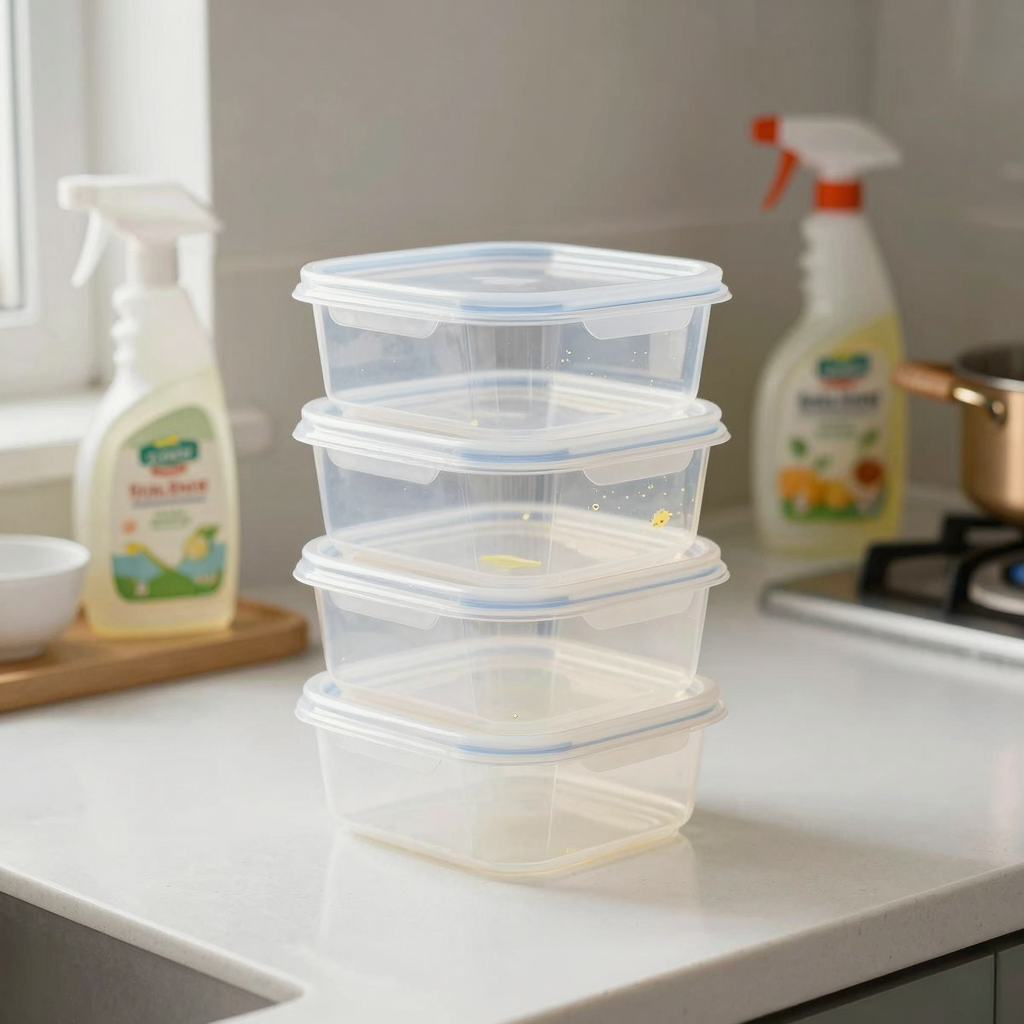
Introduction to Cleaning Greasy Plastic Food Containers
Maintaining hygiene in food service businesses is not just a regulatory requirement but a fundamental aspect that can make or break a customer’s experience. For bubble tea shops, catering services, and other food establishments, cleaning greasy plastic food containers is a common yet challenging task. These containers often accumulate residues from sauces, oils, and other food items, making them visually unappealing and potentially hazardous to health.
The practical difficulties in effectively cleaning these containers arise from their plastic material, which can retain stains and odors if not cleaned properly. A clean environment is essential in the food industry, and keeping your containers spotless not only fosters a positive impression but also ensures compliance with health standards. In this guide, we will explore various methods and tips to clean greasy plastic food containers efficiently, helping your business maintain its reputation for being hygienic and pristine. Whether you operate a food truck or run an event planning service, find effective solutions to keep your containers in top condition. Learn more about the importance of hygiene in food handling.
How to Clean Greasy Plastic Food Containers: A Step-by-Step Guide
Keeping plastic food containers clean is essential for maintaining a sanitary environment in your kitchen, especially in busy food-service businesses like bubble tea shops, restaurants, or catering services. Greasy residues can lead to unpleasant odors and unsightly stains, making it important to tackle this issue swiftly and efficiently. Here’s an easy-to-follow guide to help you clean greasy plastic food containers.
Materials Needed
- Soft sponges or cloths
- Dish soap
- White vinegar
- Baking soda
- Cornstarch or flour
- Warm water
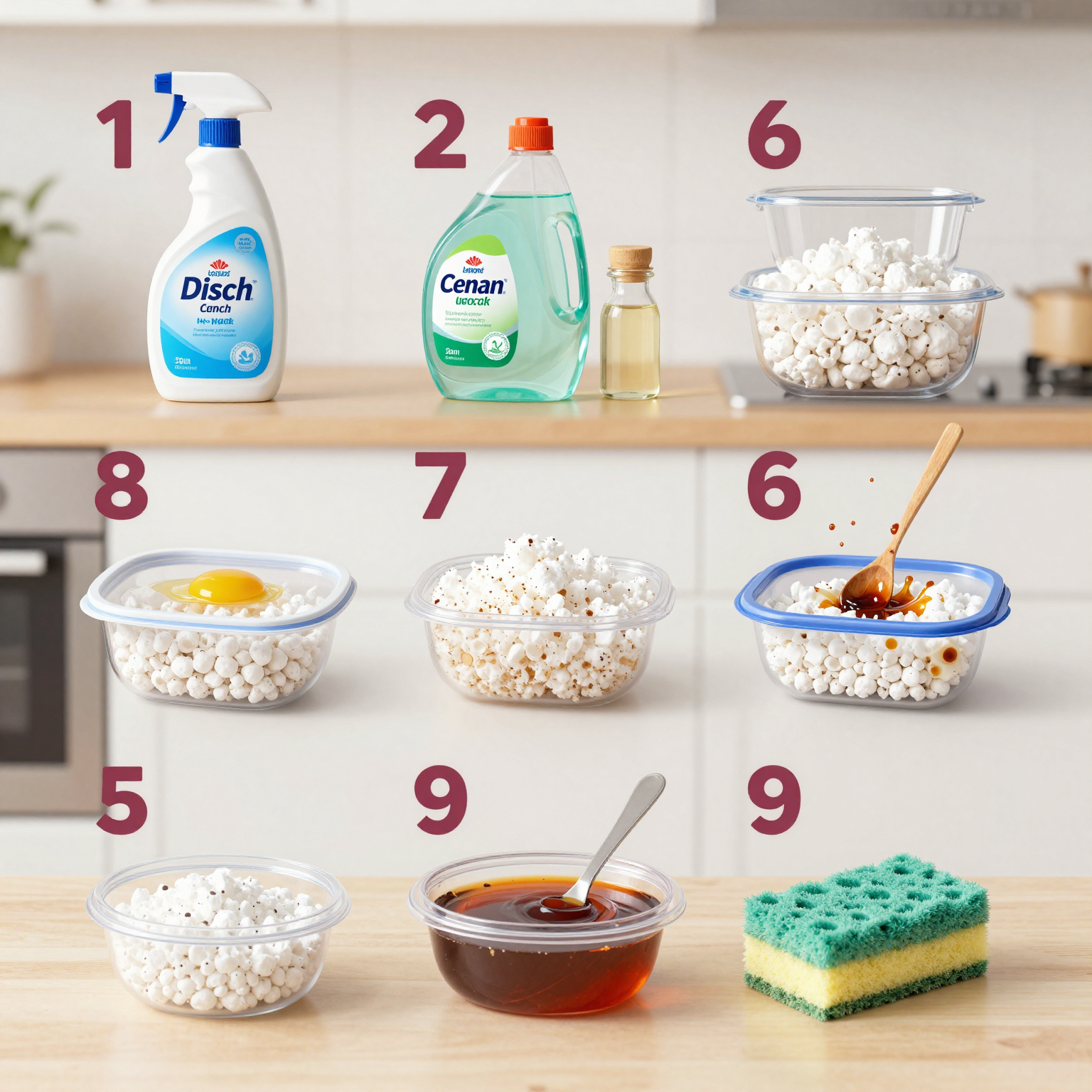
Step-by-Step Instructions
- Prepare Your Containers
- Start by thoroughly emptying your greasy plastic food containers. Scrape out any leftover food particles with a spatula or spoon for easy cleanup.
- Initial Rinse
- Rinse the containers under warm running water. This will help to remove loose food particles and grease.
- Soak in Soapy Water
- Fill your sink or a large basin with warm water and add a generous squirt of dish soap. Submerge the containers and let them soak for 15-20 minutes. This allows the soap to penetrate and loosen stubborn grease.
- Scrub the Grease Away
- Using a soft sponge, gently scrub the interior and exterior of the containers. Focus on areas with noticeable grease or stains. Avoid using abrasive scrubbing pads to prevent scratching the plastic.
- Deep Cleaning with Natural Solutions
- For persistent grease, create a paste from baking soda and water. Apply the paste directly onto greasy areas and let it sit for about 10 minutes before scrubbing again. Alternatively, sprinkle cornstarch or flour inside the container, shake it to absorb grease, and rinse off.
- For odors, soak the containers in equal parts white vinegar and warm water for 30 minutes. The vinegar will help break down grease and eliminate unwanted smells. Learn more about removing odors from plastic food containers.
- Final Rinse
- After cleaning, rinse the containers thoroughly under warm running water to ensure all soap, baking soda, and vinegar residues are washed away.
- Drying
- Allow the containers to air dry by placing them upside down in a well-ventilated area. This prevents moisture from accumulating inside, which can lead to mold growth.
- Store Properly
- Once completely dry, stack your containers neatly for easy access when you need them next.
Tips for Best Results
- For tough, sticky residues, consider using warm water mixed with rice washing water (the starch from the rice helps lift grease).
- Ensure your plastic containers are marked as dishwasher safe if you opt for machine washing, and place them on the top rack to avoid high heat that might warp or damage the plastic.
By following these steps, you can efficiently clean greasy plastic food containers, keeping your kitchen sanitary and ready for service. Maintaining clean containers is crucial not only for hygiene but also for presenting a professional appearance in food service establishments. Check out additional resources on plastic food containers here.
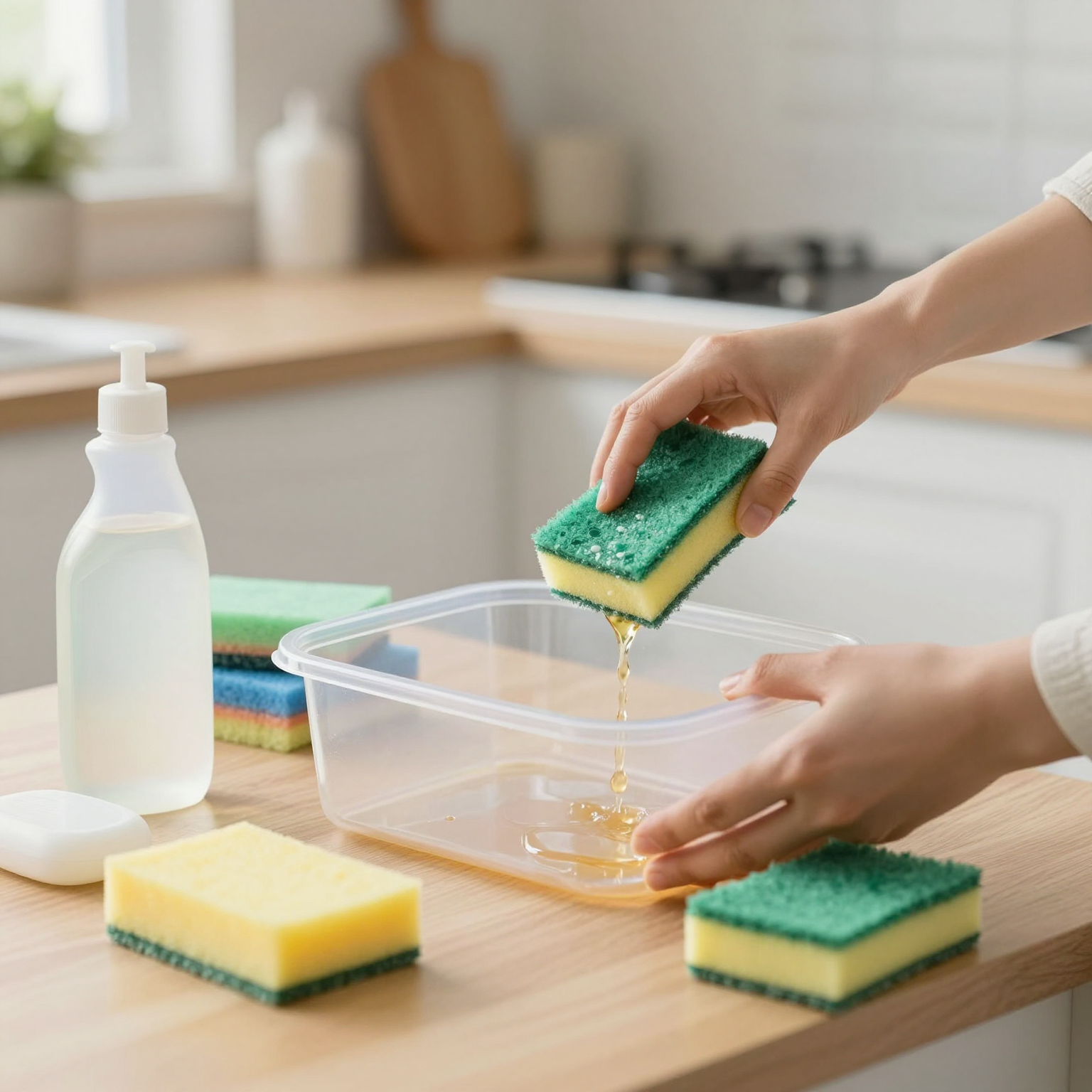
Cleaning greasy plastic containers is a prominent challenge faced by bubble tea shops and food trucks. With the hustle and bustle of daily operations, maintaining impeccable food safety and hygiene standards can seem like a daunting task. Let’s dive into the common obstacles and how they can impact your business.
1. Persistent Grease
One of the most common challenges is the greasy residue that clings to plastic containers, especially those used for bubble tea and other food products. This grease can harbor bacteria and compromise food safety, making it essential to adopt effective cleaning methods. Many operators find that traditional dish soap doesn’t cut through the grime effectively, leading to frustration and wasted time.
2. Temperature Sensitivity
Plastic containers are sensitive to high temperatures. While hot water can be effective for melting away grease, it can also warp or deform plastic, rendering it unusable. This duality poses a significant challenge for food businesses; ensuring hygiene and cleanliness without damaging your containers is key.
3. Chemical Restrictions
Many food safety regulations restrict the use of harsh chemicals in cleaning materials. This limitation can lead to concerns about finding a good balance between effective cleaning and the need to adhere to hygiene standards. Using eco-friendly and food-safe products adds another layer of complexity, making it essential to identify brands that comply with safety standards while effectively tackling grease.
4. Time Constraints
Food trucks and bubble tea shops often operate on tight schedules-time spent cleaning means less time serving customers. The challenge lies in developing a cleaning routine that reduces downtime, ensuring that your team can focus on providing a fantastic customer experience while keeping containers clean and hygienic.
5. Odor Retention
Persistent odors can linger in plastic containers, especially from strong ingredients like tapioca or syrups. This not only affects the cleanliness perceived by the customer but could also lead to food safety issues if not addressed. Additionally, the removal of these odors often requires additional cleaning procedures, further complicating the process.
6. Pest Management
Inadequate cleaning can lead to pest infestations, a serious food safety hazard. Greasy containers attract unwanted pests, which can contaminate food and potentially shut down operations. This makes it vital for operators to ensure that their cleaning processes are foolproof and consistent.
Strategies for Successful Cleaning
- Use Hot Water Wisely: When cleaning plastic containers, use blissfully hot water, but ensure it’s within the safe temperature range to avoid warping.
- Consider Food-Safe Cleaners: Explore eco-friendly and food-safe cleaning agents that can tackle grease effectively.
- Streamline Procedures: Train your staff on quick yet effective cleaning procedures to reduce downtime.
- Regular Maintenance: Incorporate a routine cleaning schedule that prioritizes hygiene and helps prevent grease buildup.
In conclusion, while bubble tea shops and food trucks face numerous challenges when it comes to cleaning greasy plastic containers, understanding these common obstacles allows for the implementation of effective strategies. For additional insights on effective cleaning techniques, feel free to learn more about food safety and hygiene standards.
Maintaining cleanliness not only ensures safety but also enhances customer satisfaction- a win-win for your business!
| Product/Method | Effectiveness | Eco-Friendliness | Estimated Cost |
|---|---|---|---|
| Baking Soda & Water | High – reacts with grease, easy to wipe away | Very Eco-friendly (natural) | Low (approx. $0.05 per use) |
| Dawn Platinum Dishwashing Liquid | Very High – effectively breaks down oils | Moderate (biodegradable) | Moderate ($0.20-0.30 per use) |
| Seventh Generation Free & Clear | High – safe for sensitive skin | High (plant-based ingredients) | Moderate ($0.25-0.35 per use) |
| White Vinegar & Water | Moderate – good for odors and light grease | Very Eco-friendly (natural) | Very Low (approx. $0.03 per use) |
| Commercial Degreasers | Very High – formulated for heavy-duty cleaning | Variable (check for eco-certifications) | Moderate to High ($0.10-0.50 per use) |
| Soaking in Hot, Soapy Water | High – effective for stubborn stains | Variable (depends on soap used) | Low to Moderate (soap cost) |
Preventative Measures for Grease Buildup
Maintaining clean greasy plastic food containers is essential for food service businesses. Here are several friendly and effective preventative measures to keep them grease-free and in good shape:
1. Immediate Cleaning After Use
One of the best practices is to clean containers immediately after use. If you let grease sit, it can harden and become much more difficult to remove. A simple rinse with warm, soapy water followed by a light scrub can significantly reduce oil buildup. Over time, this routine can help prevent long-term stains and odors from forming. For stubborn grease, soaking the container in hot, soapy water for 30 minutes can greatly improve the cleaning process.
2. Proper Storage Techniques
Ensure that all containers are completely clean and dry before storing them. Moisture can lead to the growth of mold and bacteria, and storing greasy containers can lock in unpleasant odors. Always air-dry containers upside down to prevent moisture buildup inside. If possible, find a dedicated area for food containers that limits exposure to heat and grease from cooking equipment.
3. Utilizing Absorbent Materials
A popular hack involves placing absorbent materials such as paper towels inside greasy containers before storage. This allows the paper towel to absorb excess oil, significantly reducing grease buildup and minimizing future cleaning efforts. You can check out this simple method on platforms like TikTok.
4. Avoid Certain Materials for High-Fat Foods
Be cautious when using certain types of plastic containers, especially foam plastics, for high-fat foods as they tend to absorb grease and become difficult to clean. Instead, opt for plastic containers designed to resist grease penetration, which will make cleaning much easier in the long run.
By practicing these preventative measures, you’ll not only keep your containers clean but also extend their lifespan, improving the hygiene standards of your food service business. Remember, regular maintenance is key to achieving optimal cleanliness!
Learn more about keeping your food storage safe and fresh for your customers!
User Testimonials on Cleaning Greasy Plastic Containers
Cleaning greasy plastic containers can be a daunting task for bubble tea shops and catering services, but many owners have found effective solutions that not only save time but also maintain the quality of their containers. Here’s a friendly summary of insights shared by various users:
-
Quick TikTok Hack: In a viral TikTok video, users shared a clever cleaning hack that involves filling greasy containers with warm soapy water, adding a paper towel, and soaking for 5-10 minutes. Many bubble tea shop owners who adopted this method praised its efficiency, stating that the grease lifts off quickly, allowing for a fast turnaround during busy hours. This method is particularly appealing because it minimizes scrubbing and uses inexpensive materials. You can watch this hack on TikTok.
-
Catering Insights: A catering manager shared their strategy on Reddit, highlighting the use of hot soapy water alongside a reusable scrubbing pad. For deeper grease, they soak containers overnight in a baking soda and vinegar solution, which has proven effective in breaking down stubborn residue and eliminating odors. Many users chimed in on this discussion, confirming significant reductions in cleaning time, which is crucial when managing large volumes of takeaway orders. Check out the discussion on Reddit.
-
Bubble Tea Shop Practices: A feature in FoodServiceTech revealed that many bubble tea shops favor a two-step cleaning process. They recommend scraping excess residue post-use, followed by soaking in a commercial-grade degreaser mixed with warm water. Staff members noted that this procedure not only enhances cleanliness but also boosts the brand’s image with customers, as they appreciate seeing clean, odor-free containers. Learn more from the article on FoodServiceTech.
These testimonials reflect the collective struggle and ingenuity within the food service industry, showcasing practical methods to tackle the common problem of greasy plastic containers effectively.
Effectiveness of Cleaning Methods
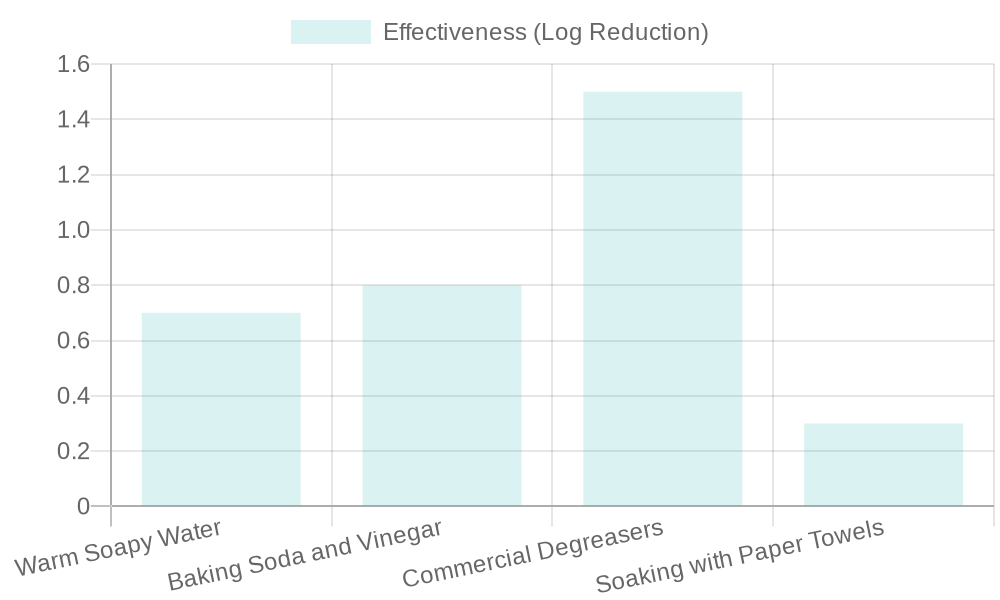
Exploring various cleaning techniques, this chart displays different methods’ effectiveness alongside user satisfaction ratings. While some methods are quicker, results can vary significantly.
Adopting a method that strikes the right balance between time, cost, and effectiveness can greatly enhance operational efficiency in your shop or catering service.
The Importance of Hygiene in Food Service
In the food service industry, maintaining high hygiene standards is crucial for health and safety. As industry expert Alex Johnson aptly puts it:
“Unwashed hands or dirty clothes can transfer germs to food. Imagine a server serving food in soiled garments. I wouldn’t eat that and advise you not to either.”
- Alex Johnson, LinkedIn
This quote reinforces the necessity for food establishments, such as bubble tea shops, restaurants, food trucks, and catering services, to prioritize cleanliness and hygiene practices in their daily operations. It serves as a reminder that customer health and safety should always come first, and proper cleaning techniques for food containers are part of that commitment.
Conclusion
In conclusion, keeping your plastic food containers clean is not just about aesthetics; it’s a crucial practice for ensuring food safety and maintaining quality in your food service business. Regular cleaning of greasy containers can significantly reduce the risk of cross-contamination and the spread of harmful bacteria, such as Salmonella and E. coli. This proactive approach not only adheres to health regulations but also enhances the taste and longevity of your food products. By implementing consistent cleaning protocols, you can save on operational costs by extending the life of your containers and ensuring that they remain safe for food contact.
As you think about the best practices for maintaining hygiene in your food service operations, consider how our range of disposable tableware solutions can contribute to both safety and reliability. Our products are designed with quality in mind, enabling you to serve your customers with confidence. Make the smart choice today and choose our disposable solutions to meet your food service needs!
Recommended Cleaning Frequency for Plastic Food Containers
Cleaning plastic food containers properly is crucial for maintaining hygiene in any food service environment. Below is a chart summarizing the recommended cleaning frequencies based on different service environments:
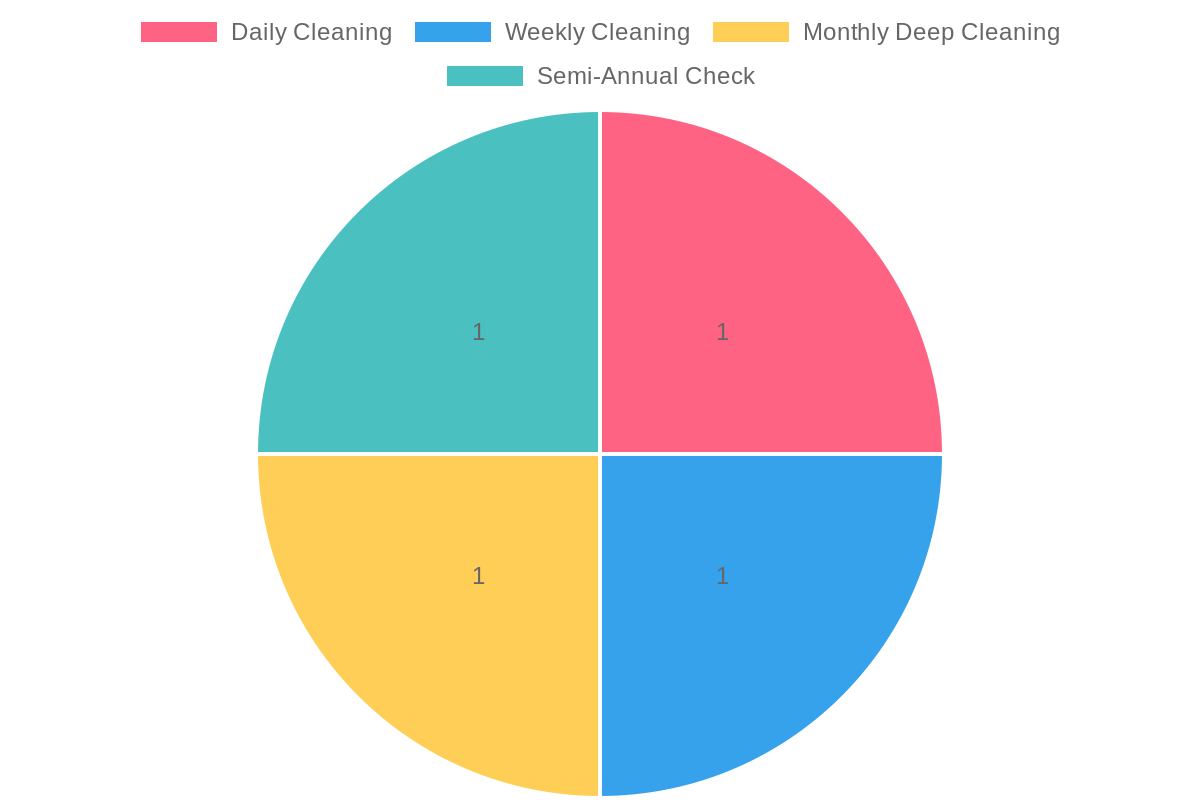
| Cleaning Frequency | Service Environment / Container Type | Recommended Action |
|---|---|---|
| Daily Cleaning | Containers used for juices, carbonated drinks, or milk | Thorough washing with detergent and hot water; ensure no residue remains. |
| Weekly Cleaning | General use containers and those with oily residues | Wash with soap and warm water; inspect for buildup or odors. |
| Monthly Deep Cleaning | All reusable plastic food containers | Boil in water for 3-5 minutes to sanitize; scrub all surfaces. |
| Semi-Annual Check | All reusable plastic containers | Inspect for signs of wear such as yellowing, cracking, or scratches; replace if damaged. |
Following these guidelines can help keep your food containers clean and safe, ensuring compliance with health standards. For more tips on optimal cleaning practices, you can learn more about plastic food containers cleaning.