
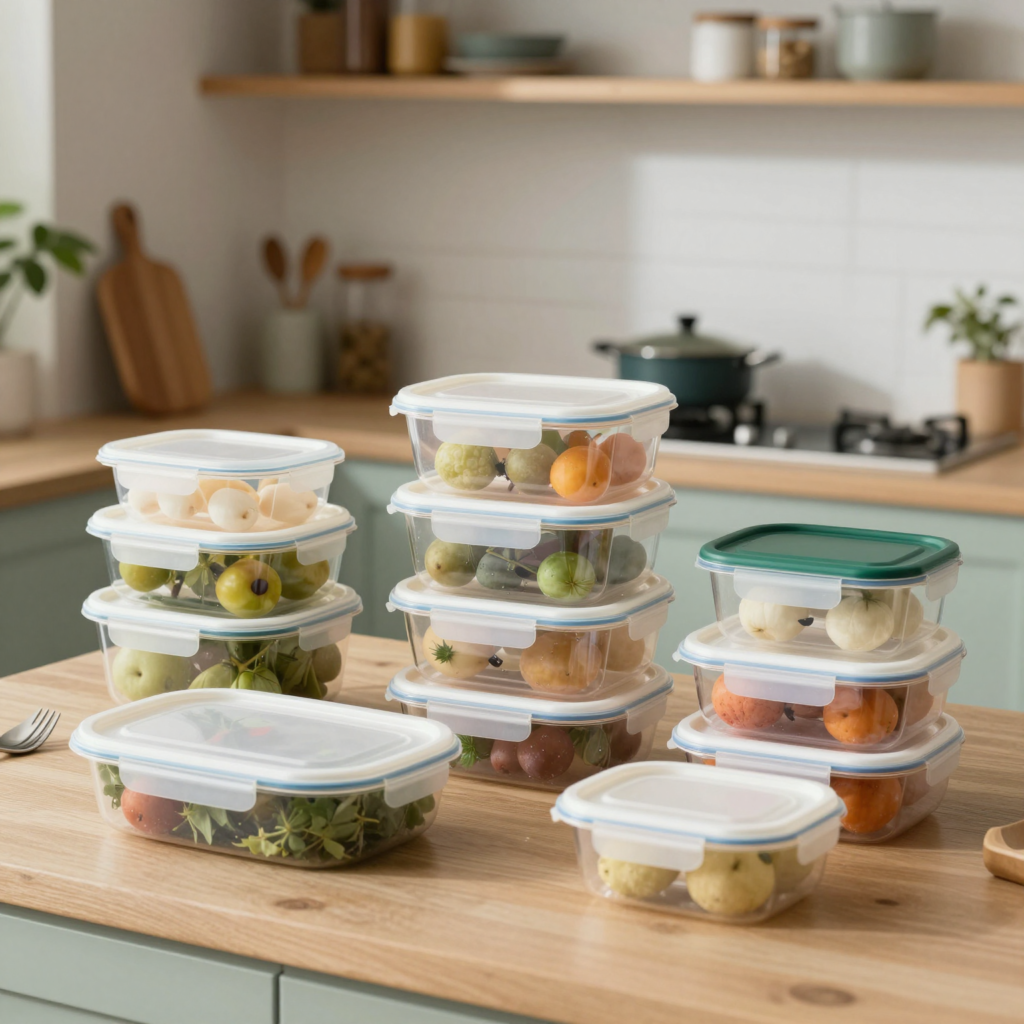
The Essential Role of Disposable Food Storage Containers in Food Businesses
In the bustling world of food and beverage services, such as bubble tea shops and restaurants, efficient food storage solutions are paramount. Disposable food storage containers offer significant benefits that can streamline operations while ensuring a hygienic environment. These containers provide unparalleled convenience; they eliminate the need for washing and reusing, allowing staff to focus on serving customers rather than stressing over maintenance.
Hygiene is another crucial factor-disposable containers minimize the risk of cross-contamination, a vital consideration in the food service industry. Additionally, bulk purchasing of these containers can result in cost savings for businesses. Buying in larger quantities not only reduces per-unit costs, but it also ensures that stock levels remain adequate, especially during peak service times. Moreover, many disposable options on the market are now being designed with environmental considerations in mind, opting for biodegradable or recyclable materials that help businesses align with consumer preferences for sustainability.
Investing in quality disposable containers is not just a logistical choice but also a strategic decision that reflects a commitment to public health, convenience, and environmental responsibility. By exploring options such as eco-friendly clear plastic cups and bulk purchasing strategies, food businesses can elevate their operational efficiency while supporting a cleaner planet.
Here’s a detailed comparison of various types of disposable food storage containers, their features, and suitable industries for use. This can be particularly useful for bubble tea shops, restaurants, food trucks, catering services, and event planners.
Table of Disposable Food Storage Containers
| Container Type | Material | Features | Ideal Use Cases |
|---|---|---|---|
| Plastic Containers | PET, PP, PVC | Lightweight, shatter-resistant, versatile | Fast food, salads, beverages, pre-packaged meals |
| Foam Containers | EPS | Excellent thermal insulation, keeps food hot/cold | Takeout meals, delivery of hot/cold foods |
| Paperboard Boxes | Recyclable paper | Biodegradable, moisture and temperature resistant | Dry foods like sandwiches, fries, and baked goods |
| Compostable Containers | PLA, Bagasse | Eco-friendly, made from renewable resources | Meal prep kits, snacks for events, liquid storage |
| Bento Boxes | Plastic/wood | Multi-compartment design for various food items | Fast-casual dining, meal prep |
| Microwave-Safe Containers | PP | Designed to withstand reheating | Leftover storage, meal prep |
Summary of Material Types
- Plastic: Commonly used due to its durability and low cost, suitable for a wide range of foods.
- Foam: Best for maintaining food temperature; however, its environmental impact is a concern.
- Paperboard: Biodegradable option for dry foods, increasingly popular amidst sustainable practices.
- Compostable: Gaining traction for eco-conscious businesses looking to minimize landfill waste.
- Bento Boxes: Ideal for varied meal options, especially in Asian cuisines.
For more detailed insights into specific containers such as compartmentalized plastic food storage containers or extensive usage recommendations for disposable paper cups, you can explore the provided links.
This table serves as a helpful guide to understanding the best options available for your business needs while aligning with sustainability trends.
The Environmental Impact of Disposable Food Storage Containers
As the food industry continues to expand, the reliance on disposable food storage containers poses significant environmental challenges. For businesses such as bubble tea shops, restaurants, and catering services, balancing convenience with sustainability is critical. Thankfully, there are numerous eco-friendly options available on the market today that cater to both the need for disposable containers and environmental responsibility.
Eco-Friendly Options
- Cornstarch Containers: These containers are made from 100% plant-based materials and are biodegradable in compost environments. An example is DECHEN Cornstarch Disposable Bowls, which decompose faster than traditional plastic containers.
- Recycled Paper Products: Containers made from recycled paper or cardboard are becoming increasingly popular in the food industry. They are often compostable and reduce the demand for virgin paper products.
- CPET Containers: Typically made from PET plastic, these containers can be recycled after use, offering a more sustainable option compared to single-use plastics. They can withstand a range of temperatures, making them ideal for various food types, including hot items.
- Bagasse Containers: Made from sugarcane pulp, these are sturdy and suitable for both hot and cold foods. They decompose naturally and are a great alternative to Styrofoam.
Balancing Convenience and Sustainability
Businesses face the challenge of providing quick, convenient options for customers while also considering their environmental impact. By opting for biodegradable or recyclable containers, businesses can minimize waste without sacrificing service quality. Additionally, promoting the use of these containers can create a positive brand image, appealing to environmentally-conscious consumers.
Certifications and Safety Standards
Choosing eco-friendly containers often involves understanding various certifications and safety standards:
- BPI Certification: Ensures that compostable products meet stringent standards, breaking down in commercial composting facilities within 180 days. BPI official site
- TÜV SÜD Certification: Focuses on biodegradable packaging, certifying materials that decompose into natural substances. Learn more about TÜV SÜD
- FDA Regulations: Biodegradable materials used for food contact must comply with U.S FDA guidelines, ensuring safety for consumer use. FDA guidelines
Conclusion
The importance of choosing biodegradable or recyclable containers cannot be overstated. Not only do they mitigate the environmental impact of disposable food storage, but they also enhance a business’s appeal to customers who care about sustainability. By integrating these eco-friendly options, businesses can thrive while contributing positively to the planet.
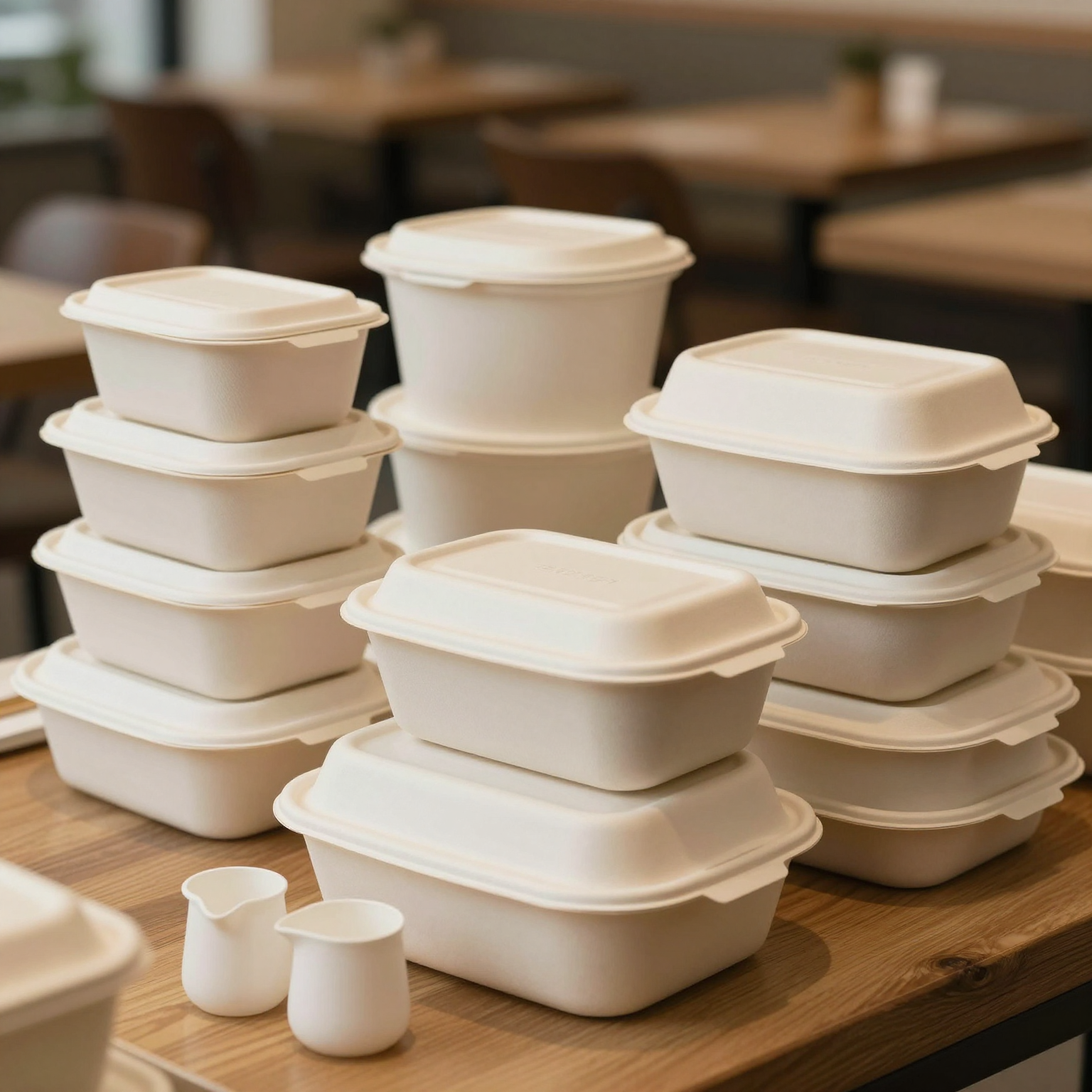
The Rising Demand for Disposable Food Storage Solutions
The trend towards disposable food storage solutions in the food service industry is undeniable, driven by consumers’ increasing need for convenience and safety. As industry expert Grace Holden aptly states:
“Disposable food storage containers are becoming a pivotal trend in the food service industry, particularly in convenience meals, takeout, and mobile dining scenarios. Their advantages include no cleaning, saving labor costs, and ensuring temperature control of food, aligning with modern consumer expectations for ‘immediacy’ and ‘consistent quality.'” (source)
With an anticipated market growth fueled by these trends, companies are quickly adapting to meet the demand. According to recent reports, the food service disposables market, valued at $78.58 billion in 2025, is projected to exceed $100 billion by 2034. Similarly, another analysis forecasts a market value of $140.5 billion by 2025, reflecting a compound annual growth rate (CAGR) of 8.56% from 2026 to 2033.
This rise is not just about meeting current demands but also about embracing sustainability in packaging. The integration of eco-friendly materials, such as biodegradable options, is reshaping industry standards.
If you’re interested in learning more about specific products within this growing trend, check our post on compartmentalized plastic food storage containers.
Stay tuned for more insights as the market continues to evolve!
Top 5 Benefits of Using Disposable Food Storage Containers
Disposable food storage containers are an essential tool for food service businesses. Here are the top five benefits of using them:
-
Convenience: These containers are designed for single use, allowing for easy clean-up and no need for returns. You can serve food directly from the container, which is ideal for fast-paced environments like food trucks or catering events.
-
Hygiene: Disposable containers significantly reduce the risk of cross-contamination and foodborne illnesses. They are manufactured to be clean and ready to use straight from the packaging.
-
Cost-effectiveness: With bulk purchasing options, disposable containers can be more cost-effective than traditional storage solutions, especially when considering labor and cleaning costs.
-
Portability: Lightweight and easy to stack, these containers are perfect for events, corporate gatherings, or any situation that requires moving food.
-
Sustainability: Many disposable containers are made from recyclable or compostable materials, reducing environmental impact and appealing to eco-conscious consumers.
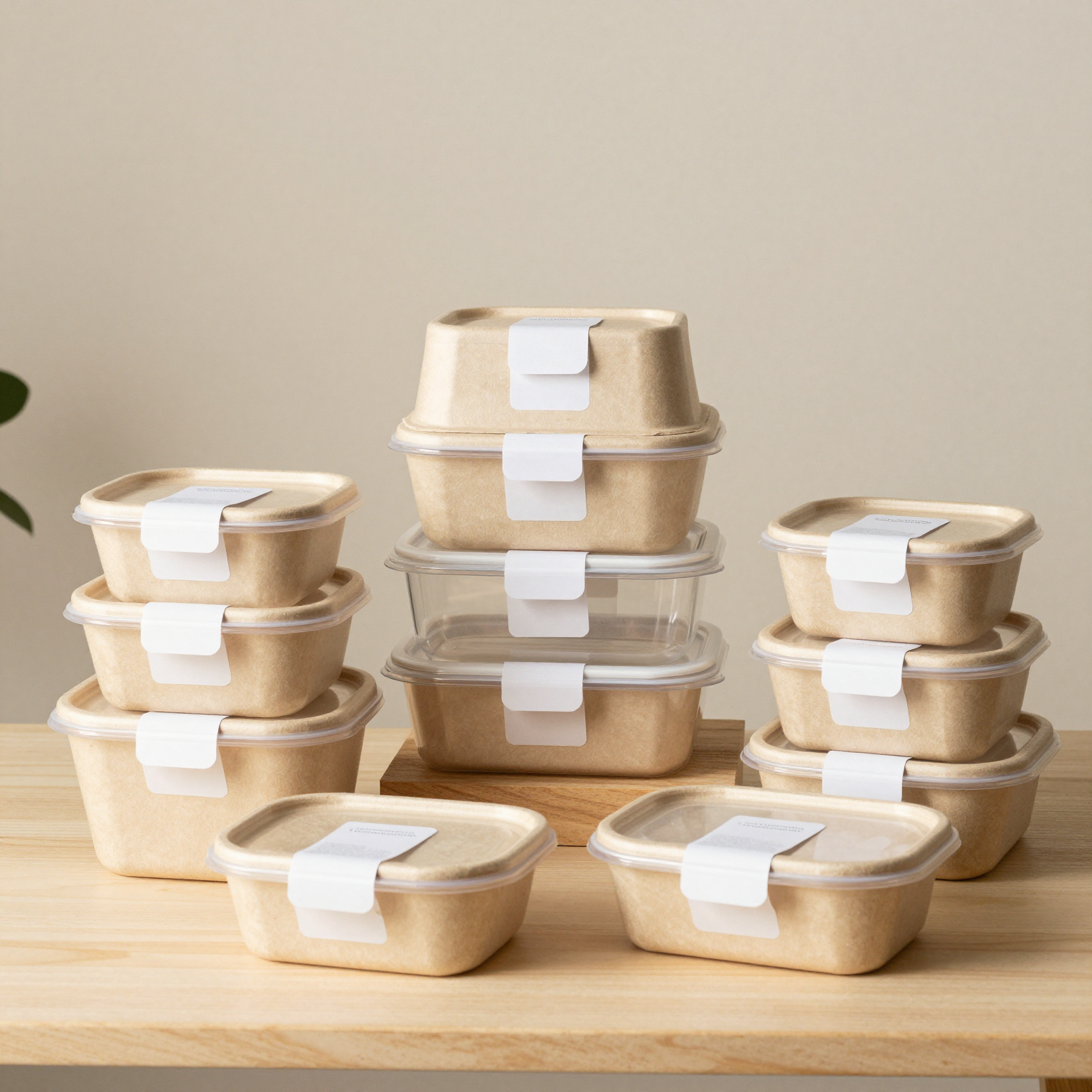
Bulk Purchasing Guidelines for Disposable Food Storage Containers
For bubble tea shops, restaurants, food trucks, and catering services, bulk purchasing of disposable food storage containers is not just a cost-saving strategy; it’s essential for maintaining efficiency and quality. Here are some useful guidelines to consider when bulk buying these essential items.
Choosing the Right Supplier
- Reputation and Reliability: When selecting a supplier, look for companies with a good track record in the industry. Resources like Alibaba provide insights into various suppliers specializing in bulk disposable food storage solutions.
- Certifications and Standards: Ensure your supplier meets all necessary safety and quality standards (like FDA regulations) for food-grade materials to guarantee the safety of your customers.
Key Considerations for Bulk Orders
- Product Variety: Be mindful of the types of containers you need. Consider factors like material (e.g., polypropylene, PET), size, and design, as these will affect storage efficiency and customer experience. Suppliers such as those listed on Made-in-China offer a range of options.
- Minimum Order Quantities (MOQs): Many suppliers have minimum purchase limits. Make sure you can meet these requirements without overcommitting resources that could tie up cash flow.
- Transportation and Storage Costs: Plan for additional costs associated with logistics. Bulk purchasing often incurs lower per-unit costs but can lead to increased shipping and storage costs depending on your location and the supplier’s logistics capabilities.
Potential Savings for Businesses
Buying in bulk can lead to significant savings-often between 15% to 25% compared to retail prices. When purchasing larger quantities, not only can you lower your overall costs but also reduce the frequency of orders, minimizing operational disruptions. Plus, fewer orders can translate to reduced shipping fees and time, enhancing your business’s efficiency.
In conclusion, approaching bulk purchasing with thoughtful strategy allows food businesses to ensure they have the necessary supplies while keeping costs manageable-essential for maintaining profitability in competitive markets.
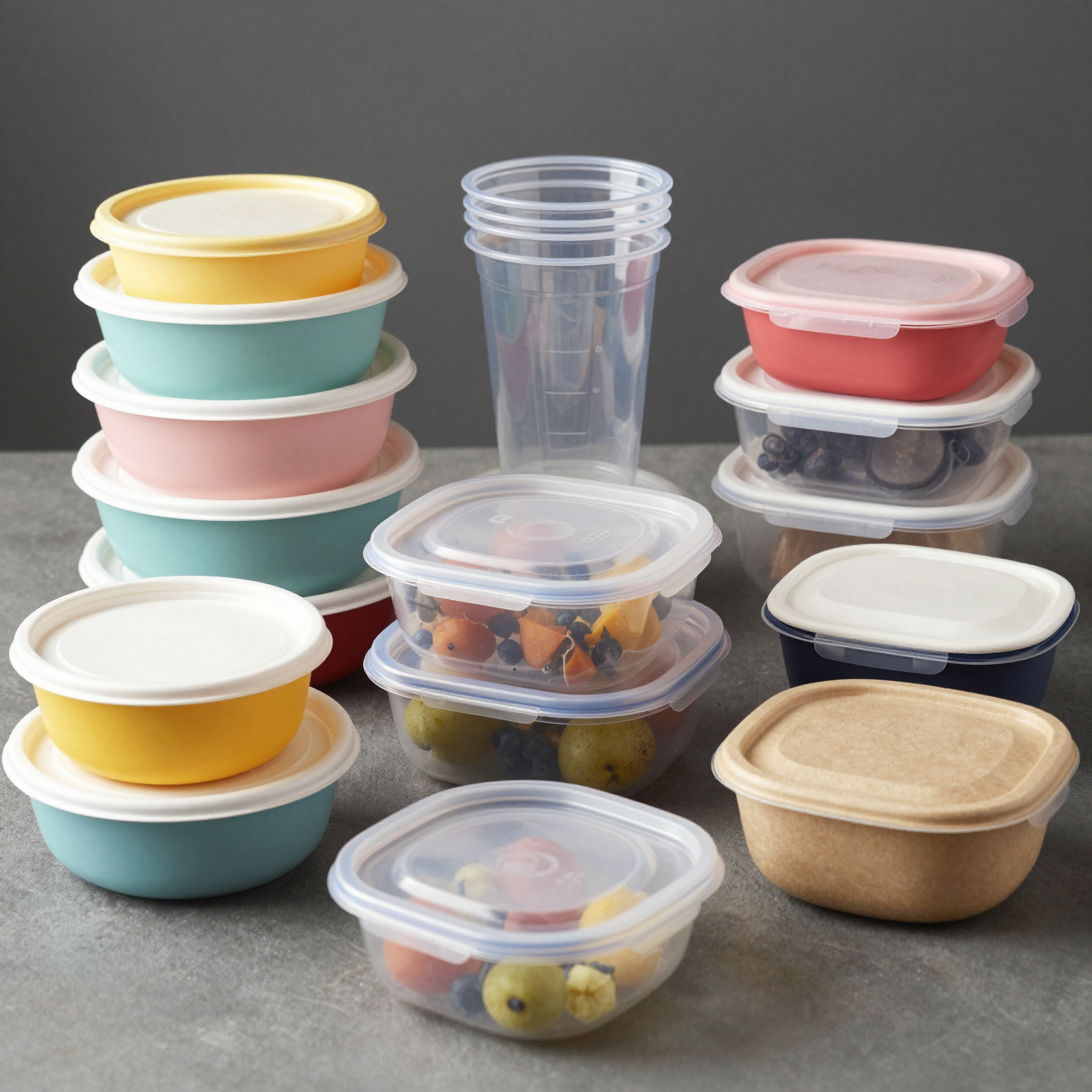
Growth Trends in the Disposable Food Storage Container Market
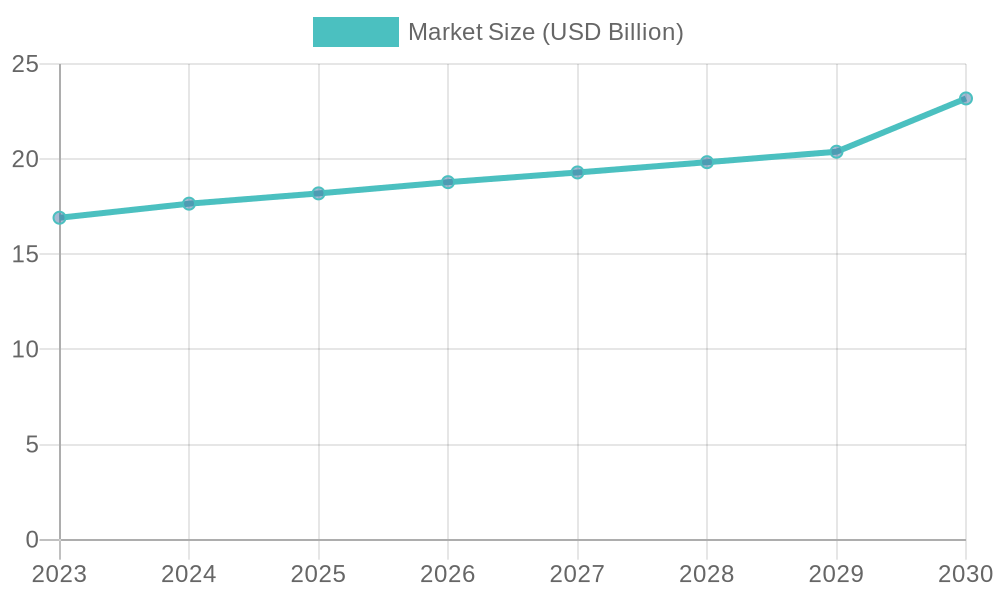
The disposable food storage container market has shown significant growth over recent years. In 2023, the market was valued at $16.92 billion and is projected to reach approximately $23.19 billion by 2030, growing at a compound annual growth rate (CAGR) of 4.4%. This trend underscores the increasing demand for convenience foods, the expansion of the food delivery sector, and the rising consumer preference for hygienic and single-use packaging solutions.
Projected Market Growth
To help visualize this growth, see the chart below:
Data Summary
| Year | Market Size (USD Billion) |
|---|---|
| 2023 | 16.92 |
| 2024 | 17.66 |
| 2025 | 18.20 |
| 2026 | 18.79 |
| 2027 | 19.30 |
| 2028 | 19.84 |
| 2029 | 20.39 |
| 2030 | 23.19 |
The market’s growth is particularly prominent in regions like Asia-Pacific, where rapid urbanization and increasing disposable incomes are driving demand for these products. This insight is essential for businesses in food service sectors such as food trucks and catering services to stay updated and competitive in the market.
Conclusion
Choosing the right disposable food storage containers is essential for your business, especially for sectors like bubble tea shops, restaurants, food trucks, catering services, and corporate procurement teams. These containers not only ensure food safety but also enhance your brand image with eco-friendly options and customized designs. Opting for high-quality storage containers can improve customer satisfaction and boost your operational efficiency.
Imagine your delicious offerings preserved in containers that keep them fresh and appealing, all while ensuring that your environmental footprint remains minimal. Fast delivery options mean you won’t have to wait long to restock your supplies, allowing you to meet customer demands effectively. Flexibility in orders – whether you need bulk supplies or customized solutions – ensures that you can always find what fits your needs perfectly.
Don’t miss out on the opportunity to elevate your food presentation and customer satisfaction! Contact us today at Green Dispopack for a tailored quote that caters specifically to your business requirements. Let us help you streamline your operations with speedy delivery and versatile options!
Upgrade Your Food Storage Solutions with Eco-Friendly Products
In today’s food service industry, finding the right disposable food storage containers in bulk is essential for any bubble tea shop, restaurant, or catering service that values efficiency and sustainability. By opting for eco-friendly packaging, you not only meet the demands of your customers, who increasingly prioritize sustainable options, but you also contribute positively to the environment. The trend towards eco-friendly packaging is not just a passing fad; as of 2026, 78% of food service brands are prioritizing sustainable packaging solutions, significantly up from 54% in 2020, as reported by Packaging Digest.
Benefits of Eco-Friendly Food Storage Containers
- Healthier Options: Many eco-friendly containers are made from plant-based materials, like PLA (polylactic acid) or sugarcane fiber, which have seen an impressive increase in use – up 42% year-over-year.
- Customer Satisfaction: According to a report by Ecosurety, 82% of businesses noted improved customer satisfaction after switching to eco-friendly alternatives. Offering products like disposable food storage containers in bulk ensures you can meet the demands of large events and corporate clients efficiently.
- Cost-Effective Solutions: Many bulk options, such as custom disposable plastic cups, combine quality with affordability, making them ideal for budget-conscious businesses.
This is a critical moment for businesses to enhance their packaging strategies. As the global eco-friendly packaging market is projected to reach $542 billion by 2026, growing at a remarkable CAGR of 8.9%, companies like yours can lead by example. Partner with trusted suppliers for your food service products to ensure compliance with rising environmental standards and customer demands.
For additional insights on types of containers, explore our article on compartmentalized plastic food storage containers. In summary, embracing eco-friendly packaging is not just about compliance; it’s about staying competitive in the ever-evolving food service landscape.