
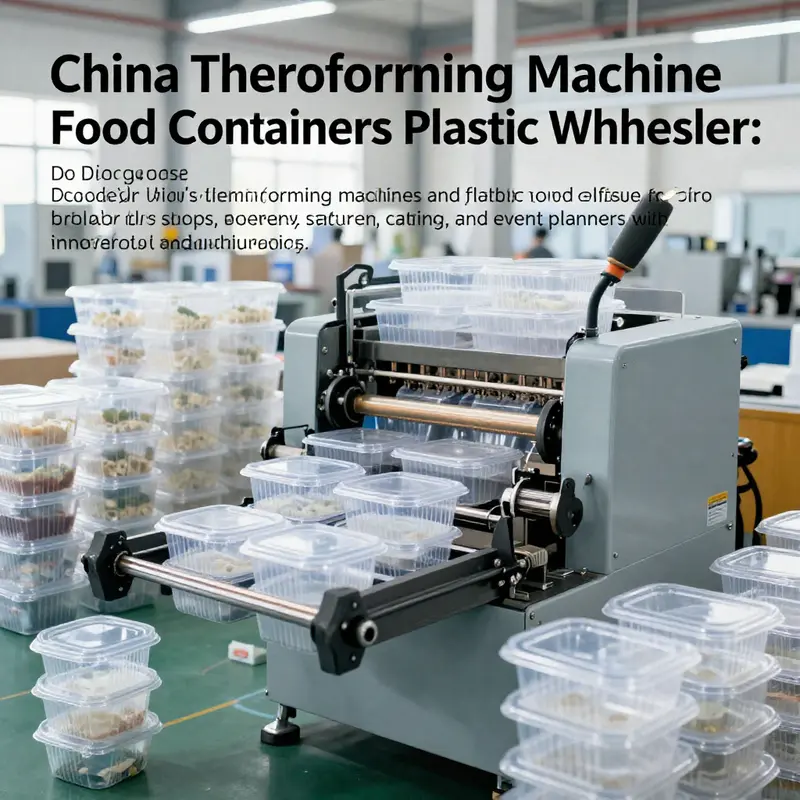
Sourcing high-quality thermoforming machines and plastic food containers is crucial across the beverage and food service sectors. For bubble tea shops and beverage chains, restaurants, food trucks, and even event planners or corporate procurement teams, having dependable packaging solutions ensures customer satisfaction and operational efficiency. China has emerged as a global powerhouse in thermoforming machine production and plastic food container manufacturing, offering cost-effective, technologically advanced, and scalable options. This article explores the central role China plays in this industry, sheds light on the technological progress shaping the manufacturing landscape, examines the significant economic influence on global trade, and discusses current challenges and new opportunities for wholesalers. Each chapter ties back to how these factors impact businesses that depend on quality disposable packaging solutions to elevate their service, maintain safety standards, and scale sustainably.
China as the Engine of Thermoforming for Food-Container Wholesalers: Scale, Automation, and Global Reach
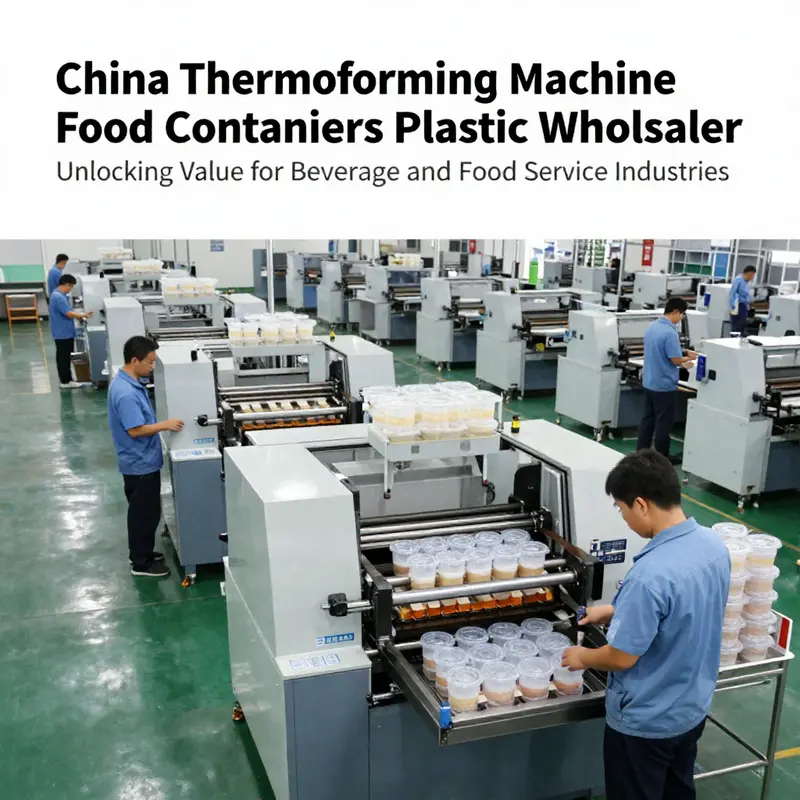
China has emerged as a comprehensive hub for thermoforming, uniting design, manufacturing, and logistics in a way that scales for wholesalers. A broad and capable supplier base delivers not only machinery but end products and consumables that fit into a seamless production workflow. Buyers can access fully automated thermoforming lines, food-grade containers, and compatible film stocks from a network designed to reduce lead times and simplify cross-border procurement. The digital bridge created by leading B2B platforms extends beyond catalogs, offering company profiles, product specifications, and price ranges that help wholesalers map costs and timelines before committing capital.
The operational reality of modern Chinese thermoforming spans from compact, single-station lines to highly automated, high-throughput systems. These lines can produce a wide range of containers, support customizable configurations for different product families, and integrate forming, sealing, and lid-attachment modules. This flexibility does not come at the expense of efficiency; advanced control systems and real-time monitoring keep scrap low and uptime high, which matters greatly to wholesalers managing diverse portfolios and seasonal demand.
Behind the production floor, quality-management frameworks are robust. Reputable manufacturers typically maintain ISO 9001:2015 quality systems and CE conformity, signaling adherence to international standards for safety and reliability. Alongside certifications, many suppliers emphasize continuous improvement, with active R&D, testing capabilities, and a portfolio of patents that reinforce competitive advantage. This combination gives wholesalers a clearer, more predictable path to onboarding and growth across regions.
Wholesalers increasingly expect an end-to-end ecosystem that includes materials and consumables in addition to machinery. In practice this means access to compatible film substrates and related packaging components sourced from coordinated suppliers, shortening lead times and reducing procurement complexity. An integrated approach supports sustainability goals by enabling material choices that favor recyclability and lower environmental impact while preserving product integrity.
Automation and intelligent packaging are strategic priorities. Chinese manufacturers are integrating forming with automated handling, robotic pick-and-place, and synchronized labeling to create flexible lines that can switch formats with minimal downtime. These capabilities improve traceability, quality control, and compliance—benefits that retailers and foodservice channels increasingly demand.
Industry events in China and abroad reveal the pace of advancement. Trade shows showcase automated filling, sealing, and labeling systems that integrate with thermoforming lines, while exhibitors highlight digital toolkits for predictive maintenance, data analytics, and remote monitoring. For wholesalers, these environments provide a practical basis for supplier evaluation and collaboration beyond static specifications.
Finally, the market is moving toward truly one-stop solutions. A supplier capable of delivering equipment and compatible films, tools, and end-of-line packaging offers a tighter, more resilient supply chain with clearer pricing, shorter lead times, and stronger after-sales support. This model is especially valuable for exporters serving multiple regions, where regulatory requirements and packaging formats vary but the underlying process remains shared and scalable.
Molding Scale: How China’s Thermoforming Machinery Shapes the Global Food-Container Market
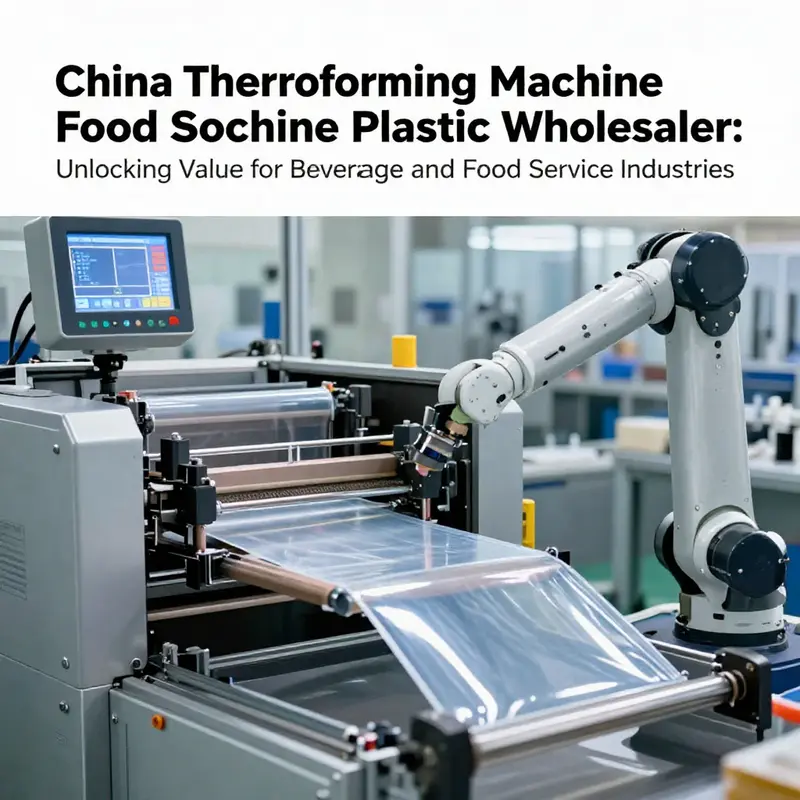
The chapter begins not with a single device or a single factory, but with a system. In the Chinese industrial landscape that powers the global supply of food containers, thermoforming machines are more than equipment; they are the operational spine of a scaled, coordinated, and increasingly automated production ecosystem. Buyers and wholesalers seeking plastic food containers in bulk arrive at a landscape where platforms connect them to integrated manufacturers who design, build, and deploy complete lines. The emphasis is no longer on a stand-alone machine, but on turnkey capability: machines that form, trim, punch, stack, and count with minimal human intervention; lines that weave together extrusion, forming, and on-line quality checks into a single, auditable workflow. This shift has profound implications for cost, quality, and reliability, especially for wholesalers who must balance volume, speed, and regulatory requirements across markets as diverse as Southeast Asia, Africa, and Northern Europe.
Automation sits at the core of these advances. Modern thermoforming systems increasingly embrace laminated heating schemes, closed-loop cooling, and integrated material handling that minimizes contamination and human touchpoints. The result is a production environment that preserves sanitary standards while delivering consistent product geometry and surface finish. The most visible benefit to wholesalers is a reduction in labor intensity and footprint. A fully automated line can complete multiple stages of production within a compact footprint, shrinking the need for large assembly halls and the labor catchment area associated with traditional processes. The net effect is a more compact, cleaner, and more controllable operation with lower per-unit costs and improved traceability—critical factors for wholesalers negotiating terms with retailers and institutional buyers who demand reproducible quality.
Material compatibility remains a central design criterion as manufacturers push into PET, PP, and PS container families. The choice of thermoplastic feedstock influences not only the forming parameters but also downstream post-processing, labeling, and final packaging. The best capabilities now include a careful alignment between sheet thickness, tool design, and cooling rate. When these elements are harmonized, cycle times shorten and dimensional tolerances tighten. The resulting containers exhibit predictable performance in terms of rigidity, heat resistance, and stackability. These characteristics matter for wholesalers who ship across climates and shelf life expectations. The dual emphasis on speed and precision has driven the adoption of more sophisticated forming architectures, including systems that support simultaneous or overlapping steps, so that one station is forming while another is cooling a previously formed unit. This overlapping workflow is a practical response to demand volatility and the need to maximize throughput without sacrificing form stability.
In many Chinese facilities, dual-station forming technology has become a standard for mass production. While the specifics of individual models vary, the principle remains the same: one station concentrates on forming the container shape while the adjacent station completes the cooling process, allowing the next cycle to begin nearly immediately. The benefits are straightforward to measure. Cycle time is compressed, throughput increases, and cooling heterogeneity declines. For the wholesaler, this translates into more predictable production schedules and more reliable lead times, factors that underpin inventory planning and pricing strategies in competitive markets. It also means better utilization of high-cost, climate-controlled spaces where precision in temperature and humidity management can influence product quality across thousands of units per shift.
Vertical integration has emerged as another defining trend. Suppliers are moving beyond single-machine offerings to deliver end-to-end production ecosystems. In practice, this means equipment manufacturers align extrusion lines, thermoforming machines, and automated handling within a single service framework and under unified quality-management standards. The goal is to deliver a seamless, turn-key solution that a buyer can install, commission, and put into operation with a single supplier. The appeal for wholesalers is clear: a reduced risk profile, shorter supplier qualification cycles, and a clearer path to ongoing maintenance and upgrades. Achieving this level of integration typically involves adherence to internationally recognized standards, with ISO 9001 certification serving as a proxy for a structured quality-management system. In a market where validation of process capability is crucial for export customers, such certification signals that the supplier can sustain consistent process performance, maintain traceability, and support long-term downstream operations with spare parts and service.
The market dynamics in China reflect both the scale of domestic demand and the allure of global demand. The drive toward automation and integrated lines is not merely about reducing unit costs; it is also about enabling a broader set of export capabilities. Chinese suppliers have not only kept pace with global quality expectations but have also begun to lead in efficient, sustainable packaging technologies. The export momentum extends into regions that prize stability, compliance, and scalable production capacity. For wholesalers, this means that the supplier landscape can offer more than price advantages. It offers a structured, reliable pathway to source entire production lines that can be commissioned quickly, with predictable responder times to changes in order volume and packaging formats.
The sourcing ecosystem itself has evolved. Online platforms that connect buyers and suppliers—sites that verify certifications, display technical data, confirm factory capabilities, and provide contact channels—have become indispensable. The value proposition for wholesalers is not only the breadth of equipment but the transparency of information: batch histories, machine specifications, and service terms that enable rigorous due diligence before committing to a large purchase. As sourcing channels mature, buyers increasingly expect not just a machine provision but a service architecture that includes installation, commissioning, operator training, spare-part availability, and ongoing technical support. In this environment, a Chinese thermoforming supplier that presents a complete, ISO-aligned service package will likely outperform others that offer only machinery and minimal follow-through.
From the buyer’s perspective, the decision framework expands beyond the machine’s technical performance to include supply-chain resilience and total cost of ownership. The best providers package a robust warranty structure, clear maintenance cadences, and predictable spare-part logistics. They also offer flexible financing arrangements and staged deployment plans that allow wholesalers to scale production gradually while validating performance. In markets where demand is cyclical or seasonal, this flexibility can be decisive. The extent to which a supplier can guarantee both machine capability and service reliability is often the differentiator that determines whether a wholesale partnership endures across multiple product cycles.
Quality control in these contexts is not an afterthought. It is embedded in the production philosophy. Many facilities implement end-to-end data capture that tracks every step—from raw sheet input to finished container counts—within a centralized quality-management framework. This visibility supports traceability, a critical requirement for regulatory compliance in many markets and a key differentiator for wholesalers who must meet varied retailer standards and consumer expectations. The convergence of automation, data, and standardized processes creates a powerful capability: the ability to reproduce exact container geometries across large runs, even when shifts rotate, operators change, or supplies momentarily run lean. In the food packaging sector, where consumer confidence hinges on consistent container performance, this level of reproducibility is not simply a competitive advantage; it is a prerequisite for long-term supplier credibility.
The broader industry narrative is one of transition from price competition to value competition. Chinese manufacturers are leveraging automation to deliver both higher efficiency and higher quality, often tied to energy optimization and material efficiency that reduce waste. Energy efficiency is not only a cost concern but a sustainability imperative that resonates with global buyers who seek responsible suppliers. Lightweighting strategies—careful choosing of wall thickness, optimized tool geometry, and precise cooling profiles—help minimize plastic usage without compromising strength or barrier performance. In an era when governments and retailers scrutinize packaging life cycles, the ability to deliver lighter, stronger containers with lower environmental impact becomes a strategic asset for wholesalers and manufacturers alike.
The supplier ecosystem supporting this transformation—particularly on platforms that curate verified listings and provide technical specifications—plays a critical role. These platforms facilitate due diligence by offering validated company information, production capabilities, and contact points. Wholesalers can leverage these resources to compare quotes, assess lead times, and verify compliance with international standards before placing large orders. The emphasis on verified data reduces information asymmetry and accelerates decision-making. When combined with direct supplier engagement, such platforms help wholesalers optimize their procurement strategy across a portfolio of container types and production capacities.
For buyers who want to situate these Chinese capabilities within a broader packaging strategy, it is useful to acknowledge the diversity of packaging formats that exist in parallel with plastics. Sustainability-minded buyers often explore hybrid approaches, such as compostable or recyclable alternatives, without abandoning the benefits of thermoformed plastics where appropriate. As a practical illustration of the packaging ecosystem in which these machines operate, consider the broader spectrum of disposable packaging options that exist in the market. For instance, readers curious about sustainable packaging formats alongside plastic might explore other packaging formats such as kraft paper bowls and lids, which are becoming more common in mixed-material supply chains. An example accessible to readers is a listing for a disposable kraft paper bowl for food package with lid, which demonstrates how packaging suppliers communicate product attributes, certifications, and service terms across materials. This and similar listings illustrate the broader market conversation about balancing performance, cost, and environmental considerations in packaging.
In parallel with the hardware and platform developments, the export narrative continues to mature. Chinese manufacturers are not just selling machines; they are selling capability. The most successful exporters position themselves as partners who can align production lines to specific customer requirements, including regulatory compliance, labeling standards, and downstream logistics. They offer technical documentation in multiple languages, support for installation and commissioning across regions, and predictable after-sales service that reduces downtime. For wholesalers, this translates into a simpler, more reliable path from factory floor to distribution center, with fewer surprises in post-sale support and more confidence in uptime guarantees. The cumulative effect is a supply chain that can adapt to shifting demand, evolving packaging formats, and increasingly stringent quality expectations without sacrificing efficiency.
As the chapter closes this phase of the industry narrative, it is clear that China’s thermoforming machine sector for food containers is moving toward a future where automation, integration, and quality assurance are not luxuries but baseline expectations. The wholesale market benefits from providers who can deliver not just machines but entire production ecosystems that are repeatable, auditable, and scalable. The convergence of online verification platforms, ISO-aligned practices, and dual-station, high-speed forming technologies shapes a new standard for what is possible in plastic food-container manufacturing. For wholesalers, this translates into steadier supply, more predictable pricing, and a clearer route to expanding into new markets with confidence that the containers arriving at destination are the same ones that were tested and certified at the point of origin.
External resource for further exploration: https://www.alibaba.com/showroom/automatic-thermoforming-machine.html
Internal resource reference (example of packaging formats alongside plastic offerings): disposable kraft paper bowl for food package with lid
The Quiet Engine of Global Packaging: How China’s Thermoforming Machines Shape the Food-Container Trade
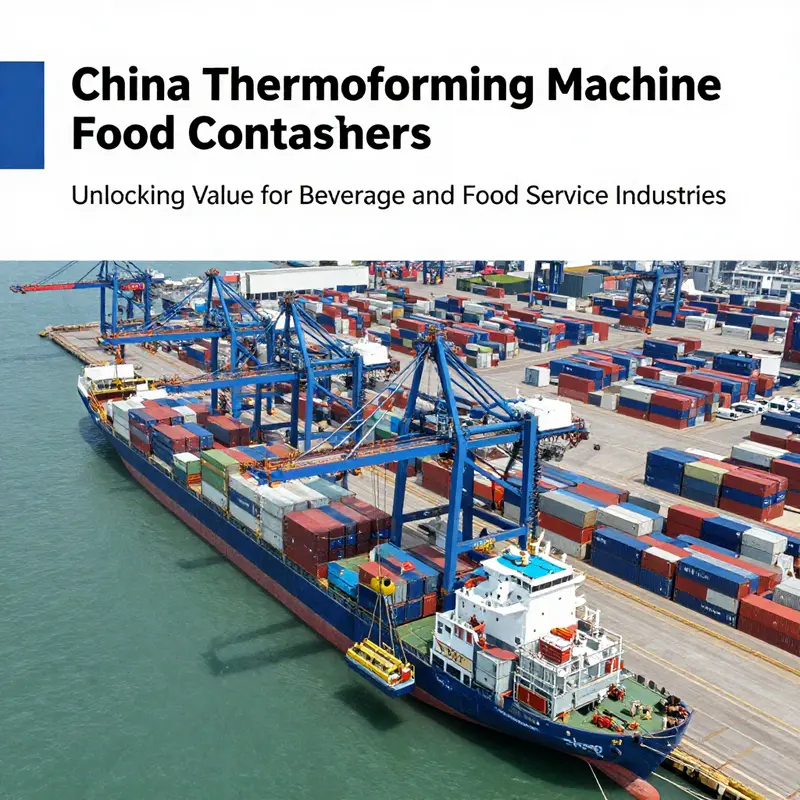
The machinery that shapes the humble, everyday container for food and beverages travels far beyond the factory floor. In China, a sophisticated ecosystem of thermoforming machines and related equipment has evolved into a quiet engine that powers global packaging, logistics, and commerce. The story is not just one of scales and exports; it is a narrative about precision, automation, and a manufacturing philosophy that blends speed with quality. When buyers seek reliable supply of food-grade containers in bulk, they often focus on the end product. Yet the real determinant of global supply—cost, consistency, and the ability to adapt to shifting regulatory and consumer demands—rests with the machines that turn sheets into forms, and the ecosystems that support them. In this sense, the Chinese thermoforming sector acts as a fulcrum around which international trade balances itself as much as any single product catalog or trade route does. Platforms that facilitate sourcing, from broad B2B marketplaces to specialized supplier directories, highlight how deeply interconnected this sector has become with worldwide procurement strategies. They reveal a landscape where capacity, technology, and regional specialization coalesce to create a reliable, scalable pipeline for food containers across continents.
Across the country, manufacturing capacity has become the most visible pillar of China’s dominance in thermoforming. The industry has learned to knit high-precision equipment into integrated packaging lines that are specifically tuned for food-grade applications. The emphasis on cornucopias of process flow—sheet feeding, heating, forming, trimming, cooling, and stacking—allows producers to deliver a steady stream of thin-walled containers at high speeds. In practice, this means equipment that can sustain rapid production cycles while maintaining the strict tolerances required for safe contact with food products. The result is not merely a lower unit cost but a greater degree of process stability. For wholesalers and manufacturers outside China, that translates into dependable lead times, more predictable inventories, and the ability to plan campaigns around promotional windows without facing shortages. The technology narrative, meanwhile, is not limited to speed. It encompasses energy efficiency, precision components, and the seamless integration of downstream operations such as sealing, printing, and quality inspection. The best machines are those that offer modularity—easy upgrades, adaptable tool galleries, and the capacity to switch between container formats without a full line rebuild. In environments where demand for customization is rising—different sizes, shapes, thicknesses, and antipragmatic designs—this flexibility can be the decisive factor in cost control and delivery reliability.
Technology has also progressed in tandem with the needs of global markets. High-speed thermoforming machines have advanced to deliver not just speed but consistency in wall thickness, airtight seals, and material utilization. The optimization is often achieved through a combination of servo-driven mechanics, advanced control software, and robust process monitoring. These improvements minimize waste and reduce energy consumption, a dual benefit that aligns with both bottom-line financial goals and sustainability imperatives pursued by many importers and regulators. The drive toward sustainable packaging has become a clear strategic vector for the industry. In practice, manufacturers are experimenting with recycled plastic sheets and more efficient, thinner-walled designs that preserve strength while lowering material usage. Such innovations resonate across international markets where regulatory frameworks increasingly favor recycled content and recyclability. The Chinese sector’s response to this trend has been to develop equipment and process controls that support recycled materials without compromising food safety and performance. This is not a niche capability; it is becoming a baseline expectation for suppliers seeking admission to a broader, more sustainability-conscious global supply chain.
The regional specialization that characterizes China’s packaging sector is another pillar of its global influence. Industrial ecosystems around major cities, particularly those with concentrated clusters of machinery, plastics, and downstream packaging services, create a virtuous cycle of innovation and efficiency. In these hubs, researchers, engineers, and technicians continuously refine tooling, workflow, and maintenance regimes. The proximity of suppliers to training facilities, testing labs, and quality-control services reduces the lead time needed to bring a product from concept to mass production. For wholesalers, this means not just shorter procurement cycles but the ability to negotiate better after-sales support—an essential factor when a line must run around the clock. It also enables faster iteration based on customer feedback, allowing a brand to introduce new container formats more quickly than competitors who must source from more fragmented supply chains. These ecosystems contribute to a broader advantage: the ability to offer engineered solutions rather than mere hardware. Prospective buyers increasingly expect suppliers to propose integrated packaging lines, not just machines, and to stand behind performance with technical service, spare parts, and on-site optimization.
From a cost perspective, competitive pricing is a natural outgrowth of large-scale manufacturing and continuous process improvements. Chinese suppliers have leveraged economies of scale, state-of-the-art automation, and refined logistics networks to reduce unit costs while maintaining high-quality outputs. The price discipline extends beyond the initial purchase to include total cost of ownership, which encapsulates maintenance, energy use, and uptime. In the global marketplace, where container pricing is a moving target influenced by raw material costs and currency fluctuations, the ability to forecast and stabilize costs through efficient production becomes a meaningful differentiator. Yet pricing alone does not secure long-term partnerships. The most resilient relationships hinge on engineering ingenuity. When buyers face specifications that demand novel geometries or tighter tolerances for specialized applications—say, containers for medical or omnichannel food formats—the capacity to deliver tailored engineering solutions becomes a decisive factor. In this regard, China’s thermoforming ecosystem has shown its strength by blending standardized high-speed lines with bespoke tooling and post-forming processes. The result is a portfolio of options, from quick-turn prototypes to fully engineered, high-volume lines that can support complex product families.
Sustainability is no longer a peripheral consideration but a core criterion shaping procurement decisions. The industry’s gradual shift toward recycled and bio-based materials is being mirrored by process adaptations, including sheet heating and forming regimes that minimize energy input and extend tool life. For importers, this alignment with environmental goals is valuable beyond reputational considerations. It translates into compliance advantages, access to markets with strict packaging regulations, and the potential for subsidies or preferential treatment in certain regions that reward sustainable inputs. The implications for global trade are meaningful: a Chinese manufacturing base that can reliably source recycled sheets and maintain strict food-contact standards reduces the need for multiple cross-border material verifications, thereby shortening supply chains and reducing risk exposure. In practical terms, lots move faster when manufacturers and buyers share a common framework for sustainability, testing, and certification. The geography of production—where formers are integrated with sheet suppliers, finishing services, and quality laboratories—facilitates this shared framework and enables smoother cross-border transactions.
Trade dynamics are also shaped by how buyers approach procurement in a world of evolving regulations and diverse consumer expectations. The global push toward sustainable packaging has created a demand for thinner walls, lighter weight containers, and formats that maximize pack density during shipping. Manufacturers that can produce these outcomes without compromising integrity find themselves better positioned to meet the needs of retailers and food service operators who are seeking to optimize shelf life, transport costs, and waste reduction. The result is a virtuous circle: innovations in forming technology enable lighter, stronger containers; these containers enable more efficient logistics and reduced environmental impact; and the ongoing regulatory and consumer emphasis on sustainability reinforces the incentive for further engineering improvements. In this context, the domestic market in China is not a closed loop but a springboard. Growth within China will continue to push new capabilities into the export stream, while international demand will push more buyers to consider the total value proposition—cost, capability, service, and sustainability—when choosing suppliers.
Strategic sourcing considerations remain essential in navigating this landscape. While the advantages of sourcing thermoforming machinery and food-container production lines from China are many, buyers must weigh risks and build resilience into their procurement strategies. Supply chain resilience is paramount. Relying on a single source or region can amplify exposure to disruptions, whether from geopolitical events, logistics bottlenecks, or material shortages. A robust sourcing strategy often involves diversification across equipment suppliers, material providers, and regional service networks to safeguard uptime and ensure continuity of supply. Intellectual property protection is another critical concern as manufacturers pursue ever more specialized tooling, process controls, and software. Buyers should pursue credible partner ecosystems that emphasize clear licensing, robust documentation, and transparent after-sales support. Technical support, spare parts accessibility, and responsive maintenance services become as important as the initial equipment purchase. A coherent procurement approach also requires a clear understanding of the total cost of ownership, including maintenance schedules, energy consumption, and potential downtime. In practice, this means negotiating service levels, stocking critical spare parts, and planning for remote diagnostics where possible. The ability to implement proactive maintenance can transform a supplier relationship into a strategic asset—minimizing surprise downtime and preserving production continuity when demand spikes.
Within this framework, the role of sourcing platforms becomes more than a catalog listing. They act as a bridge between buyers who seek reliability and manufacturers who can deliver engineering-led, scalable, and sustainable packaging solutions. A buyer might begin with a general search on a platform that aggregates certified suppliers, then narrow in on partners who demonstrate a track record of delivering food-grade lines, maintain compliance with international food-safety standards, and offer service footprints capable of sustaining global operations. The synergy between platform transparency and the technical depth of Chinese manufacturers reduces the friction of cross-border procurement. It allows buyers to evaluate equipment specifications, installation requirements, maintenance obligations, and after-sales commitments within a single, coherent framework. In this sense, the global trade network expands from a series of transactions into an ongoing collaboration between manufacturers and buyers—one anchored in shared standards, predictable performance, and a mutual interest in sustainable, efficient packaging.
For readers who want to explore practical implications and industry-level context, it is worth noting the broader research that tracks this sector’s trajectory. Industry analyses emphasize the scale of China’s thermoforming output, its push toward high-speed lines, and the integration of recycled and lightweight materials into mainstream production. They also stress the necessity of diversified sourcing strategies and robust risk management frameworks to navigate potential volatility in supplies, regulatory shifts, and evolving IP protections. As the global market for food containers continues to expand—with new formats, regulatory requirements, and consumer expectations—the Chinese thermoforming ecosystem appears poised to remain a central node. The challenge for buyers is to partner with suppliers who can deliver not only machines but engineered solutions, reliable service networks, and a shared commitment to sustainable packaging practices that meet or exceed international standards.
To illustrate the practical pathway of engaging with this ecosystem, consider the bridging role of a supplier network and procurement platforms. These tools help buyers assess machine capabilities, verify supplier credentials, and understand post-installation support. They also enable a more agile response to customer demand, whether that demand is for a family of thin-walled containers for ready-to-eat meals or a broader suite of packaging formats that span retail and foodservice channels. The result is a global trade environment that is more resilient, more transparent, and better aligned with the sustainability and efficiency goals of modern packaging. For ongoing industry perspectives and deeper technical insights, readers may consult external industry analyses such as the one provided by Global Market Insights, which offers a broader view on high-speed thermoforming machine market trends and competitive dynamics. https://www.gminsights.com/industry-analysis/high-speed-thermoforming-machine-market. For practical sourcing examples and broader context on packaging materials and container design, a useful internal reference is a widely used product catalog that highlights disposable takeaway paper cups and related formats. See for example disposable-takeaway-paper-cup-custom-logo-kraft-coffee-cup-with-lid for a concrete case study of how a standardized packaging format can be adapted for global markets while maintaining brand customization and logistics efficiency.
From Molds to Markets: Navigating Opportunity, Competition, and Sustainability in China’s Thermoforming Food-Container Trade
China stands at a pivotal intersection where the craft of thermoforming—shaping plastic into precisely engineered food containers—and the complex web of wholesale distribution converge. The country has long built its reputation on scale and speed, but the present moment is defined by a shift from merely producing high-volume plastics to delivering smart, efficient, and increasingly sustainable packaging ecosystems. This shift is not just about speed or volume; it is about aligning the capabilities of Chinese manufacturers and wholesalers with the evolving expectations of global customers who demand reliability, traceability, and responsible materials. In this environment, the sourcing landscape has become more nuanced. The leading B2B platforms, which connect Chinese producers of thermoforming machinery and container output with buyers around the world, act as crucial nerve centers. They not only display equipment and container specifications but also crystallize trust through verified supplier data, transparent pricing bands, and consolidated product histories. The narrative that follows is less about a single technology or a single end-use container and more about the systemic opportunities and pressures that shape the wholesale channel for thermoforming machines and the disposable containers they produce. It is a story of how market demand expands, how automation raises the ceiling of what is possible, and how sustainability requirements reframe profitability and product differentiation. In this context, wholesalers are not simply middlemen. They become the strategic integrators who translate global demand into domestic capability—ensuring that high-speed, automated lines can produce container sets that meet stringent standards while remaining cost-competitive in a crowded field.
The empirical dynamics driving this transformation are clear. Global demand for thermoformed food packaging has surged in recent years, driven by the expansion of wrap-and-serve formats, delivery ecosystems, and cold-chain logistics that demand consistent product integrity. A 2025–2026 market assessment places the value of the thermoforming container segment in the trillions of yuan, with a projected compound annual growth rate that surpasses many traditional plastics sectors. That trajectory is powered by two interlocking forces: a rising appetite for convenience among consumers and a continuing preference for formats that minimize waste and maximize shelf-life. For wholesalers in China, this means a broader, more complex array of product configurations—from basic two-piece clamshells and hinged-lid boxes to custom thermoformed trays that integrate with dedicated inserts and labels. The result is a marketplace that rewards not just price competitiveness but also engineering competence, material savvy, and a readiness to align with customers’ operating ecosystems.
Technological advancement sits at the heart of this evolution. The demand for high-efficiency, fully automated machines is now a given, rather than a differentiator. Dual-station thermoforming lines, which cleverly overlap forming and cooling to accelerate cycle times, exemplify the kind of productivity upgrade that can tilt a project from feasible to profitable. In addition, the burgeoning class of smart thermoforming solutions—machines equipped with integrated temperature control, inline quality sensors, and networked diagnostics—offers wholesalers a path to consistent output, lower scrap rates, and easier compliance through traceable process data. This is not only about speed; it is about repeatability and predictability, two attributes highly valued by food-service operators, caterers, and retailers who demand uniform packaging for large-scale distribution.
Sustainability, however, has become more than a compliance checkbox or a marketing claim. It has become a framework for competitive advantage. The push toward carbon neutrality and reduced plastic waste has reoriented how customers evaluate a container’s life cycle. Wholesalers who can offer materials that balance performance with recyclability—such as polypropylene, polystyrene, and PET variants—or even bio-based alternatives are increasingly favored. The economic calculus now includes the cost and availability of recycled-content resins, the energy intensity of fabrication lines, and the downstream compatibility of containers with recycling streams. In practice, this translates into a demand for cleaner production technologies, more efficient solvent and cooling systems, and supply chains that can demonstrate verifiably lower carbon footprints. It also prompts manufacturers to consider modular, upgradeable equipment that can adapt to new resins or post-consumer recycled (PCR) materials without a full plant rebuild.
Diversification into new applications represents another meaningful growth vector. While basic food containers remain a steady core, there is growing demand for specialized packaging in pharmaceuticals, cosmetics, electronics, and medical devices where precise dimensions, tight tolerances, and specific barrier properties matter. Wholesalers who build technical expertise—helping customers navigate regulatory expectations, material compatibility, and sterilization requirements—can move beyond commodity pricing and secure higher-margin engagements. In practice, this means offering bundles that pair forming equipment with cutting, trimming, and labeling modules, or providing value-added services such as in-house R&D support, pilot runs, and material testing. The ability to tailor solutions for niche segments becomes a distinguishing feature in a market where price competition remains intense but margins can be safeguarded through technical differentiation.
Yet the path is not without friction. Intense competition and relentless pricing pressure are ever-present in China’s plastic packaging machinery and container markets. A crowded field—comprising both large multinational footprints and robust domestic players—keeps price levels under downward pressure and squeezes margins, particularly for smaller and mid-sized wholesalers who lack scale. The cost of raw materials has always been volatile, but it now interacts with increasingly stringent environmental regulations in complex ways. Resin prices swing with global crude and feedstock markets, while regulatory regimes demand investments in cleaner processes, waste management, and lifecycle reporting. The financial impact of these shifts is immediate: higher material costs, required capital expenditure for process upgrades, and, in some cases, redesigned packaging to meet end-of-life criteria. For wholesalers, this means maintaining profitability requires more than negotiating favorable supplier terms. It requires strategic capital allocation toward automation upgrades, energy-efficient machines, and sustainable materials that reduce total cost of ownership over the product’s life cycle.
Innovation is not optional but essential. In a market that must respond quickly to changing consumer preferences and regulatory expectations, continuous improvement becomes a core capability. Wholesalers must cultivate a culture of experimentation, data-driven decision-making, and supplier collaboration. This includes working with equipment manufacturers on modular upgrades, running pilot lines to test new resins or novel geometries, and adopting digital planning tools that forecast demand with greater accuracy. The pressure to innovate is also external. Public and consumer scrutiny around packaging waste has intensified, and with it comes a broadened expectation that packaging be designed with recovery and reuse in mind. This is not merely a trend but a structural shift in how customers think about packaging sustainability—from the moment a container is formed to its ultimate end-of-life processing.
Logistics and supply chain resilience now influence almost every strategic decision. The wholesale pathway from raw resin sourcing to finished container shipments traverses numerous actors, geographies, and regulatory regimes. Geopolitical tensions, shifting freight costs, and sporadic disruptions can translate into longer lead times and higher inventory carrying costs. For wholesalers who rely on cross-border supply chains and multi-tier supplier networks, the challenge is to balance responsiveness with efficiency. This calls for robust supplier qualification programs, diversified sourcing, and real-time visibility across plants, mills, and assemblers. It also means developing contingency plans that preserve service levels, even when key links in the chain experience volatility. The best operators embed flexibility into their business models—from adaptable manufacturing setups that can switch between resins and container formats to scalable warehousing that can absorb demand swings without sacrificing delivery performance.
In practical terms, this confluence of demand growth, automation, sustainability, and supply-chain complexity reframes how wholesalers think about their value proposition. Rather than focusing solely on price or lead times, the winning approach centers on end-to-end capability. This includes design-for-manufacture insight, where engineers work with customers to optimize container geometry for material efficiency and assembly ease; process engineering, where line layouts are configured for maximum uptime and minimal energy use; and after-sales support, where predictive maintenance and spare-part availability reduce downtime and extend machine life. It also means embracing a digital posture: online markets and procurement platforms are no longer mere catalog spaces but dynamic interfaces that enable real-time quotations, virtual line layout simulations, and remote monitoring of performance metrics. In a setting where information symmetry is a critical differentiator, wholesalers who invest in data interoperability—integrating ERP, MES, and supplier data—stand to improve forecasting accuracy, reduce waste, and shorten cycle times.
One practical pathway through this landscape involves a deliberate emphasis on material and process versatility. The capacity to switch among different resins and finish options—while maintaining strict food-contact safety standards—becomes a core competency. It also opens doors to collaborations with customers who want to experiment with novel packaging architectures, such as multi-layer films or print-ready surfaces that enhance brand perception without compromising recyclability. Wholesalers who can demonstrate reliable performance across varied resins, temperatures, and sterilization processes will be better positioned to lock in long-term contracts with food-service chains, contract manufacturers, and retailers seeking packaging consistency at scale. And while many buyers still value cost per unit, the real value now resides in total cost of ownership, which includes maintenance, energy consumption, scrap rates, and the ease with which a line can be reconfigured for a new container family.
The sourcing narrative also carries an important branding dimension. Platforms that curate supplier ecosystems and provide verified data help buyers reduce risk and accelerate decision-making. This digital infrastructure complements the physical and technical readiness of Chinese manufacturers. It creates a virtuous loop where demand signals guide investment—where wholesalers articulate timely needs for automated lines, integrated temperature control, or recyclable material capability—and suppliers respond with targeted upgrades and modular solutions. In turn, buyers can expect more transparent pricing, clearer lead times, and better guidance on regulatory compliance for different markets. The net effect is a more stable and predictable wholesale market, even in a period of rapid technological change and shifting regulatory landscapes.
To illustrate how these dynamics translate into actionable strategies, consider the role of a packaging wholesaler who connects a regional food-service network with a network of thermoforming machine suppliers. That wholesaler would prioritize three capabilities: rapid scalability, with lines that can pivot between high-volume production and smaller, specialized runs; material agility, enabling quick transitions between standard resins and PCR content without compromising safety or performance; and service sophistication, including preventive maintenance, on-site operator training, and a spare-part ecosystem that minimizes downtime. Such capabilities enable a seller to offer not just a container but a complete production strategy—one that aligns with a customer’s procurement cycles, sustainability commitments, and regulatory obligations. At the platform level, this translates into richer profiles, better risk indicators, and more robust supplier-auditor collaboration, effectively reducing the search friction that can otherwise lengthen the buying cycle.
From an internal perspective, the path to success for Chinese thermoforming wholesalers is not to chase every new capability at once, but to sequence investments that build a coherent, integrated capability stack. Start with automating core forming and trimming operations to improve cycle time and consistency. Then layer in smart temperature management and inline quality checks to reduce scrap and ensure compliance with food-safety standards. Next, pilot sustainable materials with traceable supply chains to meet growing eco-claims and potential regulatory requirements. Finally, develop design-for-manufacture services and flexible packaging configurations that cater to diverse end markets, including prepared meals, snacks, dairy, and fresh-cut fruits and vegetables. Throughout this progression, maintain a customer-centric lens: the value of speed to market, the assurance of safety and quality, and the clarity of a clear environmental trajectory will determine which wholesalers win the attention of major buyers and which fall behind in the crowd.
For readers seeking concrete examples of how sustainability and innovation intersect in packaging design, consider the broader ecosystem of eco-friendly packaging formats and their market reception. One practical avenue is to explore the growing interest in recyclable, compostable, and post-consumer recycled content options within thermoformed packaging. This often includes blends of materials or coatings that maintain barrier properties while enhancing recyclability. In the broader cross-border trade environment, buyers increasingly expect documentation of material provenance, lifecycle analyses, and third-party certifications that validate sustainability claims. The ability to offer such transparency along with a reliable supply chain will separate leaders from laggards in the next wave of packaging sophistication. As an industry memory, the conversation about sustainability is not a transient trend; it is a structural adjustment to how packaging is conceived, produced, and disposed of. The wholesalers who embed this thinking into product design, supplier selection, and customer engagement will be the ones who translate opportunity into durable growth.
For further context on eco-conscious packaging options that align with these strategic shifts, see the resource on eco-friendly custom paper cups with lids, which demonstrates how standardized formats can incorporate sustainability without sacrificing performance or brand impact: eco-friendly custom paper cups with lids.
External resource: https://www.packagingdigest.com
Final thoughts
China’s dominance as a supplier of thermoforming machines and plastic food containers presents a compelling resource for bubble tea shops, restaurants, food trucks, catering services, and corporate event planners alike. The country’s well-established manufacturing infrastructure, combined with continuous technological innovation, offers scalable and reliable packaging solutions that meet the diverse demands of the food and beverage industry. The global economic reach of these Chinese wholesalers facilitates competitive pricing and logistical advantages, although they face evolving challenges such as quality standards, environmental scrutiny, and international trade dynamics. For businesses seeking trusted partners to supply disposable packaging that balances cost, safety, and functionality, leveraging China’s manufacturing prowess can unlock significant value and growth potential. Making informed decisions based on insights into the industry’s landscape enables food service operators to enhance their customer experience and sustainability efforts.