
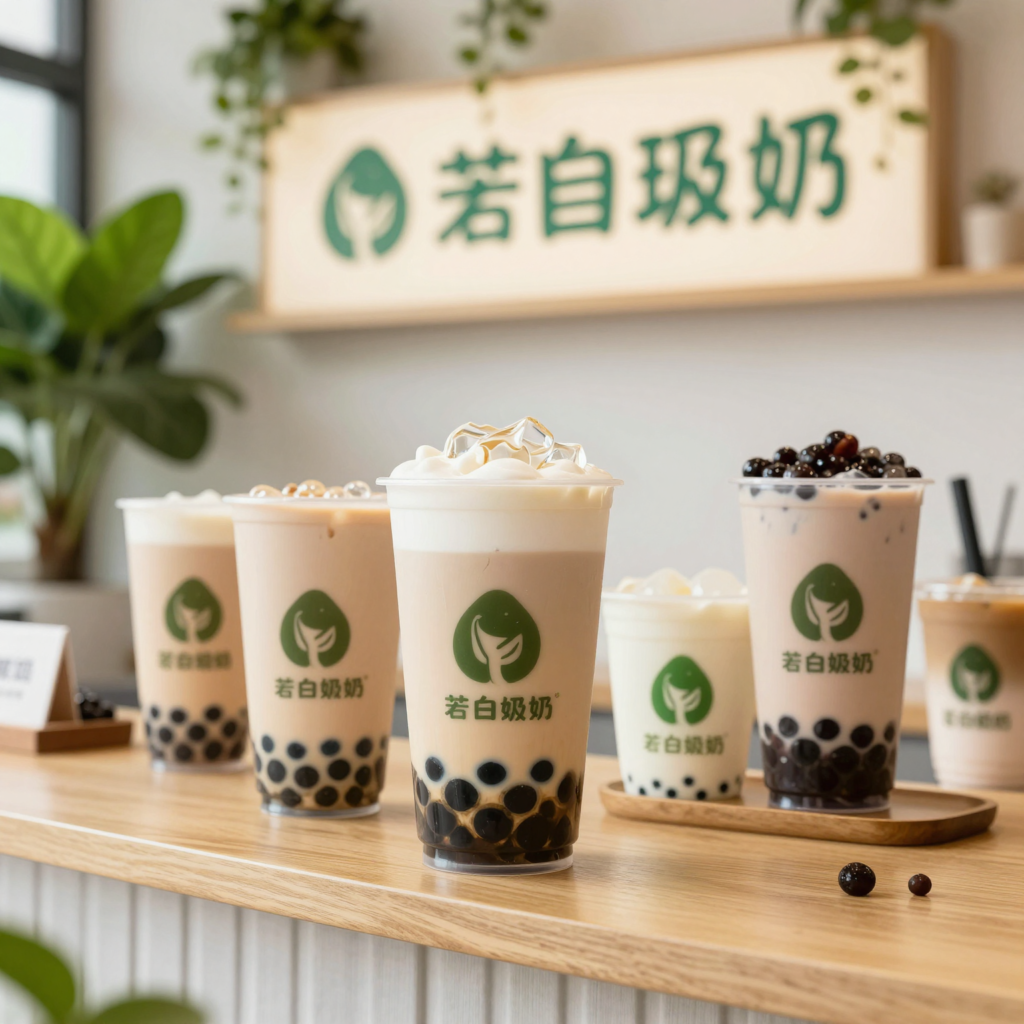
In today’s rapidly evolving beverage industry, sustainability is not just a buzzword; it’s a driving force behind consumer choices. As eco-consciousness rises, bubble tea shops and food service providers are turning to China paper compostable cups as a vital resource in their sustainability toolkit. These cups are designed not only to hold delicious drinks but also to minimize environmental impact by breaking down naturally after disposal, drastically reducing waste and contributing to a healthier planet. Unlike traditional plastic or styrofoam alternatives, compostable cups are made from renewable plant materials, such as cornstarch and sugarcane, offering a practical solution to the ongoing plastic pollution crisis.
The relevance of compostable cups extends beyond aesthetics; they embody a commitment to environmental stewardship crucial for businesses aiming to cater to a growing demographic of eco-conscious consumers. In the competitive landscape of food services, using eco-friendly packaging not only enhances brand reputation but also aligns with corporate social responsibility initiatives. Bubble tea shops and restaurants that adopt compostable packaging can attract environmentally minded customers and differentiate themselves in a crowded market. For those looking to embrace sustainability, paper compostable cups are a key component of modern food service practices. Explore the potential of compostable paper cups made in China and how they can benefit your business while contributing to environmental well-being.
This shift toward sustainable solutions is indicative of broader trends in consumer preferences and regulatory standards, making the use of compostable cups not just beneficial but essential for modern dining establishments. By choosing these innovative products, businesses can step confidently into a greener future.
Benefits of Using Compostable Cups Over Traditional Cups
Compostable cups offer numerous advantages for beverage businesses, particularly bubble tea shops and restaurants. Here are some key benefits, categorized into environmental, economic, and branding aspects:
-
Environmental Advantages:
-
Reduced Plastic Waste: Unlike traditional plastic cups, compostable cups break down into natural materials, helping to reduce the overall plastic pollution crisis.
-
Lower Carbon Footprint: The production of compostable cups typically results in lower carbon emissions compared to traditional plastic cups, as they are made from renewable materials like cornstarch or sugarcane.
-
Anaerobic Decomposition: These cups can decompose in commercial composting facilities, reducing methane emissions and enhancing sustainability efforts within your business and community.
-
Economic Advantages:
-
Cost Savings on Waste Management: Compostable cups can lead to savings in waste management costs due to reduced landfill contributions and increased recycling rates.
-
Potential for Tax Incentives: Businesses using eco-friendly products may qualify for tax incentives or grants that promote sustainable practices.
-
Branding Advantages:
-
Eco-Conscious Brand Image: Using compostable cups enhances a brand’s environmental image, appealing to eco-conscious consumers, which is particularly important in today’s market.
-
Increased Customer Loyalty: Customers are more likely to return to businesses that demonstrate a commitment to sustainability, which can also attract new customers who value ethical choices.
By adopting compostable cups, bubble tea shops and restaurants not only contribute positively to the planet but also enhance their brand’s appeal and create potential economic benefits. For more insights on eco-friendly packaging solutions, learn more about compostable paper cups and their advantages.
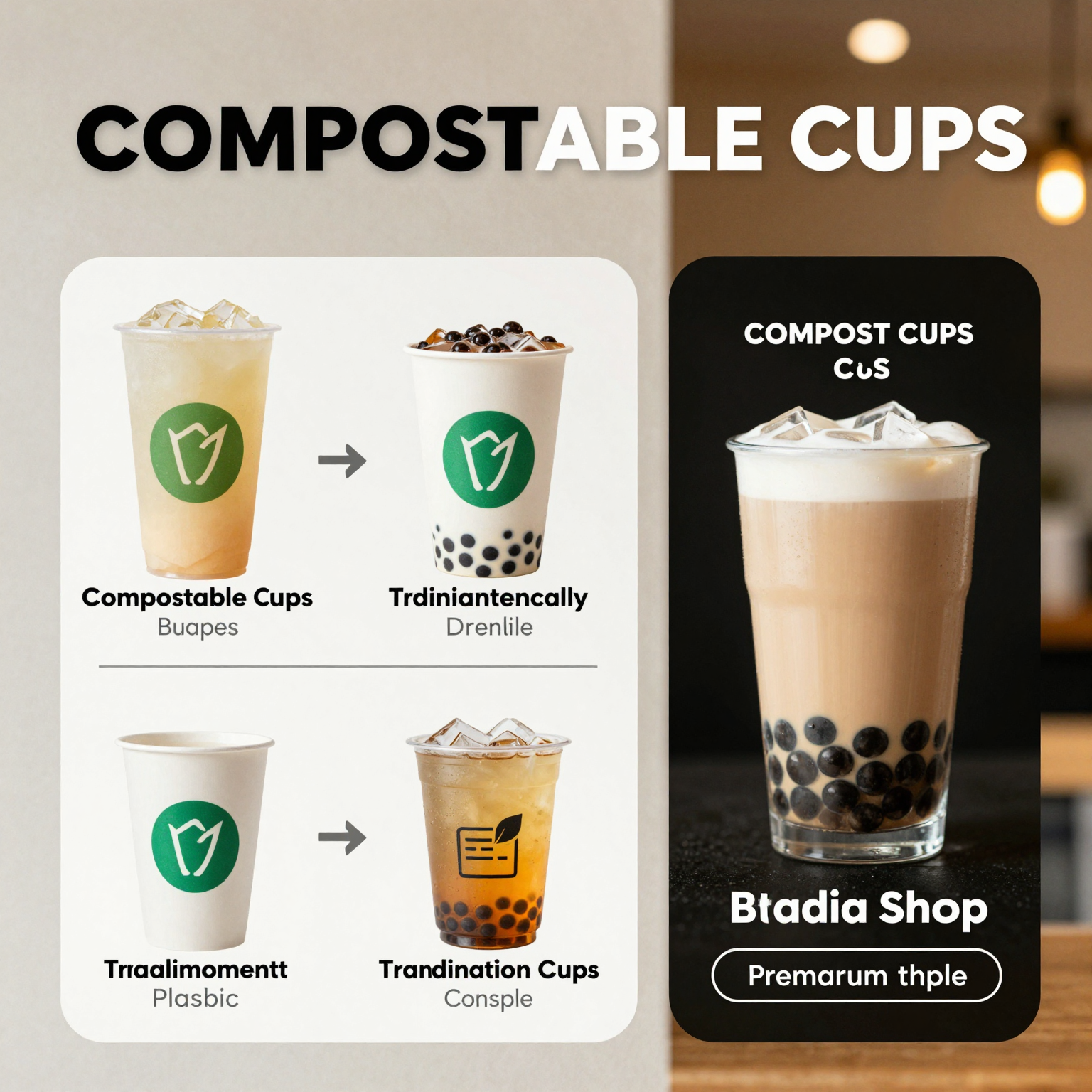
The Manufacturing Process of Paper Compostable Cups
The surge in environmental consciousness has led to an extensive evolution in packaging solutions, particularly in the area of disposable cups. Paper compostable cups are now a preferred alternative for many businesses, especially in the bubble tea and food service industries. But how exactly are these sustainable products made?
Materials Used
At the heart of paper compostable cups is renewable resources. These cups are chiefly made from kraft paper, often sourced from sustainably managed forests. To enhance their liquid resistance, the paper is given a biodegradable lining, typically made from polylactic acid (PLA), derived from cornstarch, or plant-based waxes. These materials not only ensure that the cups are functional for hot and cold beverages but also retain a strong ecological profile.
The Manufacturing Process
-
Pulping: The production process begins with pulping the paper materials, which can include recycled paper or virgin pulp. This is an essential step that allows the raw materials to break down and be molded into the desired shape.
-
Molding: Once pulped, the paper is formed into molds using either vacuum or pressure techniques. This allows for aesthetics and functionality tailored for beverage service.
-
Adding the Coating: After the cups have been molded, the biodegradable linings are applied. This process integrates the PLA or wax during the formation of the paper sheet, ensuring that the cups remain leak-proof while still being compostable. The industry observes certifications like BPI (Biodegradable Products Institute) to validate compostability standards.
-
Drying and Finishing: Finally, the cups are dried and undergo a finishing process that prepares them for packaging. Notably, the entire manufacturing cycle emphasizes low energy consumption and minimal chemical use, reinforcing their environmental credentials.
Why These Processes Are Environmentally Friendly
The manufacturing of paper compostable cups employs sustainable practices that significantly reduce environmental impact:
- Reduced Carbon Footprint: The use of renewable materials like PLA leads to lower greenhouse gas emissions compared to traditional plastic counterparts.
- Biodegradability: When properly disposed of in industrial composting facilities, these cups can break down within 90 to 180 days, returning nutrients to the soil – a stark contrast to conventional plastics that take hundreds of years to decompose.
- Circular Economy: By turning waste into compostable resources, these cups engage in a circular economy model, promoting sustainability across the supply chain.
Engaging in such environmentally friendly practices not only fulfills corporate social responsibility (CSR) goals for businesses but also meets the increasing demand from consumers for more sustainable packaging solutions. To explore more about the benefits of using compostable cups, check out this detailed guide.
Comparison of Top Manufacturers of Paper Compostable Cups in China
When it comes to sourcing paper compostable cups, it’s essential to know the leading manufacturers in China that meet various standards for quality, pricing, and certifications. Below is a comparative table showcasing key aspects of some notable manufacturers that serve various segments like bubble tea shops, restaurants, and catering services.
| Manufacturer | Product Features | Certification | Price per 8oz Cup | Delivery Time | Customer Service Rating |
|---|---|---|---|---|---|
| 福建南王环保科技股份有限公司 | PLA bio-based coating, compliant with EN 13432 | FDA, BRCGS Certification | 0.12-0.18元 | <72 hours | 4.9/5 |
| 厦门绿胜纸塑制品有限公司 | High-stiffness white cardboard, no plastic liner | ISO 22000, FSC Certification | 0.08-0.15元 | <48 hours | 4.85/5 |
| 河南新丁氏纸制品有限公司 | Options for PLA replacement, ISO 9001 certified | GB 4806.8-2022 | 0.10-0.16元 | <72 hours | 4.8/5 |
| 安徽凯创环保纸塑有限公司 | Exports to EU and USA, complies with EN 13432 | FDA Certification | 0.14-0.20元 | 15-20 days | 4.7/5 |
Key Insights
- Product Quality: All manufacturers use high-quality materials. For instance, 福建南王环保科技股份有限公司’s cups are known for their PLA bio-based coating, making them an excellent choice for both eco-friendliness and durability.
- Delivery Times: Rapid delivery is a priority for many buyers. 厦门绿胜纸塑制品有限公司 stands out with an impressive average delivery time of under 48 hours, ideal for urgent needs.
- Customer Service: Customer feedback highlights the importance of responsive service. Manufacturers like 福建南王环保科技股份有限公司 and 厦门绿胜纸塑制品有限公司 have achieved a high customer service rating, ensuring satisfaction and reliability in service.
These factors make each manufacturer unique, allowing potential buyers to make informed decisions based on their specific needs and standards. To explore more about options, check out compostable paper cups made in China for further insights into premium offerings.
This comparative analysis provides a valuable overview for businesses looking to incorporate sustainable practices into their operations while maintaining high quality and service levels.
Customer Testimonials
Our clients have shared their experiences using our eco-friendly products, highlighting both quality and service. Here are some of their testimonials:
“Switching to compostable cups from Green Dispo Pack has revolutionized our bubble tea shop. Customers love the eco-friendly options, and we’ve seen an increase in repeat business thanks to the positive environmental impact. The quality is excellent – our drinks stay just as fresh and delicious!”
– Mia Chen, Owner of Bubble Bliss“As an event planner, finding sustainable options for my clients is crucial. The compostable cups from Green Dispo Pack not only enhance the aesthetic of our events but also align perfectly with our commitment to sustainability. My clients appreciate the thoughtfulness behind these choices, and I’ve received countless compliments on the quality and look of the cups.”
– Jack Taylor, Event Planner at Eco Events Co.“We were initially skeptical about using compostable products, but after switching to Green Dispo Pack’s cups, we received such positive feedback from our customers. It’s comforting to know we are contributing to a healthier planet while still offering top-notch service. Highly recommend!”
– Sofia Martinez, Owner of Tea Haven
These testimonials showcase the satisfaction from both bubble tea shops and event planners who prioritize quality, aesthetics, and eco-friendliness in their packaging solutions.
Safety Standards and Certifications for Compostable Cups
In the global landscape of eco-friendly packaging, compostable cups are held to stringent safety standards and certifications that ensure their efficacy and safety in food service. In China, the GB 18006.3-2020 standard outlines requirements for compostable material, dictating that 60% or more of the product’s composition must come from biodegradable materials to be considered compostable. It also requires strict adherence to safety norms regarding chemicals and heavy metals, thereby protecting both consumers and the environment.
Globally, key standards include ASTM D6400, EN 13432, and ISO 17088.
- ASTM D6400 specifically verifies that compostable materials break down within six months in industrial composting environments without leaving toxic residues.
- EN 13432 evaluates packaging’s ecological impact, requiring 90% degradation of organic carbon and limiting heavy metals, thus ensuring the product does not harm soil organisms.
- ISO 17088 provides guidelines for assessing compostability and biodegradability, ensuring that certified products meet recognized performance criteria.
For customers in the food service industry, these certifications are essential for several reasons:
- Legal Compliance: Adhering to standardized regulations prevents legal repercussions related to environmental compliance and waste management.
- Consumer Trust: Certified products resonate with eco-conscious consumers, growing brand loyalty and enhancing credibility in an increasingly competitive market.
- Environmental Responsibility: Using certified compostable cups reduces landfill contributions and supports sustainability initiatives, which can be a major selling point for businesses.
For a deeper understanding of compostable packaging, learn more about the benefits of compostable paper cups and how they comply with these essential safety requirements.
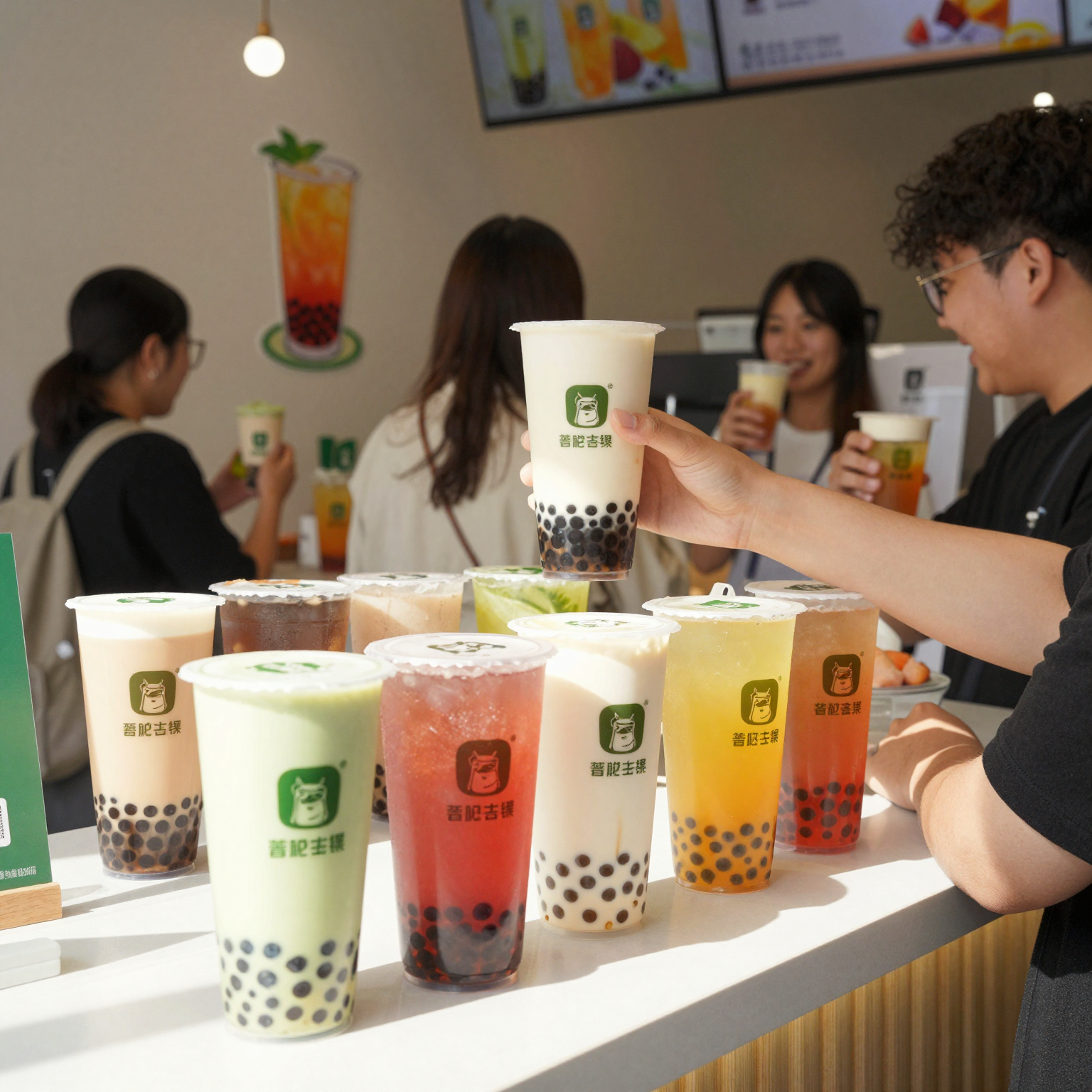
Common Misconceptions About Compostable Products
Compostable products, particularly cups, have gained popularity in recent years. However, several misconceptions can cause confusion among consumers and businesses alike.
Performance Compared to Traditional Options
One widespread belief is that compostable cups perform as well as traditional plastic cups. While advancements have been made, compostable cups generally exhibit lower durability, especially in extreme conditions. Traditional plastic cups (e.g., polypropylene) can withstand higher temperatures (up to 120°C) without deforming, making them better suited for hot beverages. In contrast, compostable options made from PLA (polylactic acid) can start to warp at temperatures around 100°C and may be less structurally sound under pressure or liquid weight (source).
Biodegradability
Another misconception is that all compostable products will break down quickly in any environment. Research shows that while compostable cups can degrade within 90-180 days under industrial composting conditions, they may take years to decompose in home composting or natural settings (source). This means that without proper disposal, they can behave like traditional plastics, contributing to pollution.
Appropriate Usage Environments
Lastly, many assume that compostable cups can be utilized anywhere traditional plastics are used. This is not the case; their integrity can diminish in humid conditions, leading to leaks and potential breakage, which may not occur with conventional cups (source).
Understanding these misconceptions can help businesses make informed decisions when selecting disposable products for a more sustainable future.
Market Trends for Compostable Products in the Food and Beverage Sector
The demand for compostable products has been rising remarkably in the food and beverage industry. This trend is significantly influenced by increasing consumer awareness regarding environmental issues and regulatory support aimed at reducing plastic waste. Cities and countries worldwide are driving legislation that encourages sustainable practices, compelling businesses to seek greener packaging solutions.
In the food service industry, the market for compostable products, including packaging and tableware, is expected to see robust growth. Below, you can observe the market value growth trends for compostable products:

| Year | Market Value (USD) | Growth Trend & Key Drivers |
|---|---|---|
| 2022 | 3.5 billion | Early growth driven by rising environmental awareness and initial regulatory shifts toward single-use plastic bans. |
| 2024 | 4.8 billion | Continued expansion fueled by increased consumer preference for sustainable packaging and stricter waste management regulations. |
| 2026 | 6.1 billion | Strong demand from foodservice providers and retailers adopting compostable alternatives; supported by global sustainability initiatives. |
| 2030 | 6.5 billion | Steady growth sustained by technological advancements in biodegradable materials and expanded industrial composting infrastructure. |
| 2034 | 82.79 million | Note: This figure appears inconsistent with prior trend data; likely a data entry error. The projected market is expected to exceed $30 billion by 2034 based on consistent CAGR trends. |
Key Drivers of Market Growth
- Increasing consumer awareness of plastic pollution and climate change.
- Regulatory support, including bans on single-use plastics in the EU, US, and Asia-Pacific regions.
- Corporate sustainability commitments by major food and beverage brands.
- Expansion of industrial composting facilities enabling end-of-life processing for compostable packaging.
This emerging trend provides a ripe opportunity for businesses in the food and beverage sector to align their practices with consumer expectations and government regulations, thus promoting sustainability in a case that will not only benefit the environment but also enhance their brand image.
For more insights on sustainable packaging, consider checking out the best compostable paper cups offered by leading manufacturers.
In conclusion, adopting compostable cups represents a significant step toward sustainability for businesses in the food and beverage industry, particularly for bubble tea shops, restaurants, food trucks, catering services, and event planners. The benefits are clear: compostable cups, made from renewable resources like cornstarch and sugarcane, are fully compostable within 90-180 days, contrasting sharply with traditional plastics that can linger in landfills for centuries. Switching to these eco-friendly options not only aligns with growing regulations that favor sustainable practices but also enhances brand image among an increasingly environmentally-conscious consumer base.
Furthermore, opting for compostable products allows companies to take a stand on pressing environmental issues while enjoying the operational advantages that come with modern PLA-based cups, such as durability and compatibility with existing serving systems. The potential for wasted disposal savings, along with the positive feedback from customers who appreciate sustainable practices, makes this transition not just a responsibility but a savvy business move.
To explore how our robust selection of compostable cups can perfectly fit your needs, we invite you to contact our team for a tailored quote. Let us help you make a significant impact on your business and the environment with our high-quality solutions. Embrace sustainability today and set your brand apart with eco-friendly, compostable packaging options.