
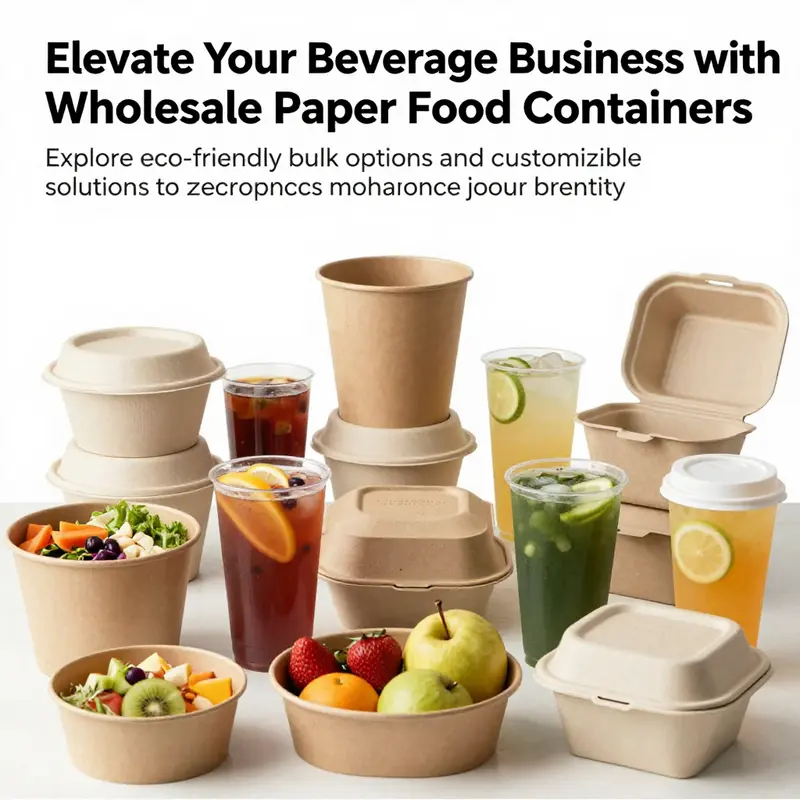
As the food service industry adapts to evolving consumer preferences, the choice of packaging can significantly impact your business’s sustainability and branding. For bubble tea shops, restaurants, food trucks, catering services, event planners, and corporate procurement teams, sourcing quality paper food containers in bulk has never been more essential. Not only do these containers provide practical advantages for holding beverages and meals, but they also reflect a commitment to environmental stewardship and brand personalization. This guide will walk you through the essentials of sourcing wholesale disposable paper food containers, including eco-friendly options to meet customer demands and how to customize packaging to reinforce your brand identity. Each chapter will delve into key aspects that are vital for businesses seeking to stay competitive while prioritizing sustainability and customer satisfaction.
Bulk, Brand, and Green Promise: Mastering Sourcing for Wholesale Paper Food Containers
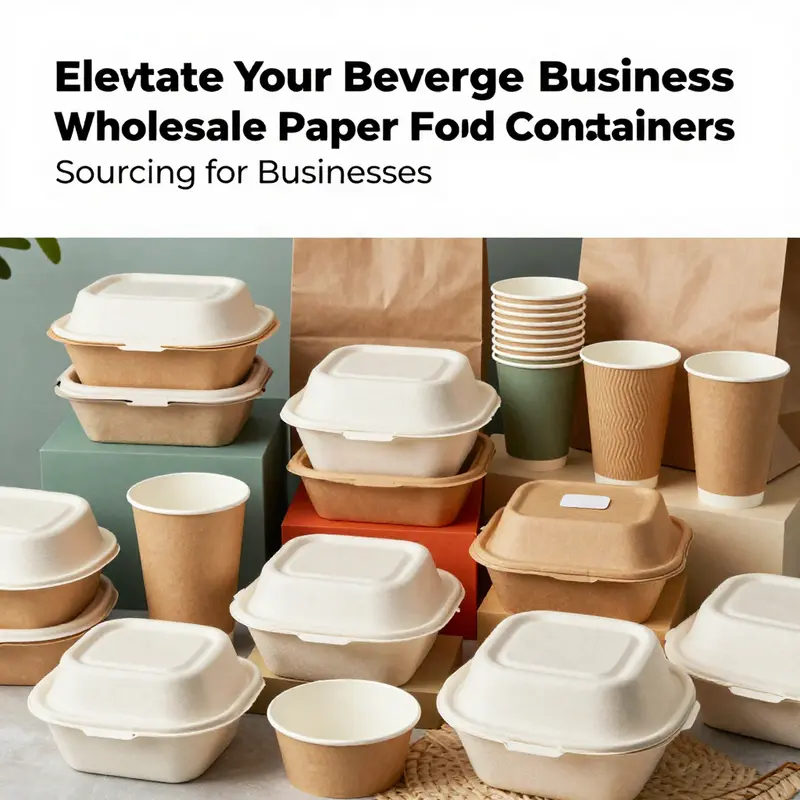
A growing chorus in the food service world centers on packaging that respects the planet without sacrificing performance. Wholesale disposable paper food containers have moved from a mere convenience to a strategic asset in the modern operator’s toolkit. They are the physical expressions of a brand’s values—sustainability, reliability, and delivery efficiency—translated into a clean, functional shell that travels from kitchen to customer and back, or into a composting stream, depending on the journey. For restaurants, caterers, takeout platforms, and even brick-and-mortar retailers that manage food offerings, the decision to buy paper containers in bulk is a decision about operational discipline, customer experience, and the long arc of waste management. When done well, bulk sourcing aligns cost controls with environmental goals, enabling a more confident commitment to responsible packaging across menus, formats, and service models.
The current market climate strongly reinforces this alignment. Environmental regulations in North America and Europe increasingly tighten the rules governing non-biodegradable materials, pushing businesses away from Styrofoam and other legacy packaging toward paper-based alternatives. Consumers, too, show clear preferences for packaging that communicates a care for the environment, particularly for takeaway and delivery experiences where packaging touches the customer’s first and last impressions. In this environment, a well-planned wholesale strategy does more than reduce unit price; it protects brand consistency, ensures regulatory compliance, and supports waste diversion targets that can become a meaningful differentiator for a business. The shift toward compostable and recyclable paper solutions is not simply a trend but a structural change in the supply chain for food packaging, one that benefits from scale, reliability, and transparent sourcing.
To understand the sourcing landscape, it helps to sketch the broader manufacturing and logistics canvas that underpins wholesale purchases. China remains the central hub for paper-based packaging production, thanks to its mature supply chains, dense supplier ecosystems, and the ability to coordinate complex production schedules with remarkable consistency. Regions like Guangdong, Zhejiang, and Shanghai anchor the manufacturing network, where factories leverage automated lines capable of handling millions of units monthly. This scale translates into tangible advantages for buyers: shorter lead times, predictable production rhythms, and the capacity to respond quickly to changing demand. A typical order path in this system moves from design and qualification through private-label or standard-product runs, then onto tooling, samples, and mass production. The model accommodates both small trial batches and large-scale private-label runs, allowing a company to test a new concept with limited risk before committing to a broader rollout.
The material options driving today’s paper containers are diverse and purpose-driven. Recycled paperboard remains a foundational choice for many brands, offering a solid balance of strength, printability, and sustainability. Bagasse, a byproduct of sugarcane processing, brings a lighter weight and a distinct compostability story that resonates with markets seeking faster biodegradation. Molded-fiber options, formed from natural fibers and lacking synthetic coatings, often appeal to brands prioritizing high-end compostability profiles and robust performance under heat and moisture. Each material family has its own regulatory and certification landscape. Compostable options frequently reference standards such as EN 13432 in Europe or ASTM D6400 in the United States, while recycled-content products may bear certifications like FSC for responsibly sourced fiber or ISO 14001 for environmental management systems within supplier facilities. The practical impact for the buyer is clear: choosing the right material mix enables compliance with local disposal guidelines, reduces confusion at the consumer level, and helps the brand tell a consistent sustainability story across markets.
Lead times and customization capabilities shape the buying process as much as raw materials. For standard lines, producers often offer turnaround windows in the vicinity of two to three weeks, with flexibility to push toward shorter cycles for repeat customers or long-standing buyers. For private-label projects, the clock can extend, but it still benefits from the same manufacturing gravity—large-scale factories with strong quality-control pipelines and established raw-material traceability. It is common to see options that fit a spectrum from ready-made stock items to fully customized sizes, shapes, and brand treatments. Customization may include logo printing via offset, UV spot, or hot foil techniques, enabling a brand to maintain visual continuity across in-store, online, and delivery channels. A strong supplier relationship integrates the branding process into the packaging development pipeline, decreasing turnaround times for proofs, samples, and final approvals and enhancing the likelihood of on-time market introduction.
A pivotal aspect of wholesale sourcing is supplier reliability and the transparency of the supply chain. Buyers increasingly prioritize verifiable partnerships with clear documentation of materials, manufacturing processes, and certification statuses. Product certifications—such as FDA clearance for food-contact safety, CE marking for compliance in European markets, or BRCGS for food-safety management—provide verifiable signals of quality and regulatory alignment. For companies selling into multiple regions, a single supplier capable of meeting cross-border standards can reduce complexity and risk, while enabling smoother operations and easier audits. Platforms that curate supplier ecosystems, including verified or “diamond” status suppliers, become a practical bridge between procurement teams and the production floor. The value of such platforms lies less in the promise of a single great deal and more in ongoing performance: consistent quality, reliable raw-material sourcing, repeatable delivery, and responsive customer service that can adapt to evolving requirements.
Within this ecosystem, the question of minimum orders and unit pricing becomes a central tension. Wholesale suppliers may set minimum order quantities (MOQs) that reflect production economics, inventory holding costs, and the need to amortize tooling and setup expenses. For some manufacturers, MOQs can be quite substantial, sometimes tens of thousands or more per order, with unit prices that dip as volumes climb. This is where the strategic logic of bulk purchasing reveals itself: a higher initial commitment to inventory can yield stronger unit economics over the life of a contract, especially when a business runs high-volume takeout or delivery operations across multiple locations or brands. But bulk buying also demands careful demand forecasting, a credible replenishment plan, and a solid risk assessment around waste and obsolescence. The best-informed buyers use data-driven forecasts that consider seasonal demand, promotional cycles, and changes in consumer behavior, aligning orders with production windows while maintaining enough safety stock to prevent stockouts during peak periods.
Another practical driver is the option to procure pre-production samples. Before committing to large-scale runs, buyers can request samples to assess form, function, and branding compatibility. This step helps minimize the risk of returns or quality issues after mass production and can accelerate time-to-market, particularly for seasonal menus or promotional campaigns. A supplier capable of providing reliable samples—paired with transparent material specifications and test results—offers a higher probability that a project will launch smoothly. Customization for branding, text, or logos becomes more predictable when the supplier can demonstrate precise color fidelity and print durability on the chosen material. In the context of high-volume packaging, even small deviations in print quality, moisture resistance, or heat tolerance can ripple into customer dissatisfaction, logistical delays, or branding inconsistency. Therefore, test runs and sampling are not frivolous steps; they are essential risk management practices that pay dividends in the long run.
An important facet of wholesale sourcing is the balance between cost efficiency and speed. For businesses contemplating bulk orders, there is value in suppliers who can offer direct factory pricing and flexible payment terms, particularly for first-time buyers or those expanding into new markets. Some reputable suppliers and sourcing platforms can facilitate price transparency, provide free samples, and support iterative design in the early stages of a project. In practice, a buyer might begin with a pilot order of a few thousand units to validate packaging performance under real-world conditions—microwave safety, grease resistance, seal integrity, and stacking strength—before transitioning to a larger rollout. The ability to align pricing with a ventilation of customization, from print branding to private-label packaging, makes bulk sourcing more than a transaction; it becomes a collaborative effort to evolve a brand’s packaging language across channels while preserving margins.
The decision to buy wholesale paper containers also intersects with logistics planning and environmental stewardship. Efficient packaging not only reduces waste but also optimizes shipping efficiency. Packaging that is designed to maximize space, minimize voids, and provide reliable stacking reduces freight costs and lowers the carbon footprint of the entire supply chain. For many operators, the choice extends beyond the container itself to the end-to-end experience, including how containers perform in the kitchen, during transit, and upon customer receipt. Microwave-safe and sanitary-ready specifications matter in fast-service environments where speed and safety are non-negotiable. The best supplier partnerships deliver more than a product; they deliver a package of services that includes packaging design guidance, material testing data, end-of-life disposal advice, and coordinated logistics that keep inventories lean while ensuring product availability when demand spikes.
The sourcing dance includes a practical look at the shape, form, and branding opportunities that these containers can offer. The market today features a spectrum of sizes and styles—from compact 200–300 milliliter portion cups to larger 750 milliliter salad bowls, and from simple round or square profiles to more distinctive forms that help a brand differentiate its offerings at the point of sale. The choice of shape affects not only aesthetics but also performance: a well-chosen container can improve heat retention, maintain moisture control, and reduce spill risk during delivery. For brands that rely on strong visual identity, customization becomes a competitive advantage. Whether a business opts for offset printing, UV spot coloring, or metallic hot foil embellishment, the packaging becomes a canvas that communicates quality and consistency with every box, bowl, or sleeve. Aggregators and marketplaces facilitate this customization by linking buyers with manufacturers who specialize in branding, materials, and finishes. Yet the path from idea to finished product remains a collaborative journey: design teams and suppliers must validate tolerances, durability, and regulatory compliance across every iteration.
As buyers navigate these complexities, the importance of a disciplined vendor selection process cannot be overstated. The most successful wholesale buyers maintain a transparent scoring framework that evaluates reliability, traceability, and environmental credentials. Reliability is more than on-time delivery; it encompasses consistent product quality, stable supply, and responsive communications. Traceability refers to the ability to identify raw-material sources, monitor changes in formulation, and verify that certifications remain valid across batches. Environmental credentials may include certifications such as FSC for wood-based fibers or third-party assessments of compostability and recyclability. A supplier with robust quality-control processes and a documented track record of meeting international standards earns a distinct advantage, particularly for businesses supplying multiple markets with varying disposal regulations. The procurement culture that emerges from this approach is one of informed decision-making, continuous improvement, and shared risk management rather than a one-off purchase.
For those seeking concrete pathways to action, there is a practical route that begins with an assessment of your current packaging portfolio and your future growth targets. Start by mapping current demand across locations, channels, and menu formats. Then catalog existing container types, noting capacity, material, and packaging performance in real-world conditions. With this map as a baseline, evaluate potential suppliers against core criteria: material integrity, certification status, MOQs aligned to your forecast, customization options, and the ability to deliver samples or pilot runs within your required timescales. It is also worth considering the supplier’s approach to sustainability beyond the product itself—whether the factory participates in responsible sourcing programs, whether waste streams are managed in a way that supports circularity, and whether the supplier communicates end-of-life guidance for customers. Engaging in this kind of holistic evaluation helps ensure that the chosen partner supports both business efficiency and long-term environmental goals.
In practice, the decision to source wholesale paper containers becomes a balancing act among several interdependent factors. There is the strategic motive—brand integrity, regulatory compliance, and sustainability leadership. There is the operational reality—lead times, MOQs, sample programs, and customization capabilities. And there is the market context—competition, consumer expectations, and evolving disposal infrastructure. A well-constructed sourcing plan considers all three strands in concert, creating a supply chain that can scale with demand while staying faithful to the company’s core values. The outcome is not a single, perfect container but a dynamic, adaptable system: a network of vetted suppliers offering consistent quality, traceability, and the flexibility to evolve with the business.
A practical illustration of this integrated approach can be seen through the broader ecosystem of packaging solutions that favor eco-friendly and recyclable materials. The market now embraces kraft-based options, which pair the natural aesthetic of brown paper with the performance needed for takeout and delivery. These containers are designed to be robust in transit, grease-resistant, and compatible with a range of cold to warm menu items. In addition, the potential for branding through custom prints and logos enables businesses to extend their visual footprint beyond the plate or bowl itself. For many operators, such branding opportunities translate into stronger customer recall and a more cohesive omnichannel experience. Within the supply chain, this alignment of aesthetics and sustainability supports a narrative that resonates with customers who are increasingly selective about how brands package and present their food.
To close the loop on sourcing considerations without closing the door to opportunity, consider how you might explore the spectrum of wholesale options while maintaining a pragmatic focus on quality, cost, and environmental impact. Seek suppliers that can demonstrate material certifications, provide evidence of traceability, and show consistent performance across batches. Prioritize those who can offer samples, flexible MOQs, and clear terms for private-label or branded packaging. Establish a transparent communication cadence, with regular updates on production status, raw-material changes, and potential delays. Build testing protocols that verify performance under your specific use cases—delivery in varying climates, reheating in microwaves, or prolonged shelf life for meal kits. As you expand, leverage the insights from cross-functional teams—procurement, operations, marketing, and sustainability—to ensure that your packaging choices align with every facet of the business.
Throughout this journey, a central thread remains constant: wholesale paper containers are a conduit for broader strategic objectives. They are the physical artifacts of a business’s commitment to responsible practices, brand consistency, and reliable customer experiences. When approached with a disciplined, data-informed mindset, sourcing paper containers in bulk becomes less about chasing the lowest unit price and more about building a resilient packaging program. This program supports efficient operations, clarifies the brand story, and reinforces a company’s role in advancing sustainable packaging practices across markets. The result is a cohesive, scalable solution that respects the planet and satisfies customers who care about how their meals are packaged, delivered, and disposed of. And as markets continue to evolve, the emphasis on quality, transparency, and sustainability in wholesale sourcing will only grow stronger, guiding businesses toward packaging strategies that are both economically prudent and environmentally responsible.
For readers seeking a tangible example of how these concepts translate into real-world options, consider the breadth of packaging formats and customization capabilities often available through reputable wholesale channels. In many cases, suppliers can provide a range of packaging bodies—from kraft paper bowls and boxes to molded-fiber alternatives—alongside customization services that support branding across sizes and formats. The ability to mix and match sizes, shapes, and branding treatments helps operators craft a uniform family of products that reinforce the brand while adapting to diverse menu items. To illustrate, a practical enabling feature in this space is the opportunity to sample, verify, and iterate, which reduces the risk of large-scale misalignment between product performance and customer expectations. This approach is especially valuable when expanding into new regions or launching seasonal campaigns, where packaging performance can directly influence consumer satisfaction and repeat orders.
Ultimately, the wholesale journey is as much about partnership as it is about product. It is about finding suppliers who can walk with a brand through the multiple stages of development—from initial concept and design through to mass production and ongoing replenishment. It is about establishing a cooperative relationship that fosters continuous improvement, strong communication, and shared commitments to sustainability. And it is about building a flexible, dependable supply chain that can adapt to shifting demand, regulatory changes, and new consumer expectations without compromising on quality or brand integrity. In a world where fast, reliable, and responsible packaging is the norm, sourcing wholesale paper containers becomes a differentiator that supports long-term growth, customer trust, and a credible leadership stance on environmental stewardship.
To connect this broader narrative to practical, day-to-day actions, consider a concrete step you can take in your procurement workflow today. Begin by auditing your current container lineup, capturing the material, capacity, and any performance constraints. Then map out upcoming demand across your channels and set a target for how much you want to consolidate with fewer suppliers while maintaining or enhancing sustainability credentials. Engage with suppliers who can provide evidence of material certifications and traceability, request samples for testing under your menu scenarios, and ask for private-label options that align with your branding strategy. If you find a partner who can deliver consistent quality, clear communication, and competitive pricing for the volumes you require, you will have established a foundation on which to build a scalable, sustainable packaging program that serves the business well into the future.
Internal link reference for further exploration: if you are curious about specific kraft packaging formats that combine function with distinctive branding, you can explore options like octagonal kraft paper packaging, which illustrate how thoughtful shape and finish can elevate a takeout experience. octagonal kraft paper packaging
External resource for broader context and supplier insights: for a current snapshot of wholesale disposable paper containers, including market options and certification considerations, see the following external source. https://www.alibaba.com/product-detail/Disposable-Food-Containers-200ml-Capacity-CE_1600758338752.html
Sustainable Choices in Wholesale Paper Food Containers: Designing Eco-Friendly Packaging for Food Service
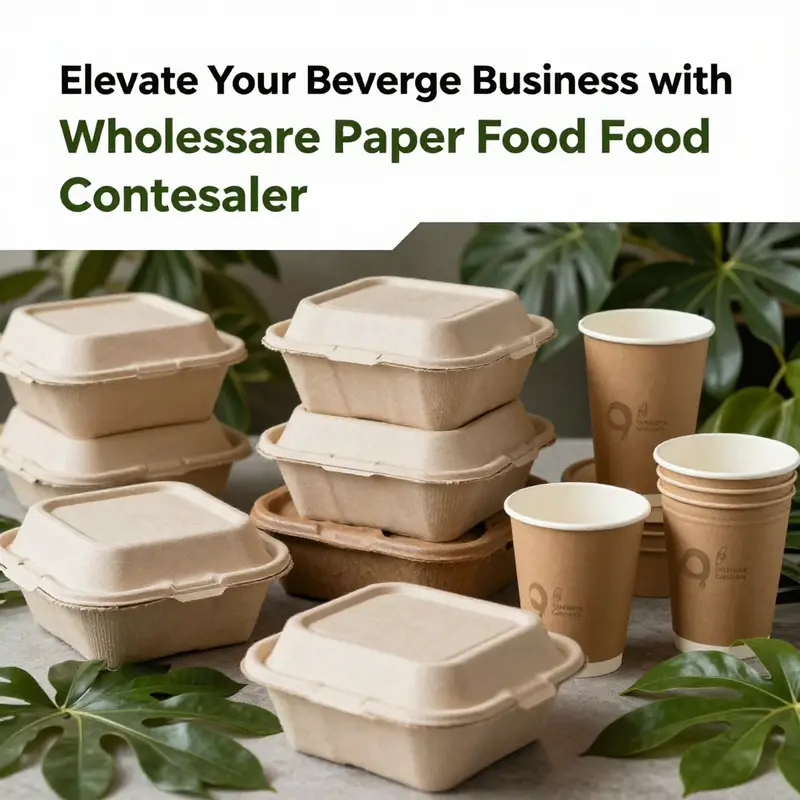
The wholesale market for paper food containers has entered a phase where sustainability is no longer a niche attribute but a core criterion for sourcing decisions. In practice, buyers are not simply scanning for the lowest unit price or the most convenient MOQs; they are evaluating how a container aligns with a broader commitment to responsible sourcing, waste minimization, and transparent end‑of‑life outcomes. This shift has real consequences for every stage of the procurement journey, from the selection of materials and manufacturing processes to the way a business communicates its values to customers and partners. In this landscape, the emphasis on eco-friendly options emerges as a practical strategy that blends environmental accountability with operational efficiency, brand differentiation, and long-term cost considerations. The narrative of wholesale paper containers has evolved from a focus on function and price to a more nuanced calculus that weighs material choices, production ethics, and end‑of‑life performance against the needs of diverse food service contexts.
At the heart of eco-friendly paper containers is a spectrum of material choices that reflect both natural resource stewardship and performance requirements. Unbleached kraft paper, derived from renewable fiber sources and produced without the heavily chlorinated processes used in some traditional papers, presents a warm, natural appearance that signals sustainability while maintaining structural integrity. This kind of material can be engineered to offer high tear resistance and strong load-bearing capacity, which are essential for handling soups, sauces, and greasy items during transport. The natural brown tone of unbleached kraft is not merely aesthetic; it is a reminder that the product is designed with minimal chemical alteration, reducing environmental impact without sacrificing reliability. At the same time, advances in mechanical engineering and adhesive technologies allow these containers to perform as well as, or better than, some conventional options when it comes to leakage resistance and transport resilience.
A further dimension of eco-friendly performance arises from the adoption of food‑grade coatings and barrier technologies. In many sustainable designs, a surface treatment is employed to improve water resistance and oil resistance, enabling containers to hold liquids and fats without compromising integrity during stacking, handling, or transit. Some higher‑end variants explore plant‑based coatings such as polylactic acid (PLA), which can provide a protective barrier while supporting compostability under the right conditions. The balance here is subtle: the coating must enhance functionality yet not undermine the container’s end‑of‑life prospects. When done well, PLA or similar bio‑based coatings can deliver a practical compromise that satisfies both performance criteria and environmental expectations, ensuring that a container remains a viable option for takeout, delivery, or in‑house service wherever a business operates.
Another pillar of sustainable design is the integration of robust seam and closure technology. The point where two surfaces meet is a site of potential failure if moisture breaches occur. Modern eco-friendly containers address this through the use of food‑grade adhesives or mechanical interlocks that reinforce seams, particularly at critical junctions such as rims and bottoms. This focus on structural integrity is not a mere afterthought; it directly influences waste reduction by reducing the likelihood of leaks, spills, and container collapse during transport. The result is a product that not only serves as a practical vessel for meals but also aligns with the operational realities of busy kitchens and delivery routes, where mishaps can lead to waste, customer dissatisfaction, and added costs.
Understanding end‑of‑life scenarios is equally essential. Sustainable options are evaluated not only on how they perform in the kitchen but on how they are disposed of after use. Many eco-conscious containers are designed to be recyclable through standard municipal streams or compostable through certified industrial facilities. The availability and reliability of these pathways vary by region, which is why buyers increasingly seek documentation and certifications that attest to the product’s lifecycle claims. Certifications such as forest management and environmental stewardship programs provide verification that the raw materials originate from responsibly managed sources. In practice, this means asking suppliers for evidence of FSC certification for fiber sources or equivalent assurances, along with third‑party endorsements that verify compostability or recyclability. These verifications help ensure that the packaging framework a business adopts supports both its brand narrative and its compliance obligations.
A nuanced procurement approach recognizes that sustainability is not one‑size‑fits‑all. Different applications call for different capacities, shapes, and barrier performances. For example, a 500ml or 750ml container may be ideal for salads or side dishes, while a 900ml or 1200ml variant might be necessary for hearty soups, noodle bowls, or multi‑item meals. The choice of container form—round, square, or octagonal—has practical implications for space efficiency, stacking stability, and even branding opportunities at the point of sale. The key is to align the container’s design with the specific use-case within the food service operation, balancing portion size with transport practicality and customer expectations. In a wholesale context, this translates into a thoughtful catalog that groups products by intended application, enabling buyers to assemble a cohesive, eco‑friendly package for a diversified menu while avoiding the temptation to overstock a broad, underutilized range.
The procurement journey is guided by several pragmatic factors that shape the sustainable choices a business makes. Reliability of supply is a primary concern: the ability of a supplier to deliver consistent quality at scale is critical for operations that depend on predictable inventories and timely deliveries. This reliability is closely tied to the supplier’s production capacities, quality control systems, and the breadth of their sustainable offering. A supplier with a robust portfolio of eco-friendly options can provide a spectrum of choices that fit different price points, performance requirements, and sustainability certifications. In this context, customization becomes a strategic advantage, not a gimmick. The capacity to tailor container dimensions, barrier properties, or surface treatments to align with a brand’s unique needs enables a business to maintain a consistent customer experience while advancing its environmental commitments.
Another essential consideration is cost efficiency over the lifecycle of the packaging. Eco-friendly options may have higher unit costs than conventional alternatives, at least initially. However, when lifetime costs are analyzed, including waste reduction, improved food protection, reduced leakage incidents, and enhanced branding, the total cost of ownership can be favorable. Bulk purchasing effects are significant here: larger orders typically unlock favorable pricing, which helps close the gap between traditional options and sustainable choices. Yet bulk buying must be balanced with the need to avoid excess inventory and tied-up capital. Forward-thinking buyers implement inventory planning that syncs with demand forecasts, seasonal menu changes, and promotional campaigns. Such planning minimizes waste and ensures that sustainable containers are available when needed, without becoming obsolete in a warehouse corner.
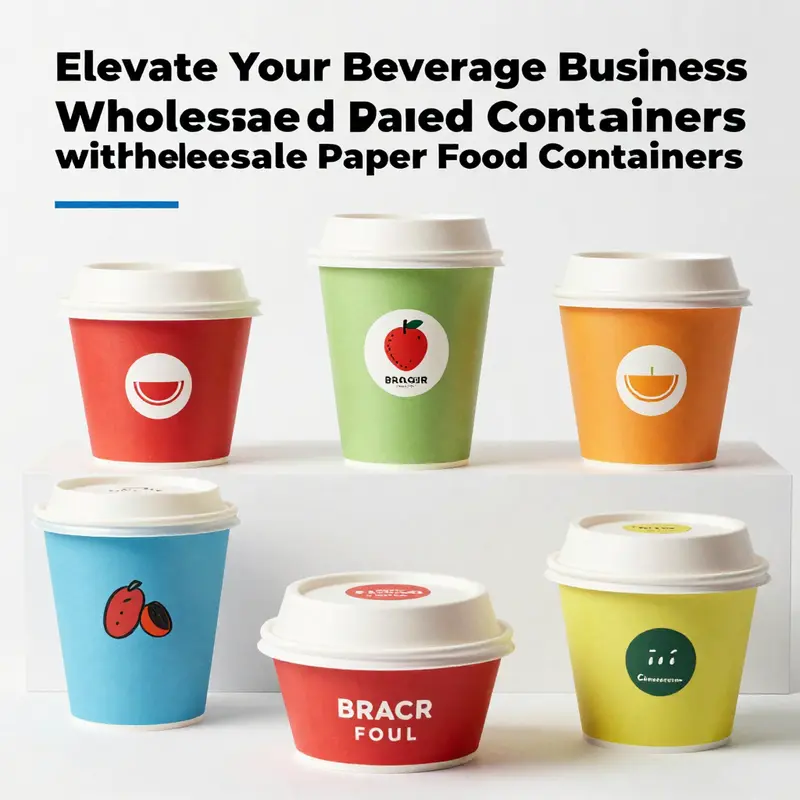
Customization stands at the intersection of branding and sustainability. Modern eco-friendly containers can accommodate brand‑customized printing and labeling that reinforce a business’s values while delivering practical information to customers. Customization ranges from subtle branding imprints to full‑surface artwork, an approach that supports marketing goals without compromising the container’s recyclability or compostability. From a manufacturing perspective, customization must be coordinated with the supplier’s capabilities and lead times. Pre-production samples are a standard part of this process, and smart buyers view these samples not as a luxury but as an essential checkpoint for quality and conformity to environmental standards. A well‑managed sampling program reduces the risk of costly rework and ensures that the final product truly meets the sustainability criteria that the brand intends to communicate to its customers.
The Chinese‑language section of recent industry notes emphasizes several concrete practice points that resonate globally. It highlights the environmental advantages of using renewably sourced fibers and the importance of avoiding bleaching steps that introduce additional chemical burdens. It also points out the practical design considerations—such as seam reinforcement and barrier performance—that directly influence leakage and spill resistance. From a policy perspective, the emphasis on international certifications is not merely for marketing; it is a rigorous mechanism that helps ensure raw material provenance and post‑consumer outcomes. The recommendation to prioritize suppliers that hold credible certifications is a reminder that sustainability is best verified through transparent, auditable processes rather than marketing slogans. These insights align with a broader industry move toward standardized, verifiable sustainability claims that customers can trust, which in turn strengthens a company’s competitive position in a crowded market.
The operational implications of choosing eco-friendly paper containers extend into logistics and supply chain management. When a business commits to sustainable packaging, it must map the procurement to its distribution footprint, ensuring that the packaging remains compatible with existing shelf life practices, storage conditions, and delivery routes. Temperature exposure, moisture levels, and handling during loading and unloading all influence the performance of the coating systems and the integrity of the container. A supplier who can reliably deliver the correct specifications across a diverse regional network reduces the risk of product failure and the associated costs, such as returns, replacements, or disposal of compromised goods. A robust supplier relationship, built on transparent communication about certifications, production timelines, and contingency planning, becomes a strategic asset for any food service operation pursuing sustainability without sacrificing reliability.
From a consumer engagement perspective, sustainable packaging carries messaging potential that resonates with values beyond environmental stewardship. Customers increasingly recognize when a brand is serious about reducing waste and choosing renewable resources. The visible cue of a carefully selected eco-friendly container—whether it is the natural tone of unbleached kraft, the clear indication of compostability, or the presence of a certified environmental label—conveys a narrative about a business’s commitment to responsible practices. This narrative can be reinforced through in‑store and online communications, packaging design, and even delivery packaging that aligns with a broader sustainability program. An integrated approach that treats packaging as a tangible expression of a brand’s ethics helps build trust, encourage repeat purchases, and differentiate a business in a competitive hospitality ecosystem.
To bring these concepts into practical resonance, buyers should consider a few guiding steps as they navigate the wholesale landscape. First, anchor your selection in a clear set of sustainability criteria—fiber source, bleaching practices, barrier technology, end‑of‑life options, and third‑party certifications. Document these criteria and use them to evaluate potential suppliers, seeking evidence such as FSC conformity statements or OK Compost certification. A transparent supplier due‑diligence process reduces risk and supports a credible sustainability story for customers and investors alike. Second, assess the end‑use scenario with a critical eye toward capacity needs and transport realities. The right container should protect food integrity, minimize leakage, and remain compatible with existing delivery protocols. Third, design for the supply chain by selecting a range of container types that cover common use cases while preserving a coherent sustainability narrative. A cabinet of options that share regenerative fibers, similar barrier properties, and compatible disposal pathways makes inventory management simpler and more coherent for customers and staff. Fourth, leverage customization thoughtfully. Where branding matters, implement logos and messaging that reinforce environmental commitments without compromising recyclability. Finally, integrate feedback loops into the procurement cycle. Collect data on leakage incidents, customer feedback on packaging, and post‑use disposal experiences to refine material choices and supplier partnerships over time.
The broader ecosystem surrounding wholesale paper containers is continually evolving, influenced by standards, certifications, and evolving consumer expectations. The reference landscape includes credible guidelines and best practices that illuminate how different materials behave under real‑world conditions and how end‑of‑life pathways are managed in various markets. External resources emphasize that the choice of fiber sources and processing methods substantially affects environmental impact, while the performance of coatings and barrier layers shapes how well these containers perform in the field. Buyers who stay attuned to these developments position themselves to select packaging that does not merely comply with basic requirements but actively advances a brand’s sustainability mission while supporting operational efficiency. The practical lesson is straightforward: sustainability and profitability are compatible when the procurement strategy is deliberate, data‑driven, and anchored in transparent certification and testing.
Within this context, one practical avenue for exploration is the option to reference specific packaging forms that align with both sustainability goals and operational requirements. An example of a design type that frequently appears in eco‑conscious selections is the octagonal or modular kraft paper packaging form. It offers a distinctive visual identity that can be integrated with branding while maintaining a strong performance profile for takeout and delivery. For buyers seeking a concrete example of how such packaging can be positioned within a broader eco‑strategy, an accessible example is provided through a dedicated product page that emphasizes disposable octagonal boxes and kraft paper packaging for restaurant use. This resource showcases how a well‑designed packaging system can balance functional reliability with environmental considerations, offering a clear template for integrating sustainability into a wholesale purchasing plan. See more at the page titled octagonal box restaurant kraft paper packaging. (This is a direct internal resource you can reference as you compare container forms and sustainability attributes.)
Looking ahead, the wholesale market will likely continue to reward suppliers who demonstrate a combination of measurable environmental performance and dependable service. Certification credentials will become even more important as buyers seek verifiable proofs of responsible sourcing and end‑of‑life stewardship. Transparency about fiber origin, processing methods, and post‑consumer disposal options will be as crucial as the packaging’s barrier performance and leakage resistance. In this environment, the most successful procurement teams will pursue a holistic approach that weaves together material science, supply chain discipline, and brand storytelling. They will also maintain the flexibility to adapt to regional variations in composting infrastructure, recycling capabilities, and waste management practices. The result will be a packaging ecosystem where eco‑friendly choices are not a compromise but a strategic advantage that supports a business’s broader sustainability objectives while maintaining the quality and reliability customers expect.
For readers who want to deepen their understanding of the standards and performance criteria behind eco-friendly kraft paper containers, a respected external reference offers a comprehensive overview of materials standards, performance benchmarks, and industry best practices. This resource provides context for how different fibers, coatings, and processing methods contribute to environmental outcomes and how certification schemes verify these claims. By consulting such guidance, buyers can benchmark their supplier selections against widely accepted criteria, reinforcing confidence in their sustainability commitments while ensuring practical, real‑world performance in busy food service operations.
As a closing reflection, the move toward eco-friendly paper containers in wholesale purchasing is more than a trend. It is a deliberate alignment of supplier capability, material science, and consumer expectations with the realities of serving meals responsibly. The most successful buyers will view packaging not as a disposable afterthought but as a strategic asset—one that communicates values, protects product quality, and streamlines operations from kitchen to customer. In doing so, they contribute to a more sustainable food service ecosystem, one where every takeout box, soup cup, or salad tub embodies a thoughtful choice that respects the environment while delivering on the promise of convenience and reliability for diners. The story of wholesale paper containers, at its best, is a story about how careful material selection, rigorous certification, and intelligent design can transform packaging into a leverage point for sustainable growth.
External reference for deeper exploration: Eco Kraft Paper Food Container Round: Standards, Performance, and Best Practices. https://www.ecofriendlypackagingguide.com/eco-kraft-paper-food-container-round/
Internal resource reference: For a concrete example of an eco‑friendly kraft packaging option with branding potential, see octagonal box restaurant kraft paper packaging. https://greendispopack.com/product/disposable-octagonal-box-restaurant-food-kraft-paper-packaging/
These references illustrate how the theory of sustainable packaging translates into practical choices across materials, coatings, certifications, and design. They also show how a well‑structured procurement approach can deliver reliable supply, clear environmental benefits, and a compelling narrative for customers who increasingly seek responsible, transparent practices from the businesses they support.
null
null
Final thoughts
Wrapping up the exploration of wholesale paper food containers, it is clear that an informed purchasing decision can immensely benefit businesses in the food service sector. By selecting eco-friendly options, you align yourself with consumer values emphasizing sustainability while simultaneously enhancing your brand’s identity through customization. As you move forward with sourcing, consider not only the cost and quality but also how your packaging choices reflect your commitment to both your customers and the environment. Staying ahead in today’s competitive marketplace means embracing these strategies and choosing wisely when investing in disposable food packaging.