
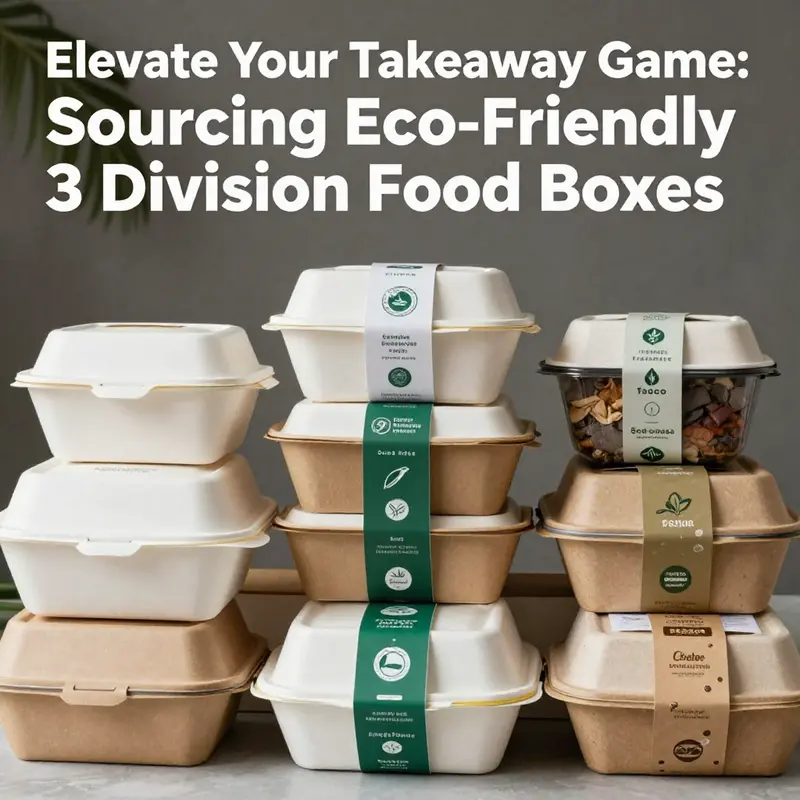
In an increasingly competitive food industry, offering customers quality takeout packaging is essential. Large 3-division takeaway food boxes stand out for their versatility and practicality, making them the perfect choice for a diverse array of food service providers from bubble tea shops to catering teams. Sourcing these boxes directly from manufacturers in China opens up opportunities for bulk savings, customization, and sustainability. Each chapter of this article delves into critical elements—starting with how to effectively source these boxes through Alibaba, understanding the key features that make them desirable, exploring the manufacturing landscape for these products, and identifying eco-friendly options available in the market today. Finally, we discuss the best practices for evaluating suppliers to ensure you partner with the most reliable manufacturers.
null
null
From Factory Floor to Feast: The Craft and Scale of Large 3-Compartment Takeaway Boxes
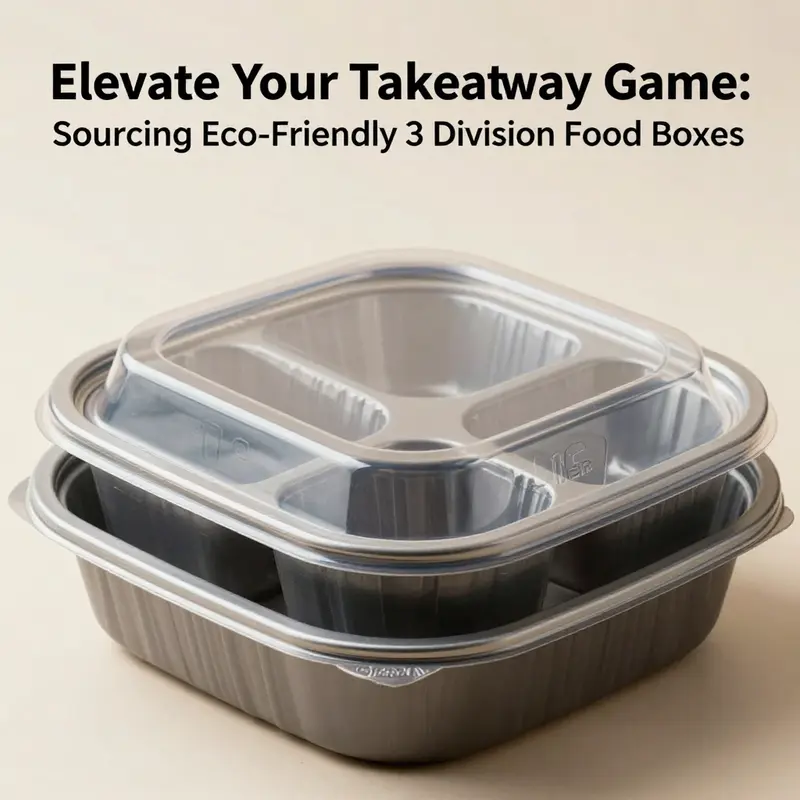
Modern three-compartment takeaway boxes are engineered for reliable performance in high-volume foodservice. From forming everything in one line to ensure consistent geometry, to lidding and seal verification, the factory floor orchestrates a repeatable process that minimizes handling and defects. Multi-compartment forming systems shape a single sheet into a tray with three sections sized for protein, starch, and sauce, enabling efficient packing, stacking, and transport. Durable materials, smart coatings, and sustainable substrates—such as bagasse, recycled paper, and compostable composites—balance heat resistance with environmental goals. Coatings, finishes, and barrier layers preserve moisture and prevent leakage while keeping compostability or recyclability in mind. Automation drives cutting, folding, gluing, and inline inspection, using sensors and cameras to catch misalignment or incomplete seals before the box leaves the line. Regional supply chains near ports and raw-material streams reduce lead times and logistics costs, supporting scalable production for both meal kits and quick-service restaurants. Regulations and certifications for food contact safety, environmental stewardship, and end-of-life management reassure buyers and regulators alike. Finally, the ability to tailor size ratios, lid styles, and branding graphics lets buyers align packaging with menu concepts, brand identity, and customer expectations, creating a coherent packaging platform rather than a standalone container.
Charting the Factory Landscape for Large 3-Compartment Takeaway Boxes: Strategy, Regions, and Sustainability
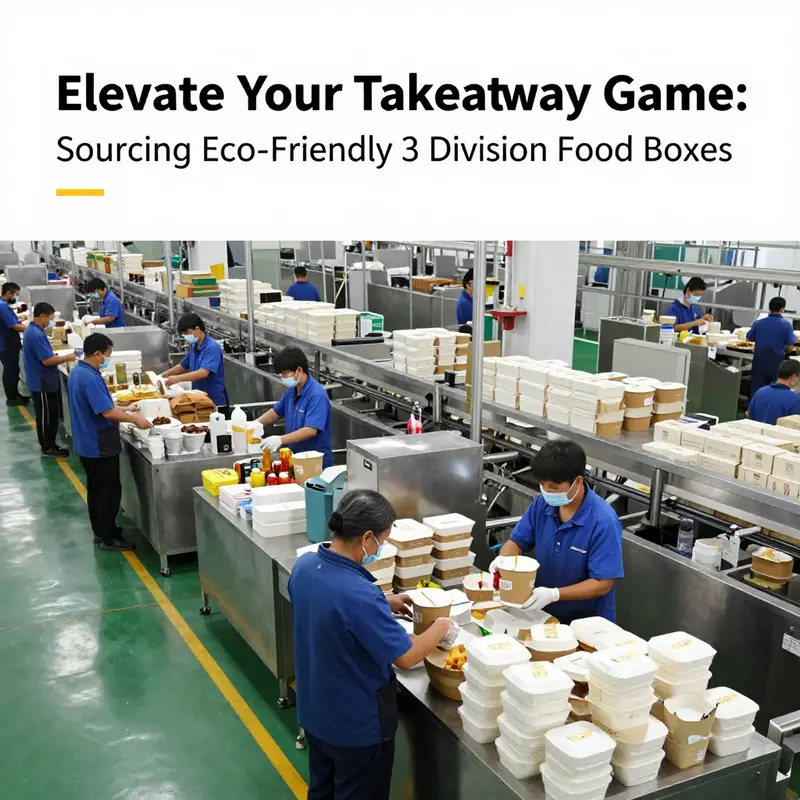
The global appetite for large, multi-compartment takeaway boxes has driven a manufacturing ecosystem where scale, specialization, and sustainability intersect. In this landscape, China stands as a pivotal hub, producing a majority of disposable food containers for markets around the world. This leadership is not a single force but a weave of capabilities: sophisticated production lines that can churn out thousands of units with consistent quality, ready access to the raw materials that feed those lines, and an export infrastructure that keeps lead times predictable even as demand shifts. For buyers seeking large 3-compartment boxes, understanding this landscape isn’t academic; it translates into better decisions about design feasibility, cost, and speed to market. The result is a sourcing strategy that aligns with regional strengths while preserving the flexibility to respond to evolving consumer expectations around convenience and sustainability.
A practical way to frame the landscape is to look at regional specializations within the country. Guangdong Province forms the production core for many large, standardized packaging solutions. Its industrial clusters—especially those around major cities—have built dense, integrated supply chains where suppliers, machinery, and logistics providers sit in close proximity. Proximity to deep-water ports like Shenzhen and Guangzhou enables rapid dispatch and lower freight costs, translating into price advantages for high-volume orders. In plain terms, for brands seeking scale and consistent output, Guangdong offers a proven pathway to cost efficiency and reliability. The region’s dominance in mass manufacturing also means a well-established ecosystem for quality control, certifications, and batch traceability, which are crucial when packaging must meet stringent food-safety standards across multiple markets.
Moving northward and toward the coast, Zhejiang and Shanghai carve out a complementary niche focused on innovation and customization. Here, the factories tend to push the envelope on designs, materials, and automation. The emphasis is less on sheer volume and more on the ability to handle high-mix, low-volume orders with speed and precision. This flexibility matters when brands test new formats—perhaps larger compartments, improved sealing, or eco-friendly materials that require tighter process controls. Within these provinces, a robust machinery cluster exists in cities like Ruian and Wenzhou, where advanced packaging equipment and in-house engineering capabilities shorten the development cycle and shrink lead times by meaningful margins. Although costs may be higher than in Guangdong, the payoff comes in the form of faster iteration, better alignment with premium branding, and the capacity to deliver bespoke packaging without sacrificing efficiency.
Further inland, Anhui and Fujian contribute important dimensions to the landscape. Anhui has cultivated a strong emphasis on sustainability, with a growing ecosystem around biodegradable and compostable materials. Brands that prioritize green credentials find Anhui’s suppliers appealing, especially when mixed-material challenges demand careful formulation and testing. Fujian, with its favorable coastal logistics, complements Anhui by providing direct access to shipping routes, enabling efficient fulfillment for orders that require tighter delivery windows or shorter transit times. This combination—sustainability from Anhui paired with logistics agility from Fujian—broadens the strategic options for buyers who want to balance eco-conscious packaging with reliable service levels.
Material choices sit at the heart of contemporary packaging decisions. Traditional plastics, especially polypropylene (PP) and certain PET formulations, remain popular due to their sealing properties, heat resistance, and microwave safety. These attributes preserve meal integrity and support a broad range of cuisines and menu formats. Yet, environmental considerations push brands to explore alternatives. Recycled paper and cardboard, often sourced from post-consumer waste streams, are increasingly favored for their recyclability and lower reliance on virgin materials. Sugarcane bagasse and other biodegradable polymers are gaining ground where compostability or reduced carbon footprints are prioritized. The trade-off is not only cost but also compatibility with existing equipment, shelf life, and consumer expectations about durability in transit. Packaging strategies therefore tend to combine the best of both worlds: robust, food-safe plastics for main meals and more sustainable options for secondary packaging or outer layers, all integrated into a design that remains scalable across large production runs.
Certifications and compliance play a central role in any sourcing plan. Buyers seek assurances that boxes meet food-safety standards, particularly when the packaging will travel across borders and be used with a variety of hot and cold foods. Eco-friendly claims should be supported by credible third-party certifications that verify compostability, recyclability, and safe contact materials. In the Guangdong-heavy ecosystem, such credentials are often prerequisites for engaging with major distributors and retail partners. In Zhejiang and Shanghai, the emphasis on innovation does not dilute the importance of compliance; in fact, it also elevates the need for rigorous testing and documentation as new materials and coatings are introduced. Across Anhui and Fujian, certification processes increasingly align with sustainability goals, ensuring that suppliers can demonstrate end-to-end environmental performance—from raw material sourcing to end-of-life disposal.
Strategic sourcing in this landscape demands alignment between supply capabilities and brand goals. For buyers prioritizing cost efficiency and high-volume throughput, Guangdong remains the most reliable entry point. The region’s scale reduces per-unit costs through operating efficiencies, standardized processes, and the ability to negotiate favorable bulk terms. Conversely, when a project calls for design excellence, rapid prototyping, or premium materials, Zhejiang and Shanghai offer the best match. The ability to lead with prototypes, test new configurations, or introduce eco-friendly materials is invaluable for brands seeking differentiation in a crowded market. When sustainability leadership or logistics speed is the priority, Anhui and Fujian provide compelling advantages. The combination of green material options and close-in logistics networks helps reduce both the environmental footprint and delivery risk for large orders.
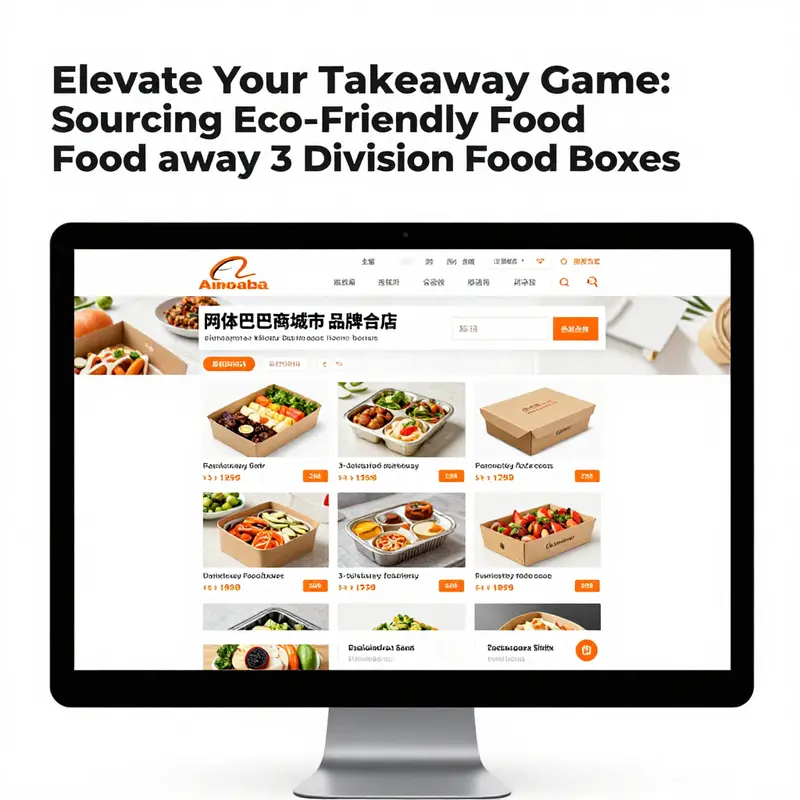
Sourcing effectively from China also benefits from the use of reputable supplier intelligence tools. Platforms that connect buyers with verified manufacturers provide access to production capacity, lead times, certifications, and real-world customer feedback. Such tools help buyers gauge whether a supplier can scale to the needed volume while maintaining quality and compliance. In practice, the most effective use of these tools is to map supplier capabilities to product requirements—matching the right regional strengths to each aspect of the project, from base box design to complex, custom features. Importantly, a disciplined approach to supplier evaluation reduces the risk of disruptions and supports more predictable sourcing outcomes across multiple markets.
The conversation around design and packaging formats continues to evolve toward solutions that are both functional and sustainable. For example, the packaging world increasingly gravitates toward compact, recyclable configurations that maintain usability without expanding waste streams. As designs become more modular, buyers can optimize three-compartment layouts for different cuisines, portion sizes, or branding needs, while retaining compatibility with existing filling lines and packaging equipment. The internal reference points for these design choices often hinge on the realities of regional capabilities. A practical example is how certain packaging formats leverage efficient, coastal-based supply chains to shorten transit times and reduce inventory risk for large events or seasonal spikes. For readers seeking concrete pathways to engage suppliers who can deliver such capabilities, Alibaba’s Global Sourcing Hub frequently appears as a starting point to identify qualified manufacturers with the right certifications and capacity. octagonal kraft paper packaging provides a tangible case study in how packaging formats are shifting toward sustainability without sacrificing performance.
Ultimately, the takeaway for buyers aiming to acquire large 3-division takeaway boxes from Chinese factories is to design a sourcing strategy that leverages regional strengths while maintaining a single, overarching standard for quality and safety. Guangdong’s scale yields cost efficiencies that work best for stable, high-volume programs. Zhejiang and Shanghai offer the agility needed for differentiated or premium packaging projects. Anhui and Fujian enable sustainability-forward and logistics-friendly options that can differentiate offerings in crowded markets. When combined with credible supplier evaluations and thoughtful material choices, this approach can deliver not only cost savings and reliability but also the flexibility to innovate in response to evolving consumer expectations. The result is a sourcing plan that remains coherent across regions, responds to demand shifts, and supports a brand’s long-term packaging strategy as markets continue to evolve.
External resource: For a broader perspective on sourcing architecture and regional supplier ecosystems, see the Alibaba Global Sourcing Hub. https://www.alibaba.com/product-detail/Alibaba-Global-Sourcing-Hub-Guangdong-Zhejiang-Anhui-Fujian-2024-12-28T18-00-00Z
Sustainable Pathways for Large 3-Compartment Takeaway Boxes: Materials, Manufacturing Ecosystems, and Brand Promise
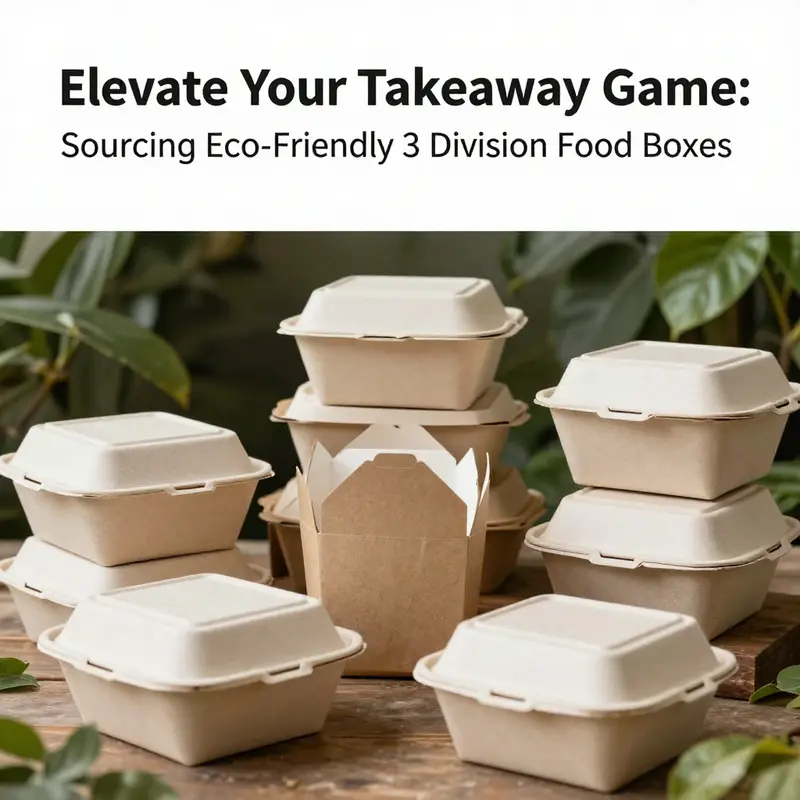
The evolution of large 3-compartment takeaway boxes reveals a market that has learned to balance practicality with responsibility. Consumers expect food that travels well and stays appealing from kitchen to curbside, and brands increasingly insist that packaging reflects a commitment to the planet. In this context, the materials chosen for a large 3-division box are not mere afterthoughts but the backbone of brand integrity. The choices today hinge on three broad families: bagasse from sugarcane fiber, compostable paperboard derived from certified renewable wood fibers, and recycled paper pulp reinforced with protective coatings. Each option brings its own set of strengths and trade-offs, and the best fit often depends on the intended dining experience, the type of cuisine, and the environmental promises a business is prepared to make and sustain. Bagasse stands out for heat tolerance and sturdy performance with hot, saucy, or multi-component meals. It is a natural, compostable material that thrives in a three-compartment format because the natural fiber supports a clean separation of dishes without warping, and its appearance aligns with a modern, earth-forward aesthetic that many premium brands now seek. For operators serving high-volume lunch crowds or upscale takeaways, bagasse offers an organic texture and a tangible signal of sustainability, which helps brands differentiate themselves without sacrificing reliability. Compostable paperboard represents another compelling route. Coatings derived from plant-based sources, such as corn-starch composites, create barriers to moisture and oil while preserving the box’s form during transport. This combination supports a broader range of menu items, from delicate salads to moist entrées, and keeps the box from becoming soggy and unappealing over time. Yet, as with any coating system, there is a tension between barrier properties and the environmental narrative. High-temperature foods or very oily sauces can challenge even the best coatings, potentially leading to deformation or delamination if the production line does not account for specific use cases. The industry has noticed this and continues to innovate, gradually overcoming earlier limitations with enhanced coatings that marry performance with compostability. Recycled paper pulp offers another credible pathway, particularly for dry foods and salads. By reprocessing recovered paper, manufacturers reduce reliance on virgin wood fiber and close the loop in packaging waste. The moisture barrier of recycled pulp is typically weaker, but modern surface coatings and barrier films can mitigate this, enabling a robust takeaway solution for dry items or low-moisture fillings. The key to success lies in designing the entire pack from the outset: selecting the right mix of core material, barrier layer, and lid system to ensure the three compartments do not leak, mingle, or compromise the user experience. Material choices are more than technical decisions; they signal a brand’s stance on the circular economy. When a box is compostable, the end-of-life pathway—industrial composting or home composting, depending on the certification—becomes part of the brand story. If the option is recyclable, partners must communicate the proper recycling stream to consumers and align with local waste management infrastructure. In many markets, this transparency is as important as the box’s functional performance, because it empowers shoppers to make responsible choices and strengthens trust with the brand.
Beyond the materials, the manufacturing landscape for large 3-compartment boxes has grown more sophisticated, with a geographic diffusion that reflects both cost advantages and technological capabilities. China remains a dominant hub for disposable packaging, driven by large-scale automation, a broad supplier base, and a willingness to invest in R&D that translates to better sustainability features. Within this ecosystem, the Guangdong region—encompassing cities such as Shenzhen and Dongguan—continues to offer mass-production capacity and cost efficiency that make large orders feasible for international brands seeking consistent supply and competitive pricing. Zhejiang and Shanghai provinces further advance the field through innovation and automation tailored to high-mix, low-volume orders. This means brands can experiment with sizes, shapes, and branding details without paying a hefty premium for bespoke runs. Anhui, in turn, is recognized for high-volume, cost-effective production that can scale rapidly as demand grows or seasonal campaigns spike. In addition to these traditional centers, emerging corridors in Shandong and Fujian are accelerating the adoption of green packaging, pushing the use of compostable and recyclable materials and expanding the roster of certified suppliers. This geographic spread is not just about cost; it is about a resilient supply chain that can adapt to shifts in demand, regulatory changes, or material availability without sacrificing lead times or quality.
The material choices, paired with the right manufacturing network, also affect how brands communicate sustainability to their customers. Certifications—whether related to food safety, compostability, or recycled content—play a pivotal role in building confidence. Buyers increasingly rely on supplier qualification tools that evaluate production capacity, lead times, and the breadth of available certifications. A robust supplier with transparent traceability and clear documentation can reduce risk and shorten the path from concept to shelf. In the context of a large 3-compartment box, certification is not a dull checkbox; it translates directly into the certainty that a product will perform under heat, resist leakage, and maintain its form across a busy service environment. It also supports claims about recyclability or compostability, which customers often expect to be verifiable through recognized standards.
Customization remains a central driver for many brands. A three-compartment layout is essential for organizing different components—starches, proteins, and sauces—without cross-contamination while preserving visual appeal. Boxes can be tailored in size, color, and branding, with lids designed to provide a secure seal and a clear view of the contents. The ability to customize is not merely about aesthetic branding; it reinforces the consumer’s perception of quality and care. When a brand can align its packaging with its culinary identity, the entire dining experience feels more cohesive, and repeat orders follow more naturally. For buyers who want to explore practical options without overcommitting to a single supplier, a market-wide evaluation approach is advisable. Alibaba’s supplier evaluation tools, for instance, help buyers compare production capacity, lead times, and certifications across multiple factories, streamlining decision-making and reducing procurement friction. A well-chosen partner will also offer bulk pricing and support for custom designs, which means brands can scale up without sacrificing the distinctive packaging that differentiates them on crowded streets and digital menus.
For brands seeking a concrete illustration of sustainable packaging in action, consider the broader landscape of materials and process innovations shaping the market. The use of bagasse is often complemented by tightly controlled supply chains that ensure consistent fiber quality and a stable composting profile. In parallel, advancements in coating technologies for compostable paperboard continue to close gaps in barrier performance, enabling a wider range of menu items to be packaged in eco-friendly formats. Recycled pulp remains attractive for foods with lower moisture and oil exposure, where protective coatings suffice to preserve integrity. The common thread across these options is a clear turn toward a packaging system that supports the brand’s environmental commitments while preserving the reliability demanded by busy kitchens and delivery ecosystems. The end goal is a large 3-compartment box that keeps food fresh, looks appealing, and aligns with the brand’s sustainability narrative from the moment it leaves the kitchen to the moment it reaches the customer’s table or desk.
For brands curious about practical sourcing and market options, one route is to explore suppliers that specialize in eco-friendly, disposable packaging with customizable branding. A notable facet of this landscape is the availability of a range of custom, logo-ready options that can be integrated into broader marketing campaigns. See, for example, disposable takeaway packaging options that allow for a branded logo and lid, offering a tangible way to extend a company’s identity into packaging. This approach not only reinforces brand recall but can also help streamline procurement by aligning design, production, and logistics under a single partner. As with any supplier decision, a careful assessment of certifications, lead times, and production capacity is essential to ensure alignment with product launches, peak seasons, and long-term sustainability goals. And while the market presents a strong case for eco-friendly large 3-compartment boxes, it remains critical for buyers to balance environmental claims with real-world performance and lifecycle considerations.
For readers who want to explore related packaging options that complement the large 3-compartment concept and reinforce the broader sustainability narrative, consider exploring a category of disposable paper bowls and related kraft-paper packaging. These items illustrate how design, materials, and branding can converge to create a cohesive takeout ecosystem. In this context, a well-integrated approach to packaging—one that blends compostable or recyclable materials with thoughtful design and clear consumer guidance—helps brands keep promises to customers and to the planet. For brands seeking options with customizable branding, a tangible example of practical packaging with branding flexibility can be found in the product line of disposable takeaway paper bowls with custom logos and lids, which demonstrates how texture, color, and closure systems contribute to a complete brand experience. You can learn more about such options here: disposable takeaway paper bowl with custom logo and lid.
The narrative about large 3-compartment takeaway boxes, therefore, is not about choosing one material over another in isolation. It is about constructing a packaging system that harmonizes material science, manufacturing capability, regulatory clarity, and brand storytelling. The most successful implementations acknowledge that sustainability is a shared responsibility across growers, fiber suppliers, coating developers, processors, and retail partners. It is a continuum—from the forest or field to the final disposal bin—that requires transparent information, consistent performance, and a clear alignment between what a brand says about its values and what its packaging delivers in practice. As markets mature, the choices will continue to bend toward materials that minimize environmental impact while maintaining or enhancing user experience. The large 3-compartment design, with its inherent ability to separate components effectively, will remain a versatile platform for delivering meals that feel premium, convenient, and responsible. And with the right combination of eco-friendly materials, automated production, and clear consumer guidance, brands can scale sustainable packaging without compromising on speed, safety, or style. For a broader industry perspective on how these shifts are influencing global packaging manufacturing, see the external resource linked here: https://www.packingnews.com/china-leadership-sustainable-packaging-manufacturing.
Sizing Up Supply Chains: Mastering Supplier Evaluation for Large 3-Compartment Takeaway Boxes
Choosing a supplier for large 3-compartment takeaway boxes requires more than a low unit price. It means aligning factory capabilities, material science, and safety compliance with a brand’s service level and sustainability commitments. In practice, you examine regional ecosystems inside China that shape what is feasible at scale. Guangdong remains the core of high volume production. In cities such as Shenzhen, Dongguan, and Chaozhou, thousands of factory lines are tuned to produce large runs of food grade containers with reliable tolerances. A well practiced supply chain sits close to major ports and has mature processes for resin selection, tooling, molding, and mass finishing, delivering cost efficiency without compromising essential performance. The advantage is clear: large orders can be fulfilled quickly, with predictable quality and lower unit costs because labor and equipment are optimized for constant throughput. For brands that ship across borders, the proximity to export hubs translates into shorter lead times and fewer delays at the port of destination.
If a brand needs more design breathing room, Zhejiang offers an attractive balance. Here the emphasis is on automation, design flexibility, and rapid prototyping. Zhejiang suppliers may be more accustomed to customizing three-compartment configurations, color matching, and branding, enabling more differentiated product lines. They are also increasingly experimenting with eco friendly options, including compostable or bio based substrates alongside conventional PP. That mix opens opportunities for customers who want to tell a sustainability story without sacrificing reliability during heat up and transport. For orders that require variety in a single run, Zhejiang’s ecosystems frequently support high mix, low volume orders with shorter development cycles and faster iteration loops.
Anhui and Shandong have earned growing attention for green packaging innovation. Anhui in particular has seen startups and established players collaborating on plant based materials and compostable coatings, while Shandong brings strong R&D orientation and capable prototyping resources. For buyers aiming to position premium or niche products, these regions can shorten the journey from concept to market by offering faster iteration times, validated material options, and test data that ease regulatory review in multiple markets. The result is a portfolio of choices that lets a buyer calibrate a packaging program around both performance and sustainability.
When evaluating a supplier, three clusters of capability matter most. First is production capacity and scalability. A factory must handle large formats and the flexibility to increase output during peak seasons without sacrificing consistency. Second is compliance with food safety standards. Even if the immediate market is domestic, suppliers that can demonstrate traceable processes and conformance to broad standards reduce the risk of product holds or recalls later. Third is sustainability credentials. Certifications such as forest stewardship for fiber based components, compostability credentials for biodegradable options, and globally recognized environmental management standards indicate an ongoing commitment to responsible practice. A fourth factor is quality control discipline. Prospective partners should describe their inspection regimes, defect rates, and how they manage nonconforming units. A fifth factor is lead time and logistics. A credible supplier lays out production calendars, buffer stock strategies, and transport routes that align with the buyer’s delivery windows.
Material choice anchors much of the discussion around large three-compartment boxes. Polypropylene remains the default for many manufacturers because it delivers heat resistance, stiffness, and durability necessary for meals with sauces. But demand for greener packaging has nudged suppliers to offer bagasse or other plant based substrates, sometimes with compostable coatings or limited use cases. The three compartments must be engineered with reliable walls between chambers to prevent cross contamination and maintain portion integrity during stacking and transit. Lids should fit snugly, seal securely, and remain clear enough to display the product interior while protecting it from moisture and dust. The packaging should also permit straightforward customization—size, color, and branding—without compromising performance in transport. A well coordinated program will specify tolerances for flatness, edge finish, and crack resistance across batch runs, ensuring consistency from the first sample to the last carton of a given shipment.
The practical process of moving from concept to carton benefits from a systematic approach on a sourcing platform. Platforms with supplier evaluation summaries help buyers compare capacity, certifications, and customer feedback in one place. A disciplined buyer will request a representative sample set that demonstrates the three compartment separation, lid fit, and heat resilience. The goal is to validate that the configuration delivers the expected meal experience under real world handling conditions. A thoughtful supplier will provide a clear proofing workflow, with digital renderings and physical samples before tooling begins, to keep the program on track and avoid late stage changes that disrupt production. Transparent communication about lead times, minimum orders, and post production support is the mark of a mature partner.
Beyond the mechanics, successful sourcing rests on relationship chemistry. Volume is important, but so is reliability and responsiveness. The strongest partners publish regular quality updates, share corrective action plans when issues arise, and align on waste management and end of life strategy. They view the relationship as a long term collaboration rather than a single purchase. In that frame, price becomes a function of total value: predictable delivery, stable quality, and a supplier that can adapt as recipe changes, customer feedback, or regulatory requirements evolve. The buyer who builds a short list of proven candidates, visits or tours facilities when possible, and maintains a steady cadence of performance reviews will protect against supply chain shocks that can derail a new menu launch or seasonal promotions.
To connect these ideas to concrete decision making, it helps to map your brand goals to supplier capabilities. Start with a regional assessment that matches production scales to your volume projections and a material strategy that fits your sustainability story. Then translate those needs into acceptance criteria that remain consistent across all candidates. Use supplier rating tools to gather third party perspectives, but also verify through direct conversations about capacity and lead times. Request references from other brands with similar demands and ask for evidence of continuous improvement—such as updated process controls or new testing methods. This disciplined approach pays dividends as you negotiate pricing, lead times, and service level commitments that cover not just today but the next growth phase.
The chapter you are reading sits at the intersection of supply chain, packaging design, and corporate responsibility. It points toward a practical pathway rather than a parade of banners. The emphasis is on the effect of supplier strength on the end user experience—the moment when a customer opens a takeout box and encounters convenience, safety, and presentation in one confident package. If your goal is to create a packaging program that travels well, resonates with a sustainability mindset, and scales with demand, you will want to anchor your decisions in the factors outlined above. In the broader sourcing landscape, the official guide linked in the resources can illuminate how the 3 compartment category is evolving across suppliers and regions, providing a framework to benchmark candidates and refine supplier short lists.
Takeaway links to related content can support practical decisions. For example, Takeaway food kraft rectangular square rectangle salad paper bowl provides a concrete example of how kraft paper components can be integrated into a box oriented packaging strategy without sacrificing performance. As you navigate the options, remember that the most important step is a rigorous, repeatable evaluation framework that ties supplier capabilities to your product goals and brand promise. To round out your sourcing view, consult the broader industry synthesis and regional insights available at the external resource. https://www.chinapackagingexport.com/supplier-guide/3-compartment-food-boxes-china
Final thoughts
The journey toward obtaining high-quality, large 3-division takeaway food boxes from factories in China is a strategic move that can elevate your food service offerings. By understanding the sourcing process via platforms like Alibaba, recognizing the key features that these boxes offer, and appreciating the manufacturing landscape and eco-friendly options, businesses can align their procurement strategies with market demands. Moreover, thorough supplier evaluations ensure that your chosen partners can meet your needs in terms of quality and reliability, thus contributing to the overall satisfaction of your customers. Embrace these insights as you navigate the path to enhancing your takeaway service with sustainable, organized, and appealing food packaging.