
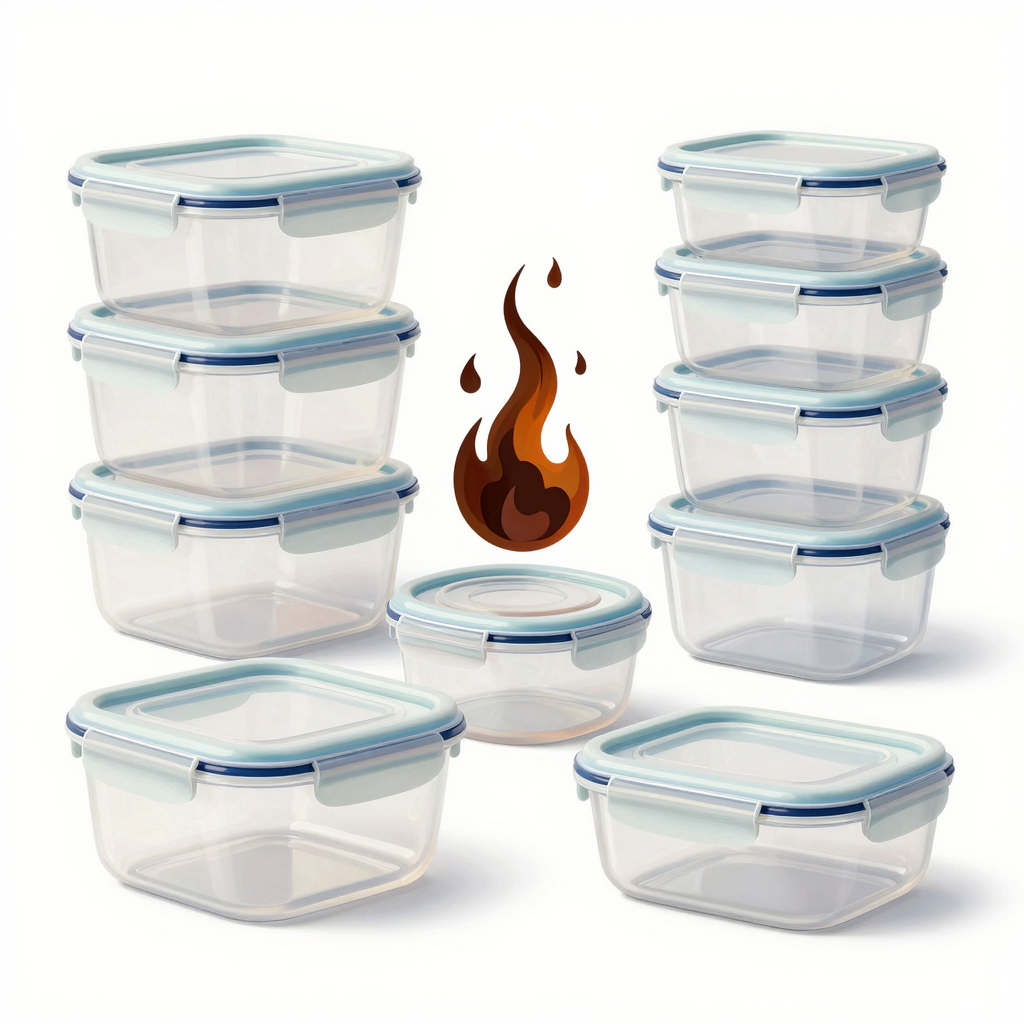
In the bustling world of food service, the importance of quality food storage is paramount, particularly for bubble tea shops, restaurants, and food trucks that rely on fresh ingredients. One often overlooked aspect is the burnt smell that can emanate from plastic food containers. This not only affects the taste and quality of stored food but also raises significant health and safety concerns. A burnt odor can permeate into the food, potentially deterring customers and tarnishing a business’s reputation. Understanding the causes of these unpleasant smells and knowing how to eliminate them is crucial for maintaining the integrity of food offerings. Whether you’re an event planner seeking durable containers or a corporate procurement team sourcing supplies, being informed about the quality of your food storage options can make a substantial difference in customer satisfaction. Learn more about effective plastic food storage here and discover how proper choices can enhance your business.
Common Causes of Burnt Smells in Plastic Food Containers
Burnt odors in plastic food containers can be a significant concern, particularly for businesses involved in the food industry, such as bubble tea shops, restaurants, and catering services. Understanding the root causes of these unpleasant smells is crucial for maintaining food safety and quality. Here are some common contributors:
-
High Temperatures: Exposure to high heat can alter the chemical structure of plastic, leading to odors. This often occurs when containers are used in microwaves or ovens not rated for high temperatures.
-
Improper Storage: Storing hot food directly in plastic containers can cause the materials to break down, resulting in burnt smells. It’s advisable to let foods cool before transferring them to plastic containers.
-
Using Inappropriate Containers: Not all plastics are created equal. Containers not labeled as microwave-safe or heat-resistant can emit odors when subjected to high temperatures. Always check for BPA-free and microwave-safe labels.
-
Reusing Old Containers: Older plastic containers may degrade over time and absorb odors from previous food storage, which can intensify when exposed to heat.
-
Chemical Reactions: Certain foods, particularly those high in fat or oils, can react with plastics, releasing smells that mimic burnt odors. This is often exacerbated by repeated heating and cooling cycles.
-
Residual Food Particles: Food residues left in containers can also contribute to burnt smells. These residues may char or decompose, particularly if they’ve been heated multiple times.
By addressing these issues, food service providers can minimize the risk of unpleasant odors and ensure a better experience for their customers. For more on the proper maintenance of plastic food containers, check out our guide on removing odors from plastic food containers.
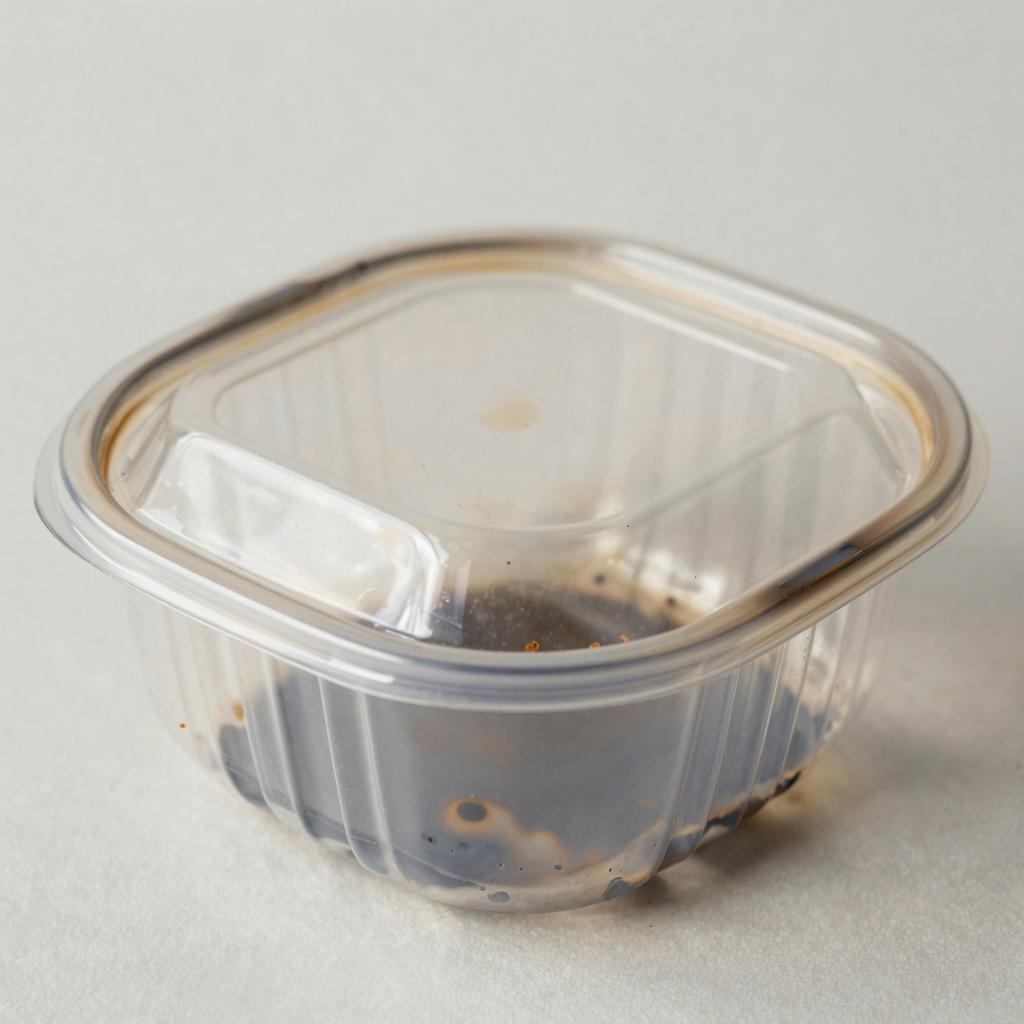
Tips to Prevent Burnt Smells in Plastic Containers
-
Opt for High-Quality Containers: Choose plastic containers made from durable, heat-resistant materials. Investing in quality options can significantly reduce the likelihood of odors.
-
Avoid Overheating: Always follow the manufacturer’s guidelines regarding temperature limits for food storage. Exceeding these temperatures can lead to burnt smells and compromise the container’s integrity.
-
Use the Right Lids: Ensure that lids fit securely. Poorly fitted lids can allow vapors to escape, which may lead to odor accumulation.
-
Regular Cleaning: Frequently clean your containers with warm soapy water. For stubborn odors, consider using a mixture of baking soda and water to effectively neutralize smells.
-
Store Food Properly: Allow hot foods to cool down before placing them in plastic containers. This can help prevent the plastic from absorbing burning odors.
-
Avoid Long-Term Storage of Strong Smelling Foods: Recipes that have strong or spices-like curries or smoked meats-can leave behind stubborn odors in plastic. If possible, store these items in glass containers to avoid scent transfer.
-
Air Out Containers: Leave the containers open and clean in a well-ventilated area after washing them. This helps in drying and reducing the chances of any lingering smells.
-
Test for BPA-Free Options: Selecting BPA-free containers not only ensures safety but may also reduce the risk of burnt smells. Learn more about removing odors from plastic food containers.
Implementing these tips can help maintain the integrity and freshness of your food containers, ensuring that burnt smells do not compromise your culinary offerings. For further insights on your packaging needs, consider exploring our guide on plastic food storage containers.
“Since switching to high-quality plastic food containers, our storage issues have drastically improved. They keep our ingredients fresh and odor-free, making it easier to maintain our food quality. We won’t settle for anything less!” – A Satisfied Restaurant Owner