

In the competitive landscape of beverage service, choosing the right disposable cups can significantly impact both customer satisfaction and your bottom line. This exploration into the best pricing options for clear 9 oz plastic cups will highlight the advantages of sourcing quality, affordable options that cater specifically to bubble tea shops, restaurants, food trucks, and events. Throughout the chapters, we will delve into a comprehensive price comparison, material analysis, design specifications, environmental considerations, and current market trends, equipping you with the knowledge needed to make informed purchasing decisions that align with your business strategy.
Clarity and Cost: Navigating the Best Price for 9 oz Clear PET Cups in Bulk
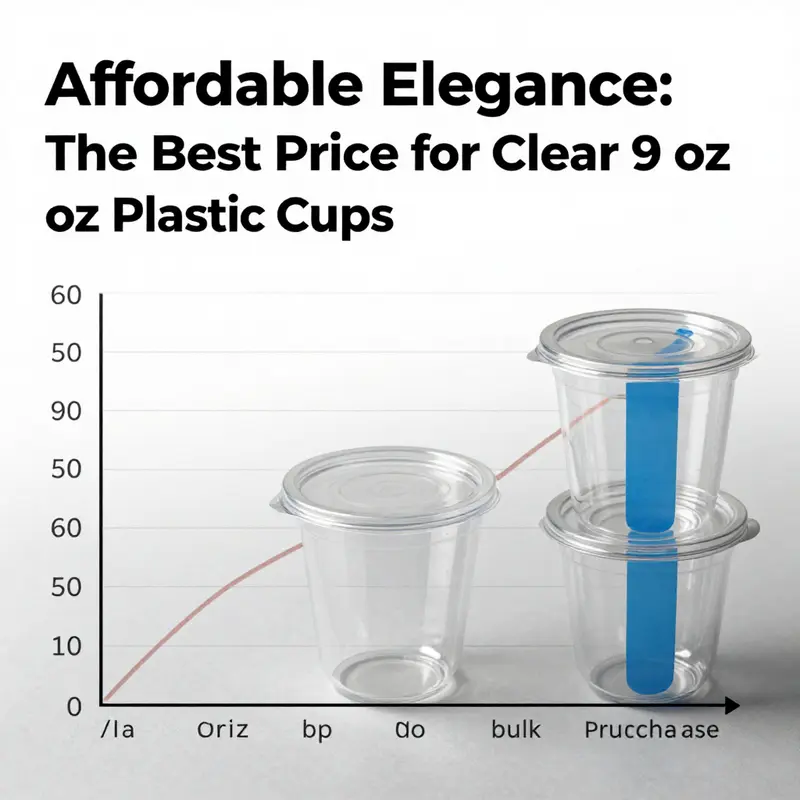
In a busy beverage operation, the cup is more than a vessel; it is a critical line item that shapes margins, brand perception, and sustainability commitments. The 9-ounce clear plastic cup sits at a practical crossroads where price, practicality, and presentation converge. It is large enough to hold hot coffee or cold beverages with room to spare, yet simple enough to be stacked, stored, and distributed without burden. For many businesses, the question is not only what the unit costs are but how those costs scale when orders grow large, and how the choice aligns with a broader environmental and branding strategy. The most compelling price signals in this space have emerged from wholesale platforms that aggregate large volumes and offer pricing that can tilt the economics in favor of bulk purchase. A typical entry point in this market shows a price floor around two and a half cents per cup for 9-ounce PET cups when bought in significant quantities. This benchmark, reported for early 2026, establishes a practical target for procurement teams seeking to reduce the per-piece cost while maintaining reliable performance. It highlights a market where the economics of scale reshape what qualifies as a “cheap” cup and pushes decision makers to weigh not just the sticker price but the annualized cost of ownership across a calendar year. When a business projects daily usage in the thousands or tens of thousands, the unit price becomes a lever that can alter menu pricing, discount strategies, and loyalty promotions, all while keeping waste to a minimum and ensuring that the consumer experience remains consistent. In this light, the best price is more than a number; it is a reflection of how a supplier’s structure—MOQ, lead times, sample policies, and customization options—translates into a dependable supply chain. The price floor, while impressive, is not the sole determinant of value. The underlying material and its certifications matter as well. The cups under discussion are widely marketed as PET cups with a surface clarity that showcases beverages beautifully. What elevates the conversation is the way the material is positioned in terms of environmental stewardship. A growing segment of suppliers promotes PET that is certified as biodegradable under recognized industrial composting standards. While PET is traditionally associated with recyclability, some offerings extend the conversation into compostability, signaling a commitment to reduced long-term waste. For buyers, this distinction matters because it frames the cup as a potential part of a broader waste-management strategy. It also invites questions about end-of-life processing: Can these cups be composted in municipal or industrial facilities where the cups’ integrity matters during transit and handling? How does the certification hold up across different regions with varying composting infrastructure? These considerations do not just affect sustainability reporting; they influence real-world disposal logistics and the total cost of waste for a venue, a chain, or an event operation. A constant feature across credible options is practical lid design. A secure, snap-type lid is commonly offered to prevent leaks during transport and service. In busy service environments, a dependable seal translates to fewer spill-related losses and cleaner take-out experiences. The one-handed ease of use is not a luxury; it is a workflow detail that reduces customer friction and employee handling time. This design relevance matters in both coffee shops and mobile events where speed and reliability can become a differentiator in a crowded market. Beyond mechanics, the opportunity to customize presents another axis of value. The same wholesale ecosystem that offers low unit costs often also supports logo printing and branding on cups. Branded cups can transform a simple purchase into a marketing touchpoint, reinforcing brand recognition as the beverage moves from the shop to the street. For small operators, this offers a way to elevate packaging without incurring the costs typically associated with custom cups in non-disposable categories. For larger chains, the potential to standardize a branded footprint across hundreds or thousands of outlets can become a strategic asset. The combination of affordability, reliability, and branding potential creates a compelling case for considering bulk purchases from a supplier capable of meeting both quality and customization demands. It is important, however, to map out the full suite of procurement considerations. Free samples and OEM services are commonly highlighted as part of the purchasing package. These incentives reduce initial risk by allowing evaluation of material feel, clarity, lid compatibility, leak resistance, and printing fidelity before a large commitment is made. When a buyer contemplates tens of thousands of units, even small differences in tolerance or lid fit can translate into meaningful downstream costs, including returns, customer dissatisfaction, or waste. A disciplined due-diligence process should also examine manufacturing credibility and certifications. The environmental claim associated with a biodegradable PET option hinges on third-party verification, typically from recognized certification bodies. Buyers should seek documentation that supports the claim and confirm that it aligns with local waste-management realities. In addition to environmental considerations, the durability and behavior of the cup under typical service conditions deserve careful attention. Clarity is not a cosmetic feature alone; it is the consumer’s window into the drink’s appearance, temperature, and perceived quality. The single-serve experience depends on the cup’s stiffness, heat tolerance, and edge quality—factors that influence both user satisfaction and breakage rates during handling in busy venues. In a practical procurement frame, the decision often reduces to a calculation: what is the total cost of ownership over a given period? A lower per-unit price is attractive, but it must be weighed against potential costs from waste, leakage, or branding compromise. For instance, if a very low-cost option requires more frequent replacements due to lid leakage or poor clarity, the hidden costs can erode or even erase the apparent savings. Conversely, investing slightly more in durability and print fidelity can yield higher customer satisfaction, clearer beverage presentation, and stronger brand recall—effects that cascade into repeat business and price-for-value perception. Within this framework, it is essential to recognize that the market operates with regional variation tied to logistics, import duties, and the volatility of bulk-material costs. A price quote that looks unbeatable on a global marketplace can lose its edge when freight and lead times are added. Therefore, procurement teams often negotiate not just on the unit price, but on the total landed cost, factoring shipping terms, insurance, storage, and inventory turnover. In the end, the best price for a 9-ounce clear plastic cup is not an isolated value but a balance across cost, sustainability, customization, and supply chain resilience. A threshold of around two and a half cents per unit in bulk captures a favorable position in a crowded marketplace, yet the true advantage emerges when the supplier can deliver consistent quality, timely samples, and reliable OEM capabilities at scale. The chapter of choice in this narrative is not simply the cheapest cup in the catalog; it is the cup that aligns with the business’s environmental commitments, brand strategy, and growth ambitions while preserving margins through a predictable procurement trajectory. For operators who want to see how related packaging decisions can reflect a broader strategic pattern, exploring eco-friendly, branded disposables in adjacent product spaces can illuminate the convergence of cost, sustainability, and consumer appeal. You can explore a related option in the paper cup space here: disposable-eco-friendly-printed-logo-single-wall-paper-cup.
External reference: For the price data and product specifications that anchor these figures, see the wholesale listing on a major global marketplace: https://www.alibaba.com/product-detail/Clear-Disposable-7oz-9oz-PET-Cups_1600385276744.html
Clear, Cost-Effective Serving: The Material Reality Behind the 9 oz Plastic Cup
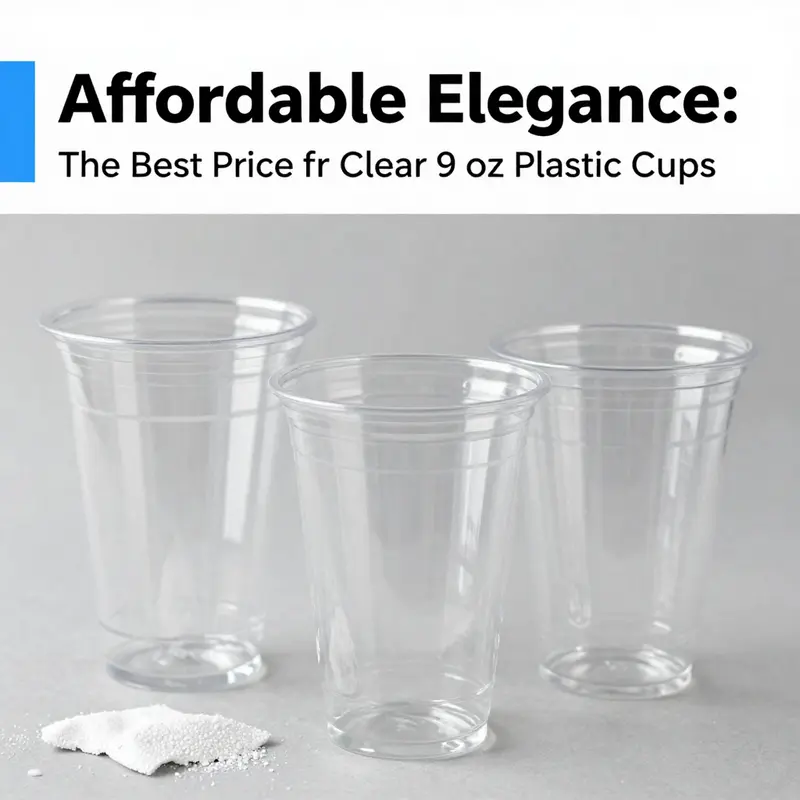
The appeal of a clear, 9 oz disposable cup is deceptively simple: it mirrors the liquid it holds, presents beverages with minimal distraction, and supports quick, casual service at events, cafes, or takeout counters. Yet beneath the glassy surface lies a decision matrix shaped by material science, manufacturing economics, and long-term sustainability goals. For buyers aiming to secure the best price while preserving clarity and safety, the choice between polyethylene (PE) and polystyrene (PS) is more than a matter of cost; it is a balance of performance, environmental footprint, and practical constraints that ripple through every stage of the cup’s life cycle. In this chapter, we explore how these materials perform, what buyers should weigh when negotiating price, and how a strategic approach to volume, branding, and compliance can yield a cup that is both affordable and fit for purpose.
Peering into the material options, polyethylene cups are valued for their flexibility and resilience in normal handling. They bend rather than break, which translates into fewer shattered units during transport or use at bustling events. This resilience is a meaningful attribute when service flow is rapid and the cups are stacked, shuffled, or nested in trays. However, PE cups have a temperature limit. They tend to soften or deform under heat, making them less suitable for hot beverages unless the design includes careful temperature management or alternative closures. For cold drinks, water to iced tea and everything in between, PE cups offer dependable performance at a lower raw material cost, which helps keep unit prices down when orders run into tens or hundreds of thousands of pieces. The lower cost per unit is especially attractive for bulk buyers who prize breakage reduction and predictable logistics as much as they prize upfront price margins.
Polystyrene, particularly its clear variants, presents a different value proposition. PS cups boast a crisper, more rigid structure that exudes a premium, glass-like appearance that many brands associate with quality. The rigidity also translates into a sturdier feel when held and a more predictable shape during filling and stacking. Clarity is another strong point; the transparent walls reveal the beverage with a clean, bright profile that helps beverages look appealing in photos and in person. These attributes matter in settings where visual appeal translates into better consumer perception and, potentially, higher sales volume. Yet this premium look comes with trade-offs, notably environmental considerations and sometimes higher material costs, depending on the grade and processing method. In regions where recycling streams for PS are less robust or where litter concerns persist, the environmental footprint can become a critical factor in vendor selection and overall lifecycle cost. For buyers in high-volume, time-sensitive environments, PS cups can still be the preferred option when the goal is a sturdy, visually striking product that maintains structural integrity through a busy service period.
All buyers must also consider safety standards. Even at the low end of price, cups intended for direct contact with consumables must meet essential food-grade safety requirements. In many markets, this means compliance with recognized food-contact regulations that address migration limits, heat exposure, and general safety for containers that may touch food and beverages. The standard expectations are not merely about ink or color; they encompass the integrity of the material itself, its interaction with liquids, and its behavior during storage and handling. For cost-conscious buyers, a supplier that provides clear documentation and verifiable certifications offers a critical safeguard. It reduces the risk of post-purchase surprises and supports a brand’s responsibility narrative when communicating with customers who increasingly expect transparency about what they consume and what touches their drinks.
Beyond the basic material choice, the size and format of a 9 oz cup matter. The 9 oz segment has earned its place as a versatile middle ground—large enough to satisfy a standard pour, compact enough to keep a tray light, and familiar to customers who are used to a go-to serving size for cold drinks, samples, and light refreshments. In many venues, the objective is to minimize waste while maximizing convenience. This drives demand for cups that are easy to grip, simple to seal with a compatible lid, and reliable in transit. The ability to seal securely is not a mere convenience; it is a practical concern that mitigates leakage and spill risk during delivery and street-level service. A cup that seals well with a lid reduces the need for secondary containment, lowers the chance of accidental spills, and ultimately contributes to a smoother customer experience—one that can justify a slightly higher unit cost if the price-per-unit savings elsewhere do not compromise performance or safety.
From a cost-structure perspective, price leadership in the 9 oz clear cup space typically arises from economies of scale, material efficiency, and streamlined manufacturing routes. Both PE and PS cups can be produced through widely adopted processes such as injection molding or thermoforming, with the latter often favored for thinner walls and high-volume production. When a buyer negotiates price at scale, the economics shift: per-unit costs fall as order volumes rise, largely because fixed costs such as tooling and setup are spread over a larger output. The practical takeaway is straightforward: for bulk buyers, the most favorable price often accompanies a commitment to a longer lead time and a larger lot size. This is not simply a matter of cheaper material; it is a broader optimization that weighs storage capacity, cash flow, and delivery cycles against the risk of stockouts during peak seasons.
Another facet of affordability lies in the potential for customization. Custom logo printing or branding on cups can be a compelling way to increase perceived value and marketing impact. Yet customization introduces its own price dynamics. Ink cost, print area, and durability under beverage conditions all contribute to the final price. In many cases, brands discover that a modest surcharge for branding is well worth the payoff in consumer recognition and promotional reach. For those who prioritize price above all, selecting a standard cup with reliable print-on-demand branding elsewhere may yield a better balance between cost and impact. In this regard, it helps to understand the true cost of customization in relation to expected sales lift and brand exposure. The right choice aligns with a business model where order volumes and promotional goals justify the expense without eroding margins.
While material selection and customization define much of the direct cost, the supplier relationship and ordering terms can dramatically influence the bottom line. Many buyers negotiate for favorable terms such as free samples, OEM services, and scalable warranties. Free samples allow a test run to verify clarity, lid fit, and overall sturdiness before committing to a multi-thousand unit purchase. OEM options enable brands to preserve identity across large campaigns, ensuring that the final product communicates consistently with the brand’s voice. When orders reach tens of thousands or more, these levers can materially reduce risk and negotiate power with the supplier. The practical upshot is that price is not the sole determinant of value. The efficiency of the ordering process, the reliability of delivery, and the assurance of consistency across batches all contribute to the overall cost of ownership.
In the realm of long-term planning, environmental considerations increasingly shape price perception and supplier choice. Some buyers prefer materials marketed as more sustainable, including grades with enhanced recyclability or bio-based content. The trade-off, however, often appears in cost, availability, and compatibility with existing recycling streams. For a buyer focused on the cheapest route, the simplest path remains selecting a material with predictable performance, broad acceptability in typical recycling infrastructures, and robust supply channels. The green thread—minimizing waste, ensuring safe contact with beverages, and offering competitive pricing—becomes more compelling when a buyer can anchor its decisions in verifiable data while maintaining a clear line of sight to total cost across procurement, usage, and disposal.
In practice, the pursuit of the best price for a clear 9 oz cup is a holistic exercise. It blends material science with procurement discipline: choosing between PE and PS based on heat exposure, clarity, and resilience; balancing thickness and lid compatibility to reduce spill risk; weighing the benefits of branding against the incremental cost of customization; and aligning volume commitments with production calendars and storage realities. For buyers who need more confidence in the price-performance equation, engaging with suppliers on the dimensions of lead times, sample policies, and return guarantees can provide critical clarity. The most effective procurement strategy often blends a conservative baseline of proven performance with a flexible plan for volume growth, enabling the team to capture bulk discounts without compromising safety and customer experience.
For readers seeking deeper context on the safety and material standards that undergird these choices, a foundational resource explains how food-contact materials are regulated and assessed. This external reference helps frame expectations around what constitutes acceptable materials, how migration limits are evaluated, and why independent testing matters in a market where margins can tempt corners. See the official guidance on food-contact materials for more detail on regulatory expectations and best practices. https://www.fda.gov/food/food-contact-materials
Within this framework, a practical takeaway emerges. The cheapest clear 9 oz cup is not a single, universal solution but a class of choices calibrated to how the cup will be used, how often it will be handled, and what customers expect in terms of environmental responsibility and branding. The best price strategy recognizes that the lowest price per cup must be weighed against reliability, safety, and the total cost of ownership. For brands committed to clear presentation and efficient service, a careful evaluation of material behavior under typical usage, a tested lid fit, and a well-structured supplier relationship can yield a combination of cost effectiveness and operational certainty that keeps both the wallet and the customers satisfied.
To illustrate how brands can navigate this landscape, consider a practical trail: choosing a standard, cost-efficient cup for cold beverages in bulk, pairing it with a dependable, leak-resistant lid, and reserving customization for high-visibility campaigns where printed branding has the strongest impact. In such a plan, you preserve price competitiveness for routine demand while still enabling targeted branding that can lift engagement during key promotions. The balance is delicate, but with a disciplined approach to material selection, testing, and supplier collaboration, it is possible to secure both economical pricing and dependable performance. And as the market evolves, the core principle endures: understand the material properties, define the use case with clarity, and align procurement decisions with the broader goals of safety, sustainability, and brand experience.
Internal reference for further reading on branding and cup customization can be found here: custom-printed-logo-disposable-6oz-8oz-9oz-paper-coffee-cup.
Clear, Cost-Effective, and Capable: Designing and Sourcing the 9 oz PET Cup for Bulk Purchases
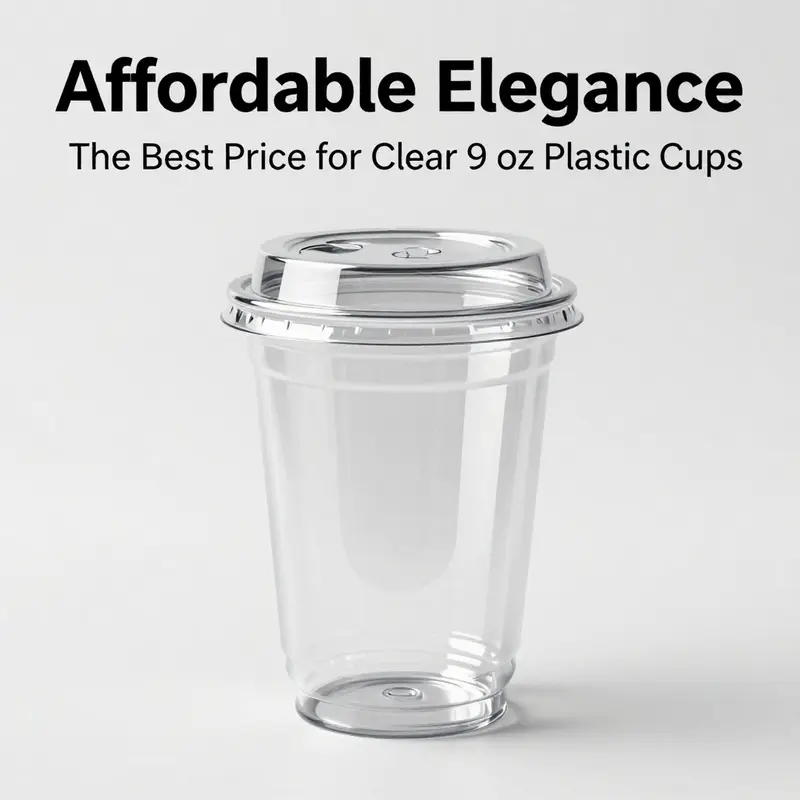
In the world of everyday hospitality, events, and quick-service operations, the 9 oz clear PET cup sits at a practical crossroads. It is small enough to be economical, transparent enough to showcase beverages, and sturdy enough to handle both hot and cold liquids with minimal fuss. The design intent is straightforward: deliver a reliable, leak-resistant vessel at scale while leaving room for branding and efficient service. When you zoom out from the surface details, the cup becomes a microcosm of procurement strategy—where material choice, packaging, lifecycle impact, and purchase economics converge to determine the overall value for the operation.
The 9 oz capacity, roughly 267 milliliters, is a sweet spot for a range of beverages. It’s large enough to satisfy a casual coffee or tea consumer, yet compact enough to encourage multiple servings without waste. In practice, any supplier that engineers a clear, one-time-use cup in this size typically chooses a material like PET—polyethylene terephthalate—because it offers clarity, a light touch on the hand, and solid recyclability in many communities. Clarity matters not only for merchandising the drink but for ensuring that customers can inspect contents at a glance, a small but meaningful aspect of perceived freshness and quality in busy service settings. And while the material is designed for single use, the supporting conversation around sustainability has shifted the conversation away from convenience alone toward responsible disposal, reuse, and recycling wherever possible.
A crucial design attribute in sourcing decisions is the integrity of the lid and the cap mechanism. A secure, leak-resistant seal is essential when cups are transported from bar to table or handed off to guests at a counter. The ideal configuration minimizes spill risk during movement, reduces the likelihood of cross-contamination, and still allows one-handed operation for staff and customers alike. It is not merely about preventing leaks; it is about enabling fast, smooth service. In practical terms, this translates to a lid system that clamps securely without requiring excessive force to open, even for guests wearing gloves or handling warm beverages. The user experience—the ease of drink access, the absence of drips or splashes, and the confidence of a reliable seal—plays a subtle but decisive role in repeat business and in word-of-mouth for the venue.
From a materials perspective, PET remains a common baseline because it balances transparency with a reasonable barrier against moisture while keeping weight down. This matters in high-volume environments where hundreds or thousands of cups move through a day. PET also aligns with standard recycling streams in many regions, which matters to operators who want to convey a responsible posture to customers and stakeholders. Some producers highlight additional certifications, including biodegradability or compostability under industrial conditions, as part of a broader sustainability narrative. For those who prioritize environmental considerations, these attributes can influence the total cost of ownership, especially when weighed against the life cycle impact of traditional plastics.
When cost is the primary driver, the economics of the 9 oz cup come into sharper focus after you move beyond unit price and look at packaging formats, minimum order quantities, and lead times. Bulk pricing patterns typically reward larger orders, but the exact price advantage depends on the supplier, the level of customization, and the degree of packaging optimization. A common wholesale format is a substantial quantity broken into manageable packs—often around 100 cups per pack—creating predictable usage rates and simplifying inventory planning. The ability to purchase in larger quantities can dramatically reduce the per-unit cost, especially when logistics, storage, and waste are carefully managed. For operators facing seasonal spikes or promotional campaigns, this translates into real-world savings that compound across tens of thousands of units.
Customization is a practical lever that can influence overall value beyond the sticker price of the cup itself. Many suppliers offer logo imprinting, color accents, or branded text on the cup or lid, enabling a business to leverage packaging as a mobile advertisement. A branded cup can improve customer recall and provide a consistent, professional appearance across all touchpoints—whether a cafe, a catering event, or a large conference. The trade-off here is that customization typically adds a setup cost and a longer lead time, but the incremental per-unit expense can still be minimal when ordered in bulk. In a well-managed procurement plan, the combination of low base price, scalable customization, and reliable supply yields a compelling total cost of ownership, especially when the cups are used in high-volume service settings.
From the perspective of operations, it helps to approach the purchasing decision with a clear picture of usage patterns. For a coffee shop or beverage stand serving dozens or hundreds of customers each day, stability and speed are non-negotiables. The ideal cup, in this context, is one that can be opened, filled, and sealed without delays, then passed to the customer with minimal risk of leaks. Even small improvements in the lid fit or the profile of the cup’s base can translate into measurable reductions in spillage and waste, especially during peak hours. These efficiency gains can offset a slightly higher unit price by shortening shift times, reducing customer complaints, and streamlining supply chain logistics.
An important consideration that surfaces in many procurement discussions is the environmental footprint of disposable wares. While a clear PET cup offers straightforward recyclability in many markets, operators increasingly seek options that straddle the line between convenience and environmental responsibility. Some glass- or plant-based alternatives may promise lower impact in specific contexts, but they often come with higher costs, heavier weight, or reduced compatibility with existing service workflows. The conversation then shifts to how a business communicates its choices to customers and how it labels and sorts waste to maximize recycling rates. In this light, selecting a cup that aligns with current recycling infrastructure and local guidelines can become a genuine value driver, even when the sticker price is only modestly reduced.
When considering the broader supplier ecosystem, a practical approach to securing the best price for a 9 oz clear cup is to couple thorough due diligence with a transparent quote process. Request quotes for the base cup, but also ask for options on lids, printing, and packaging configurations. Compare not only the per-unit price but the total cost of ownership, including shipping, lead times, and MOQs. A credible supplier will typically offer a sample program—often described as a free sample—and a path to scalable orders with reliable fulfillment. If the quote includes a clear breakdown of costs and a realistic timeline, that clarity becomes a powerful ally in negotiations. It is also wise to verify that the product conforms to relevant food-contact regulations and safety standards, which helps prevent unforeseen compliance setbacks or product recalls that could erode the value of the purchase over time.
For readers exploring alternatives that preserve the forward-looking, eco-conscious posture of their operation, consider examining related disposable ware options that may align with different environmental targets. As one avenue, there is merit in assessing eco-friendly, custom paper cups with lids as part of a broader strategy to diversify sourcing and to tailor packaging to specific events or promotions. In many cases, these paper options can complement plastic cups by offering a lighter environmental footprint for certain service scenarios or by providing a branding canvas that suits particular campaigns. See the following option for related considerations: disposable-eco-friendly-custom-paper-coffee-cups-with-lid. This link offers a practical reference point for operators weighing material choices and marketing opportunities within a sustainable procurement framework.
Ultimately, the best price for a clear 9 oz cup is not found in a single metric but in a deliberate mix of price discipline, supply chain reliability, and strategic packaging. A well-executed sourcing plan recognizes the value of bulk pricing, the benefit of customization for brand consistency, and the long-term advantages of choosing a material with a clear path to recycling and responsible disposal. It also acknowledges the realities of busy service environments where every second saved in handling and every spill avoided contributes to a smoother operation and a more satisfying customer experience. In that sense, the humble 9 oz cup becomes, not merely a disposable vessel, but a carefully considered component of a larger system designed to deliver efficient service, modular branding, and a responsible footprint—an outcome that can translate into tangible cost savings and stronger customer goodwill over time.
External resource for further context: https://www.alibaba.com/product-detail/Fuling-9oz-Disposable-Plastic-Cups-with_1600532478417.html
The Price, the Path, and the Planet: Environmental Realities Behind a 9-Ounce Clear Cup
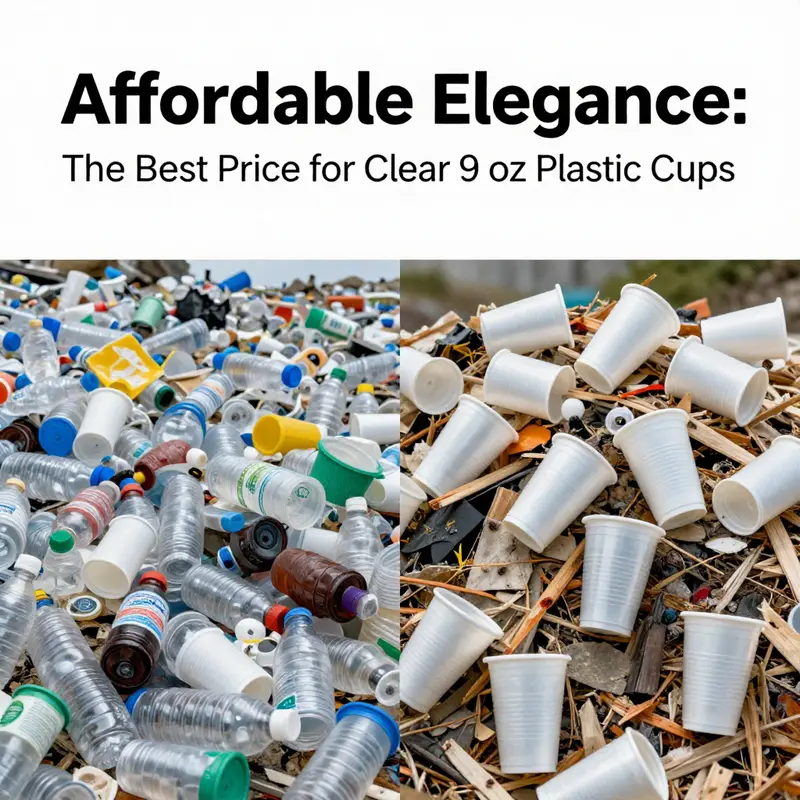
Across bustling cafés, large events, and kitchens, the 9-ounce clear disposable cup with a lid has become a quiet workhorse of modern commerce. Its appeal rests on transparency, practicality, and a friction between price and responsibility. Buyers seeking the best bulk price often weigh cost against performance, aesthetics, and end-of-life outcomes. The core tension is simple: deliver a product that is affordable at scale while aligning with expectations for materials and disposal choices that respect the environment.
Material matters lie at the heart of pricing-for-sustainability. The budget-friendly cups frequently rely on PET, a plastic known for clarity, strength, and recyclability. PET stays optically clear and resists cloudiness when filled with hot or cold beverages. Its strength helps prevent leaks and breakage, reducing waste and safeguarding a brand. And PET is widely recycled in many places, offering a straightforward narrative for brands seeking circularity: use a material that can re-enter the production stream as new products.
Yet recyclability is not universal. It depends on local infrastructure, consumer participation, and collection efficiency. The environmental story of PET cannot be reduced to a single label. It must be paired with access to curbside programs, clear labeling, and consumer clarity about end-of-life options. Even where recycling exists, the journey from used cup to new product is energy-intensive, and the production and transport of PET add to the climate footprint. Price is a proxy for scale and efficiency, but the environmental balance sheet includes upstream and downstream steps that can shift impact.
End-of-life pathways matter. PET can be recycled into various products, but outcomes depend on local markets for recycled feedstock. In regions with underutilized facilities or high contamination, cups can still end up in landfills. Decomposition in landfills takes years or decades, and plastic litter affects ecosystems. A lifecycle perspective is essential: a low unit price achieved via efficient supply chains may come with hidden costs if waste handling and recycling rates lag. The chapter is a call for strategic alignment between product choice, waste collection, and consumer education.
Transportation matters too. The lightness of single-use cups reduces transportation weight and can lower fuel use, but the sheer volume used in events or daily operations can offset this advantage. The per-use footprint remains higher than durable alternatives, even if the material is recyclable. For buyers, sustainability should influence supplier selection: can the cup be sourced with a clear recycling pathway, and can waste be directed to the right stream?
Many organizations seek alternatives that balance price with responsibility. Options marketed as recyclable or compostable, when certified and credible, can help tell a responsible story. The choice is not just about appearance but about a plan that includes packaging, labeling, and disposal guidance to help ensure the product follows its intended path after use. If price is the driver, evaluate how waste-management infrastructure and consumer behavior affect the overall impact. A practical strategy often combines selecting economical cups where infrastructure is strong with investing in more sustainable options for events where separation and education are feasible.
For brands, customization can support a sustainability narrative. Clear cups with logos or embossing aid branding while maintaining function. Details like lid design and leakage prevention have a cascading effect on waste and efficiency. A robust procurement loop can include free samples or OEM services to test performance, ensure compatibility with lids, and verify defect rates that would otherwise generate waste. The result is a purchase process where cost savings, reliability, and stewardship reinforce each other.
Ultimately, the environmental considerations of affordable clear cups depend on material choice, end-of-life outcomes, transportation, and the broader waste-strategy of a company. The price appeal masks a more complex conversation about long-term harm. Buyers should pair bulk purchasing with a deliberate waste-management plan, favor recyclability where infrastructure exists, and be prepared to invest a bit more when doing so meaningfully improves circularity. The best choice aligns cost with collection, recycling, and consumer education, preserving value for both business and planet.
External reading can deepen understanding. For PET’s profile, credible sources describe its role in waste management and the importance of robust recycling infrastructure. This helps evaluate the broader trade-offs involved in selecting a 9-ounce clear cup for high-volume use.
Value-Driven Sourcing for 9 oz Clear Plastic Cups in Large-Scale Service
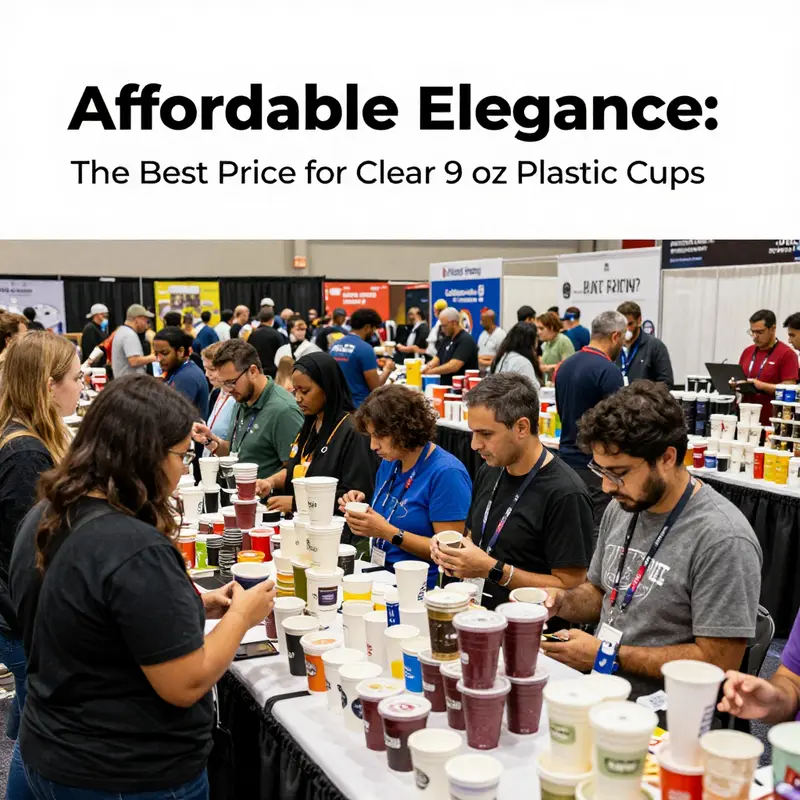
Effective procurement is about more than the sticker price. For large-scale beverage service, a 9 oz clear plastic cup must balance unit cost with durability, leakage resistance, packaging efficiency, and reliable delivery. The best price emerges when you optimize total cost of ownership across multiple suppliers and shipping windows.
In practice, volume tiers, direct-from-manufacturer sourcing, and careful packaging design can yield meaningful savings without sacrificing performance. PET remains the dominant material for clarity and recyclability, while considerations of compostability or recycling availability may influence vendor choice and total cost. Smart buyers quantify trade-offs between upfront cost and long-term value, including waste reduction, handling efficiency, and brand presentation.
A pragmatic approach favors standardized specifications: confirm lid compatibility, stacking efficiency, and consistent supply lead times. By aligning procurement with demand forecasts and consolidating orders with trusted partners, operations can stabilize pricing during peak seasons and reduce the risk of supply disruptions.
Summary: the best price is the one that enables dependable service, maintains product quality, and supports sustainability and brand goals over time.
Final thoughts
Navigating the world of disposable cups can be a daunting task, but understanding the nuances of pricing, materials, design, and environmental impact empowers businesses to make informed choices. This analysis of the best price for cheap clear plastic 9 oz cups illuminates pathways toward efficient, eco-friendly procurement that meets the demands of modern consumers while supporting sustainability efforts. As you explore your options, consider the recommendations and insights shared within this article to enhance your beverage service offering.