
For businesses in the beverage and food service industries, choosing the right disposable plastic cup is not just about convenience; it’s about enhancing customer experience and ensuring brand visibility. With a plethora of options available, knowing which cups are best suited for your needs can make a significant difference. In this guide, we’ll explore the top recommendations for disposable plastic cups, discuss their features and benefits, delve into custom branding options, review material standards, and highlight various applications across events and venues. This comprehensive overview will equip you with all the knowledge necessary to make informed purchasing decisions that align with your business goals.
Beyond the Sip: How the Best Disposable Plastic Cups Fuse Safety, Convenience, and Brand Impact
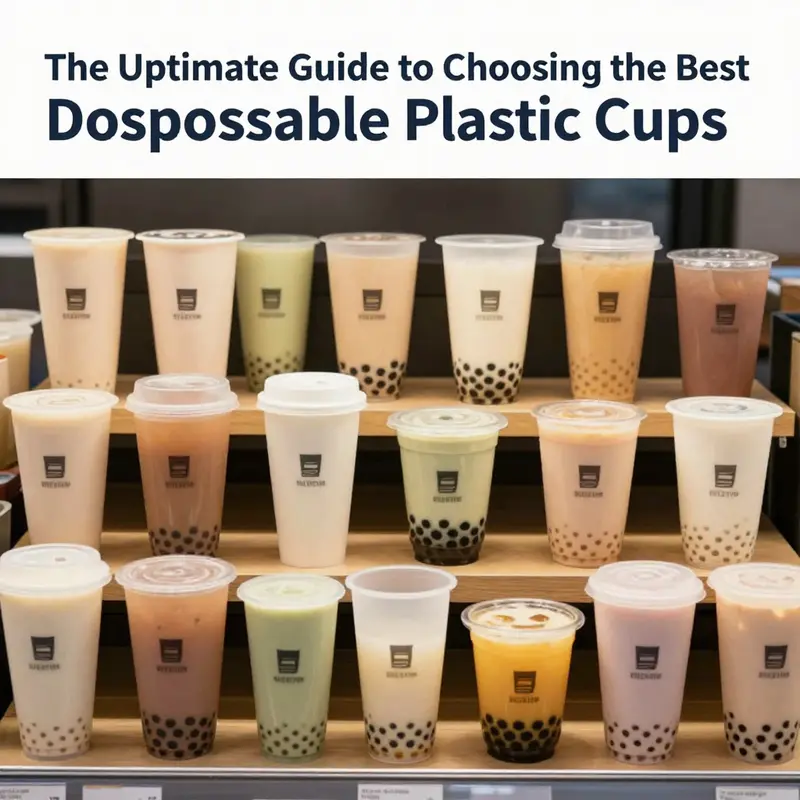
Disposable plastic cups are a familiar part of daily life, from quick-service takeouts to large outdoor gatherings. Yet the choice of cup goes beyond a simple vessel; it is a decision that touches safety, user experience, and even the tone of an event or brand. The best options share a core logic: they are built on a foundation of food-grade materials, they minimize mess and waste, and they offer a platform for branding that can extend the life of a moment beyond the last sip. In a crowded market, that convergence of safety, usability, and visual appeal becomes the deciding factor between a disposable cup that merely holds a drink and one that earns trust, reduces friction, and reinforces a message.
Material quality is the first criterion that separates good from merely acceptable. The preferred base material is a food-grade polymer known for its safety profile and performance in real-world use. Polypropylene, for example, is widely favored for disposable cups because it resists cracking under handling, stands up to cold drinks without imparting off flavors, and holds up against the cold-shock of ice and citrus without leaching or warping. Its heat resistance — typically sufficient for beverages served at modestly cool to room temperatures — helps ensure that a cup remains intact through service, transport, and display. While the emphasis for cold beverages is clear, the material choice also translates into a cleaner mouthfeel and a lack of residual taste, two factors that influence consumer satisfaction as much as the drink itself. The practical takeaway is straightforward: when safety documentation and clear labeling confirm a food-grade PP composition, the cup passes a basic test of reliability that many users subconsciously expect every time they reach for a lid.
The lid and its design are the second pillar of practical excellence. For occasions that require mobility or the flow of crowds, a leak-proof lid with a straw-hole design offers a tangible upgrade in everyday use. A well-engineered lid seals securely to prevent spills during transit, a critical feature for outdoor events, festivals, or busy service lines. A straw hole that accommodates standard stirrers or straws keeps the drink ready to be enjoyed without forcing the user to fumble with components, reducing the chances of spills and messes that can derail a moment, especially in crowded spaces. This kind of thoughtful engineering translates into perceived value; it reassures customers and staff alike that the drink is stable, portable, and easy to handle, even while walking through a crowd or enjoying the music at a festival. The result is a smoother service experience and fewer service disruptions, which in turn enhances the reputation of the vendor or event organizer.
Branding and personalization then become the bridge between functional utility and memorable experience. Patterned cups, metallic rims, or colored rims offer an inexpensive yet powerful way to imprint a theme, a color palette, or a logo on the consumer’s mind. Custom decoration can turn a simple cup into a canvas for storytelling, selling, and social sharing. The most effective approaches combine durability with printing capabilities that preserve color fidelity and contrast. In many cases, six-color flexographic printing is used to reproduce intricate designs or brand marks with a high degree of precision. This is not merely cosmetic; it creates a recognizable visual touchpoint that can be photographed, shared, and recalled. In the right context, a cup becomes a promotional tool or a keepsake from an event, extending the impact of the moment beyond the last sip. However, the feasibility of customization often comes with a consideration of order size. Many suppliers who offer sophisticated printing also operate at a higher minimum quantity, reflecting the setup, ink, and production planning required to deliver consistent, vibrant results across thousands of units. For organizers planning a large gathering or a broad brand campaign, this trade-off is familiar: greater print fidelity and branding capability come with a commitment to scale.
Alongside material and design considerations lie the assurances that make purchasing decisions sound and responsible. A cup that performs on the surface must also be backed by credible certifications and traceability. Buyers increasingly seek assurances that products meet recognized safety and quality standards rather than relying on claims alone. Certifications from internationally recognized bodies indicate that a product has undergone standardized testing for things like food safety, material composition, and regulatory compliance. While the specific logos and test reports may vary by supplier, the underlying expectation is consistent: a cup that can claim safety credentials has passed rigorous checks that reduce risk for both the end user and the selling operation. In practice, this means selecting suppliers who provide transparent documentation and who align with reputable inspection and certification programs. Such alignment helps ensure that cups not only meet practical needs but also satisfy compliance requirements in commercial settings, from cafes to catering operations and large-scale events.
When selecting the best disposable plastic cups, several guiding principles emerge from practical experience and market observations. First, prioritize food-grade PP as the standard material to ensure safety and reliability for cold beverages. Second, look for lids with secure sealing and a straw-hole design that supports effortless handling while preventing spills. Third, assess whether the cup can accommodate branding without compromising readability or usability through appropriate printing methods. A six-color flexo printing option is often the most versatile for complex logos and vibrant designs, especially for large orders tied to campaigns or events. Fourth, verify that the product comes with credible certifications from established bodies, which not only safeguard safety but also reduce the risk of compliance issues for businesses that rely on these cups in high-volume settings. In sum, the best disposable plastic cups are the ones that blend a safe, stable drinking experience with a compelling visual identity and the reassurance of independent testing and certification. They prove their value not only in the moment of consumption but in the trust they foster among customers, staff, and partners.
For readers exploring related packaging considerations, one reference point that aligns with the broader ecosystem of disposables is a page focused on eco-friendly, printed-logo cold beverage cups with lids. This resource demonstrates how customization can coexist with sustainability goals, showing how design and material choices interplay with brand storytelling without sacrificing practicality. You can explore that option here: https://greendispopack.com/product/eco-friendly-printed-logo-cold-beverage-cup-paper-cup-with-lid/.
In addition to the internal considerations, it helps to keep an eye on independent verification and industry standards as a compass. External resources that catalog safety and quality benchmarks provide guidance on how to interpret claims from suppliers and how to evaluate certifications. For a broader understanding of testing, inspection, and traceability, the SGS website remains a reliable touchstone for professionals seeking authoritative information about conformity and lab-based assessments. This external reference complements the practical insights above and anchors decisions in established, verifiable criteria: https://www.sgs.com/.
From Clarity to Comfort: How the Best Disposable Plastic Cups Balance Performance, Safety, and Brand Impact
Every table, event, or takeaway counter encounters a nearly invisible workhorse: the disposable cup designed for cold drinks. The best options do more than hold liquid; they support a user experience, reflect a brand, and align with evolving safety and sustainability expectations. In recent years, the spectrum of materials, shapes, and finish technologies has grown so that a cup can be clear and sturdy, comfortable to hold during a busy day, and yet mindful of environmental considerations. To appreciate what makes a disposable plastic cup stand out, it helps to view three intertwined pillars: material performance, ergonomic design, and practical reliability, with an eye toward how customization and sustainability opportunities extend its value beyond a single use. Each factor interacts with the others, shaping not only how the cup performs but how it supports a brand and a consumer’s daily routine.
Material performance is the foundation. Modern disposable cups routinely use PETE, PP, or PLA, each bringing distinct strengths to the cold beverage scenario. PETE offers exceptional clarity and rigidity, which makes it ideal for iced drinks where visibility matters—consumers often judge a drink by its appearance, and a transparent cup showcases the beverage’s color and freshness. This clarity, combined with shatter resistance, reduces the risk of accidents in outdoor settings or during quick service, helping to keep lines moving smoothly. PP, by contrast, emphasizes heat resistance and durability. It holds up well in mixed environments where drinks might be held during transit or while customers mingle at a social event. PP’s resilience supports hot-to-cold versatility, enabling a single cup design to serve a broader range of beverages without sacrificing form or feel. Then there is PLA, a plant-based option that addresses environmental considerations with industrial compostability. PLA cups can reduce the plastic footprint when a composting infrastructure is available, offering brands a pathway to align with sustainability goals while preserving the convenience that consumers expect from disposables. It is important to note, however, that the composting advantage depends on appropriate facilities, and PLA rarely composts effectively in home environments. These material choices influence not just performance, but also messaging: a cup that communicates quality through material clarity can elevate a simple drink into a premium experience.
Ergonomic design further amplifies the user experience. One design principle recurs across premium disposable cups: an ergonomic, often U-shaped, grip that sits naturally in the hand. This form reduces slippage, especially when hands are moving—think of a busy outdoor festival or a family gathering where people are juggling plates, napkins, and a cup wrapped in a sleeve or a lid. A thoughtful grip is not only about comfort; it directly lowers spill risk, which is a practical benefit for both the consumer and the vendor concerned with waste and cleanup. The rim and base geometry matter as well. A stable base complements a rim that fosters a smooth, controlled pour and reduces tipping, helping to maintain drink integrity from the moment it is filled to the moment it reaches the mouth. In fast-paced contexts—office break rooms, street-side kiosks, or catering events—the small tactile advantages of a well-designed cup can measurably improve the user experience and overall satisfaction with a service.
Structural integrity and functional stability complete the core triad. A cup that deforms under pressure or buckles when lifted denies the consumer the confidence that the beverage will arrive intact. This is where manufacturing tolerances and wall thickness play a decisive role. A rigid structure with good dimensional stability keeps its shape when squeezed in a bag or stacked in a display. A strong base, well-considered wall geometry, and a precisely formed rim work together to prevent leaks, maintain a consistent flow, and ensure a predictable drinking experience. These attributes matter not just for everyday use but for take-out services and delivery, where a dependable cup must survive transport and handling while preserving the beverage’s temperature and integrity.
Customization and branding opportunities add a strategic layer to what would otherwise be a simple vessel. Leading producers offer flexo printing capabilities that can deliver clear, branded graphics with multiple colors. The ability to imprint a logo, color scheme, or distinctive artwork directly on the cup elevates the cup from mere packaging to a mobile marketing canvas. For large campaigns and corporate events, brands often require bulk orders with defined minimums, reflecting the economies of scale that make customization feasible. The practical takeaway is that the same cup can serve as a quiet ambassador for a brand at a festival, a trade show, or a restaurant table, reinforcing identity with every sip. This convergence of function and branding is particularly potent when combined with materials that suit the intended event—clear PETE for a modern, premium look; sturdy PP for hot- or cold-service versatility; or eco-conscious PLA where composting options exist, signaling a commitment to sustainable practices.
Safety and regulatory compliance underpin every choice. The best disposable cups are designed to be food-safe and to meet recognized standards, providing reassurance to both operators and consumers. Certifications and rigorous quality control help ensure that surface finishes, inks, and additives meet safety expectations. In many regions, third-party verification from inspection bodies signals that a cup has passed stringent checks for contact with food and beverages. This trust is essential because cups are not merely containers; they are participants in daily routines that involve health, hygiene, and reliable performance. When a consumer sees a cup that carries credible safety marks, the implicit confidence translates into repeat use and brand trust, turning a disposable item into part of a brand’s responsible image.
Convenience remains a powerful driver of adoption. The market’s popular designs often pair cups with integrated lids and, in some cases, straws, delivering an all-in-one solution that minimizes leakage and preparation time. This convenience resonates with busy families, students, office workers, and event organizers who value efficiency and waste reduction. A cup that ships with a lid or that is easy to seal supports on-the-go consumption and reduces the need for extra accessories, streamlining both preparation and cleanup. It is this practical simplicity that makes a durable, well-designed cup a winner in real-world use, where time, cleanliness, and ease are often as important as the beverage itself.
Sustainability considerations have become increasingly central to decisions about disposables. Some brands prioritize plant-based or compostable options, recognizing that customers increasingly expect environmental responsibility to accompany convenience. PLA stands out as a compostable option under industrial conditions, offering a meaningful alternative for events or businesses with access to the right infrastructure. Brands may also explore refillable or reusable storytelling around disposables, using branding and messaging to communicate a commitment to responsible consumption while still delivering the convenience consumers want. While no single cup solves every environmental challenge, selecting materials and designs that align with the intended end-of-life pathway helps companies demonstrate accountability and adaptability in a rapidly changing market.
When exploring the broader landscape of disposable cups, small decisions accumulate into tangible differences in user experience and brand perception. For brands seeking to integrate branding with packaging sustainability, an example worth considering is the option to pair branding-focused, eco-friendly printing with a cup design that clearly communicates its material and end-of-life pathway. For instance, consider eco-friendly-printed-logo-single-wall-paper-cup-with-lid, which illustrates how branding can be extended to paper-based disposables while signaling sustainability in a way that complements plastic options. This example highlights that packaging decisions are rarely isolated; they interact with marketing goals, operational logistics, and environmental commitments.
For readers who want to survey current market leaders and gather real-world feedback, consulting up-to-date sources on consumer preferences can be informative. A widely used reference point is the ongoing catalog of best-selling disposable cups on major retail platforms, where reviews and sales data reflect practical performance and perceived value over time. External resources such as these provide a grounded lens on what features continue to drive adoption, from clarity and grip to leak resistance and branding flexibility. See the contemporary landscape at the Amazon Best Sellers page for disposable cups to glean which combinations of material, design, and finish are resonating with buyers at the moment. (External resource: Amazon Best Sellers for Disposable Cups: https://www.amazon.com/gp/bestsellers/home-garden/4878915011/ref=sv2026-02-24home-gardentopsellers?ref=sv2026-02-24home-gardentop_sellers)
In sum, the best disposable plastic cups rise above basic utility by marrying material science with thoughtful geometry, reliable manufacturing, and strategic branding possibilities. They acknowledge safety and regulatory expectations while embracing the convenience that consumers champion in daily life. They also recognize that sustainability is not a hurdle to be solved in isolation but an ongoing design conversation that can influence material choices, printing options, and end-of-life considerations. When readers weigh the trade-offs among clarity, heat resistance, grip, printability, and environmental impact, they begin to see how a single cup can embody both practical performance and aspirational values. This integrated perspective helps explain why certain cups become preferred choices across homes, offices, events, and service channels, and why brands increasingly treat disposables not just as disposable items but as elements of a coherent, responsive packaging and experience strategy.
Brand Signals on a Cup: The Strategic Role of Custom Disposable Cups in Cold-Drink Marketing
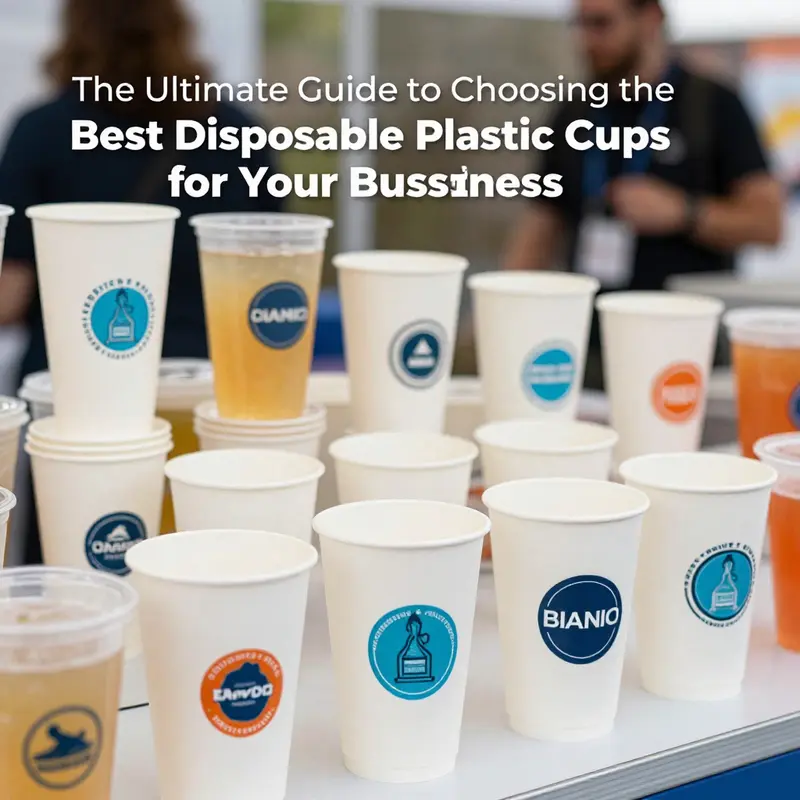
In the marketplace where take-away drinks compete for a moment of attention, the cup itself becomes a moving billboard. A disposable cup carrying a brand’s logo, colors, and message travels from the customer’s hand to the street, into photos, and into conversations. For many brands, this is not merely packaging; it is a deliberate extension of brand identity designed to amplify recognition, foster recall, and improve the overall customer experience. The most effective approach treats the cup as a curated canvas—one that communicates consistency, quality, and personality at the exact moment a consumer decides what to drink. In practical terms, that means thinking beyond the cup as a container and toward the cup as a brand activation tool. When a business chooses a cup with care, it signals values like reliability, attention to detail, and a desire to elevate everyday moments into small, shareable experiences. This is where the choice between a ready-made, unbranded option and a fully customized cup becomes a strategic decision with long-tail effects on perception and loyalty.
A core idea that guides many brand executives is the concept of “walking advertisements.” The cup carries forward messaging that can be seen from multiple angles as the drink moves through crowds, lines, and queues. A practical mechanism to maximize this effect is the double-sided logo design. By placing the primary mark on one side and a secondary cue—such as a slogan, a QR code, or social media handle—on the opposite side, a cup remains legible no matter how the user holds it. This approach helps ensure visibility from both left and right hands, from the front and the back, and even when the cup is rotated in a bustling café or during an event. The result is a more enduring impression, not merely a fleeting glance. For brands considering how to translate this principle into their own cups, the idea is to view the cup as a thin, portable stage where branding, storytelling, and interaction can converge in real time.
Material choice then becomes a second, equally important axis. The need to showcase brand imagery clearly and with a premium feel often aligns with the selection of materials that balance clarity, weight, and printability. For cold beverages, transparent options such as clear plastics are favored for their visual appeal—consumers can see the color and texture of the drink, which reinforces perceived quality. However, printability and sustainability considerations can steer decisions toward alternatives with better surface stability for complex artwork and branding. In practice, many brands lean toward materials that render bold, durable graphics through flexographic or other high-clarity printing processes. When the emphasis is on hot beverages, the material must tolerate higher temperatures and resist deformation, which typically points toward heat-resistant polymers and robust printing methods to preserve brand fidelity. The trade-off is not only performance but also the sensory feel of the cup, which can influence perceived value.
A broader, equally vital axis is sustainability and corporate responsibility. Consumers increasingly expect brands to address environmental impact, even in the realm of single-use containers. From a brand standpoint, the conversation shifts from “Can we print more vividly?” to “Can we responsibly manage end-of-life?” PET is widely recognized as recyclable in many regions, with recycling codes that help guide post-use recovery. Brands can leverage this perception by selecting materials that align with recycling streams, and by communicating end-of-life considerations clearly on packaging and in marketing materials. Beyond recyclability, there is growing interest in bio-based options or in participating in take-back or recycling programs that demonstrate a tangible commitment to circularity. The branding implication is load-bearing: customers tend to reward brands that demonstrate environmental accountability with increased trust and preference, especially among younger cohorts who value sustainability as much as aesthetics.
No discussion of custom cups would be complete without addressing the realities of production and supply chains. Customization unlocks powerful branding opportunities, but it comes with practical constraints. For standard, unprinted cups, the timeline is typically short, but once a company adds branding—especially in full-color, multi-contrast schemes—the process changes. Printing methods such as flexographic printing enable complex designs and brand identity systems to travel across thousands or even tens of thousands of units. The trade-off is the minimum order quantity, which in many cases is substantial. In practical terms, brands often face minimums in the range of tens of thousands to hundreds of thousands of units for fully customized cups. When a brand chooses to print, the lead times can stretch, yet once the initial order is fulfilled, subsequent restocks can benefit from improved logistics and supply chain predictability. The upside is clear: a consistent, high-visibility brand presence across every cup that enters the market, which can translate into stronger recognition during high-traffic seasons or high-volume events.
The decision between a ready-to-use cup and a fully customized cup is not only about cost and speed; it is a choice about how a brand wants to engage with customers at the moment of consumption. For some brands, immediate availability paired with straightforward functionality offers a reliable baseline that supports fast service models and price-sensitive markets. For others, a customized cup acts as a client-facing asset—an extension of the brand’s visual language and a tactile reminder of promise and experience. In the latter case, the cup becomes an ambassador that communicates brand values beyond the beverage itself. The challenge, of course, is balancing print fidelity, durability, and regulatory compliance across different markets, while staying true to the brand’s tone and identity. In practice, a hybrid approach often makes sense: start with a solid, high-contrast logo on a clear cup for maximum visibility, then layer in secondary branding elements—such as a QR code leading to a loyalty program or a social handle—that can amplify engagement without overwhelming the primary design. To explore this hybrid path, brands might consider a dedicated cup with a robust logo on the main side and a secondary cue on the opposite side or lid area, providing a cohesive visual narrative from the moment a cup is handed to a customer through the moment the cup is scanned or shared online. For a sense of how logo customization can be implemented on cup formats that prioritize portability and branding synergy, you can view an example of logo customization on a disposable cup here: disposable-custom-logo-disposable-6oz-8oz-paper-coffee-cup-with-lid.
Any robust branding strategy must also acknowledge the broader ecosystem of options and constraints. When designing a custom cup program, brands should map out the intended usage scenarios—whether the cups will be used primarily in cafes, at events, or for takeout deliveries—and align those scenarios with material performance, print quality, and end-of-life considerations. The visual language selected for the cup should harmonize with other packaging and with in-store or on-site experiences, ensuring a seamless customer journey from the storefront to the street and back again in social feeds. This coherence strengthens brand recall and reduces cognitive load on the consumer, who encounters a consistent aesthetic across packaging, digital channels, and physical environments. In this sense, the cup becomes not just a packaging element but a node in a brand’s larger experiential network, reinforcing the story a brand tells about quality, care, and shared moments of enjoyment.
Ultimately, the choice to pursue customized cups is a strategic decision anchored in brand objectives, market positioning, and long-term value. A well-executed customization program can yield strong, measurable benefits: heightened visibility, more meaningful consumer interactions, and a reinforced perception of quality that can command a premium in appropriate market segments. The key is to balance ambition with practicality—select materials that support brand aesthetics and sustainability goals, choose printing methods that preserve fidelity at scale, and design with the customer’s experience in mind. The result is a cup that not only holds a beverage but also carries a narrative—one that stays with the consumer longer than the drink itself. External partners should be engaged early to navigate MOQs, lead times, and certification requirements, while internal teams map how the cup’s branding aligns with loyalty programs, seasonal campaigns, and cross-channel marketing. In this way, the humble cup becomes a strategic asset—an enduring reminder of a brand’s promise, delivered in a moment that matters most: the moment a customer takes a sip.
External resource: https://www.sgcplastics.com/custom-disposable-plastic-cups
Clarity and Compliance: Material Standards That Define the Best Disposable Plastic Cups for Cold Drinks
The choice of a disposable plastic cup for cold beverages goes far beyond its clarity or the convenience of a lid. It rests on a framework of material standards that connect safety, performance, and environmental responsibility. When a cup entering the market or into a consumer’s hands carries the right certifications, it signals more than compliance; it signals trust. In this chapter, we explore how the most commonly used materials—PET, PLA, and high-grade polypropylene—are governed by a network of international and industry standards. We also unpack what those standards mean for everyday use, for brand integrity, and for the broader lifecycle of a cup from production to disposal. The aim is to illuminate how material choice translates into real-world outcomes for cold drinks, whether you’re stocking a café, running a delivery service, or outfitting a large outdoor event.
First, consider PET, the workhorse of cold-drink cups. PET’s popularity stems from its excellent clarity, dimensional stability, and relatively low cost. The core safety credential for PET cups in direct contact with beverages is compliance with food-contact material standards set by major regulators. In many markets, the primary benchmarks revolve around not introducing toxins, including substances such as BPA and phthalates, into the beverage. The alignment with these safety expectations is reinforced by international practice that references ISO guidelines and other test protocols as part of a broader system to verify that PET cups are safe for consumer use. In parallel, recyclability plays a central role. PET cups are increasingly evaluated against packaging directives that aim to simplify recycling streams and reduce litter. In Europe, for example, packaging waste directives waterline the criteria for recyclability, and many national standards in large markets align with those expectations. In several other jurisdictions, national standards similarly codify how PET cups should be recycled or disposed of, ensuring that a cup designed for cold drinks does not become a dead end in the waste system.
Then there is PLA, the biobased option derived from renewable resources. PLA cups appear as an attractive choice for brands seeking to emphasize sustainability. To translate this appeal into credible performance, PLA must meet compostability and material-efficiency standards. Industrial compostability certifications—such as those defined by ASTM and European EN standards—specify that PLA cups break down in controlled composting facilities within a set timeframe, typically within weeks. These standards do not guarantee home-composting viability, which is an important distinction for operators planning disposal options. The certification process provides assurance that the cup’s organic material will decompose in appropriate facilities, addressing concerns about microplastic fragments and residue. Yet the environmental advantage of PLA hinges on proper infrastructure; without industrial composting facilities, the anticipated benefits may not materialize. This nuance underscores a broader principle: the best material choice depends not only on the cup’s properties but also on the end-of-life system it is designed to fit.
A third pillar in the material toolkit is polypropylene, or PP, which is renowned for heat tolerance and mechanical resilience. Cold beverages demand a cup that stays rigid and leak-resistant while being light and economical. PP’s higher thermal resistance compared with PET makes it a practical option when hot beverages are occasionally served or when the cup may experience temperature fluctuations in transit. Standards for PP cups emphasize not only safety in contact with food and drinks but also performance during handling and transport. Structural durability is essential for preventing cracks, splits, or leaks when cups are carried, stacked, or shaken in transit. In practice, this means choosing a material that maintains its integrity under stress and over time, while still complying with all relevant safety and labeling requirements. Across all these materials, the core considerations converge on a few universal questions: Is the cup non-toxic and food-safe? Will it tolerate its intended temperature range? How does it perform in real-world handling and transport? And crucially, what is its likelihood of ending up in a recycling or composting stream rather than a landfill?
Standards also shape how manufacturers communicate capabilities. For cold-drink cups, the printing and branding performed on the surface—often achieved through flexible printing techniques—must not compromise safety or material performance. The six-color flexographic printing process, widely used to deliver vibrant brand imagery, is designed to be compatible with food-contact packaging while preserving the cup’s integrity and barrier properties. When branding is one consideration, standards and certifications provide a framework for ensuring that inks and coatings used in printing do not migrate into beverages or degrade the plastic over time. This is critical for consumer confidence, as a cup may be used multiple times in varied environments—from home gatherings to outdoor festivals—and a reliable material standard helps prevent unexpected interactions between beverage and cup.
Beyond safety and performance, modern buyers increasingly weigh the sustainability profile of disposable cups. The standard of recyclability or compostability is no longer a single checkbox; it is a spectrum that factors in regional infrastructure and consumer behavior. In many programs, a cup’s ability to be recycled is validated by traceable content and third-party verification, which assures buyers that the claimed recycling potential reflects real-world outcomes. For PLA, the industrial composting route is the intended end-of-life channel, and standards such as EN 13432 and ASTM D6400 quantify the conditions under which composting is achieved. These standards describe how the material should degrade under controlled facilities, with specified timeframes and material breakdown outcomes. In contrast, PET’s recyclability is anchored in the compatibility of the polymer with established recycling streams and the quality of recovered material. The presence of contaminants, ink residues, or multilayer constructions can complicate recycling, which is why clear labeling and robust material declarations are part of the compliance picture.
In practice, the best disposable cups are those that align with a comprehensive set of requirements: food-grade safety, appropriate thermal performance, durability for handling and transport, and end-of-life compatibility with local waste systems. The safety framework is supported by regulatory references at national and international levels, while the performance framework rests on material properties and manufacturing processes. For buyers, the decision often boils down to a clear understanding of the trade-offs between PET, PLA, and PP cups. PET offers clarity, well-understood recycling pathways, and strong performance for cold drinks. PLA offers a compostable option where industrial facilities exist to process it responsibly. PP delivers enhanced heat resistance and robustness, which can be decisive for certain service models such as hot drinks in a compromised environment or in settings where spills are more likely. Importantly, no single material is universally superior; the right choice depends on the specific use case, logistical realities, and the availability of appropriate disposal options.
As a practical note for practitioners and buyers navigating a crowded market, certification labels and third-party attestations become valuable signals. Look for products that carry explicit declarations about safety, testing, and end-of-life claims. This kind of diligence is not about catching a product in a lie; it is about ensuring that a cup will perform as advertised under real-world conditions and will contribute to a responsible waste management cycle. When evaluating options, it can be helpful to reference a relevant supplier that offers eco-friendly cup designs with printed branding as a case study in how packaging suppliers communicate responsibly about the products they offer. For instance, one such option can be explored here: eco-friendly-printed-logo-cold-beverage-cup-paper-cup-with-lid. While this example centers on a paper-based cup, the principle—transparent material declarations, verified end-of-life pathways, and honest safety credentials—translates across materials and suppliers.
To anchor these considerations in a broader regulatory and standards landscape, readers can consult foundational resources that lay out how food-contact materials are governed. A reliable external reference is the U.S. Food and Drug Administration’s overview of food contact material standards, which provides context on the safety expectations and testing regimes that underpin practical compliance in many markets. External resource: https://www.fda.gov/food/food-contact-materials/food-contact-materials-standards. The standards ecosystem is continually evolving as new materials, composites, and recycling technologies emerge, so staying informed helps brands and retailers avoid greenwashed claims and misaligned packaging decisions. In the end, the best disposable cups are those whose material standards—and the certifications they carry—connect safety, performance, and life-cycle responsibility in a coherent, verifiable way. The goal is not only to protect beverages but to support a circular economy where packaging materials can be responsibly managed long after the drinks are enjoyed.
One Cup, Infinite Settings: Maximizing the Role of Disposable Plastic Cups Across Events
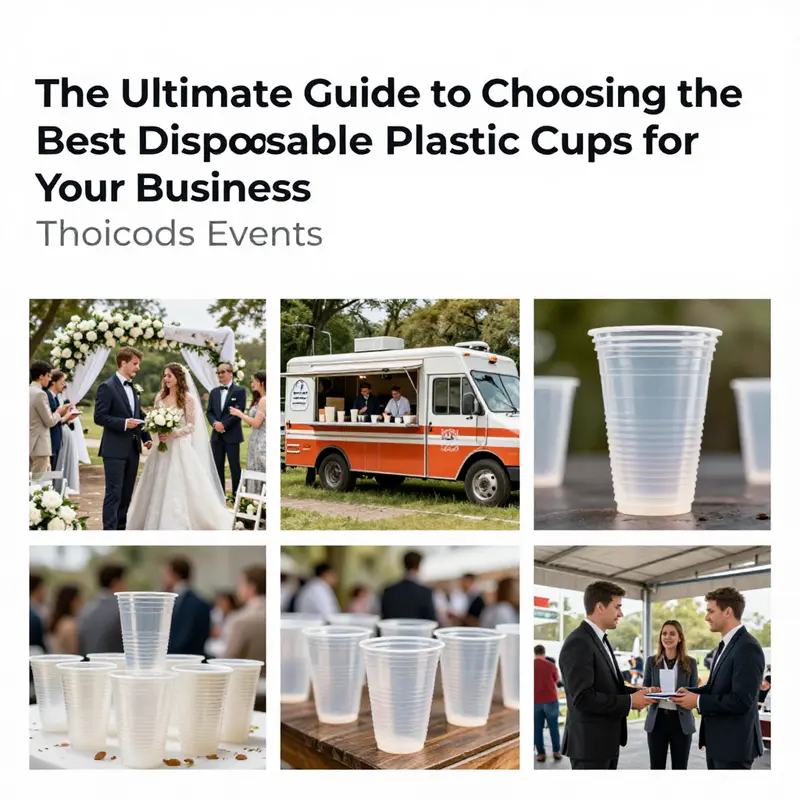
In any event, the choice of cups is more than a detail; it shapes workflow, guest experience, and even branding. The best disposable plastic cups for cold beverages are not a single product but a spectrum that blends safety, practicality, and style. When organizers imagine a party, a conference, or a community gathering, they are really choosing how easy it will be to serve, how clean the presentation will look, and how efficiently the team can move from setup to service. A thoughtful selection can minimize spills during transport, maintain the integrity of cold drinks, and leave guests with a subtle memory of a job well done. The most versatile options are those designed for immediate use—clear, leak-resistant, and compatible with lids and straws—because they strike a balance between reliability and cost. Yet there is more to the story. A truly effective cup strategy also recognizes the broader context: the environment, the scale of service, and the branding opportunities that even a simple disposable cup can unlock.
On the practical side, catering services, bars, weddings, and corporate events benefit from cups that look clean and professional while performing under pressure. The preferred type in these settings is a sturdy, clear plastic cup that presents beverages in an elegant, uncluttered way. The design should emphasize leak resistance so that transporting drinks from kitchen to tables or outdoor service stations does not become a hands-on drama. The cups should be compatible with lids and straws to prevent spills during movement, a feature especially valued in outdoor venues or multi-station setups. In environments where dress code and ambiance matter, the goal is to offer cups that feel appropriate for semi-formal to formal settings. The cups should be easy to grip, visually tidy, and resilient enough to withstand the rush of service without compromising beverage temperature or presentation. While these cups shine in operational efficiency, they also offer room for branding through printing and labeling. Customization is a bridge between functionality and marketing, allowing an event to maintain a cohesive look without sacrificing practicality. For organizers who want to explore branding without sacrificing practicality, there are options that support six-color flexo printing or similar processes. The result can be a cup that carries a brand message or event motif with clarity and subtle sophistication.
For longer events or those held in parks, on campuses, or in festival environments, sharing and convenience become central considerations. Road-tested scenarios show a demand for specialized straw cups with dual straws or wide-mouth openings. These designs cater to casual settings where the drink is often shared or sampled on the move. They are lightweight and food-safe, making them particularly appealing for casual gatherings, outdoor picnics, and campus activities. The shared-drink format is a playful feature that also doubles as a memory cue for guests—an impression that the event was thoughtful, inclusive, and fun. The practical advantages extend beyond sharing; wide-mouth variants can accommodate thicker beverages like smoothie mixes or iced tea with fruit additions, ensuring that even specialty drinks remain easy to consume without a mess. The emphasis remains on portability, cleanliness, and ease of use, with a recognition that cold drinks especially benefit from a design that reduces the likelihood of drips and leaks during transit.
As more events emphasize sustainability, the conversation broadens to material choices and end-of-life scenarios. Eco-conscious events and gatherings with composting infrastructure increasingly seek biodegradable options made from PLA, derived from renewable resources like cornstarch. In these cases, the environmental impact is a central criterion alongside performance. Biodegradable cups can be designed to break down under industrial composting conditions, which helps reduce waste when a large number of cups are produced and discarded. For organizers prioritizing green practices, this dimension of the decision is not merely decorative; it is a practical commitment to aligning event operations with sustainability goals. The choice, however, must be paired with a clear understanding of local composting capabilities and authenticity of claims. When configured correctly, these cups allow eco-minded brands to present an integrated story from service to post-event cleanup.
Beyond these material considerations, everyday spaces—family outings, fitness centers, and office environments—offer another slice of the spectrum. In these contexts, smaller cups with leak-resistant designs and colorful patterns strike a balance between practicality and personality. They are easy to handle for both children and adults, reducing the risk of spills in high-traffic areas such as gym lobbies or break rooms. BPA-free options and other health-conscious materials address consumer expectations for safety, especially where hydration routines and high-activity days are the norm. Colorful patterns serve as a simple mood booster and can be a subtle nod to a brand’s identity, a theme for a school program, or a team-building event in a corporate setting.
When events scale up to industrial or large-scale applications, the requirements shift again. In these environments, the 1-liter capacity cups, typically made from polypropylene, are valued for their high impact resistance and thermal stability. Their translucent appearance offers practicality for quick recognition of beverage type and level, a feature that helps staff manage service flow in busy spaces. The trade-off is clear: these larger cups often come with higher production costs and a more utilitarian aesthetic. They are less likely to be chosen for design-forward experiences, yet they excel where volume, durability, and straightforward functionality take precedence. In such contexts, the focus is on robustness and predictability, ensuring that the service line remains efficient even under peak demand.
The central thread running through these different settings is the balance between safety, environmental impact, functionality, and visual appeal. A top-tier choice today acknowledges food-grade safety standards, leak resistance, and the ability to support branding without compromising performance. For many organizers, it is the combination of practical reliability and branding potential that makes a disposable cup truly valuable. The perspective shifts from viewing cups as mere vessels to recognizing them as touchpoints in a guest’s journey—from the moment a drink is handed to a guest to the way it travels through service lines and into memory. In practice, this means asking the right questions before purchase: Will this cup handle cold drinks without sweating or fogging? Is it compatible with lids that prevent spills during transport? Can it be printed with logos or event graphics without compromising clarity? Does its material align with the venue’s environmental commitments? And crucially, does the selection fit the event’s budget while delivering the guest experience the team aims to achieve?
For organizers who seek a direct path to balance and efficiency, there is a practical approach. Start with a core set of cups designed for immediate-use scenarios—clear, leak-resistant options that pair well with a secure lid and a compatible straw. These form the backbone for most standard services, from receptions to banquets and outdoor concerts. Then consider a secondary tier for specialized moments: shareable straw cups for casual breaks, and larger-volume PP cups for high-traffic zones or bulk beverage service. If sustainability is non-negotiable, introduce a PLA-based tier for events with composting infrastructure, ensuring guests understand the environmental story your event tells. Finally, for branding-driven experiences, offer a limited but strategic set of printed options that maintain legibility and brand fidelity while preserving the cups’ structural integrity.
For those who wish to explore branding and sustainability in tandem, a practical path is the option to align with green branding and efficient production. Brands seeking a green branding edge can explore options like eco-friendly-printed-logo-cold-beverage-cup-paper-cup-with-lid, which demonstrates how a disposable cup can carry a meaningful brand narrative without sacrificing practicality or safety. Such approaches illustrate how the cup can function as a canvas for storytelling while serving as a reliable, everyday item. This integration of form and function helps events feel coordinated and purposeful, reinforcing a sense of care and attention that guests will notice.
In sum, the best disposable plastic cups for events are not monolithic. They are a spectrum that covers multiple needs—durability, safety, convenience, and branding—across a diverse array of settings. The most successful event planners see cups not as disposable afterthoughts but as deliberate choices that influence flow, aesthetics, and environmental impact. The right selection enables teams to focus on what matters most: delivering a smooth, memorable guest experience. As event theory and consumer expectations evolve, the cups that endure will be those that blend robust performance with thoughtful design, allowing hosts to serve cold beverages confidently while leaving a positive impression that lingers long after the final toast.
Final thoughts
Choosing the right disposable plastic cups is crucial for business success, especially in industries like restaurants, catering, and events. The right cups not only enhance the customer experience but also represent your brand effectively. As we’ve discussed, options like Dealusy’s 100 Pack for immediate use or customized solutions for specific branding can meet diverse requirements. Prioritizing material standards ensures safety and compliance while catering to your customer base. With a deeper understanding of the features, benefits, and applications of disposable plastic cups, you’re now better equipped to make informed decisions that elevate your service and branding in your respective market.