
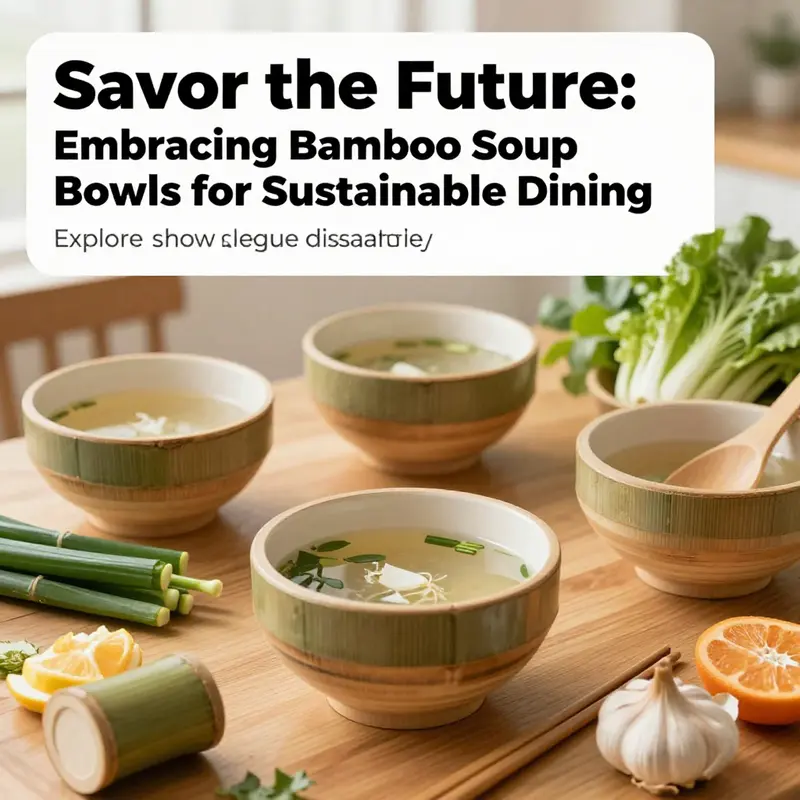
In today’s conscious consumer landscape, businesses are increasingly seeking eco-friendly alternatives to traditional disposable products. Bamboo soup bowls stand out as a sustainable, biodegradable choice that caters to the growing demand for environmentally responsible packaging in the food service sector. This article dives into the environmental impact of bamboo soup bowls, examines market demands and economic factors shaping production, explores technological advancements in their manufacturing, conducts a comparative analysis against traditional disposable bowls, and highlights evolving consumer trends in tableware preferences. Each chapter builds on the previous one, creating a holistic understanding of how bamboo soup bowls emerge as not just a product, but a movement towards more sustainable dining solutions.
Beneath the Bowls: Evaluating the Climate Footprint of Disposable Bamboo Soup Bowls
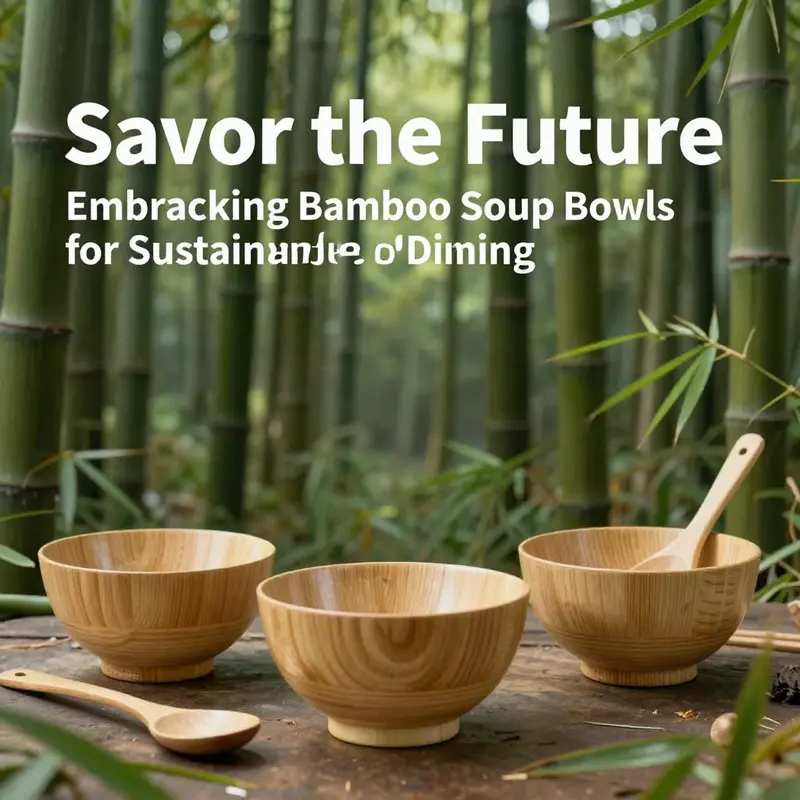
Bamboo disposable soup bowls have emerged as a response to the demand for plastics-free options. They offer a renewable sourcing story and a practical alternative for hot meals. Yet their environmental impact depends on several variables, including the source of bamboo, the presence of resins or binders, energy use in production, transportation, and end-of-life options. For many operators, the appeal is both functional and branding a natural aesthetic that can signal sustainability to customers. However biodegradability is not guaranteed in all disposal streams. Some bamboo composites rely on synthetic binders that may slow composting or lead to microplastic fragments if disposed of improperly. Consequently, assessing the true environmental benefits requires looking beyond marketing claims to the full lifecycle.
Lifecycle thinking helps clarify where these products shine and where they require careful management. On the manufacturing side, bamboo and sugarcane fibers can lower carbon emissions relative to petroleum-based inputs, but energy use in processing and long-distance transport can erode that benefit. Local production can help reduce footprint. Certifications and third-party verification play a crucial role; these provide signals about responsible sourcing and chemical safety. For example, FSC and Cradle to Cradle standards help buyers compare products. Together, these standards create a framework for evaluating how a product aligns with sustainability goals.
In practice, choosing bamboo-based disposables also means rethinking the entire service ecosystem. The warm, organic aesthetics can enhance perceived sustainability and support branding. The practical tradeoffs include the need for appropriate end-of-life infrastructure and the potential for higher energy use in some supply chains. End-of-life planning matters as much as sourcing, and a mixed strategy that minimizes waste, maximizes recovery where feasible, and favors materials with credible disposal options often makes sense.
For buyers in hospitality and catering, a disciplined procurement approach matters. Look for certifications such as FSC for sourcing and Cradle to Cradle for chemical safety, and seek transparency about resin content and energy use in production. These signals help buyers compare products beyond price and appearance and support a broader sustainability strategy.
For readers exploring alternatives to plastics that still meet hot-food service needs, it can be valuable to examine options such as disposable kraft paper bowls with lids and related fiber-based packaging. If you are considering compostable paths, you might explore a disposable kraft paper bowl for food package with lid, which can be found here: https://greendispopack.com/product/disposable-kraft-paper-bowl-for-food-package-with-lid/. This link is provided to illustrate the broader ecosystem of plant-based disposables and to encourage a comparative assessment of end-of-life performance, not to promote a single solution.
Ultimately, the environmental footprint of disposable bamboo bowls is not a fixed quantity but a moving target shaped by sourcing, processing, logistics, and disposal realities. Their value lies in offering a renewable alternative that can reduce plastic demand and lower carbon intensity when managed with intention. To realize that potential, stakeholders should ask informed questions about fiber sourcing, energy use, resin content, and the availability of composting or recycling streams. The Sustainable Packaging Coalition offers a Bamboo Packaging Impact resource that provides a framework for evaluating these factors and clarifies how biodegradability, compostability, and recyclability vary by context. For a deeper dive, see the Bamboo Packaging Impact guide from the Sustainable Packaging Coalition.
In sum, disposable bamboo soup bowls sit at a critical crossroads. They can offer a practical and potentially lower-emission path for hot-food service when sourced responsibly and disposed of through appropriate channels. Their environmental performance improves when buyers prioritize certified materials, minimize energy-intensive processing, shorten supply chains, and support robust end-of-life options. As cities, restaurants, and consumers seek better packaging choices, these bowls can play a meaningful role in sustainable dining and waste reduction, and the conversation around their performance continues to evolve as standards and infrastructure improve.
Brewing Demand and Balancing the Ledger: The Economic Life of Disposable Bamboo Soup Bowls
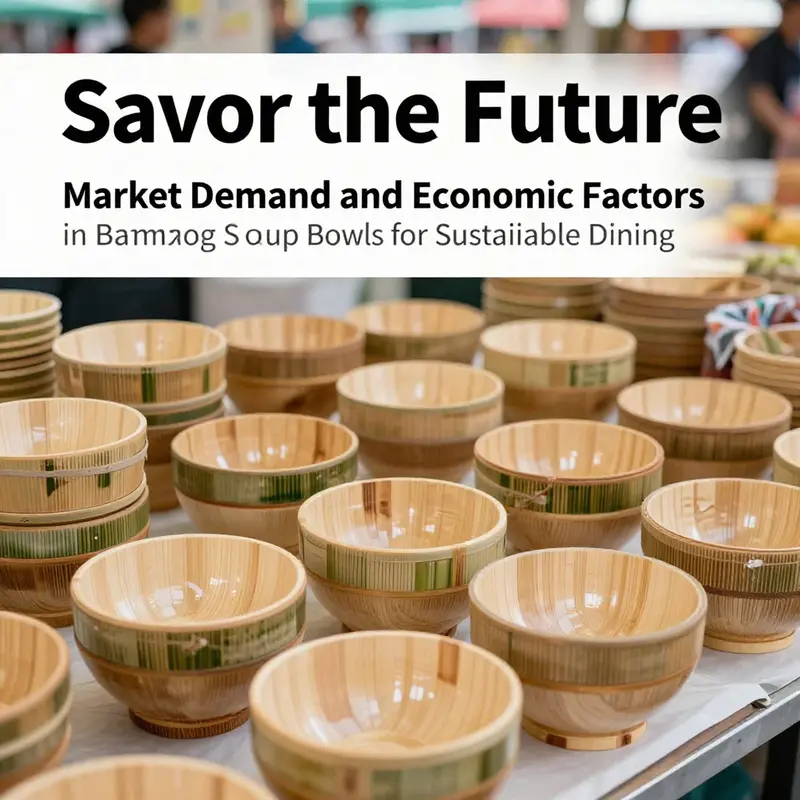
Bamboo disposable soup bowls sit at the intersection of growing environmental awareness and practical hospitality needs. They are not merely a different material choice; they represent a shift toward a more thoughtful rhythm in the way food service operates, from quick-service counters to full-service catering. The narrative around these bowls is not only about what they are made of, but about why they matter to buyers, chefs, and managers who must balance guest experience with cost, waste, and regulatory realities. In markets where restaurants, cafes, and event venues face tightening waste-management targets, bamboo bowls offer a tangible way to align daily operations with broader goals of sustainability without sacrificing reliability or convenience. The result is a product that is as much about social responsibility as it is about service efficiency, a blend that resonates with a growing cohort of buyers who want their choices to reflect their values as well as their margins.
Market demand for bamboo disposable tableware has risen in step with heightened environmental consciousness. Consumers are increasingly selective, seeking options that claim compostability, renewability, and reduced life-cycle impact. Regulators in several regions have begun to regulate or tax single-use plastics, creating market pressures that push buyers toward alternatives that can fit within local waste streams and composting programs. For many restaurants and institutions, the appeal is twofold: a reliable, heat-resistant product that maintains its form under hot liquids, and a story that can be shared with guests who care about plastic pollution and resource depletion. The result is a virtuous loop where rising demand strengthens supply, and improving supply chains deepen consumer confidence in the product category.
Industry growth in bamboo disposable tableware is characterized by a robust trajectory that reflects both environmental commitments and commercial pragmatism. Market analyses generally point to a strong CAGR, driven by corporate sustainability initiatives and a public preference for green products. While exact numbers can vary by region and definition, the underlying message is clear: bamboo-based options are no longer a niche solution. They are part of the mainstream conversation about how to serve hot foods, like soups, in a way that minimizes waste while preserving the user experience. This momentum is not an external force; it is being shaped by buyers who want to demonstrate responsible procurement and by suppliers who have invested in scalable, clean production processes that can deliver consistent quality at scale.
Raw material availability plays a central role in this economics-driven picture. Bamboo grows abundantly in key Asian production hubs such as China and Vietnam, where it can be cultivated with relatively modest input costs compared to synthetic polymers. The natural advantage is more than abundance; it is a predictable supply profile that helps manufacturers manage capacity and pricing. When bamboo is used as the primary feedstock for disposable bowls, the cost structure benefits from the plant’s rapid regrowth cycle and relatively low processing energy required to transform it into usable fiber. This translates into competitive manufacturing expenses that can help sustain favorable price points even as overall production costs fluctuate. In turn, buyers benefit from a more predictable procurement path, reducing the risk of supply disruptions that frequently accompany more volatile synthetic materials.
Nevertheless, the march from concept to kitchen is not without its economic bumps. Price fluctuations for raw materials can ripple through the cost of finished bowls, and transportation logistics can magnify those effects, especially when production clusters are concentrated in specific regions. Labor costs in producing regions, energy prices, and even currency movements can influence profitability and final pricing. The good news is that bamboo’s cost advantages tend to compound over time through efficiency gains in manufacturing technology and process optimization. Early investments in biodegradable production lines—often more capital-intensive than traditional paper or plastic lines—are increasingly outweighed by long-term savings in waste-handling costs, regulatory compliance, and consumer goodwill that translates into repeat business. In environments where environmental legislation tightens year by year, the calculus tilts in favor of early adoption, because the cost of compliance becomes a driver of efficiency rather than a reactive expense.
From an operations standpoint, the practicality of bamboo bowls is underscored by their heat tolerance and durability. Standard serving sizes, such as 10-ounce bowls, align with common menu formats and help streamline inventory and portion control. The fact that these bowls are microwave and oven-safe adds to their versatility for takeout, quick meals, and on-site service. In busy service settings, the ability to withstand heat without deforming or leaching unwanted flavors is a crucial performance metric. The consumer experience benefits in tangible ways: a sturdy, aesthetically pleasing vessel that communicates care for both the guest and the environment. This dual utility—functional reliability and ecological messaging—creates a compelling value proposition for buyers who must justify procurement decisions to stakeholders who care about both margins and mission.
While the material story is central, the broader context matters. Disposable bamboo bowls are positioned as a practical alternative to traditional disposables that contribute to landfills and ocean pollution. The lifecycle benefits hinge on compostability and a shorter degradation window relative to plastics or Styrofoam. The environmental narrative resonates most with consumers who are increasingly mindful of waste streams and capable of processing organic packaging in municipal compost programs. In this sense, bamboo bowls do more than substitute materials; they enable a circular approach to packaging where end-of-life disposal aligns with local waste infrastructure and community goals. Retailers and food service providers therefore have an opportunity to communicate a coherent sustainability story that complements menu experiences and strengthens loyalty among eco-conscious guests.
Embedded within this story is a practical marketing and procurement consideration. Bulk packaging, for example, supports the needs of the food service sector, allowing kitchens to stock large quantities without frequent restocking. A 100-pack or larger packaging format aligns with the way restaurants, cafes, and events operate, enabling efficient inventory management and reducing packaging waste per service cycle. In many settings, decor and presentation matter as much as the food itself. Bamboo bowls offer a premium look that signals quality without compromising the disposable convenience that operators crave. The visual appeal—natural textures and a warm, earthy tone—also makes them suitable for a range of dining environments, from casual takeout to more curated dining experiences. The net effect is a product category that serves as a bridge between sustainability commitments and the practical realities of high-volume service.
For buyers seeking a direct comparison with alternative disposables, it helps to consider the broader family of compostable or biodegradable options. The basket of choices includes crafted paper-based solutions, plant-fiber composites, and other renewable-material containers. Within this landscape, bamboo bowls often win on balance: they deliver strong performance against hot foods, align with waste-management goals, and offer a compelling narrative for responsible sourcing. A practical way to evaluate options is to assess not only the purchase price, but the total cost of ownership, which includes waste disposal, potential rebates or incentives tied to sustainable procurement programs, and the reputational return that accompanies an eco-friendly offering. In this light, bamboo bowls are not merely a product; they are a strategic asset for operators who want to reduce environmental impact while keeping guests satisfied and dollars flowing through the register.
As buyers weigh these dimensions, a useful touchpoint emerges in the form of internal comparisons to other disposable options. The internal landscape of eco-friendly tableware includes kraft-based or pulp-derived bowls that maintain a similar aesthetic while differentially impacting cost and compostability. For readers exploring these choices, a representative example can be found in the disposable kraft paper bowl for food package with lid, which illustrates how packaging choices can be harmonized with a sustainability narrative while meeting the practical demands of hot food service. This reference point highlights how design, packaging format, and end-of-life considerations converge to shape procurement decisions and long-term supplier relationships.
The outlook for bamboo disposable bowls remains positive, underpinned by steady demand, material advantages, and a regulatory environment that increasingly rewards sustainable choices. The market’s momentum is not solely a reflection of public sentiment; it is reinforced by the economics of scale, improved production methods, and the broader trend toward circular economy concepts in packaging. As more operators adopt these solutions, the industry gains in resilience, with suppliers able to invest further in quality control, safe processing, and innovations that broaden applicability to different cuisines and service styles. The result is a product category that continues to evolve, not by sacrificing practicality, but by enhancing it—achieving better service outcomes for guests while contributing to a more sustainable operating model. This alignment of demand, technology, and environmental responsibility is where the economic life of disposable bamboo soup bowls finds its strongest momentum.
External resource: https://www.marketsandmarkets.com/Market-Reports/bamboo-disposable-tableware-market-1859.html
Forging a Greener Takeout: Technological Advances Reshaping Bamboo Soup Bowl Disposables
The shift from conventional disposable ware to bamboo soup bowl disposables signals a quiet, industrial-level recalibration of how we think about convenience, waste, and safety. Behind the sturdy, natural appeal of these vessels lies a convergence of material science and manufacturing discipline that has transformed what was once a novelty into a reliable staple for food service. Bamboo, as a sourced fiber, carries a narrative of sustainability: fast-growing, renewable, and capable of biodegrading in a fraction of the time required by petroleum-based plastics. Yet the true story of these bowls is not merely about the raw materials. It is about how modern technology retools those materials into durable, heat-tolerant, and consumer-friendly tableware that can meet the demanding rhythms of takeout, catering, and dine-in service while staying true to environmental promises. In this sense, the evolution of bamboo soup bowls mirrors broader industry trends where green credentials and performance must walk hand in hand, not in opposite directions.
The most visible advance is the stabilization of bamboo fiber through a resin-free processing route. The emphasis on 100% natural, chemical-free composition matters as much for worker safety and consumer health as it does for environmental stewardship. Resin-free production minimizes the risk of leaching and keeps the color and texture of bamboo authentic to its origin. This alignment with safety standards is underscored by a growing number of FDA-certified bamboo-based disposables that can withstand practical hot-food use. The result is a bowl that feels familiar in a kitchen or a dining room, yet carries a markedly lighter environmental footprint than many traditional single-use options. Temperature resilience is a crucial component of that footprint. Modern bamboo bowls are engineered to handle temperatures up to 130°C, a threshold that covers the hot soups and broths most takeout customers crave. This heat tolerance ensures that customers can enjoy their meals without fear of structural compromise, while operators can confidently serve steaming dishes without additional protective barriers or packaging that blunts the dining experience.
A core driver of these capabilities is the refinement of material processing techniques. Advances in fibers and binders allow bamboo to deliver the needed rigidity without sacrificing flexibility. The production line now often features highly controlled moisture management, precise fiber dispersion, and tight tolerances that preserve the bowl’s wall thickness and mouth diameter batch after batch. The precision is not merely cosmetic; it reduces the likelihood of warping, cracking, or deformations that can occur when a bowl is packed with hot liquids and then jostled during transit. The cumulative effect is a uniform product that performs consistently in busy culinary environments, which in turn helps operators forecast inventory needs with greater accuracy and reduce waste from returns or replacements.
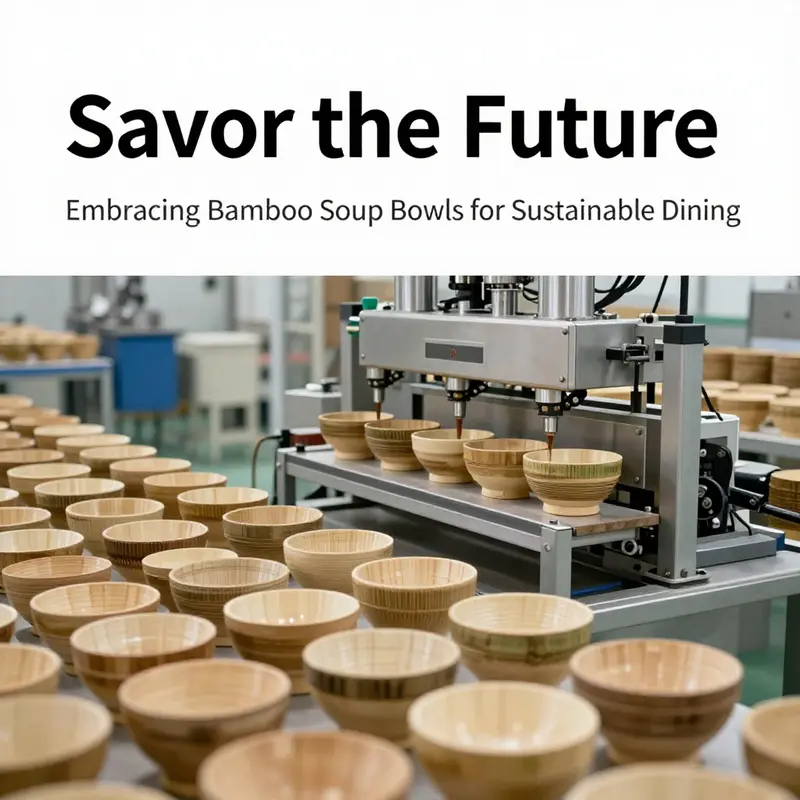
In parallel, pressing and molding technologies have evolved to maximize material efficiency. Advanced presses create dense, uniform profiles that resist bending under the weight of liquids while preserving a smooth exterior suitable for branding or presentation. The intricacy of modern molds enables a more graceful profile, which not only improves stacking and transport but also enhances perceived quality on the table. Production teams can calibrate tool paths with high fidelity, ensuring the compact formation that minimizes scrap and rework. In a system where every gram of material saved contributes to lower carbon footprints, such precision translates into tangible environmental gains. The streamlining of these processes is complemented by robust quality control that continuously monitors dimensions, surface finish, and edge integrity to ensure that a batch of bowls maintains its performance characteristics from the first item to the last.
Automation has become another indispensable pillar. Robotic handling, automated feed systems, and sensor-assisted inspection lines raise throughput while reducing human error. The effect is a more predictable supply chain, a critical factor for restaurants and caterers who rely on bulk orders and time-bound deliveries. Automated systems also facilitate scalability; as demand grows, plants can increase output without a corresponding rise in defect rates. The integration of automation speaks to a broader industry dynamic: the marriage of sustainability goals with operational efficiency. When a plant can produce tens of thousands of bowls per shift with minimal waste and less energy per unit, the environmental argument becomes more compelling to buyers who must balance cost, quality, and social responsibility.
This blend of resin-free composition and responsive manufacturing has implications for the lifecycle of bamboo bowls. A product designed with end-of-life in mind can leverage composting streams or proper municipal processing, helping to close the loop in a circular economy model. The natural attributes of bamboo—biodegradability under appropriate conditions, coupled with the absence of synthetic binders—make these bowls more amenable to responsible disposal than many plastic or Styrofoam alternatives. Of course, the actual fate of a given item depends on local waste infrastructure, yet the design intent remains clear: create a housing for hot foods that preserves dignity in service and minimizes the burden on landfills and oceans. Consumers who value transparency in how products are made can trace the journey from bamboo grove to dining table, through the processing steps that convert raw fiber into a heat-ready bowl.
Not all advances are purely material or mechanical. The procurement and design process increasingly emphasize safety, sustainability, and cultural resonance. Operators seek packaging solutions and bulk options that align with restaurant aesthetics while delivering dependable performance. The industry now offers bulk-pack configurations that simplify inventory management and reduce handling complexity for kitchens and event planners. A 10-ounce standard size, common across fleets of disposables, demonstrates how scalability and practicality can coexist with eco-friendly aims. The bulk packaging, often sold in groups of 100 or more units, supports the operational realities of cafés, food trucks, and catering outfits that rely on consistent, on-brand tableware for every service, from a quiet lunch to a high-volume catering rush. The heightened focus on design also intersects with consumer expectations for a product that looks good on the table and feels good in the hand. A bowl’s surface texture, warmth of color, and overall heft contribute to the dining experience, influencing not just utensil performance but the perception of quality.
Tomorrows’ bamboo bowl is not merely a substitute for plastic; it is a deliberate choice that signals responsible sourcing and manufacturing discipline. The resin-free approach speaks to a broader shift away from chemical-laden disposables toward products that can be trusted when heated, stored, and disposed of. The FDA-certification element reinforces that shift by providing a framework for safety and consistency that restaurants can rely on across menus and service styles. In practice, this translates into fewer service interruptions and greater customer satisfaction. When a server can set a steaming bowl on a table without the fear of burn risk or leaking, the dining experience gains a subtle but meaningful quality of reliability. And because the product is designed with compostability in mind, it offers a pathway to reduce the cumulative impact of single-useware on landfills and waterways, without forcing compromises on convenience or performance.
The technological narrative also intersects with the broader green-packaging ecosystem. As restaurants and caterers look for alternatives to petroleum-based disposables, bamboo bowls become part of a larger portfolio that often includes kraft paper takeout containers and responsibly sourced plant-based solutions. The alignment is not accidental; it reflects shared principles of recyclability, compostability, and a growing demand for products that can be integrated into existing waste streams without requiring radical changes in handling or processing. Operators who adopt bamboo bowls often find that their sustainability messaging resonates more authentically with customers who are acutely aware of the environmental footprint of takeout meals. This is not a mere marketing advantage; it is a practical extension of a responsible business model that recognizes both planetary boundaries and the realities of day-to-day service.
From a practical standpoint, the production ecosystem around bamboo bowls is designed to be adaptable. The same lines that shape the 10-ounce standard sphere can be recalibrated to accommodate varied thicknesses, edge finishes, or branding requirements. This flexibility is another derivative of modern manufacturing philosophy: create modular, scalable processes that can pivot with demand or customer preference without sacrificing efficiency or safety. The adoption of such adaptable lines helps ensure that small eateries and large chains alike can procure a consistent product without being forced into a single, rigid design. In this way, bamboo soup bowl disposables become not only a sustainable option but a resilient one—capable of weathering supply fluctuations, shifting dietary trends, and evolving regulatory landscapes while continuing to deliver reliable takeout performance.
As we consider the broader implications for the sector, it is useful to reflect on the relationship between innovation and consumer behavior. A technology-driven improvement in heat resistance or moisture management may seem technical, but its impact ripples through menus, service models, and consumer expectations. When a bowl is both robust enough for a hot soup and friendly to a quick, convenient takeout experience, it supports a more fluid dining dynamic: customers can order, receive, and enjoy meals with minimal delay, confident that the vessel will perform as promised. That confidence translates into repeat business, better brand association, and ultimately a stronger case for investing in sustainable alternatives. The result is a supply chain that is not simply about moving product from factory to table but about shaping the daily rituals of dining in ways that respect people and the planet alike.
For readers seeking to connect these manufacturing developments with practical procurement choices, there is a pathway to align design, supply, and cost. The landscape now offers wholesale and customized options that allow venues to express their brand while maintaining the ecological advantages of bamboo. A relevant example of how the industry is enabling such customization can be found in a source that highlights wholesale, logo-enabled kraft paper soup bowls designed for branding and uniform presentation. This link illustrates how bulk orders can meet aesthetic and functional requirements without compromising the sustainability narrative that bamboo bowls embody. disposable wholesale custom logo printed kraft paper soup bowl
The conversation about technological advancement would be incomplete without acknowledging the broader ecosystem of equipment and know-how that supports these products. Industry professionals continue to explore specialized machinery and process improvements that further raise yield, quality, and safety. The exploration includes improvements in equipment reliability, energy efficiency, and maintenance practices that collectively reduce downtime and extend line life. Detailed technical insights into related machinery—though focused on a different class of disposable products—offer a window into how cross-pollination of ideas can accelerate progress in bamboo-based disposables. For instance, machinery that handles high-volume, resin-free production in one category can inform optimizations in other bamboo-derived product lines, creating a ripple effect of efficiency and safety across multiple product families. A deeper look into related technical specifications and applications illustrates how industry watchers translate theory into practice and then into reliable, scalable production outcomes. External resources that explore these topics can provide valuable context on how automation and process control contribute to consistent quality on a mass scale.
The net effect of these advances is a bamboo soup bowl disposables ecosystem that can meet the hot, fast-paced demands of modern food service while remaining faithful to sustainability commitments. Every improvement—from material formulation to mold design, from automated handling to end-of-life considerations—contributes to a product that performs well in practice and honors broader environmental goals. In a marketplace crowded with options, bamboo bowls demonstrate how technology can elevate ecological intent from a watershed idea to a tangible, everyday choice. They invite restaurants and caterers to reimagine what it means to serve food responsibly, showing that care for the planet can be embedded into the very act of dining, without sacrificing convenience or style. The result is a coherent story of progress: one where scientific ingenuity, ethical sourcing, and practical service converge to redefine what we expect from disposable tableware.
As this chapter closes, the emphasis remains on continuity and relevance. The bamboo bowl’s evolution does not exist in isolation but as part of a broader movement toward materials and processes that honor safety, efficiency, and the planet. The push toward resin-free compositions, combined with precision molding and automation, points to a future where sustainable disposables are not an exception but a standard. This alignment between environmental goals and operational realities helps explain why bamboo-based disposables have become a viable option for a wide range of food service operators. By choosing a product designed with rigorous processing controls and heat tolerance in mind, businesses signal a commitment to responsible practices that do not compromise customer experience. That is the practical, enduring takeaway of these technological advances: sustainable, safe, and scalable disposables that rise to meet the demands of modern dining, today and tomorrow.
External resource for broader context on related production technologies and machinery can provide additional perspective on how automation and precision control underpin these kinds of innovations: https://www.zss-tech.com/ .
Green Decisions at the Table: Bamboo Disposable Bowls vs Traditional Alternatives
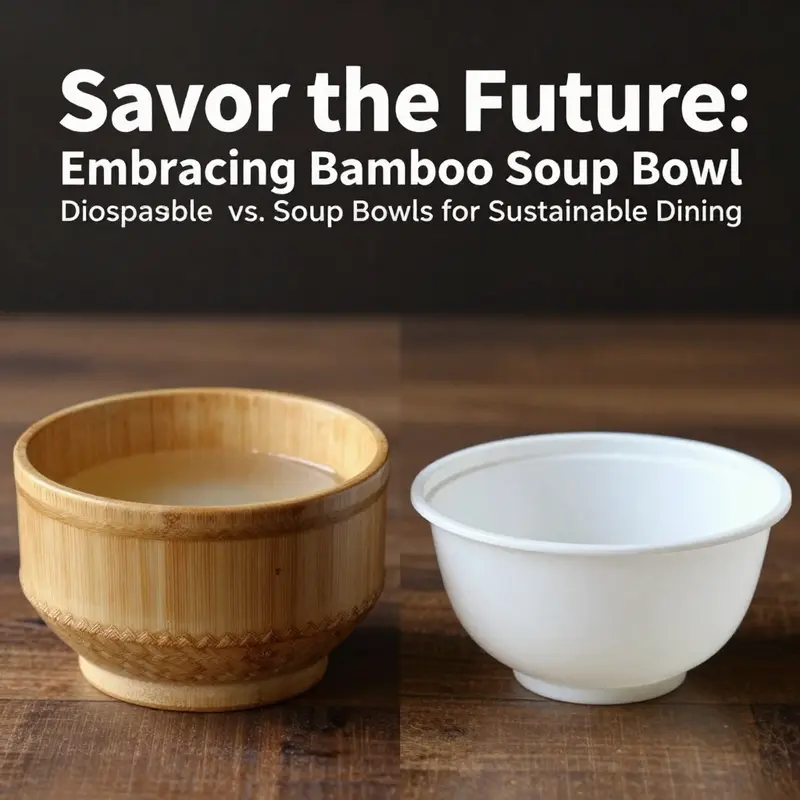
Disposable serviceware choice affects waste, cost, and brand messaging. Bamboo disposable bowls offer renewable material, potential compostability, and a more eco-friendly narrative. Traditional plastic or polystyrene options are cheaper and familiar but contribute to landfills and microplastics. End-of-life infrastructure matters: industrial composting enables bamboo bowls to reduce environmental impact when available. Heat performance and microwave safety vary by product. Budgets, supply chains, and waste programs influence decision making. A blended approach using bamboo where composting is accessible, while retaining plastics for certain high-throughput contexts, can align sustainability goals with operational realities. Clear labeling and collaboration with local waste facilities maximize environmental benefits. For readers seeking practical steps, evaluate lifecycle, verify composting capabilities, and consider bulk packaging that minimizes waste.
null
null
Final thoughts
Bamboo soup bowls have emerged as a crucial player in the disposable tableware industry, aligning perfectly with the environmental consciousness of today’s consumers. By understanding their environmental impact, market dynamics, technological advancements, and consumer preferences, food service businesses can make informed choices that not only serve their operational needs but also contribute to a sustainable future. Adopting bamboo soup bowls is more than just a trend—it’s a leap toward building a greener planet.