
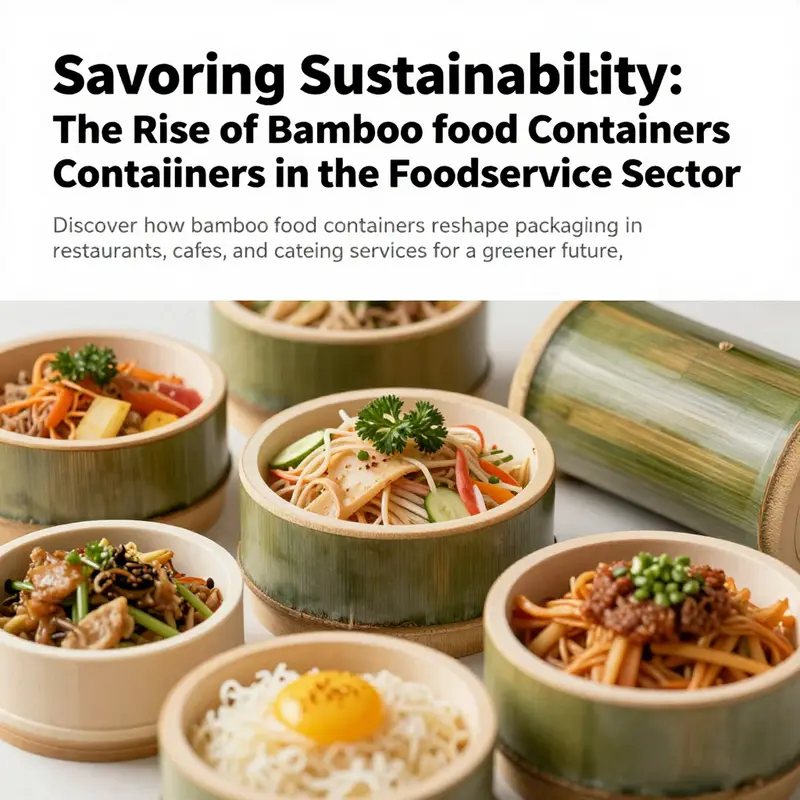
As sustainability takes center stage in the modern foodservice industry, bamboo food containers emerge as a vital eco-friendly alternative to conventional packaging. These innovative products are made from rapidly renewable bamboo fiber, which seamlessly balances the needs of flavor and aesthetics while significantly minimizing environmental impact. This article delves into three core aspects: first, examining the profound eco-environmental benefits of bamboo food containers; next, exploring market trends and their economic viability for businesses; and finally, providing practical applications and inspiring use cases for serving everything from bubble tea to gourmet meals. Together, these insights offer a comprehensive understanding of why bamboo food containers are indispensable for today’s environmentally-conscious establishments.
null
null
Rising Greenware: Market Trends, Costs, and Brand Value in Disposable Bamboo Food Containers
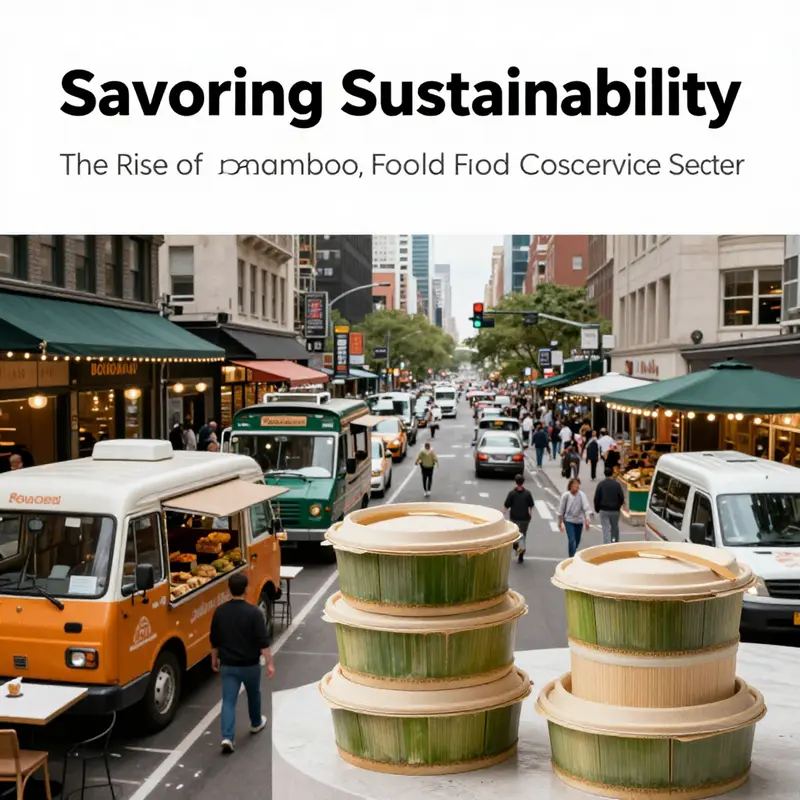
A quiet but persistent shift is taking shape in the world of takeout, delivery, and catering. The packaging that surrounds meals is no longer a mere wrap or a vessel; it has become a statement about values, a signal of responsibility, and a practical lever for operating margins. Disposable bamboo food containers sit at the intersection of convenience and conscience, offering a compelling narrative for operators who want to curb waste without sacrificing performance. The market data are not mere anecdotes. They reflect a broader realignment driven by consumer demand for sustainability, tightening regulations, and a supply chain that increasingly treats environmental credentials as a requisite for doing business rather than a marketing add-on. In that sense, bamboo, once a decorative or artisanal material in some corners of the food service world, is becoming a mainstream option for high-volume operations that still need reliable, compostable, and brandable packaging. The trajectory is clear: a growing market, tempered by real-world costs and constraints, with opportunities that hinge on how well businesses translate environmental intent into everyday practice.
The size of the market provides a stark frame for this shift. Molded pulp packaging, which encompasses bamboo fiber containers and similar fibrous alternatives, reached a valuation of roughly $914 million in 2020 and has continued to expand as many jurisdictions implement bans or phased reductions on single-use plastics and polystyrene. The move away from conventional plastics aligns with one of the strongest drivers in modern food service: the need to reduce waste streams while preserving product integrity, customer experience, and safety. In this setting, the bamboo fiber option is not a niche product but a credible, scalable alternative that can meet the demands of takeout cores, meal prep services, school programs, and mobile catering alike. Consumers increasingly look for packaging that is not only functional but responsibly sourced, and the bamboo pathway speaks directly to that criterion. PFAS-free kraft paper components, combined with bamboo fiber, help create a package profile that resonates with both shoppers and regulators alike. The science here matters because it translates into predictable performance: moisture resistance, temperature tolerance, containment, and a visual language that communicates care.
From a materials science perspective, bamboo fiber brings together strength, lightness, and a favorable environmental profile. The fiber from rapidly renewable bamboo sources yields a composite that can endure the rigors of hot fillings, sauces, and greasy dishes, while remaining fully compostable and biodegradable at end of life. A typical performance envelope notes tolerance from -20°C to 120°C, which means these containers can handle everything from chilled salads to steaming noodles, curries, and soups. The stability matters in real kitchens where food temperatures, transit times, and stacking pressures test the integrity of every container. The combination with PFAS-free kraft paper is not incidental; it reinforces a broader standard of compositional safety and environmental transparency that many buyers now demand. In practice, this material pairing supports a lifecycle narrative that starts with responsible sourcing, progresses through efficient manufacturing, and ends with composting channels that align with municipal and industrial facilities wherever available. The advantage is not merely ecological; it is practical. Containers are designed to be sturdy enough for heavy or greasy fillings and to resist leakage long enough to reach the table, courier, or event site without compromising the dining experience. The manufacturing story, meanwhile, often features automated processes and scalable formats that enable consistent quality across large or seasonal batches, a critical factor for restaurants, cafes, catering services, and food trucks that manage high volumes while protecting brand standards.
The economic calculus is nuanced. It is not difficult to observe that bamboo containers typically carry higher upfront costs than traditional plastic or foam. This premium is partly due to the raw materials and the processing steps required to produce a dense, stable pulp and the subsequent barrier properties that keep contents contained. Yet the up-front investment can translate into long-term value through several channels. First, the waste stream is reduced, which can lower disposal costs and simplify compliance with local environmental rules. Second, the performance profile reduces product waste and returns, since containers hold up under heat and moisture without deforming or leaking during transport. Third, the branding dimension—brand identity conveyed through a natural, high-quality aesthetic and careful printing or embossing—adds marketing value that can convert a momentary packaging choice into longer-term consumer loyalty. The combination of durability, safety, and aesthetics makes bamboo packaging not only a functional solution but a strategic asset for operators who want to differentiate themselves in a crowded market.
From a strategic sourcing perspective, the value proposition becomes even more compelling when the sustainability narrative is paired with clear compliance pathways. The industry has increasingly codified environmental and safety assurances through certifications and standards that carry meaning across borders and regulatory regimes. For bamboo containers, the presence of certifications aligned with European and international standards can materially reduce barriers to adoption in global chains and multinational operations. Certifications and compliance signals—covering food safety, environmental responsibility, and end-of-life stewardship—serve as a reliable baseline for procurement decisions. In other words, packaging that meets recognized standards not only reduces risk but accelerates procurement cycles, enabling purchasing teams to align packaging strategy with ESG goals and corporate sustainability programs. This alignment is especially relevant for enterprises that must report on waste diversion metrics, supply chain resilience, and the social license to operate in markets that increasingly scrutinize ecological footprints.
The supply chain for disposable bamboo containers has also matured in meaningful ways. Global platforms and marketplaces now host a range of bulk options with standardized performance data, certification disclosures, and customization capabilities. The economics of scale begin to work in favor of buyers who can forecast demand, negotiate longer-term contracts, and coordinate replenishment cycles with suppliers who can ensure consistent quality. The customization dimension matters as well: operators can tailor container shapes, sizes, and branding features to reinforce identity at the point of sale. Tray formats, cone shapes, cups, and even bento-style configurations can be produced with branding through UV coating, embossing, or logo printing. This design flexibility enables operators to use packaging as a marketing touchpoint—an opportunity to communicate environmental values, reinforce brand cues, and deliver a more cohesive consumer experience. The ability to align packaging with a restaurant’s visual identity or event theme is not an afterthought; it is an integrated element of the dining experience that can influence customer recall and repeat visits.
As businesses weigh these advantages, they also confront real-world limitations that shape adoption curves. Some products may require an inner lining when in prolonged contact with very watery or acidic items, to maintain integrity and prevent seepage. While these liners can add a layer of protection, they also introduce complexity to the end-to-end composting process and can influence the overall environmental footprint. The production costs remain higher than plastics, and the weight of bamboo containers can increase shipping and storage costs. These factors translate to a more nuanced total cost of ownership model, one that places not just the price tag on packaging but the full lifecycle impact into the decision. In a market where price sensitivity remains meaningful, operators must weigh the value of durability and brand equity against incremental cost per unit. The analysis is not purely economic; it also involves performance risk. If a container fails to perform under heat, or if an investment in branding fails to yield expected consumer resonance, the anticipated benefits may not materialize. Yet when the packaging performs as designed and aligns with consumer values, the payoff can extend beyond waste reduction to enhanced customer satisfaction and stronger differentiation in a crowded field.
The consumer perspective is another pivotal thread in this story. Eco-conscious shoppers increasingly expect products and services to reflect sustainable choices, even in ancillary areas such as packaging. This behavioral shift translates into measurable effects on brand perception and loyalty. For some operators, the packaging becomes a visible commitment to stewardship that customers can support with every purchase. The branding potential is not incidental. Customization options—ranging from subtle brand marks to bold embossed finishes or color accents—allow operators to tell a story about who they are and what they stand for. In many cases, the packaging itself becomes a talking point, a shareable moment that reinforces a message about local sourcing, compostability, and responsible disposal. The interplay between product performance and consumer perception matters because it can influence willingness to pay, frequency of visits, and the likelihood of positive referrals in a world where social proof and environmental narratives travel quickly through digital channels.
Sustainability strategies are rarely built on a single decision. They are part of broader corporate commitments that span supply chain procurement, waste management, and product design. In this context, bamboo containers can function as a practical element in a more expansive approach to circularity. Businesses can couple packaging choices with operational practices such as composting partnerships, waste separation programs, and customer education about end-of-life options. The alignment across activities—procurement, logistics, and consumer engagement—creates coherence in sustainability messaging and reduces fragmentation in the customer experience. A well-orchestrated program can help a brand achieve a reputable ESG profile, one that supports investor confidence, talent attraction, and customer trust. The message that emerges is not simply that bamboo containers are green; it is that they integrate into a broader, tangible strategy for responsible food service that honors people, planet, and profit in a balanced way.
Other factors subtly shape the market’s evolution. The capacity of suppliers to deliver in bulk with consistent quality is central to achieving price competitiveness and reliability. For many operations, sourcing efficiency comes from standardized packaging formats and predictable lead times. Such reliability reduces stockouts and production downtime, which in turn preserves service levels and customer satisfaction. On the logistics side, bamboo containers are heavier than some plastics, which affects shipping costs and warehousing requirements. Businesses must factor these factors into their supply chain design, balancing the environmental benefits against practicalities of distribution. The economic viability equation thus hinges on a mosaic of variables: unit cost, waste disposal savings, branding value, volume discounts, and the marginal costs associated with heavier shipments. When these elements align, bamboo packaging becomes a competitive option rather than a niche preference.
In practical terms, many buyers begin with pilot programs that measure performance across several dimensions: leak resistance, temperature holding, consumer acceptance, and end-of-life disposition. Pilots provide the data needed to refine packaging specifications, optimize sizes, and calibrate branding elements. The data also support a more confident case to stakeholders who must weigh sustainability investments against productivity gains and bottom-line performance. The procurement logic benefits from certifications and standardized test data that reassure both compliance officers and sustainability committees. In markets where regulators push for higher recycling or composting rates, packaging with clear end-of-life pathways helps demonstrate due diligence and proactive stewardship. It is not enough to claim eco-friendliness; the credible packages demonstrate it through verified standards and transparent disclosures.
The potential for market expansion is tempered by the realities of global trade and local waste infrastructure. Regions with robust composting networks and municipal incentives for sustainable packaging can accelerate adoption. Conversely, in places where composting capacity is limited or where end-of-life options are unclear, the environmental advantage may be less pronounced. This tension underscores the importance of aligning packaging choices with local waste management realities. It also explains why some operators pursue hybrid solutions or phased transitions where compostability is paired with waste reduction strategies that minimize overall environmental impact. The broader lesson is that environmental responsibility in packaging is most effective when it is harmonized with practical waste management capabilities and consumer education. In that sense, bamboo containers are not a magic bullet; they are a strategic component of a larger, adaptive approach to sustainable food service.
Beyond the immediate economics and performance, there is a marketing dimension that often tips the scales in favor of bamboo packaging. Consumers increasingly reward brands that align with environmental norms, especially when those choices are visible, credible, and integrated with the rest of the business. A packaging program can be a differentiator in a crowded market, even in the realm of everyday takeout. The capacity to customize shapes, sizes, and branding elements means operators can craft packaging that tells a story—one of stewardship, care, and attention to detail. The packaging becomes a narrative vehicle, a physical artifact of a business’s values. This is not mere aesthetics; it is a strategic investment in consumer trust and long-term loyalty. Where that alignment is genuine and well-communicated, the economic viability of bamboo containers improves because the perceived value supports higher acceptance and, over time, steadier demand.
Takeout and delivery ecosystems present an especially fertile ground for bamboo packaging. The very logistics that enable modern dining—curbside pickup, on-demand delivery, and multi-location operations—generate waste that can be systematically reduced through compostable or biodegradable packaging. In this context, the environmental attributes of bamboo containers align with the operational realities of high-volume service. The performance characteristics, such as resilience under heat and moisture, support reliable service in fast-paced settings. Operators can design tray or bowl formats that fit well with standard catering equipment and delivery bags, while branding opportunities reinforce identity in a moment of user engagement. The result is a packaging solution that not only serves the meal but also reinforces the brand message in the consumer’s hands, at the point of consumption, and in the consumer’s social channels where message sharing is most influential.
To illustrate the practical side of these dynamics, consider how operators think about bulk sourcing and customization. The process typically involves selecting from a range of shapes and capacities, then applying branding through print-free zones, UV coatings, or embossed marks. These features can elevate a container from a passive vessel to a small but powerful marketing medium. The ability to customize branding helps restaurants and cafés establish a consistent visual identity across multiple locations or event settings, a factor that contributes to perceived quality and reliability in the eyes of customers. In addition to branding, many buyers value the ability to offer a cohesive consumer experience—packaging that looks and feels premium while delivering the necessary barrier properties to keep food fresh and intact. This combination of form, function, and branding is not merely an aesthetic choice; it is part of a broader strategy to differentiate in a marketplace where competition runs on both product quality and perceived sustainability.
For procurement teams assessing the next steps, the path forward often involves a careful balance of cost, risk, and impact. A robust business case will quantify the environmental benefits alongside the financial implications of a transition to bamboo packaging. It will account for the anticipated reductions in waste streams, potential eligibility for green incentives, and the reputational gains associated with alignment to sustainability goals. The decision framework also considers supplier reliability, quality control, and the ability to scale with demand. When these dimensions converge, bamboo container programs can move from pilot projects to core packaging strategies, enabling brands to consistently deliver on their environmental commitments while preserving the operational efficiencies that sport-driven menus and rapid service demand.
In summary, the market trends and economic considerations surrounding disposable bamboo food containers reveal a landscape of growing opportunity tempered by practical considerations. The market is expanding as consumer demand and regulatory pressure converge, and bamboo packaging offers a compelling blend of performance, safety, and branding potential. The economic viability hinges on a nuanced total cost of ownership that recognizes upfront costs but also captures waste reductions, brand value, and long-term resilience. The value proposition is strongest when packaging is integrated with broader sustainability programs, supplier relationships, and a clear end-of-life strategy. As operators experiment with different formats, branding approaches, and waste-management partnerships, they contribute to a market that is becoming not just viable but essential to a modern, responsible, and competitive food service ecosystem. The narrative of bamboo containers, then, is less about a single product choice and more about a holistic approach to packaging that honors quality, safety, and stewardship while delivering on the simple, universal goal of feeding people well.
For readers seeking a concrete example of packaging formats that align with the themes described above, consider the disposable octagonal box packaging option. Its structural design is purpose-built for the kind of bold, brand-forward presentations that many operators seek in today’s market. It is a tangible articulation of how shape, material, and branding can work together to create a cohesive consumer impression while remaining compatible with compostable and biodegradable pathways. The link below provides a practical reference to this category of packaging and illustrates how shape and material choices can harmonize with sustainability goals while supporting scale and consistency in a high-demand environment. disposable octagonal box restaurant food kraft paper packaging
Looking ahead, the market will continue to test the balance between the premium positioning of bamboo-based packaging and the price sensitivities that characterize many segments of the food service industry. Innovation will likely concentrate on improving barrier properties, enhancing heat resistance, and expanding the portfolio of shapes and sizes to suit diverse menu formats. Advances in recycling and composting infrastructure will also influence adoption rates by reducing the end-of-life friction that often slows the transition from plastics to sustainable alternatives. Meanwhile, brands that invest in credible certifications, transparent material disclosures, and visible sustainability narratives will be best positioned to translate environmental values into measurable competitive advantages. The story of disposable bamboo containers is not a standalone chapter in the book of packaging; it is a central thread in the ongoing evolution toward more responsible, resilient, and brand-savvy food service. External pressures and consumer expectations are unlikely to abate, and as a result, bamboo packaging is likely to become a standard component of the modern, sustainable kitchen. The path to widespread adoption will be incremental, but the direction is unmistakable: toward packaging that respects the planet while delivering the performance customers demand.
External resources and further reading: For a broader perspective on practical industry data and supplier options, you can consult external sources that provide real-time product specifications, certifications, and bulk purchasing avenues. Alibaba listing
null
null
Final thoughts
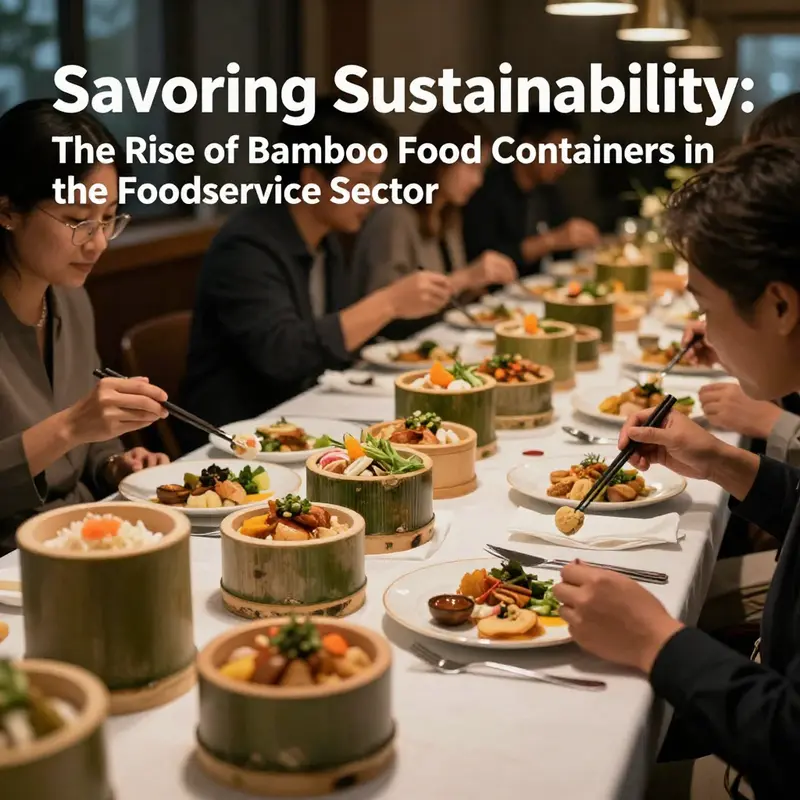
In a world that increasingly prioritizes sustainability, bamboo food containers stand out as a responsible choice for foodservice providers. Their eco-friendly properties, coupled with their aesthetic appeal and adaptability for various culinary applications, make them an attractive packaging solution. As the market continues to shift towards environmentally conscious practices, those who embrace bamboo food containers are not only reducing their environmental impact but also catering to a customer base eager for sustainable options. By adopting these innovative containers, businesses can seize the opportunity to lead in sustainability while enhancing their brand’s appeal.