
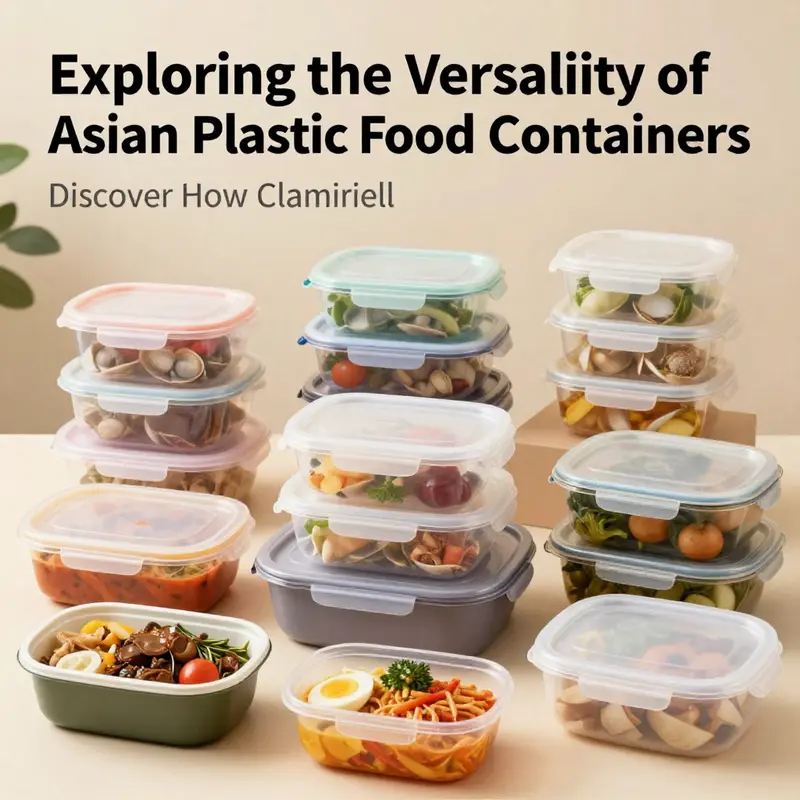
In the bustling culinary landscape of East and Southeast Asia, plastic food containers have become indispensable tools for businesses ranging from bubble tea shops to corporate catering. These containers are designed not just for functionality, but also to align with diverse dining traditions and modern health trends. From visually appealing bento-style containers offering portion control to clamshell designs ensuring food freshness during transport, the variety of options available meet a wide array of practical needs while adhering to stringent safety standards. This exploration will delve deeper into different types of Asian plastic food containers, their composition, and their economic significance, providing valuable insights for beverage chains, catering services, and event planners alike.
Balancing Taste, Portion, and Practicality: Bento-Style Plastic Containers Across Asia
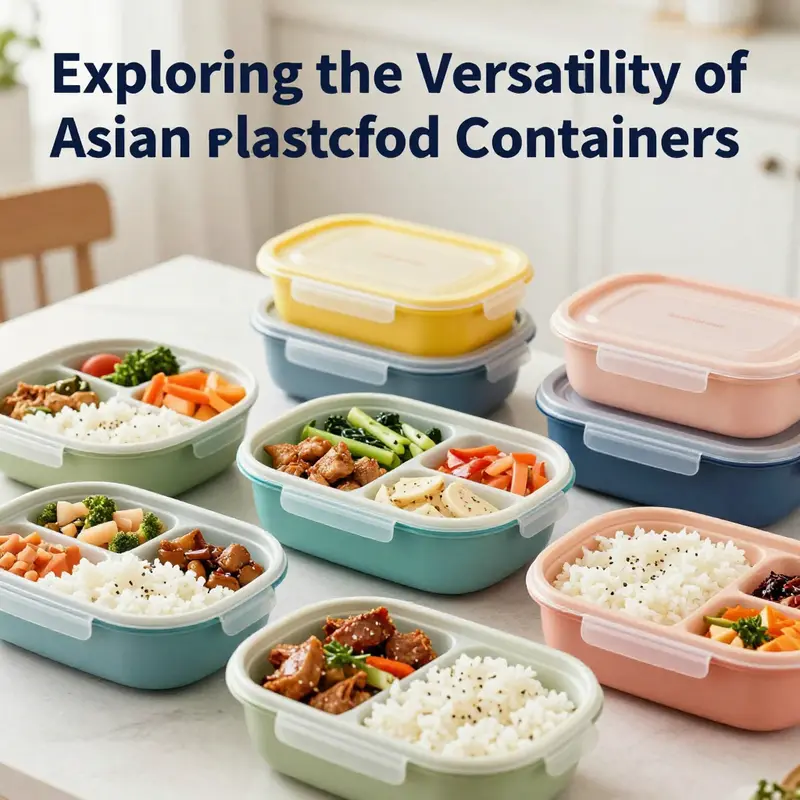
Across East and Southeast Asia, plastic food containers have become more than vessels; they are a language of portioning, presentation, and practical meal management that mirrors regional dining practices and evolving consumer needs. Among the most influential designs is the bento style, a multi-compartment box that merges tradition with the logistics of modern eating.
The hallmark of bento design is its compartments. They separate rice, protein, vegetables, and sauces, guiding portion sizes and encouraging a balanced plate even before the lid is opened. In homes and schools, these boxes help with meal prep and waste reduction, while in restaurants they support consistent portions and on the go service.
Materials and safety are central to daily use. Most boxes are made from polystyrene or polypropylene, with many marketed as BPA free and microwave or dishwasher safe. The dominant trend toward transparency in lids allows quick content checks while minimizing heat loss and spills.
Sustainability remains a core conversation. Manufacturers experiment with plant based fillers, recyclable blends, and hybrid materials that keep performance intact while easing end of life handling. The capacity to reuse and recycle becomes part of brand value in markets that see heavy takeout volumes.
Culturally, the bento embodies balance and mindfulness, translating ideas of nourishment into a portable format fit for home, work, or travel. The box becomes a microcosm of regional cuisines, enabling flexible meal formats that can be adapted to local dishes and dietary preferences across Asia and beyond.
Clamshell Contours: The Hinged Engine Behind Asia’s Portable Meals
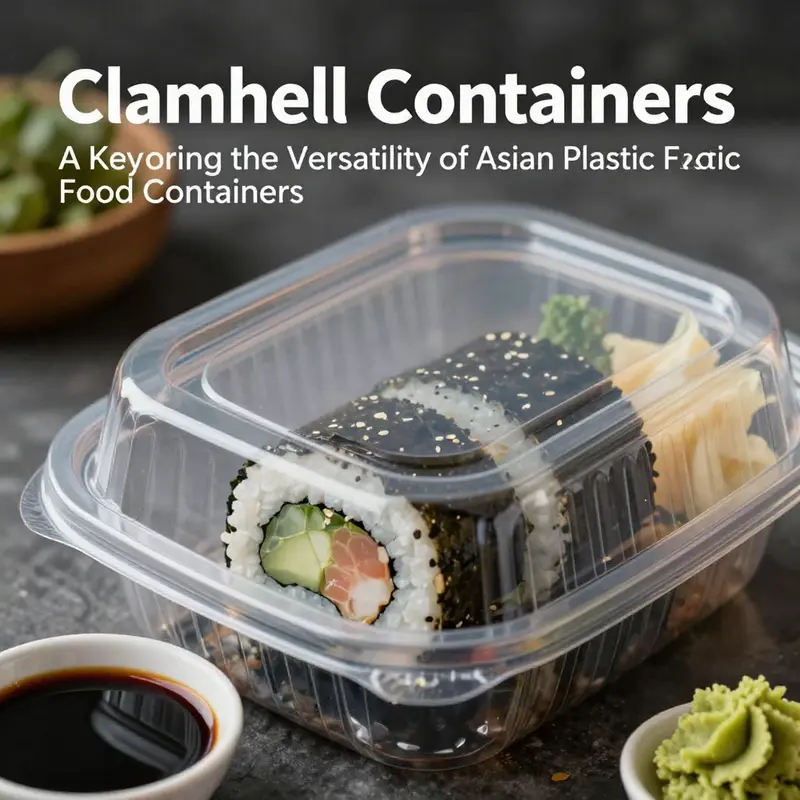
Across East and Southeast Asia, the clamshell container stands as more than a simple vessel for food. It is a compact, reliable partner in the daily choreography of a fast-moving food culture that has grown accustomed to convenience without sacrificing presentation. The hinged, two-part design—resembling a small, portable case—provides a full-coverage seal that protects contents from jostling during transit, minimizes spills, and keeps components like sauces, grains, vegetables, and proteins neatly separated until the moment of consumption. In dense urban cores where street food, office lunches, and ride-sharing deliveries intersect, the clamshell’s practical advantages are not just a matter of convenience; they are a logistical solution that supports a system built around quick service, predictable portioning, and vibrant visual appeal. The clamshell, with its secure lid and no-fuss opening, aligns with a dining tempo that prizes speed without compromising the sensory experience of a well-prepared meal.
The basic geometry of a clamshell container—two hinged halves that fold shut to form a compact, protectable package—offers distinct operational benefits to kitchens and retailers. The seal is engineered to resist leaks and mingling of flavors that might otherwise occur when foods travel in close proximity. This is particularly important for meal combos that pair a main dish with sauces, dressings, or side items. Consumers benefit as well: the lid stays affixed during commutes, shelves, or desk-side meals, reducing the likelihood of accidental exposure or mess. In addition, the design supports one-handed use, a feature that resonates with busy commuters and students who eat on the go. The tactile experience of snapping the lid closed and lifting a clean, intact container adds a small but meaningful layer of satisfaction to a simple act of eating.
From a materials perspective, clamshells in Asia have evolved beyond the early, rigid plastics that offered clarity and stiffness but limited temperature tolerance and sometimes posed recycling challenges. Today, a wide spectrum of materials is deployed to meet both performance and safety standards. Traditional variants, made from clear polymers, have given way to a broader family that includes more resilient polyolefins and, increasingly, biodegradable and compostable options derived from plant-based sources. This shift mirrors a broader awareness in the region about environmental stewardship and consumer demand for packaging that respects local waste-management capabilities while still delivering the same protective functions. Across markets, clamshells are routinely designed to withstand common service conditions: they must survive short refrigeration, occasional microwaving, and the rigors of stacking in busy kitchens and storefronts. The ability to resist bending under weight, to maintain a secure seal when stacked, and to tolerate brief exposure to heat without warping are all critical to keeping meals intact from cart to customer.
Economies of scale play a decisive role in shaping which clamshell designs end up dominating particular segments of the market. In many urban centers, vendors opt for standardized, high-volume sizes that accommodate common meal formats—small, medium, and large equivalents that parallel typical orders for lunch boxes, salads, or baked goods. The practical reality is that wholesale channels gravitate toward dimensions that balance portion control with storage efficiency. In practice, this often translates into a familiar ladder of sizes: a compact 500 ml option for light meals, a mid-range 750–1000 ml range for standard combos, and larger variants for family-style or multi-item meals. The result is a predictable framework that helps kitchens forecast demand, optimize cooler and pantry space, and streamline procurement with predictable pricing and supply reliability. The appeal is practical and relentless: consistent dimensions ensure cleaner stacking, faster picking in busy service lines, and reduced space consumption on shelves and in delivery totes, which translates into tangible cost savings for operators and a smoother experience for customers.
Sustainability considerations have become a defining axis of innovation in clamshell design. Market pressure and regulatory expectations push manufacturers to explore alternatives that reduce environmental impact without sacrificing performance. A notable trend is the adoption of biodegradable plant-based materials, such as cornstarch-derived polymers and bagasse—the fibrous residual of sugarcane. These materials offer a decidedly lower carbon footprint compared with traditional petroleum-based plastics and can be certified for food safety under recognized standards. In some cases, manufacturers are able to offer 100% compostable clamshells, aligning packaging choices with restaurant programs that emphasize composting or diversion from landfills. Even when compostability is not feasible at scale, many clamshells incorporate recycled content, or are engineered for easier disassembly, recycling, or reprocessing at end of life. The net effect is a packaging ecosystem that preserves the convenience and performance clamshells provide while reducing the burden on municipal waste streams and consumer guilt about single-use disposables.
Alongside material shifts, attention to manufacturing tolerances and precision continues to shape the quality and efficiency of clamshell supply. Modern production lines emphasize tight dimensional tolerances—such as 1.0 millimeter in key joints and hinge areas—to ensure reliable stacking and consistent lid alignment across thousands of units. This precision reduces the space required for storage in bulk warehouses by a meaningful margin and cuts the frequency of damaged or misfitting units that can slow down kitchen operations. In practice, when a warehouse or delivery hub can stack containers with predictability, the total footprint of inventory shrinks, allowing more product to be stored within the same footprint and enabling faster order fulfillment. The combination of tight tolerances, robust seals, and compatibility with microwave, freezer, and dishwasher cycles makes clamshells an adaptable choice that supports both home use and professional food service across the region.
In the commercial landscape, clamshells have proven especially well-suited to the multifaceted demands of Asian cuisine, which often emphasizes flavor variety, color balance, and portion diversity within a single meal. A clamshell can accommodate a main dish of noodles or rice, a protein, a portion of vegetables, and a small sauce cup or dessert—yet still remain compact enough to fit into a standard carry bag or a compact delivery tote. The format aligns neatly with meal-prep workflows and the growing popularity of health-conscious or diet-specific plans, where portion control and visual appeal matter as much as taste and temperature. For food-service operators, the clamshell’s design supports consistent presentation; the audience, in turn, gains an easy, convenient, and reliable way to enjoy a complete meal without the need for additional packaging layers that would add bulk or clutter.
Beyond the restaurant or street-food stall, clamshell containers have become a familiar sight in supermarket delis, convenience stores, and online-delivery ecosystems. Their versatility extends to cold salads, wraps, baked goods, and even specially prepared treats that rely on a tidy, single-serving format. The hinge lid, half-clamshell structure, and secure latch together to form a reliable barrier against leaks and odors. In practice, the performance of these containers can influence the perceived quality of the food inside. A well-fitted lid that seals cleanly communicates care and professionalism, while a lid that pops open or a container that wobbles during transport can undermine trust in both the product and the brand behind it. For market researchers and packaging designers, this relationship between form and function is central: the clamshell is not merely a container; it is an interface between culinary culture and consumer expectations, a small but consequential stage where taste, convenience, and responsibility intersect.
The discourse around clamshells in Asia also reflects a broader conversation about alternatives and complements within the packaging ecosystem. While clamshells deliver undeniable advantages for on-the-go meals and multi-item assortments, operators frequently consider other formats for specific use cases. For instance, more rugged, freezer-tolerant containers may pair with bulk frozen meals, while compostable or recyclable paper-based options serve takeout or dine-in experiences seeking lower environmental impact. In such settings, a subtle decision tree emerges: which format best preserves taste and texture, which type supports efficient cold-chain handling, and which packaging aligns with a restaurant’s sustainability commitments and customer values? The clamshell’s niche is where these considerations converge most clearly—the right mix of protection, portability, and convenience for a diverse, fast-moving urban audience.
Anchoring these observations is a practical reality of the supply chain: the clamshell market in Asia has shown resilience and growth by combining standardization with customization. Suppliers offer a spectrum of sizes and configurations, including options tailored for plated meals with multiple components and compartments. While the core two-part shell remains the recognizable shape, some producers explore subtle design variations to improve stacking stability, optimize heat retention, or simplify the scavenger hunt of reheating in a microwave. The breadth of options means operators can scale their packaging to fit a wide range of dishes, price points, and service models—from quick-service restaurants to premium takeout experiences. In parallel, vendors explore hybrid solutions that blend rigidity with flexibility, enabling light adhesion or easy separation when consumers want to access different sections of the meal. The end result is a packaging ecosystem that feels cohesive across brands and channels while still offering room for customization and brand-specific messaging.
A final thread in this narrative ties clamshells to the broader consumer ecosystem of packaging design in Asia. The clamshell is not an isolated artifact; it sits at the crossroads of culinary tradition, urban logistics, and environmental stewardship. The region’s dining culture prizes colors, textures, and the visual cues of a complete, ready-to-eat experience. A clamshell can showcase a colorful mix of grains, proteins, and greens in a way that invites the eye before the first bite. At the same time, waste and sustainability concerns pressure manufacturers to innovate with materials that reduce the environmental footprint and to improve recyclability or compostability without compromising function. The challenge is balancing the tactile pleasure of a well-sealed, easy-to-use package with the moral and practical imperative to minimize waste and to adapt to diverse waste-management systems across cities. The clamshell, in this sense, is both a product and a symbol: a practical tool for modern life that also embodies the region’s evolving values around consumption, convenience, and care for the environment.
In the spirit of ongoing innovation, many food-service operators now interweave clamshell use with complementary packaging choices to craft a cohesive consumer experience. For example, when a meal strategy emphasizes freshness and texture, operators might pair clamshells with space-saving secondary packaging that protects delicate components during transit. They may also integrate informative labeling or branding that speaks to sourcing, reheating guidance, or sustainability commitments. The result is a packaging experience that is not merely about containment but about communication—an invisible dialogue between the food, the container, and the consumer that reinforces trust and satisfaction. In such a framework, the clamshell is more than a container; it is a portable stage for culinary expression, a small but telling piece of a much larger system designed to move meals efficiently through dense urban spaces while maintaining quality, safety, and responsibility.
For readers who want to explore adjacent packaging formats and their porous relationships with clamshells, one practical takeaway is that packaging ecosystems thrive on thoughtful selection and strategic use. A single format may not meet every need, but a well-orchestrated mix can cover a broad spectrum of dishes, user preferences, and environmental considerations. When a restaurant or retailer evaluates options, they should weigh not just the immediate cost per unit, but also how a given design integrates with kitchen workflows, storage realities, and post-consumer waste streams. The clamshell’s story, then, is less a tale of a single product and more a narrative about how practical design, material science, and cultural taste converge in a high-velocity market that prizes speed and presentation in equal measure. The result is a packaging habit that travels across continents through countless meals, each one a quiet testament to the ingenuity of a hinged, leak-proof shell that helps feed a vast, diverse, and increasingly mobile audience.
Internal link note: For readers curious about alternative sustainable packaging options that sometimes appear side by side with clamshells in menus and retail displays, a relevant discussion can be found in this resource: disposable octagonal box kraft paper packaging.
External reference for deeper technical context: For foundational science on material properties, standards, and uses in packaging engineering, see the external resource linked here: https://www.engineering.com/technical-articles/understanding-food-containers-material-properties-technical-standards-and-uses-in-engineering
From Polymers to Plate: Unraveling the Material Make-Up and Safety of Asian Plastic Food Containers
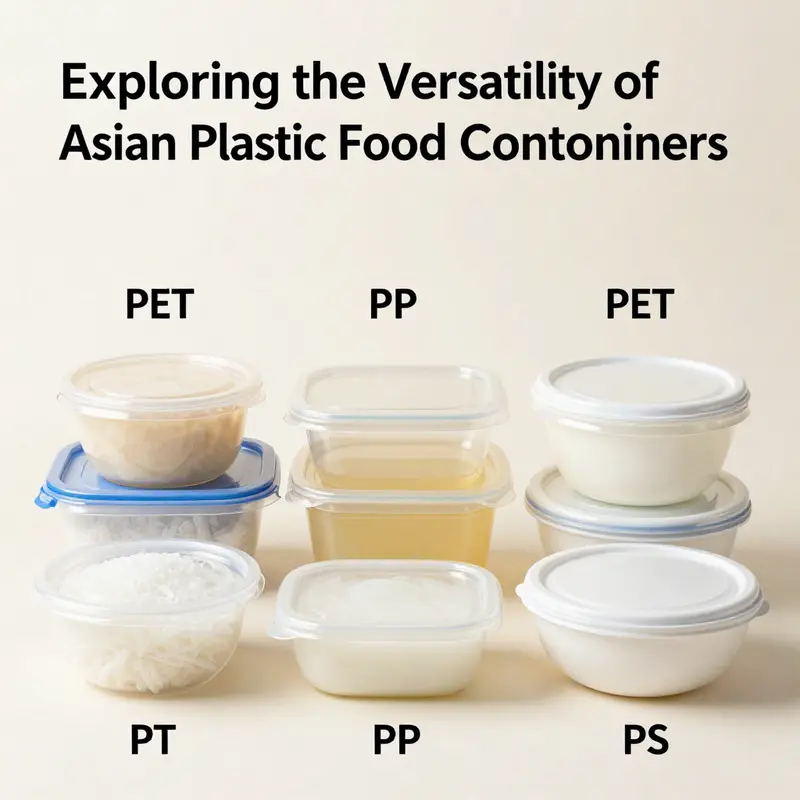
Across East and Southeast Asia, plastic food containers have become a quiet backbone of daily life. They shape the speed of meals on the go, the presentation of takeout, and the organization of home storage. The chapter on material make-up and safety invites us to trace the journey from the raw polymers that form the walls and lids of these boxes to the realities of everyday use in kitchens and lunchrooms across crowded cities and quiet neighborhoods. It is a story of choices that balance practicality with risk, of regulatory touchpoints that try to keep food safe, and of consumer practices that determine how much of those risks actually arrive on a plate. In this landscape, the most common families of plastics—polypropylene, polystyrene, and PET—do not simply exist as abstract categories. They become the physical medium through which heat transfers, flavors migrate, and packaging communicates its own promise or warning to the person about to eat what lies inside. The cultural and commercial pressures in Asia—rapid meal delivery, multi-component lunches, and the rise of portion-controlled diets—have helped shape the design language of these containers. The material choices reflect not only chemistry and safety standards but also expectations about durability, clarity, microwave usability, and end-of-life stewardship. Reading these cues helps explain why a bento box in Tokyo can look and feel so different from a clamshell takeout box in a regional city, even when both are built around the same material family. The story unfolds as a careful balance of stability under heat, resistance to chemical migration, and the practical realities of mass production that must meet both regional food safety norms and consumer expectations for freshness and usability. In the chapters that follow, we will navigate how each polymer behaves in practice, how safety considerations translate into regulatory expectations, and how designers and users alike must navigate the trade-offs that come with disposable and reusable packaging in a market where appetite and policy are in constant motion. The aim is not to demonize or romanticize plastics but to illuminate why material make-up matters and how it translates into real-world outcomes for health, convenience, and waste. The Asian context adds an extra layer of specificity, because the culinary repertoire—ranging from hot rice dishes to oily sauces, from delicate dumplings to hearty noodle bowls—places diverse demands on the containers that hold them. These demands influence everything from the type of plastic chosen to the sensory experience of opening, heating, sealing, and transporting a meal, and from the ease of recycling to the safety margins that protect the consumer when meals are reheated or stored for later use. Taken together, the material make-up and the safety practices surrounding Asian plastic food containers weave a complex tapestry. They reflect a region where manufacturing scale, regulatory rigor, consumer expectations, and culinary diversity intersect in ways that sometimes converge and sometimes clash. The result is a set of packaging choices that can be as practical as they are technically nuanced. To understand this tapestry, we begin with the most common materials on the market, charting how each polymer behaves when faced with the heat of a microwave, the acidity of pickled vegetables, or the oiliness of fatty sauces. Polypropylene stands out for its heat tolerance and chemical stability. It holds up well under typical reheating scenarios, especially when the product is explicitly labeled as microwave safe. In many East and East Asian contexts, polypropylene is the backbone of lunch box designs, including those that mimic the compartmentalized structure of a bento. The material’s ability to retain form, resist warping, and resist migration under standard temperatures makes it a favored choice for multi-compartment containers. Yet even within polypropylene, the performance is not monolithic. The additives, the degree of crystallinity, and the manufacturing process can influence how a container behaves when brief contact with hot liquids or steam occurs. The nuance matters because even a robust polymer can reveal weaknesses if heat, fatty content, or prolonged contact challenge the migration thresholds that guard food safety. Polystyrene, by contrast, carries a more mixed reputation. Its prominence in single-use items is evident in many markets, including regions of Asia where short-term use was historically tied to cost considerations and convenience. PS remains common for certain clamshell designs and for items meant to be disposed of after a single use. This is where safety concerns come into sharper focus: PS has a less forgiving relationship with high temperatures and certain food types, and its optical clarity is a double-edged sword. Clarity can be a positive for appetizing presentation, but it can also signal the presence of a material that requires careful handling to avoid excessive warming or migration of additives. Consumers who reheat PS-containing containers or use them beyond the intended life cycle confront a higher risk profile. PET is often associated with beverages, yet its role in food contact packaging expands beyond drink cups. In Asia, PET containers are valued for their clarity, barrier properties, and recyclability. When used for solid foods or semi-solid sauces, PET can offer a stable environment that minimizes certain migration pathways while preserving the appearance of the contents. However, PET is not a universal panacea. Like every polymer, its safety depends on the conditions of use, including the temperature, duration of contact, and the nature of the food. Accompanying labels and the presence of any coatings, colorants, or sealing layers are not mere cosmetic details. They can influence diffusion dynamics and even the overall food safety profile over time. The synthetic simplicity of a single polymer belies a more complicated reality in which the packaging system—its lids, seals, dyes, and adhesives—interacts with the food it contains. The practical impact of these interactions becomes especially salient when the container is heated or stored for extended periods. In many contexts, guidelines about heating and reusing containers hinge on a broader regulatory framework that governs what substances are allowed in contact with food and how much of those substances can migrate into the food. A growing body of research has drawn attention to the phenomenon of microplastics and the potential for additives such as antioxidants and plasticizers to migrate under certain conditions. The concern is not simply about the polymer itself but about the suite of residues that may accompany it, including components introduced during manufacturing or from the food being stored. A 2024 study cited in safety discussions notes that microplastics and organic additives produced during the normal use of takeout plastic containers could pose health risks if exposure is sustained. While many containers are engineered to stay within established safety limits under nominal usage, the layered reality of daily life—reheating, prolonged storage, fatty or acidic foods, and repeated reuse—complicates risk evaluation. To translate material properties into practical guidance, regulators and manufacturers alike emphasize a cautious approach. The regulatory landscape in Asia features a mosaic of standards and norms designed to curb migration and ensure stability under temperature shifts. In several regional markets, food contact materials must meet principles that restrict the presence of certain chemicals and set permissible migration thresholds. The Food Sanitation Act in neighboring contexts, and the broader regulatory culture across China, Korea, and Southeast Asian countries, underscore the responsibility of manufacturers to demonstrate that their products perform acceptably under defined conditions. The GB 4806.6-2016 standard in China, for instance, represents one anchor in a broader movement to harmonize safety expectations for plastics and other materials intended for food contact. While not identical across borders, these standards collectively shape what is considered acceptable packaging in a given market. They also impose testing regimes that examine the stability of containers under heat, their resistance to chemical interactions with foods, and the integrity of seals and lids during transit. For consumers, translating these standards into everyday practice requires a healthy skepticism about usage. Polypropylene is generally safe when used as intended, particularly when the container or its packaging clearly labels microwave safety and limits on reuse. Yet the same PP container may release more readily if heated in ways that push beyond the label. Fatty and acidic foods can elevate the potential for minor migration, a reminder that no single polymer is a universal shield against all forms of contact-related migration. Reusing single-use containers is another common-sense caution. What works for a reheated meal in a pinch may not be appropriate for long-term storage, especially when the container shows signs of wear, scratching, or warping that create micro-channels for diffusion. The safety landscape is further complicated by colorants and sealants used in product design. Dyes, printing inks, and adhesives can contribute to the overall migration profile, particularly when subjected to heat or extended contact with complex foods. In Asia, where bright palettes are often an aesthetic and marketing feature, the temptation to use vividly colored containers for longer or hotter meals must be weighed against these subtle but meaningful safety considerations. Consumer guidelines thus emerge from a blend of chemical knowledge, regulatory expectations, and practical cooking realities. A few simple practices align with best safety outcomes: avoid heating non-microwave safe plastics, especially in dishes that include fatty or acidic components; do not store hot foods in plastic containers for extended periods; avoid reusing single-use packaging once the integrity of the container shows signs of wear. Choosing products labeled as food grade and produced by reputable manufacturers is not a mere marketing preference but a concrete risk-reduction step. The material story also informs design decisions and the broader question of sustainability. In many Asian markets, the popularity of the bento-style container is a case study in how multiple compartments influence material choice. The need to separate rice from protein, sauces, and vegetables within a single reusable or disposable vessel means that compartment walls and lids must not only resist heat but also maintain separate micro-environments for different foods. This design objective intersects with material science: the properties of PP, the friction and seal integrity of the lids, and the compatibility of internal coatings with varied cuisines. The lower migration risk of PP makes it a prime candidate for the main body and dividers, while the choice of a PS lid or a PET-based hub for the outer shell can reflect the preservation and presentation goals of a brand, as well as the temperature and duration expectations for typical meals. The same logic applies to clamshell designs used for handheld foods and for sushi, where clarity and stiffness of PET can support attractive displays and reliable sealing. Still, the design and material choices do not exist in a vacuum. They interact with consumer habits and with industry-wide pushes toward sustainability. The conversation around recycling efficiency, reusability, and end-of-life handling has driven some manufacturers to emphasize recyclable polymers, and to experiment with reusable structures that extend the life of a container beyond a single meal. In this sense, the material make-up of Asian plastic containers is not only a matter of chemistry and safety but also of culture, economics, and environmental stewardship. For those who are searching for packaging that reduces plastic reliance, there is growing interest in alternatives that complement or replace plastics in certain use cases. For example, disposable octagonal kraft-paper packaging has gained attention as a design alternative for takeout settings that wish to emphasize biodegradable or recyclable options. This option is highlighted by packaging suppliers who emphasize durability, lid integrity, and ease of disposal in bustling urban contexts. For those curious about this route, one example is available through the following reference to a specific packaging format: disposable octagonal box with kraft paper packaging. disposable octagonal box with kraft paper packaging. In practice, the choice between plastic and paper-based packaging is rarely a simple either or decision. It involves assessing the intended use, the expected temperature ranges, the likelihood of reuse, the goals for presentation, and the preferred end-of-life pathway. As manufacturing scales grow and regulatory scrutiny tightens, both the plastic packaging industry and its customers are increasingly called upon to justify their choices with data. This data includes material safety testing, migration studies, and life cycle analyses that illuminate not just the immediate costs and benefits of a container but also its longer-term implications for health and the environment. Consumers, vendors, and policymakers each play a role in shaping safer outcomes. With clear labeling, appropriate usage instructions, and a cautious approach to reuse and heating, the risk profile of these containers can be managed in a way that respects both cultural expectations and scientific understanding. The ongoing dialogue among researchers, regulators, and practitioners aims to refine migration thresholds, improve batch testing, and encourage transparent communication about what is inside a package and how it should be used. For readers who wish to explore regulatory guidance and safety standards beyond the local market, there is a broader web of resources that can offer insight into food contact materials. In particular, regulatory frameworks place a premium on stability under temperature variation, controlled migration of additives, and clear labeling. This broader context helps explain why a container that performs brilliantly in one culinary tradition might require adjustments to meet safety expectations in another. It also suggests why manufacturers, across Asia, invest in research and testing to align with multiple jurisdictions while balancing the needs of diverse cuisines. As we move forward, the dialogue between material science and practical usage will continue to reveal how a simple box can become a resilient interface between food and eater. If readers seek deeper understanding of how these norms translate into everyday choices, the following external resource offers a structured overview of food contact material standards and testing practices. https://www.fda.gov/food/food-contact-materials-labeling/food-contact-materials-standards
Profit, Pace, and Policy: The Economic Pulse of Asian Plastic Food Containers in a Rapidly Changing Market
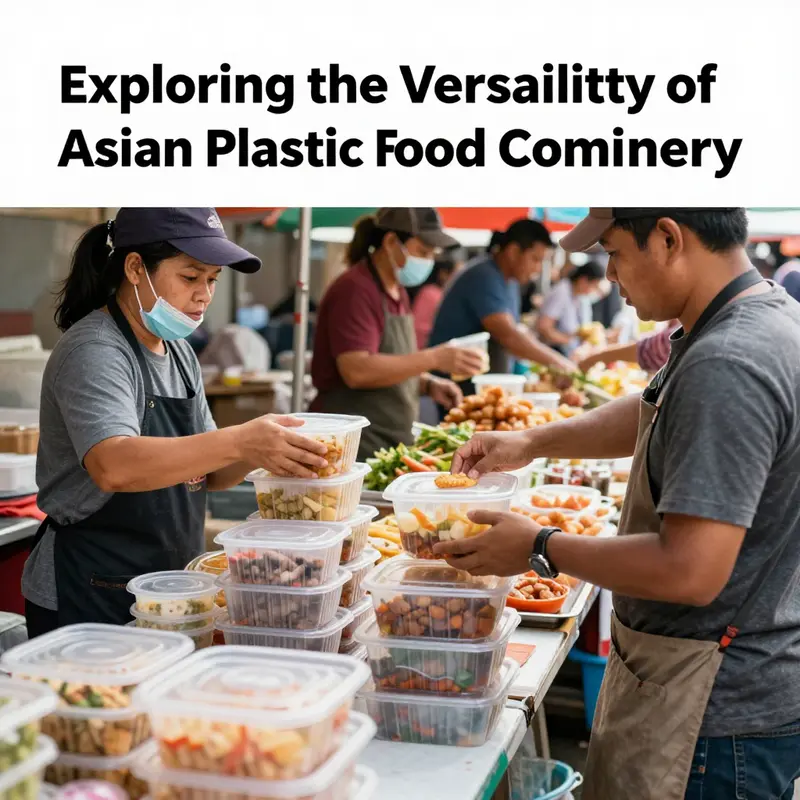
The Asian food-service landscape has long depended on plastic packaging to keep pace with the region’s appetite for quick, reliable meals. In recent years, this dependency has taken on new economic momentum as urbanization accelerates, consumer expectations shift toward convenience, and the delivery ecosystem scales to meet rising demand. The Asia-Pacific market dominates the global disposable packaging sector, accounting for a substantial share of revenue in 2024 and positioning the region as a linchpin for manufacturers, distributors, and food-service operators. Within this vast milieu, plastic food containers—encompassing a spectrum from partitioned bento-style boxes to clamshells and larger multi-compartment designs—function as the backbone of a logistics chain that travels from kitchen to curbside to consumer, often within hours. The economic imprint is multi-layered. It reflects not only the direct costs of raw materials, molding, and tooling, but also the macro forces that shape demand: urban living patterns, the expansion of takeout and meal-prep culture, and the digital platforms that orchestrate delivery at scale. Industry observers note that the market for plastic bottles and containers in the region is poised to reach billions of dollars, with a steady compound annual growth rate through the next decade. These are numbers that hint at a robust and resilient trade, even as the contours of profitability begin to bend under new pressures. The rise of single-use packaging as a convenient, trackable, and visually appealing solution has, in many ways, redefined the economics of hospitality and retail in Asia. The containers themselves are engineered not only to hold meals but to optimize throughput, presentation, and predictability in a delivery workflow that prizes speed and accuracy as much as taste. In bustling urban centers, restaurants, delis, and cloud-kitchen concepts lean on a family of designs—partitioned, hinged, and multi-compartment formats—that enable operators to curate balanced meals with consistent portioning. The bento-style box, whose lineage traces back to a traditional Japanese lunch culture, has become a template across many East and Southeast Asian markets. Its success lies partly in the way it helps cooks and packers segregate items that must stay distinct—rice versus protein, vegetables versus sauces—while preserving color, aroma, and enjoyable texture. This design also supports portion control, a feature that resonates with health-conscious dining trends and with the logistical logic of meal-prep services that rely on uniform packaging formats for assembly lines and delivery routes. In parallel, clamshell containers—those hinged lids that seal in freshness and reduce leakage during transit—anchor a different segment of the market. They are favored for handheld meals, salads, and other items that benefit from an easy, secure, consumer-friendly packaging experience. The utility of such designs extends beyond mere containment. They enable operators to optimize inventory, standardize sizes, and scale production without sacrificing the consistency that customers expect from a well-executed take-out experience. The market’s breadth is further enlarged by larger, multi-compartment containers used for combo meals, family-sized orders, and catering scenarios. These containers are valued for their ability to separate components, support sauce containment, and accommodate the evolving preferences of diners who seek variety within a single package. The economic upside of this design sophistication is clear: improved food safety, better presentation, enhanced brand perception, and reduced spoilage risk during transit. Across this landscape, materials play a central role in shaping cost structures and performance characteristics. The most common plastics—polyethylene terephthalate (PET), polypropylene (PP), and polystyrene (PS)—are selected for their clarity, strength, heat-resistance, and regulatory compatibility with regional food-safety standards. Each resin type contributes a different calculus of cost, recyclability, and end-of-life considerations. In markets where microwave safety is advantageous, design choices also factor in thermal resilience and consumer convenience. These material decisions ripple through the entire value chain, from supplier pricing and production throughput to restaurant operating margins and consumer price points. The economic narrative, therefore, is not simply about the price of a single container but about the entire ecosystem in which packaging decisions influence labor costs, packaging waste management, and the ability of a business to scale quickly to meet demand. Against this backdrop, market statistics provide color to the narrative. In 2024, the Asia-Pacific region represented a substantial portion of global disposable packaging revenue, underscoring how deeply connected regional consumption patterns are to supply chain dynamics that span oceans and continents. Projections for 2025 indicate continued growth in the plastic bottles and containers market, with a healthy compound annual growth rate through 2030. This trajectory reflects a confluence of consumer demand for convenience and a business environment that prizes efficiency, accuracy in order fulfillment, and the ability to present meals in a way that is both appetizing and portable. Within this growth framework, design and consumer satisfaction emerge as critical levers. Many plastic containers are now equipped with partitioned designs that support balanced meals and preserve the sensory qualities of diverse components during transit. The ability to separate flavors and textures without compromising freshness is more than an aesthetic appeal; it is a determinant of perceived quality and repeat purchase. When a customer opens a meal that looks as good as it tastes, as well as one that travels well without leaking, the retailer gains a trusted relationship that translates into repeat business, higher ratings, and more efficient delivery cycles. This connection between design and satisfaction translates into measurable operational gains: quicker packing, fewer order errors, reduced returns, and a more predictable supply chain. The financial implications of these efficiencies accumulate across the lifecycle of a business. A well-designed compartment system reduces food-warming losses and helps inventory teams manage diverse menu items within a single packaging family. In a market where menu complexity and dietary variety are the norm, a container that supports portion control can help operators manage labor costs, minimize waste, and maintain consistency across multiple locations. Yet the economic optimism is tempered by a growing chorus of environmental concerns that threaten to recalibrate the cost-benefit equation. Plastic waste is under heightened regulatory scrutiny, and consumer preference is gradually tilting toward sustainability. In the Asia-Pacific context, the push toward eco-friendly options—such as coatings and materials that reduce environmental impact—has created a new dimension of cost and supply-chain risk. While coatings that are free from PFAS and other controversial substances can improve safety perceptions and align with consumer sentiment, they often carry higher production costs. This economic friction—between affordability and environmental responsibility—creates a delicate balance for businesses, especially for small and medium-sized operators that operate on tighter margins. The cost differential between traditional plastics and greener options is not trivial. When sustainability features are embedded, suppliers must invest in new formulations, testing, and compliance verification. For some operators, the extra cost becomes a barrier to scale, threatening the ability to offer affordable meals while maintaining responsible packaging practices. The tension between price and planet is not merely a consumer-facing issue; it reverberates through procurement, hiring, and capital budgeting. Companies face decisions about whether to pass increased packaging costs to customers or absorb them to maintain price competitiveness. In a market that prizes speed and reliability, any price rise must be justified by tangible benefits—enhanced food protection, improved recyclability, or validated brand value through sustainability credentials. Operators who adopt sustainable options often find themselves at a crossroad between innovation and economics. The most successful transitions are not sudden shifts but thoughtful evolutions that leverage existing operations. Reusable structures, for instance, may offer long-term savings if an enterprise can implement effective return streams and cleaning processes. Yet, in many contexts, the emphasis remains on single-use formats due to convenience and the complexities of implementing a robust take-back system in dense urban landscapes. This is where design ingenuity comes into play. The partitioned format of many modern containers, specifically designed to preserve flavor separation and presentation, contributes to a favorable customer experience even as packaging costs rise. It is not accidental that these designs have become a core competency for many food-service operators seeking to preserve the integrity of a meal across delivery channels. The design also supports a more efficient packing workflow, reducing the risk of cross-contamination and enabling standardized assembly lines that can scale with demand. The economic trade-offs are clear. On one hand, the region’s packaging market remains buoyant, with strong demand from fast-food chains, bakeries, delis, and meal-prep services that thrive on convenience. On the other hand, environmental concerns are forcing a re-prioritization of inputs, with a premium placed on recyclability, reduced waste, and safer coatings. For many players, the path forward involves a blend of gradual innovation and strategic partnerships with suppliers who can deliver improved performance without a prohibitive cost premium. This approach is visible in the shifting emphasis from purely low-cost packaging to value-driven packaging that aligns with consumer preferences and regulatory expectations. In addition, the market’s resilience benefits from a broad range of application—from single-portion lunches to multi-item meals and catering orders. The versatility of plastic containers supports a wide array of culinary traditions and service models across East and Southeast Asia, enabling operators to tailor packaging to the specificities of local cuisines while maintaining a consistent standard for delivery and storage. The result is a packaging ecosystem that preserves brand identity and enhances perceived value, even as some customers begin to question the environmental footprint of single-use plastics. Innovation in materials and coatings promises to address these concerns gradually. Producers are exploring coatings that are easier to separate from plastics at end-of-life, as well as content that enhances recyclability without compromising shelf stability. In some instances, recycled-content plastics are introduced to lower the overall environmental burden, though this can entail higher processing costs and supply variability. The economic health of the industry will likely hinge on the sector’s ability to combine efficiency with responsibility. Regulators and consumers alike demand transparency about disposal pathways and safety standards. Businesses that can demonstrate clear waste-management strategies, and that can offer visibly improved sustainability without sacrificing speed, accuracy, or taste, will likely gain a competitive edge. This balancing act matters because the consumer experience is still the central hook of the ecosystem. The presentation quality of a meal—and the confidence that it will arrive intact and appetizing—are essential to driving loyalty in a market where options are plentiful and switching costs for diners are low. Packaging is not just a passive container; it is an active participant in the dining experience. For many operators, the container becomes a silent ambassador that communicates reliability, care, and value. As such, investment in design and materials becomes a strategic decision with tangible returns in the form of repeat business, higher order values, and smoother logistics. The economic upside is not merely in the immediate sale of a container but in the cumulative effects across a network of restaurants, delivery platforms, and consumers who expect consistency. While the region’s market fundamentals remain favorable, the long-term sustainability of a plastics-centered model will depend on innovations that minimize environmental impact without eroding profitability. The most promising developments are likely to be those that offer a credible path to recyclable or compostable end-of-life, alongside packaging that can be produced at scale, with predictable costs, and with traceable supply chains. To observers, the confluence of urban growth, rising demand for convenient meals, and a cautious turn toward sustainability creates a dynamic that will shape packaging strategies for years to come. The economic arc is one of adaptation—where designers, manufacturers, and food-service operators recalibrate their assumptions about cost, risk, and value in light of environmental realities and evolving consumer expectations. In practical terms, this means that a container design that optimizes space, protects food integrity, and accelerates packing and delivery will continue to be prized. It means that vendors who can blend performance with responsible stewardship will be preferred partners, even if they command a premium. And it means that policymakers seeking to harmonize growth with stewardship will influence the pace and trajectory of material choices through standards, incentives, and enforcement—not to halt the industry, but to guide it toward safer, cleaner, and more efficient pathways. For readers seeking a broader context of these market dynamics and future trajectories, an external resource that surveys the Asia-Pacific plastics landscape provides valuable depth: https://www.researchandmarkets.com/reports/6178888/asia-pacific-plastic-bottles-containers-market-report-2030. In the meantime, some operators are already experimenting with greener alternatives within the existing packaging ecosystem. The use of paper-based take-out options has grown in parallel with plastic in certain segments, propelled by consumer demand for sustainable choices and by city-level waste-management policies that encourage recycling and material separation. Innovative packaging solutions—while initially costlier—can deliver long-run savings through reduced waste disposal fees, improved customer perception, and enhanced brand differentiation. The challenge remains to align these green initiatives with the economics of everyday operations. It is here that an opportunity emerges for a nuanced strategy: combine the reliability and efficiency of established plastic container designs with the strategic deployment of greener alternatives where they deliver the greatest return. For instance, in scenarios where a restaurant aims to highlight sustainability as part of its brand narrative, it might adopt paper-based or coated-paper take-out options for select lines while maintaining familiar plastic formats for busy peak periods. This measured approach supports continuity of service, reduces risk, and allows a gradual, financially manageable transition. The practical implications extend to procurement planning, where retailers and distributors can segment their packaging portfolios by functional requirements, regional waste infrastructures, and consumer segments. Such segmentation helps to optimize inventory turnover, negotiate better supplier terms, and reduce overstock scenarios that escalate waste. In sum, the economic health of Asian plastic food containers rests on a lattice of interconnected factors: market demand driven by urban living and delivery culture, design decisions that maximize efficiency and presentation, material choices that balance cost with safety and performance, and a regulatory and social environment that increasingly prizes sustainability. The story is not simply about producing more containers; it is about producing containers that align with the evolving expectations of consumers, operators, and governments. If the sector can sustain this balancing act, it stands to continue powering a vital segment of the region’s food economy—supporting growth, enabling innovation, and maintaining the fast, efficient service that modern diners rely on, all while laying the groundwork for a more sustainable packaging future.
Final thoughts
Among the various tools utilized in the vibrant food service industry, Asian plastic food containers stand out for their versatility and practicality. They enhance the presentation of meals while addressing consumer demands for quality, portion control, and environmental considerations. By understanding the unique advantages of bento and clamshell styles, alongside the safety aspects of materials used, food businesses can harness these containers to meet operational efficiency while appealing to today’s health-conscious consumers. This multifaceted approach not only boosts customer satisfaction but also contributes to a sustainable future in food service.