
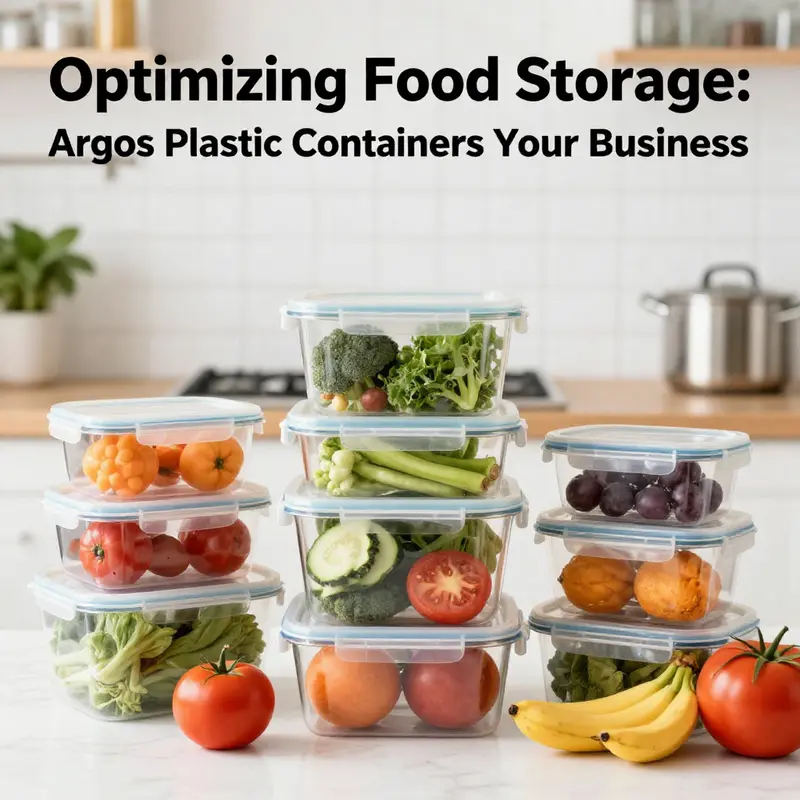
Efficient food storage is vital for any food-related business, from bubble tea shops to catering services. Argos plastic food storage containers offer practical solutions designed to keep ingredients fresh and organized. In this exploration, we will uncover the standout features of these containers, delve into their material composition, discuss usage guidelines to maximize their potential, and address sustainability considerations in your procurement decisions. By understanding these aspects, you can enhance your operational efficiency while aligning with eco-friendly practices.
null
null
Under the Hood: The Material Science Behind Argos Plastic Food Storage Containers
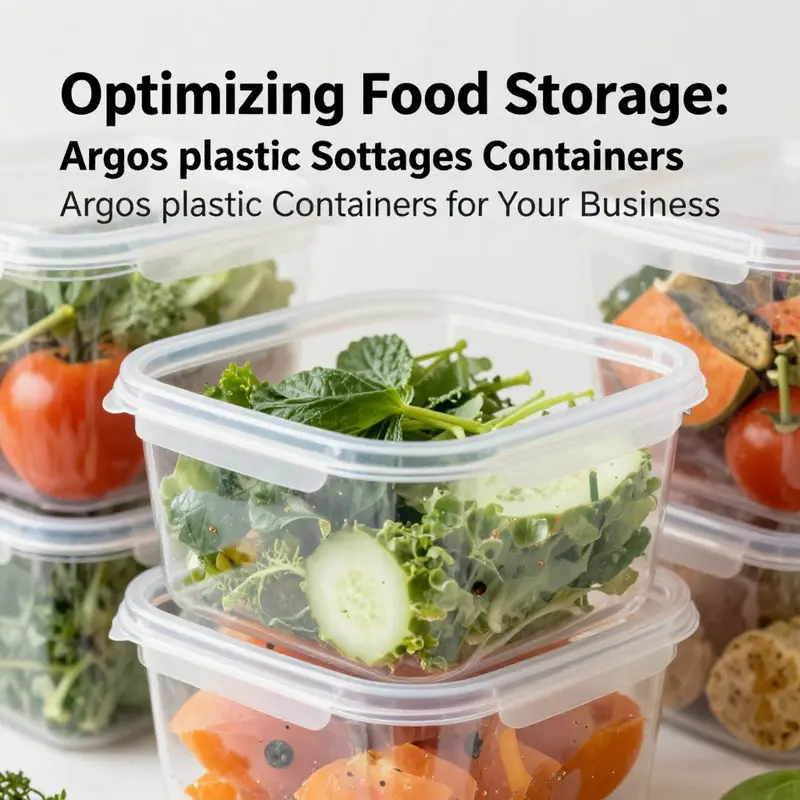
When you reach for a plastic storage container in Argos, you are not just buying a simple box. You are selecting a piece of material science designed to protect, preserve, and organize food in a home that moves from fridge to freezer to microwave to sink. The core decisions are shaped by two plastics in particular: HDPE and PP. HDPE, or high-density polyethylene, is celebrated for its impact resistance and chemical robustness. It handles temperature swings with less cracking and offers a sturdy baseline for everyday use. PP, or polypropylene, offers higher heat resistance, clearer visibility in transparent versions, and a tenacious resistance to moisture and odors. In Argos’ aisles, these materials are common because they meet safety standards while remaining affordable and durable for daily family use. The combination of good sealing, stackability, and sometimes microwave suitability makes these containers versatile. Yet all of this rests on a careful balance of performance, safety, and practicality.
The story of HDPE in food storage is one of resilience. It resists cracking when dropped, resists staining from sauces, and holds up when temperatures rise in the fridge or fall in the freezer. Importantly, HDPE is BPA-free in the vast majority of consumer-grade food contact applications, a factor that has become a baseline expectation for many shoppers. Consumers want assurance that the container won’t leach unexpected substances into food, even after repeated use and multiple wash cycles. The resin has a nonporous surface that keeps odor and color from transferring into other foods, an essential trait in households that prepare diverse meals in advance. HDPE’s transparency is limited, which means many HDPE containers rely on color or labeling to help users identify contents, while the material’s inherent opacity can help conceal stains from stubborn sauces. But where transparency is desired, PP often takes the lead.
Polypropylene is prized for its heat tolerance. It can withstand warm foods and, in many cases, is designed to be microwave-safe for short, controlled reheating. The ability to go from refrigerator to microwave, even if only for a quick reheat, makes PP-based containers attractive for busy households. Its moisture and odor resistance helps keep delicate ingredients fresh without letting the lid and seal degrade quickly under repeated uses. Yet even here, the labels matter. Consumers must read product instructions to know if a particular PP container is intended for microwave use, freezer use, or dishwasher cycles. It is not universal. Some PP containers are safe for microwaving, but only when the food is heated for limited times and with the lid vented or removed. Others are intended only for cold storage. The subtlety lies in the manufacturing seal and the lid’s gasket, which, when well designed, minimizes air exchange and prevents freezer burn by reducing moisture loss. The design, including a well-fitting lid and a robust gasket, is as critical as the plastic itself, and Argos sellers often group containers by these features so shoppers can quickly identify the right tool for the job.
Argos does not manufacture these plastic storage solutions; it curates a range from multiple brands. That means the material story is supplemented by external design decisions—lid geometry, seal quality, and the choice of color and clarity to meet consumer preferences. The stacking feature reduces kitchen clutter; the same shape and size lines create a coherent system that can be expanded as a family’s storage needs grow. A well-made box is more than a container; it is a tiny controlled environment for foods. Its seal can suppress leakage, which is crucial for liquids or sauces, and it can slow the onset of freezer frost, helping maintain texture and flavor. An airtight lid reduces exposure to air that can drive oxidation, moisture loss, and the staling of produce or pre-cooked meals. The practical benefits extend beyond freshness: single-serve compartments support meal prepping, while tall, deep containers provide ample space for leftovers or bulk ingredients.
The science of safe food contact extends beyond the material selection to the way it is processed and labeled. The major plastics used in Argos storage containers sit within the spectrum of food-grade engineering. They are formulated to pass safety benchmarks set by international food safety standards and refined to minimize potential migration of additives. In practice, that means calibrated heat resistance, chemical resistance, and a careful balance that prevents micro-cracking over time. The risk of migration is real when containers are subjected to improper high temperatures or abrasive cleaning cycles. That is why product guides stress following the intended use: do not place containers with metal points on the stove, avoid direct oven heating, and refrain from using in conditions outside the product’s stated limits. If a box is described as microwave-safe, the user should still respect maximum heating times and exercise caution with oily or fatty foods, which can heat unevenly and raise the interior temperature of the container.
In everyday use, differences between HDPE and PP become apparent in how a family handles leftovers, lunch prep, and pantry organization. A set of HDPE boxes may offer heavy-duty everyday resilience, resisting cracks when dropped into the cart or onto the kitchen floor. Their opaque or muted tones can mask stubborn stains, preserving a neat, uniform appearance in the cupboard. In contrast, clear or translucent PP containers can help a busy cook locate yesterday’s leftovers at a glance, reducing the need to dig through a crowded fridge. Clarity can be a functional virtue for meal planning; it is not simply aesthetic. PP’s capacity to maintain clarity while resisting moisture makes it a practical option for foods with sauces and gravies. However, both materials require appropriate care to extend their life. Gentle washing with non-abrasive sponges, avoiding harsh solvents, and letting containers air-dry completely will slow the wear that can dull seals or cause minor clouding in a transparent PP variant.
The design language around these containers is as telling as the material language. The lids and seals are engineered to perform in real kitchen environments, where moisture, temperature shifts, and repeated use are the norm. A well-designed lid is a hinge of memory; it remains pliable after countless cycles and does not warp under cold storage. The gasket inside the lid acts as a barrier to air and moisture, and its integrity is a testament to how much thought goes into making a storage system reliable. The closure must be secure enough to prevent leaks during transport, yet simple enough to open in a hurry when the user returns to the fridge for a quick snack. The aesthetics of these containers—transparency, color, and shape—also play a role in how often they are used. A simple, clear partition helps a family distinguish between chicken and vegetables; a compact, stackable shape saves shelf space and reduces the mental load of meal organization. These design considerations are not merely convenience; they are the culmination of years of consumer feedback, material science, and regulatory expectations about food contact safety.
Argos shoppers must navigate the same questions that arise with any plastic storage solution: Is this container safe for my intended use? Does the label indicate the correct materials and appropriate temperatures? How long can I reuse it before signs of wear emerge? The material choice—HDPE or PP—answers some of these questions, but not all. The label on the packaging, or the detailed product page, usually reveals whether the container is compatible with the refrigerator, freezer, microwave, or dishwasher. It may also indicate whether the product is free from bisphenol A, or BPA-free, a point many buyers now consider essential for peace of mind. In a landscape where readers are increasingly wary of chemical exposure, such statements carry weight, even when the actual risk of migration under normal use remains low. The consumer’s decision-making process thus blends pure material science with everyday life logistics: how often a container is used, how aggressively it is cleaned, what foods are stored, and how the container is heated or thawed.
Beyond the individual container, the environmental narrative of plastic storage introduces another layer of complexity. The materials are reusable, which is a strong argument for reducing single-use plastics. But plastics, even when reused, carry a footprint from production to end of life. For those who want to minimize this footprint, the conversation often turns to alternatives such as glass or stainless steel. Each alternative has trade-offs in weight, fragility, thermal performance, and cost, but it is precisely this trade-off calculus that guides many buyers toward plastics for everyday food storage where convenience and price matter. The reality is that plastic storage containers built from HDPE or PP can outlive cheaper options if treated with care; they can be a durable, reusable solution in a busy kitchen, and in many households, the habit of washing and reusing these containers reduces waste compared with disposable packaging. Yet the same reality underscores the need for responsible usage and eventual end-of-life choices. Consumers may look for take-back programs or recycling streams appropriate for plastics, and they may favor items that are widely recyclable in their local facilities. In this way, the consumer’s choices align with broader waste reduction strategies, creating a loop that enhances the positive impact of a practical kitchen tool.
Finally, the way Argos presents material information on its product pages influences shopper behavior in subtle but meaningful ways. The material specifics—HDPE and PP and their associated attributes—coexist with practical details: lid design, seal quality, dimensions, and care instructions. The user experience becomes a dance between understanding the science and applying it to daily routines. A well-informed choice reduces the risk of misuse and helps preserve the container’s integrity over time. It also fosters a sense of trust with the retailer, reinforcing confidence that the product will perform as expected in the messy realities of meal prep, family life, and busy weekday routines. In this sense, the material composition is not an isolated fact but a living part of how food storage functions within a modern home. The containers enable a kitchen workflow, a little system of organization and discipline, that echoes the broader shift toward more mindful consumption: reusable containers, careful labeling, regular cleaning, and an emphasis on lengthening the life of everyday objects.
For readers who want to explore further, the material choices of HDPE and PP largely define the functional promises of most Argos plastic storage options. The material properties determine not only how well the container resists impact and temperature but also how clearly you can see the contents, how reliably the lid seals, and how many times you can safely reuse the container before replacement becomes prudent. As with any kitchen tool, the value lies in understanding what the material can and cannot do, and using that understanding to maximize freshness, reduce waste, and simplify daily routines. The trade-offs are real, but so are the practical rewards of selecting the right container for the right job. With attention to labeling, temperature guidelines, and care instructions, Argos’ plastic food storage containers can serve as a durable, convenient backbone for a well-organized kitchen.
External resource: For official product details and current specifications, see the Argos site: https://www.argos.co.uk/
Safeguarding Freshness: Practical Usage Guidance for Plastic Food Storage Containers in Everyday Kitchens
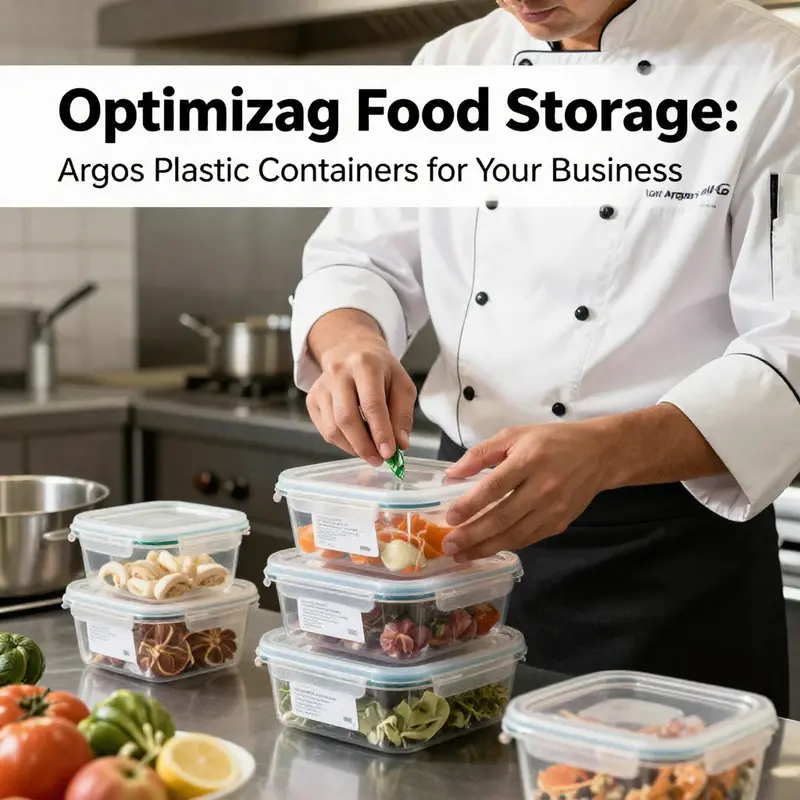
Every kitchen relies on a simple, reliable system to manage leftovers, prepped ingredients, and snack-sized portions. Plastic food storage containers are a familiar part of that system. They are designed to be lightweight yet durable, stack neatly when not in use, and survive the daily shuffle of fridge doors, pantry shelves, and lunch bags. This chapter dives into how such containers work in real life, not as abstract objects but as practical tools that help reduce waste, preserve flavors, and streamline meal routines. What makes a container fit for everyday use goes beyond the initial impression of a glossy lid and a snug seal; it rests on a careful balance of materials, construction, care, and awareness of safety boundaries. In the context of a major UK retailer’s assortment, these containers usually come from multiple brands rather than being produced in-house. That diversity means a single product can vary in performance, even as it fulfills the common promises: good sealing, predictable stacking, and reasonable heat or cold tolerance. The following reflections aim to help consumers read those promises accurately and to translate them into confident, informed usage in day-to-day life.
Material choices are the quiet backbone of container performance. The most common plastics in household storage are polypropylene and high-density polyethylene. Polypropylene, often labeled with the resin code 5, brings a useful combination of stiffness, chemical resistance, and heat tolerance that makes it well-suited to cold and chilled storage as well as microwaving when explicitly labeled as microwave-safe. High-density polyethylene shares many of these traits, adding durability to the mix. These materials are generally regarded as safe for contact with food when used as intended, but safety is not purely about the base material. It also depends on how the container is manufactured, how the lid seals, and how the product is labeled. A reader-friendly bottom or lid edge that clearly indicates “Microwave Safe” is not merely a marketing flourish; it is a practical cue about how much heat a container can endure and for how long. When a label is absent or unclear, the prudent choice is to treat the container as unsuitable for microwave use and to rely on conventional reheating methods or alternative containers that carry explicit guidance.
The seal is where many containers prove their value in everyday life. A good seal means more than the lid snapping onto the base. It is the ability to prevent leaks when carrying liquid-rich foods, and it is a barrier against the intrusion of fridge odors and ambient moisture that can dull flavors. The design of the lid—often featuring a gasket or a precise ridged edge—determines whether the seal will endure repeated opening and closing or succumb to wear. For households that juggle marinades, soups, or dressings, a tight seal translates into real-world benefits: fewer spills in transit, less accidental mixing of aromas, and improved freshness over time. Yet seals have to be compatible with the material itself. A lid that is too rigid for a warped base can create gaps; a gasket that loses its elasticity after repeated washing can betray a product’s long-term value. The upshot is simple: when selecting containers, one should pay attention to the entire system—the base, the lid, and the seal together—because their synergy determines how well the container performs in frequent use.
Size variety is another practical strength of the typical retailer’s plastic storage lineup. Containers range from compact modules that hold herbs, chopped nuts, or spice blends to larger boxes designed for leftovers, meal-prepped ingredients, or bulk pantry staples. The advantage of such diversity is flexibility: you can tailor containers to specific foods, reducing the likelihood of overfilling or underutilization. A well-chosen set makes it easier to plan meals, portion out snacks, and keep track of ingredients, which in turn supports healthier eating patterns and less food waste. It also means you can create an organized system that aligns with your kitchen’s physical geometry. Stackability becomes not just a space-saving feature but a daily cue for order. When lids are secured and containers are arranged with similar footprints, the fridge and freezer feel calmer, and finding the right container becomes a straightforward task rather than a scavenger hunt.
Care routines are the quiet engine that sustains the performance of these containers over time. The recommended starting point is a thorough wash before first use. Warm water paired with a mild detergent removes manufacturing residues and unfamiliar odors, ensuring the container is clean and ready for food contact. Regular sanitization is not a heavy duty ritual but a practical precaution. For many households, a dishwasher is convenient if the product is labeled as dishwasher-safe. Boiling water can also be used to sanitize, especially for containers that are exposed to higher risk foods or to accidental contamination. The key is to follow the label: if a container is dishwasher-safe, employ the appliance’s gentle cycle and ensure it is fully dry before stacking. If a container is not labeled as dishwasher-safe, hand washing becomes the default method. This approach helps maintain the integrity of the plastic over time, protecting the seal and minimizing the risk of warping, cracking, or odor absorption that might otherwise compromise storage performance.
Heat is both a friend and a potential foe for plastic storage. Cold storage—refrigeration and freezing—often plays well with these containers, and many designs are rated to perform in those environments. Microwave use, however, is more nuanced. The general rule is simple: only place containers in the microwave if they carry a clear “Microwave Safe” label on the bottom or the lid. If such a label is missing, do not attempt heating in the microwave. Even for containers that are labeled microwave-safe, caution remains essential. Prolonged heating at high temperatures can cause materials to soften, warp, or, in riskier scenarios, release tiny amounts of substances. In daily practice, that means heating in short intervals, removing the lid, and allowing steam to vent. It also means avoiding high-temperature cooking contexts inside the container, such as broiling or reheating sauces that have a high fat content for extended periods. The overarching message is practical and conservative: respect the stated limits of heat resistance. When in doubt, relegate reheating to a dedicated, purpose-built container designed for high-temperature use rather than relying on a general-purpose plastic box.
The seal, the material, and the heat story all converge when you store liquids. Liquids expand with heat, and the consequences of expansion in a closed container can be messy. The everyday habit of leaving a little headroom in liquid foods—not filling the container to the brim—helps prevent overflow during microwaving or warm storage. This tiny practice can save a lot of cleanup time and protect the integrity of the container’s lid and gasket. Similarly, when serving from a container with liquid contents, using non-metal utensils minimizes the risk of scratching the surface. Scratches can become weak points for leaks and can accumulate odors or stains that are hard to remove. A smoother interior surface maintains the container’s ability to seal and makes cleaning more effective. These small habits—headroom for liquids, non-metal serving tools, and gentle cleaning—collectively extend the life of the container and keep it performing at its best for longer.
Understanding the labeling helps bridge the gap between curiosity and confident use. A few simple markers—PP, HDPE, the resin code, and the microwave-safe symbol—are more informative than a general sense of “plastic is fine for this and that.” If a container lacks clear labeling, the safest approach is to treat it as suitable only for cold or room-temperature storage. In everyday practice, that means preferring containers with explicit guidance on heat exposure and food compatibility, especially for moms and dads juggling hot leftovers, greasy foods, sauces, and oily dressings. A well-labeled container also makes it easier to plan meal prep around what is safe to reheat, re-fry, or simply refrigerate, reducing the risk of cross-contamination or accidental misuse.
Beyond safety and convenience, there is an environmental dimension to consider. Plastic storage is part of a broader lifecycle from production to disposal. In general, these containers are designed to be reusable and washable, which is a positive step toward reducing single-use alternatives. Still, plastics can degrade over time, and microplastics can be a concern when items age or are heated and scratched. For long-term storage or for foods that are highly acidic, opting for non-plastic options—such as glass or stainless steel—can be a prudent choice. The goal is not to vilify plastic, but to use it thoughtfully: select well-made containers, use them within stated heat and storage guidelines, and replace aging pieces when they show signs of wear. In a lifecycle sense, the best practice is to reuse containers for as long as they perform well, and to recycle those that are no longer safe or effective according to local guidelines.
All these considerations come together in the practical act of shopping and daily use. A typical retailer’s plastic storage assortment does not include manufacturing of its own; instead, it curates diverse designs from several brands. That reality means there can be variation in lid design, seal compatibility, and labeling. When purchasing, a mindful buyer reads the packaging for the most relevant cues: material identification (often polypropylene or HDPE), heat and microwave guidance, the presence of a secure lid and gasket, and clear instructions on dishwasher compatibility. Packaging can also reveal whether the container is designed to be stacked, whether it’s transparent for quick item identification, and whether any venting features are included to manage moisture or pressure during reheating. Reliable packs will also indicate safe storage temperatures and any particular foods to avoid, which helps in planning how to store leftovers or prep ahead for the week.
In daily life, the small choices accumulate: choosing the right size, preferring a reliable seal, washing containers thoroughly, and respecting heat limits. These choices help maintain the quality of stored foods, reduce waste, and keep kitchens organized. They also reflect a balanced approach to plastic use—recognizing its usefulness while acknowledging its limits. The practical guidelines outlined here—checking integrity before first use, cleaning appropriately, adhering to heat labels, avoiding high-temperature environments, ensuring a tight seal, avoiding scratches, identifying materials, considering child safety, storing properly, and recycling when appropriate—form a cohesive framework for using plastic storage containers intelligently. They turn a simple kitchen tool into a trustworthy ally in the ongoing effort to manage food, time, and space with care.
For readers seeking official guidance that aligns with these principles, consult the retailer’s support resources, which provide up-to-date instructions and policy details. External reference: https://www.argos.co.uk/support
Balancing Convenience with Stewardship: Rethinking Argos Plastic Food Storage Containers
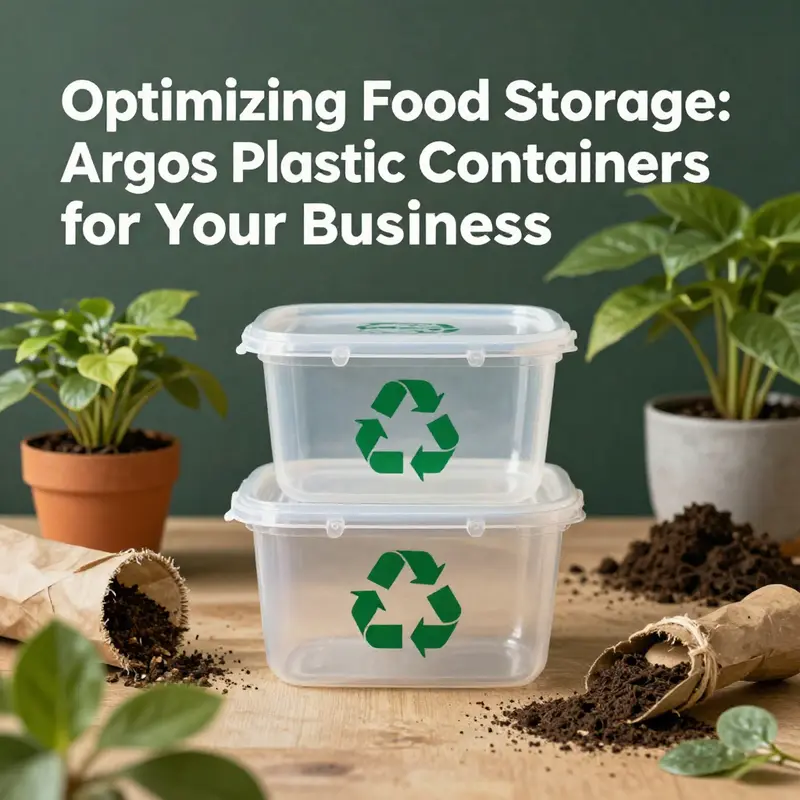
In the busy kitchen, plastic storage containers are common, affordable, and convenient for leftovers and meal prep, but they raise questions about health and the environment. This chapter explores the balance between practicality and stewardship, tracing the life cycle from production to disposal and considering how user choices, local recycling, and alternative materials shape outcomes. It discusses materials like polypropylene and HDPE, heat tolerance, washing, and the potential for microplastics, and it weighs glass, metal, and ceramic as durable alternatives. It also notes the role of retailers in making sustainable options accessible and offers practical steps: maximize container lifespan, match storage needs to material, clean properly, and plan end-of-life reuse or recycling. The aim is informed, gradual change rather than a sudden overhaul, recognizing that sustainability is a social contract as well as a personal habit, and that small daily decisions in the kitchen can contribute to a broader, more sustainable food system.
Final thoughts
In conclusion, Argos plastic food storage containers are an excellent choice for various food service operations. With their impressive features, safe material composition, practical usage guidelines, and focus on sustainability, they present a reliable solution to help you manage your food storage needs effectively. By adopting these containers, your business can enhance food safety, promote organizational efficiency, and support eco-friendly practices—a win-win for both your operations and the environment.