
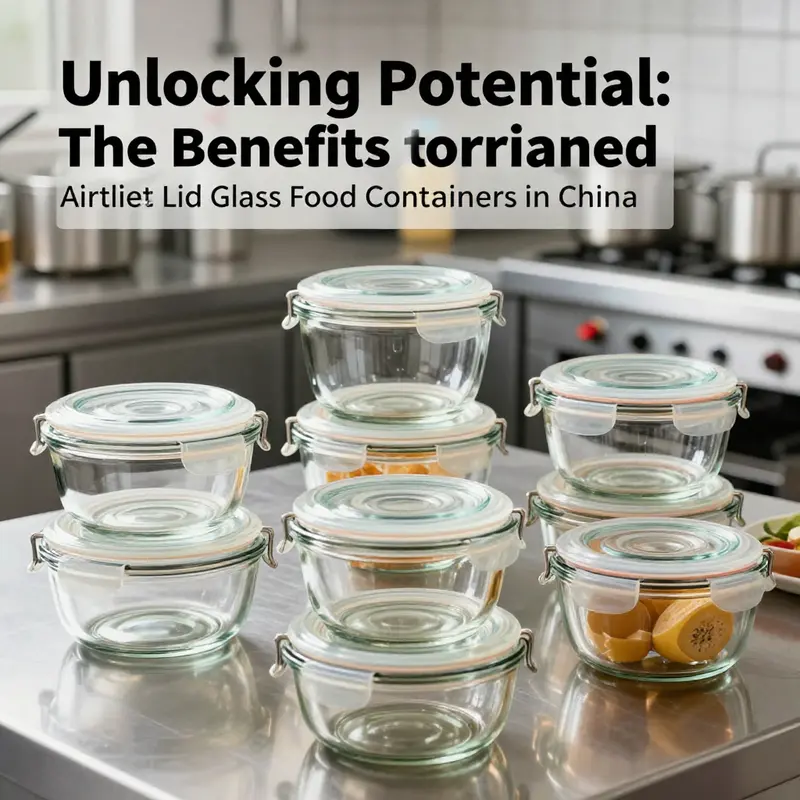
In an age where food safety and efficient storage solutions are pivotal in the beverage and dining sectors, the demand for airtight lid glass food containers has surged. These containers, manufactured primarily in China, offer a range of innovative features tailored to meet the needs of bubble tea shops, restaurants, food trucks, and event planners. Understanding the core advantages of these products, analyzing market structures, and mastering the procurement process is essential for businesses looking to elevate their service standards. Additionally, exploring the economic impacts and global market trends surrounding these containers provides a comprehensive view of why they are an invaluable asset. Each chapter delves into specific aspects, helping you navigate the wholesale options available and make informed decisions.
密封玻璃食品容器的创新与安全设计:在中国批发市场中的核心优势与应用
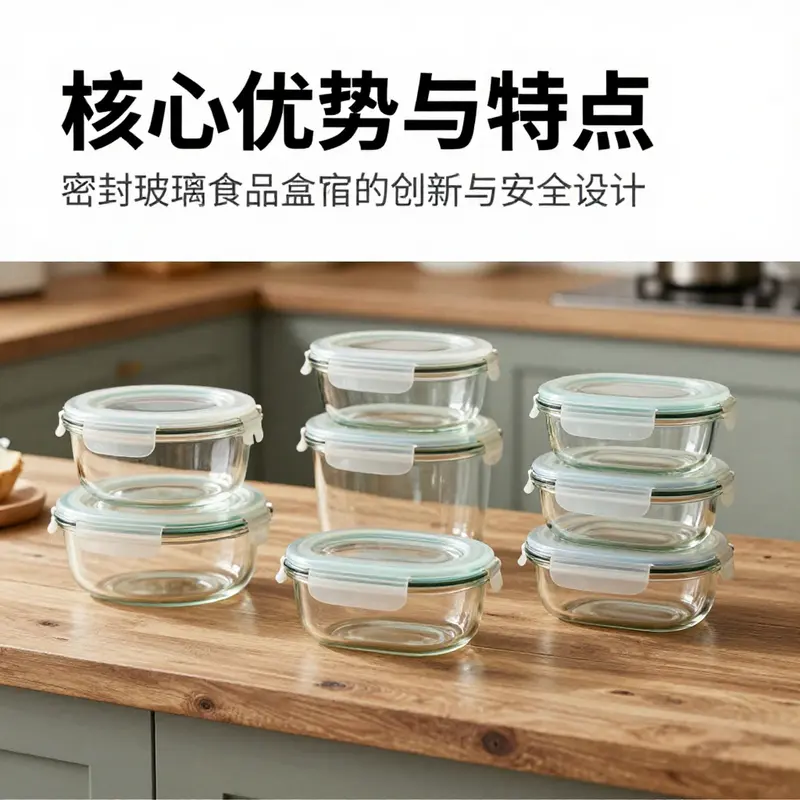
密封玻璃食品容器在现代厨房中的角色正在从单纯的储物工具转向一场关于材料科技、使用体验与可持续性的综合叙事。对于希望以中国批发市场为起点进入全球流通的买家而言,理解这些产品的核心优势,既是选择的基础,也是制定采购策略的关键。市场对安全标准的严格要求推动厂商在材料、密封、外观和耐用性上不断突破,形成一条从实验室级材料到日常家用的完整链条。 在材料选择方面,高硼硅玻璃被广泛采用,其耐温范围的极限通常覆盖从冷冻到高温再加热的极端环境,甚至能承受骤冷骤热的应力而不炸裂。这种材料的化学稳定性使其在接触食品的界面上表现出优异的耐腐蚀性,且不会释放有害物质。相关产品在标注上强调无铅、低重金属,重金属含量显著低于国际标准的要求,这一点对需要长期储存或反复加热的食材尤为重要。 密封系统的创新是保鲜效果的直接体现。现代密封罐通常采用多重防护结构,甚至出现军用级密封设计的表述,结合水槽式密封圈与硅胶锁鲜盖的双重气密保护,或是将真空密封与减压阀结合,形成三重密封的解决方案。通过这样的组合,容器能够在倒置、摇晃甚至倾斜状态下仍保持低渗透性,显著降低空气和湿气进入的机会,延长干货、发酵食品及液态物料的稳定性。部分厂商的测试也显示,这类密封结构能在标准化试验下达到较高的气密性等级,帮助食品在运输与长期储存中减少质量波动。 可视化与人性化设计增强了日常使用的直觉性。透明的玻璃让内容物一目了然,用户可以在不打开盖子的情况下观察发酵过程、颜色变化和液体分离情况,从而提高操作的可预测性并降低污染风险。更高层次的功能则体现在设计的多场景适配上——从干粮和香料的定量储存,到调味品、蜂蜜乃至发酵食品的安全处理,甚至在家庭旅行中也能以紧凑的形态便携。这些设计在很大程度上提升了空间利用效率,尤其是在小型厨房和旅途箱中,圆形与方形的组合让容器堆叠与摆放更为高效。 环保和耐用性的理念贯穿整个产品体系。厂商强调可重复使用、可维护性强,密封圈的更换服务与终身质保成为吸引长期使用者的要素之一。相较于一次性塑料容器,密封玻璃容器在生命周期内的综合成本往往更具竞争力;除了减少塑料垃圾,还降低了长期的维护成本。与此相呼应的是对安全认证的坚持,许多产品在包装与标签中标注符合食品安全标准的标记,并提供独立检测报告,帮助采购者在跨境交易中建立信任。 在批发与采购层面,来自全球的买家往往以两大平台作为入口点进行比价与筛选。通过这些平台,买家可以获取从样品到大批量订单的灵活选项,以及定制化服务,如彩色罐体、木盖或按扣锁定盖等高端设计。采购前的关键步骤包括明确容量需求、盖子类型与密封方式、是否需要品牌化或图案定制,以及对认证资质和交货期的核验。考虑物流与关税成本也同样重要,尤其是在大宗采购时。 这一切共同构成了中国市场在密封玻璃食品容器领域的独特竞争力。价格区间因材质等级、密封技术和定制程度而异,但总体上在国际买家的预期之内波动。对愿意接受定制化服务的买家而言,供应链的灵活性意味着更快的市场响应和更容易实现品牌化。正因为如此,越来越多的中小企业把握住这一波行业升级的机遇,将高端材料与精巧工艺结合,推动全球餐饮与家庭储存的标准向前迈进。 将注意力放回厨房的日常,这些创新与安全设计并非仅仅为了确保食品在存放中的稳定性,更是在推动一种更健康、可持续的生活方式向前发展。 高度透明的材料、严格的密封、以及对用户体验的关注共同构成了现代密封玻璃食品容器的核心价值。这也解释了为何在全球供应链不断调整、消费者对食品安全要求日益提高的背景下,中国批发市场能够持续为世界提供性价比更高、品质更可靠的解决方案。
Mapping the Wholesale Fabric of China’s Airtight Glass Containers: Channels, Clusters, and Global Buyers
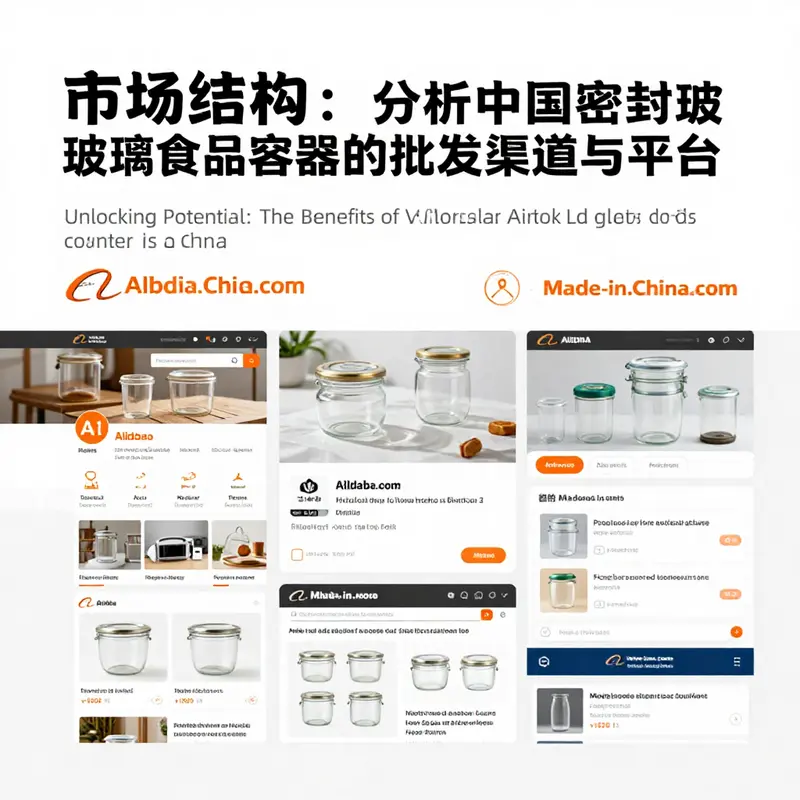
In China, the wholesale market for airtight lid glass food containers operates as a network, not a single marketplace. A dominant wholesale platform hosts factory profiles and enables buyer-supplier connections with labels such as factory direct or source manufacturer. A search for airtight glass jars yields many listings with varying specs. Buyers can view parameters like capacity from 180 ml to 2000 ml, glass type (often high borosilicate), lid materials, seal performance, and certifications such as FDA or LFGB, with lead times visible. These filters reduce search costs and build trust through accessible factory information and operating metrics.
Regional clusters provide the backbone: Jiangsu’s XuZhou area and Hebei’s Cangzhou area stand out as hubs. Here glass packaging producers accumulate capabilities from mold-formed jars to finished storage containers with precise sealing. Brands offer a range of shapes, such as round and square, and lid types, such as silicone, plastic, or wood, paired with durable glass bodies that withstand thermal cycling. The value rests in high borosilicate glass that is microwavable, refrigerated, or baked, and remains chemically stable in contact with foods. This resilience and leak-proof design supports longer shelf life for items like coffee beans, nuts, spices, or pulses.
Buyers and manufacturers interact via digital signals beyond price. Factory-scale indicators, such as plant size, annual output, and sometimes test results, convey reliability. Labels like production factory or wholesale help buyers distinguish steady suppliers from occasional traders. Buyers look for product safety dossiers, third-party certificates, and batch traceability, which become critical during due diligence for large orders. For mid- to large-scale purchases, robust quality control, batch testing, and traceability from raw materials to finished goods are expected.
Offline channels remain important: local wholesale markets, regional distribution networks, and specialized glass traders bridge gaps for buyers who prefer physical inspection or require rapid replenishment. Cross-border strategies leverage the same core strengths – durability, safety, scalable production – while adapting packaging and labeling to international norms. Prices reflect scale: wholesale unit prices tend to improve with volume, though variations occur with packaging configurations and branding options.
Looking forward, the path includes stronger supplier verification, more integrated digital platforms with logistics to shorten lead times, and modular configurations that let buyers mix jar shapes, glass grades, and lid types. These trends reduce risk for buyers testing new formats and support a more resilient supply chain. The result is a multi-channel ecosystem that can move an airtight lid glass container from factory floor to global kitchens with reliability and speed.
Practical guidance: readers should start with clear specifications—capacity range, lid compatibility, and whether branding is needed—and request evidence of safety and production capability. Transparent documentation, third-party test data, and batch traceability accelerate decision-making for large orders. In this way, the wholesale market channels demand to specialized clusters, informs buyers about reliable lead times, and promotes best practices across the supply chain.
External resource: https://www.1688.com/offer/675409324343.html?spm=a2700.7724857.0.0.3a5e6d2c3a5e6d2c
Sourcing Airtight Glass Containers in China: A Strategic Wholesale Guide
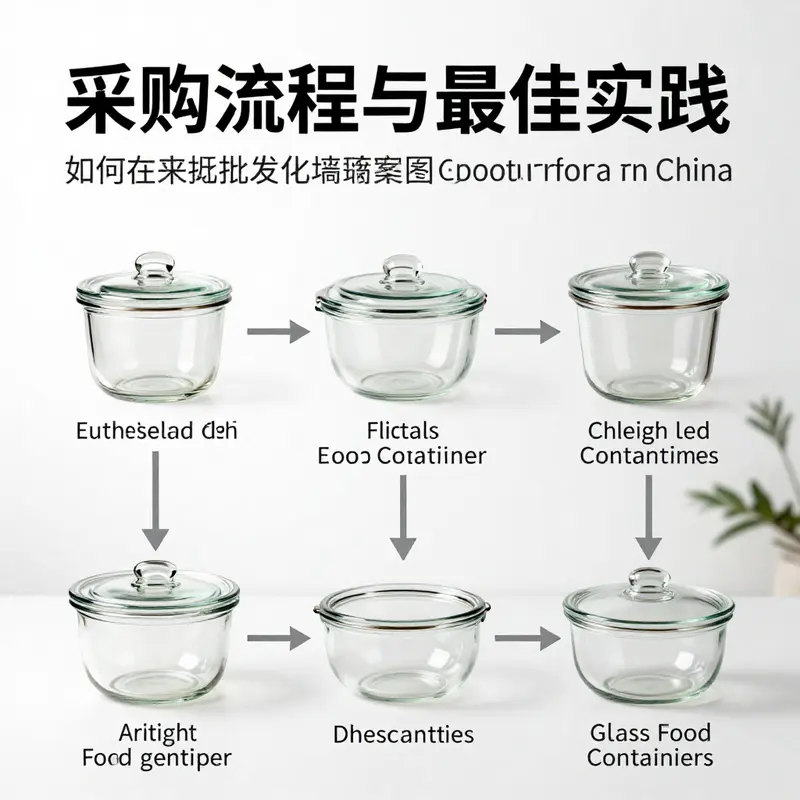
A wholesale journey into China’s market for airtight lid glass food containers demands more than price per unit; it requires a deliberate choreography of specifications, suppliers, proofs, and logistics. The modern buyer must transform a sea of offerings into a reliable, scalable supply chain that preserves product safety, quality, and margins. The core premise is simple: high borosilicate glass with a dependable sealing system can unlock extended shelf life and versatile usefulness across storage, reheating, and transport. Yet translating this promise into a steady stream of containers hinges on a disciplined procurement discipline that blends technical clarity with due diligence. In practice this means starting with a precise definition of what the container must do, and then letting the market respond with options that match both performance and cost targets. An effective team asks not only how many pieces are needed, but how the finished goods will perform in real-world use—microwave and oven compatibility, temperature extremes, and seal longevity under repeated opening. The path from concept to cart is navigated through checks and balances that keep quality, compliance, and delivery aligned with business rhythms, whether for a pilot order or a multi-month program.
Defining the purchase scope begins with the capsule of essential specifications. Capacity ranges such as 360 ml to 2000 ml are common for family meals and bulk ingredients. The material choice is formative: high borosilicate glass is favored for thermal resilience, with tolerance to rapid temperature changes and chemical stability. The sealing approach matters deeply: a silicone gasket or a PP lid can create a dependable air-tight barrier, while more advanced schemes may include vacuum-assisted sealing for long-term storage. As important as the seal, the glass itself should comply with food-contact standards. In the Chinese context, alignment with GB 19778 and related safety norms matters, and for international markets, certifications such as CE, LFGB, or GB-derived test reports should demonstrate limits on lead, cadmium, arsenic, and antimony. The specification set also covers packaging geometry, visibility, ergonomic handling, and a robust lid design that resists accidental opening during transit.
With needs defined, the hunt turns toward the marketplace. The dominant gateway for sourcing in China is a large B2B ecosystem that aggregates hundreds of thousands of SKUs and hosts vendors who can accommodate a spectrum of engagement models. Buyers learn quickly that bulk pricing and MOQs depend on the relationship between factory capacity and the buyer’s volume profile. In wholesale, entry points often feature tiered pricing and volume-based incentives. The practical implication is simple: direct factory relationships and consolidated purchase requests can secure cost advantages and reduce middleman fees. Yet volume alone does not guarantee success. The procurement calculus must include supplier capabilities, delivery cadence, and the ability to meet quality metrics required by target markets. This is why due diligence becomes non‑negotiable: the search should filter for producers with complete production lines, rigorous testing regimes, material traceability, and end‑item performance testing. The aim is to avoid supply interruptions and quality drift that erode trust and inflate total cost of ownership.
In practice, supplier qualification is the starting point. An ideal vendor demonstrates legal and operational legitimacy through a valid business license and a dedicated glass container facility. A robust quality system—ISO 9001 or equivalent—signals disciplined process control and continual improvement. The supplier should provide verifiable test reports and batch-level certificates for conformity to food safety standards. The most convincing proof is a tangible sample evaluated for thermal performance, seal integrity, surface finish, absence of cracks, and freedom from contaminants. Buyers should insist on a structured sample validation plan, including heat cycling to assess resilience and seal longevity under repeated opening cycles. The supplier’s capacity to scale must also be confirmed, especially for seasonal demand spikes or product line expansions.
Contracting the deal requires clarity and flexibility. The purchase agreement should spell out product specifications, order quantities, unit pricing, and packaging configurations—ranging from standalone jars to complete sets with lids and retail packaging. Payment terms balance risk with incentive, often including a modest upfront deposit and staged payments tied to delivery milestones. Logistics terms must specify responsibilities for packaging, freight, insurance, duties, and destination acceptance criteria. Best practice is to reference benchmarks and establish a straightforward acceptance protocol that includes visual inspection, count verification, and a predefined sampling plan for quality checks. Such rigor reduces risk and accelerates the payment cycle, supporting smooth cash flow in wholesale operations.
As the procurement flow advances, logistics and risk management become critical. Large-scale movements require attention to packaging stability, palletization, and space planning for trucks or containers to prevent damage. The packaging must protect the glass from impact, keep lids secure, and stay manageable for carriers and warehouses. Regulatory compliance across borders—labeling and documentation for food-grade packaging—must be anticipated. Accurate product specifications, batch tracing, and serialized packaging help maintain brand integrity and support recall readiness if needed. The predictive value of diligence appears when a shipment is staged for receiving, unpacked at a distribution center, and tested for seal performance, clarity, and conformance to capacity.
Finally, best practices crystallize into a concise checklist: source directly from established glass container manufacturers to minimize intermediaries; leverage bulk purchasing to optimize cost while maintaining service levels; maintain rigorous compliance with proof of conformity; diversify supplier bases and keep contingency plans; and remember that the ultimate goal is a seamless buyer–supplier collaboration where quality, cost, and speed cohere into predictable performance. When aligned, wholesale programs can deliver airtight glass containers that perform reliably in kitchens, foodservice operations, and retail environments.
For practical reference, consider how packaging integration and product presentation support a cohesive brand story. A well-designed line that pairs glass storage with lids and aesthetically coordinated outer packaging can illustrate how seal integrity, material safety, and user-friendly design work together. The broader packaging ecosystem shows how suppliers can integrate components to support a premium product family, ensuring compatibility across a line of packaging items and aligning procurement, quality assurance, and logistics to reduce total cost and boost brand confidence.
In closing, the path to success in wholesale airtight lid glass containers in China blends technical clarity with disciplined sourcing. By precisely defining specifications, validating supplier capabilities, negotiating transparent contracts, and managing logistics with care, buyers can build a robust supply chain that delivers safe, reliable, and cost-effective solutions. The market rewards procurement as a strategic function that balances regulatory compliance with operational resilience, and customer value with supplier collaboration. With the right partners and processes, a wholesale program can scale from pilot orders to a steady stream of glass storage solutions that meet the needs of producers, retailers, and hospitality brands across diverse markets.
A Steady Wave: The Economic Footprint of Airtight Glass Food Containers in China’s Wholesale Market
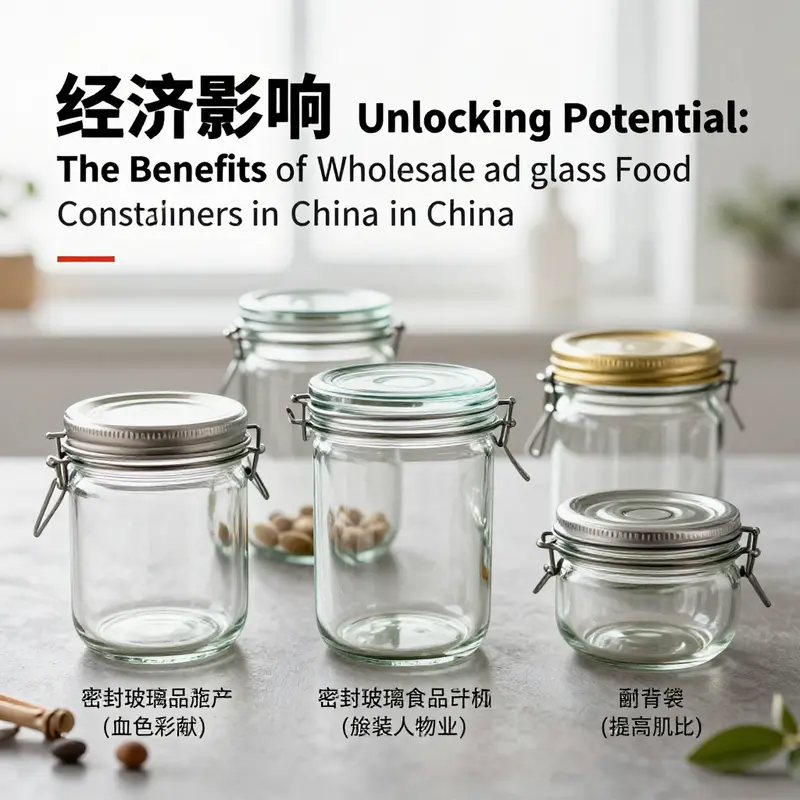
This chapter examines how airtight glass food containers have grown in China’s wholesale market, connecting material science and manufacturing with retailer and consumer demand. It highlights market scale, profitability, technology upgrades, and the shift toward sustainable packaging. The narrative covers supply chain dynamics, employment implications, and the broader policy environment that rewards efficiency, recyclability, and quality, showing how this packaging segment contributes to industrial upgrading and resilient economic growth.
全球趋势中的清晰边界:全球需求如何推动中国密封玻璃食品容器的出口跃升
外部参考: https://www.grandviewresearch.com/industry-analysis/glass-packaging-market
Final thoughts
As businesses in the food and beverage industry continuously strive for excellence, investing in high-quality airtight lid glass food containers from China presents numerous advantages. From improved food safety and enhanced product presentation to significant economic contributions, these containers play a vital role in operational efficiency. Understanding the features, with a clear procurement strategy, positions your business for success in a competitive marketplace. Embrace these innovative storage solutions to not only meet but exceed customer expectations.