
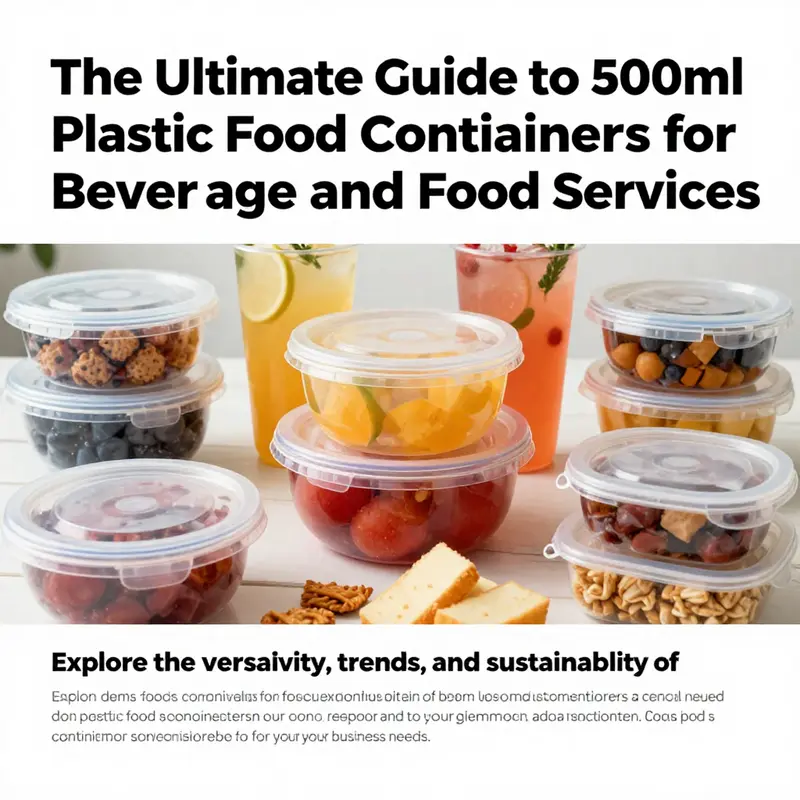
In the fast-evolving food and beverage landscape, the choice of packaging solutions plays a pivotal role. 500ml plastic food containers have emerged as a favorite among businesses such as bubble tea shops, restaurants, food trucks, and catering services. Their adaptability and functionality make them ideal for a range of applications from meal prep to transportation of drinks and snacks. This guide will delve into the various materials and properties of these containers, providing insight into their multifaceted uses, market trends, consumer preferences, and sustainability measures. Through each chapter, we will uncover how these essentials contribute to operational efficiency, enhance presentation, and align with eco-friendly practices—all crucial for staying competitive.
From Clarity to Heat: Material Choices and the Hidden Strength of 500ml Plastic Food Containers
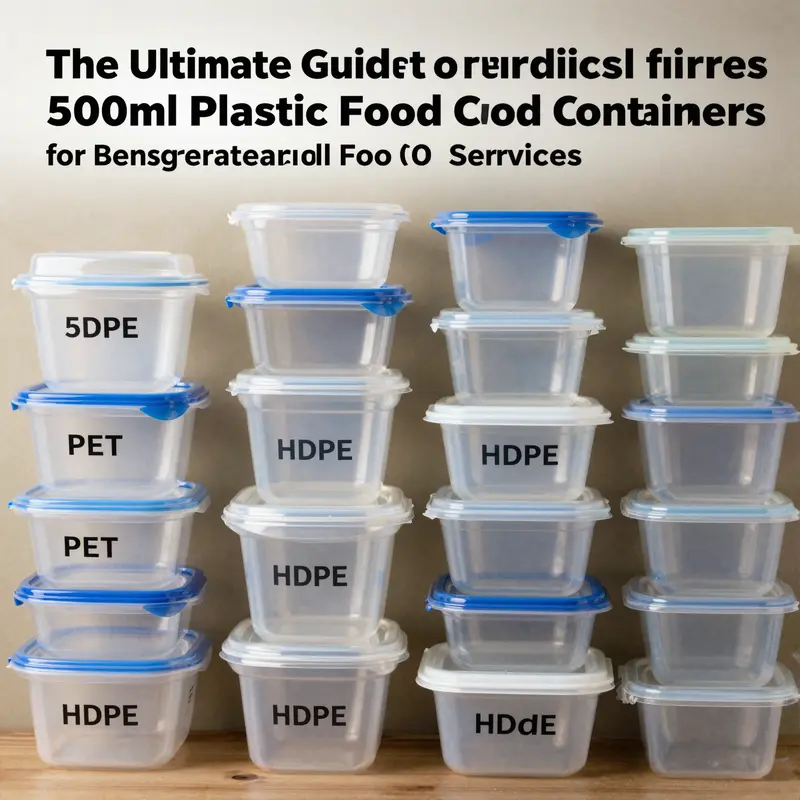
Material choices ripple through every bite, every lunch, and every shipment. The 500ml plastic food container exists at the intersection of science, manufacturing, and daily practicality. Its performance hinges not on a single property but on a carefully balanced mix of safety, thermal tolerance, barrier behavior, mechanical resilience, and cost. When a manufacturer selects between polymers such as polyethylene (PE), polypropylene (PP), and polyethylene terephthalate (PET), they are choosing a set of compromises that will determine how well the container preserves freshness, how easy it is to use, and how far it travels from production to plate. In this chapter, the focus is on material composition and properties—the invisible levers that shift a simple storage tub into a reliable tool for home cooks, bakers, cafeterias, and logistics professionals alike.
The most common materials for these 500ml containers are HDPE (a variant of PE), PP, and PET. Each polymer brings a distinct profile of strengths and limitations, and the choice among them is rarely about a single metric. It is about an assemblage of characteristics that, when aligned with the intended use, yields a container that stores, protects, and transports food with confidence.
HDPE, or high-density polyethylene, is renowned for its durability and chemical stability. In the realm of food packaging, HDPE is prized for its impact resistance and toughness, especially in opaque forms that resist scuffing and cracking. Containers made from HDPE demonstrate reliable performance across a broad temperature window, typically from -20°C to about 60°C. This range encompasses cold storage, chilled meals, and some frozen items, while still tolerating occasional warm contents when needed. The material’s chemical resilience translates into safety for contact with a wide array of foods and beverages, including those containing fats or acids. For industrial and commercial contexts, HDPE’s robustness translates into long service life and fewer replacements, attributes that weigh heavily in the total cost of ownership. Yet HDPE’s opacity and relatively modest barrier properties against moisture and gases mean it is not always the best choice when visibility or extended shelf life under highly controlled conditions are priorities. Its barrier performance is reliable but often outpaced by PET in scenarios that demand maximal clarity or a tighter seal against permeability.
Polypropylene offers a different balance. PP stands out for its heat resistance and overall resilience to repeated temperature cycles. It remains one of the preferred materials for reusable, microwave-safe containers, a common use-case for the 500ml format. The ability to withstand hot foods and to be reheated in microwaves without deforming makes PP especially attractive in meal-prep contexts and in households where reheating is routine. PP’s chemical stability is also notable; it resists acids, bases, and many organic solvents, which broadens its applicability across a variety of food types and preparation methods. However, the same chemical and structural features that contribute to PP’s heat tolerance can also lead to a couple of tradeoffs. PET often offers better transparency, which is why PP containers may be less transparent than PET options. Also, repeated heating can, over time, influence PP’s mechanical properties in some formulations, and there are cost differentials to consider when pricing in durability, reusability, and lifecycle.
PET, or polyethylene terephthalate, is the light, clear champion of barrier performance. PET’s high clarity makes it ideal for foods where visibility matters—fresh colors, layered ingredients, or delicate salads can be temptingly showcased. This transparency is paired with strong moisture and gas barriers, contributing to extended shelf-life and reduced oxidation for many cold foods. PET’s lightweight nature makes it economical for bulk production, and its recyclability aligns with sustainability goals that increasingly drive packaging choices. Yet PET’s heat tolerance is more limited than PP’s, and it is generally not recommended for high-heat applications or repeated heating. In practice, PET containers shine in cold-storage roles, single-use or semi-reusable applications, or situations where crisp clarity and barrier performance trump microwave versatility.
Understanding these material profiles helps explain why a single container design might be offered in multiple material options. In a typical 500ml format, the same geometry can be paired with HDPE for tough, opaque, everyday storage; PP for microwave-ready meals that might be reheated directly in the container; or PET for showcase packaging that favors visibility and cold-chain integrity. The decision is never only about durability or cost; it is about what the product creator wants to signal to the user—safety, convenience, sustainability, or a combination of these attributes.
The physical characteristics of these materials also translate to quantifiable performance metrics. A standard 500ml empty container from PET, for instance, commonly weighs in the vicinity of 18–22 grams in a typical form factor. That small range matters in mass production where tiny differences accumulate across tens or hundreds of thousands of units. Sealing technology complements the material choice. Many 500ml containers use screw-top or snap-on lids that aim for airtight seals, meeting protective standards such as IP54 or higher in some designs. An airtight or near-airtight interface between lid and body is crucial for preserving moisture, limiting odor migration, and ensuring hygiene during transit and storage. The combination of a well-chosen polymer and a robust sealing system defines, in practice, how long food stays fresh without compromise.
A further nuance lies in how container manufacturers extend performance through composite approaches. For broader applications, some packaging systems employ multilayer structures that leverage the strengths of different materials, sometimes blending plastic with paper or aluminum foil to create laminated barriers that improve shelf life and protection. While these laminated solutions are widely used in specialized packaging, pure plastic containers remain dominant for everyday food use because they deliver advantages such as light weight, impact resistance, and relatively low manufacturing costs. In practice, the decision to pursue a multilayer approach is weighed against end-of-life considerations and recyclability goals, since multi-material packaging can complicate recycling streams. In short, the most common 500ml plastic containers lean toward pure polymer bodies with straightforward lids, chosen to meet the expected use-case with the simplest possible disposal or recycling path.
From an equipment and standards perspective, the safety and performance of these materials are governed by stringent guidelines that span both food safety and packaging performance. Detailed technical specifications arise from global standards bodies and regulatory agencies that oversee allowable materials in contact with food. While individual product data sheets vary by polymer grade and formulation, the guiding principles remain consistent: the material must be approved for food contact, it must resist the intended thermal and mechanical demands, and it must meet the expected life cycle in terms of durability and integrity. For those who design and manufacture 500ml containers, this means aligning polymer choice with intended use—whether it is storing cold, transporting meals, or enabling reheating in consumer kitchens—while ensuring compliance with safety frameworks that govern food-contact materials.
In practice, consumers rarely experience the full calculus behind these decisions, but they do encounter the tangible outcomes. A PP-based container might feel sturdier in daily handling and be more forgiving of heat exposure during reheating. A PET-based design might delight the eye with its transparency and offer excellent barrier properties for cold foods, though care must be taken with high-heat scenarios. HDPE, the workhorse in many durable, opaque designs, provides reliable performance across a broad temperature spectrum and under repeated use, which can be particularly valuable in institutional settings or heavy-use households. Each material therefore maps to a different set of expectations: how it looks, how it behaves under heat, how clearly the contents are visible, how long the container can keep food fresh, and how easily the package can be recycled after its useful life ends.
The discussion of physical characteristics and material properties would be incomplete without acknowledging the role of standardization and guidance from established authorities. For precise specifications—such as exact thermal limits, migration testing, and barrier performance—stakeholders consult organizations like the International Organization for Standardization (ISO) and regulatory bodies such as food safety agencies. These standards help ensure that a 500ml container intended for microwave use, for example, has been evaluated for safety across typical heating cycles, and that its labeling communicates appropriate usage, storage, and disposal guidance. The conversation about material composition in plastic containers is ultimately a conversation about trust: what that 500ml vessel can safely hold, how reliably it preserves freshness, and how responsibly it can be disposed of or recycled at the end of its life.
The practical takeaway for designers, manufacturers, and buyers is clear. When choosing a 500ml plastic container, consider not only cost or appearance but the entire chain of use—from the food’s thermal exposure and barrier needs to the end-of-life pathway. If the objective centers on microwave reheating and repeated use, PP often offers an advantageous combination of heat resistance and chemical stability. If the priority is visibility and tight cold-chain performance for fresh foods, PET can deliver compelling advantages, provided that heating is not part of the intended use. If rugged durability, chemical resistance, and a forgiving temperature range for both hot and cold applications are paramount, HDPE provides a dependable baseline. In any case, the container’s effectiveness rests on a synergy between the selected polymer and the lid design, the sealing strategy, and the processing conditions during manufacturing. This synergy explains why 500ml plastic containers come in such a variety of designs and why the market continues to evolve with advances in polymer science, processing techniques, and recycling infrastructure.
For readers who want to explore further, reference standards and industry guidelines provide a foundation for these insights. ISO, FDA, and EFSA guidance offer perspectives on how materials are assessed for safety and performance, ensuring that the everyday containers people rely on meet rigorous expectations. As the packaging landscape shifts toward greater sustainability, designers also weigh recyclability and lifecycle considerations alongside barrier and heating performance. In that sense, the 500ml plastic container is not just a vessel; it is a carefully calibrated intersection of materials science, user needs, and environmental responsibility.
External resource for further reading: https://www.iso.org/
Everyday Reach: How 500ml Plastic Food Containers Shape Storage, Service, and Sustainability
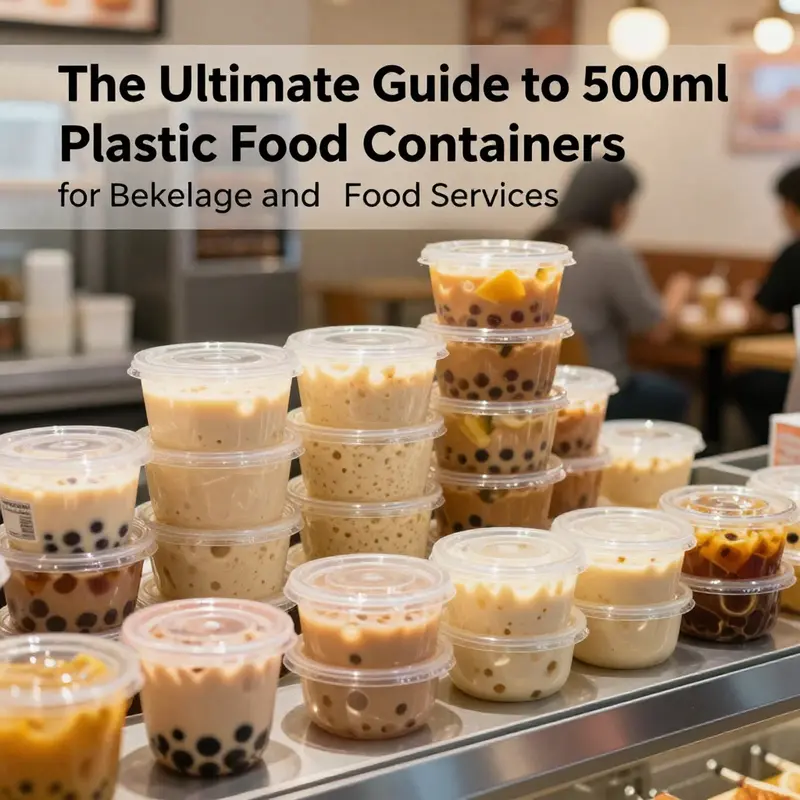
The 500ml plastic food container operates at a quiet crossroads in modern packaging. It is small enough to feel personal, yet sturdy enough to handle the rigors of storage, transport, and quick-service environments. This size has become a practical default for households and businesses alike because it blends portion control with portability, while preserving freshness through reliable lid seals. The chapter that follows examines not only what these containers are made from, but how their material choices, design features, and use cases converge to support everyday routines and broader sustainability goals. At the heart of this discussion are three common plastics—polypropylene, PET, and high-density polyethylene—and the distinctive ways each material meets different storage demands. polypropylene, or PP, is renowned for its strength and elasticity. It handles repeated handling and minor impacts with a resilience that makes it ideal for meal-prep containers that accompany people through busy mornings and long days. Its heat resistance is a practical advantage in households that microwave or reheat leftovers, and many PP options are available in BPA-free configurations, addressing health-conscious concerns about potential contaminants. Yet PP is not flawless. It can become less transparent than PET, which matters when visual identification of contents at a glance is a priority. Repeated heating may also induce brittleness in some formulations, especially after extensive cycles of microwaving and cooling. The balance, then, is to select a PP design that pairs durability with a stable, user-friendly lid system, recognizing that costs may be higher than some alternatives for the sake of performance. PET, by contrast, offers remarkable clarity. When visibility is a priority—think deli salads, layered meals, or sauces where users want to confirm freshness without opening the lid—PET’s transparency is a clear asset. This material is light, shatter-resistant, and provides excellent moisture and gas barriers, helping to extend shelf life for cold or refrigerated items. PET’s advantages come with caveats. It is generally not recommended for high-heat applications, which limits its use in reheating scenarios. For single-use or semi-reusable containers, PET excels as a lightweight, economical option that satisfies quick-turnaround needs without sacrificing safety or visual appeal. The ability to showcase contents through a crystal-clear container has made PET particularly popular in takeout and prepared-meal contexts, where presentation can influence consumer choice. High-density polyethylene, HDPE, introduces a different kind of reliability. Its impact resistance is formidable, and it remains chemically stable across a wide temperature range. Opaque by nature, HDPE is well suited to liquids and perishables that require dependable containment without the need for transparency. In industrial and commercial settings, HDPE’s toughness translates into long service life under frequent transport and handling, resisting cracking and offering a robust barrier against certain chemicals. The choice among PP, PET, and HDPE is rarely about a single property but rather about the entire package: how the container performs under heat, how well the lid seals, how easily the contents can be identified, and how the combination supports the user’s daily tasks. The sealing system itself is a crucial factor. Modern 500ml containers often feature airtight lids that create seals capable of preserving freshness for extended periods. In practice, a well-engineered seal reduces the ingress of air and moisture, slows the onset of oxidation, and minimizes the risk of contamination during transport. In professional kitchens, bakeries, and catering operations, airtightness translates into reduced waste and more predictable product quality as batches are stored or moved between stations. The practical implications of these materials and seals extend beyond the kitchen. In the food and beverage sector, containers of this size are widely used for packaging sauces, dressings, condiments, and beverages. The clear, inert nine or twelve-ounce proportions that hover around 500ml enable vendors to present goods with neat portion control and consistent sizing. The transparency of PET can be a marketing advantage, attracting attention on shelves and in display cases. In industrial contexts, the same 500ml format is chosen for dry goods like spices, grains, and powdered ingredients, where airtight storage helps prevent clumping and spoilage during distribution and warehousing. The ability to combine a robust container with an airtight seal supports not only freshness but also sanitation, which are essential in environments ranging from laboratories to large-scale catering operations. The household landscape is equally rich with use cases. Beyond leftovers, these containers lend themselves to bulk storage of staples—flour, rice, and pulses—that would otherwise require larger, heavier packages. They can hold homemade preserves, pickles, jams, or infused oils, opening a path to sustainable kitchen practices that emphasize reuse and reduced packaging waste. The reuse imperative is reinforced by consumer trends that tie sustainability to practical advantages. Reports and user surveys indicate that a significant share of households witnessed meaningful waste reductions after adopting reusable, properly sealed containers in place of disposable options. While plastic remains a ubiquitous choice for its lightweight character and resilience, the story is not one-sided. A shift toward sustainable packaging often involves a broader portfolio of materials and formats, including recyclable or reusable designs that align with cooking, meal-prep, and on-the-go lifestyles. In this sense, the 500ml container becomes part of a larger system of packaging decisions rather than a standalone solution. The range of applications also extends into niche uses that showcase ingenuity in everyday organization. In offices and craft spaces, compact containers store small office supplies, pins, or sewing notions; in homes, they function as decorative or modular storage elements within open shelving. The adaptability of the 500ml form factor supports a wide range of creative solutions, illustrating how a simple container can become a versatile tool for organization, cleanliness, and personal style. Behind these practical stories lies a thread of manufacturing excellence. The best 500ml containers are produced through high-efficiency, multi-cavity molding that yields consistent shapes, thicknesses, and lid-fit tolerances. This manufacturing backbone ensures that a batch performs uniformly—from seal effectiveness to impact resistance. Modern designs push the envelope on heat resistance, with some formats rated to withstand temperatures approaching or exceeding 120°C, enabling safe reheating in certain contexts while preserving the integrity of the lid and gasket. Such durability matters when containers are used daily for meal prep, or when they must survive the rigors of dishwasher cycles in busy households or commercial kitchens. The safety and reliability of these containers also depend on adherence to food-grade standards. Materials used in 500ml containers are typically evaluated for food contact safety and are often certified to meet health and environmental regulations across markets. The choice between PP, PET, and HDPE is not merely a matter of mechanical performance; it also concerns regulatory compliance and consumer expectations around safety. With the growing demand for health-conscious packaging, BPA-free options in PP have become more common, aligning with consumer vigilance about potential leachables. While PET’s clarity and barrier properties enhance freshness, it remains important to consider the intended use—high-heat applications may be unsuitable, favoring PP or specially designed HDPE for hot contents. All of this sits within a broader conversation about sustainability and life-cycle impact. For many users, a 500ml container is a practical compromise between size, durability, and recyclability. PET is widely recycled, and HDPE offers strong recycling streams in many locales. PP, while offering excellent heat resistance and reusability, faces a more nuanced recycling landscape depending on local infrastructure. The decision to choose one material over another often reflects a balance between immediate functional needs and longer-term environmental considerations. The market context for 500ml plastic containers also reveals how manufacturers and retailers perform in response to consumer demand for sustainable choices. In practice, this means more attention to sealing technologies, more robust materials, and more precise tolerances to ensure consistent performance across batches. It also means a willingness to offer a spectrum of options within a single product family: transparent PET for display-focused applications, opaque HDPE for durability and chemical resistance, and heat-tolerant PP for meal-prep and reheating tasks. Across home and industry, these containers support pantry organization, take-out service, and transport logistics in ways that are both practical and economically viable. To connect these threads, consider the broader ecosystem of packaging options and how they relate to customer choices and environmental impact. A move toward reusable formats—whether through careful cleaning cycles, pressure-seal lids, or durable construction—can accompany the continued use of 500ml containers in settings where quick turnover and portion control matter. The dialogue between material science and user behavior is ongoing, shaping how containers evolve to meet evolving standards for safety, performance, and sustainability. For readers seeking a forward-looking view of the capabilities and potential improvements in food-grade plastics, a useful external reference offers detailed insight into high-performance materials used in food packaging. See the external overview for deeper technical context: https://www.zjkunbo.com/en/products/food-grade-plastic-bottles.html. Finally, for readers exploring related packaging options that complement plastic containers in the take-away and sustainability space, a practical resource on eco-friendly paper-based take-away solutions can be useful. You can explore one such option here: eco-friendly custom paper cups with lid. This link illustrates how packaging strategies extend beyond plastics, highlighting the broader landscape in which 500ml containers operate. The combined narrative of material choice, design fidelity, and end-user practices helps explain why the 500ml container remains a reliable, versatile fixture in homes, kitchens, and workplaces, capable of supporting efficient routines, fresh contents, and a cautious eye toward sustainability.
Small Size, Big Momentum: How 500ml Plastic Food Containers Are Redefining Convenience, Compliance, and Consumer Choice
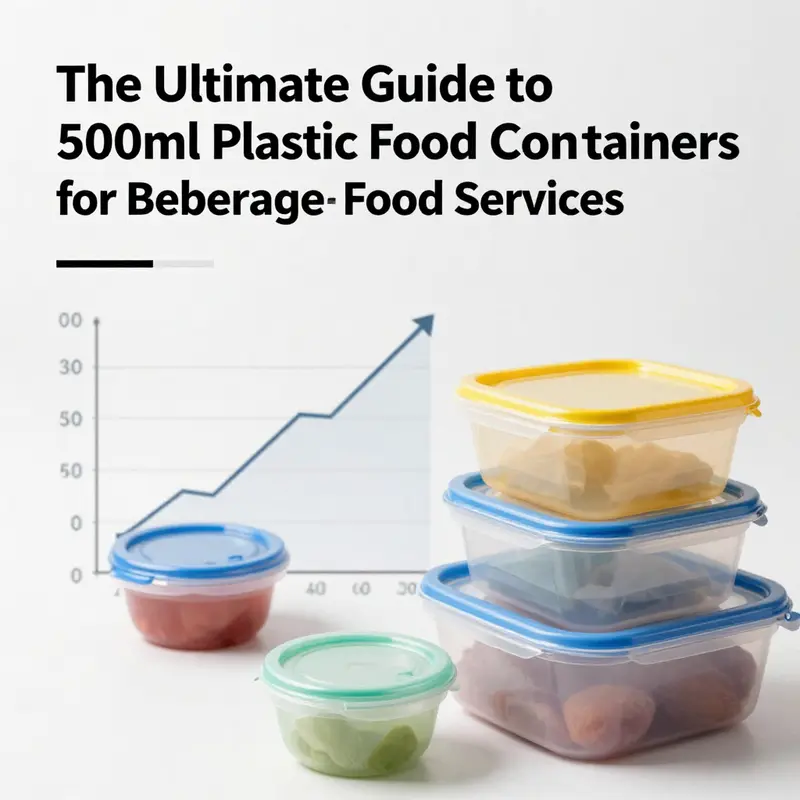
The trajectory of the 500ml plastic food container reflects a marketplace that prizes portability, reliability, and predictable performance as much as it does price. In a global packaging landscape worth hundreds of billions, this seemingly modest size has become a leverage point for convenience across households, workplaces, bakeries, and industrial operations. Recent market analyses illuminate this momentum: the overall global plastic food container market stood at approximately 462.8 billion dollars in 2026 and is projected to climb to around 696 billion dollars by 2035, a compound annual growth rate of about 4.6 percent. Within that expanding pie, 500ml containers have carved out a particularly strong position, not merely as a standard size but as a practical benchmark for design, supply chain efficiency, and consumer expectations. The appeal of 500ml packaging rests on more than capacity; it is a well-calibrated balance of volume, weight, sealing reliability, and ease of handling that aligns with how people prepare, store, and transport food in daily life. The result is a market dynamic where size itself becomes a narrative, signaling convenience to the consumer and predictability to the manufacturer. The prominence of this size is underscored by regional nuances, with the 500ml format accounting for a sizable share of the food-grade plastic container market in key markets such as China, where industry observers report it capturing more than one-third of the segment. That statistic is more than a statistic; it is a mirror of consumer behavior, retail strategy, and the logistics of takeout and meal-prep culture in a rapidly urbanizing landscape. In this context, manufacturers are not simply making containers; they are engineering solutions that speak to the tempo of modern life. The push toward automation in filling lines, the insistence on precise neck tolerances, and the drive to certify materials for food contact all converge around the 500ml form factor. Where earlier generations of packaging might have prioritized single-use convenience or raw cost, today’s 500ml offerings often fuse durability with safety, demonstrating how the same container can be suitable for multiple temperatures and use cases—from cold storage and fresh preparation to reheating and cold transport. This broad utility is part of the reason why the 500ml size has become a cornerstone of modern food packaging strategy. It also foregrounds the critical role of material choice in shaping performance, safety, and sustainability outcomes. Polypropylene, PET, and high-density polyethylene each bring a distinct set of strengths to the 500ml family. Polypropylene delivers a favorable balance of rigidity and resilience, together with heat resistance that supports microwaving and dishwashing in health-conscious households. Its compatibility with reframing kitchen routines—reheating leftovers in the same container, refilling it for future meals, or transporting a home-cooked portion to work—speaks to a lifestyle where time is precious and steps between home and office blur. Yet polypropylene’s higher cost relative to some alternatives and its tendency to become brittle with repeated heating require careful product design and lifecycle planning. The trade-off between transparency and strength often leads designers to choose PET for visibility when showcasing salads or ready-to-eat meals, even though PET’s comparatively lower heat tolerance makes it less suitable for hot-fill or high-temperature reheating scenarios. HDPE, with its robust impact resistance and chemical stability, remains the workhorse for opaque, rugged containers that handle liquids, perishables, and rough handling in transport networks. The choice among these materials is not merely technical; it is strategic—mapped to the intended use, the required shelf life, and the brand’s sustainability narrative. In many modern 500ml containers, the lid is as important as the body. Airtight seals, secure closures, and compatibility with automated filling lines are not luxuries but prerequisites for scale. Industry players highlight the importance of precise neck tolerances—often within ±0.1 millimeter—to ensure a reliable seal across thousands or millions of cycles. In the most sophisticated segments, some products carry UN certification, enabling them to accommodate more sensitive or hazardous food-grade materials by meeting stringent safety criteria. This certification speaks to a broader truth: the container is part of a broader system that starts with raw material safety, continues through migration testing to confirm the absence of harmful leachates, and ends with reliable performance in a real-world supply chain. Consumers today expect such assurances, even when they cannot articulate every regulatory nuance. They want packaging that preserves flavor and texture, resists leakage during transport, and remains safe under a range of handling conditions—from freezer storage to brief microwave reheating. The 500ml format typically designs for these contingencies, enabling pantry organization and efficient management of meal-prep regimens in homes and workplaces alike. The market’s evolution is not only about function; it is about the story packaging tells in a crowded marketplace. Aesthetic clarity, even in the case of a 500ml container, matters when the product is displayed on shelves or in a deli case. PET’s high transparency has made it a favored choice for cold foods and fresh offerings that benefit from visibility, while HDPE’s opacity can be a strategic choice for hiding branding or contents that benefit from a uniform appearance. For buyers, this translates into a broader palette of choices—size, clarity, heat tolerance, sealing reliability, and recyclability—that empower brands to tailor their packaging to specific consumer segments and regional preferences. The consumer around the corner and the professional in charge of a catering operation alike now weigh more than price and durability; they weigh the total package—the container’s safety profile, its environmental footprint, and its ability to integrate with a business’s operational tempo. Sustainability has moved from a peripheral concern to a central criterion. The market reflects growing demand for eco-friendly materials, including biodegradable and bio-based plastics, alongside ongoing regulatory pressures such as REACH in the European Union and FDA guidelines in the United States. For producers exporting across borders, compliance is not optional but a baseline requirement that shapes product development timelines, certification processes, and supply chain planning. The push toward sustainable packaging is not a rejection of the 500ml format but an invitation to reimagine it. Innovations in material science promise new blends and bio-based formulations that can deliver the same mechanical performance and heat resistance while reducing environmental impact. The conversation is not limited to raw materials; it extends to the circular economy. Recovery, recycling, and the use of post-consumer resin content are increasingly part of the supplier dialogue, even as the cost dynamics of recycled materials vary by region and by cycle. As the market matures, smart packaging concepts begin to appear on the horizon, offering the possibility of freshness indicators and temperature monitoring that can augment food safety and extend shelf life without adding friction to the user experience. Such technologies could become a differentiator for brands seeking to reassure customers about product integrity during storage and transit. The 500ml format, with its blend of capacity, performance, and adaptability, is particularly well-suited for pilots in smart packaging, given its predictable geometry and compatibility with automated inspection and tracking systems. But for all the technological and regulatory sophistication, consumer behavior remains the compass. The data show an enduring appetite for portion-controlled packaging, fast access to meals, and space-saving storage options. The 500ml container has become synonymous with ready-to-eat or ready-to-heat meals, a category that continues to expand as urban lifestyles intensify and food delivery ecosystems grow more sophisticated. In practice, brands and contract manufacturers are aligning production lines to meet this demand efficiently. They emphasize 100 percent virgin HDPE in some lines to guarantee safety and quality, coupled with rigorous migration testing to confirm that the container itself does not contribute unwanted compounds to the contents. The compatibility with automated filling lines—achieved through tight neck tolerances and robust sealing systems—ensures scalability without compromising product integrity. This practical engineering reality is a reminder that packaging design is a systems problem. It requires a harmonization of material science, process engineering, regulatory compliance, and consumer insight. The market’s expansion also invites a broader conversation about alternatives. While plastics continue to hold a dominant position because of their versatility and cost efficiency, the trend toward sustainable packaging prompts ongoing exploration of kraft paper bowls and other paper-based solutions for certain segments—especially where recyclability and perceived environmental friendliness are decisive consumer factors. Even as plastic remains the backbone for many applications, the case for complementary packaging options grows louder. For readers seeking a concrete example of this sustainability dialogue in action, consider the broader packaging landscape that includes biodegradable and eco-friendly take-away formats designed to complement or substitute conventional plastics in select contexts. biodegradable eco-friendly take-away kraft paper bowl. The trajectory is not a simple binary choice between plastic and paper; it is a spectrum where brands pick the right material for the right job while balancing consumer expectations, cost, and regulatory obligations. In this evolving narrative, the 500ml plastic container stands as a reliable, adaptable, and scalable solution that helps equipment, fleets, and pantry shelves do more with less. The momentum behind this size is a testament to the power of deliberate design and strategic material selection to deliver not just a product, but a dependable packaging experience across the entire product lifecycle. For practitioners and researchers alike, the lesson is clear: success will ride on the ability to couple performance with safety, to anticipate regulatory shifts, and to respond with continuous innovation that respects both convenience and the planet. As markets continue to grow and diversify, the 500ml container will keep shaping how foods are stored, transported, and enjoyed—one well-engineered, reliable package at a time. For further reading on safety guidelines and packaging policies, see the FDA packaging guidance on food-contact substances: https://www.fda.gov/food/packaging-labeling-food-contact-substances
Guardians of Freshness and Footprints: Rethinking 500ml Plastic Food Containers in a Sustainable World
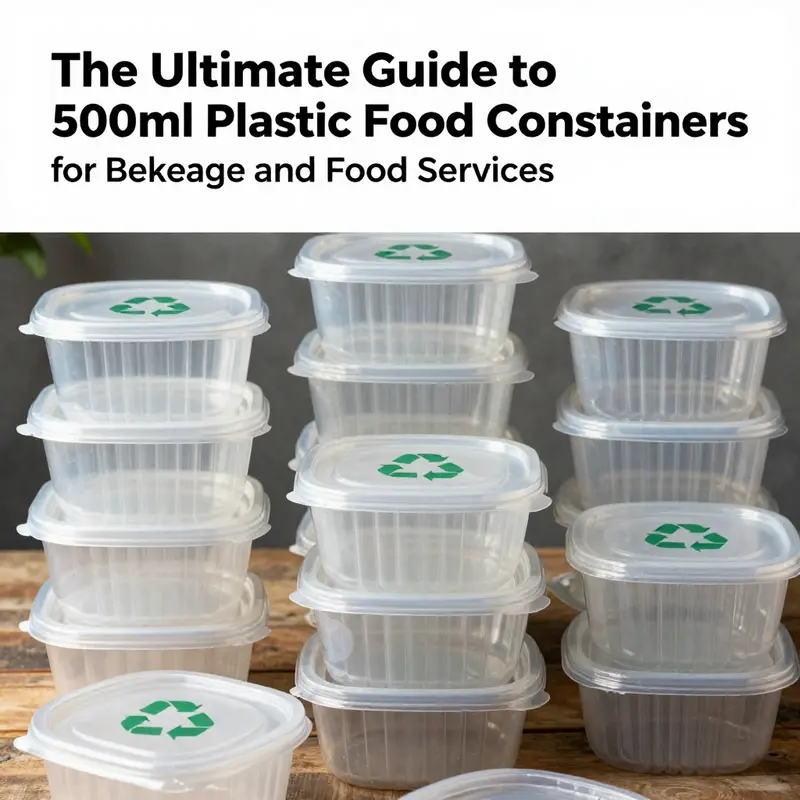
In the evolving conversation about food storage, the 500ml plastic container sits at a practical crossroads. It is a compact, ubiquitous tool—light enough to slip into a bag, sturdy enough to keep sauces intact, and versatile enough to function across home kitchens, bakeries, and industrial packing lines. Yet beneath its daily utility runs a deeper question: how do we balance the demand for reliable containment with the imperative to reduce environmental harm? To understand the sustainability of these containers, we must look at material choices, how recycling actually works in practice, and the competing pressures of hygiene, cost, and performance. The chapter that follows threads these strands into a single narrative, treating the container not just as a product, but as a point of intersection where consumer behavior, design philosophy, and policy choices meet.\n\nAt the heart of material choice are two plastics that have defined the modern 500ml world: PET and HDPE. PET, or polyethylene terephthalate, is prized for its clarity, light weight, and strong moisture and gas barriers. It lets consumers see what they’re buying, which matters for salads and prepared meals. PET’s strength lies in its reputation as a recyclable material with a relatively simple chemistry for reprocessing. HDPE, by contrast, is an opaque workhorse—more resistant to impact, chemically stable, and excellent for handling both hot and cold contents. It is the kind of plastic you reach for when you need a container that can be tossed into a busy commercial kitchen or used again for repeated storage with minimal risk of cracking. Polypropylene, though not the focus here, often rounds out the spectrum by offering heat resistance and a balance of stiffness and flexibility that suits microwavable containers and dishwasher-safe reuse. The practical upshot is clear: the choice between PET and HDPE—or even a combination of materials in a single line—has meaningful implications for durability, heat exposure, and end-of-life processing.\n\nEven when recyclability appears straightforward in theory, the real world calculus of environmental impact complicates the picture. In many places where PET and HDPE recycling streams exist, contamination during collection or processing can derail what would otherwise be straightforward recycling. A container must be clean, unbroken, and free from decorative barriers that impede mechanical recycling. When these conditions aren’t met, valuable plastic can end up in landfills or downcycled into products of lower value and shorter lifespans. Global recycling rates for plastics remain disappointingly low in comparison with other materials, and the 500ml container is not immune to this trend. The lifecycle of a single container—from procurement through manufacturing, use, and end-of-life handling—depends on a network of collectors, facilities, and consumers who understand how to separate and sort. Without efficient systems, the environmental benefits of recyclable plastics remain unrealized.\n\nContamination is not the only barrier. Access to recycling facilities varies by region, and even when facilities exist, plastics must be sorted correctly and often end up underscored by local policy decisions about which materials are accepted. In some markets, curbside programs readily accept PET and HDPE, while in others, the same plastics may require special drop-off at a facility that can handle them. This patchwork reality means that the theoretical recyclability of 500ml containers often translates into uneven outcomes in practice. The result is a paradox: highly recyclable materials may fail to be recycled simply because the infrastructure to capture them is missing or misaligned with consumer habits.\n\nBeyond the mechanics of recycling, the environmental concerns surrounding single-use plastic containers loom large. The simple act of offering a single-use option contributes to long-term waste accumulation when consumers discard containers after a single use. Microplastics, smaller fragments that can migrate into soils and waterways, become a lasting reminder that even well-intentioned packaging choices can have unseen consequences. In many environments, microplastics originate not only from litter but from the gradual breakdown of discarded or improperly processed plastics, underscoring the need for a system-wide approach rather than a focus on a single product category.\n\nReuse and safety present a nuanced tension. Reusing 500ml containers can seem like a commonsense strategy to reduce waste, but hygiene concerns cannot be dismissed. Repeated washing, exposure to heat, and UV light can degrade structural integrity and promote leaching of chemicals in some circumstances. The risk-to-benefit calculation shifts with use-case: microwave reheating, for example, can intensify the potential for material degradation if a container’s heat tolerance is exceeded. Manufacturers respond by emphasizing durable materials, clear usage guidelines, and lids designed to minimize leakage and contamination. Yet the overarching message for many users remains conservative: reuse is possible, but with caution and an understanding of material limits.\n\nTo pursue a more sustainable trajectory, a growing segment of the packaging landscape is exploring alternatives and innovations that complement or, in some contexts, replace traditional 500ml plastic containers. One path involves designing for repeated use with durable materials that resist cracking and can withstand lower-energy cleaning processes. Another path emphasizes compostable or biodegradable options that break down with far less persistence in the environment, especially when disposal happens in settings where proper waste processing is unavailable. These approaches are not mutually exclusive; the most resilient strategies often blend reusability with responsible end-of-life choices. In practice, this means a shift toward packaging systems that encourage consumer behavior aligned with long-term ecological goals, such as returning used containers to take-back programs or choosing materials that exhibit strong compostability properties when appropriate.\n\nThe notion of sustainability also invites a broader conversation about policy and industry design. Regulatory frameworks that promote extended producer responsibility, deposit schemes, or standardized labeling can help align product design with end-of-life outcomes. When producers are responsible for post-consumer management, there is a natural incentive to engineer containers that are easier to recycle, have longer useful lives, or fit within take-back schemes that ensure proper processing. Likewise, consumers play an active role by understanding the trade-offs of different storage options and by embracing practices that extend container lifespans, such as careful handling, proper washing, and adherence to temperature guidelines. In this sense, the sustainability of 500ml plastic food containers becomes a shared enterprise, not just a matter of material science but of social practice and governance.\n\nIn the scenario where a consumer seeks a greener footprint while still valuing the practicality of a 500ml container, creative combinations are becoming more common. For instance, when a meal is prepared for transport or short-term storage, some businesses offer a with-use option that pairs a PET or HDPE container with a non-plastic, compostable liner or sleeve. In other contexts, chefs and retailers experiment with reusable stainless or glass inserts within a durable outer shell, allowing for frequent rinsing while maintaining the convenience of disposable lids and seals for transport. Such arrangements reflect a shift from single-use habits toward system-aware consumption, where the container is viewed as part of a lifecycle rather than a disposable endpoint.\n\nSupporting these shifts is a growing ecosystem of open-ended experimentation and practical guidelines. Manufacturers are testing blends and alternative materials that lower energy use in production, improve recyclability, or reduce post-consumer waste. They are also refining the design of lids, seals, and secure closures to balance airtightness with ease of recycling. These design choices matter because they influence not just the immediate performance of a container, but its downstream fate in a recycling stream that may be irregular or fragmented. A container that closes securely and stacks efficiently, for example, reduces spillage and waste during transport, while also preserving materials for more successful recovery in the recycling process. In parallel, researchers and policymakers evaluate the full spectrum of impacts—from raw material extraction to the ultimate disposition of the container—so that sustainable choices are informed by life-cycle thinking rather than isolated, one-dimensional metrics.\n\nFor readers seeking a tangible sense of how these ideas translate to real-world options, consider the broader landscape of packaging alternatives that are gaining attention in sustainability circles. While the core discussion here centers on 500ml plastic containers, the field increasingly embraces mixed-material systems and container-free solutions that aim to minimize waste without compromising food safety. In practice, this means supporting products that are designed for modular reuse, that use recycled content, or that lean on compostable substrates for portions of the packaging that come into direct contact with food. The trajectory is not about abandoning plastic altogether but about rethinking its role within a broader, more resilient packaging ecosystem. As consumer awareness grows, so does the expectation that packaging choices reflect a commitment to environmental stewardship while still meeting the everyday needs of households and businesses.\n\nAn important element of this conversation is recognizing the role of consumer behavior. Recycling and proper disposal depend not only on technology and design but also on daily habits. Sorting plastics correctly, cleaning containers before recycling, and understanding whether local facilities accept PET or HDPE can dramatically improve outcomes. On the other hand, misunderstanding or inconsistency within a community recycling program can undermine even the best-designed container. Education, clear labeling, and accessible recycling options are essential complements to improved product design. In this light, the conversation about 500ml plastic containers becomes a conversation about culture as well as chemistry.\n\nTo bridge the gap between the present and a more sustainable future, some manufacturers and retailers are turning toward alternatives that still respect the functional demands of the 500ml size. One practical path is the inclusion of biodegradable or compostable options alongside traditional plastics, giving consumers a choice that aligns with their local waste-management capabilities. This approach also supports a broader market signal: sustainability is a spectrum, not a binary choice. Within this spectrum, there is room for innovative packaging that reduces harm while maintaining food safety, shelf life, and convenience. For readers curious about tangible, eco-friendly packaging alternatives, explore biodegradable-eco-friendly-take-away-odm-oem-round-kraft-paper-bowl, a representative move toward compostable paper-based solutions that can complement plastic options in mixed-use settings. biodegradable-eco-friendly-take-away-odm-oem-round-kraft-paper-bowl.
Final thoughts
To conclude, 500ml plastic food containers represent more than just a storage solution; they embody versatility, consumer appeal, and a commitment to sustainability. As bubble tea shops, restaurants, food trucks, and catering services seek out efficient and reliable packaging options, these containers stand out for their adaptability to various applications. By staying attuned to market trends and consumer preferences, businesses can leverage the benefits of these containers to enhance operational efficiency while meeting rising demands for sustainability. Choosing the right packaging not only optimizes food safety and presentation but also aligns with the evolving values of today’s environmentally conscious consumers.