
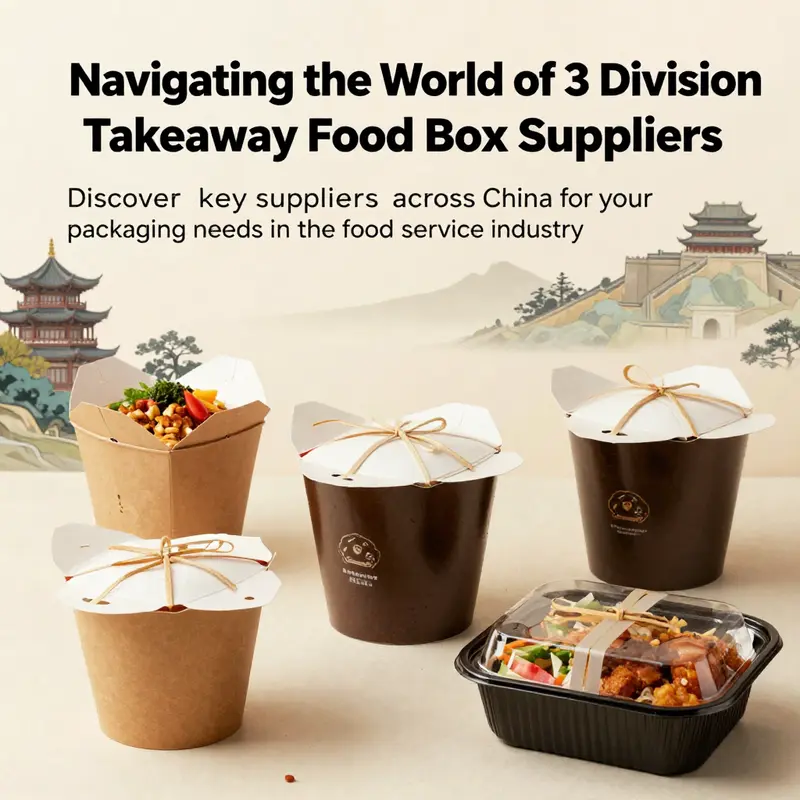
As the demand for takeaway food options continues to rise, so does the need for effective packaging solutions. Bubble tea shops, restaurants, food trucks, catering services, and corporate procurement teams are increasingly turning to 3-division takeaway food boxes. These boxes provide an ideal way to separate different food items, ensuring both presentation and quality are maintained during transport. This article delves into the key supplier regions in China, including Guangdong, Shandong, and Zhejiang provinces, highlighting their unique offerings and manufacturing capabilities. By understanding the landscape of 3-division takeaway food box suppliers, you’ll be better positioned to make informed decisions for your business’s needs.
Guangdong’s Scale Engine: Leading the Global Supply of 3-Compartment Takeaway Boxes
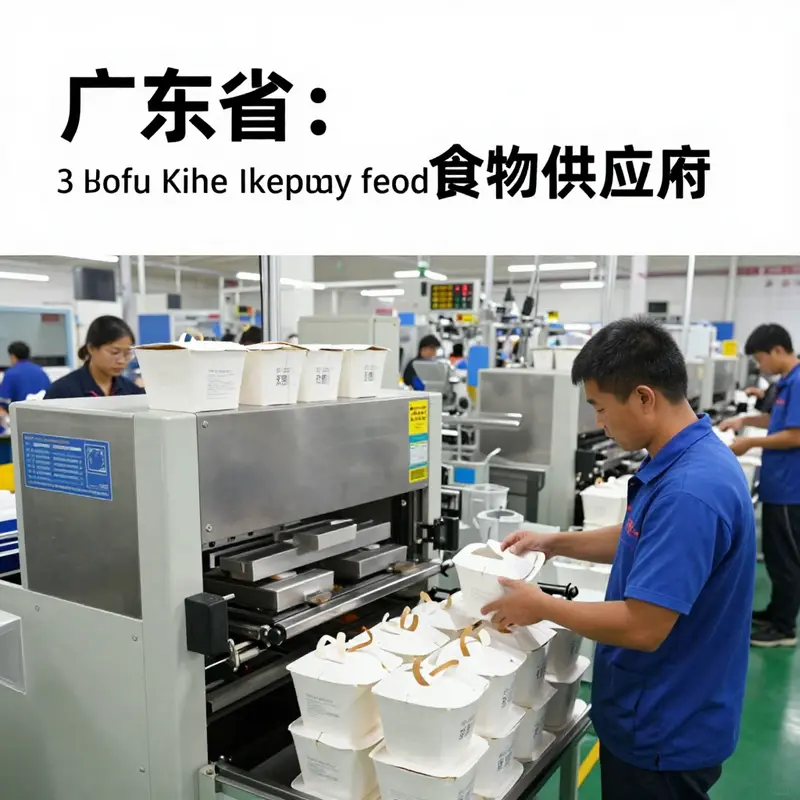
Guangdong Province sits at the heart of a global supply network for 3-compartment takeaway boxes, a position earned through decades of scale, specialization, and relentless refinement of the packaging ecosystem. Its dominance is not simply a matter of volume; it rests on a mature, vertically integrated pipeline that stitches together every step from raw material sourcing to finished goods, ready for international customers. In practice, this means a seamless flow where plastic resin, additive compounds, printing, thermoforming, cutting, and, finally, packing move in near synchrony. In cities like Shenzhen and Dongguan, the manufacturing backbone is built on advanced thermoforming lines and a deep pool of plastic expertise. The result is not only speed but consistency—attributes that are essential when businesses commit to large, ongoing orders for takeaway packaging that must meet strict food-contact standards while supporting dynamic brand requirements. The province’s capacity to deliver this combination—volume, quality, and compliance—has established Guangdong as the reference region for sourcing 3-division boxes at scale, especially for buyers who need reliable supply chains as they expand into new markets.
The favorable logistics geography compounds Guangdong’s inherent manufacturing advantages. Its proximity to major international ports, including thriving hubs such as Shenzhen and Guangzhou, translates into tangible reductions in lead times and transit costs. For buyers moving goods to North America, Europe, or Southeast Asia, shorter supply lanes mean not only faster delivery but also greater flexibility to respond to demand spikes, seasonal promotions, or mid-cycle design updates without destabilizing production calendars. This logistical prowess dovetails with a robust export-oriented mindset. Guangdong’s factories are trained to operate to the cadence of overseas customers, maintaining fixed schedules, documentation, and quality checks that align with global expectations. In practice, a typical ordering cycle can be tightened significantly when the supplier already leverages the province’s integrated network to coordinate materials, production, and shipping with minimal friction. Such synchronization is what underpins a lead-time advantage that buyers continually report as a decisive factor when evaluating suppliers in the region.
A growing strand of Guangdong’s leadership lies in eco-conscious innovation. Shenzhen, in particular, has become a focal point for sustainable materials and design strategies that align packaging performance with environmental goals. Biodegradable and compostable options, especially those built around polylactic acid (PLA) and other bio-based polymers, are increasingly available within the same manufacturing ecosystem that supports conventional plastics. This convergence matters because it enables brands to rethink the environmental footprint of their takeaway programs without sacrificing the reliability or appearance of the packaging. It also helps suppliers stay ahead of tightening regulatory expectations in key markets, where food-contact compliance and end-of-life considerations are routinely factored into procurement decisions. The Guangdong model demonstrates that environmental stewardship and scale can reinforce one another: as lines become more efficient and automated, the capacity to implement sustainable materials without sacrificing throughput grows more accessible. The persistent blend of efficiency and responsibility reinforces the province’s appeal to procurement leaders who are balancing brand image, cost, and compliance.
What does this mean for buyers who are weighing Guangdong-based suppliers for 3-division boxes? It means access to a deeply interconnected ecosystem that reduces the friction and risk often associated with global sourcing. The region’s integrated framework connects several critical levers in one place: raw-material procurement, efficiency-driven manufacturing, in-house printing or color-matching capabilities, and logistics coordination that spans documentation, cargo consolidation, and freight forwarding. When a single region can align all of these components, buyers gain more predictable production schedules and more consistent product quality, even across multiple factories. A core advantage is the depth of experience these suppliers bring to the export process. With many factories carrying seven years or more of export-oriented production histories, they have developed robust quality-management systems, reliable traceability practices, and well-established relationships with freight carriers and customs brokers. That experience translates into smoother audits, more predictable compliance outcomes, and fewer last-minute surprises that can disrupt large orders.
For those who need tangible proof of Guangdong’s leadership beyond the rhetoric of regional dominance, consider the breadth of manufacturing capabilities that define the province. The equipment base includes cutting-edge thermoforming lines capable of rapid cycle times and tight tolerances, ensuring that three-compartment designs retain their structural integrity when stacked, shipped, and finally opened by consumers. The designs themselves often balance portion control with easy handling, stacking stability, and branding opportunities through print and surface finishes. The result is a family of packaging options that can be customized to accommodate a wide range of foods, from bowls and salads to compact entrees. In practice, this customization is not a burden on the supply chain; rather, it is a driver of efficiency because a single facility can adapt to multiple SKUs, reducing the need for costly changeovers and enabling quicker ramp-ups for new clients and campaigns. This capability is especially valuable in markets where demand patterns shift rapidly or where seasonal promotions demand fresh packaging concepts without compromising on reliability.
In discussing Guangdong’s leadership, it is also important to acknowledge the breadth of supplier capabilities that support successful procurement strategies. The province’s ecosystem does not rely on a handful of mega-factories working in isolation. Instead, it comprises a network of experienced players who collaborate across functions—some focusing on resin blends and barrier properties, others on surface finishing and print fidelity, and still others on packaging design validation and regulatory compliance. The result is a coordinated supply chain that can respond quickly to large-volume orders, while maintaining the quality and uniformity essential to multinational foodservice programs. The effect is greater supply resilience. Instead of leaning on a single supplier, buyers can assemble a network of Guangdong-based partners who share standards, use compatible equipment, and operate under mutually understood risk-management practices. Such redundancy can be the difference between a delayed launch and a smooth roll-out when a major rollout hinges on a reliable stream of three-compartment boxes.
Within this expansive landscape, a particular point of interest for readers is how Guangdong accommodates both conventional material choices and emerging eco-friendly options without forcing trade-offs on performance. In Shenzhen and its surrounding supply chain, innovation is guided by market demand for sustainable packaging that still delivers the robust functionality needed for hot and cold foods. Suppliers who can demonstrate traceability for bio-based materials, comply with food-contact regulations, and offer credible end-of-life solutions tend to gain a competitive edge. This is not about chasing a fad; it is about aligning packaging performance with consumer expectations and retailer requirements. When buyers evaluate suppliers in Guangdong, they frequently look for a combination of certifications, process controls, and pilot capabilities that allow for quick experimentation with new materials while maintaining the confidence that mass production can proceed without costly deviations. In other words, the Guangdong model bridges the gap between R&D and scale, a bridge that many other regions struggle to build with equal effectiveness.
For those who want a concrete sense of the packaging shapes and configurations that populate Guangdong’s export repertoire, the ecosystem supports a spectrum of designs, including emphasis on octagonal and other distinctive formats that balance portioning, handling, and branding. One example of the broader packaging family is readily accessible through industry resources that illustrate a disposable octagonal box for restaurant food packaging. This option embodies several priorities shared by Guangdong suppliers: resilient structure, efficient use of material, and a surface area designed to showcase logos and colors at the point of sale. It is not the only design produced in the province, but it serves as a useful reference for buyers who want to imagine how the same manufacturing networks can accommodate varied shapes while preserving the benefits of scale and process control. See the example to gain a tangible sense of how Guangdong’s capabilities translate into real-world packaging choices. disposable octagonal box for restaurant food packaging.
The practical upshot for buyers is clear: Guangdong offers a combination of deep specialization, mature logistics, and a commitment to sustainability that supports both immediate procurement needs and longer-term strategic goals. The province’s integrated ecosystem means that sourcing decisions can be anchored in a more predictable, collaborative, and transparent value chain. Rather than negotiating with dispersed suppliers across multiple regions, buyers can engage with a network that already speaks the language of large-scale orders, understands the compliance hurdles of global markets, and delivers on time without compromising on design or performance. This is not about a single factor—cost, speed, sustainability, or branding—but about a holistic capability set that makes Guangdong a natural starting point for any organization looking to secure a reliable supply of high-quality, three-compartment takeaway boxes.
In closing, Guangdong’s leadership is anchored in a combination of scale, integration, and a forward-looking stance on materials and process optimization. The province demonstrates that it is possible to maintain rigorous quality and tight lead times while expanding the range of packaging options available to brands. For procurement teams, the lesson is not merely about choosing a supplier from a list but about embracing an ecosystem that can adapt to evolving demands, from design iterations to regulatory shifts and from cost pressures to sustainability commitments. Guangdong’s packaging community shows that supply chain resilience can be built into the fabric of the production network, transforming what might be considered a routine commodity into a strategic asset for growth and brand consistency across markets.
External resource: Guangdong’s packaging hub as the global benchmark for takeaway box production can be explored in more depth here: https://www.chinapack.com.cn/industry-insight/guangdong-packaging-hub-takeaway-food-boxes
Shandong as Your Cost-Smart Hub: Sourcing Three-Compartment Takeaway Boxes at Scale
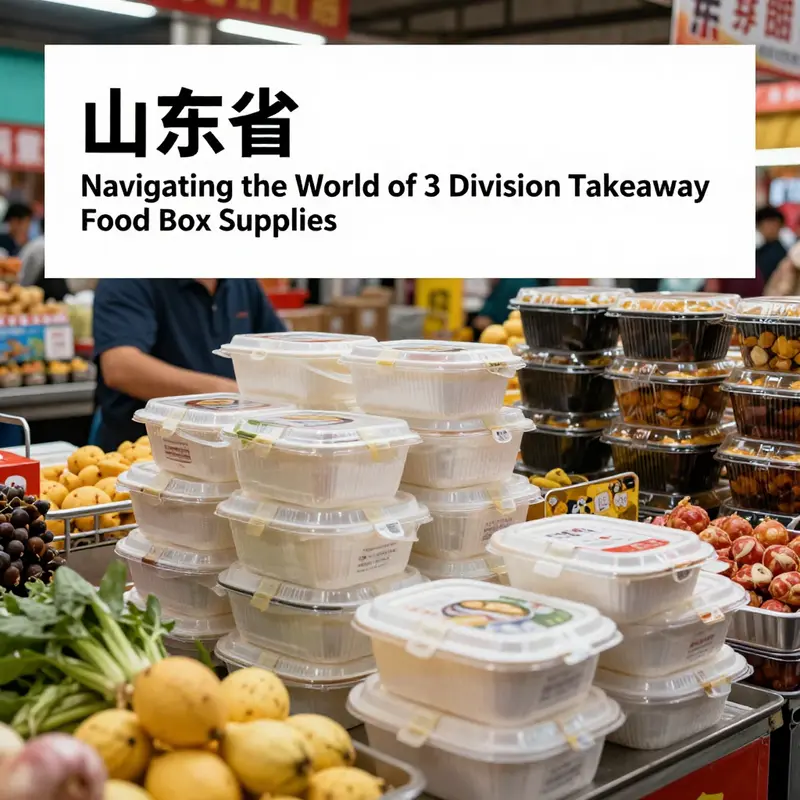
Shandong Province has long earned its reputation as a manufacturing powerhouse and its role in takeaway packaging has grown as demand for three-compartment boxes has expanded. The province sits at a strategic crossroads of labor, materials, and logistics, where mature supplier ecosystems converge to deliver cost effective, scalable packaging solutions. In this environment buyers discover a continuum of options that can align with different order sizes, customization needs, and compliance expectations. What makes Shandong compelling is not only the raw price point but the broader value proposition that comes with a well developed industrial base: reliable production capacity, integrated supply chains, and an ecosystem that supports both standardized offerings and bespoke configurations. For businesses seeking steady supply and predictable costs, Shandong represents a practical, risk managed pathway from product concept to mass distribution. The chapter that follows unpacks the elements behind this appeal without abstract generalities, anchoring the discussion in concrete factors that shape decisions for three compartment packaging.\n\nLabor cost has a meaningful ripple effect across the production cycle. In Shandong, the labor market has historically offered competitive wages and a large, skilled workforce accustomed to high-volume manufacturing. For buyers, this translates to more favorable unit costs for bulk orders and a greater buffer against sudden price spikes caused by regional shifts in demand. The effect is not one-dimensional; it touches the speed and consistency with which boxes are produced. When a plant operates with stable staffing levels, it reduces the risk of bottlenecks and quality fluctuations that can occur during peak periods elsewhere. This stability supports tighter production schedules, enabling shorter lead times even as orders scale up. It also fosters a more predictable negotiation environment. Manufacturers are often able to offer better pricing tiers tied to volume, provided that the purchasing plan is clear, the forecast is shared, and the relationship is positioned as a long-term collaboration rather than a one-off transaction.\n\nBeyond labor economics, government incentives play a subtle but persistent role in shaping total landed cost. Local and regional policymakers in Shandong have implemented programs aimed at expanding manufacturing capacity, upgrading equipment, and encouraging exports. Buyers who align their sourcing strategies with these incentives may access subsidized utility rates, tax breaks, or subsidies for equipment modernization. While the exact forms of support change over time, the underlying principle remains: a supportive policy environment lowers unit costs and reduces the risk of price volatility driven by capital expenditure cycles. For a procurement team, recognizing when and how these incentives apply means factoring in potential cost reductions that are not visible in a simple price quote. This awareness is particularly valuable when negotiating multi-year contracts or exploring supplier partnerships that include value-added services, such as extended warranties or enhanced post-sale support.\n\nRaw material availability is another pillar of Shandong’s cost effectiveness. The region benefits from a dense network of pulp and resin suppliers, paper mills, and intermediate-processing facilities that feed into a robust packaging supply chain. The result is not merely cheaper inputs; it is more reliable access to consistent material quality, which translates into fewer defects and less waste—the twin pillars of a lower total cost of ownership. When a supplier can source pulp or coating materials locally or regionally, it reduces transportation costs and exposure to price swings in global markets. This advantage is particularly meaningful for three-compartment boxes, where structural integrity, moisture resistance, and printability hinge on material selection. Buyers who understand these material dynamics can work with suppliers to tailor specifics—such as coater formulations, barrier properties, and fiber content—in ways that preserve function while bending price in favorable directions.\n\nShandong’s supply-chain efficiency extends from material sourcing to production execution and distribution. A well-integrated network of suppliers, converters, printers, and converters reduces lead times and enhances customization options. For brands that require tight production calendars or frequent design iterations, this enables a rapid cycle from concept to prototype to pilot run and then to full-scale manufacturing. The regional ecosystem also supports logistics that minimize handling and cross-docking, a practical benefit for time-sensitive shipments. Shorter lead times are not merely a function of speed; they reflect the reliability of the entire chain—from raw materials to finished boxes that meet specific dimensional tolerances and packaging specifications. In practice, a buyer can negotiate more aggressive schedules with confidence when the supplier landscape is mature enough to absorb fluctuations in demand without compromising quality.\n\nQuality and safety considerations shape every supplier decision in this sector. In Shandong, many manufacturers pursue and maintain international certifications that signal adherence to safety, hygiene, and quality management standards. While certification names can vary, the underlying signal is clear: a facility that has invested in systematic processes, traceability, and consistent reporting is better equipped to deliver compliant packaging at scale. For buyers, this reduces the overhead associated with inspections and third-party audits, especially when sourcing for multinational distribution where standardized packaging compliance is a prerequisite. The emphasis on certifications also intersects with environmental stewardship, where recycled content, compostability, or recyclability of boxes aligns with broader corporate sustainability goals. In the end, quality assurances translate into lower risk, fewer returns, and steadier performance in the marketplace.\n\nA key practical takeaway emerges when considering supplier highlights in Shandong. The region hosts facilities that can handle bulk orders while maintaining consistent quality across batches. This reliability is essential for businesses expanding their takeaway offerings, as it supports predictable inventory planning and reduces the frequency of emergency replenishments. Rather than chasing new suppliers for each season, buyers can cultivate enduring partnerships with a handful of capable manufacturers who understand their product specifications, seasonal demand patterns, and packaging performance requirements. The result is a more cohesive supply chain, where design changes, packaging updates, or new printing options can be evaluated and implemented with minimal friction. The emphasis on scalable production is particularly relevant for three-compartment boxes, where structural integrity, precise fold lines, and internal dividers must align with both functional and aesthetic expectations.\n\nThe procurement journey in Shandong also intersects with how buyers access supplier catalogs and verify capabilities. Platforms that host extensive manufacturer profiles, product catalogs, and documentation become essential tools. They facilitate initial screening, technical due diligence, and the collection of necessary certificates and test reports. Importantly, the process is more than a static glance at prices; it involves assessing capabilities such as customization depth, printing quality, tolerances, and compatibility with various coatings or barrier treatments. Buyers who invest time in due diligence early on typically experience smoother production runs later, with fewer surprises during manufacturing or quality assurance checks. This is especially true for three-compartment boxes that require precise dimensions to ensure that the lower and upper trays align correctly with lids and seals.\n\nIn considering the broader marketplace for takeaway packaging, it’s useful to acknowledge how buyers navigate catalogs and supplier lists. A broad access point, like a major regional catalog platform, can surface a spectrum of manufacturers with varying capabilities. For purchasers, the goal is to identify partners who can balance cost, quality, and lead times while offering room to adapt to evolving packaging requirements. This oft en means seeking suppliers who can articulate a clear value proposition: competitive unit pricing at scale, robust process controls, and the flexibility to adjust configurations such as divider materials, print areas, and moisture barriers without triggering a costly redesign. The right combination of these attributes translates into a supply arrangement that not only meets current demand but also tolerates shifts in product mix as menus evolve or as new regional markets open up.\n\nThe topic of customization deserves particular attention. Buyers frequently require three-compartment boxes that fit specific menu formats or branding guidelines. In Shandong, experienced manufacturers can accommodate a range of customization needs—from subtle size adjustments to more elaborate interior divider configurations and on-box printing. Importantly, this level of customization can be achieved without devastating lead times when a supplier already operates a flexible production line and a capable set of die-cutting and folding equipment. The capability to combine improved barrier properties, tailored dimensions, and print quality with reasonable costs creates a compelling case for sourcing from a region that supports both standardized offerings and bespoke designs. For brands that want to protect margins while delivering a consistent consumer experience, this balance between flexibility and efficiency is a decisive advantage.\n\nLead times remain a central consideration for buyers who must align packaging delivery with menu launches, seasonal promotions, or new restaurant openings. Shandong’s mature manufacturing ecosystem reduces the friction associated with scheduling and batching. When orders are predictable and recurring, suppliers tend to optimize their workflow to support faster turnarounds, reducing the risk of stockouts and last-minute air freight expenses. The predictable cadence also enables more accurate forecasting, which in turn feeds more stable pricing and better capacity allocation. Buyers who maintain open channels of communication with suppliers, sharing forecast data and anticipated design changes, can leverage these efficiencies to maintain continuity in supply and avoid disruptive pauses in production. The cumulative effect is a purchasing environment where price, quality, and delivery performance reinforce one another, enabling a dependable sourcing strategy for three-compartment boxes.\n\nPrice dynamics in Shandong are a function of scale, efficiency, and long-term relationships. When a supplier can commit to steady volumes and a predictable production schedule, they can sustain tighter margins and offer more favorable unit costs for larger orders. This is not merely a function of a single bargain price; it reflects a structured approach to cost control that includes waste reduction, optimized material usage, and streamlined logistics. Buyers who pursue long-term partnerships, rather than sporadic, one-off buys, often enjoy the most favorable price trajectories. Of course, price is just one axis of value. The total cost of ownership encompasses quality, reliability, the ability to customize, and the post-purchase support that sustains performance over the life of the packaging program. In practice, the most successful sourcing strategies in Shandong blend competitive unit prices with assurances of consistent performance and responsive supplier collaboration.\n\nSustainability and regulatory compliance increasingly influence supplier selection. In markets where takeout packaging is scrutinized for environmental impact, manufacturers in Shandong have begun to emphasize recyclability and the use of responsibly sourced materials. This aligns with the ambitions of many brands that aim to reduce landfill contributions and improve end-of-life outcomes for packaging. Buyers benefit from engaging with suppliers who can provide materials that meet evolving environmental standards while maintaining the necessary barrier properties and mechanical strength. The trajectory toward more sustainable packaging is not a constraint but an opportunity to differentiate products and strengthen customer appeal. As regulatory landscapes evolve, the ability to demonstrate traceability, recycled content, and proper end-of-life handling becomes a meaningful competitive advantage in a crowded marketplace.\n\nFrom a practical standpoint, buyers should approach supplier selection with a structured due-diligence mindset. Start with a clear specification for the three-compartment box: dimensions that accommodate typical menu items, divider configurations that ensure stability, and lid compatibility that prevents leaks. Request samples to verify fit, print quality, and structural integrity under expected loading conditions. Seek documentation that confirms safety and environmental compliance, and obtain test reports or third-party certifications where possible. And, crucially, build a short list of preferred partners with whom you can pilot small runs before committing to larger scale production. A thoughtful, staged approach minimizes risk and creates a foundation for a robust, scalable packaging program that can adapt to menu evolution and market expansion without breaking budgets.\n\nFor readers who want to explore related supplier resources beyond the Shandong landscape, a practical reference is the disposable octagonal box page on a supplier blog. It illustrates a specific packaging format that often resonates with the same constraints and performance requirements discussed here. When used alongside catalog and certification checks, it supports a holistic evaluation process that increases the odds of a successful sourcing outcome.\n\nUltimately, the story of Shandong as a cost-smart hub for three-compartment takeaway boxes is a story about alignment. It is about aligning supplier capabilities with product requirements, cost structures with long-term value, and delivery capabilities with market timing. It is also a reminder that the best sourcing decisions emerge from a balanced view of price, quality, and reliability, all anchored in a region that offers scale without sacrificing responsiveness. As brands continue to expand their takeaway programs, the Shandong corridor remains an enduring option for those who prioritize predictable cost structures, steady supply, and the confidence that comes from working with a mature, capable manufacturing ecosystem. For buyers, the path forward is clear: establish clear specifications, engage with a few dependable manufacturing partners, and leverage the region’s mature logistics and material networks to build a packaging program that scales with confidence. The payoff is not only competitive pricing but a sustainable, responsive supply chain that can support growth across multiple markets.
Automation Corridor: Zhejiang’s 3-Compartment Takeaway Box Makers and the New Blueprint for Global Sourcing
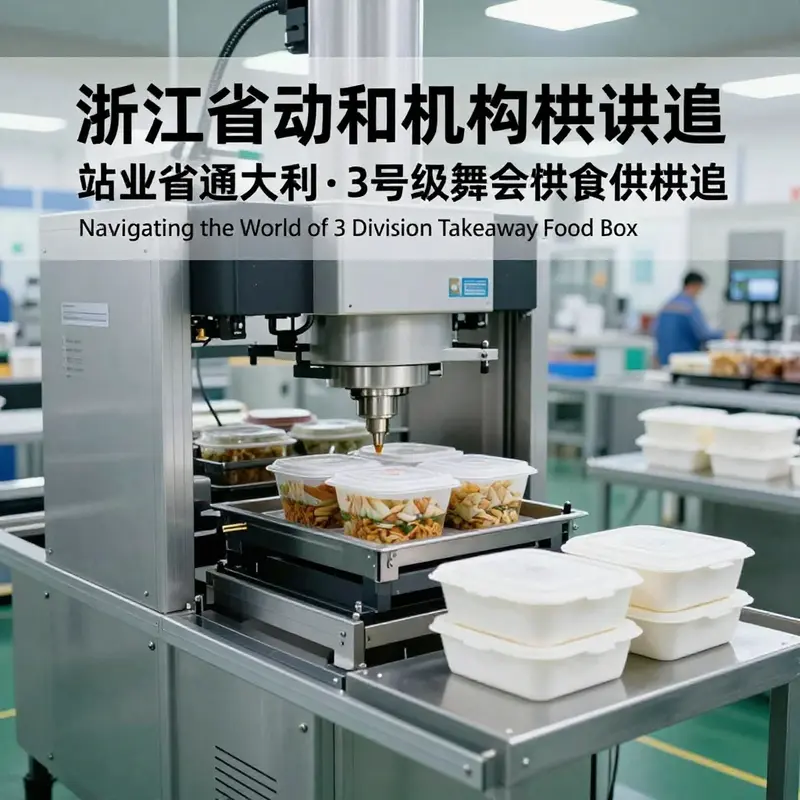
The landscape of 3-compartment takeaway box manufacturing in Zhejiang Province has evolved into what many buyers now call an automation corridor. In particular, the cities of Wenzhou and Ruian stand out not just for their volume, but for the way their industries are organized around speed, precision, and scale. The core advantage for a buyer sourcing 3-division takeaway boxes is the dense, almost braided supply chain that sits within a compact geography. Critical components and services—mold fabrication, servo motor integration, control panel assembly, and reliable raw-material channels—are all accessible within roughly a 50-kilometer radius. That proximity translates into shorter lead times and tighter feedback loops. When a designer updates a 3-compartment concept, the time from concept to stable tooling and then to first production run shrinks markedly. For operators navigating a complex packaging market, the advantage is a stabilizing cadence—fewer interruptions, quicker iterations, and a more predictable delivery schedule—especially for standardized lines and for businesses testing a quick transition from pilot to scale.
What makes Zhejiang particularly compelling is not only the proximity of suppliers but the depth of capability that this clustering enables. Each facility tends to offer a full-cycle development pathway, from initial concept design through machine commissioning. This means a supplier can partner with a buyer from a blank sheet of an idea to a tested production line that can deliver consistent 3-division boxes at the required cadence. Many players in this corridor boast facilities exceeding 3,000 square meters, a footprint that supports both standardized configurations and customization without forcing a move to a different supplier or a second facility. In practical terms, a buyer can commission a line that is tailored to a brand’s specific 3-compartment geometry, sealant systems, and printing requirements, and then move into full-scale production with confidence that the process is controllable, repeatable, and auditable.
The pace and quality of manufacturing in this region are further reinforced by a growing ecosystem of automation-first solutions. It is common to see fully automatic paper food box making machines on the floors, with lines described as intelligent erecting molding systems. These lines are designed to handle multiple formats, including standard and custom configurations, with modular components that can be swapped as market demands shift. Delivery windows for new lines are typically in the 30- to 45-day range, a timeline that blends engineering, fabrication, and factory validation into a single, contiguous workflow. As buyers evaluate suppliers, the ability to hit those milestones becomes a critical differentiator. The emphasis on automation also supports better consistency in the 3-division box geometry, ensuring that each of the three compartments maintains defined shapes, clean separations, and robust stacking properties for transport and retail display.
Quality certification is another pillar of Zhejiang’s appeal. The regional production community has embedded quality management into its core processes. Most facilities operate with formal quality-control regimes aligned to international standards, notably CE and ISO 9001. For buyers, that alignment is not just about meeting export requirements; it is about creating a framework of traceability, repeatability, and accountability. When a supplier deploys a three-stage workflow—from design verification to in-line process control to final inspection—the risk of misalignment between the 3-compartment design and its manufacturing execution system (MES) drops significantly. In practical terms, this reduces instances of mis-sealed sides, inconsistent divider walls, or misaligned lids that could otherwise compromise food safety, stackability, or customer satisfaction. The consequence is a smoother pass-through for audits in global markets and a clearer path for brands seeking to maintain a consistent packaging standard across multiple production runs and multiple orders.
Sustainability has moved from a niche consideration to a central criterion in Zhejiang’s factory floor conversations. Cities like Yiwu and Hangzhou are driving a broader vision of sustainable packaging, where plant-based materials and eco-friendly production processes increasingly shape supplier capabilities. The suppliers that distinguish themselves are those investing in materials that meet evolving regulatory and consumer expectations, while maintaining strong performance in moisture resistance, heat tolerance, and barrier properties essential to 3-compartment designs. In practice, this means more suppliers are ready to discuss coatings and adhesives with low volatile organic compound (VOC) emissions, and more work is being done to integrate compostable or recycled-content components without sacrificing seal integrity or food-contact safety. For buyers, sustainability is not only a compliance matter; it is a competitive advantage that can unlock additional market opportunities, particularly in regions where buyers are trying to differentiate themselves through responsible packaging strategies.
The regional emphasis on automation and sustainability also intersects with the broader dynamics of supply and demand in the takeaway packaging market. Zhejiang suppliers often operate with a mature cost structure that rewards high-volume, repeatable production. This translates into more favorable price-per-unit for buyers who commit to sustained orders rather than ad hoc purchases. However, that pricing edge is not uniform. The initial capital investment in automated lines is substantial, and the economics of scale can favor those who can forecast demand accurately and maintain stable order streams. For a buyer weighing a move from manual or semi-automatic lines to fully automated 3-compartment production, the decision often rests on a clear calculation of total cost of ownership over a 12- to 24-month horizon. Key factors include manpower savings, energy consumption, waste reduction, defect rates, and the ability to rapidly retool lines for different formats without major downtime. In this regard, Zhejiang’s clusters demonstrate a tangible advantage: a factory floor where automation is not an add-on but a standard operating principle, with modular upgrades that let a collector of 3-division boxes stay aligned with evolving design and regulatory demands.
From a buyer’s perspective, the supplier landscape in Zhejiang also supports a more nuanced approach to selection criteria. Rather than focusing solely on price or capacity, prudent buyers assess automation depth, the degree of vertical integration, and the speed with which a supplier can integrate new materials or new 3-compartment configurations. A truly capable partner will be able to demonstrate a track record of what-if testing, where prototypes evolve into pilot runs that feed into a stable production line with minimal downtime. They will show a capability to execute controlled experiments on divider configurations, to test different sealing methods, and to validate whether changes in lid geometry affect the overall stability during transport. In parallel, the ability to scale, both upward for large orders and downward for seasonal peaks, is essential. The best suppliers maintain reserve capacity and redundant systems for critical components—such as mold tooling and control panels—so that disruptions in one sub-supply chain do not cause cascading delays for a buyer’s production schedule.
These capabilities—dense supplier networks, full-cycle development, rapid line deployment, and rigorous quality controls—converge with a growing demand for flexible packaging formats in a market that prizes convenience and safety. The 3-compartment design, with its precise partitions and sealed boundaries, requires tight tolerances and robust materials. Zhejiang’s automation-driven approach helps ensure that tolerances stay consistent across thousands of cycles, a factor that becomes particularly important for brands that rely on consistent branding across line items and packaging sizes. As compliance requirements tighten around food-contact materials, suppliers in this region are well-positioned to socialize compliant solutions quickly. They tend to partner with customers well before the first purchase order, validating food-contact safety, migration limits, and labeling requirements. The result is a smoother path to scale-up and export readiness, with the buyer enjoying confidence that the packaging will meet performance and regulatory expectations in multiple markets.
The broader ecosystem also invites buyers to consider adjacent packaging formats that complement 3-division boxes. For example, in some cases, the range of disposable packaging options includes octagonal or other geometries designed to hold side dishes securely alongside a main course in a single, coordinated set. A representative example is the disposable octagonal box for restaurant food kraft paper packaging, which is sourced from suppliers within the same region. This proximity encourages supply-chain agility; a buyer can source a complete set of packaging formats from nearby suppliers, ensuring consistent material quality, similar printing capabilities, and easier management of color-matching across formats. The link to such alternatives is not incidental; it reflects a strategic approach to sourcing that leverages Zhejiang’s ecosystem to build a coherent portfolio of packaging solutions that can be deployed globally. disposable octagonal box for restaurant food kraft paper packaging.
For buyers who want to ground their sourcing decisions in real-world case studies, the East Chinese packaging corridor offers a compelling template. The automation-first paradigm enables a blend of customization and standardization, a balancing act that many brands attempt to pull off in markets where demand fluctuates. A supplier capable of handling the evolution from a pilot run of 5,000 units to a full production line of several hundred thousand units per month demonstrates a level of maturity that reduces both risk and cost. It also smooths the process of maintaining consistent quality across large runs, which is essential for the three-compartment format, where the integrity of each divider is critical to the consumer experience. In this sense, Zhejiang’s industrial clusters function as living laboratories for buyers who seek reliable suppliers of 3-division takeaway boxes and related packaging formats. The outcomes are practical and measurable: shorter lead times, tighter tolerances, better regulatory alignment, and the possibility of a more sustainable, cost-efficient supply chain.
The practical implications for procurement professionals, therefore, extend beyond the obvious metrics of price and capacity. They involve a holistic view of how supplier ecosystems influence product performance, regulatory compliance, and the long-term viability of a packaging program. When a buyer engages with Zhejiang-based suppliers, they encounter a culture of continuous improvement, where engineers, mold makers, control-panel technicians, and material scientists collaborate to optimize every step of the process. The result is a more resilient supply chain that can adapt to shifting demands—whether that means introducing a new divider design, accommodating a different material blend for sustainability, or aligning with a new regulatory standard in a foreign market. In short, Zhejiang’s automation corridor is more than a set of factories; it is a framework for global sourcing that prioritizes speed, quality, and responsible innovation while keeping the core design principles of the 3-compartment takeaway box intact across diverse contexts.
As buyers plan next steps, the following considerations help translate Zhejiang’s strengths into tangible sourcing success. First, quantify the automation maturity of a candidate supplier. Ask about the line’s maximum continuous run rate, changeover times, and the ability to retool without extended downtime. Second, examine the supplier’s material and process certifications. Confirm food-contact safety, the use of low-VOC coatings, and the supplier’s traceability capabilities from incoming materials to finished boxes. Third, assess after-sales support, including the ease of spare parts access, the availability of on-site commissioning support, and the supplier’s capacity to provide long-term stability in pricing and delivery windows. Fourth, measure the supplier’s willingness to collaborate on design optimization, such as reducing material usage without compromising performance or exploring alternative materials that advance sustainability goals. Finally, examine the supplier’s geographic footprint and logistics capabilities. Even within Zhejiang’s dense cluster, it matters whether a partner can harmonize shipments, consolidate orders, and manage packaging embellishments like branding or labeling in a way that reduces both complexity and cost for the buyer.
These guiding principles—automation depth, quality reliability, sustainability alignment, and logistical coherence—help buyers transform Zhejiang’s regional strengths into a robust global sourcing strategy for 3-division takeaway boxes. By engaging with suppliers that can demonstrate a consistent capability to design, prototype, and scale, buyers gain more than a single supplier’s capacity. They gain access to an integrated chain of expertise that can respond to changing consumer expectations, evolving regulatory landscapes, and the need for faster time-to-market. The result is a sourcing strategy that feels less like a carousel of price quotes and more like a deliberate partnership built on shared standards, synchronized timelines, and mutual growth.
External reference: https://www.alibaba.com/product-detail/Intelligent-Lunch-Container-Erecting-Paper-Takeaway_1600527876478.html
Three-Compartment Takeaway Box Suppliers: A Strategic Evaluation
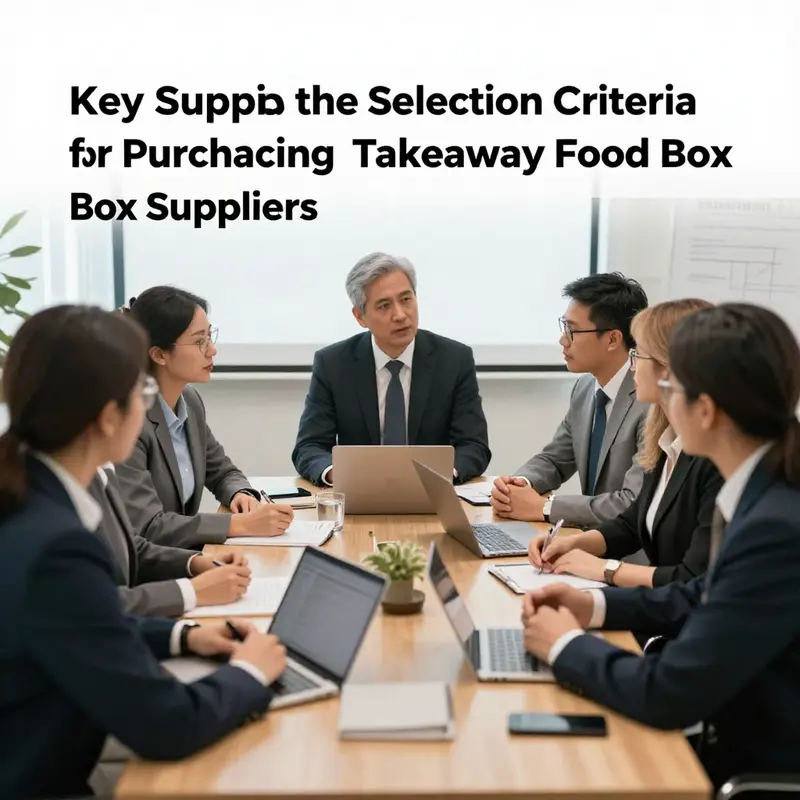
Selecting a supplier is more than price. It requires a holistic assessment of material safety, sustainability, manufacturing capability, and reliability. This chapter outlines key criteria buyers should use when evaluating suppliers for three-compartment takeaway boxes, including material integrity, certifications (ISO 9001, ISO 14001, FSC), scalability, logistics, design support, and performance metrics. The aim is to identify partners who align with brand values, regulatory expectations, and the need for consistent quality at scale. Buyers should request documentation, observe production capabilities, review sample performance, and consider the supplier’s ability to collaborate on design and sustainability initiatives. A disciplined, evidence-based selection process reduces risk and supports long-term value.
Final thoughts
Selecting the right suppliers for 3-division takeaway food boxes can greatly impact your business’s efficiency and customer satisfaction. With regions like Guangdong, Shandong, and Zhejiang leading the way in manufacturing quality, cost-effective, and innovative solutions, businesses in the food service industry can enhance their packaging approach. By understanding the pricing dynamics and key selection criteria, bubble tea shops, restaurants, food trucks, catering services, and corporate procurement teams can navigate this complex landscape to find the best partners. Staying informed will empower you to make choices that elevate your service and delight your customers.