
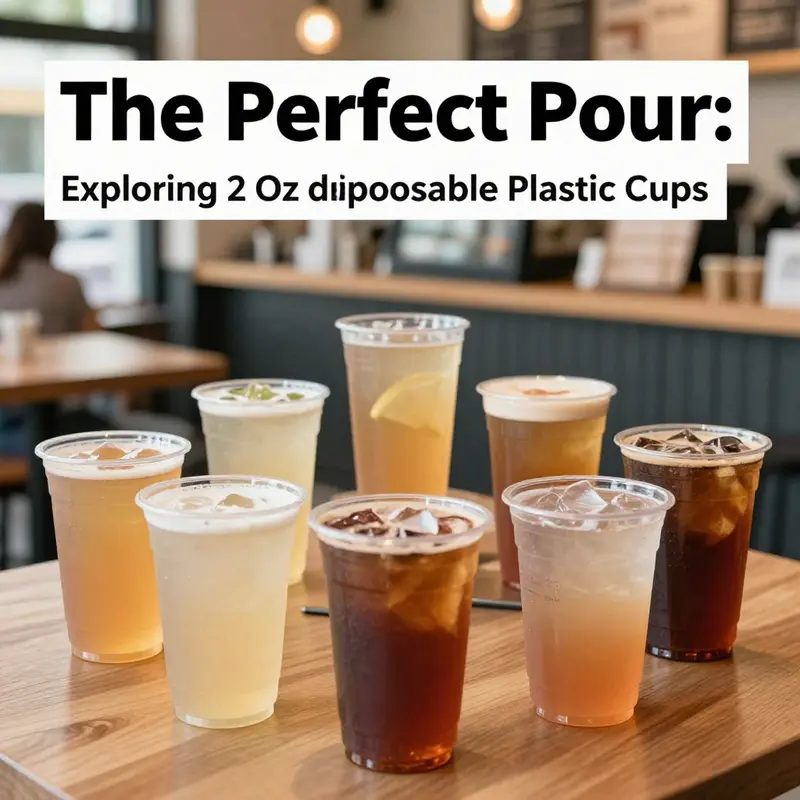
2 oz disposable plastic cups play a crucial role in the food and beverage industry, particularly for businesses focused on portion control and convenience. Whether for bubble tea shops, restaurants, catering services, or event planners, understanding the implications of using these cups is essential. This article delves into the environmental impact, economic considerations, material composition, and current market trends regarding 2 oz disposable plastic cups. Each chapter provides insights that connect to the larger conversation on how these cups contribute to service efficiency while balancing sustainability and cost-effectiveness.
Thin Vessels, Heavy Footprints: Tracing the Environmental Trail of 2 oz Disposable Plastic Cups
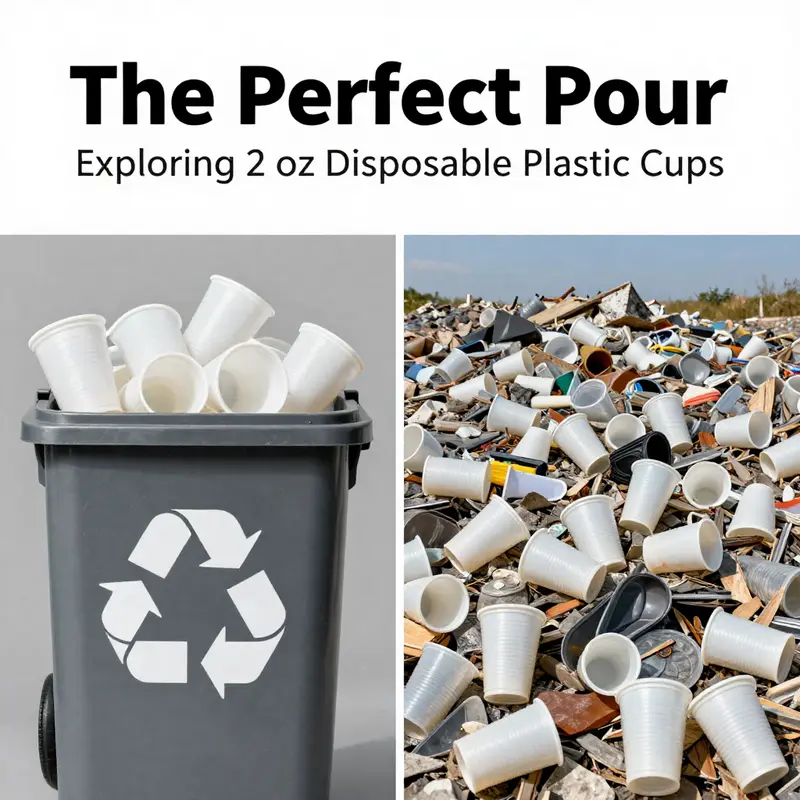
The shortest vessels can sometimes cast the longest shadows, and the 2 oz disposable plastic cup is a deceptively small player in a much larger drama about resources, waste, and how societies choose to engage with single-use packaging. These tiny cups, designed for sample portions, dressings, condiments, or tasting servings, arise in settings that prize hygiene, portion control, and convenience. In the world of catering events, product sampling, tasting rooms, and promotional activities, their role is practical, enabling quick service and minimal cross-contamination. Yet their practicality sits atop a cradle-to-grave arc that begins with raw materials extracted from fossil fuels, travels through manufacturing and distribution, and ends in landfills, recycling streams, or, less ideally, the broader environment. When we zoom in on a single 2 oz cup, we can see a microcosm of broader challenges: the tension between the convenience of single-use items and the urgent need to reduce environmental impact, particularly as consumer-facing packaging continues to scale across industries that rely on rapid turnover and high-volume consumption.
In the most common forms, these cups are made from polystyrene (PS) or polypropylene (PP). Each material carries distinct properties that influence performance, cost, and end-of-life outcomes. PS cups offer high clarity and shatter resistance, attributes that make them visually appealing for product presentation and sampling programs. They are lightweight and economically attractive when bought in bulk, which suits large events and wholesale channels. But PS can be brittle when exposed to prolonged moisture or fluctuating temperatures, and its persistence in the environment is well documented. PP cups, by contrast, typically deliver better heat resistance, making them more suited to hot beverages and sometimes to situations where a sturdier cup is preferred. PP’s plasticity also enables different design options, including thicker walls or integrated lids that help prevent spills during transit. However, PP cups may not be as transparent as PS, and this trade-off between visibility and durability factors into purchasing choices for brands and operators.
The production of these cups is inseparable from the fossil-fuel foundation of modern plastics. The lifecycle starts with hydrocarbon extraction, moves through resin production, conversion into containers, and then through distribution channels that connect manufacturers to caterers, retailers, and event organizers. Emissions accumulate at each stage, influenced by energy intensity, transportation distances, and the efficiency of manufacturing facilities. Even in systems that emphasize recycling, a portion of these cups ends up in landfills or as litter. The lightweight nature of 2 oz cups compounds the problem: because they are so easy to disperse by wind, they can travel far from their original point of disposal and accumulate in urban fringes, natural corridors, and watercourses. This dynamic underscores a critical truth: the per-unit footprint of a 2 oz cup does not shy away from the larger, cumulative impacts created when millions are in circulation.
A 2025 study conducted in Germany adds a sharper, material-specific lens to the discussion. It compares polypropylene (PP) and polylactic acid (PLA) cups, focusing on environmental performance and littering potential. PLA is marketed in many circles as a biodegradable option, but the study emphasizes a crucial caveat: biodegradation for PLA hinges on industrial composting facilities with controlled conditions. In ordinary environments—soil, water, oceans—PLA often does not degrade as quickly or as thoroughly as consumers expect. This finding aligns with a broader, cautious view of “biodegradable” claims in consumer packaging: without a robust, well-structured composting infrastructure and consistent consumer participation, the environmental benefits can be limited or even negated by residual plastics. Among the two materials studied, PP cups showed lower overall environmental impacts in terms of resource use and emissions across their lifecycle. This does not erase concerns about litter or end-of-life management; rather, it highlights that even the comparatively “less burdensome” option can pose problems if it circulates unchecked through waste streams.
Together, these insights illuminate a nuanced landscape. The low per-unit mass of a 2 oz cup does not guarantee a negligible footprint. In practice, the cumulative effect is driven by scale: a single event might hand out thousands of samples; a month of daily service in a cafe can generate tens of thousands. The small size often means that these cups are used briefly for a single serving, yet the aggregate impact mirrors other single-use packaging categories when the same item is deployed repeatedly across many venues. The German study also emphasizes the persistent risk of mismanagement: with contamination and the fragmentation of plastics during recycling, recovery rates can be tepid, even in regions with advanced waste infrastructure. In other words, an efficient recycling system alone cannot rescue the environmental performance of these cups if littering and improper disposal remain prevalent.
What this means for the decision-maker—whether a caterer, a brand manager running a tasting campaign, or a venue operator—is a call to weigh not only the material’s technical performance but also the intricacies of local waste management, consumer behavior, and the broader policy context. The decision landscape includes several practical levers. Material choice matters: PP’s higher heat resistance and potential for longer lifecycle durability can be advantageous in certain service environments, but it must be paired with effective end-of-life options. PLA, with its industrial compostability, requires convenient access to composting facilities and clear consumer guidance to be effective; without that alignment, its environmental advantages can be overstated. For operators, the choice may also hinge on more than the raw materials: the inclusion of lids to prevent spills, the compatibility of cups with sleeves or carriers, the ease of stacking for transport, and even branding opportunities for participants seeking a premium or professional appearance.
The litter problem—and the related capacity to recover or recycle cups—drives a broader conversation about waste management in hospitality and retail. Even with recycling programs in place, contamination from sauces, condiments, or mixed-use packaging can reduce the efficiency of the separation process. The microplastic concern persists not only in natural environments but also within the inner workings of recycling facilities where resin streams must be carefully sorted. The German study’s emphasis on the long persistence of plastics in the environment casts a sober light on the surface-level appeal of low-cost, high-volume disposable solutions. The contrast between the visible benefits of convenience and the invisible costs of environment and ecosystem health yields a challenge that designers, policymakers, and operators must address together.
The dialogue around 2 oz cups is not solely about choosing the right polymer; it is also about optimizing the entire lifecycle. Innovations in product design can help. For instance, clearer understanding of how cups interact with condiments and beverages can guide the development of coatings and barrier layers that reduce leakage and extend shelf-life without increasing environmental burden. Product designers are also exploring packaging systems that pair cups with lids and sleeves in configurations that minimize waste while maintaining service speed. In parallel, waste management workstreams emphasize the importance of separate collection streams for compostable materials and for conventional recyclables, alongside public education campaigns that help consumers distinguish between items that can be composted, recycled, or should go to general waste.
Within this evolving context, it is also worth considering how internal policy and procurement strategies shape outcomes. For event organizers and operators, the decision to source cups with lids or to select designs that are easier to recycle can influence downstream recovery rates. The wholesale and retail ecosystem around disposable cups reflects a tension between price and performance; pricing pressures can push organizations toward the lowest-cost options, potentially at the cost of sustainability. Yet the same market can also reward innovative packaging that blends consumer appeal with clear end-of-life advantages. Suppliers’ portfolios increasingly show a range of configurations—plain, tinted, or with lids—that offer spill-resistance while catering to branding and sampling needs. The balance between cost, functionality, and environmental responsibility remains delicate, but it is precisely the battleground on which better outcomes are being tested and proven over time.
For readers who want a tangible sense of the choices facing brands that want to lean toward sustainability without sacrificing usability, an option worth exploring is to pair the cups with eco-conscious branding and packaging systems. This can include printing logos or informative messages on the cups themselves, alongside lids that are designed for secure stacking and minimal material use. An example of where branding and environmental considerations intersect can be found in eco-friendly, printed logo options for cold beverage cups with lids. This approach blends marketing value with a responsibility narrative, showing customers that a brand is mindful of waste and committed to clarity about end-of-life options. eco-friendly-printed-logo-cold-beverage-cup-paper-cup-with-lid
The broader lesson extends beyond the specifics of 2 oz cups. Small, ubiquitous packaging types shape daily habits and collective footprints more than many people realize. In hospitality and retail, the choice of a single-use cup can reflect a complex set of priorities: hygiene, portability, branding, and speed, all tethered to the infrastructure available to manage waste. The German study’s nuanced findings about PP versus PLA remind us that there are no one-size-fits-all answers. In some contexts, PP may deliver better environmental performance across the lifecycle; in others, the availability of industrial composting for PLA-derived products can tilt decisions toward compostable options. The crucial common thread is that success depends not only on material science but also on waste-management maturity, consumer behavior, and a coherent, supported policy environment that guides end-of-life handling.
As researchers continue to examine material performance and as societies refine the systems that must absorb the outputs of daily life, the smallest cups serve as a telling case study. They reveal a landscape where convenience and responsibility must be reconciled through design, policy, and education. They encourage producers to think about the full arc of a package’s life—from the quarry to the curbside, from the recycling bin to the composting facility, or, regrettably, to the environment if mishandled. They invite retailers and event organizers to consider not only what they purchase but how they manage their waste streams, educate their staff, and engage customers in responsible disposal practices. In the end, the goal is not to vilify a particular material but to illuminate pathways that reduce environmental impact while preserving the essential functions that make 2 oz cups useful in their many applications.
External reference for further reading on the material-specific environmental considerations and littering dynamics: https://www.mdpi.com/2071-1050/17/8/3645.
Tiny Portions, Big Margins: The Economic Tapestry of 2 oz Disposable Plastic Cups
In the ecosystem of service, sampling rooms, and on-the-go hospitality, a cup the size of a shot glass quietly presides over decisions, budgets, and customer perceptions. The 2 oz disposable plastic cup is more than a container; it is a strategic instrument that translates material costs into perceived value and operational flexibility. When a kitchen runs on speed, accuracy, and hygiene, this unassuming vessel becomes a linchpin in the economics of portion control, waste management, and customer experience. Its small footprint in size mirrors a notable footprint in cost and logistics, a relationship that underpins decisions made by event organizers, cafes, and retailers who prize efficiency and predictable margins. The balance between cost, performance, and the regulatory landscape frames how often such cups appear in bills of materials, promotional plans, and even menu design.
Material choice anchors much of this economic story. The cups are most commonly produced from two plastics—polystyrene (PS) and polypropylene (PP). Each material brings distinct price points, properties, and implications for processing. PS is renowned for clarity, a shatterproof feel, and a lightweight profile. It presents an economical option when the objective is straightforward presentation and impermeable performance across a range of beverages and condiments. PP, by contrast, tends to offer superior heat resistance, which can translate into better performance for hot beverages or warmer preventives such as syrups. Yet PP cups generally trail PS in optical clarity and, in some markets, in perceived premium aesthetics. From an operations perspective, these material choices are not merely about appearance or taste; they map directly to a calculus of raw material cost, processing energy, and the downstream handling requirements of the buyer.
Economies of scale are at the heart of the 2 oz cup’s competitive appeal. The unit itself is small enough that material consumption per cup is minimal, a feature that makes mass production especially cost-effective. Manufacturers leverage streamlined molding processes and high-speed production lines to push unit costs down further as demand climbs. In bulk scenarios—catering events, tastings, or promotional activity—the incremental cost of adding more cups is often offset by the operational savings gained from bulk procurement, simplified inventory, and reduced handling time. The strategic value of a 2 oz cup in this context lies not in the single-item price but in the cumulative effect of cheap, reliable portions that keep lines moving and help ensure consistent serve sizes. The cups’ compact size also means packaging and shipping costs per unit can be minimized when ordered in bulk, an essential consideration for operators budgeting for large-scale events or ongoing sampling programs.
The economics extend beyond the sticker price per cup. A central savings lever is the ability to standardize on a single, disposable solution across multiple points of sale or service channels. In a coffee shop, bakery, or beverage kiosk, a 2 oz cup can be deployed for a broad set of purposes: espresso shots, syrup samplings, small condiment servings, or bite-sized samples of drinks and desserts. This universality reduces the complexity of inventory and procurement, which in turn lowers carrying costs and the risk of stockouts. It also simplifies staff training because the same cup works across several use cases, minimizing the cognitive load on front-line workers and speeding up service. The downstream impact of this simplification is measurable: faster service times, more predictable portion control, and less waste due to mispackaged or mismatched containers.
Price signals in wholesale markets for tiny cups often reveal a dramatic gap between unit cost and total expenditure when volume targets are met. Supplier listings sometimes show unit prices near a penny for very large orders, such as ten thousand units or more. While such figures are most compelling for large-scale operations, they crystallize an essential point: the marginal cost of each additional cup is tiny when volumes scale. For buyers, the challenge is not only securing the lowest possible price but also ensuring a reliable supply chain, predictable lead times, and compatibility with lids, if spill-proof options are required. Lids can transform a simple cup into a portable, spill-resistant solution, a feature that broadens its applicability in environments where customer safety and hygiene are priorities. The incremental cost of lids varies by design and material, but the combined package often creates a compelling value proposition for venues that emphasize fast service and clean experiences.
Beyond the intrinsic cost of the cup and its lid, there are ancillary economic considerations that buyers must weigh. One such factor is the reliability and simplicity of the supply chain. In a world of just-in-time procurement, the ability to source 2 oz cups consistently from reliable suppliers reduces stockouts, backorders, and emergency shipments, all of which carry hidden costs in rushed labor, expedited freight, and lost sales during downtime. The small size of the cup, paradoxically, can be a source of risk if demand spikes or if there are disruptions in the supply of even these modestly sized items. Therefore, buyers often diversify suppliers or maintain safety stock to shield against volatility, a practice that can influence warehouse space, financing needs, and overall cost of goods sold.
The market for 2 oz cups also interacts with evolving consumer expectations about sustainability and responsibility. Short-term, the economics of single-use items appear attractive: low upfront cost, simple disposal, and easy compliance with standard cleaning or hygiene regimes. Yet the long-term economic calculus is increasingly sensitive to environmental costs and regulatory developments. Disposable plastic cups, while economical in the near term, face growing pressure from policies aimed at reducing plastic waste, recycling challenges, and potential taxes or bans in certain jurisdictions. As these regulatory dynamics unfold, the total cost of ownership may shift. Costs may arise not only from potential penalties or taxes but also from the need to adopt alternative materials, invest in better waste diversion, or redesign service models to minimize reliance on single-use containers.
Given this landscape, it is useful to frame the 2 oz cup as part of a broader decision about whether to embrace single-use plastics in specific contexts or to consider alternatives. For many operators, the decision hinges on a risk-reward calculation: the immediate, predictable cash flow benefits of disposable cups versus the long-term exposure to regulatory changes, consumer sentiment, and waste-handling costs. In a high-velocity setting, the efficiency of a disposable solution is tangible. An attendant savings is the ease of end-of-service cleanup and the avoidance of labor associated with washing, sanitizing, and reusing containers. The speed and hygiene advantages can translate into higher throughput and, ultimately, more servings or samples per day, reinforcing the business case for 2 oz cups in venues where volume matters more than reusability.
Retail channels reflect another facet of the economics. For individual consumers or small businesses decorating events, bags or boxes of 2 oz cups sold in modest pack sizes offer a low-friction entry point. The value proposition expands when cups are offered with lids, enabling a complete, portable serving solution that reduces spillage and customer hesitation during transport or outdoor service. In such contexts, the perceived value of the cup grows as it becomes part of a turnkey serving system, rather than a stand-alone item. This dynamic influences product placement, promotional planning, and even the design of tasting experiences, where the cup serves not just as a container but as a first impression of quality, cleanliness, and control.
However, the ecological and regulatory horizons cannot be ignored. The short-term economics of low-cost plastics may appear compelling, yet the long-term costs associated with environmental impact, waste management, and regulatory compliance could compress margins. A growing body of life-cycle research suggests that disposable options, when weighed against reusable alternatives, carry a more complex economics profile than a simple upfront price comparison might indicate. A thorough assessment would consider raw material extraction, manufacturing energy, transportation, usage, disposal, and the costs of municipal waste handling and potential green taxes. In some cases, the true cost of convenience includes a price paid later through environmental remediation or reputational impact among increasingly sustainability-minded customers.
For readers seeking a broader lens on these lifecycle considerations, the University of Michigan’s Center for Sustainable Systems offers updated comparative analyses that illuminate how disposable and reusable options stack up in real-world scenarios. Their framework helps translate the immediate savings of cheap, single-use cups into a longer-term view of resource use, costs, and externalities. External research resources like this provide valuable context when comparing 2 oz cups to alternative serving solutions, not to prescribe a single path but to inform a more nuanced decision-making process.
The practical takeaway for businesses weighing the economics of 2 oz disposable plastic cups is to treat price as one facet of a multi-dimensional calculus. Material choice, production efficiency, and volume-driven discounts matter deeply, but they sit beside reliability, supply security, and the ability to align with broader operational and sustainability goals. In promotional contexts, the cup’s economic value multiplies when it becomes part of a consistent, scalable system: uniform packaging, predictable costs, and a straightforward path from sourcing to service. In catering scenarios, the tiny cup’s cost structure supports refined portion control and waste minimization, enabling more precise pricing models and improved inventory management. In consumer-facing environments, the perceived value of a clean, simple serving experience can translate into repeat business and favorable word of mouth, nudging demand in cost-competitive markets where margins are thin and volume is king.
For readers who want to explore sustainability-oriented packaging options beyond plastics, a related segment to consider is disposable eco-friendly paper cups with branding opportunities. These products illustrate how packaging choices can extend beyond pure cost, touching brand perception and customer engagement. See the following internal resource for a representative example: disposable-eco-friendly-printed-logo-single-wall-paper-cup-with-lid. While the discussion here centers on 2 oz plastic cups, acknowledging these alternatives helps frame the broader decision space operators navigate when designing a program that blends cost, performance, and sustainability.
In sum, the economics of 2 oz disposable plastic cups are not a single-number equation but a synthesis of material properties, production dynamics, and usage contexts. The smallest unit in the system—the cup—interacts with demand, logistics, and policy to shape total cost of ownership and strategic value. As markets evolve and consumer expectations shift toward greater environmental accountability, the decision to deploy 2 oz cups will increasingly involve trade-offs that balance short-run savings against long-run resilience and reputational considerations. The result is not a rigid rule but a framework: use the tiny cup to unlock big efficiencies in the right contexts, while staying attentive to the long arc of regulation, waste, and alternative packaging solutions that could redefine what constitutes smart economics in the years ahead.
Tiny Vessels, Big Impact: 2 oz Disposable Cups in Food Service
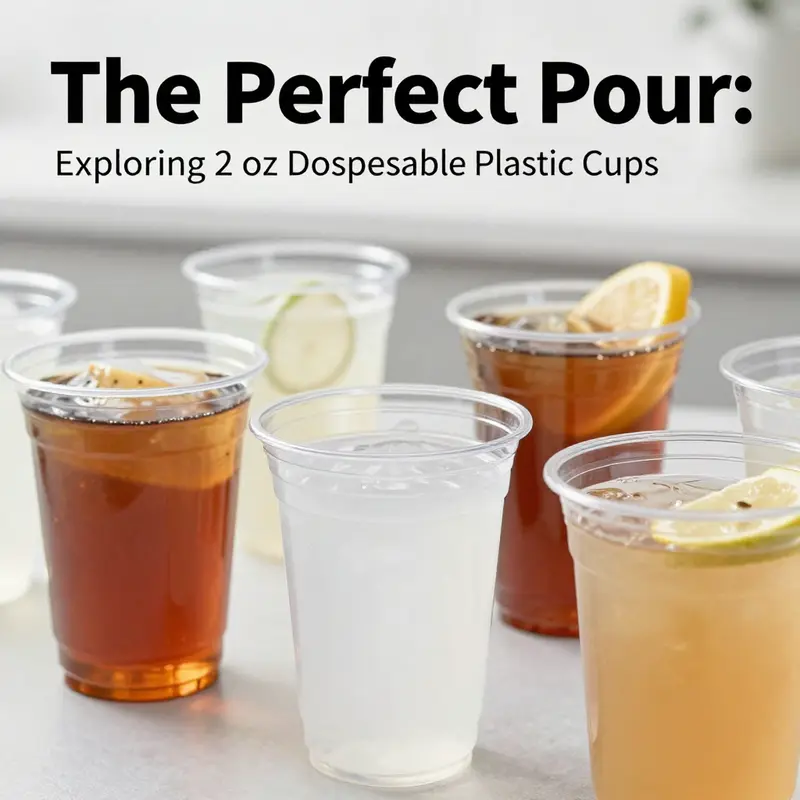
Two ounces may seem small, but in food service, sampling, and promotions, a 2 oz disposable cup is a practical tool. Its size makes it easy to display in tasting rooms, carry through crowded events, and present samples in a hygienic, minimal manner. The choice of material and lid design communicates a brand’s attention to cleanliness and quality. When a guest lifts a tiny cup to sample a beverage, sauce, or dressing, the moment can influence perceptions of freshness and value. The right cup supports portion control, protects contents, and helps manage waste in busy settings. In markets crowded with disposable options, the cup’s performance and presentation matter as much as its price.
Materials are the core of the decision. PET and PP dominate, offering a balance of clarity, temperature tolerance, and end-of-life considerations. PET provides high clarity, great for cold samples and beverages, while PP offers better heat resistance and resilience for thicker sauces or warm samples. Sustainability threads run through both materials: PET is widely recycled in many systems as #1, PP as #5, though real-world recycling depends on local infrastructure.
Design features matter. Lids, leak resistance, and compatibility with seals can reduce spills and simplify transport for staff. Bulk purchasing can yield significant unit-price reductions, particularly when ordering large quantities. Across events, the cup, cap, and lid function as a system that affects guest experience, waste management, and brand presentation.
Use cases and planning. For cold, color-rich samples, PET excels; for hot or viscous samples, PP reduces risk of warping and leakage. When possible, planners may use a hybrid approach, selecting PET for certain displays and PP for others, depending on product type and service context. End-of-life considerations, recycling, composting, and consumer participation, shape environmental impact and messaging.
Operational guidance. Understand contents and container interactions, anticipate handling realities, and communicate material recyclability to guests to reinforce brand commitments to sustainability.
External resource: https://www.epa.gov/recycle
Tiny Vessels, Big Impacts: The 2 oz Disposable Cup in Market Dynamics
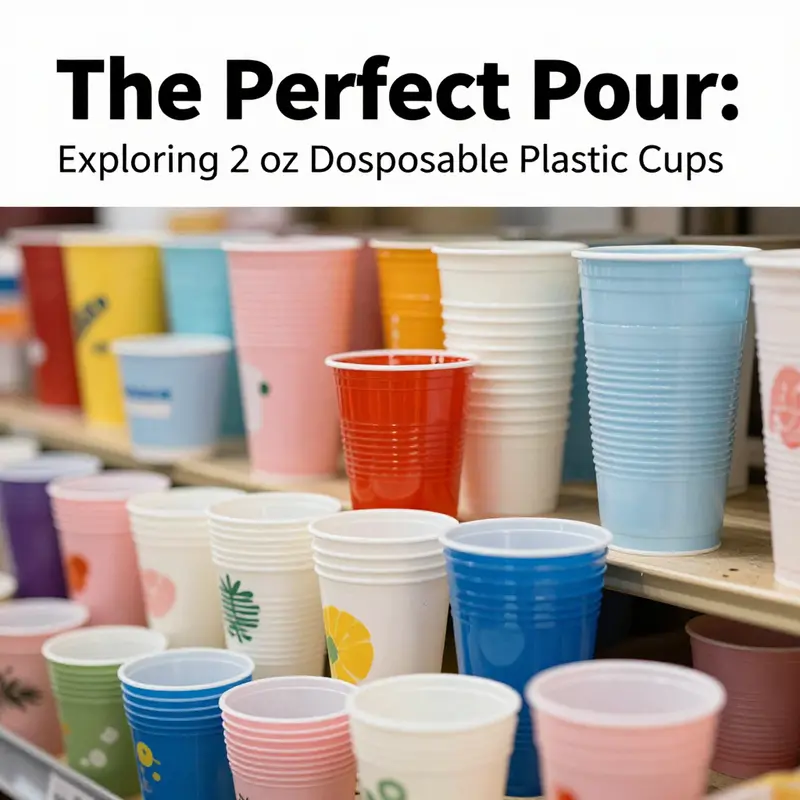
Two ounces may seem small, but the 2 oz disposable plastic cup plays a pivotal role in how samples are presented, portions are controlled, and brands are perceived. In settings from tasting events to quick-service counters, these cups provide clarity, hygiene, and efficiency. The material choice—often polystyrene (PS) for clarity and lightness, or polypropylene (PP) for heat resistance—defines both presentation and performance. PS cups deliver transparency and a crisp feel for cold samples, while PP cups handle warmer contents and hot beverages with greater resilience. Each format supports fast service and uniformity across large venues, but trade-offs exist in color, rigidity, and environmental footprint. With sustainability increasingly guiding procurement, brands are turning to BPA-free, recyclable, or compostable options where feasible, even as end-of-life infrastructure shapes how these choices are valued by consumers.
Beyond material choice, lids and design variations influence usability and brand impact. A compact lid can transform a fragile sample into a portable unit, enabling on-the-go sampling without spills. Customization, from branded cup bodies to decorative lids and color accents, turns a practical tool into a mobile marketing asset, reinforcing brand recognition long after the moment of touch.
From a sourcing perspective, scale drives cost. Large orders can reduce unit price, but buyers must account for freight, storage, and lead times. Consumers also care about safety and environmental claims, so many buyers seek BPA-free compositions, recyclability, and content that aligns with corporate sustainability goals. The market outlook remains positive as food service and retail continue to leverage sampling and promotional strategies; growth is tempered by ongoing attention to material innovation, recycling infrastructure, and regulatory expectations. In short, the 2 oz cup remains the quiet backbone of many tasting and sampling programs, delivering consistent portions, dependable hygiene, and a platform for brands to tell a concise, well-presented story.
Final thoughts
In summary, 2 oz disposable plastic cups serve as a practical solution for various sectors including bubble tea shops, restaurants, and catering services. Their economic benefits, while considering environmental impact, demonstrate the need for thoughtful procurement practices. As consumer preferences evolve, understanding these aspects will empower businesses to make informed decisions that align with sustainability goals while maintaining operational efficiency.