
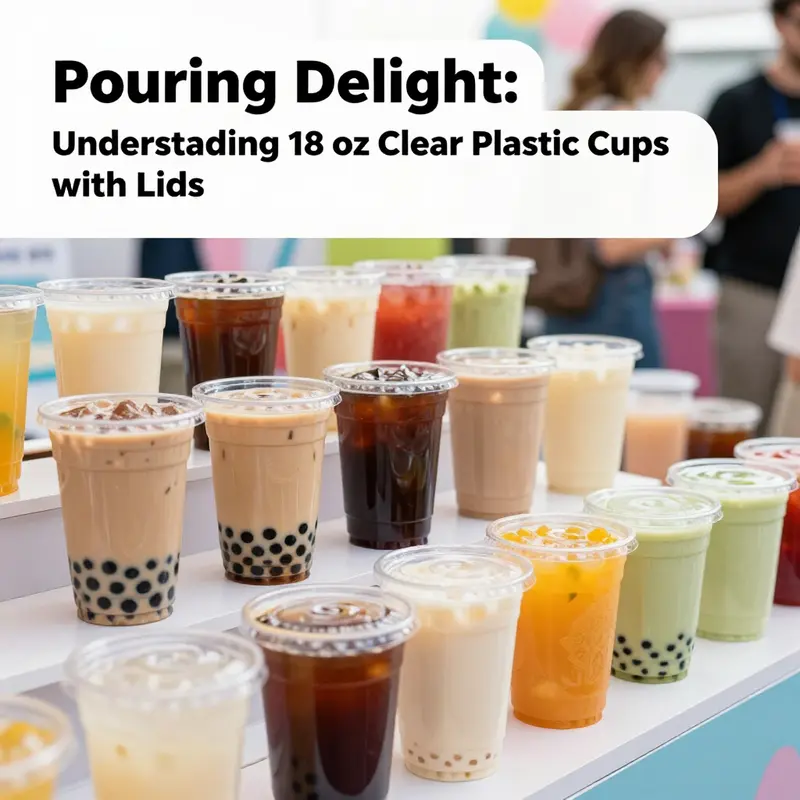
When it comes to serving ice-cold beverages, 18 oz clear plastic cups with lids stand out as the optimal choice for various businesses. Their practical design meets customer needs, making them ideal for bubble tea shops, restaurants, food trucks, and event planning. Not only are these cups durable and visually appealing, but they also offer convenience in both use and disposal. As we delve into the different types and materials available, their numerous applications, and the market trends, this article will equip you with valuable insights to enhance your beverage service.
Clear-Choice Material Matters: Exploring the Types, Traits, and Trade-Offs of 18 oz Clear Cups with Lids
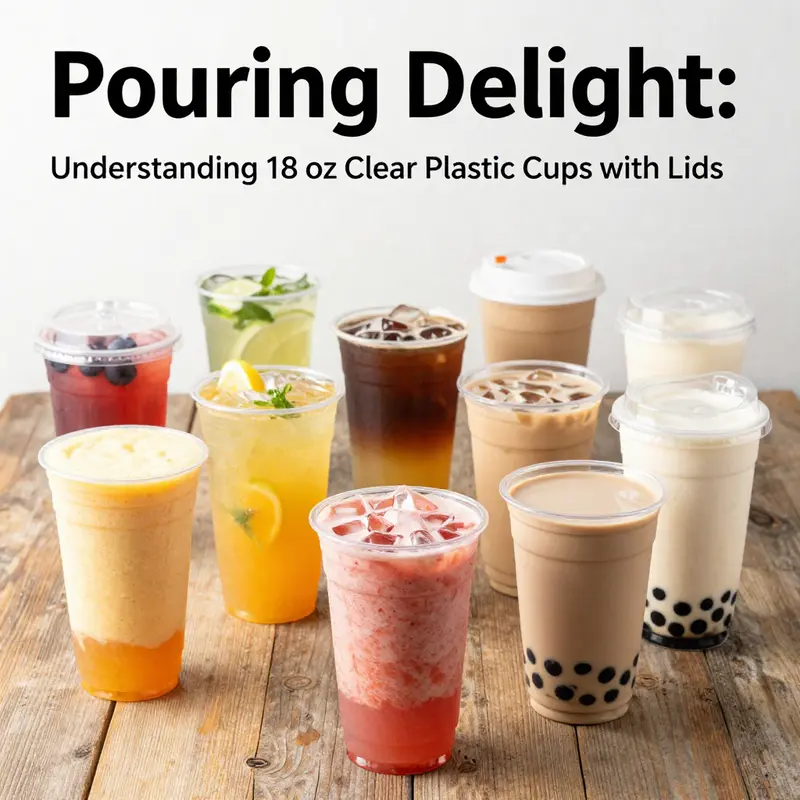
Across modern service spaces—cafés, catering, events, and home gatherings—the 18 oz clear plastic cup with a lid has become more than a convenient vessel. It is a small, portable stage for color, aroma, and momentary spectacle. When a guest peels back the lid or peeks over the rim, the clarity of the cup can enhance the perception of the drink itself, revealing even the most vibrant layers of iced tea, smoothie, or cold brew. The choice of material, the design of the lid, and the way these cups interact with the beverages they cradle can shape everything from user experience to waste streams and even brand storytelling. This chapter traces the terrain of the 18 oz format, focusing on the three primary materials that dominate the market—PET, PP, and PLA—alongside the practical implications of their use, disposal, and the broader environmental context in which they operate. By keeping sight of function, form, and consequence, readers can better align their operational needs with responsible, effective packaging decisions.
First, the allure of PET, or polyethylene terephthalate, rests on a simple but powerful premise: clarity. PET cups offer remarkable visual appeal. The glass-like transparency invites customers to see the beverage, creating a sense of freshness and quality even before the first sip. Beyond aesthetics, PET has a favorable strength-to-weight ratio, enabling light yet sturdy cups that resist cracking under normal handling. This combination makes PET a natural fit for cold beverages that demand a crisp presentation—iced coffees, fruit juices, smoothies, and milk teas that rely on color and layering for appeal. In many markets, PET cups are also recyclable through standard municipal programs, which further strengthens their case for everyday use in events and foodservice settings where volume is high and turnover is rapid.
Yet, PET’s story is not anchored solely in appearance and end-of-life options. Temperature plays a pivotal role in how PET behaves. While PET cups excel with cold beverages, they are not designed for high-heat content. Hot liquids can induce deformation, warping, or shrinkage of the cup and lid combination, which can compromise the seal and lead to leaks. For venues that routinely offer hot drinks—whether hot chocolate, spiced teas, or latte-based beverages—this limitation prompts a closer look at alternative materials or specialized designs that manage heat without sacrificing service speed or leak resistance. In practice, many operators reserve PET for cold servings and pivot to other materials when hot presentation is necessary, a decision that aligns with safety considerations and customer expectations for performance under pressure.
Polypropylene, or PP, introduces a different balance of performance traits. PP cups tend to be more heat resistant than PET, which broadens their suitability to certain hot or near-hot offerings, depending on the specific product and lid system. The heat tolerance of PP makes the cup a versatile candidate for beverage lines that blend cold and warm offerings or require a longer hold time without structural compromise. PP is also known for durability and fatigue resistance; it can withstand repeated handling and less-than-ideal conditions in busy service environments. A common contemporary expectation is that PP cups retain their integrity even when stacked or transported in crowded service settings, reducing the risk of leaks and spills during route-and-serve operations.
In addition to temperature resilience, PP brings a nuanced advantage in terms of printing and branding in many instances. While PET emphasizes crystal clarity, PP’s slightly different optical profile can tolerate certain liner and print schemes that maintain legibility and brand visibility on the cup’s surface. For businesses that want to introduce logo, color blocks, or messaging directly on the cup, PP often accommodates a broader range of labeling and decorative approaches, particularly when prints need to withstand handling and condensation. This aspect—brand communication at the cup level—can be instrumental for businesses that view their disposable serveware as an extension of the brand experience.
Another material that has captured attention for ecological and end-of-life considerations is PLA, or polylactic acid. PLA cups are marketed as compostable or biodegradable under certain industrial conditions, drawing appeal for environmentally conscious operations and customers who value renewable-resource origins. PLA derives from corn or other starch-based feedstocks, which presents an attractive narrative for brands seeking to align with sustainable procurement or green certifications. However, the practical realities of PLA are more complex than the marketing suggests. Not all municipal composting programs accept PLA, and many curbside systems do not differentiate PLA from conventional plastics. In-home composting is rarely an option, and the conditions required for industrial composting—temperature, moisture, pH, and extended residence time—are not universal, which means end-of-life outcomes can be highly variable by region.
For this reason, many users treat PLA as a conscious choice tied to a specific waste stream or program. In settings where industrial composting is available and clearly labeled, PLA cups can be a viable option that aligns with broader sustainability goals. In contexts lacking such infrastructure, PLA’s environmental advantages may be less certain, because the material might end up in a general recycling stream or landfill where it does not break down as intended. This nuance matters for the event organizer weighing a clear, hygienic, and environmentally thoughtful package for beverages, and it underscores a broader point: packaging choices are not only about the material’s properties in-hand but about how the local waste system will handle that material after it has fulfilled its service life.
The lid, too, deserves equal attention. A dome-shaped lid—common with 18 oz cups—serves a practical role by accommodating whipped toppings, ice, and broader beverage profiles that include layered or foamy textures. The lid’s fit is a function of both the cup material and the lid’s design. A well-fitting lid reduces spill risk and preserves temperature for longer, which matters for events with extended service windows or for take-away orders where customers will consume the drink away from the venue. When the lid interacts with condensation, the interplay between surface finish and seal integrity can decide whether a cup slips in a hand or stays secure in a tote or cup holder. In many operations, the decision to favor dome lids over flat-mitted alternatives, or to favor vented options for hot or carbonated beverages, is as critical as choosing the right cup material. The choice shapes not only performance but also the perception of quality—how tidy the beverage looks and how confidently guests can transport it without incident.
Beyond material properties and lid design, the ecosystem around 18 oz clear cups with lids often includes a familiar, practical packaging bundle. A common setup couples 50 cups with 50 lids and sometimes 50 straws, offering a ready-to-serve, precise count that helps with event budgeting and inventory control. For venues that require branding or more elaborate presentation, suppliers can offer bulk options that include customization, from color-matched lids to printed logos or decorative elements. The availability of customizable clear PP, PET, or PLA cups means that businesses can tailor the user experience—from the first glance at the cup to the final sip—without compromising the essential function of containment, visibility, and ease of use.
From a pricing perspective, the economics of material choice depend on order quantity, the chosen material, and any branding or packaging features. Bulk purchases tend to reduce per-unit costs, creating a more favorable margin for events or cafes with steady demand. In highly competitive markets, price per unit can dip considerably as the volume increases, but this must be weighed against the environmental and compliance considerations associated with each material. For instance, the recyclability of PET may translate into lower disposal costs or alignment with municipal recycling programs, whereas the compostability of PLA may unlock opportunities in markets with robust industrial composting networks. The decision matrix becomes a balancing act among cost, performance, customer expectations, and waste management realities.
In practical terms, the choice among PET, PP, and PLA for an 18 oz cup with lid should align with the beverage profile, service context, and end-of-life infrastructure. For cold, color-rich beverages where clarity is a selling point, PET’s optical brilliance and recyclability offer a compelling baseline. For operators who handle a mix of cold and warm beverages, with an emphasis on durability and stacking tolerance, PP can deliver resilience and versatility. For brands focused on renewables and composting programs, PLA can fulfill a sustainability narrative when the local ecosystem supports industrial composting and clear labeling guides customers to proper disposal. Yet, the sustainability story does not end with the cup material alone. It extends to the entire user journey—from the moment the drink is poured to the moment the cup is discarded—and to the ways in which waste streams are sorted and processed in the community where service occurs.
An additional layer of consideration relates to the alignment of the cup system with branding and customer experience. The clarity of the cup can significantly influence the perception of the beverage and the brand itself. A beverage that relies on multi-layered color or a striking gradient can be amplified by the transparency of the cup, turning the cup into a moving advertisement during lines and in social moments. Conversely, if a business prioritizes a uniform, minimalist aesthetic or seeks to emphasize eco-friendly messaging, the choice of a material that supports that narrative—whether through visual minimalism, tactile quality, or the capacity for discreet labeling—becomes part of the overall design language.
When it comes to choosing between the available options, a few practical guidelines help frame the decision. First, assess the beverage profile: is the drink cold for the duration of its journey, or does it require heat tolerance for a portion of service? Second, consider the service context: is the cup likely to be carried in a bag, stacked with other cups, or used in high-traffic lines where spill resistance and lid fit are critical? Third, evaluate the end-of-life opportunity: does the local waste system support recycling of PET or PP? Is there an industrial composting option for PLA? Fourth, reflect on branding and customer communication: will on-cup printing significantly influence recognition or recall, and does the chosen material support your labeling strategy over time? These questions, taken together, illuminate the most suitable material choice for a given operation and help ensure that the practical benefits of a high-clarity cup do not get overshadowed by misaligned waste outcomes or customer misperceptions about sustainability.
From an operator’s perspective, the right cup is not a stand-alone purchase but part of a broader packaging strategy. A cohesive approach considers the availability of compatible lids, the consistency of inventory across shifts, and the ease with which staff can assemble orders under time pressure. The confluence of a clear cup, a snug lid, and an appropriate straw can reduce points of failure—leaks, spills, or misfit components—while maintaining a streamlined service flow. For many teams, the rhythm of service depends as much on the physical fit of cups and lids as on the beverage recipe or the speed of the bar. In this way, material choice becomes both a functional decision and a consumer-facing statement about quality and reliability.
For readers exploring alternatives or complementary options, there is value in acknowledging that the packaging ecosystem offers more than plastic cups alone. Some operators may wish to diversify packaging to align with evolving sustainability goals or to broaden the range of beverages offered. In those cases, exploring related packaging formats—such as paper-based, compostable, or reusable cups—can complement the plastic option and provide a broader menu of choices for different events or markets. The goal is not simply to minimize waste but to optimize the entire experience—from first glance to final disposal—so that the customer journey remains coherent and satisfying regardless of the material chosen. If you’re considering alternatives alongside your 18 oz cups, you can learn more about eco-friendly options such as custom paper cups with lids, which align with broader waste-stream strategies while still delivering a pleasing user experience. eco-friendly custom paper coffee cups with lids
Ultimately, the material conversation around 18 oz clear cups with lids is not about a single best choice but about fit for purpose. It is about how the cup’s clarity, rigidity, heat tolerance, and end-of-life fate come together with lid design, stacking behavior, branding potential, and waste infrastructure. The best decision for one operation may differ from another, depending on beverage lineup, venue type, and community recycling or composting capabilities. What endures across contexts is the central promise of the 18 oz clear cup: a simple, reliable medium that preserves the drink’s appeal while enabling efficient service and a transparent, tangible connection between the beverage and the person who drinks it. As markets continue to evolve, the dialogue around these cups will likely expand to include more nuanced labeling, clearer disposal guidance, and an even more precise alignment between product choice and local waste management practices. For readers who want to explore the broader landscape of beverage packaging and sustainability, a wealth of resources exists that discuss end-of-life options, recyclability, and composting standards, offering guidance for integrating these cups into responsible, customer-focused service. External resource: https://www.epa.gov/recycle
Crystal Clarity, Practical Convenience: The Role of 18 oz Clear Plastic Cups With Lids in Modern Beverage Service
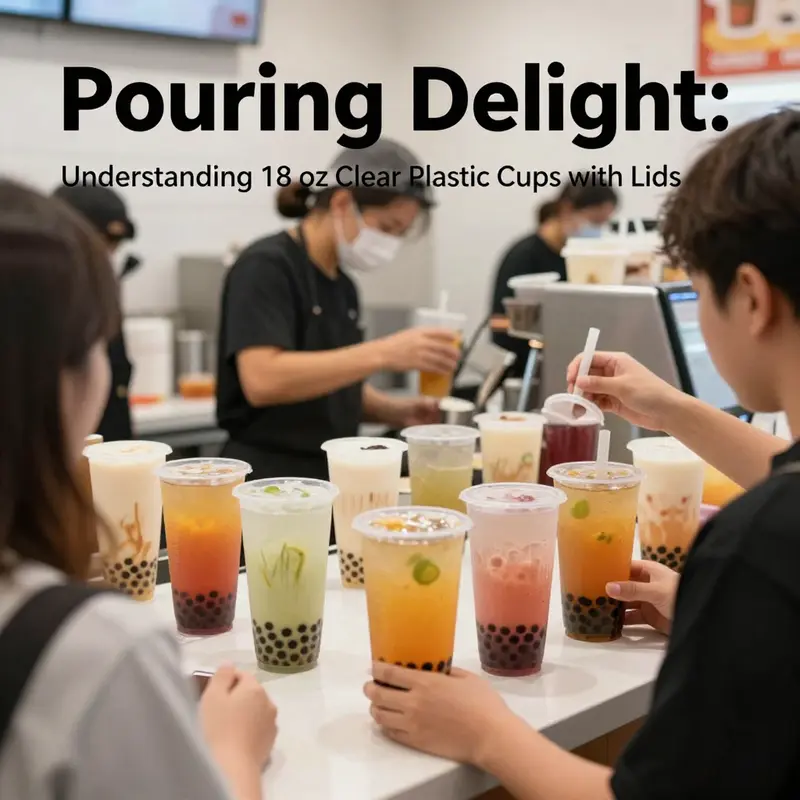
The 18 oz clear plastic cup with a lid sits at a quiet crossroads of aesthetics, practicality, and reliability. It is not merely a disposable vessel; it is a tool that shapes the experience of drinking, serving, and presenting beverages in settings as varied as a neighborhood cafe and a bustling corporate event. The size matters because it matches a broad spectrum of cold drinks without feeling oversized or inadequate. The clarity matters because it turns the act of pouring into a visual statement, letting customers glimpse the color, texture, and layering of ingredients—from the caramel swirls in an iced latte to the frothy brightness of a lemon tinted smoothie. And the lid matters because it preserves the sensory experience while enabling the convenience of takeout, delivery, or self-service stations. When these elements come together in a single product, they create a familiar, dependable user experience that both merchants and customers come to rely on.
From a material science perspective, these cups are commonly fashioned from polymers such as PET, PP, or PLA. PET or polyethylene terephthalate is prized for its high clarity, rigidity, and barrier properties that help keep drinks appearing vibrant from the first sip to the last. PP or polypropylene offers a balance of toughness and pliability that serves well in punchy, ice-filled beverages where a little flex can reduce cracking or leakage. PLA polylactic acid represents an important sustainability thread, presenting a compostable alternative derived from renewable resources. In practice, many manufacturers today use variants like RPET, recycled PET, to close the loop on waste and extend the life of plastics through reuse once a product has fulfilled its service. The result is a family of cups that can be chosen to balance visibility, strength, and environmental considerations, depending on the demands of the operation and the expectations of customers.
The visual appeal cannot be overstated. In beverage-centric venues such as cafes, smoothie bars, or quick-service environments, the ability to view the drink layer by layer enhances the perception of freshness and quality. A well-lit, transparent cup lets coffee crema mingle with milk, fruit puree with ice, or a gradient of tea and syrup. This is not mere decoration; it informs a consumer’s perception of portion size, ingredient integrity, and even sweetness level. The window that the cup provides makes the product feel premium, even when the price point is accessible. In this role, the lid is not just a safety feature but a partner in presentation. A dome lid can preserve the visual stack, while a flat lid can contribute to a neat, stackable lineup on a self-service table. And because the lid seals the cup, it reduces spill risk in busy environments—from a sidewalk cafe during a light drizzle to a crowded event hallway where guests are navigating with plates and bags in hand.
The practical benefits extend beyond aesthetics. For on-the-go consumption, the combination of a transparent body and a secure lid translates into fewer messy incidents and more reliable service. In a setting like a coffee shop, bar, or campus food court, staff can serve quickly with minimal risk of leaks or condensation dripping onto surfaces. For delivery and drive-through scenarios, the seal helps maintain temperature and minimizes spill potential during transit. This reliability translates into tangible outcomes: fewer customer complaints, cleaner workspaces, and a smoother handoff from kitchen to customer. The value proposition for operators is clear: a standardized 18 oz cup with lid streamlines training, boosts consistency across product lines, and supports a predictable packaging ecosystem that simplifies stocking, ordering, and fulfillment.
Beyond beverages, these cups see versatile use in food packaging that goes well beyond the drink. They are well suited for portioned desserts, cold snacks, and even small sampling bites at events or in-store promotions. The clear body again plays a crucial role, allowing customers to gauge portion size and content at a glance. For dessert items like gelato samples or layered puddings, the transparency helps showcase the texture and color, which can be a deciding factor in a customer’s selection. In social or corporate gatherings, cups with lids contribute to hygienic serving and quarantine-friendly handling, a consideration that has grown in importance for event planners and catering teams who must balance guest experience with safety protocols. This adaptability makes the 18 oz format a practical default for caterers who need a single, reliable vessel capable of carrying both drinks and light desserts without requiring a separate line of packaging.
From a business perspective, the ability to source these cups in bulk with matching lids and, in some cases, compatible straws can simplify inventory management for retailers and foodservice operators. A typical kit might include fifty cups, fifty lids, and fifty straws, delivering a compact and easy-to-handle solution that reduces the friction of event planning or daily operations. For merchants seeking differentiation, some vendors offer customization options that allow branding through color-matched lids, printed logos, or even label-ready surfaces. The customization path is often pursued by coffee shops or smoothie brands that want a consistent visual identity across packaging, helping customers recognize the product at a glance in densely packed display cases. For those considering branding, it is worth noting that the aesthetic payoff should align with the brand’s broader packaging strategy. When a company has an established color palette or logo usage across cups, lids, and sleeves, it reinforces recognition and can contribute to a more premium or cohesive shopping experience.
Sustainability remains a central concern for many buyers. While the clear polymer family provides versatility and performance, the environmental footprint of disposable cups remains a talking point in boardrooms and consumer forums alike. The availability of RPET variants demonstrates an industry-wide effort to reduce virgin plastic use by incorporating post-consumer content. Some sustainability-focused options also emphasize end-of-life considerations, offering cups that are recyclable in jurisdictions with appropriate facilities or compostable where industrial composting is available. The conversation around sustainability must be nuanced; it depends on local waste streams, consumer behavior, and the balance between convenience and responsibility. In practice, what matters is offering options that align with a business’s values and customer expectations, then communicating those choices clearly to stakeholders. When customers know their beverages are presented in a container that supports recycling or composting where feasible, it reinforces a brand narrative that values reliability as much as responsibility.
Procurement for these cups tends to be a mix of standard catalog items and bulk orders that travel through international supply chains. For merchants seeking cost-effective solutions at scale, the price landscape can be favorable for large quantities, with unit costs sometimes appearing strikingly low when orders reach tens of thousands of pieces. Yet price is only one piece of the puzzle; compatibility with lids, straws, and branding materials must be considered to maintain a seamless packaging ecosystem. In many cases, suppliers will provide RoHS- and REACH-compliant certifications or similar safety assurances to ensure that products meet international safety and regulatory standards. This is especially important for operators who serve a diverse customer base or who operate across borders, where product compliance can influence market access and consumer trust. The procurement process tends to favor vendors who can offer reliable lead times, robust customer service, and consistent quality across shipments. A well-structured sourcing approach reduces the chance of mismatches between cups and lids, minimizes returns, and contributes to a smoother promotional calendar, especially around peak seasons when beverage consumption spikes.
An important dimension of the sourcing conversation is the potential for bulk customization with branding and logos. For some businesses, the ability to imprint a logo, brand message, or seasonal artwork on the cup or lid adds value beyond the basic utility of the container. Customization can help reinforce brand identity at events and in fast-cade venues where customers notice packaging more than the product by itself. For operations that rely on quick replenishment cycles, a standardization of orders—same cup size, same lid style, consistent straw diameter—can reduce logistical complexity and prevent mix-ups that would otherwise disrupt service flows. In practice, the most effective packaging strategies balance three pillars: performance, presentation, and practicality. A cup must perform reliably under cold beverage conditions, the presentation must invite consumer engagement, and the process of ordering, storing, and using the cups must fit within the business’s operations.
For readers who want a deeper dive into how these cups fit within broader packaging ecosystems, there are extensive resources on sourcing, performance benchmarks, and use-case analyses. A practical way to explore this is to connect with suppliers who can demonstrate the compatibility of the cup with a range of beverage types and lids, and who can provide guidance on selecting materials that align with both cost and sustainability goals. In many markets, there is a growing emphasis on transparent labeling, including material type, whether recycled content is used, and end-of-life guidance. The clearer the information, the easier it is for operators to make decisions that reflect their operational realities while staying true to customer expectations. The result is a packaging solution that is not only functional but also trustworthy, with smooth touchpoints that contribute to consistent quality across every interaction, from the first pour to the last sip.
In closing this exploration of 18 oz clear plastic cups with lids, the narrative is not about a simple disposable product. It is about a packaging option that harmonizes clarity, security, and convenience in a way that supports the cadence of modern foodservice. It speaks to an era when customers expect to see what they drink, when operators seek a reliable workhorse that can scale from a single-counter setup to a multi-site operation, and when sustainability-minded decisions coexist with the realities of busy, demand-driven environments. The cups materials—whether PET, PP, PLA, or recycled-content variants—offer a spectrum of performance characteristics that can be matched to specific beverage profiles, service models, and brand promises. The lids provide security and spill resistance while enabling the convenience of on-the-go consumption. The packaging approach is complemented by the possibility of branding, bulk procurement, and a clear, cohesive supply chain that reduces friction for busy teams. All of these elements come together to shape not only how beverages are served but how customers perceive and engage with the brands offering them.
Clear Access: Availability and Customization of 18 oz Clear Cups with Lids
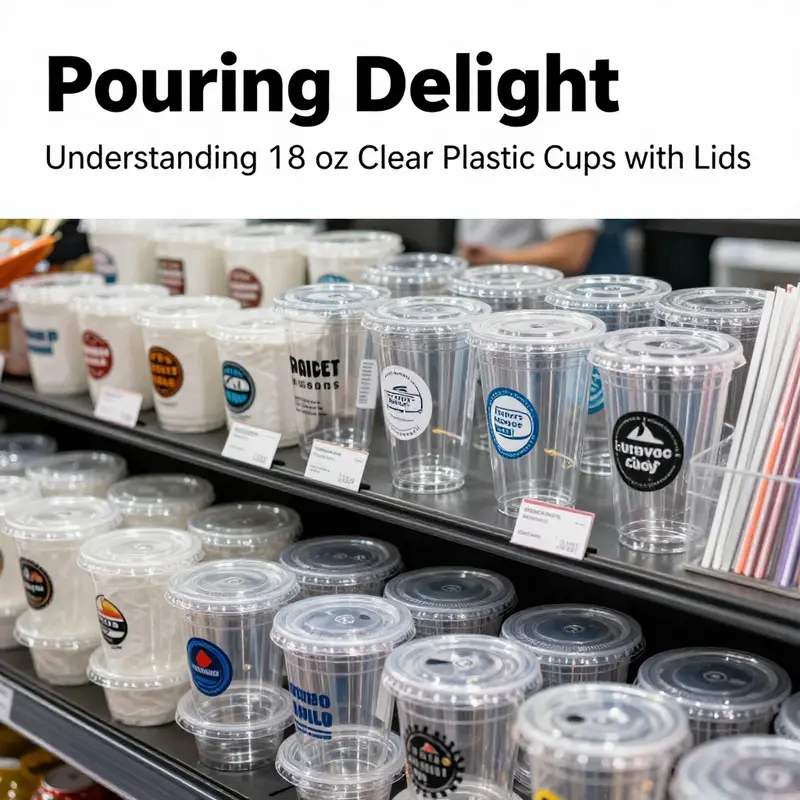
From the first glance, the 18 oz clear plastic cup with a lid is more than a simple drinking vessel. It sits at the intersection of design, logistics, and consumer experience. Clarity of material invites confidence in the beverage inside, whether it’s a bold iced coffee, a layered smoothie, or a color-rich juice. The lid, often understated, acts as a seal against spills and a canvas for branding. Together, they form a compact system that serves social occasions, retail storefronts, and everyday use with a reliability that scale can deliver. Availability and customization are a story of supply chains that move quickly without compromising quality or safety.\n\nThe backbone of availability lies in manufacturing clusters around PET and PP cups. In regions like Fujian, Guangdong, and Jiangxi, suppliers scale production to tens of millions of units in a month. Lead times of 15 to 30 days support seasonal demand and events, making the category accessible to both small buyers and large operators.\n\nThe materials landscape supports customization: PET for clarity, PP for temperature resilience, and PLA for renewable content. Each material has tradeoffs in performance and end-of-life handling, so buyers balance brand requirements with sustainability goals and supply chain realities.\n\nLids and branding options abound: leak-proof lids, strawless sips, domed, or flat designs. Printing and labeling enable consistent branding across channels, aligning with marketing calendars and promotions.\n\nRegulatory and quality considerations are central: FDA food-contact compliance, RoHS and REACH, batch traceability, and quality controls; suppliers provide documentation to support risk management and reliability at scale.\n\nOnline marketplaces and wholesale bundles simplify procurement; long lead times can be minimized by choosing multi-configuration packages designed for coffee shops, events, and franchises with a stable supply chain.\n\nPricing reflects volume and customization; tiered pricing rewards larger orders, while added options for printing and logos add to the total cost of ownership. Sustainable choices influence total cost but can align with brand values.\n\nSustainability narratives drive demand for PET recycling or PLA compostability, with end-of-life pathways increasingly influencing packaging decisions and consumer expectations.\n\nThe takeaway: availability is a strategic capability built on scale, sourcing platforms, and supplier relationships. Buyers should balance volume, branding, regulatory compliance, and environmental commitments to maintain resilience in a dynamic market.
Final thoughts
The 18 oz clear plastic cups with lids represent an essential asset for businesses aiming to offer refreshing beverages in a convenient format. Their variety in materials ensures that there’s a suitable option for every operational requirement, whether it’s enhancing beverage presentation or meeting sustainability goals. As consumer preferences evolve towards quality and eco-conscious choices, investing in these cups could substantially elevate your service standards and customer satisfaction. Understanding their versatility and market availability becomes crucial to cater effectively to your clientele.