
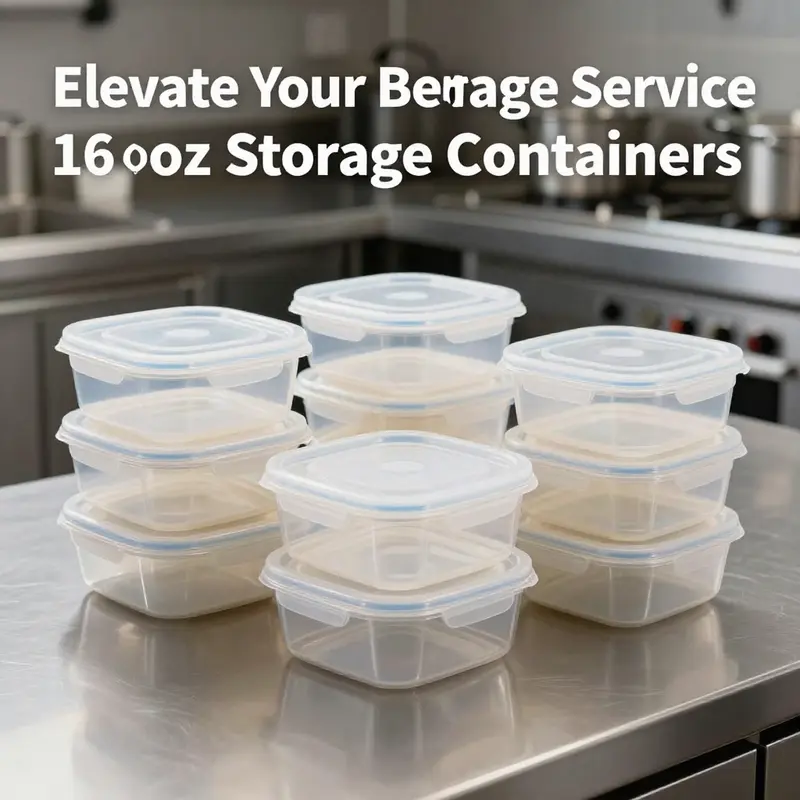
In today’s fast-evolving food and beverage industry, efficient storage solutions are essential. The 16 oz plastic deli food storage containers with airtight lids offer practicality and reliability for bubble tea shops, restaurants, food trucks, catering services, and event planners. These containers maintain food freshness while providing ease of use and organization. This article discusses their design and material specifications, diverse applications, market trends, and adherence to health and safety standards. By exploring these aspects, businesses can better understand how to integrate these containers into their operations for optimal efficiency and satisfaction.
A Trusted Standard: How the 16-Ounce Deli Container with an Airtight Lid Reshapes Everyday Food Storage
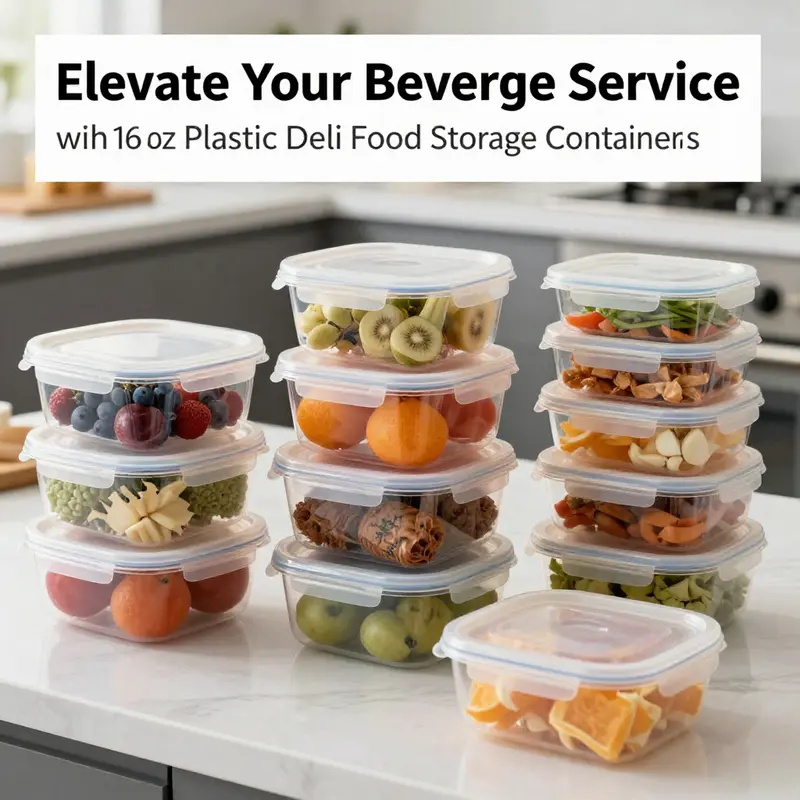
A 16-ounce plastic deli container with an airtight lid sits quietly at the crossroads of daily meal planning and professional service. It is small enough to fit into a lunch bag and sturdy enough to survive the rigors of a kitchen pass-through, a caterer’s mobile delivery, or a home pantry. In many ways, it operates as a quiet workhorse of modern food storage: unobtrusive in appearance, yet essential to keeping flavors forward, textures intact, and orders accurate. The container’s value arises not from novelty but from a careful balance of material science, practical design, and thoughtful use patterns that reduce waste, improve safety, and streamline workflows. When you hold one in your hands, you feel the confidence that comes from a product designed for direct contact with food, engineered to endure a cycle of storage, transport, reheating, and cleaning without compromising the integrity of what it holds. The shape is straightforward, the lid is reliable, and the capacity—16 ounces, or about a half-liter—strikes a practical middle ground between hosting a single meal and accommodating a modest portion for a family dinner. It is in that balance that the container earns its place in both home kitchens and high-volume operations, becoming a standard reference point in conversations about affordable, reusable, and reusable storage solutions.
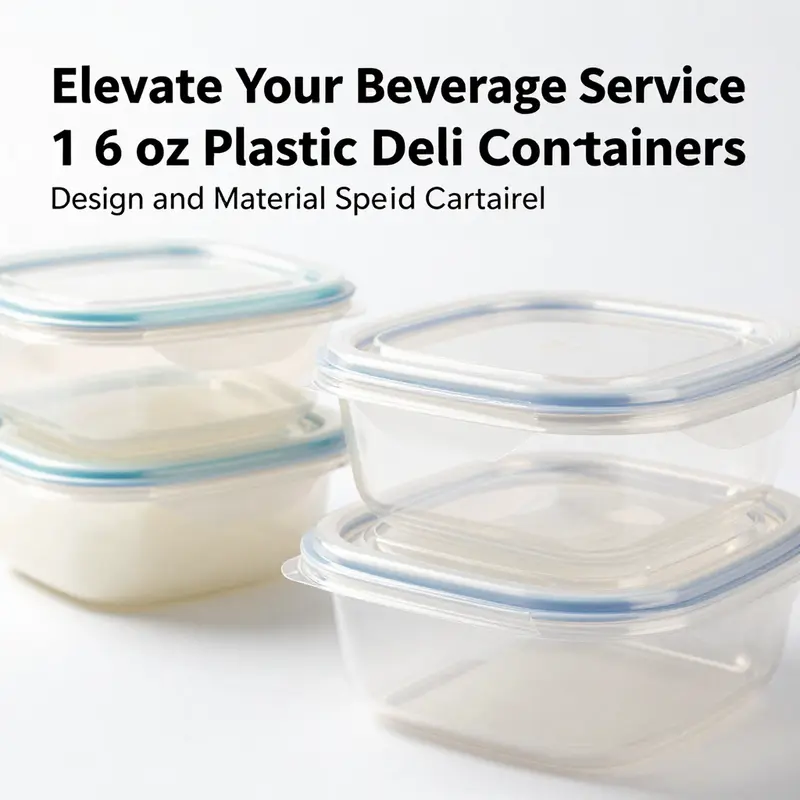
From the outset, material safety frames every attractive feature. The typical construction relies on BPA-free polypropylene (PP), a polymer celebrated for its durability and compatibility with a wide range of temperatures. PP’s chemical stability means it resists warping and cracking when scheme of use includes cold storage, refrigerated display, microwaving after removing the lid, or dishwasher cycles in which the container is cleaned and reused. The BPA-free attribute reduces consumer concern about chemical migration, a topic that has heightened awareness across households and eateries alike. Transparency is another practical advantage: a clear body allows staff to identify contents at a glance, reducing the need to pry open lids and therefore limiting exposure to contaminants. The combination of safety, visibility, and reuse potential helps align the containers with both consumer expectations and modern sustainability goals, even when those goals must balance cost, performance, and convenience.
The lid design is where airtight performance truly shines. A precision-fit top, often paired with a silicone gasket or a tight-sealing mechanism, creates a barrier against air and leaks. This sealing capability is not merely about avoiding spills; it preserves the sensory profile of foods. Liquids—broths, dressings, soups, or marinades—are kept intact during transport, while solid or semi-solid foods—salads, grains, chopped vegetables, or leftovers—stay crisp and interval-free from unwanted moisture ingress. The mechanical action of the lid—whether a twist-lock that clamps down firmly or another form of secure closure—enhances the container’s reliability during bustling service periods and busy commutes. In a deli line or salad bar, that reliability translates into fewer service hiccups, fewer returns due to leaks, and a stronger impression of professionalism.
Design-wise, the rectangular silhouette and uniform dimensions are more than aesthetic preferences. They are deliberate choices aimed at maximizing space efficiency. In refrigerated cases, pantries, and display bays, a neat grid of identical cases encourages orderly stacking, easy inventory checks, and swift rotation of products. When space is at a premium—whether in a compact kitchen, a food truck, or a crowded catering staging area—the ability to nest and stack containers without compromising their integrity becomes a meaningful operational advantage. The 16-ounce size further reinforces this logic by delivering a portable, single-serve portion that can be used for grab-and-go meals, prepped lunches, or sample servings in a retail setting. In practice, this means fewer mismatched sizes on shelves, simpler labeling, and cleaner cold-storage layouts.
Beyond the mechanics of material and shape, the containers embody a broader ethos that links home cooking with commercial efficiency. For home cooks, they support meal prepping, portion control, and organized refrigeration. Leftovers are less likely to be forgotten in the back of the fridge when they’re stored in a container that’s easy to stack, clearly visible, and simple to transport to a desk or a car ride. The ability to reheat food safely under the right conditions—removing the lid, following manufacturer guidance, and using the container within its temperature tolerances—encourages responsible reheating practices rather than careless disposal of reheated meals. For professional kitchens, the same attributes translate into standardized portioning, reduced labeling complexity, and a clean, professional presentation that diners subconsciously associate with quality. When a sandwich shop lines up dozens of these containers in a refrigerated display, the staff experience a rhythm: grab the correct size, confirm the lid is airtight, and move quickly to the next order. When a catering crew stacks them for a family-style setup, the uniformity becomes a silent signal of reliability and care.
The best practices around use are not merely about following instructions; they reflect an understanding of how food moves through a system—from prep station to service area to consumer table. For liquids, it is wise to ensure that the gasket seating is free from debris and that lids lock fully in place before transport. This reduces the risk of spillage on transport routes, in vehicles, or on hands during delivery runs. For dry goods and pre-portioned ingredients, the airtight seal slows the ingress of moisture, limiting clumping in spices, preventing I- changes in texture for grains, and slowing the staling of snacks. The transparency of the container body helps with quick identifications—an important factor in busy lines or meal-prep sessions where time is money. As a result, staff spend less time opening and closing containers to check contents, which decreases the likelihood of contamination through repeated lid handling and reduces the chain-of-custody risk in more regulated environments.
The discussion of safety and efficiency would be incomplete without considering the stewardship aspects—how a single piece of ware fits into broader sustainability and waste-reduction goals. Reusability is a central theme. While some containers are designed for disposable turnover in high-demand contexts, many are intended for repeated use across multiple service cycles. The material’s durability supports washing cycles that are frequent rather than occasional, helping to amortize the initial purchase over more meals and fewer disposable alternatives. When disposal becomes necessary, responsible practices matter: choosing containers manufactured from recyclable materials or designed for end-of-life recycling in appropriate programs can reduce the environmental footprint of a kitchen operation. In small kitchens, diligent reuse reduces plastic waste and helps households keep food costs predictable. In larger operations, it translates into meaningful reductions in waste streams and storage demands.
Quality assurance underpins every dimension of the container’s performance. Reputable suppliers emphasize that the material is food-grade and certified for direct contact with consumables. The combination of PP’s safety profile and careful manufacturing controls provides confidence that, under ordinary use, the container will not impart off-flavors, odors, or unwanted chemical interactions into stored foods. This is particularly important for delicate items—salads with acidic dressings, fruit salsas, or brined components—where even small flavor alterations can affect guest perception. The assurance of temperature versatility also matters. Microwave compatibility allows quick reheating if the lid is removed, while freezer safety preserves the integrity of portions during long-term storage. For operators, these attributes translate into a predictable lifecycle: purchase, storage, transport, reheating, cleaning, and eventual re-use or recycling, all conducted with a consistent standard that clients and customers have come to expect.
In the purchasing ecosystem, the 16-ounce format emerges as a practical compromise. It is not the largest option in a line of deli containers, nor is it the smallest; it is the one that tends to perform well in diverse scenarios. It fits in a standard lunchbox and works in bulk display settings where staff need to present a cohesive, uniform look to customers. It is a size that supports portion-control strategies in meal-prep routines, a consideration increasingly associated with health and wellness efforts as consumers seek predictable nutrition. The availability of bulk packs—common in warehouse-style or restaurant-supply channels—adds a cost-effectiveness dimension that cannot be ignored. For small businesses, the ability to purchase dozens or hundreds of containers in a single order can have a meaningful impact on purchase planning, budgeting, and inventory control. For households, bulk purchases can reduce per-unit costs and simplify shopping routines, provided the containers are stored and organized to minimize loss or damage.
When the conversation broadens to include the packaging ecosystem, it is natural to note how these 16-ounce containers compare with other modalities. The rectangular shape is part of a larger trend toward stackable, space-maximizing packaging that respects the realities of modern kitchens. They are part of a family of storage options that includes various lid mechanisms, gasket materials, and thicknesses, each tuned to different performance regimes. In practice, the choice to use these containers often reflects a balance between performance needs and sustainability priorities. For a broader context, one could explore related packaging formats—such as bulk-ready paper-based bowls or other reusable containers—through the informational lens provided by packaging suppliers who offer bulk options for a variety of food-service settings. In this sense, the 16-ounce plastic deli container is not an isolated artifact; it is a node in a network of storage strategies that support efficiency, safety, and responsible consumption.
For readers who want to see how these containers sit within a larger procurement and design conversation, consider this example from the packaging catalog of a prominent supplier in the wholesale market. The link points to a bulk option that aligns with a common take-out and display philosophy, illustrating how standardized sizes and durable construction can be paired with other packaging formats in a shared ecosystem. This cross-reference helps illuminate how a single item can anchor a broader approach to food presentation and storage, while still remaining distinctly suited to the kind of tasks typical in deli counters, salad bars, and meal-prep routines. The emphasis remains on consistency, safety, and ease of use, with careful attention to how customers perceive cleanliness and order in the display and service environments.
In sum, the 16-ounce plastic deli container with an airtight lid embodies a practical synthesis of material safety, mechanical reliability, and organizational efficiency. It makes the day-to-day work of storing, transporting, and reheating foods more predictable and less error-prone. It supports portion control and reduces waste by enabling precise containment of both liquids and dry goods. It respects the needs of busy kitchens and the expectations of mindful consumers who value transparency and hygiene. It offers a coherent, scalable solution for homes and businesses alike, one that remains relevant as the pressures on food-service operations evolve—whether through peak-service seasons, shifting consumer preferences, or the ongoing push toward more sustainable packaging practices. And because it is designed to be visible and accessible, the container helps keep food at its best in the moments between prep, service, and consumption.
For readers building a sourcing plan or drafting a kitchen standard, a practical tip is to view these containers as part of a modular system rather than a single-use decision. Pair them with appropriate lids, ensure all components are compatible with the washing and reheating routines in your operation, and consider how the 16-ounce format supports your menu, your storage layout, and your delivery workflow. The result is a storage solution that feels almost invisible in use—reliable, clean, and always ready to support the next plate, the next salad, or the next batch of prepared meals.
Internal reference: a useful bulk-pack option within the broader packaging family is available at wholesale-quarter-salad-1100ml-take-out-paper-kraft-bowl, which offers a contrasting style and use case while illustrating how standardized packaging formats can coexist in a single procurement strategy. wholesale-quarter-salad-1100ml-take-out-paper-kraft-bowl.
External resource: for a supplier-facing technical listing that corroborates the material, safety, and performance claims described here, see the official product listing on a major supplier platform: https://www.alibaba.com/product-detail/16oz-food-container-with-airtight-lid_1600738924375.html
null
null
From the Counter to the Cart: Applications and Market Trends for 16 oz Airtight Deli Containers
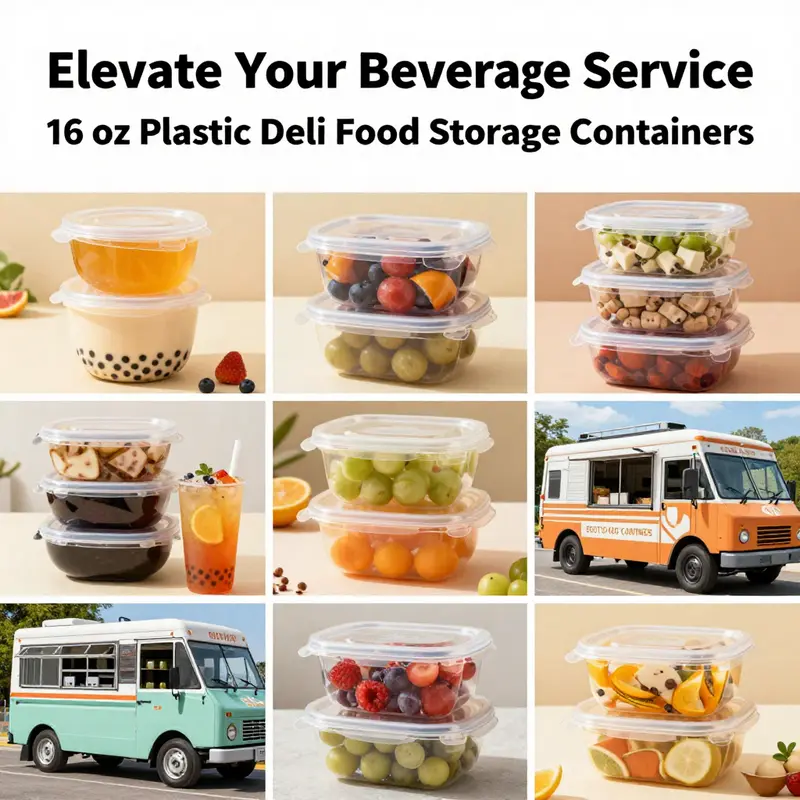
The 16 oz plastic deli food storage container with an airtight lid has earned its place as a true workhorse in the modern food ecosystem. Its value shows up not just in leftover boxes stacked in a fridge or a lunch bag, but in the way it underpins operational efficiency, branding opportunities, and at-scale sustainability considerations. When observed across channels—from bustling cafes to home kitchens, and from bulk retailers to private-label brands—the 16 oz container emerges as a versatile instrument that translates portion control, safety, and visibility into measurable results. Its design speaks to a simple yet powerful premise: you should store, transport, and present food in a way that preserves quality, reduces waste, and makes everyday tasks faster and more predictable. All of this is amplified by the combination of a durable, BPA-free polypropylene body, a reliable airtight lid, and a geometry that accounts for space, stacking, and ease of use in busy environments.
In the realm of food service operations, these containers serve several intertwined roles. They function as vehicles for portion-controlled components—prepped vegetables, dressings, sauces, or ready-to-serve meals—that can move quickly from line to service across a hotel kitchen, cafe, or sandwich shop. The airtight seal, achieved through a secure twist-lock design and a silicone gasket, is not merely a feature; it is a guard against spills during transport and a barrier to air exposure that speeds up spoilage. That combination is especially valuable when items are packed in carryout orders, transported to catering events, or staged for display in grab-and-go formats. The transparent body makes contents instantly legible without unlidding, a small but meaningful efficiency in high-volume settings where time is money and accuracy matters for inventory control.
A close look at the physical design reveals why the 16 oz size has become a de facto standard. The 0.5-liter capacity aligns with common portioning guidelines used by both chefs and dietary planners, offering a balance between portability and practicality. The rectangular or flat-lid form factor is not accidental; it mirrors the geometry of shelves, refrigerators, and display cases in modern operations. Stackability and nestability reduce footprint in cold storage and prep rooms, while the reliable sealing mechanism protects against leaks on crowded delivery routes. For operators who manage cold or hot hold, the fact that many of these containers are microwave-safe, freezer-safe, and dishwasher-safe translates into reduced labor costs and faster turnover times. In practice, a kitchen crew can reheat, portion, and clean with a minimal cognitive load, which translates into more consistent quality and better adherence to food safety protocols.
Home users perceive the same strengths, but through a different lens. Meal prepping has migrated from a trend to a daily routine for many households, driven by health goals, time constraints, and a desire to curb impulse snacking. The 16 oz container is well suited for single-serving meals, whether it is a reheated grain bowl, a layered salad, or a batch of overnight oats. The lid’s gasket and the twist-lock or snap-lid closure provide confidence that the contents will stay intact in a backpack or lunch bag. The transparent walls let a busy shopper identify the contents at a glance, a simple ergonomic benefit that accelerates daily decisions. The containers also fit neatly into cupboards and refrigerators, aligning with the need for compact, modular storage in smaller kitchens where every inch of space matters.
In retail packaging and bulk storage contexts, these containers enable brands and operators to accelerate throughput while maintaining consistent presentation. Delis, salad bars, and bulk-food stores routinely offer items in standardized 16 oz portions that travelers, students, and office workers recognize and trust. The standardized capacity supports predictable yield calculations and pricing across menus and retail shelves, while the clear body and uniform lid color help brands build a consistent display that minimizes the cognitive load on shoppers. The ability to seal tightly reduces cross-contamination risks and helps maintain product integrity even when containers sit in display cases or on conveyor belts during restocking. For businesses that rely on private-label programs, the option to add a logo or silk-screened labeling on the lid or body provides branding opportunities without compromising the container’s functional performance.
Market dynamics around these containers reveal a convergence of sustainability, safety, and customization that reflects broader consumer expectations. First, the emphasis on BPA-free polypropylene reinforces a safety story that consumers increasingly demand for any direct-contact food packaging. Rather than a single material choice, the market now often views packaging through a triad: safety, recyclability, and durability. PP’s resilience, combined with a silicone gasket that maintains an airtight seal, supports long-term use that aligns with waste-reduction goals. The transparency of the container supports visibility of ingredients, which consumers often equate with freshness and quality. In parallel, there is a growing preference for customization—branded packaging, color-coding, and even silk-screened or printed labels that help retailers, caterers, and meal-prep services communicate the provenance, nutritional information, and seasonal offerings of their foods.
The influence of e-commerce and home delivery on packaging choices cannot be overstated. As more households order prepared foods online or purchase bulk items for home use, the demand for packaging that travels well, stores efficiently, and presents well in photos grows. The 16 oz container satisfies these criteria: it is compact enough for individual portions, yet offers enough volume to satisfy a meal, a snack, or a shareable side. Its lid design reduces the risk of leakage during transit, a tangible improvement in customer experience that can translate into repeat business and favorable reviews. At a macro level, suppliers report that the market expects multi-functional, durable, and space-saving designs to continue expanding. The opportunity lies in offering a scalable platform—containers that perform consistently across kitchens, catering fleets, and private-label packaging lines while enabling brands to differentiate through subtle engineering choices and branding options.
From a procurement perspective, the economics of 16 oz deli containers are compelling. Bulk packs—often offered in quantities like 48, 50, or even hundreds of units—simplify ordering for both small businesses and large operations. Price competitiveness matters, and market participants frequently tout per-piece costs that dip below modest thresholds when purchased in bulk. Such pricing enables operators to price competitively, while still maintaining margins. The trade-offs are continually weighed against the container’s lifecycle performance: how many cycles of freezing, reheating, washing, and refilling can the container withstand before replacement becomes more economical than reuse? In practice, the lifespan is extended by the container’s robust polypropylene composition, the precision of tolerances—often around 1.0 mm to maintain a uniform lid-to-body seal—and the gasket’s resilience to repeated heat and cold exposure.
Customization and branding play a growing role in shaping demand. Private-label packaging, for example, leverages the same core container form but differentiates through printed logos, color accents, and adapted lid silhouettes. This trend aligns with the shift toward branded merchandising in takeaway, catering, and grocery-store displays. Suppliers in global networks offer CE-certified, customizable options that help brands build identity and loyalty without changing the fundamental performance characteristics. The practical implication for operators is clear: standardization remains crucial for efficiency, but there is ample room to tailor the packaging experience to the brand story—from the color of the lid to the surface texture of the body and the legibility of printed information.
The design language of these containers continues to evolve toward greater intelligence in the way they interact with users and environments. The interplay of clear bodies and uniform lids creates a predictable, modular system that is easy to stock, transport, and rotate. Precision tolerances, such as 1.0 mm, ensure that lids seat consistently, minimizing the probability of leaks in transit or on crowded prep lines. The axial symmetry and flat-lid geometry maximize compatibility with robotic handling in larger facilities, where automations—whether in labeling, sorting, or stacking—benefit from standardized, uniform parts. In parallel, advances in gasket materials and lid-down sealing strategies promise improved spill resistance and longer shelf life, even when containers are nested among others in cold storage.
Sustainability considerations extend beyond safe materials to lifecycle thinking. Recyclability of the polypropylene body, the potential for reuse across multiple cycles, and the capacity to streamline waste streams in foodservice operations contribute to a broader environmental narrative. The capacity to reuse containers multiple times, combined with efficient cleaning cycles in dishwashers, translates into lower per-use waste and reduced packaging footprints. Operators increasingly seek ways to align their packaging choices with corporate sustainability goals, whether through supplier certifications, traceability of raw materials, or commitments to reduce single-use waste. This alignment matters not only for compliance and risk management but also for brand perception among increasingly eco-conscious customers.
Looking ahead, the market for 16 oz plastic deli containers with airtight lids is likely to continue evolving along several dimensions. First, continued emphasis on safety and material purity will reinforce the preference for BPA-free PP and food-grade additives. Second, the design language will favor enhanced space efficiency and modularity—more elegant stackable configurations, better nestability, and even slimmer profiles that preserve capacity while reducing footprint in tight kitchens. Third, the customization ecosystem will mature, offering more flexible branding suites and faster lead times for private-label programs. Finally, price discipline will remain essential, with suppliers competing on bulk deals and bundled solutions that include labeling, lids, and optional printing services in a single package.
The practical implication for readers who operate in or supply these markets is straightforward. The 16 oz container is more than a container; it is a platform for efficiency, safety, and brand storytelling. Its continued relevance will depend on how well manufacturers and retailers balance core performance with sustainability and customization. For operators who want to align with this trajectory, the most important actions are simple but meaningful: invest in containers with proven airtight seals and durable bodies, prioritize materials that are safe for direct food contact, and consider how branding elements can be integrated without sacrificing function or cost efficiency. In doing so, they harness a packaging solution that not only preserves flavors and textures but also reinforces trust with customers and partners across the supply chain.
For those exploring related packaging ecosystems, see Wholesale Custom Print Kraft Paper Food Storage Salad Noodle Bowl, which illustrates how branding and sustainability intertwine in bulk packaging strategies. This example underscores the broader principle that packaging choices today are as much about storytelling as they are about containment. In the end, the 16 oz deli container proves versatile enough to support that story across settings—from fast-paced kitchens to quiet home meal-prep routines and into the hands of shoppers seeking reliable, attractive, and responsible packaging choices.
External resource: https://www.alibaba.com/product-detail/LIXIN-WH-16oz-Food-Container-BPA-Free_1600592739979.html?spm=a2700.190138.0.0.7a7b5f9eQmBtFw
Guarding Freshness and Compliance: Health and Safety Standards for 16 oz Deli Plastic Containers with Airtight Lids
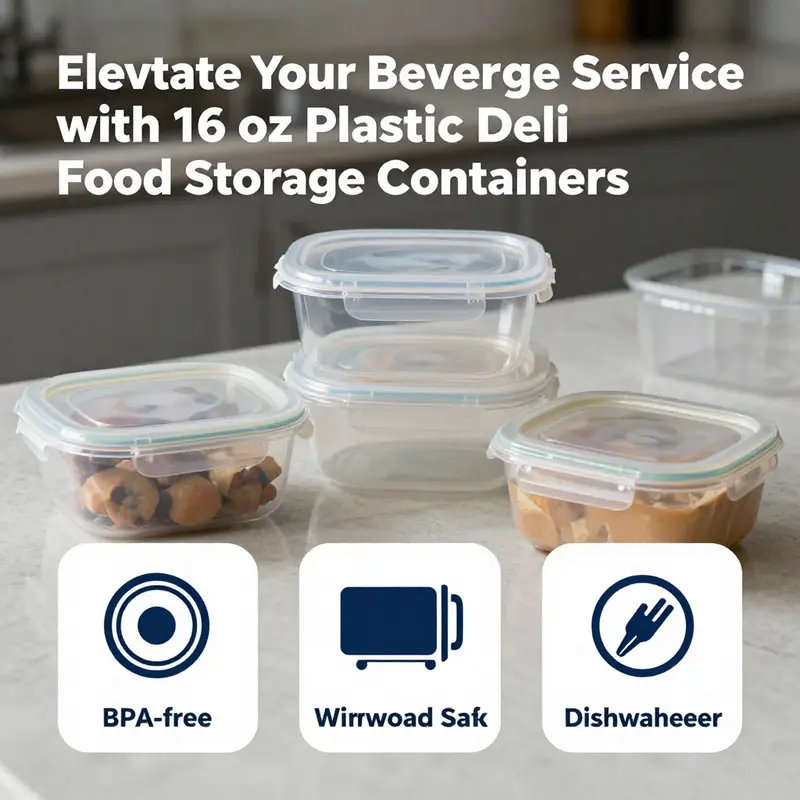
In the fast-paced world of food service and home meal prep, the 16 oz plastic deli container with an airtight lid is more than a simple receptacle. It is a controlled microenvironment that travels from fridge to workstation, protecting flavors, textures, and safety along the way. The best versions of these containers are built around a straightforward promise: keep air out, keep liquids contained, and keep the contents fresh and safe for longer. That promise rests on a foundation of material choices, design details, and rigorous adherence to health and safety standards that govern every stage of a container’s life, from production to use, and ultimately to disposal.
At the heart of health and safety is material safety. The typical workhorse for 16 oz deli containers is BPA-free polypropylene (PP). This choice is not accidental. BPA, or bisphenol A, has raised concerns about potential leaching into foods, particularly when plastics are exposed to heat or fatty substances. Reputable manufacturers now emphasize BPA-free formulations precisely to minimize any risk of chemical transfer. Polypropylene itself is prized for a combination of properties that make it suitable for daily food contact: it resists moisture and oils, remains dimensionally stable through repeated use, and holds up under typical kitchen temperatures. When the material is labeled BPA-free, the risk profile shifts away from BPA-related migration and toward a broader assurance that the packaging is non-toxic and tasteless under normal use. This matters not just for the safety of a single meal but for the confidence of kitchens and households that rely on efficient, repeatable storage.
Yet material safety is only part of the equation. A container’s design must actively prevent contamination and spoilage. The airtight, leak-proof seal is the primary line of defense. The lid design, often featuring a secure locking mechanism and a silicone gasket, creates a sealed environment that slows the ingress of humidity and airborne microbes while limiting the escape of liquids. In practical terms, this means sauces, gravies, or soups can be transported without fear of spills or cross-contamination between compartments or other foods in a cooler or display case. The integrity of that seal is not just about convenience; it is a critical food-safety feature that reduces the risk of spoilage and keeps odors contained, which is particularly important in busy kitchens and on food displays where multiple products share adjacent space.
A container’s safety credentials extend beyond the material and seal to include clear, standardized labeling that communicates its intended use. Food-grade certifications and regulatory compliance signals—often provided by manufacturers and verified by third-party labs—offer a documented assurance that the container is suitable for direct contact with food. For many buyers, these certifications translate into a predictable performance in real-world conditions, whether the container is stored in a refrigerator at near-freezing temperatures, prepped in bulk for a busy shift, or reheated for a quick meal. In practice, these assurances help kitchens manage risk more effectively by aligning procurement with documented safety standards rather than relying on brand perception alone.
Temperature compatibility further underpins safety. The containers described in contemporary research are commonly marketed as microwave-safe, freezer-safe, and dishwasher-safe. Each of these claims comes with important caveats. Microwave safety means the container can be heated in a microwave according to the manufacturer’s guidelines without deforming or releasing substances into the food. Yet even BPA-free plastics can behave differently when subjected to heat, depending on the presence of fats, the duration of heating, and the vessel’s lid state. For this reason, users are advised to follow specific temperature limits and heating methods provided by the manufacturer. In many cases, the recommendation is to vent or remove the lid before microwaving; in others, open, unsealed reheating is suggested to prevent pressure buildup that could compromise the seal. Freezer safety, likewise, implies the material maintains its integrity at low temperatures and does not become brittle, crack, or leak when used for long-term storage. Dishwashing safety—particularly top rack versus lower rack placement, water temperature, and detergents—contributes to hygiene and longevity, ensuring the containers can withstand repeated cycles without emerging compromised.
From a regulatory perspective, what matters most is compliance with food-safety standards recognized internationally and regionally. Suppliers often present certifications that attest to their adherence to these standards, including FDA compliance for materials intended for direct contact with food. While regional regulations vary, the emphasis remains consistent: packaging must be non-toxic, inert under normal use, and free from contaminants that could migrate into food. In the United States, for example, the FDA maintains detailed guidance on food-contact materials that helps manufacturers and users understand what materials are appropriate and under what conditions. The emphasis is not merely on the absence of harmful chemicals, but on a predictable performance profile that minimizes any risk of leaching or interaction with stored foods during typical temperature and handling scenarios. The overarching goal is to support a safe supply chain—from production and packaging to storage, transport, and meal preparation.
In the laboratory of everyday use, real-world performance is shaped by meticulous manufacturing practices. The plastics chosen must meet robust standards, and the lid’s gasket must be precisely dimensioned to create an effective seal. The corners and edges should be rounded to reduce stress points that could crack under cold or hot cycling. The container’s transparency is not decorative; it serves a practical safety function by enabling quick visual checks of contents without opening the lid. In busy service environments, this visibility accelerates safe handling and reduces the risk of cross-contamination that can occur when workers repeatedly open containers to identify contents.
The broader packaging ecosystem also informs safety considerations. In commercial settings—sandwich shops, salad bars, bulk storage facilities, and meal-prep services—a standardized 16 oz capacity serves as a practical balance between portion control, portability, and space efficiency. Stacking and nesting properties improve room efficiency in refrigerators, prep areas, and display cases, reducing clutter while helping staff locate and identify products quickly. The consistency of size across operations simplifies inventory management, reduces the likelihood of mismatched lids and bases, and supports routine cleaning and sanitation protocols. When safety and efficiency cohere in a single product family, operators can align their hygiene standards with their logistical needs, strengthening the overall food-safety culture of the organization.
Compliance documentation remains a touchstone for buyers who operate in regulated environments or who must demonstrate due diligence to customers. In many cases, suppliers provide visible labels of conformity and safety data sheets that describe material compositions, migration test results, and regulatory alignments. For businesses that require ongoing verification, such documentation is not a luxury—it is essential for audits, labeling accuracy, and consistent consumer reassurance. The need for trustworthy documentation becomes even more acute when containers are used to store ready-to-eat meals, allergen-containing foods, or products destined for cold-chain distribution where temperature fluctuations can influence material behavior and safety performance. The confluence of material science, engineering design, and regulatory compliance in these 16 oz deli containers is not incidental; it is a deliberate system built to protect health and enhance food integrity across countless uses.
To illustrate the practical dimension of this framework, consider the broader packaging landscape where bulk and customization converge with safety and branding. In many food-service contexts, bulk procurement of standardized packaging helps ensure consistent safety performance while enabling operators to implement uniform handling practices. For instance, a wholesale offering that emphasizes customized, print-ready packaging for food storage surfaces—such as kraft paper bowls and other paper-based solutions—demonstrates how procurement choices can reflect a brand’s safety and sustainability commitments without sacrificing practicality. A representative option in this spectrum is Wholesale custom print kraft paper food storage salad noodle bowl, which shows how suppliers balance capacity, safety, and branding in a market that values both performance and presentation. This connection between plastic and paper packaging underlines an essential point: regardless of material, the core safety tenets—non-toxicity, stable performance under typical use, and compliance with food-contact regulations—remain constant.
From a consumer and food-service perspective, the practical implications of health and safety standards are about confidence. When a deli container is labeled BPA-free, microwave-safe, freezer-safe, and dishwasher-safe, it communicates a coherent story: safe contact with food, compatibility with common kitchen workflows, and resilience through the life cycle of typical meals—from preparation and storage to reheating and service. This confidence translates into lower risk for cross-contamination, reduced spoilage, and smoother adherence to sanitation protocols. It also informs decisions about inventory management, operational efficiency, and sustainability goals, since durable, reusable containers with reliable sealing properties can reduce waste and mitigate the environmental impact associated with frequent replacements.
Of course, no discussion of safety would be complete without acknowledging the role of ongoing education and vigilance. Even the best containers require correct usage. For example, heating guidelines must account for the presence of fats and oils, which can alter how a polymer interacts with heat. Consumers should be aware that heating in a sealed container is generally discouraged; venting or removing the lid when reheating helps prevent pressure buildup that could compromise the seal or create safety hazards. Cleaning practices matter too. Reputable containers designed for dishwasher use should be placed in appropriate rack positions and cleaned with mild detergents. Abrasive scrubbers, highly alkaline or acidic cleaners, or immersion in hot petroleum-based solvents can degrade gaskets and surfaces, diminishing seal integrity over time. By following manufacturer guidelines, users maximize safety, preserve the container’s protective features, and extend its service life.
The regulatory story behind these containers is not a single chapter but a living framework that evolves with scientific understanding and consumer expectations. The core objective remains identical: provide a reliable barrier between food and potential contaminants, ensure the stability of the packaged product, and support safe handling across the full spectrum of everyday use. This is why certifications, clear labeling, and adherence to established food-contact standards matter—because they give kitchens and households the assurance that their containers will behave as promised when the clock is ticking, whether they are refrigerated, reheated, or stacked in a busy display.
For readers seeking a tangible reminder of where to learn more about the legal and scientific backbone of packaging safety, the story extends beyond the kitchen and into public regulatory guidance. The U.S. FDA’s official guidance on food-contact materials offers detailed information about how manufacturers assess and document safety for plastics and other polymers used in direct contact with food. This resource helps bridge the gap between everyday product use and the larger framework of food safety that governs all aspects of packaging—from raw material selection to migration testing and labeling practices. In practice, this guidance supports a culture of informed procurement and responsible usage that benefits both food businesses and consumers alike.
As with any packaging choice, the ultimate measure of these 16 oz containers with airtight lids is how well they support safe food handling in real-world settings. The combination of BPA-free PP, a robust airtight seal, clear labeling, and validated safety certifications makes them a dependable option for a wide range of applications—from storing leftovers and meal-prepped portions at home to supporting the demands of busy cafés and catered events. When used correctly, these containers help maintain freshness, reduce spoilage, and contribute to a hygienic, efficient workflow. They are not a mere container but a small, well-engineered component of a broader system dedicated to protecting health and delivering quality to the table.
For practitioners seeking a concrete example of how packaging choices intersect with business needs, consider the value of sourcing options that balance cost, safety, and scalability. The ability to buy in bulk without compromising safety standards is particularly meaningful for operations that operate on tight margins or high volume. In addition to safety certifiability, buyers increasingly value packaging that supports sustainability goals, even when the primary function remains safeguarding food. The most robust choices recognize this broader context: they align with food-safety regulations, they deliver reliable performance in diverse environments (refrigeration, freezing, heating), and they simplify operations across the board—from inventory management to sanitation routines. In this sense, the research into health and safety standards is more than a checklist; it is a framework that informs the practical decisions behind every purchase and every reuse cycle.
If a reader is drawn to a packaged solution that embodies these principles, there is a pathway that connects safety-oriented packaging with service-friendly design. One example is Wholesale custom print kraft paper food storage salad noodle bowl, a packaging option that demonstrates how suppliers merge bulk practicality with branding and safety considerations. While it is not the same material as the discussed 16 oz plastic deli containers, the example illustrates how packaging ecosystems must balance protective performance with regulatory compliance, ease of use, and cost-effectiveness. The broader lesson is clear: sound packaging decisions rest on verified safety, thoughtful design, and evidence-based assurances that customers can trust in their daily routines. For readers who want to explore a related packaging option, this reference point offers a starting place to examine how different materials meet common safety standards while serving the needs of diverse food operations.
In sum, the health and safety standards surrounding 16 oz plastic deli containers with airtight lids are not about abstract compliance. They are about material integrity, airtight performance, appropriate heating and cleaning practices, and transparent documentation that confirms safety and regulatory alignment. They empower kitchens and households to manage freshness, maintain hygiene, and control risk without sacrificing convenience. As food systems evolve, these containers stand as a reliable, well-engineered link in the chain that protects both food and people—from the moment leftovers are portioned to the final bite. For those seeking authoritative guidance on food-contact materials, the U.S. FDA’s resources provide a foundational reference that supports ongoing responsible usage and informed decision-making. https://www.fda.gov/food/food-contact-materials
Final thoughts
In summary, 16 oz plastic deli food storage containers with airtight lids provide an effective solution for various food storage needs in the beverage industry, catering, and event planning sectors. Their durable and safe materials ensure the quality and freshness of stored food and beverages, while their versatile design allows for easy stacking and organization. By choosing these containers, businesses can enhance operational efficiency and customer satisfaction. Investing in reliable storage solutions will streamline your processes, ultimately supporting your commitment to quality service.