
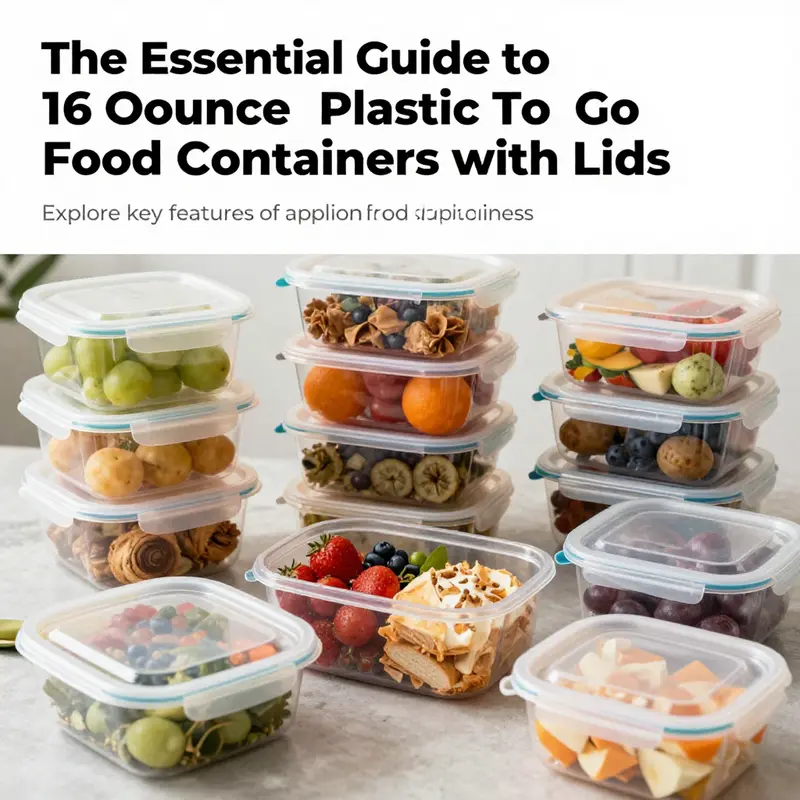
Choosing the right packaging is vital for food service businesses, from bubble tea shops to catering services. Among the many options available, the 16-ounce plastic to-go food container with a lid stands out for its versatility and reliability. In this guide, we will explore the essential characteristics that make these containers indispensable in food service, examine their applications across various industries, and discuss their environmental impact and safety features. By understanding these key elements, businesses can make informed choices that enhance service quality, support their operational needs, and contribute positively to sustainability efforts.
Clear, Secure, and On the Go: The Core Features of 16-Ounce Plastic To-Go Containers with Lids
External resource: https://www.walmart.com/ip/Novelinks-16-Ounce-Plastic-Containers-with-Screw-Lids-Airtight-Clear-20-Pack
Carrying Purpose: How 16-Ounce Plastic To-Go Containers with Lids Drive Efficiency, Safety, and Scale in Modern Foodservice
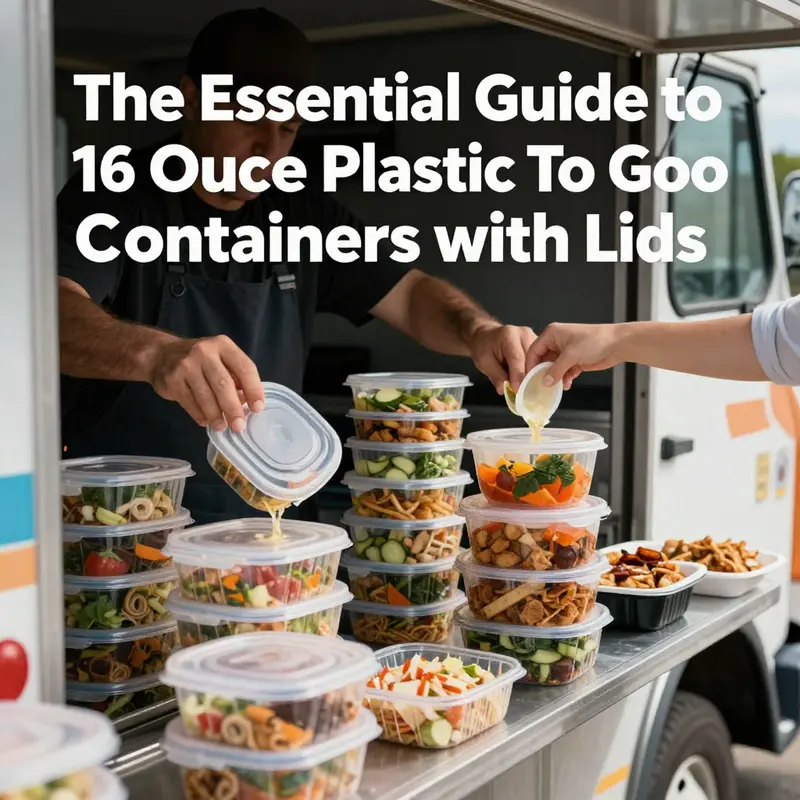
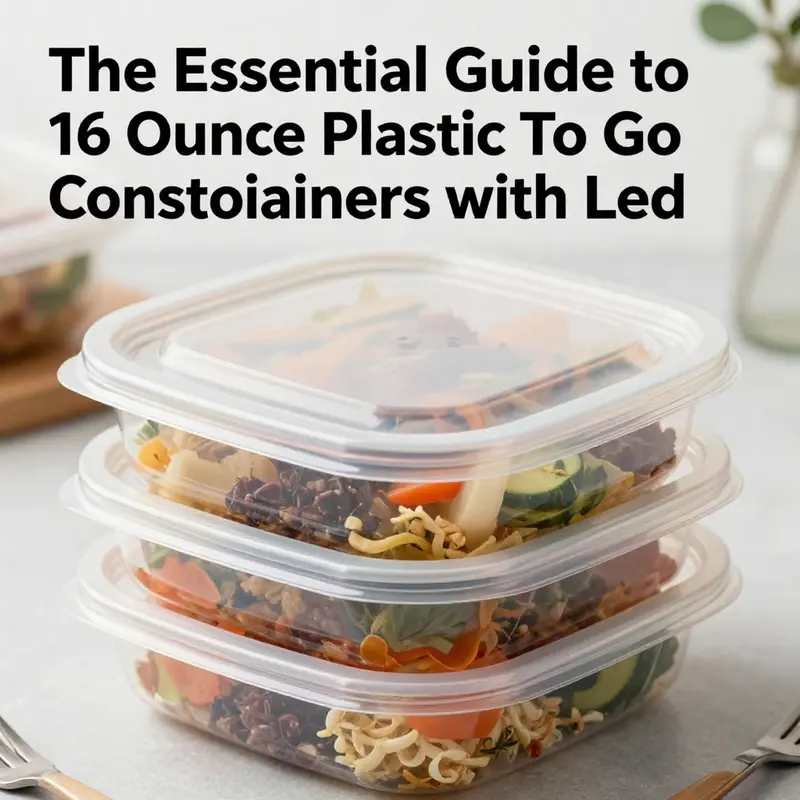
The 16‑ounce plastic to-go container with a lid has become so common in kitchens, counters, and delivery bags that it can feel invisible—yet its design, safety profile, and operational role shape the rhythm of countless food businesses. When a kitchen is preparing meals for takeout, a deli case needs to present items clearly and securely, and a courier must arrive with minimal risk of spills, the 16-ounce container stands as a quiet workhorse. Its capacity—roughly 473 milliliters—strikes a practical balance between portion control and portability. Too small, and it would force awkward, overpacked meals; too large, and it would inflate costs and reduce efficiency. The container’s body is typically clear or ultra-clear, allowing both staff and customers to identify contents at a glance without opening anything. Visibility speeds up assembly lines, aids inventory checks, and reduces the time customers spend at pickup windows. The lid, whether a screw-on or snap-fit design, then seals the deal by creating an airtight barrier that guards freshness and minimizes leaks during transit. In the context of busy takeout and meal-prep operations, that reliability translates directly into fewer complaints, fewer returns, and smoother handoffs between kitchen, courier, and customer.
The material story behind these containers matters as much as their shape. Modern 16-ounce to-go boxes are commonly made from food-grade plastics such as high-density polyethylene (HDPE) or similar BPA-free polymers designed to meet strict safety standards. The emphasis on BPA-free materials reflects a broader shift toward consumer confidence in food packaging, where attention to chemical safety and odor neutrality matters. The choice of material also informs how the container behaves under different conditions. For hot foods, the lid must resist warping, the rim must provide a secure seal, and the container should retain heat without deforming. For cold foods and salads, clarity matters, since customers often inspect the product visually before choosing an option. The combination of a sturdy body with a dependable lid system creates a reliable ecosystem that supports a broad swath of foodservice activities—from meal-prep and bulk storage to casual takeout and deli counter service.**
Beyond safety and practicality, the 16-ounce container is designed for durability in a world defined by fast-paced throughput. In many kitchens, the containers are not just vessels for food but also work surfaces for portion control and labeling. The ability to clearly see a product’s contents reduces the likelihood of incorrect orders, a common friction point in busy operations. The stackable design is another feature that matters. Containers nest within one another when empty, and lids are sized to fit securely yet be easy to remove. This stacking efficiency is a tangible contributor to cooler or pantry organization and, on the logistics side, to packing density in delivery bags and transport coolers. Lightweight by necessity, these containers help minimize shipping costs and, in aggregate, reduce the environmental footprint of daily operations. The blend of lightweight construction, clear visibility, and reliable sealing makes the 16-ounce format a flexible choice for a spectrum of applications—from hot soups and brothy sauces to hearty sandwiches, baked goods, and ready-to-eat meals prepared in advance for the week.**
The versatility of 16-ounce containers extends into the realm of portion control and menu planning. In many foodservice environments, portioning is not just about giving a customer a certain amount of food; it is also about standardizing outputs to maintain consistency and cost control. A 16-ounce package can be calibrated to hold a complete meal with a reasonable tolerance for sides, a small dessert, or a compact combo. This predictability supports inventory planning, price integrity, and waste reduction, all critical metrics in a sector where margins can be tight. The container’s ability to handle a wide range of foods—salads, sandwiches, soups, pasta dishes, stews, and even baked goods—adds another layer of value. It makes the container a reliable canvas for both everyday offerings and promotional bundles, whether a shop is serving a quick-service audience or assembling curated meal kits for delivery. The transparent shell invites familiarity and trust; customers can assess freshness, color, and portion alignment without cracking the lid or unwrapping a package. The lid’s sealing technology, whether a frequent snap-fit or a screw-on closure, further reinforces this trust by keeping contents intact during transport and while waiting in pickup lines or ride-share vehicles.**
From the perspective of safety compliance and regulatory expectations, the material choice and construction methods of 16-ounce to-go containers are designed to mitigate risk. The emphasis on food-grade plastics seeks to minimize the potential for chemical migration, odor absorption, and contamination under typical service conditions. In many markets, manufacturers must demonstrate that the materials meet established standards for direct contact with food, including considerations for heat exposure and potential contact with acidic or fatty foods. While some container guidelines encourage microwave or dishwasher compatibility, operators are advised to follow the brand’s specific usage instructions to avoid compromising the seal or the integrity of the plastic over repeated cycles. For takeout operations, the combination of durable design, cleanability, and predictable performance supports a hygienic workflow that aligns with best practices in food safety. Prepared meals can be warmed, cooled, or stored with confidence, and the container’s consistent performance helps establishments meet audits and consumer expectations that emphasize cleanliness and safety.**
The aesthetic and practical aspects of these containers also intersect with branding and retail display considerations. A clear body gives customers a straightforward view of the product, while the neutral, unbranded exterior can either blend into a minimalist packaging system or be used as a blank canvas for branding elements when a business opts for branded lids or printed labels. Some enterprises lean into customization by choosing shapes beyond the standard round—options like hexagonal or even square variants can reinforce brand identity and retail shelf appeal for events, catering, or high-visibility settings. The capacity of 16 ounces remains stable across these variations, ensuring that the logistical math around portioning, pricing, and inventory management does not become more complex with the introduction of nontraditional shapes. This balance between standardization and customization makes the 16-ounce container a practical choice for businesses seeking a cohesive packaging system that can scale from a single shop to a multi-site operation.**
For businesses exploring more sustainable packaging narratives, the 16-ounce plastic to-go container also sits at an interesting crossroads. On one hand, the durability and reusability that many operators prize can align with a broader operational philosophy that favors waste reduction and efficiency. On the other hand, consumer and regulatory focus increasingly call for recycling or composting options, and many facilities have enhanced recycling streams or compostable alternatives. In this environment, it becomes important to clearly communicate the container’s end-of-life path to customers and staff. Some containers are designed for recycling in compliant facilities, while others join programs that emphasize reuse, remixing, or safer disposal in line with local waste-management practices. Operators who prioritize sustainability often pair these containers with clear guidance for customers about how to recycle or reuse, along with incentives for choosing longer-lasting or reusable options whenever feasible. The dialogue around reuse vs disposal is complex, but the practical reality remains: a 16-ounce container that travels well, stores securely, and preserves food quality is a cornerstone asset in the daily operations of many kitchens.**
In contemporary practice, a single container can play a role beyond the obvious food-transport function. It can serve as a temporary storage medium in the kitchen during food-prep workflows, acting as an interim vessel for pre-portioned ingredients, sauces, or garnishes. It can function as a compact vessel for samples at catering events or pop-up shops, where the ability to show off product integrity in a portable format matters as much as the contents themselves. In classrooms, community kitchens, and event spaces, the same format can accommodate a diverse array of non-food uses, from craft supplies to slime experiments, all while keeping the items contained and portable. This adaptability—coupled with the container’s basic trustworthiness in terms of safety and cleanliness—helps explain its enduring presence across industries. Yet the core value remains linked to the practical realities of the foodservice environment: reliable containment, straightforward handling, and clear visibility that reduces friction at every handoff.**
As these containers continue to support both daily operations and strategic goals, many businesses also seek guidance on selecting packaging that aligns with their broader values and customer expectations. An option that often complements a plastic to-go solution is a disposable kraft paper bowl with a lid. This alternative brand-symbiotic pairing can communicate a different sustainability posture while preserving the essential benefits of a sealed, portable serving. For those curious about how such a pairing could function in a live setting, consider reviewing resources that discuss the feasibility and practicalities of using a disposable kraft paper bowl for food package with lid. The link below points to a resource that explores this option and can offer insights into compatibility with lids, labeling, and consumer perception. disposable kraft paper bowl for food package with lid.
In sum, the 16-ounce plastic to-go container with a lid is more than a simple vessel. It is a strategic component of kitchen logistics, a facilitator of quality and safety, and a flexible platform for branding, operations, and customer experience. Its design—calibrated for a balance of capacity, visibility, seal integrity, and compatibility with a range of foods and environments—underpins the efficiency that drives modern takeout and meal-prep ecosystems. As supply chains evolve, consumer expectations sharpen, and sustainability considerations become more central to decision-making, these containers will continue to adapt, maintaining their core function while expanding the ways they support fast, safe, and satisfying foodservice.
External resource: https://www.amazon.com/dp/B0B5KJY9XZ
Balancing Safety, Sustainability, and Service: The Safety and Environmental Footprint of 16-Ounce Plastic To-Go Containers with Lids
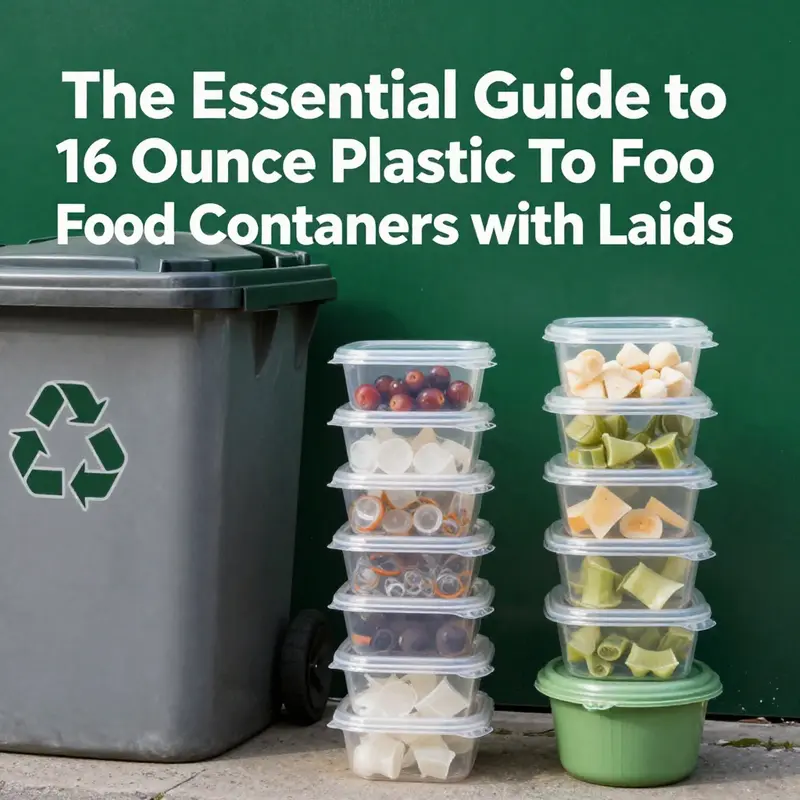
The 16-ounce plastic to-go container with a lid sits at a crossroads where practical demand, food safety, and environmental accountability intersect. On the one hand, these containers offer a lightweight, shatter-resistant, cost-effective solution for takeout, meal prep, deli items, and even multi-use storage in homes and small businesses. On the other hand, their widespread use raises questions about safety assurances for food contact and the broader ecological footprint that accompanies plastic packaging. Reading the landscape of safety and sustainability together helps explain why this simple 16-ounce form factor matters for restaurants, caterers, and households alike, and why more sustainable options are gradually moving from the margins toward everyday practice.
From a safety standpoint, the core appeal of 16-ounce plastic containers lies in resilient, food-grade polymers that resist puncture and leakage while remaining light enough to ship in bulk. The most common materials in this category are polypropylene (PP), polyethylene terephthalate (PETE), and high-density polyethylene (HDPE). Each material brings its own safety profile, compatibility with different kinds of foods, and handling caveats. PP, for example, is widely celebrated for good high-heat tolerance and a relatively favorable safety record in contact with numerous food types. PETE offers excellent clarity and strength, which helps food vendors present meals in an appealing, see-through package. HDPE provides excellent impact resistance and chemical stability, making it a sturdy choice for soups, stews, or liquid-rich items. When these plastics are marketed as BPA-free, they address a consumer concern about potential leaching of bisphenol A, a property that has driven much of the public dialogue around plastic safety in recent decades.
But safety is not a one-note story. The practical reality is that safety depends on several factors beyond the base resin. The presence of an airtight lid, whether it is a screw-on cap or a snap-fit design, plays a crucial role in maintaining freshness and reducing contamination risks during transport. Airtight seals reduce the likelihood that airborne bacteria or cross-contamination from other items in a delivery bag will reach the food. They also help keep soups, sauces, and gravies from sloshing, which lowers the chance of spill-related exposure and makes handling safer for both staff and customers. In addition, the dimensional tolerances of the container and lid—the engineering precision that governs the fit—make a tangible difference in real-world use. A tight seal relies on a consistent wall thickness and a lid lip that seats properly against the container rim. When these details are well controlled, the risk of leaks diminishes sharply, and heat and aroma are better preserved as the package changes hands from kitchen to courier to consumer.
These safety features, however, sit alongside practical cautions. The safe use of plastic food containers hinges on appropriate handling and clear labeling. Microwave safety is often promised for many modern containers, but it is not universal. Some plastics may be microwave-safe under specific conditions, while others may degrade or interact with certain foods if exposed to high heat for extended periods. The guidance commonly emphasizes removing lids when microwaving or microwaving with the lid ajar to allow venting, thereby reducing the risk of pressure buildup or lid distortion. For fatty or highly seasoned foods, migration concerns—though typically low—can be more pronounced at elevated temperatures. Consumers are advised to check for a microwave-safe symbol and to verify that the lid and container materials are compatible with the foods being heated. Dishwashing and reuse present another layer of safety considerations. Repeated cycles can wear seals, impact fit, or slowly degrade the plastic’s integrity, potentially compromising barrier performance. The ideal practice is to follow the manufacturer’s care instructions, which typically align with the material’s properties and the intended use, including loading, cleaning, and drying recommendations.
Beyond the chemistry of the plastics themselves, the broader safety framework includes adherence to food safety regulations and certifications. Reputable manufacturers design containers to meet food contact safety regulations that govern migration limits and permissible materials. This alignment helps ensure that, under normal consumer use, the container will not introduce unsafe substances into food. For businesses, verification of certifications provides a confidence signal to customers that the packaging has been evaluated against recognized safety criteria. In practice, this combination of material choice and validated safety standards becomes a cornerstone of trust for takeout services that must balance speed, reliability, and consumer peace of mind.
If safety forms the bedrock, sustainability forms the roof of the discussion. The environmental footprint of 16-ounce plastic takeout packaging is a function of material choice, manufacturing energy, transport efficiency, end-of-life options, and the practical realities of recycling streams. From a basic material perspective, polypropylene tends to be lighter and has good recyclability in many regions, yet the system’s effectiveness hinges on whether facilities actually collect and process the container as a separate recyclable stream. PETE also offers high recyclability in places with robust recycling infrastructure. HDPE’s durability helps products survive the rigors of transport, but its recyclability benefits depend on local capabilities and market demand for recycled resin.
A common challenge in the sustainability narrative is the mismatch between the container and lid. In many jurisdictions, the container body and the lid may be classified under different resin families or designed with different processing requirements. This misalignment complicates recycling, because curbside facilities often lack the ability to separate mixed-material streams efficiently. As a result, even when a container is technically recyclable, it may not be recycled in a practical sense. The consequence is that a portion of the packaging ends up in landfills or incineration streams, contributing to waste and downstream environmental impacts. The industry has responded in several ways: better design for recyclability, clearer labeling to aid material separation, and the exploration of alternative end-of-life pathways such as mechanical recycling, energy recovery, or compostability in industrial facilities where feasible. Yet the adoption of these paths remains uneven across markets, and consumer participation in recycling programs continues to be a pivotal variable in outcome.
Another sustainability axis concerns reuse and lifecycle thinking. The travel-level efficiency of a 16-ounce container improves when it is reused multiple times rather than disposed of after a single use. In commercial settings, some operators emphasize durable, reusable containers for high-frequency takeout, paired with collection and sanitation systems to support reuse. In many markets, though, the dominant model remains single-use, with emphasis on lightweight design and fast turnover. Even within single-use framing, there is a meaningful difference between a container designed for efficient stacking and shipping, versus one designed with a more robust wall and lid that can extend service life through multiple uses before disposal. In either case, a key lever for industry improvement is clearer, more widely adopted labeling and consumer education about proper disposal. Where recycling is not available, encouraging return or reuse schemes, where practical, can reduce waste without sacrificing the customer experience.
The chapter’s focus on sustainability is not just about recycling numbers and material classes. It also encompasses supply chain realities, including source locations and manufacturing practices. In practice, many packaging solutions are produced in regions with large-scale plastics production and advanced logistics networks. Sourcing decisions influence not only cost and availability but also environmental outcomes, such as energy use, transportation emissions, and the potential for local job creation. A growing portion of manufacturers report shifts toward more sustainable design principles, such as using recycled content, reducing overall plastic weight, and simplifying packaging geometries to minimize waste. These moves respond not only to regulatory or investor pressure but also to a rising consumer demand for packaging that aligns with responsible consumption. The tension remains clear: the need for efficient, safe packaging against the imperative to minimize environmental harm. Bridging that gap requires ongoing innovation in materials science, packaging design, and end-of-life infrastructure.
For businesses exploring options, the decision framework often includes evaluating a mix of performance, cost, and environmental considerations. A few practical steps can help. First, ensure that the container material is clearly labeled as food-grade and BPA-free, and verify that it is compatible with the intended use, including heating, refrigeration, and dishwasher cycles. Second, assess the seal integrity under real-world conditions, such as tip-and-tilt transport, short-term exposure to heat, and containment of liquids. Third, consider the container and lid’s recyclability in the local waste system, including whether the facility can process mixed-material components or whether the lid should be separated prior to recycling. Fourth, explore recyclable or compostable alternatives where available, particularly for operators seeking to reduce waste or to appeal to sustainability-minded customers. Finally, weigh the additional costs and supply chain implications of opting for more sustainable options, recognizing that the fastest-moving operations often require a reliable, scalable packaging supply that does not compromise safety or freshness.
The conversation about 16-ounce plastic to-go containers with lids is also shaped by consumer expectations. Customers appreciate transparent bodies that show the meal inside, clear labeling on heating and safe-use guidance, and seals that prevent leaks during transit. At the same time, many customers are increasingly aware of packaging waste. They often value options that offer clear recycling instructions, information about reusability, and a sense of accountability for packaging choices. In response, some operators pair their standard 16-ounce containers with messaging about responsible disposal, or they promote a mixed-pack approach that includes paper-based or compostable options for certain menu items or events. This alignment of safety, convenience, and environmental responsibility helps build trust and can differentiate a business in a crowded marketplace.
For readers seeking more depth on supplier options and sustainable product lines, one can explore industry resources that connect buyers with certified manufacturers offering eco-conscious packaging solutions. These networks can provide broader context on material choices, certifications, and end-of-life pathways. External resources may also illuminate regional differences in recycling infrastructure and how local policies shape packaging design decisions. In parallel with this broader ecosystem, innovations in material science keep nudging packaging toward improved safety profiles and more responsible environmental footprints. While the status quo of 16-ounce plastic containers remains deeply rooted in practicality, the trajectory toward reusable, biodegradable, or more easily recyclable forms is becoming more clearly charted, even if adoption varies by market and by sector.
In sum, the safety and sustainability of 16-ounce plastic to-go containers with lids are inseparable concerns. The materials underpinning safety—PP, PETE, and HDPE—offer reliable performance when used within their intended guidelines, but real-world use requires vigilance around heating practices, seal integrity, and care instructions. The sustainability narrative, meanwhile, hinges on the container’s end-of-life fate, recyclability, and the broader system that processes or repurposes plastic waste. The most resilient approach blends a proven safety profile with an ongoing commitment to improve recyclability, reduce material weight where feasible, and explore reusable or compostable pathways where appropriate. As manufacturers, distributors, and consumers collaborate more closely, the 16-ounce to-go container can continue to serve the essential function of safe, convenient food transportation while gradually advancing toward lower environmental impact and stronger end-of-life options. For readers curious about adjacent packaging options and broader supply-chain considerations, see the linked resource on kraft-based take-out solutions, which illustrates how alternatives can complement the current plastic-based ecosystem. disposable kraft thick paper cup for hot drinks
External reference: For additional context on supplier options and broader packaging trends, see Alibaba’s supplier listings. https://www.alibaba.com/product-detail/HIPPO-JC-1816-17-Piece-Set-Plastic_1600329435835.html
Final thoughts
Opting for 16-ounce plastic to-go food containers with lids is not just a practical packaging decision; it’s one that can serve to enhance your business operations while supporting sustainability efforts. Their robust design, suitable applications, and focus on safety make them ideal for various food service industries, including restaurants and catering services. Embracing these containers can lead to improved customer satisfaction through reliability and convenience, ensuring your offerings are presented attractively while being mindful of environmental implications.