
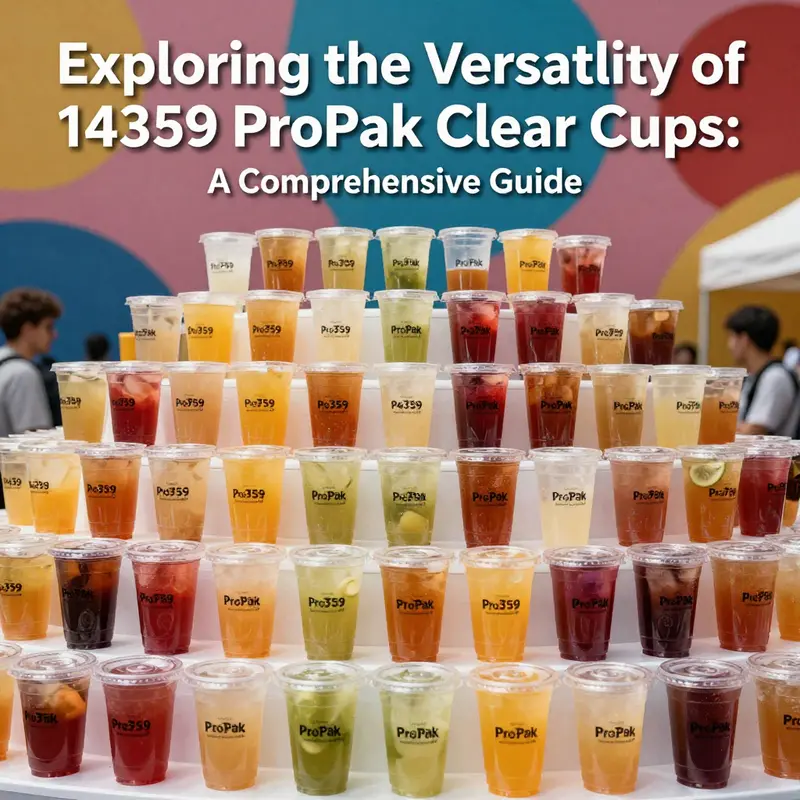
The 14359 ProPak cup plastic polyethylene terephthalate (PET) offers a unique blend of strength and clarity ideal for beverage service, especially in dynamic sectors such as bubble tea shops, restaurants, food trucks, and catering services. Understanding its material properties will help you appreciate its advantages for your beverage offerings. From its optimal use in food service to environmental considerations and market trends, each aspect of the 14359 ProPak cup enhances its appeal. The insights into regulatory compliance will also guide procurement teams in making informed decisions. Get ready to dive into each facet of this versatile cup as we explore how it can elevate your business operations.
null
null
Crystal Clarity at Scale: The 12–14 Ounce 14359 ProPak PET Cup and Its Role in Modern Food Service
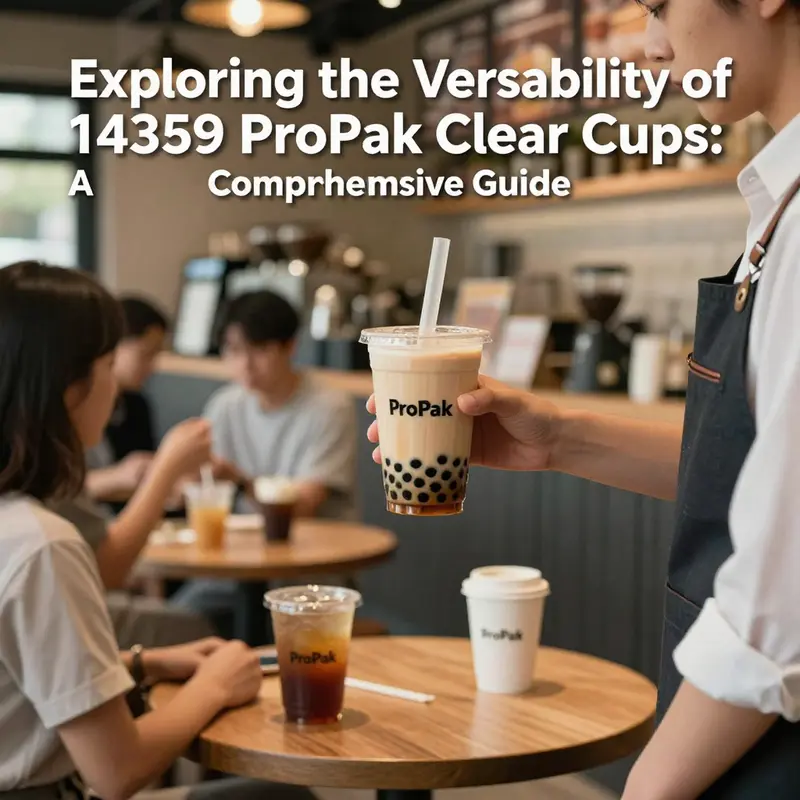
In the world of food service, the small, clear cup that holds a cold drink is more than a container; it is a performance instrument in a fast-paced environment. The 12–14 ounce ProPak PET cup embodies this idea with its crystal-clear appearance, purposeful size, and material chemistry that align with a beverage-focused operation’s needs. The cup’s clarity does more than showcase an appealing beverage; it communicates freshness, purity, and reliability to customers who expect to see every layer of a drink—from a luminous iced tea to a precisely layered lemonade. The transparency of clear PET allows the drink’s color, bubbles, and structure to speak for themselves, which is an important psychological cue in hospitality and quick-service contexts. When a customer can visually confirm a drink’s quality from the outside, trust is reinforced and the ordering experience feels more seamless and satisfying. This is not merely aesthetics; it is a practical advantage that influences perceived value and the speed with which a beverage is accepted and consumed in busy settings.
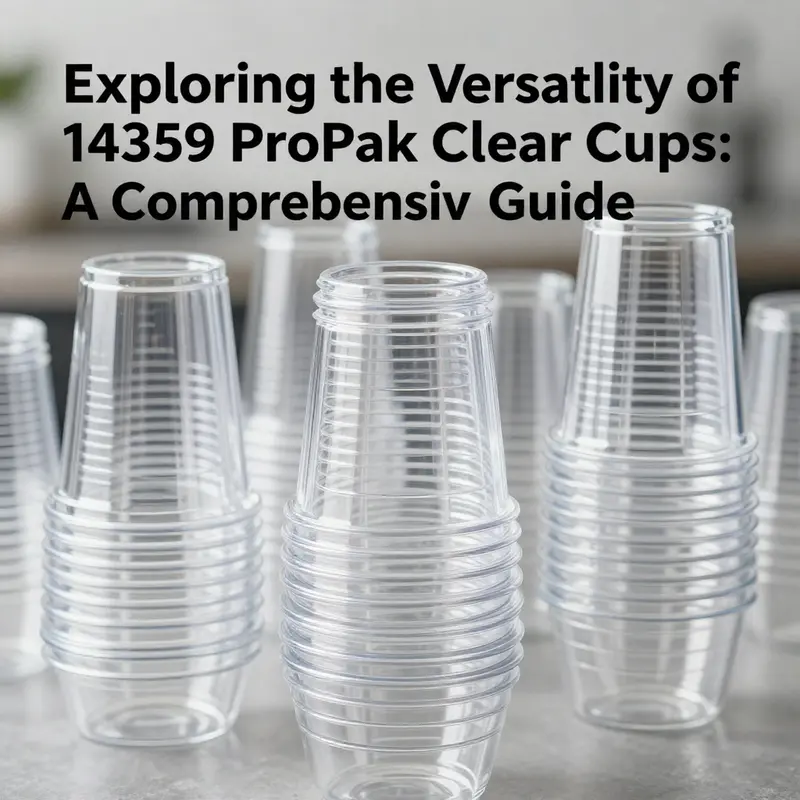
At the core of this cup’s utility is its material: PET, or polyethylene terephthalate. PET is renowned for its high clarity and relatively robust barrier properties, meaning it can preserve the look and feel of cold beverages while offering a dependable level of protection against minor flavor migration and aromas. In a system that prioritizes quick service and high turnover, the ability to serve a range of cold drinks—water, juice, soda, or iced coffee—without compromising the drink’s appearance is a strategic asset. The 12–14 ounce size precisely aligns with common consumer expectations for single-serve servings, providing a familiar volume that supports standard operating procedures across cafeterias, fast-casual eateries, and event catering. The size also flakes smoothly into a high-volume workflow; cups stack efficiently for storage, and their standardized dimensions help streamline inventory planning and line speed.
The practical implications of PET’s properties extend beyond appearance. The cup’s robustness under normal service conditions—strong enough to withstand the mild pressures of cold beverages, carbonation, and the occasional spill—contributes to reliability in service lines that must move quickly. This is especially valuable in venues that serve large crowds, such as festivals, weddings, corporate events, and other mass gatherings. In such environments, a clear, light cup that can be distributed rapidly, without the need for heavy or fragile alternatives, reduces handling time and minimizes the risk of breakage during transport or service. The cup’s relatively low density also translates into manageable weight when multiple units are stacked and moved, letting staff replenish stock with speed and precision.
A key advantage of the PET cup is not only its clarity and strength but also its suitability for branding and presentation. The smooth, transparent surface serves as a canvas for branding messages, logos, and promotional art. Operators can leverage this visual space to display color accents, seasonal graphics, or emblematic branding elements that reinforce a drink’s identity. Although the chapter’s focus is on the functional applications of the 14359 ProPak cup in cold-beverage service, this branding capability should not be underestimated. A well-executed design on a clear cup can heighten recognition, encourage repeat purchases, and contribute to a cohesive customer experience across channels—from dine-in to takeout and catering.
Of course, no packaging choice is complete without attention to sustainability and safety. PET is widely recognized as a food-contact material that meets regulatory standards for direct liquid contact in many jurisdictions. For operators, this translates into a reliable option that aligns with established safety expectations for beverages. In addition to safety, environmental considerations are increasingly pivotal in purchasing decisions. PET cups are recyclable in many municipal programs, aligning with consumer demand for responsible disposal and circular economy practices. This recycling potential complements a broader sustainability strategy and can be leveraged in marketing communications to appeal to eco-conscious customers and partners.
Alongside the benefits, understanding the cup’s limitations helps operators deploy it most effectively. PET’s heat tolerance is lower than that of some alternative materials, so hot liquids are typically discouraged. This makes the 12–14 ounce PET cup an excellent match for cold beverages, iced variants, and drinks served at room temperature, but less suitable for hot coffee or tea, especially when served at high temperatures or for longer hold times. Recognizing this constraint helps front-of-house teams guide customers toward appropriate options and prevents unsatisfactory experiences that can arise from heat-related distortion or discomfort. In practical terms, this means that the cup is well suited for fountain beverages, iced tea, cold brew, smoothies, and other chilled concoctions rather than hot drinks, a distinction that operators can incorporate into menu design and training materials to minimize missteps during peak periods.
Storage and logistics further shape the practical deployment of the 14359 ProPak cup. The cup’s stackable geometry is a boon for warehousing and transportation, enabling operators to optimize shelf space and reduce handling effort. In a busy operation, space-efficient stacking translates into faster restocking, cleaner storage areas, and more agile replenishment during service surges. The ability to transport large quantities with minimal bulk is particularly valuable when catering for events or when restocking multiple service points across a campus or venue. As a result, the cup supports an efficient supply chain that keeps lines moving and reduces the time between product selection and delivery to the customer.
In terms of customer experience, the cup’s transparency also invites opportunities for cross-promotion and product visibility. For instance, a beverage served with a visually appealing layered appearance, such as a gradient cold brew or a vibrant fruit-infused drink, benefits from the clear vessel. The consumer can see precisely what they are purchasing, which adds a level of transparency that compliments the beverage’s presentation. Moreover, the cup’s compatibility with standard lids and seals simplifies the ordering and pickup process, especially for takeout and delivery where securing the drink is essential to avoid leaks and spills during transit. For operators exploring related packaging options, a nearby pathway leads to disposable beverage containers like single-wall paper cups with lids, which can complement PET cups in mixed-use environments. See the option described as disposable single-wall cup with lid in the related product assortment, which offers a different material and aesthetic while preserving the single-serve convenience that customers expect on-the-go. disposable-single-wall-paper-cup-12oz-16oz-kraft-coffee-cup-with-lid
Branding and customization remain important considerations for operators seeking to maximize the commercial value of PET cups. The clear surface can accommodate straightforward print or label applications, enabling logos, slogans, and seasonal artwork to be applied without obstructing the drink’s visual appeal. This flexibility is valuable for promotional campaigns, sponsorship events, or seasonal menu launches where branding consistency across packaging reinforces messaging and creates a memorable user experience. The combination of clarity, standard sizing, and ease of customization supports a coherent packaging strategy that integrates well with other food-service containers—from cold beverage cups to complementary lids and sleeves—creating a unified brand presentation across front-of-house and takeaway channels.
From a systems perspective, the ProPak cup aligns well with the broader goals of efficiency, safety, and customer satisfaction in food service. The clear PET cup offers predictable performance in cold-beverage service and takes its place alongside other packaging options in a restaurant’s repertoire. While not designed for hot liquids, it excels in chilled beverage categories, where glass-like clarity and durable handling contribute to a positive consumer experience. The result is a packaging option that helps operators serve faster, present products more appealingly, and maintain a focus on sustainability through recyclability—an increasingly important factor in public perception and regulatory environments alike.
For researchers and operators comparing packaging pathways, the 14359 ProPak PET cup stands as a representative case of how material choice, capacity, and presentation intersect in practical food-service applications. Its clear visual profile supports product visibility, while its strength and stackability bolster throughput and storage efficiency. The interplay of these features with safety, heat limitations, and recyclability embodies the trade-offs inherent in selecting packaging for cold beverages in fast-paced settings. As beverage programs evolve toward greater customization, sustainability, and efficiency, the PET cup’s role as a reliable, visually engaging vehicle for cold drinks becomes increasingly central to operational success.
External reference: https://www.alibaba.com/product-detail/Disposable-12oz-Clear-PET-Plastic-Cups-for_1600578826392.html?spm=a2700.details.related.2.5a6b6f2eZcWqBx&productId=1600578826392
Clear in Appearance, Questionable in Footprint: Rethinking the Environmental Path of a 12–14 Ounce PET Cup
The clear, crisp profile of a 12–14 ounce cup, commonly made from polyethylene terephthalate, is a familiar fixture in cafés, catering events, and quick-service settings. Its transparency invites trust, its light weight makes handling easy, and its stiffness helps beverages remain unspilled as people move through crowds. But beneath that glassy surface lies a deeper, less obvious calculus about where such cups come from, how they travel through the economy, and where they finally end up. PET’s virtues—clarity, recyclability in principle, and robust barrier properties that preserve taste and temperature—have helped it become a mainstay of single‑use packaging for cold drinks. Yet the practical reality of recycling and waste management has not kept pace with production, and the environmental footprint of a single-use PET cup is more a story of lifecycle choices than of material capability alone. In this light, the cup’s journey from raw feedstock to end-of-life disposal becomes a narrative about energy use, resource extraction, emissions, and the social systems that either close or break the loop.
First, consider the material’s inherent strengths and their environmental implications. PET is a thermoplastic that is lightweight, clear, and relatively durable. These traits make it ideal for showing beverages attractively while protecting contents during handling and transport. When the cup is discarded, the material is theoretically recyclable, typically identified by the resin code commonly associated with PET. In practice, however, recycling rates for PET containers—and rigid cups in particular—vary widely by region, collection systems, contamination levels, and end markets. Even where recycling streams exist, the path from curbside or front-of-house recovery to reprocessing and reincorporation into new products involves multiple stages, each with its own energy demands and emissions. The U.S. EPA and other environmental reporting underscore a sobering reality: recycling rates for PET bottles hover around a fraction of total production, with rigid packaging often facing lower recovery due to collection gaps and contamination. The result is a substantial portion of PET cups ending up in landfills or as litter, where they persist for centuries and gradually fragment into smaller pieces that complicate recovery at later stages.
That long persistence is closely tied to the single-use design philosophy that has come to dominate many beverage-serving contexts. Even when recycling streams function effectively, the energy and resources required to collect, transport, sort, wash, and reprocess PET material accumulate across the life cycle. In practice, the environmental burden is not only about what the cup is made of but about how society handles the product after use. The production side depends on fossil fuels, contributing to greenhouse gas emissions and resource depletion. The use phase is comparatively benign for a single cup, but the aggregate impact of millions of single-use cups—across millions of events, venues, and daily rituals— compounds quickly. A rising chorus of industry and policy voices argues that the most powerful environmental lever is to reduce the overall demand for single-use packaging, or to replace it with options that can be reused or more readily composted within existing waste-management infrastructure.
In this context, sustainable alternatives emerge not as a single miracle solution but as a portfolio of strategies. Reusable cups—made from durable materials such as stainless steel, glass, or sturdy BPA-free plastics—offer a straightforward path to reducing single-use volumes. Their environmental advantage grows the more consistently they are used, washed, and reused, distributing manufacturing impacts over many service cycles. Yet reusability hinges on operational realities: customers must embrace the habit of bringing a cup, staff must manage washing cycles efficiently, and facilities must provide reliable cleaning and sanitization. When these conditions align, the ecological payoff can be substantial. On the other side of the spectrum lie compostable options, often rooted in plant-based materials like polylactic acid (PLA) or other soils-oriented fibers. These alternatives promise a different end-of-life story, one that relies on industrial composting facilities rather than landfilling. Their efficacy, though, is not universal. The environmental benefit depends on whether disposal infrastructures exist to accommodate industrial composting and whether the composted material can be integrated into productive soil improvements rather than ending in lower-tier waste streams. In practice, the success of compostable cups remains highly contingent on the completeness of the disposal chain and consumer behavior that ensures proper sorting and facility accessibility.
In weighing the environmental footprint of a single-use PET cup, it helps to adopt a life-cycle thinking approach. The cradle-grace of PET begins with feedstock extraction and resin manufacture, where energy intensity and emissions set the baseline. Then come the manufacturing steps—molding, quality control, and packaging workflows—that contribute to the cup’s embodied energy. Transportation adds another layer, as raw materials and finished cups move through global or regional supply chains. Use-phase considerations for a cold beverage cup are relatively modest, but the end-of-life phase becomes decisive. If the material circulates back into high-value applications, the environmental burden can be mitigated; if it exits into landfill, the long residence time and potential for environmental leakage accentuate negative externalities. The optimization problem is thus not only about material choice but about the integrity of waste-management systems, consumer participation in recycling, and corporate commitments to circularity.
What, then, does a responsible approach look like in practice? It begins with clarity about the trade-offs and the recognition that no single solution solves the entire problem. Businesses can minimize environmental impact by adopting a hierarchy of measures: first, reduce overall consumption by encouraging larger-use cups that are repeatedly reused across multiple service cycles; second, improve the efficiency of the supply chain to lower the energy intensity of cup production; third, prioritize end-of-life options that maximize recovery—whether through robust bottle-to-product recycling streams or through accessible composting where viable. For beverage service operators, this may translate into offering a mix of options that align with local infrastructure and consumer expectations, while communicating transparently about composting or recycling capabilities and the importance of proper disposal. Consumers, for their part, carry agency in their choices and behaviors. Bringing a reusable cup to events or cafés, supporting venues that implement clear recycling or composting protocols, and choosing products with transparent environmental credentials all contribute to a broader cultural shift toward more sustainable consumption.
A practical aspect of this discussion is the availability of alternatives that can fit a similar logistical footprint while delivering improved environmental outcomes. The choice of packaging is not made in isolation; it interacts with event design, food-service operations, and regional waste-management realities. For those who must continue to rely on single-use cups, advocacy for better collection systems, standardized labeling, and convenient sorting can help close the loop. It is also worth noting that ongoing innovations in materials science hold promise for future improvements. Polymers derived from bio-based sources, enhanced recyclability, and even hybrid designs that optimize barrier properties while easing end-of-life processing are all on the horizon. Such advances reinforce the principle that sustainable packaging is not a fixed state but an evolving dialogue among manufacturers, waste collectors, policymakers, and end users.
For readers seeking concrete pathways to reduce the environmental footprint of beverage cups, one practical step is to explore and adopt alternatives that align with local waste infrastructure. As a tangible example in the broader ecosystem of eco-friendly packaging options, there are disposable, eco-friendly custom paper coffee cups with lids designed to support recycling or composting streams while preserving user experience and performance. These options illustrate how design choices can influence end-of-life outcomes and can be discussed with suppliers and venue managers to determine what makes the most sense in a given jurisdiction. eco-friendly custom paper cups with lid becomes a touchpoint for conversation about how to translate recycling or composting capabilities into practical, everyday use. It is not about rejecting PET cups outright, but about acknowledging that the optimal configuration depends on local systems and that a portfolio approach—combining reuse, recycling, and, where feasible, compostable alternatives—offers the best chance of meaningful environmental improvements.
Ultimately, the environmental story of a 12–14 ounce PET cup is a reminder that appearance and utility do not automatically equate to sustainability. The material’s clarity and lightweight durability are assets, but they are not ends in themselves. The key lies in how society collects, treats, and reintegrates the material after it serves its immediate purpose. Policymakers, manufacturers, retailers, and consumers each contribute to the system’s resilience by embracing strategies that extend the usable life of packaging, by investing in infrastructure that makes recycling and composting viable options, and by cultivating consumer habits that support responsible disposal. In this sense, the PET cup becomes not just a disposable object but a unit of environmental accountability—an everyday reminder that the true cost of convenience is measured not in cents but in the health of the ecosystems that sustain us. For those who want to dig deeper into the broader landscape of plastics, recycling, and environmental impact, the U.S. EPA’s plastics resource offers a rigorous overview of current knowledge, challenges, and policy directions at https://www.epa.gov/plastics.
Clear, Cost-Competitive, and Conscious: The Story of the 12–14 Ounce PET Cup in a Sustainability-Driven Market
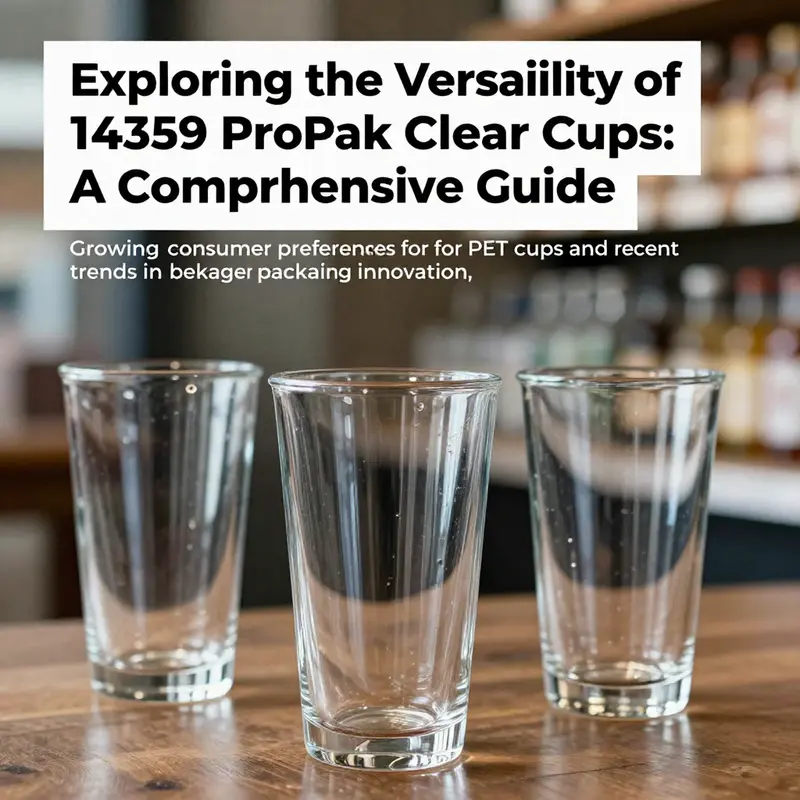
The appeal of a 12–14 ounce PET cup in the beverage service world rests on a simple combination: clarity, reliability, and cost, all wrapped in a package that feels nearly invisible to the consumer yet plays a decisive role in brand perception. Clear PET cups showcase the color and texture of a drink—from a ruby juice to a pale tea—and that transparency helps drive consumer confidence. At the same time, these cups are light and durable, resisting shattering in busy service environments and stacking neatly for efficient storage. Yet the market backdrop against which these cups compete is shifting rapidly. Regulators and consumers alike are increasingly attentive to the life cycle of disposable containers, especially plastic ones. The implications are not confined to the lab or the shop floor; they ripple through sourcing decisions, branding strategies, and the economics of high-volume beverage operations. The confluence of performance expectations and sustainability concerns has made the PET cup story much more nuanced than its familiar, straightforward appearance suggests. A closer look reveals how colorless clarity persists as a core strength, even as the material landscape evolves toward greener options and certified alternatives that claim to balance performance with responsibility.
The sustainability narrative surrounding a 12–14 ounce clear PET cup is not merely about recycling a bottle after use. It starts with the comparative strengths of PET versus other plastics and moves toward where the market is heading. PET is widely recognized for its recyclability, a feature that many buyers expect to be part of their sustainability disclosure. In practice, however, recycling reliability depends on local curbside programs, contamination controls, and downstream markets for rPET (recycled PET). Given these real-world variables, brands increasingly look beyond recycling alone to other avenues of environmental stewardship. One such avenue is the growth of certified compostable or biodegradable options, such as cups made from polylactic acid (PLA) or similar bio-based polymers. These options are often marketed with certifications that signal adherence to recognized standards, such as BPI certification for compostability, and they are emphasized in product listings as eco-friendly alternatives alongside traditional PET. The market’s attention to certifications has become a practical signal for buyers who want to mitigate risk in procurement and to assure end customers that the packaging aligns with stated environmental goals.
In the broader market, product certifications matter not only for compostable materials but also for the quality systems that supply these cups. Suppliers frequently highlight FDA compliance for food-contact materials, plus ISO 9001 quality management and EU standards, as indicators that a product meets strict safety and process controls. These certifications are especially relevant for operators who manage high volumes with diverse product lines, from smoothies and cold brews to freshly poured soups. The presence of such certifications in supplier listings signals that the market is maturing: it is not enough to offer a clear plastic cup; one must also demonstrate reliable production practices and traceable material safety. As a result, buyers gain greater confidence when selecting a source that can back claims of performance, safety, and consistency with documented processes.
Pricing dynamics in this segment remain surprisingly favorable for large-quantity purchases. Market data points to unit costs in the vicinity of fractions of a cent per piece when orders scale into tens of thousands of units. A price point like 0.025 USD per unit for large bulk orders illustrates how PET cups can continue to serve high-volume operators—think beverage chains, event organizers, and large cafes—without sacrificing the financial incentive that drives frequent reordering. This affordability helps PET cups maintain competitiveness even as alternative materials gain attention for environmental reasons. The challenge, of course, is to balance the allure of low unit costs with the strategic move toward more sustainable packaging. In practice, savvy buyers often adopt a hybrid approach: maintain PET for core-day operations where the performance and cost balance is strongest, while trialing certified compostable lines for special events, limited-time menus, or brand campaigns that seek to highlight a sustainability story.
Branding and customization remain central to the PET cup narrative, particularly in markets where beverage categories are crowded and consumer attention is scarce. The ability to customize—through flexo printing with multiple colors and variable branding—allows operators to transform a disposable cup into a portable billboard. The logistics of customization matter as well: low minimum order quantities (MOQs) and flexible print runs enable emerging brands, especially in the boba tea, juice, and smoothie ecosystems, to roll out branded packaging without risking large sunk costs. The 12–14 ounce format is especially versatile; it accommodates cold beverages like iced teas and fruit drinks, as well as house-made smoothies, while still being light enough for fast service and cost-effective transport. In many shops, the cup becomes part of the brand’s visual identity, reinforcing color schemes, logos, and messaging that customers associate with quality and reliability.
A nuanced dynamic underpins the broader story: while some suppliers explicitly offer PP (polypropylene) cups as a direct alternative or complement, the core topic here remains PET due to its acknowledged clarity and barrier properties. The market’s interest in PET is sustained by perceptions of cleanliness and recyclability, even as some buyers diversify their portfolios with PLA-based or other bio-based cups to align with sustainability narratives. In practice, savvy buyers treat material choice as a spectrum rather than a binary decision. They weigh performance, consumer expectations, environmental impact, regulatory trends, and total cost of ownership. The 12–14 ounce PET cup thus sits at a critical junction where demand for high clarity, predictable performance, and cost certainty intersects with an ever-expanding range of environmentally conscious options.
For brands seeking to weave sustainability into their packaging story without sacrificing the recognizable benefits of PET clarity and reliability, there is a growing ecosystem of greener design and branding opportunities. These are not merely about substitute materials but about responsibly designed packaging systems that can be harmonized with existing production lines. In practical terms, this means exploring certified compostable or biodegradable lines as complementary offerings in event-grade packaging, pop-up venues, or seasonal campaigns where environmental messaging carries extra weight. The market is increasingly forgiving of experimentation when it is transparently communicated and backed by credible third-party certifications. Consumers in many segments are willing to accept a slightly different experience if the packaging aligns with stated environmental values, provided the performance and price remain solid.
As this chapter threads together performance, sustainability, and branding, it is worth noting a relevant sector example that reflects consumer and business expectations without locking buyers into a single material narrative. A credible source within the industry emphasizes the growing presence of eco-friendly, branded cup options that carry clear sustainability claims while preserving the essential visibility of beverages. These arrangements illustrate how packaging ecosystems are expanding to support brand differentiation while maintaining the practicalities of mass-serving operations. To explore one such option that integrates the branding angle with sustainability-minded design, see Disposable eco-friendly printed-logo single-wall paper cup. This example underscores how suppliers are aligning aesthetics with environmental messaging, offering a path forward for brands that want to couple recognizable PET performance with greener branding conversations.
In sum, the 12–14 ounce PET cup remains a central asset in high-volume beverage service, valued for its clarity, lightness, and cost efficiency. Yet the market’s trajectory is clearly bending toward sustainability, certification, and customization—three forces that shape procurement choices and product development alike. The ongoing challenge is to balance the enduring advantages of PET with the expanding array of greener materials and standards that customers increasingly expect. Operators who navigate this balance thoughtfully will preserve the clarity and reliability that PET delivers while weaving in the credibility of certifications and the resonance of a brand message that speaks to environmental responsibility. That alignment—performance, perception, and responsibility—defines the next phase of the PET cup story in a market that remains highly competitive, highly regulated, and highly attuned to the needs of both businesses and consumers.
External reference for current supplier listings and material specifics: https://www.alibaba.com/product-detail/FULING-Disposable-PP-Plastic-Cup-Clear1600587516907.html?src=google&albcat=plastic-cups&cid=1600587516907&producttype=3000000000000000000&lang=en
Internal resource for branding-focused packaging options: Disposable eco-friendly printed-logo single-wall paper cup
Clear Confidence: Navigating the Regulatory Pathways for the 14359 ProPak PET Cup, a 12–14 Ounce Clear Beverage Vessel
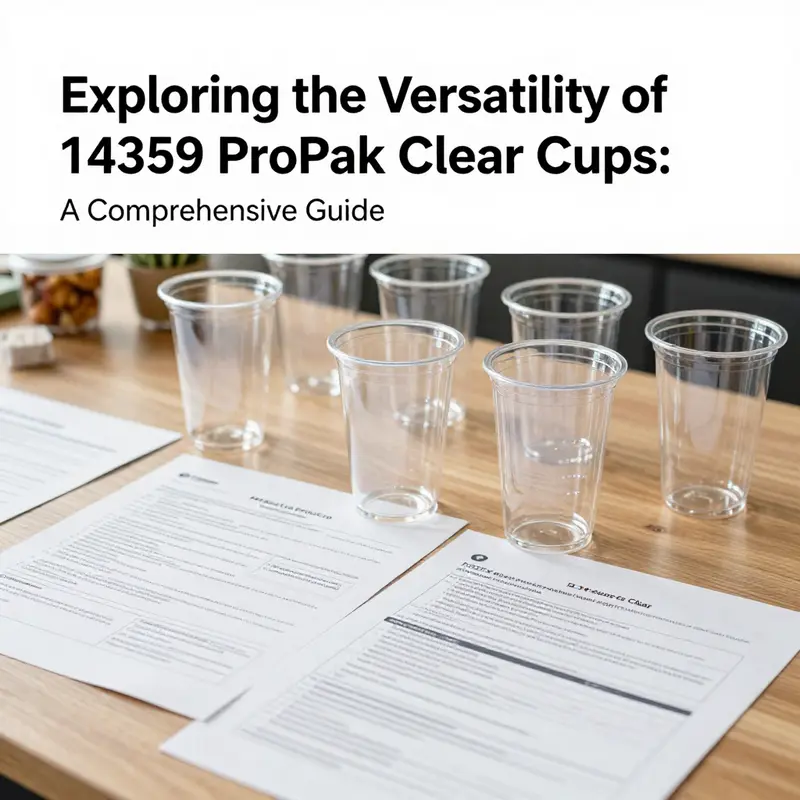
A clear cup that carries a beverage from a vendor to a consumer is more than a simple container. It is the outcome of a carefully choreographed balance among material science, safety regulation, environmental responsibility, and practical practicality in everyday service. The 14359 ProPak cup—an unmistakably transparent PET vessel with a 12–14 ounce capacity—offers a compelling case study. Its clarity seems straightforward, but the safety and legality behind that clarity run through a dense network of standards designed to prevent any harmful substances from migrating into the drink during typical use. To understand why such a cup can be widely accepted in diverse regions, one must follow how PET cups are evaluated, tested, and certified, and how those evaluations interact with broader environmental and consumption trends that shape the packaging landscape today. In this light, the journey of a single clear cup becomes a narrative about trust, traceability, and the ongoing conversation between innovation and oversight that keeps food and beverages safe on every hand-off between counter and table.\n\nAt the heart of any PET beverage cup’s regulatory footprint is the European Union’s Regulation (EC) No 1935/2004. This framework is constructed not around a single test, but around a philosophy: materials intended for contact with food must not release substances in quantities that could endanger health or alter the composition of the food in any appreciable way. It establishes expectations for compatibility, migration limits, and the way manufacturers document compatibility across all stages of supply—from resin formulation and conversion to final product and consumer use. While the regulation speaks to a broad family of substances and products, PET cups like the 12–14 ounce ProPak variant are routinely assessed for two kinds of risk: overall migration, which captures a broad sense of potential leachables, and specific migrations, which focus on particular substances that might be of concern in PET systems. In practice, this means the cup’s design, its resin procurement, and the molding processes are chosen and controlled to minimize migration pathways and ensure stability across typical beverage temperatures and contact durations. The upshot is a material and a process chain that align with a shared European assurance: what comes into contact with food should remain inert enough not to change the food’s safety profile under normal conditions. The result is a product that can be widely accepted in European markets when supported by documentation that demonstrates compliance with this core standard and related guidance.\n\nBeyond Europe, the United States relies on its own set of considerations under FDA oversight for materials intended to contact food and beverages. The FDA guidelines recognize PET as a commonly used, generally safe option for beverage containers, provided the resin meets established specifications for substances that may migrate from the polymer matrix into the food or drink. In PET, two substances typically attract attention: antimony, used as a catalyst in polymer production, and acetaldehyde, a volatile byproduct that can migrate under certain conditions. The regulatory mindset here is pragmatic: PET offers a reliable track record of safe use, but manufacturers must verify that their supply chain—resin suppliers, converters, and end-form manufacturers—collectively meet migration limits and related safety criteria. This means testing, documentation, and, where appropriate, third-party verification become normal parts of bringing a 12–14 ounce clear PET cup to market. The global implications are clear: if a cup is sold in multiple jurisdictions, its compliance narrative must be robust enough to cross boundaries, and the supplier must be ready to present evidence that migration and exposure risks are within acceptable margins. In practice, the dialogue between regional requirements and manufacturing capabilities drives a disciplined approach to quality control that keeps beverages safe and suppliers accountable across a spectrum of regulatory environments.\n\nThe environmental and recycling dimension further colors the regulatory picture. PET is widely recognized as a recyclable material, which aligns with growing expectations for end-of-life management in many markets. In this regard, the 14359 ProPak cup would typically be expected to carry recyclability credentials aligned with local packaging standards and recycling infrastructure. This is where regional policies, such as packaging and extended producer responsibility (EPR) schemes, begin to influence product design and labeling. A compliant PET cup is often designed with recyclability in mind, encouraging a circular life for the container rather than a simple one-way path. It is important to note, however, that PET cups are not compostable in the conventional sense, and thus BPI certification for compostability is not applicable. This distinction matters for cafés and event venues that must communicate clearly to customers about end-of-life options. The absence of compostability does not diminish safety; it simply reflects the material’s characterization within the broader waste-management ecosystem. Yet the commitment to environmental stewardship remains a thread that runs through regulatory expectations, market access, and consumer perception alike, encouraging manufacturers to document compliance with recycling standards and to pursue transparent labeling that helps users dispose of cups responsibly.\n\nIn the practical stream of compliance, the best practice is a well-documented certificate of conformity or a material safety data sheet (MSDS) that accompanies the cup through the supply chain. For buyers and foodservice operations, this documentation is not a mere courtesy; it is a safeguard that helps ensure that the cup’s PET composition, its manufacturing controls, and its performance under typical service conditions are predictable and traceable. Ideally, suppliers will also provide information about resin compliance, processing controls, and test results that demonstrate adherence to migration limits and to regional safety expectations. With these assurances in place, operators can confidently use a 12–14 ounce clear PET cup in a wide range of beverages—from still water to carbonated drinks—without compromising safety or regulatory standing. The narrative here is not about a single standard but about a lattice of standards that reinforce a shared objective: protect the consumer while enabling the beverage experience to be straightforward, clean, and dependable.\n\nAs the regulatory and environmental story of the ProPak cup unfolds, it also illustrates the broader packaging ecosystem’s emphasis on material choice as a strategic decision. PET’s combination of clarity, strength, and recyclability positions it as a durable default for many beverage applications. Yet the landscape is diverse, with other materials offering different trade-offs in cost, performance, and end-of-life options. This reality is not a criticism of PET but a reminder that a responsible packaging strategy requires an informed choice for each product and market. For foodservice operators and manufacturers, the emphasis remains on transparency—clear labeling that communicates compliance—and on robust supplier relationships that ensure documentation is readily available when regulatory bodies or customers request it. When a cup is needed for a specific venue, season, or service model, this regulatory clarity helps shape decisions from supply agreements to on-site handling and recycling programs. It also reinforces the value of ongoing dialogue between manufacturers, regulators, retailers, and consumers—an ecosystem that continuously refines what it means for a cup to be safe, sustainable, and fit for purpose.\n\nIn this continuous dialogue between safety, regulation, and practice, the availability of pragmatic anchors matters. For instance, a resource such as an industry-focused guide to disposable cups demonstrates how different materials and designs occupy the packaging landscape and how regulatory expectations translate into practical specifications. In the context of the ProPak cup, one may encounter discourse around environmentally conscious options and how packaging choices align with broader sustainability goals. A tangible example can be found in the wider ecosystem of disposable cup offerings that emphasize environmental considerations and design flexibility. For readers seeking related perspectives that connect with the broader packaging universe, the following internal resource offers a look at how eco-friendly disposable paper cups with lids are positioned in the market and how design choices influence both user experience and disposal outcomes. eco-friendly disposable paper cups with lid.\n\nUltimately, the regulatory journey of the 14359 ProPak PET cup—its 12–14 ounce clarity and its everyday service in beverage hospitality—highlights a core truth: safety and sustainability are inseparable from the materials and processes that bring a simple cup to life. While the cup may appear ordinary in the hands of a customer, its compliance story is anything but. It is a story written across standards, tests, certifications, and collaborations that span continents. It is a reminder that the consumer-facing convenience of a clear cup rests on a robust infrastructure of governance, science, and transparent communication. And when stakeholders align on those pillars, the result is not just a compliant product but a dependable experience—one that preserves trust from the moment a beverage is poured to the moment it is enjoyed. For readers who want to explore the regulatory backbone behind these assurances, a key external resource offers an authoritative overview of the EU framework governing food-contact materials, including the protections embedded in Regulation (EC) No 1935/2004. External resource: Regulation (EC) No 1935/2004 text on the EU’s official channels.
Final thoughts
The 14359 ProPak cup plastic polyethylene terephthalate 12-14 ounce clear stands out not only for its functionality and adaptability in beverage service but also for its market relevance and environmental responsibility. As businesses continue to navigate the complexities of food packaging, understanding the properties, applications, and regulatory standards of packaging options like the ProPak cup is paramount. By investing in these cups, your establishment can elevate the customer experience, support sustainability goals, and remain compliant with industry regulations. Embracing the potential of this versatile cup will position your business for success in the competitive beverage market.