
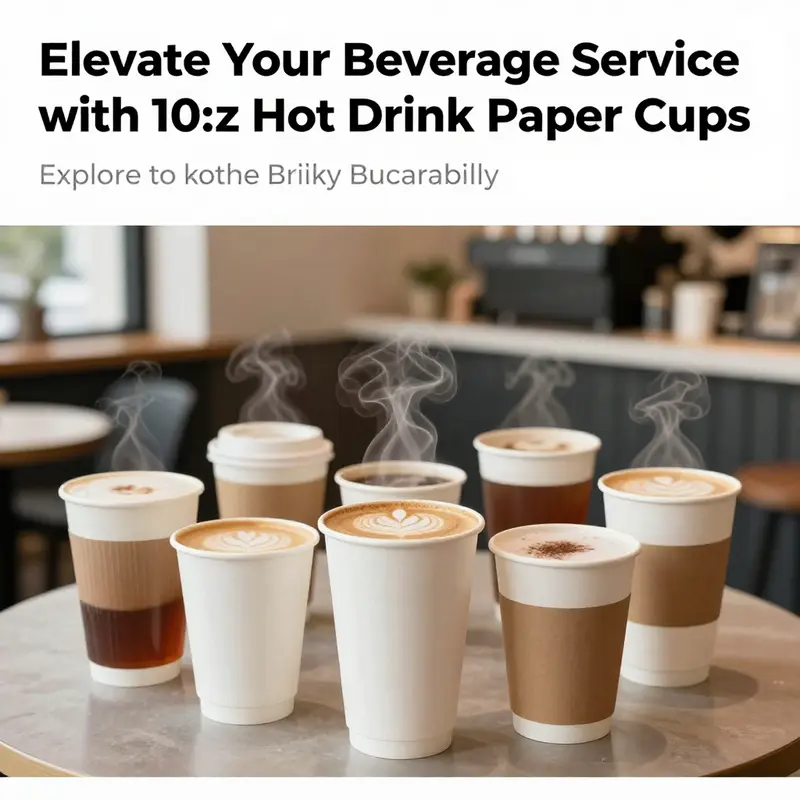
As beverage businesses continue to thrive and evolve, the importance of reliable and efficient serving solutions grows. 10oz paper cups designed for hot drinks stand out as a top choice for coffee shops, catering services, food trucks, and other establishments serving steaming beverages. These cups not only offer exceptional insulation to ensure drinks stay warm without burning customers’ hands, but they also present numerous opportunities for branding and sustainability. In this exploration, we’ll delve into the key features that make these cups a cornerstone in serving delightful hot drinks, their applications across industries, current market trends, sustainability considerations, and how customization can enhance your brand visibility. Each chapter will provide valuable insights to help you make well-informed decisions that align with your business goals.
Insulated Vessels of Comfort: The Quiet Mastery of 10oz Hot-Drink Cups
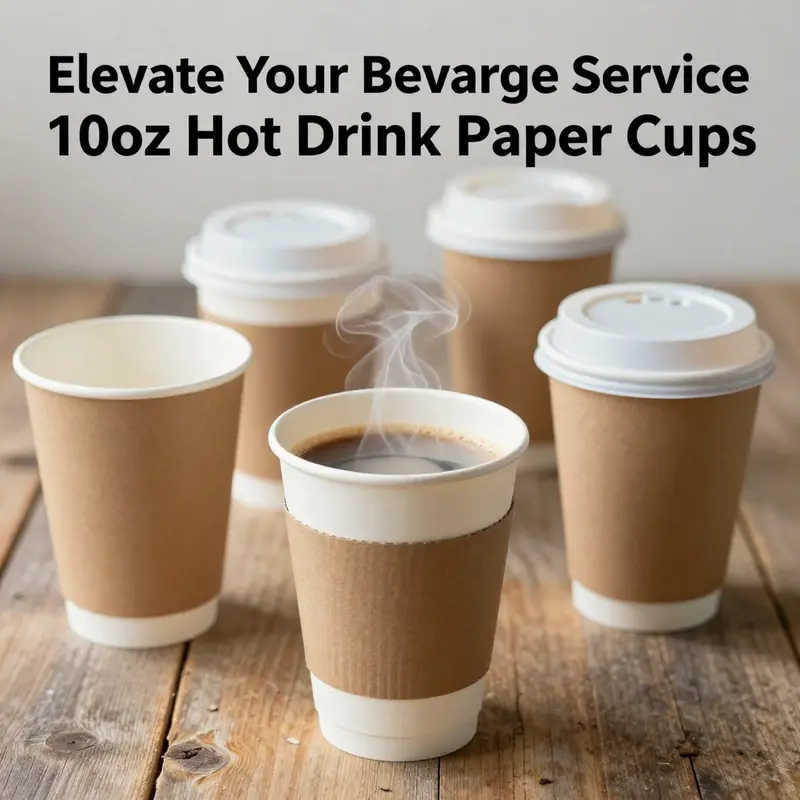
Behind the everyday ritual of a café visit or a takeaway coffee run lies a small, often overlooked engineer of comfort: the 10oz hot-drink paper cup. This seemingly simple vessel carries a surprising amount of engineering, design intention, and practical tradecraft. Its value isn’t just about keeping the liquid within warm; it is about delivering that warmth to the hands without compromising safety, branding, or sustainability. When you pull a steaming cup from a sleeve and cradle it against a brisk morning or a late-night study session, you are, in a sense, witnessing a carefully tuned balance of physics, materials science, and logistics that makes hot beverages more approachable and more convenient to enjoy in a modern, mobile world. This balance is most visible in the cup’s double-walled structure, the feature that distinguishes a good 10oz cup from a run-of-the-mill paper receptacle for hot liquids. The double wall creates an insulating air gap that resists heat transfer from the hot drink to the outer surface. That gap is not merely a passive spacer; it is a deliberate thermal barrier, designed to slow conduction and limit radiant heat. The result is a cup exterior that remains cool to the touch, even when the beverage inside steams and the environment around it adds its own warmth. For customers, this means comfort in handling, reduced risk of burns, and a sense of confidence that the drink will stay at the intended temperature for longer than a single-wall alternative. For operators, the insulation translates into a more forgiving experience for customers who may be juggling wallets, phones, and napkins while en route, lining up a smoother service curve and fewer spill incidents during transport. The physics of the air gap also helps minimize sweat on the outside of the cup in cool environments, which can be an underrated benefit in crowded service settings where condensation would otherwise dampen grip and dampen the customer’s impression of the brand, even if the cup isn’t the centerpiece. The practical advantages extend beyond warmth retention and handling safety. The core structure of these cups often relies on food-grade paper, with an inner lining that prevents liquid seepage and maintains a hygienic barrier between beverage and sleeve. The packaging world recognizes that a reliable inner barrier protects the cup’s integrity, preserves flavor, and reduces the chance of leakage during heavy transit. When a coffee or tea is poured, the integrity of that barrier matters as much as the barrier’s ability to keep heat out for the user. This is where the safety standards underpinning the materials come into sharper relief. Reputable suppliers emphasize food-grade materials and the use of lining that adheres to safety norms, ensuring that the cup remains suitable for direct contact with hot liquids without introducing unwanted flavors or contaminants. The interplay of materials also influences the cup’s environmental profile. In recent years, manufacturers have expanded the portfolio of options to include eco-conscious choices, from recyclable to compostable variants, aligning with consumer expectations for greener packaging. The drive toward sustainability does not diminish performance; rather, it reframes it. A cup can be designed to be both efficient at heat management and thoughtful about end-of-life outcomes. The demand for durability and reliability often leads to standardized sizing, with 10 ounces becoming a pragmatic middle ground—large enough for a robust hot drink, compact enough for comfortable portability, and well-suited to standard cup-holders in cars, offices, and service counters. This standardization supports smoother operations across the supply chain: consistent production lines, uniform loading in dispensers, and predictable consumer experiences at the point of sale. Yet the standard size does not preclude customization. In fact, the packaging ecosystem has long treated cups as a canvas for brand storytelling and visual identity. Suppliers offer a range of customization options, from logos and color schemes to artwork and messaging, often using offset or flexo printing with food-grade inks. The practical constraint, as with any mass-produced item, includes minimum order quantities. For brands seeking prominent visibility at scale, MOQs in the tens of thousands are common, reflecting the balance between offsetting printing costs and maintaining price competitiveness in bulk. The result is a cup that carries a brand’s imprint as it travels—on the way to a customer’s desk, a conference, or a station kiosk. And because the cup is disposable, it supports the hygienic, single-use model that many food-service operators rely on for efficiency, easy cleanup, and rapid turnover. But the conversation around disposability does not stay at disposal; it moves to reuse, recyclability, and compostability. A growing slice of the market now offers options that emphasize end-of-life considerations, drawing on more sustainable materials and processing methods to reduce the environmental footprint. For operators who want the same level of reliability while signaling stewardship to customers, choosing a cup with a clear, responsible life cycle is a visible commitment. The 10-ounce format also aligns with a broad spectrum of hot beverages beyond the well-known coffee and tea staples. It fits cappuccinos, flat whites, chai, hot chocolate, and other specialty drinks that customers may order in casual and fine-dining settings alike. In mobile and delivery contexts, the combination of a secure lid, a well-fitted sleeve, and a robust double-wall design becomes essential. A spill-prevention lid, when paired with a compatible cup, reduces the risk of leaks during transit and adds a layer of assurance for those who consume their drinks while commuting, walking between meetings, or standing in queues. It is not just about heat containment; it is about the end-to-end experience. The customer’s perception of quality often hinges on the small, practical cues—the tactile comfort of the cup’s exterior, the ease of opening and re-sealing a lid, and the satisfaction of a drink that remains at an expectation-fulfilling temperature. In this sense, the cup functions as a mobile instrument of hospitality, translating the moment of preparation into a shared ritual of warmth and ease. As with any essential tool, the supply chain matters. Bulk supply of 10oz double-wall cups is readily available from global manufacturers, with pricing that reflects volume and customization levels. The economics of large-scale orders tend to favor the per-unit cost, which in turn empowers small businesses to offer consistent hot-beverage experiences to their customers. The market also presents a spectrum of material choices, from traditional kraft-style papers to lighter-weight white papers, each with its own aesthetic and practical implications for branding and presentation. For operations seeking to tell a story through packaging, a simple choice—the look of the cup—can reinforce a brand narrative about warmth, care, and contemporary responsibility. A practical note for buyers concerns the compatibility of lids and sleeves with the chosen cups. In most cases, matching lids snap or slip onto the cup with a secure fit that helps prevent spills during takeaway while maintaining the thermal performance of the cup. The combined effect of double-wall insulation, food-grade materials, and reliable lid compatibility creates a turnkey solution that supports efficient service, consistent customer experiences, and a brand’s outward expression. For readers exploring the sourcing side, a reference point for custom-designed versions can be found through supplier listings offering flexible design options and minimum order quantities, illustrating how brands can translate identity into a disposable yet durable package. The result is a coherent system where form, function, and brand storytelling converge in a single, familiar object—the 10oz hot-drink cup. Such convergence is not accidental; it follows a disciplined design logic that prioritizes user safety, practical usability, and environmental responsibility without compromising the ease of service that customers expect. Thus, the 10oz cup becomes more than a container. It becomes a carefully engineered, reusable-in-spirit tool for hospitality, a quiet partner in the daily rituals of coffee, tea, and conversation, and a reliable ally for operators who seek to balance speed, safety, and style in a busy service landscape. For those curious about the wider world of options and custom design capabilities, one can explore design possibilities that align with the cup’s functional core and the broader goals of sustainable packaging, while keeping the focus on the hot-drink experience that customers crave. External reference for broader context and sourcing options: https://www.alibaba.com/product-detail/Custom-Design-Single-Wall-8oz-10oz-14oz-16oz_1600494595435.html
From Café Counters to Conference Halls: The Wide Reach of 10oz Hot-Drink Cups
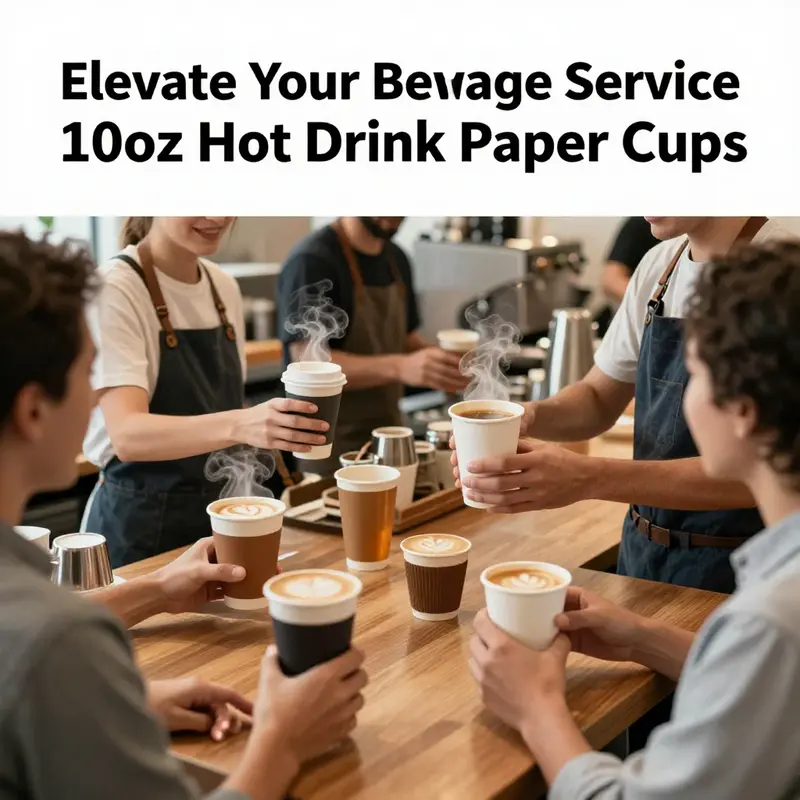
Across cafes, quick-serve lines, corporate events, and office break rooms, the 10oz hot drink cup has earned its place as a dependable workhorse. It fits a single serving of a freshly brewed coffee, a comforting tea, or a seasonal specialty, while preserving heat and protecting hands from steam and heat. In environments where speed, convenience, and consistency matter, these cups streamline service without demanding expensive equipment or complex logistics. The shape and size are tailored to a customer flow that moves quickly from front-of-house counters to takeout windows, and the same vessel serves both hot and, when needed, colder offerings with equal ease. In many settings, this practical size becomes the nexus where taste, temperature, and brand experience converge, turning a simple cup into a small theater of hospitality that customers notice with every swallow and every seal of the lid.
A key feature that underpins this versatility is the double-walled construction. The air gap between inner and outer walls acts as a passive barrier to heat transfer, slowing conduction from the hot beverage to the exterior surface. This means the cup remains comfortable to hold even when the drink inside is piping hot. The effect is subtle but essential: it reduces the cognitive load on customers who might otherwise risk a burn or feel the need to awkwardly adjust a sleeve or glove. The result is a smoother, more confident user experience that keeps the focus on the drink itself. In practice, the double-wall design is most effective when paired with a careful lid system, so the beverage’s heat is retained while the risk of spills is minimized during transit and in crowded service environments.
The materials behind these cups are chosen with safety and performance in mind. Typically manufactured from eco-friendly kraft or white paper, they meet broad safety standards for direct contact with hot liquids. The emphasis on food-grade materials reassures operators and consumers alike that the cup, not the cup’s lining, is the barrier between the drink and the user. This is especially important for beverages that may sit in a carrier bag during a short walk to a meeting or a classroom. The cup’s interior papery surface is designed to resist soaking and bleed-through, ensuring that the drink’s aroma and flavor remain untainted by the packaging itself. In markets with rigorous safety expectations, these cups are aligned with recognized standards for consumer safety, which helps supply chains move efficiently from factory to storefront or event floor.
Lids are the often-overlooked companion that completes the hot-drink package. A compatible lid type protects against spills in transit while locking in heat and aroma. For many operators, the choice between snap-on and slip-on lids translates into a difference in service speed and reliability. The ability to seal a cup quickly supports high-volume operations, from busy cafes during the morning rush to hot-drink stations at large conferences. Beyond protection, lids can also feature branding touches or functional elements, such as sipping holes designed to minimize spills when sipping on the move. The combination of a secure lid and a well-insulated cup contributes to a consistent drinking experience, a factor customers remember as they decide where to return for their next daily caffeine fix.
Branding and customization play a central role in how these cups perform beyond their core function. Many operators take advantage of customization options to print logos, artwork, or messaging using food-grade inks. While the primary purpose is practical, the secondary benefit is brand visibility. In a world where first impressions matter, a well-printed cup reinforces a brand’s identity even as the drink is enjoyed away from the point of sale. The customization route often comes with modest MOQs relative to other packaging formats, enabling smaller venues or regional chains to adopt branded cups without excessive investment. Coupled with a reliable supply, customization helps create a cohesive customer experience that extends from the counter to the customer’s daily routine.
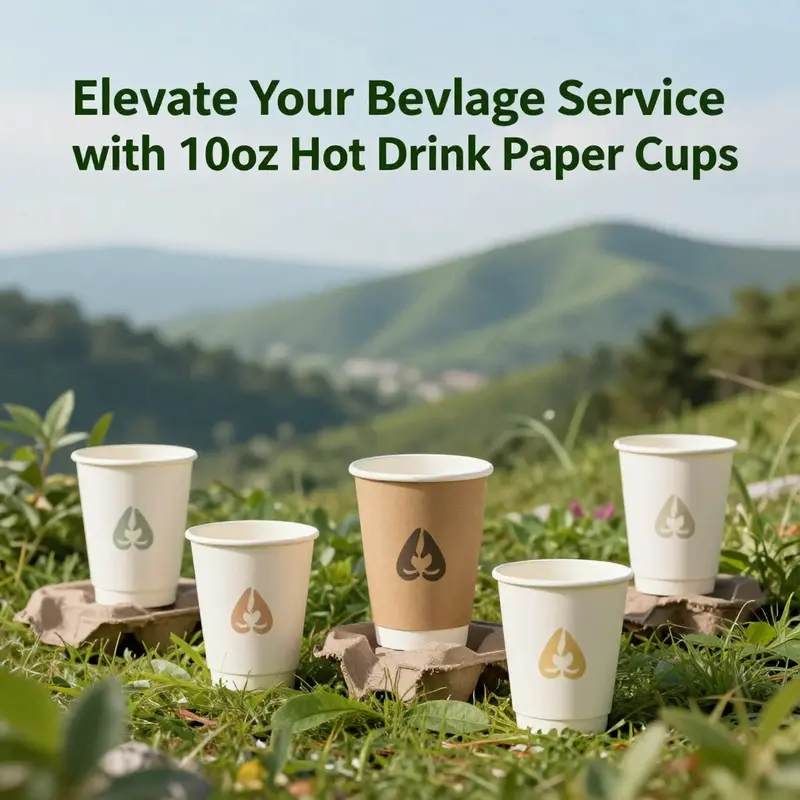
Sustainability is a thread that runs through decisions across industries, and hot-drink cup design is no exception. A growing number of manufacturers offer compostable and biodegradable variants made from sustainable fibers or aqueous coatings that support end-of-life recycling or composting programs. This shift aligns with consumer expectations for greener packaging and with corporate goals to reduce plastic waste and environmental impact. The availability of compostable or easily reusable options does not only satisfy regulatory or corporate mandates; it helps establish a narrative of responsibility that resonates with customers who are becoming more discerning about the packaging that accompanies their daily beverages. The emphasis is not merely on end-of-life outcomes but also on the materials’ sourcing, the energy used in production, and the ability to integrate with existing waste streams in offices, venues, and retail settings.
The practical reach of 10oz cups extends across several core sectors. In coffee shops and cafes, they serve as the standard for single-serving espresso and specialty drinks, while remaining adaptable for tea, hot chocolate, and seasonal blends. In retail and grocery settings, pre-packaged hot beverages and ready-to-drink kits rely on these cups for an immediate, convenient experience. For hospitality and event management, a lightweight, stackable option supports quick service at conferences, weddings, and corporate gatherings, where branding continuity helps reinforce event themes and sponsor presence. Office environments benefit as well, offering a straightforward way to support daily coffee rituals while advancing sustainability programs through compostable or recycled-material variants. Food service and catering, too, appreciate the cups’ versatility, using them for soups, sauces, or even warm desserts during service, showing how a single cup can support a diverse menu with minimal equipment.
From a procurement perspective, the impact of supply chain choices becomes visible in bulk pricing and availability. Bulk options with favorable unit costs enable larger operators to maintain margins even as pricing pressures persist. Minimum order quantities, while significant, are often aligned with long-running campaigns, seasonal promotions, or multi-site deployments, providing a practical pathway to scale branding and service without compromising on quality. For businesses weighing cost against comfort, safety, and sustainability, the math often tilts toward the 10oz double-wall solution when measured against the total value delivered to both customers and staff. The balance of insulation, safety, branding potential, and environmental considerations makes these cups an attractive option for enduring service needs.
For operators who want to explore a branded solution without losing sight of practical considerations, a range of suppliers offers customizable, branded variants that can be coordinated with lids and packaging to create a cohesive service footprint. The hands-on experience of selecting double-wall construction, choosing coatings or coatings alternatives, and coordinating with lids and printing can be streamlined through a single supplier ecosystem. In this context, the ability to pair functional performance with a branded message becomes more than a marketing tactic; it becomes a way to convey reliability and care in every cup served. See an industry-focused example here for a sense of how a branded double-wall hot cup with lid can fit into a broader packaging strategy: disposable double-wall hot paper coffee cups with lid.
As the market continues to evolve, the dialogue surrounding 10oz cups for hot drinks remains anchored in both practicality and responsibility. The cup is not just a disposable item; it is a conduit for temperature control, safety, brand storytelling, and environmental stewardship. Operators who view packaging as an integral part of the service experience understand that these cups shape not only how a drink is consumed but how a brand is perceived during the moment of need and the moment of takeaway. The ongoing development of eco-friendly materials, improved insulation technologies, and adaptable lid designs promises to keep this category robust, relevant, and increasingly aligned with the broader goals of sustainability and consumer trust. For readers seeking broader context on how such packaging can integrate with online marketplaces and consumer trends, an external resource provides a practical snapshot of current options and expectations: https://www.amazon.com/dp/B0BQZJ5K7W
Heat, Hold, and Brand: Navigating Trends and Prices in 10oz Hot-Drink Paper Cups
A cup is more than a momentary container for a hot beverage. It is the first touchpoint a customer has with a brand, a shield against scalding heat, and a careful balance between cost, durability, and environmental responsibility. In the market for 10-ounce hot-drink paper cups, these cups have evolved from simple disposable vessels into engineered instruments that manage warmth, protect hands, and project a company’s values. The 10-ounce format sits at a practical crossroads: it is large enough to convey a premium coffee experience and compact enough to fit the majority of takeaway orders, all while remaining the most common size for a broad range of hot beverages across cafes, fast-casual outlets, and mobile vendors. This convergence of function, form, and finance explains why the segment has remained resilient even as consumer expectations shift toward sustainable packaging and brand-conscious design.
Central to the performance story of the 10-ounce hot-drink cup is its insulation. The double-walled or air-gap structure has become the defining feature of higher-quality offerings in this category. By creating a deliberate separation between the beverage and the external surface, these cups minimize heat transfer from the liquid to the hand, allowing customers to hold a beverage that is near boiling without discomfort. The engineering detail matters: the air layer acts as a barrier, reducing heat conduction and maintaining the beverage’s perceived temperature for longer, which can influence the overall experience and satisfaction. The material stack typically uses eco-friendly kraft or white paper that is food-grade and suitable for direct contact with hot liquids. In this context, the cup becomes a small ambassador for safety and quality, signaling to customers that the establishment has chosen care over convenience alone.
Material choices also reflect a broader shift toward eco-conscious packaging. Across the supply chain, there is growing preference for FSC-certified paperboard and a move away from inner plastic coatings when feasible. The aim is to improve recyclability and align with consumer demand for greener solutions. Yet the push for sustainability must be balanced with performance and cost. Double-wall insulation, while value-adding, introduces additional material and manufacturing steps, which translates into higher unit costs compared with single-wall designs. The industry response has been pragmatic: offer a spectrum of products that permit brands to tailor insulation level to their needs, from basic single-wall cups for quick-serve contexts to premium insulated versions for long-duration service or demanding customers who prize tactile comfort and piping-hot beverages.
Lid compatibility is another critical dimension in the hot-drink cup ecosystem. A secure lid that seals well during transit reduces spills and supports off-premise sales, a factor of growing importance as takeout and delivery volumes rise. For brands, the ability to pair a cup with a reliable lid option can influence purchasing decisions, especially for operators seeking a seamless packaging system. The industry’s recommended practice is to source cups and lids together from trusted suppliers to ensure fit and performance consistency, which in turn minimizes returns and complaints and supports a smoother customer experience.
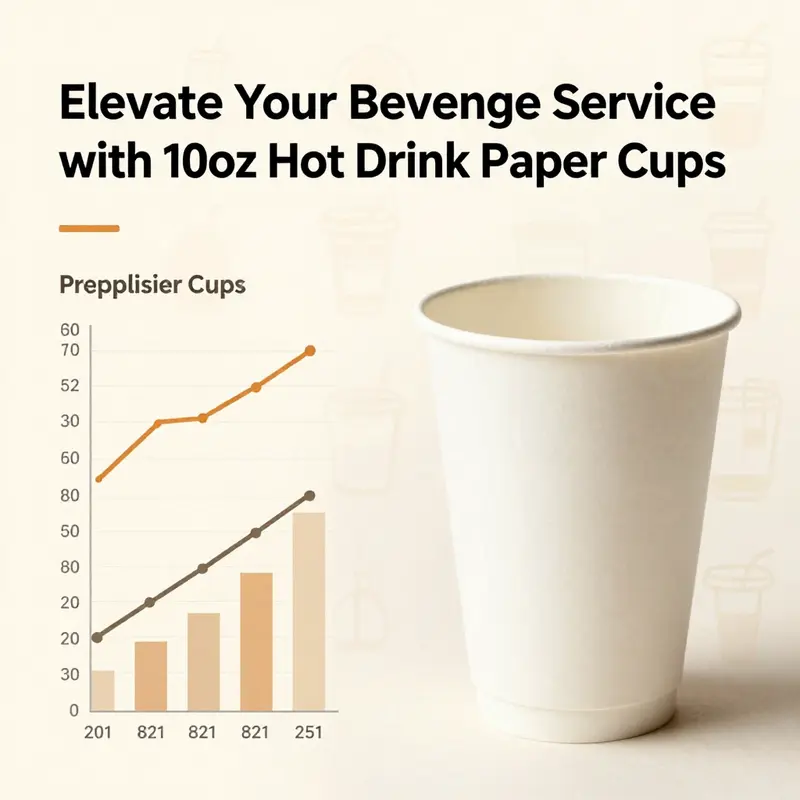
From a procurement standpoint, the pricing landscape for 10-ounce hot-drink cups is highly sensitive to volume, material choice, and whether insulation or handles are included. Market data from 2026 shows a tiered price structure that mirrors the value offered by different configurations. The most economical option—basic, single-layer cups with no insulation or handles—tends to run roughly between 0.8 and 1.2 cents per unit at bulk quantities around 50,000 units or more. These figures reflect the efficiency of mass production and the lower complexity of a single-wall build. For many operators, this price point is attractive for standard beverage offerings where the perceived temperature window is acceptable for takeaway within a short time frame.
When a business requires a more user-friendly handhold and a cleaner, spill-resistant experience, the cups with handles become common. These typically fetch around 1.6 to 2.0 cents per unit at similar order quantities, reflecting the additional material and manufacturing steps involved in adding the handle and achieving a robust seal. For operators who prioritize customer comfort and brand differentiation, investing in this tier is often a straightforward way to improve the perceived value of the drink and reduce complaints about burnt fingers or lukewarm beverages before consumption.
The insulation-focused segment—the dual-wall or quadruple-layer designs that optimize heat retention while keeping the exterior cool to the touch—commands a higher price, generally in the range of 2.5 to 4.0 cents per unit depending on the exact construction and artwork. This tier is where brand positioning can create meaningful differentiation. A cup that keeps a cappuccino hotter longer or resists sweat on a hot day resonates with customers who value consistency and reliability, particularly in busy storefronts or prolonged deliveries. It is also worth noting that customization adds another layer of cost. Custom-printed options with brand logos or artwork typically require minimum order quantities of 50,000 units and can involve sample costs around a hundred dollars, depending on complexity. For some chains, the incremental cost is justified by stronger in-store visibility and more effective marketing during off-premise channels.
The market’s current equilibrium also reflects distribution realities. Large, global brands often lean into bulk procurement channels and wholesale platforms to secure the most favorable unit pricing, maximize supply-chain efficiency, and ensure consistent quality across multiple outlets. In practice, that means a heavy emphasis on negotiating bulk discounts, standardizing cup sizes across menus, and aligning with suppliers that can scale to demand spikes during peak hours or seasonal promotions. The pricing dynamics, of course, vary by region. In markets like China and North America, the appetite for a standard 10-ounce size remains robust, driven by a combination of coffee culture, lunch-hour demand, and the growth of delivery services that rely on dependable, spill-resistant packaging.
For a practical sense of where the market stands, consider the broader implications of these price bands for business strategy. Bulk procurement yields meaningful per-unit savings, enabling operators to devote more budget to branding or to invest in more durable cups that offer a superior customer experience. If a brand aims for a premium consumer impression, investing in insulated cups with ergonomic handles and a well-matched lid can yield a measurable uptick in repeat purchases, especially in markets where customers value the tactile quality of the cup and the reliability of heat retention. Conversely, a cost-sensitive operator might choose to optimize for price by selecting minimal insulation, relying on fast service and the inherent speed of takeaway workflows to maintain customer satisfaction. In all cases, the decision should be anchored by a clear understanding of usage patterns, average order size, and the share of off-premise sales.
When brands seek to translate function into brand equity, customization becomes a powerful lever. Custom-printed options allow a cafe or restaurant to extend its visual identity beyond the storefront. The process typically uses food-grade inks and offset or flexo printing, with MOQs commonly ranging from 50,000 to 100,000 units, a hurdle for small pilots but a standard for many established operators. The trade-off between customization and unit price is real, yet many businesses find it worthwhile when the cups become mobile billboards that reinforce recognition and trust with customers. Aesthetics can also influence perceived value; a curvaceous cup with a textured exterior, a thoughtfully designed sleeve, or a lid with a precise snap fit can become part of the overall sensory experience, reinforcing quality and care from the moment the customer lifts the cup to their lips.
In practical terms, buyers often navigate these choices by balancing three levers: performance, price, and sustainability. The insulation level directly affects comfort and safety, the material choice and coatings influence recyclability and green credentials, and the price point determines the feasibility of large-scale deployment. An operator who prioritizes environmental credentials may opt for biodegradable or compostable variants, accepting a modest premium in exchange for alignment with consumer values and regulatory trends in waste management. The ongoing dialogue between these factors is what shapes the trajectory of the 10-ounce hot-drink cup category. It is a story of continuous improvement—driven by advances in fiber science, coatings that enhance recyclability, and smarter manufacturing that reduces waste and energy use—while preserving the essential characteristics that make these cups reliable in everyday use.
For brands seeking durable, brand-visible, and sustainable solutions, a dependable route is to select suppliers that can deliver both functional performance and scalable customization. This approach supports not only immediate needs but also long-term initiatives around environmental impact and customer experience. A practical example of market availability and durability considerations can be found in the broader online marketplace landscape, where large-volume listings highlight bulk options and uniform quality across thousands of units, reinforcing how crucial it is to align with suppliers who can uphold consistency at scale. When evaluating options, remember that price is only one component; the overall value rests on heat retention, handling comfort, lid integrity, and the ability to carry a consistent brand message from the first sip to the last.
For readers exploring specific product configurations and supplier options, a representative listing highlights how these cups are positioned in the market and how bulk pricing can be optimized to suit different business models. double-wall hot paper coffee cups with lid.
External reference: https://www.amazon.com/dp/B0CQXKZJ5T
null
null
Branding on the Edge: Customization and Branding Opportunities with 10oz Paper Cups for Hot Drinks
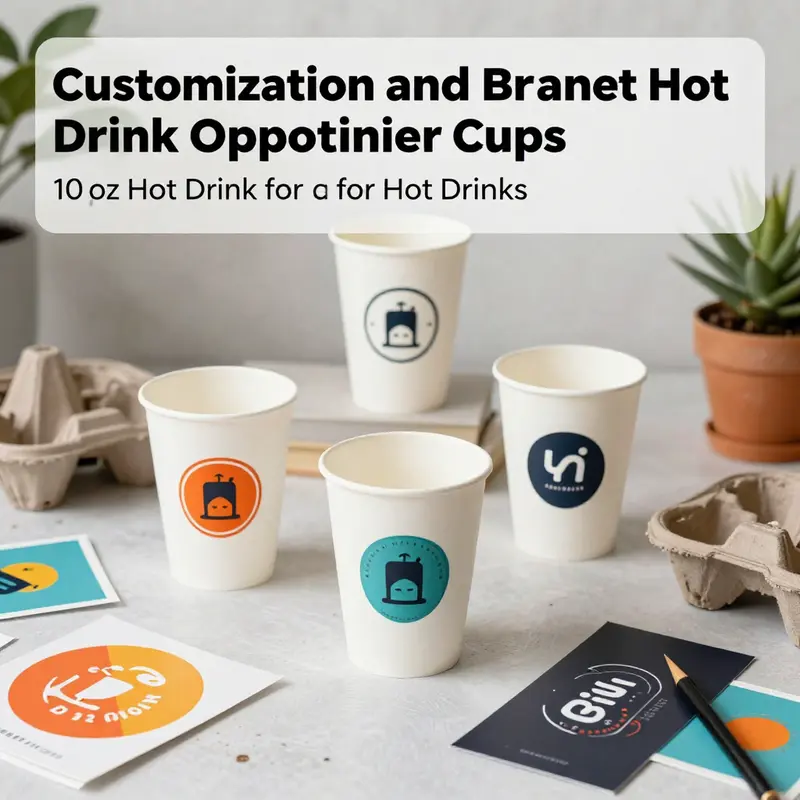
A cup designed for hot drinks is more than a vessel; it’s a moving billboard, a tactile touchpoint, and a first impression of a brand. In a market saturated with aromas and experiences, the surface of a 10oz cup becomes a canvas where identity, values, and promise are carried to the consumer long after the beverage is gone. The double-walled construction doesn’t just protect hands; it elevates the perceived quality of the drink and invites closer attention to what sits on its side. When a café or premium roaster chooses to print a logo, tagline, or color story on every cup, the brand travels beyond the counter and into daily routines, waiting in offices, on commutes, and in airports. The cup, in effect, becomes portable marketing, a tiny stage where a brand performs with every sip. The opportunity lies not only in visibility but in consistency; a well-executed cup design reinforces a brand’s promise at the moment of consumption and after the lid is replaced for the journey home.
Many suppliers now offer wrap-around printing on 10oz hot-drink cups, with options for single wall, double wall, or eco-friendly substrates. Printing quality is the linchpin of impact. Offset and flexo printing enable vivid brand colors and sharp logos, while digital options, though more limited in volume, can support seasonal campaigns and local promotions without heavy MOQs. The industry has learned that color fidelity matters; misaligned blues or washed-out reds undermine a premium feel. For large chains, MOQs typically start around fifty thousand to a hundred thousand units, aligning production runs with predictable demand. Costs per cup rise with complexity, but the efficiency of a well-executed design can offset this through higher perceived value and stronger brand recall. In practice, a brand can maintain consistency across tens or hundreds of thousands of cups without sacrificing print clarity or legibility, thanks to food-grade inks engineered for direct contact with hot liquids. To see a concrete example of this approach, consider the path to customization that centers on a comprehensive print program for a hot-drink cup: custom disposable double-wall hot paper cups with lid.
The practical decisions around customization extend beyond color and logo placement. Brands must choose the cup type that aligns with service contexts and sustainability goals. Double-walled cups with an insulating air gap offer a premium feel and comfort by minimizing heat transfer, a feature that can reduce the need for sleeves and simplify service, especially in high-traffic settings. Some brands prefer wax- or PLA-lined interiors to protect the cup’s exterior and ensure compatibility with hot beverages. The surface area of a 10oz cup provides ample room for design; wrap-around graphics can tell a story that unfolds as the drink is consumed. The design should consider an accessible baseline: high-contrast typography for readability, clear brand colors that evoke the intended mood, and a hierarchy that guides the eye from logo to call-to-action or seasonal message. The tradeoffs between insulation, sleeve-free wearability, and environmental impact must be weighed to tailor the cup to a brand’s particular channel mix and audience.
Beyond traditional branding, novelty coatings can unlock interactive experiences. Heat-sensitive or thermochromic coatings, for instance, reveal callouts or seasonal graphics only when the beverage is hot, turning a simple coffee run into a small moment of delight. This kind of feature blends marketing with utility, reinforcing brand personality and encouraging social sharing as customers notice and photograph the evolving artwork. It also matters that the coating adheres to safety standards and remains stable under typical coffee temperatures. The most forward-looking programs pair a strong identity with responsible messaging about sustainability. Eco-friendly options, including compostable or recycled-content cups, allow brands to communicate values upfront. Consumers increasingly expect packaging to reflect environmental commitments, and the choice of materials becomes part of the narrative, not just a technical spec. A well-balanced program might mix metal-free inks, soy-based toners, or water-based coatings to reduce environmental impact while preserving color integrity.
Customization is not only about what is printed but also how it is delivered. A well-organized supply chain makes it possible to maintain consistency across locations, whether in a country-wide chain or a network of independent shops. Low MOQs in some regions enable smaller businesses to test branding concepts without absorbing prohibitive upfront costs. In practice, this means a brand can pilot a seasonal motif or regional artwork for a limited period, then scale up if results prove compelling. For many businesses, the opportunity to order custom-printed cups in bulk—often with fast lead times and reliable color matching—renders the cup a strategic investment rather than a one-off procurement. The ability to mix and match sizes, ink types, and finishes adds further flexibility, allowing a brand to explore different storytelling devices while maintaining a coherent core identity. This modular approach helps marketers thread campaigns through physical spaces, ensuring that every outlet contributes to a uniform brand narrative.
As a consequence, the cup becomes a mobile touchpoint across channels. In a drive-thru, the cup carries the brand’s voice in a compact banner that travels from the order window to the consumer’s car, then into reuse or recycling streams. In a coffee shop setting, a consistent cup design signals a curated experience and fosters a sense of trust. Even during events or catering, branded cups are an extension of the service narrative, reinforcing the host’s attention to detail. The ability to print with quality, to choose coatings that balance opacity and tactile quality, and to align the materials with sustainability messages means the 10oz cup can stand for more than caffeine; it becomes a narrative device that echoes a brand’s promise. It is a tool for consistent consumer touchpoints, a compact canvas that travels with customers long after they have left the counter. The opportunity to reframe ordinary moments of coffee or tea into meaningful interactions rests on a deliberate alignment of design, material science, and the logistics of production.
From a practical standpoint, the integration of branding into hot-drink cups must also consider compatibility with lids and sleeves. A snug, well-fitting lid protects against spills during transit, preserving the beverage’s integrity and further reinforcing the premium impression. The right lid design works in concert with the printed graphics, ensuring that branding remains visible and legible even when the cup is closed. In this way, the packaging experience extends beyond mere aesthetics; it ensures reliability in real-world use. For brands seeking to leverage this potential, a path to scale often begins with a carefully chosen partner who can deliver consistent print results, materials that meet safety standards, and the ability to respond quickly to seasonal campaigns. The payoff is a set of cups that do double duty: hot-beverage utility and brand amplification.
To illustrate the breadth of opportunity, brands can explore a spectrum of design choices, from bold minimalist logos to intricate narrative panels wrapped around the cup. The surface becomes a stage for color psychology, typography, and iconography that communicate warmth, sophistication, or playfulness. When executed well, a cup design can evoke the mood of the drink inside and invite curiosity to learn more about the business behind the cup. A thoughtful approach also includes mockups and sample runs to verify color accuracy under the lighting conditions of real environments, ensuring that what’s printed matches what customers see in person. For organizations aiming to compete on brand storytelling, the 10oz cup is not a compromise but a deliberate, scalable extension of their visual identity. It is a tool for consistent consumer touchpoints, a compact canvas that travels with customers long after they have left the counter.
External resource: for a broader view on global customization and production options in this space, see https://www.alibaba.com/product-detail/Custom-Printed-Disposable-6oz-8oz-10oz-12oz-16oz_1600399474416.html?spm=a2700.100176.0.0.1c7d5b1eLZaHnV
Final thoughts
In the ever-evolving beverage industry, 10oz paper cups for hot drinks emerge as an essential component that combines function, sustainability, and brand visibility. Their double-walled design ensures safety and comfort for consumers while serving a multitude of businesses. By understanding their key features, market trends, potential environmental impact, and customization opportunities, you can make informed purchasing decisions that not only satisfy customer needs but also contribute to your brand’s success. Consider integrating these versatile cups into your service lineup to enhance your customer experience and align with sustainable practices in the beverage market.