
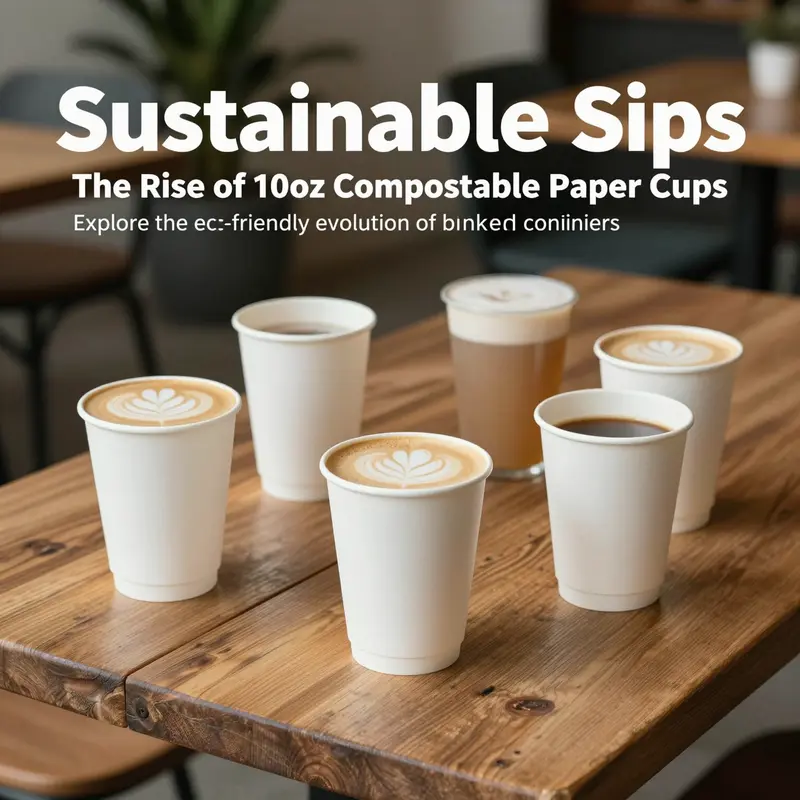
As sustainability becomes a focal point for consumer choices, the use of 10oz compostable paper cups has swiftly garnered attention within the food service and beverage industry. With their practical design and ethical appeal, these environmentally friendly cups serve as ideal vessels for hot and cold beverages, especially in bubble tea shops, restaurants, and catering services. This article delves into the material composition and environmental impact of these cups, providing insight into market dynamics and pricing strategies unique to industry players. Understanding their wide-ranging applications and industry adoption sheds light on how businesses are embracing sustainable practices. Lastly, we explore the abundant customization and branding opportunities that these cups offer, allowing for a robust reflection of brand identity while upholding environmental responsibility.
From Fiber to Footprint: Unpacking the Material Make-up and Environmental Charge of 10oz Compostable Paper Cups
The 10oz compostable paper cup stands at the crossroads of everyday practicality and longer-term environmental intent. In busy hospitality flow, what matters most is a container that feels familiar to the hand, keeps a drink at the right temperature, and, crucially, signals a commitment to responsible waste. The 10oz size, translating to about 343 milliliters, occupies a sweet spot for single-serve beverages. It is large enough to hold a generous cup of coffee or tea and compact enough to be stackable, portable, and service-friendly for both hot and cold beverages. The appeal extends beyond capacity: it is the promise of a packaging solution that can be integrated into a circular approach, where the cup’s journey may loop back into the materials stream rather than lingering as waste. This chapter examines the material make-up that enables that promise and the environmental charge that accompanies it, from the first sheet of paperboard to the eventual end of life, and how that trajectory shapes decisions for brands and operators alike.
At its core, the 10oz compostable cup rests on a base of paperboard. This fiber-rich substrate provides the rigid structure needed to hold a hot drink without collapsing or warping. But the paper alone would leak or deform under moisture and heat, so a biodegradable lining is layered in. The most common lining in these cups is a polylactic acid (PLA) film, a plant-based bioplastic derived from fermented sugars such as corn starch. PLA offers a modern, plastic-like performance—barrier properties that keep liquids contained and reduce the risk of seepage—while maintaining compostability under appropriate conditions. The shift from petroleum-based polyethylene (PE) linings to PLA aligns with a broader push in packaging to substitute fossil-based plastics with renewable, bio-derived materials. Yet the environmental story does not end with the choice of lining material; it continues through the entire construction, coating, and end-of-life workflow that together determine a cup’s true sustainability profile.
The internal architecture of many 10oz cups also includes a double-wall design. By sandwiching two layers of paperboard with an intervening air gap, manufacturers can deliver superior insulation that protects fingers from heat while preserving the beverage’s temperature for a longer period. This insulation is not merely about comfort; it also reduces the need for sleeves or external protective layers, streamlining service and improving user experience. The air gap that creates the insulating effect contributes to a calmer surface temperature for hot drinks, which in turn can reduce the incidence of burns during quick-pour service or on-the-go consumption. The double-wall construction, combined with PLA or similar biodegradable linings, thus supports both performance and environmental objectives, shaping how perceptions of sustainability intersect with practical usability.
Beyond structural materials, the cups employ water-based coatings that are designed to be biodegradable and compatible with composting systems. These aqueous coatings replace traditional plastic enamels with lighter environmental footprints, enabling a more straightforward pathway to biodegradation when the cup is processed in the right facilities. The coatings are engineered to preserve printability and surface finish, so logos, colors, or brand messages can be applied without sacrificing compostability. This balance—retaining design freedom while honoring an end-of-life promise—defines a central tension in modern packaging and reflects how the industry negotiates trade-offs between durability, aesthetics, and ecological accountability.
Where the environmental conversation gains nuance is in how the materials are disposed of after use. Compostability is conditional, not automatic. Compostable cups perform best when they reach industrial composting facilities that operate at higher temperatures, with controlled humidity, and with consistent processing streams. In such facilities, the PLA lining and the paperboard can break down over a matter of weeks to a few months, returning organic material to the soil and leaving behind a small fraction of non-biodegradable residues that must be managed by the plant’s waste stream. In settings without access to industrial composting, the decomposition timeline can stretch significantly, potentially extending the cup’s physical presence in the environment and complicating local waste sorting. This reality underscores a critical point: the environmental benefit of a compostable cup is inseparable from the surrounding waste-management infrastructure and consumer disposal behavior.
The material composition of these cups also touches on feedstock considerations and lifecycle energy use. PLA’s plant-based origin means the cup’s bio-derived content depends on agricultural practices, land use, and the energy balance of farming and processing. While PLA avoids fossil fuels in its cradle-to-gate narrative, it still demands energy inputs and agricultural resources. The result is a lifecycle that offers meaningful emissions reductions only when the product is disposed of correctly and processed in facilities that can handle compostable polymers. In environments where composting capacity is robust, these cups can contribute to a circular economy in which packaging materials re-enter biological cycles instead of accumulating in landfills. In places where composting is limited, the cup’s environmental advantage may be diminished, highlighting the interconnectedness of product design, waste infrastructure, and regional policy.
From a design perspective, the choice of PLA lining and the double-wall geometry reflects a broader commitment to reducing plastic waste while maintaining the user experience. The paperboard’s renewable characteristics align with trends toward sustainable sourcing and responsible manufacturing. The coatings, being water-based, reduce the risk of introducing persistent organic pollutants into compost streams, although any packaging component carries potential trade-offs that should be understood. Manufacturers often pursue certifications and third-party verifications to demonstrate compostability under industrial conditions and to reassure buyers that the cup can realistically align with their sustainability goals. This layered approach—renewable feedstock, recyclable or compostable architecture, and verifiable end-of-life outcomes—helps explain why 10oz compostable cups have gained traction in foodservice ecosystems looking for credible environmental signals without sacrificing performance.
In market terms, these cups occupy a space that blends functional design with sustainability messaging. They are widely available through global online marketplaces and business-to-business channels, offering a range of options from basic, unbranded models to fully customized cups that carry logos, color schemes, and brand patterns. Price points tend to scale with order size and the level of customization. Suppliers often quote bulk prices that reflect economies of scale, while premium options may command higher unit costs due to enhanced printing, tighter tolerances, or more complex barrier properties. The variability in pricing mirrors the broader reality of sustainable packaging: a trade-off between material science, manufacturing capabilities, and the value placed on environmental performance by buyers and regulators. Consumers and operators thus face a practical calculus—how much is invested in a cup that signals environmental stewardship, and how does that investment translate into brand differentiation and consumer trust?
To illustrate how the supply side translates into actionable choices, consider the spectrum of options available to a café operator who wants to maintain a cohesive brand while staying true to sustainability commitments. The base cup needs to be compatible with standard lids and sleeves, resilient to the bumps and jostling of a bustling service, and capable of communicating a brand story through color, logo, or pattern. In addition, the cup’s compostability status must be aligned with local waste streams. Operators increasingly look for third-party assurances that the cup will behave as advertised in their facility’s composting process. This is not a cosmetic endeavor; it requires thoughtful vendor selection, dialogue about end-of-life infrastructure, and a clear plan for staff training and customer education. The goal is not merely to deliver a green elective but to integrate packaging choices into a broader sustainability program that includes waste sorting, sourcing, and consumer engagement.
The role of customization cannot be understated in this context. Packaging that mirrors a brand’s identity can reinforce consumer perception of responsibility and quality. Custom printing allows a business to tell a story about its sourcing, its values, and its commitment to reducing plastic waste. The aesthetic dimension—color, typography, and graphics—becomes a visual cue that complements the environmental claim. Yet customization also introduces considerations about permeability, print durability, and the potential impact on compostability. Brands must work with suppliers who understand both the graphic design requirements and the chemistry of coatings and linings, ensuring that the final product remains compatible with industrial composting while delivering the desired visual impact.
A practical takeaway for teams contemplating a move toward 10oz compostable cups is to map the product’s lifecycle against local waste-management realities. Areas with robust municipal or private industrial composting capacity can realize meaningful environmental benefits from these cups. In locations where facilities are limited or where contamination risk is high, it may be prudent to partner with certified composting services or to prioritize cups with proven performance in the specific waste stream a business can reliably offer. The alignment between packaging choice and waste-processing capability is, in many ways, the most important determinant of the cup’s true environmental footprint. This alignment also shapes a brand’s credibility; customers increasingly expect packaging to be more than a label on a sleeve but a concrete step toward greener operations.
For readers exploring practical options, a helpful starting point is to compare your choices on affordable, eco-conscious cup models that emphasize compostable materials without sacrificing user experience. The page linked here offers a representative example of how pricing and material choices can converge in a single product experience: Best-price-8oz-double-plastic-free-single-wall-paper-cup. This internal link provides a window into how suppliers present value propositions—cost efficiency, minimal plastic content, and a commitment to compostability—while remaining cognizant of the operational realities in a busy beverage service. While every facility is unique, such references help operators gauge what balance of cost, performance, and environmental alignment is appropriate for their business.
The environmental argument for 10oz compostable cups rests on several pillars: renewable feedstocks, reduced fossil-fuel dependence, and a design that enables composting under proper conditions. Yet the narrative is not one of triumph by default. The positive impact hinges on disposal behavior and the existence of industrial composting infrastructure capable of handling bioplastics. Without that infrastructure, the cups may not degrade as quickly as intended, and the environmental gains could be muted or delayed. This interdependence between product design and waste management highlights the importance of systemic thinking when packaging choices are made in isolation. It also explains why industry players, policymakers, and community composting initiatives increasingly emphasize coordinated strategies—ensuring that a cup’s promise travels with a robust network that can accept and process compostable packaging.
In closing, the 10oz compostable cup exemplifies how material selection, production design, and end-of-life infrastructure come together to shape a packaging option that serves both convenience and stewardship. The move away from traditional petroleum-based linings toward PLA, the adoption of double-wall insulation for user comfort, and the shift to water-based coatings collectively reflect an industry attempting to reconcile performance with environmental responsibility. However, the full value of this packaging lies in a disciplined approach to disposal, a transparent supply chain, and a willingness to adapt as waste-management systems evolve. For brands and operators, the message is clear: select materials with a credible compostability path, invest in staff and customer education about proper disposal, and engage with facilities that can process the cup in a way that aligns with stated environmental goals. Only then does the 10oz compostable cup fulfill its promise of delivering a satisfying drink while contributing constructively to a more sustainable packaging landscape. External resources offer deeper dives into the chemistry and lifecycle assessments behind these choices, underscoring the importance of informed decision-making in an era that demands both practicality and accountability.
External resource for further reading: https://www.plastere.com/blog/compostable-paper-cups-material-composition-and-environmental-impact
The Compostable Cup Market: Dynamics, Pricing, and the Economics of Sustainable Sipping
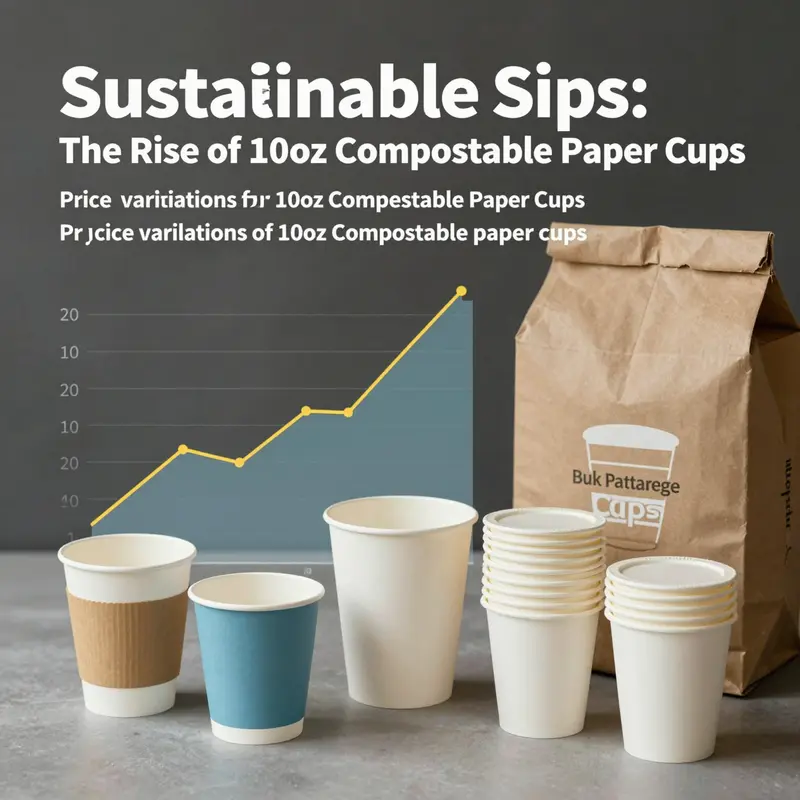
The ascent of 10oz compostable paper cups sits at the intersection of practical utility and a growing commitment to planetary health. These cups, designed to hold roughly 343 milliliters and manufactured with a double-wall, water-based coating rather than traditional plastic linings, have moved beyond a niche sustainability gesture into a mainstream packaging solution for hot and cold beverages. As coffee shops, casual eateries, delivery services, and even non-traditional venues like events and workplaces seek to reduce plastic waste, the logic behind choosing compostable cups becomes increasingly cohesive: they offer reliable performance, meet environmental expectations, and align with evolving regulatory and consumer priorities. In this landscape, the 10oz size emerges as a particularly versatile option. It provides a comfortable carry for standard servings of coffee, tea, juice, and even certain cold desserts, while preserving a compact footprint for rapid service and compact back-of-house operations. The ergonomic height, top and bottom diameters, and a design that accommodates secure lids without excessive material use render the 10oz cup a sweet spot for many operators looking to balance user experience with sustainability.
The market dynamics surrounding these cups are not merely about product attributes. They are shaped by a confluence of policy shifts, shifting consumer expectations, and the strategic responses of manufacturers and retailers. Across geographies, stringent environmental regulations—whether aimed at reducing single-use plastics, improving compostability standards, or mandating traceability and certifications—have elevated the baseline requirements for suppliers. This regulatory pressure is amplified by a broader corporate push: Environmental, Social, and Governance (ESG) commitments increasingly guide procurement choices in hospitality and food service. When a cafe or chain signs up for a green procurement policy, the decision criteria for packaging expand beyond price and performance to include verified compostability, supply chain transparency, and cradle-to-grave environmental impact. The result is a market that rewards suppliers who can demonstrate credible credentials, reliable production capacity, and consistent quality across large orders, while also offering branding opportunities through customization.
In the optics of supply chains, China has consolidated its position as the world’s dominant manufacturing hub for compostable paper cups. The country benefits from a mature industrial ecosystem that spans paper conversion, coating technologies, and plant-based composite materials. Government-backed green initiatives, access to a broad supplier network, and decades of experience in high-volume production underpin cost efficiencies and capacity scalability. This combination of factors translates into formidable pricing competitiveness, especially for standard, single-wall, or lightly customized configurations. Yet the advantages of scale must be weighed against the demands of international certifications and the need to meet diverse market standards. For many buyers, the most important consideration is not simply the price per unit but the total package: proven capability to maintain consistent yield, reliable logistics, and the ability to fulfill large recurring orders within agreed timelines. The B2B marketplace that serves this segment rewards those who can demonstrate a stable export track record, robust quality control, and the capacity to align production with evolving regulatory regimes.
Pricing in this segment is a mosaic of variables rather than a single dial. Volume remains the most influential driver. Bulk orders around 50,000 units frequently anchor price ranges, with standard, single-wall designs featuring plastic lids offering promotional efficiency and predictable performance in the range of roughly US$0.008 to US$0.013 per cup. Where sustainability credentials are more pronounced—through compostable coatings such as PLA or plant-based alternatives and more stringent certifications—the per-unit price tends to rise, commonly landing between US$0.016 and US$0.019 at similar volumes. This spread reflects the incremental costs of renewable materials, specialized coatings, and the additional processing steps required to meet compostability criteria. It also mirrors the economics of compliance: suppliers that carry recognized certifications like SGS or BV, or that adhere to compostability standards such as ASTM D6400 or EN 13432, often price these attributes into the unit cost. The result is a pricing ecosystem where cost efficiency and compliance are not mutually exclusive but are tightly coupled with the supplier’s ability to demonstrate reliability and traceability.
The pricing architecture is further nuanced by the presence of minimum order quantities and the scope of customization. MOQs are a common feature, designed to ensure economic viability for manufacturers investing in specialized materials, custom printing, or branded packaging. When buyers seek custom-printed logos, specific color palettes, or unique packaging formats, the per-unit cost typically increases. In some cases, smaller buyers or those seeking to test market viability may encounter higher entry costs, including sample fees. A few suppliers may charge upfront for samples to cover the cost of materials, handling, and the opportunity cost of allocating production line time, with sample costs sometimes appearing in the range of several tens to a hundred dollars per piece. While these fees can be discouraging for start-ups, they are often justified as part of due diligence to verify performance, print fidelity, and compatibility with branding standards before committing to a larger rollout.
The strategic approach to pricing in this market transcends mere undercutting. For buyers, the most effective strategies hinge on due diligence, long-term supplier partnerships, and a disciplined approach to supplier selection. Audits, certifications, and export experience matter because they reduce the risk of noncompliance and supply disruption. In practice, progressive buyers increasingly favor suppliers who have demonstrated capacity to deliver high-volume orders consistently while maintaining product integrity across batches. This is where platforms that host verified manufacturers can play a pivotal role, enabling direct comparison of pricing, MOQs, and specifications, and enabling procurement teams to converge on the best balance of cost, reliability, and sustainability.
Within this framework, customization becomes a meaningful value proposition rather than a mere marketing embellishment. Branded packaging is a differentiator in crowded food service spaces, helping operators convey a commitment to sustainability and fostering consumer recognition. The ability to print logos, select colors, and design patterns on a compostable cup line can translate into tangible marketing benefits, enhancing brand recall and customer loyalty. The economics of customization must be evaluated against expected incremental sales and brand equity returns. A well-executed customization strategy can justify modest premium pricing by enabling operators to command stronger consumer engagement and to reinforce sustainability messaging. It is essential, however, to maintain a careful calibration between the cost of customization and the projected uplift in brand value and customer preference. In other words, the math of the customized cup must be anchored not only in the unit price but in the broader financials of the business model—average ticket size, repeat purchase rate, and the premium customers are willing to pay for a sustainable, transparent packaging story.
From the perspective of the buyer, the decision calculus extends beyond the line item on a single purchase order. It encompasses supply chain resilience, the availability of backup suppliers, and the ability to scale with seasonal demands. The global nature of the market means currency fluctuations and shipping logistics can materially affect total landed cost, especially when procurement cycles involve long lead times and multi-tier supplier networks. The ability to forecast demand with reasonable accuracy becomes a competitive advantage, enabling purchasers to negotiate better terms and to secure capacity during peak periods. For operators who rely on rapid replenishment, the speed and certainty of delivery can carry just as much weight as unit price. In effect, market dynamics in this space reward a careful blend of price discipline, supplier reliability, and a demonstrable track record of meeting environmental and regulatory requirements.
An internal touchstone for many buyers is the availability of practical, real-world references that describe supplier capability and product performance. For instance, a distributor or retailer may point to listings and supplier profiles that highlight daily production capacities and export experience as indicators of long-term viability. In such contexts, transparency about production capabilities and testing criteria becomes a driver of trust and a key factor in decision-making. The market rewards clarity about what is being produced, how it is tested, and how quickly a supplier can respond to changing specifications or regulatory demands. This clarity often translates into stronger negotiation leverage for buyers who can document the alignment of their packaging with environmental certifications, customer expectations, and regulatory frameworks.
In the pursuit of better outcomes, buyers also consider the broader ecosystem that surrounds compostable cups. Customization is not merely a one-off design choice but a signal of alignment with a brand’s sustainability narrative. The emotional resonance of a product that communicates environmental stewardship in its form factor can influence consumer behavior downstream, shaping perceptions of a brand’s values as customers choose products not only for taste and price but for the story that accompanies their purchase. The literature connecting packaging with consumer trust is consistent: credible sustainability credentials, visible compostable markers, and consistent performance across cold and hot applications contribute to more favorable brand associations. The practical implications for pricing are clear. When a brand’s packaging communicates responsibility effectively, it can command premium shelf presence or drive higher loyalty, which may justify a higher per-unit price and improved margin over time.
To anchor these concepts in the real-world sourcing environment, it is useful to consider the role of digital marketplaces and supplier verification. The global B2B landscape offers buyers a broad canvas to compare offers, but it also introduces risk if supplier due diligence is not robust. Buyers increasingly lean on audit certifications, documented production capabilities, and third-party testing results to reduce uncertainty. In a market where materials, coatings, and compostability criteria are evolving, the assurance that a cup will perform under hot liquids, maintain structural integrity, and break down in composting streams is non-negotiable. This is why successful procurement strategies blend price awareness with a disciplined approach to supplier verification, testing regimes, and ongoing quality control. The end result is a supply chain that can deliver the sustainability promise with predictable cost and dependable delivery, even as market conditions shift.
From a practical perspective, one actionable path for businesses is to view the supply chain as a collaborative ecosystem rather than a transactional arena. Building long-term partnerships with vetted manufacturers can unlock access to stable MOQs, better lead times, and more favorable terms for customization. Such relationships often yield incremental value through joint product development, optimization of coatings for compostability, and cooperative efforts to achieve recognized certifications. An operator who negotiates not just price but also post-sale support, defect handling, and scalable production arrangements gains a comparative edge in a market where demand is rising and competition is intensifying. In this sense, the economics of sustainable packaging become a forward-looking exercise: prudent capital allocation, supplier collaboration, and a shared commitment to environmental outcomes can deliver superior total value over the life of a packaging program.
For readers seeking a concrete example of the market’s breadth, imagine the range of options available on a global sourcing platform that aggregates producers of compostable cups, lids, and related packaging. The platform enables buyers to compare offerings side by side, assess print capabilities, review certification paperwork, and evaluate the credibility of a supplier’s export experience. It is a reminder that pricing is inseparable from the broader narrative of reliability, sustainability, and regulatory compliance. The most resilient procurement strategies recognize that the highest returns come not from cutting costs to the bone but from aligning cost efficiency with robust environmental credentials, dependable quality, and a credible story about how packaging supports a brand’s mission.
The conversation about 10oz compostable paper cups, therefore, is not simply about a single line item. It is about a market in which material science, manufacturing scale, and sustainability credentials converge to shape how beverage brands, food-service operators, and consumers experience daily life. It is about balancing the practicalities of price, volume, and customization with the longer arc of environmental stewardship. And it is about recognizing that the most effective pricing strategies in this space are those that build trust through transparency, reliability, and measurable sustainability outcomes. As buyers and suppliers continue to navigate this evolving landscape, the 10oz compostable paper cup stands as a concrete representation of how modern packaging can join practicality with responsibility—and—and perhaps most importantly—how the economics of that pairing can work in harmony with a broader market movement toward a more sustainable future.
For readers who want to explore a specific example of a compostable-cup supply position in the market, a representative product page that illustrates the customization potential and eco-friendly credentials can be a useful reference to understand how branding and sustainability are being woven into the packaging fabric. See the detailed listing titled Disposable Eco-Friendly Custom Paper Coffee Cups With Lid for a sense of how branding, material decisions, and functional design come together in a single offering, including options for printed logos, color choices, and lid compatibility. This helps illuminate the practical realities of price, MOQ, and lead times in a way that complements the broader discussion of market dynamics and pricing strategies. Disposable Eco-Friendly Custom Paper Coffee Cups With Lid
External resource: This overview aligns with market observations reported in global trade listings and supplier profiles that highlight the performance and demand characteristics of compostable cup products within the food-service packaging ecosystem. For further context on pricing, capacity, and certification considerations in large-volume production, see a representative product listing in the trade marketplace: https://www.alibaba.com/product-detail/100-Compostable-Disposable-Double-Wall-Coffee1600587157864.html?spm=a2700.galleryofferlist.normaloffer.d_title.1b5a6e25xjWmKZ
Small Cups, Big Change: The Applications and Industry Adoption of 10oz Compostable Paper Cups
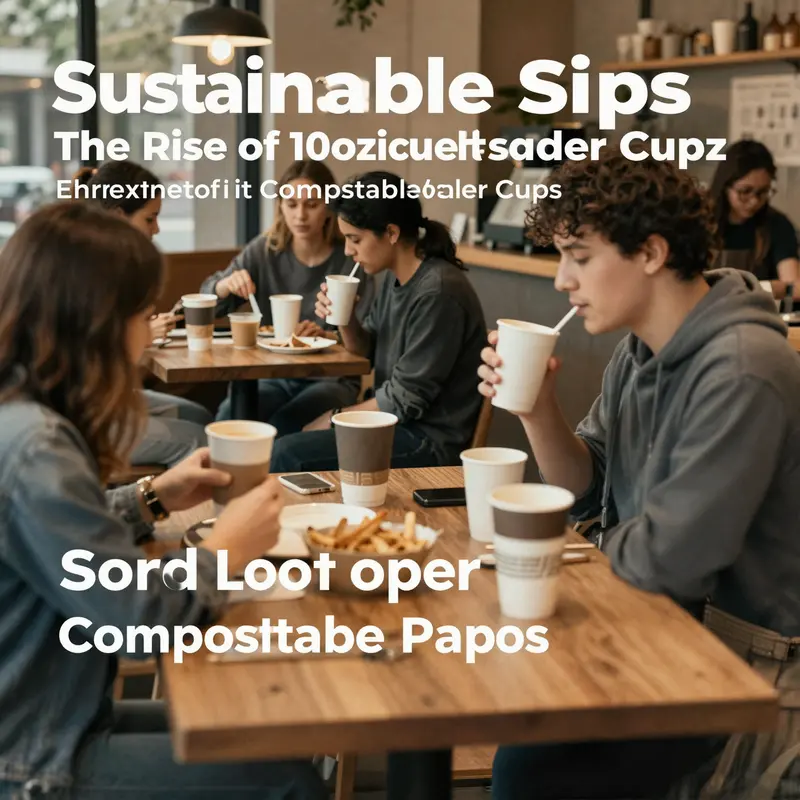
The rise of the 10-ounce compostable paper cup should not be understood merely as a product shift but as a lens on how the food service landscape is reimagining packaging. These cups, with a capacity commonly aligned to roughly 296 milliliters (10 ounces) in many markets, also reflect a broader conversation about material choice, consumer expectations, and the regulatory environment that shapes everyday service. They are designed to perform under the daily rigors of hot and cold beverages, from a steaming latte to a refreshing iced tea, while steering the industry toward a more sustainable lifecycle. Despite the occasional discrepancy in labeling—some specifications describe a capacity near 343 milliliters—the practical takeaway is clear: these cups offer a compact, efficient, and environmentally conscious option for single-use dispensing that can keep pace with the tempo of modern coffee cultures and the demands of takeout economies. A typical profile of the cup includes a top diameter around 80 millimeters, a bottom diameter near 57 millimeters, and a height close to 110 millimeters. These dimensions are not arbitrary; they balance ergonomics with stacking efficiency and compatibility with a broad ecosystem of lids, sleeves, and dispensers that form the backbone of busy beverage service.
At the heart of the 10oz compostable cup’s appeal is its material philosophy. Constructed from 100% compostable paper, many variants feature a double-wall design that delivers thermal stability without the need for a plastic barrier. The wall structure leverages an aqueous, water-based coating rather than a traditional plastic lining, which is a critical differentiator for end-of-life considerations. This approach aligns with standards that define compostability under industrial facilities, such as ASTM D6400 or EN 13432, ensuring that the product not only performs in the moment but also breaks down more cleanly under appropriate composting conditions. In practice, the coatings and the fiber composition work together to provide insulation, spill resistance, and a tactile experience that fosters customer satisfaction while signaling a tangible commitment to environmental stewardship. The availability of compostable lids made from PLA or other biodegradable plastics further strengthens containment security for hot beverages, which is essential for both drive-through efficiency and on-premise service.
Across industries, the applications of these cups reveal a pattern of adoption that is as pragmatic as it is aspirational. In coffee shops and cafes, the 10oz cup has become a standard, particularly for takeout orders and single-serve beverages. It is well suited to a culture that prizes speed, consistency, and branding in equal measure. The form factor allows baristas to calibrate their routines around a predictable cup size, enabling quicker handoffs at the counter and smoother handoffs to customers who are in a hurry yet conscious of sustainability. This is especially true for upscale venues that place a premium on brand image and customer perception, where the environmental narrative of a cup becomes part of the overall storytelling around the drink experience. The vessel acts as a small, daily indicator of a business’s values—an ordinary object that, over time, communicates a broader commitment to responsible practices.
In the fast-food and takeout sector, the cup’s utility extends beyond the barista-led experience. Drive-thru windows, delivery services, and curbside pickups depend on reliable thermal insulation and leak-proof performance. The double-wall design provides resistance to heat transfer, keeping hot beverages hotter for longer periods and reducing the risk of steam burn or discomfort for the consumer during transport. The absence of traditional plastic linings is particularly meaningful here: many operators are seeking to minimize plastic waste and embrace fiber-based solutions that align with public policy trends and consumer expectations alike. This makes the 10oz compostable cup a practical choice for operations that want to balance speed, reliability, and environmental accountability without sacrificing the customer experience at the point of sale.
In office settings, the cup serves as a familiar, disposable option for meetings, events, and daily routines where coffee and tea are staples. It allows facilities teams to offer consistent beverage service without incurring the baggage of heavy reuse programs or the complexity of collecting and washing cups at scale. The compostable option becomes an easy-to-implement step toward greener office practices, especially when paired with compostable lids and sleeves. The same logic lends itself to events and large gatherings, where beverage stations must accommodate varied drink options—hot coffee, iced tea, juice, or even cold brew—without overwhelming organizers with waste management concerns. In these contexts, the cups’ neutral, understated design can support a wide range of drink types and branding efforts, helping event organizers to present a coherent, sustainable image that travels well to attendees.
Market dynamics have reinforced these practical deployments. A key driver is the global shift away from single-use plastics toward materials that can be composted, recycled where feasible, or otherwise managed with lower environmental impact. Businesses are responding to tighter regulatory landscapes that limit plastic use and to rising consumer expectations for transparency and accountability in packaging. The replacement of polyethylene coatings with water-based alternatives to achieve full compostability has become a focal point for manufacturers seeking to align performance with responsible end-of-life outcomes. Beyond compliance, this shift supports brand trust: customers increasingly favor brands that can articulate a credible sustainability narrative, and the cup itself becomes a visible artifact of that narrative at the moment of consumption.
The economics of these cups also reflect a dynamic market structure shaped by scale and customization. In bulk, pricing typically trends in the relatively modest range, with prices per cup varying depending on order quantity, material purity, and whether branding is requested. For bulk orders around fifty thousand pieces, unit costs often fall within a few cents per cup, with higher-end or branded variations priced above that baseline. This pricing framework makes compostable cups a competitive option for operators who are standardizing on sustainable packaging as part of their service proposition, while still maintaining overall cost efficiency in a competitive food service marketplace. The economics are not purely about the purchase price of the cup itself; the full lifecycle—logistics, inventory management, end-of-life processing, and potential branding opportunities—enters into the calculation. In this context, the pursuit of sustainability is not a luxury but a strategic asset that can support customer loyalty and market differentiation over time.
Customization emerges as a critical dimension of industry adoption. Operators increasingly seek to align packaging with brand identity, leveraging printed logos, color schemes, or design patterns to extend their brand experience beyond the drink itself. The ability to print on the cup and to pair it with lids and sleeves that echo the brand palette creates a cohesive, memorable presentation. The customization conversation often intersects with ordering platforms on global e-commerce and B2B marketplaces, where buyers can access a spectrum of options—from standard, unbranded models to fully customized, branded solutions. The strategic value of customization lies not only in aesthetics; it also communicates a level of care to customers and can reinforce loyalty through consistent, on-brand packaging cues at the point of service.
Within this landscape, product design and packaging science converge with consumer behavior. The double-wall structure provides tactile comfort and thermal performance, which matters to a segment of customers who want a cup that feels substantial and reassuring while they are on the go. The aqueous coating, being water-based and biodegradable, minimizes the environmental burden associated with traditional plastic coatings, addressing a primary concern of many shoppers who associate disposable cups with climate impact. In markets where composting infrastructure is strong, the cups can be diverted from landfills more readily, particularly when paired with lids and sleeve accessories that facilitate containment and transport. The packaging ecosystem, in turn, expands the reach of compostable cups beyond specialty markets and into mainstream venues, enabling a wider swath of consumers to experience sustainable packaging in their daily routines.
As adoption accelerates, there is a natural convergence toward standardized specifications that support interoperability across the supply chain. The dimensions—the approximate 80 mm top diameter, 57 mm bottom diameter, and 110 mm height—provide a consistent template that simplifies the procurement process for operators who require reliable compatibility with a broad range of lids, cups, and dispensers. This uniformity reduces friction in scaling up operations and ensures that performance remains consistent as businesses transition from pilot programs to full-scale rollouts. It also supports a more predictable recycling and composting pathway, because end users, waste handlers, and composting facilities can anticipate the material flows associated with these cups when they are diverted to appropriate end-of-life streams.
The growth trajectory for these products is inseparable from the wider trajectory of the biodegradable packaging market. Industry data point to exciting momentum, with projections suggesting robust expansion in the coming years. A key takeaway is that the 10-ounce specification is among the fastest-growing applications within the broader category of paper drink cups. This momentum is fueled by both policy developments that discourage conventional plastics and consumer preferences that prioritize eco-conscious choices without sacrificing convenience. The market’s evolution reflects a broader trend in which packaging is seen not as a disposable afterthought but as a strategic component of a brand’s sustainability platform. In this regard, the 10oz compostable cup transcends its status as a simple container and becomes a visible commitment to responsible consumption in everyday life.
From the perspective of supply chains and distribution, the rise of these cups is closely tied to the continued globalization of supplier networks. Buyers increasingly source from platforms that curate a range of options, enabling cost-effective procurement at scale while preserving the environmental attributes that matter to a brand. The economics of mass production—where facilities optimize coating formulations, pulp blends, and energy use—enable the production of consistent, high-quality cups suitable for global distribution. Yet even with the advantages of scale, suppliers must remain attentive to the evolving regulatory frameworks, which can differ by region and affect end-of-life handling, labeling, and consumer communication strategies. The net effect is a market that rewards transparency, traceability, and reliability, with compostable 10-ounce cups occupying a pivotal position in many portfolios due to their balance of performance, sustainability, and brand compatibility.
To illustrate the practical reality of this adoption, consider the simple interplay between cup design and consumer expectations. The cup’s performance at the point of sale—how well it preserves beverage temperature, how secure a lid remains during transport, and how the packaging communicates responsibility—collectively shapes the customer’s impression of a brand’s values. The environmental narrative embedded in the cup is no longer a secondary consideration; it is part of the service proposition itself. This is why many operators integrate sustainability into their core messaging, using the cup as a tangible artifact of a broader commitment to reducing waste and supporting circular economy principles. In turn, consumers respond with increased trust and willingness to support establishments that demonstrate a credible, verifiable approach to sustainability. The cup thus serves as a microcosm of a larger shift, one that treats packaging not as a single-use afterthought but as a link in a longer chain of environmental accountability.
For readers seeking a deeper dive into the sustainability management of food-service products, a credible external resource offers a broader framework for understanding how packaging choices interface with waste management and policy. This external context complements the chapter’s focus on applications and industry adoption by situating cup design within a systemic approach to compostability, recycling, and responsible disposal. External resource: EPA Guidelines on Food Service Products.
Within the realm of practical procurement and branding, there is a notable opportunity for operators to explore a specific example of customization that aligns with the cup’s lifecycle. Operators who wish to capitalize on on-brand beverage experiences can consider the disposable take-away paper cup with custom logo and lid, which showcases how a brand’s identity can travel with the product from the cup’s lip to the lid’s silhouette. This not only reinforces brand recognition but also signals a tangible commitment to sustainability through cohesive design language. It is a reminder that packaging choices carry communicative power as well as functional value. The thoughtful integration of aesthetics, performance, and environmental responsibility can translate into measurable outcomes for customer satisfaction, repeat business, and even social media visibility as diners share their experiences with eco-friendly packaging.
In sum, the applications of 10oz compostable paper cups span coffee shops, fast-food and takeout operations, offices, and events alike. They respond to the growing imperative to replace plastic waste with materials that offer verifiable end-of-life pathways, while delivering reliable thermal performance and a dependable user experience. Their market adoption is fueled by a combination of regulatory pressure, consumer awareness, and the practical realities of running a busy beverage service that must balance speed, cost, and sustainability. The evolution of these cups—through improved coatings, standardized dimensions, and accessible customization—illustrates how environmental goals can be harmonized with everyday business needs. As more operators incorporate these cups into their service models, they contribute to a broader transformation in disposable packaging, one that treats sustainability not as an optional extra but as a foundational element of modern, responsible food service.
Useful context for practitioners and policymakers who want to trace the broader supply-chain implications of this shift can be found in the external resource cited above. Additionally, for readers exploring related packaging formats and their applications, the linked product pages from the supplier network can provide concrete examples of how protection, branding, and environmental compatibility are achieved through design choices that are consistent with current standards and market expectations.
Internal link reference (example of industry-aligned customization options): disposable take-away paper cup with custom logo and lid
Brand Moments on a Green Canvas: How Customization Elevates 10oz Compostable Paper Cups
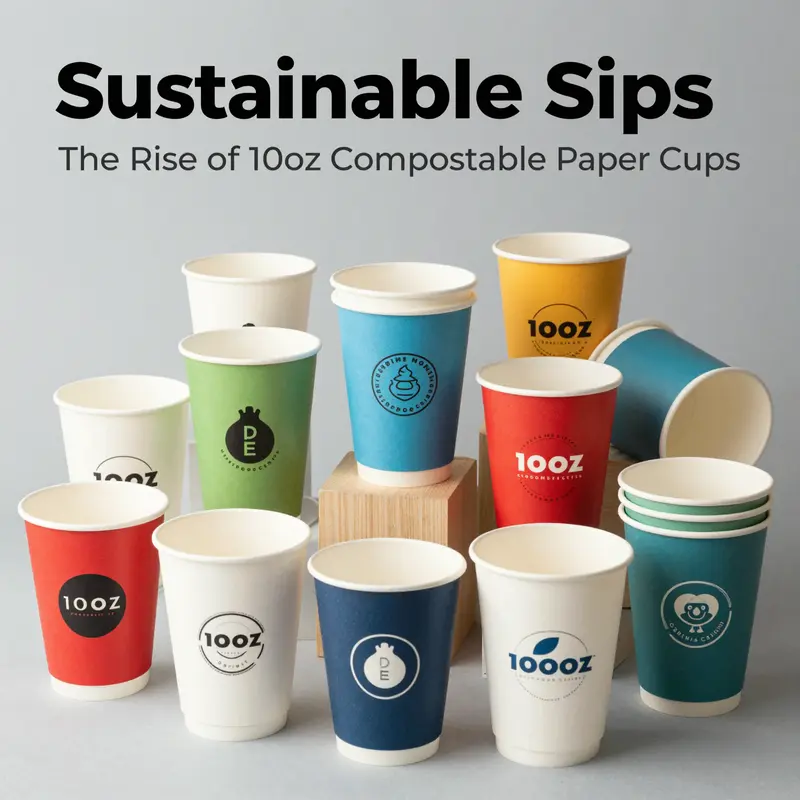
Imagine a 10oz compostable paper cup not as a disposable item but as a portable billboard for values, a compact stage where color, typography, and texture converse with a customer over a cup of coffee. In a market increasingly driven by environmental awareness, the cup itself becomes a storytelling device. It carries a message about sustainability far beyond the liquid it holds, turning everyday service into an opportunity for connection. The cup’s surface is more than a canvas; it is a scalable channel through which a business can persuade, inform, and delight without leaving the dining area. In this sense, customization is not merely a decorative flourish but a strategic tool that intertwines brand identity with daily consumer rituals. The move toward compostable materials makes this approach even more potent, because the message it conveys—responsibility, transparency, and care for the planet—resonates with customers who are increasingly selective about the packaging they encounter.
Customization on these cups begins with the fundamentals of surface and printability. The cups are generally designed to withstand both hot and cold beverages, a requirement that guides choices in coating, ink systems, and substrate thickness. A plant-based coating, often derived from water-based, biodegradable materials, aligns with the eco-friendly promise while preventing leakage and preserving print integrity. This combination matters: a well-printed logo is legible on a hot cup, a wraparound design remains cohesive when stacked, and a bold color palette maintains its vibrancy from the first pour to the last sip. Designers must balance the richness of color with readability; complex images can be striking, but when a cup is in a customer’s hand, quick recognition is crucial. High-contrast text, clear branding on one or two strategic panels, and a clean negative space layout can transform a simple beverage into a memorable experience that customers want to repeat and share.
The scope of customization goes well beyond color and logo placement. Modern manufacturing platforms enable a spectrum of options, from full-wrap graphics that tell a story around the cup to simpler, two-sided treatments that convey essential brand messaging while leaving room for the drink’s aroma and texture to shine through. The design conversation often begins with intent: do you want a bold, experiential statement that grabs attention at the point of sale, or a more understated cue that complements the drink’s flavor profile and the venue’s atmosphere? The answer shapes every subsequent decision—from color psychology and typography to the density of ink and the spacing between elements. For a coffee-focused environment, for instance, a warm palette and legible type that communicates a slogan or a short brand value can create an instant moment of recognition as customers lift the cup. For a venue that emphasizes sustainability, the design might foreground a concise environmental message, a recycling icon, or a brief note about compostability. The goal is to craft a cup that tells a coherent story at a glance, even in a busy line.
Customization is also deeply practical. Suppliers increasingly offer flexible minimum order quantities, with options that make branded, eco-friendly cups accessible to small startups and local businesses as well as larger operators. A company can experiment with a limited run to test a concept, then scale up as feedback accumulates. This iterative capability is vital, because the most effective branding on a cup often emerges from testing: how does the design look at a distance on a shelf, how readable is it when wrapped around the cup, how does it perform in a consumer’s hand when heat and condensation are at play? Free sample kits are another practical feature, enabling brands to review print quality, material feel, and overall design before committing to a full run. The ability to request samples reduces risk and accelerates the creative cycle, turning the cup into a precise tool for brand refinement.
The economics of customization are not incidental to branding; they are a key lever in how a cup contributes to a company’s image. Bulk orders with tens of thousands of units can bring per-unit costs into a competitive range, especially when the customization is streamlined and standardized. Yet even at smaller scales, the value of a well-executed design can be disproportionate to the spend. A cup with a thoughtfully placed logo and a restrained color scheme can boost recognition and reinforce a brand’s narrative across every beverage encounter. When a customer carries a branded cup through a parade, university campus, or office corridor, the cup becomes a walking advertisement, a portable reminder of a company’s commitment to sustainability. This kind of ambient branding compels brand ambassadors to become passive collaborators in a customer’s daily routine, expanding reach in subtle, authentic ways.
From a design perspective, the cup is a powerful canvas for storytelling because it exists at the intersection of product and moment. The same container that holds a drink also holds the consumer’s attention during a brief pause in a busy day. This makes typography not just a matter of aesthetics but of timing. Short, impactful statements or taglines work best when they can be absorbed in an instant, without crowding the surface or compromising legibility. Visuals, too, should be mindful of how the cup is used. A wraparound pattern can suggest movement and energy if aligned with the drink’s temperature or the venue’s mood, while a single, dominant emblem on one side leaves room for a bite of nutrition information or a subtle sustainability note on the opposite panel. The art of balance here is to respect the cup as a disposable item with an intended lifecycle while maximizing its potential to create a lasting impression in a single interaction.
Lid design, too, matters within a branding strategy. Compostable lids, often crafted from plant-based polymers, can be color-matched or selected to complement the cup’s design language. Lids not only ensure containment and heat retention but also serve as another surface for messaging. A crisp, concise message on the lid—such as a seasonal promotion, a QR code for loyalty programs, or a reminder about compostability—can extend the brand’s reach beyond the initial handoff. When a customer caps a hot beverage, the lid becomes a second screen of sorts, a micro-ad space that reinforces the brand narrative while maintaining the product’s environmental integrity.
The sustainability story deserves a central role in the branding conversation. Modern consumers increasingly equate packaging with a company’s values, so the cup’s compostable story should be explicit yet graceful in its delivery. Rather than a heavy-handed block of text, a few well-chosen lines about renewable materials, water-based coatings, and industrial composting can create meaningful associations without distracting from the drink itself. This approach aligns the cup with broader corporate storytelling—where transparency about sourcing, waste reduction, and community impact strengthens trust and loyalty. When the cup reflects these commitments, it invites customers to participate in the brand’s mission, not merely consume a product. The result is a relationship built on shared values, anchored in a small, tangible artifact they encounter repeatedly.
An essential practical consideration is the platform a business uses to source these customizable cups. Global marketplaces have simplified access to a spectrum of options—from basic, unbranded models to fully customized products with color-matched ink and tailored graphics. The process typically begins with a design briefing, a set of expectations about print quality, color accuracy, and the number of colors. Suppliers then offer proofs and, if needed, revised proofs until the design meets the client’s vision. The ability to request samples helps ensure alignment between expected and actual outcomes, particularly when the brand intends to maintain high fidelity across multiple runs. In addition to the product itself, the relationship with the supplier matters. Clear communication, reasonable lead times, and transparent policies around refunds or quality issues build confidence and shorten cycles, enabling brands to iterate quickly and bring campaigns to market with agility.
The marketing payoff of customization is not only in the cup’s appearance but in its broader integration with the business’s identity ecosystem. A carefully designed cup can reinforce a store’s interior branding, cue seasonal promotions, and complement other packaging elements. If a shop uses a color system that echoes its overall design language, the cup becomes a coherent extension of the storefront, delivering a seamless customer experience from the moment the drink is ordered to the moment the cup is recycled. This coherence matters because it reduces cognitive load for customers; a familiar palette and typographic treatment across touchpoints makes the brand feel confident and organized. It also invites cross-pollination with other channels, such as social media, where customers may photograph and share the cup as part of a broader brand narrative. In that sense, the cup is not a one-off item but a node in an interconnected ecosystem of branding and customer engagement.
To illustrate these ideas in practice, consider how a venue might approach a promotional season with customized cups. The design could introduce a limited-time color story that aligns with a calendar event, a harvest theme, or a community initiative. The wraparound layout could guide the eye around the cup, ending with a short call to action or a message about recycling. A two-sided approach might place a prominent brand mark on one side and a succinct sustainability note on the other, ensuring both recognition and responsibility live in harmony. The design choices become a narrative mechanism, inviting curiosity, sparking conversations with staff, and encouraging customers to learn more about the brand’s ecological commitments. In such scenarios, even a modest drink becomes a carrier of identity, a moment of brand reinforcement that travels with the consumer as they move through the day.
In short, customization and branding on 10oz compostable paper cups transform a simple beverage into a meaningful, durable experience. The cups’ plant-based construction, compatibility with hot and cold beverages, and potential for expressive design create a powerful combination. When brands thoughtfully align their messaging with practical considerations—readability, durability, and lifecycle impact—the result is an effective marketing channel that respects the environment and resonates with customers who are eager to support responsible choices. The cup, in this sense, becomes more than a container; it becomes a reachable, repeatable moment where brand values meet everyday life. For businesses evaluating how to extend their branding into packaging, these cups offer a compelling platform that merges aesthetics with ethics, speed with sustainability, and visibility with trust. By embracing the possibilities of customization, brands can turn ordinary service into a quiet, lasting impression that customers carry with them long after the beverage is gone.
Potential buyers exploring these options often navigate a marketplace that provides both flexible MOQs and scalable printing capabilities. Some suppliers offer introductory quantities as low as a few hundred units, which is especially valuable for pop-ups, trials, or limited-edition campaigns. As demand grows, the same partners can support larger runs, maintaining consistency in color, print quality, and coating performance. The pricing landscape tends to reflect volume and complexity: modest runs with simple graphics may attract lower unit costs, while more elaborate, multi-color designs, or higher fidelity finishes, can command fractionally higher prices—yet still compete with traditional packaging alternatives, particularly when the environmental premium is factored into the consumer value proposition. In addition to color and graphics, other design elements—such as the arrangement of brand marks, the density of messaging, and the balance between graphic imagery and negative space—play a critical role in how a cup communicates with a passerby. Thoughtful configuration ensures that the cup speaks clearly, swiftly, and respectfully: it invites the customer to remember not only the drink but the responsible, forward-looking brand behind it.
For those considering the broader strategy of packaging across channels, the 10oz compostable cup represents a versatile node in a sustainable branding system. Its ability to marry function with form—hot-cold stability, leak resistance, compostability, and printability—makes it a practical choice for venues aiming to differentiate themselves in a crowded market. The customization journey, from concept to proof to production, becomes part of the brand’s narrative arc, reinforcing a commitment to quality, transparency, and environmental stewardship. When integrated with a cohesive packaging strategy, these cups help create moments of resonance in customers’ daily routines, turning ordinary consumption into a signature experience that aligns with contemporary expectations about how businesses treat people and the planet. The result is branding that travels with the customer, fosters loyalty, and amplifies a message of care with every sip.
External resource: Alibaba listing for 10oz custom printed paper cups (external research reference)
Internal link example: For practical, on-brand cup options with lids, see disposable eco-friendly custom paper coffee cups with lid. disposable eco-friendly custom paper coffee cups with lid
External resource:
https://www.alibaba.com/product-detail/10oz-Custom-Printed-Paper-Cups-999–647232895677.html?spm=a2700.galleryofferlist.p1000022154.a111111&productId=647232895677&source=gallery&from=productdetail&isRfq=false
Final thoughts
The shift towards 10oz compostable paper cups reflects a growing commitment to sustainability in the food and beverage sectors. As businesses increasingly align with eco-friendly materials, these cups not only provide practicality in serving drinks but also support broader environmental goals. With diverse applications and an array of customization options, adopting compostable cups is a strategic move for companies aiming to elevate their brand identity while minimizing ecological footprints. Choosing these cups means stepping into a future where taste and responsibility go hand in hand.