
Introduction
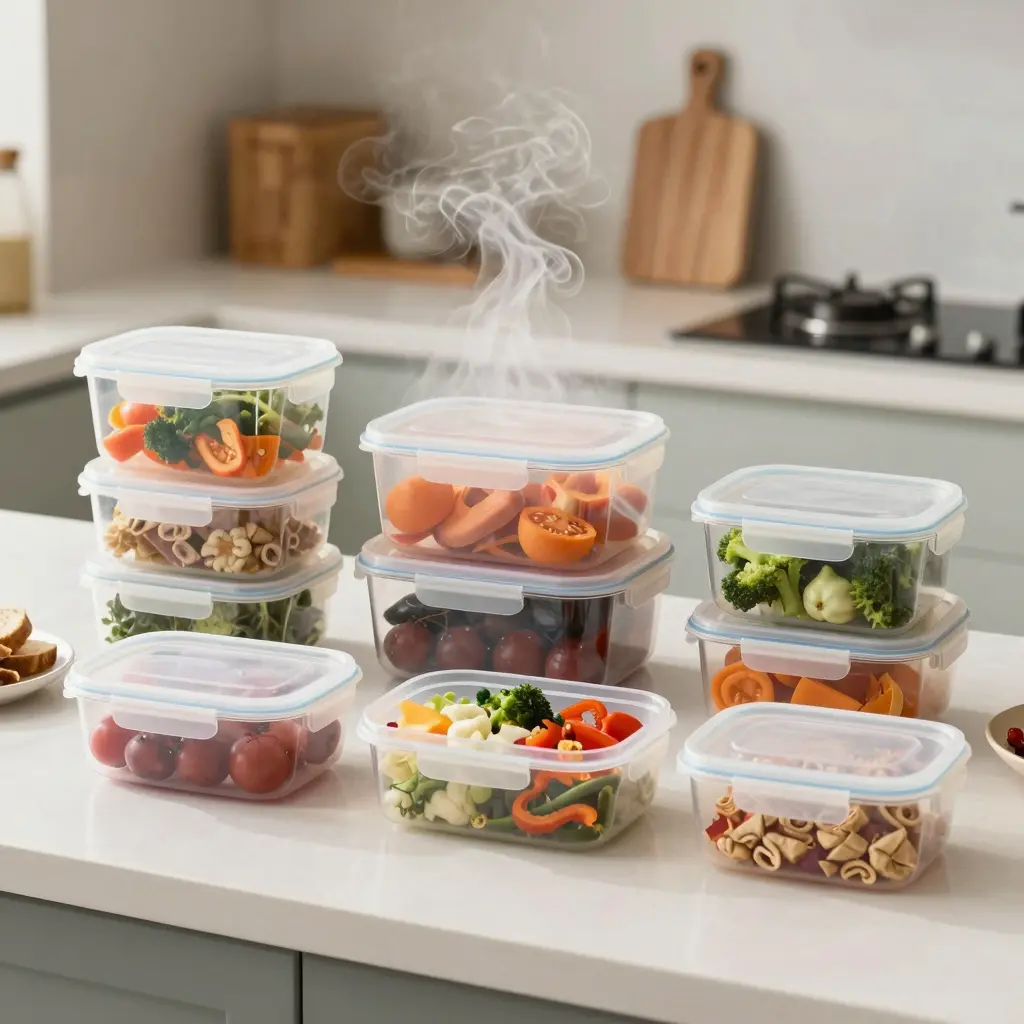
In today’s fast-paced food industry, ensuring the safety and quality of food heating practices is more crucial than ever. This is especially true for bubble tea shops, restaurants, and food service providers that often rely on plastic containers for food storage and preparation. Knowing how to safely heat food in plastic containers is vital-not only to prevent harmful leaching of chemicals but also to maintain flavor and quality. Improper heating can lead to food safety concerns and compromise customer satisfaction. Whether you serve piping hot bubble tea or freshly cooked meals, understanding the right techniques can impact both your reputation and bottom line. In this article, we’ll discuss effective and safe strategies for heating food in plastic containers, ensuring that you meet health standards while delivering delicious offerings to your customers. For more on sustainable food packaging options, explore our paper bowls or sugarcane food containers.
Types of Plastic Containers Safe for Heating
When it comes to heating food in plastic containers, understanding the types of plastic and their heat resistance is crucial for safety and health. Here, we will explore prevalent materials such as polypropylene and polyethylene, highlighting their applicability for food heating.
Polypropylene (PP)
Polypropylene is a popular choice in food service due to its excellent heat resistance. It can tolerate temperatures up to 135°C (275°F) continuously and even higher (up to 165°C or 329°F) for short durations. This thermoplastic material is robust, making it suitable for containers used in microwaves and hot liquids without leaching harmful chemicals into the food. Businesses engaged in quick-service meals, such as restaurants and food trucks, often prefer polypropylene because it combines durability with safety.
Polyethylene (PE)
Polyethylene, while slightly less heat-resistant than polypropylene, remains a common plastic in the food industry. It’s typically used for cold food applications and has a heat tolerance of around 60-80°C (140-176°F). This material is often seen in take-out containers and various packaging. Although safe for many applications, caution is recommended when heating food in polyethylene containers, especially at higher temperatures. Research from SOUFI’s indicates that while it’s widely used, it’s critical for users to ensure that the polyethylene containers are marked for microwave use.
Implications for Businesses
For businesses like bubble tea shops, restaurants, and food trucks that regularly need to heat food, selecting the right plastic is key. Using unsuitable plastic could lead to harmful chemical leaching, endangering customer health and potentially leading to legal issues. Moreover, as consumers become more aware of food safety, the demand for safer packaging will increase, urging businesses to adapt to safe materials like polypropylene. As noted in reports, using compromised or old plastic containers may escalate these risks, thus highlighting the importance of investing in high-quality, heat-safe plastic containers.
In conclusion, when selecting plastic containers for heating food, look for high-heat-resistant options like polypropylene and ensure that any containers made from polyethylene are safe for microwave use. Adopting these standards not only protects your customers but also enhances your brand’s commitment to safety and quality.
Comparing Plastic Container Types
Understanding the different types of plastic containers is essential for ensuring safe heating options in your business. Below is a detailed comparison of popular plastic container types, including their heat tolerance and best applications:
| Material Type | Heat Limit | Best Applications |
|---|---|---|
| Polyethylene (PE) | Up to 60°C (140°F) | Cold food storage, plastic bags, water bottles |
| Polypropylene (PP) | Up to 100°C (212°F) | Food containers, microwave-safe packaging, hot beverages |
| Polystyrene (PS) | Up to 70°C (158°F) | Disposable plates and take-out containers |
Summary
- Polypropylene stands out as the best option for containers that will be heated, as it has a high heat tolerance suitable for hot foods and microwave use. If you are looking for food packaging solutions that can safely handle heat, choose PP containers.
- Polyethylene is excellent for cold and frozen food storage, while Polystyrene is commonly used for disposable items but should be avoided for heating food.
For more about sustainable packaging options, check out our selection of environmentally friendly products.
Heating food in plastic containers may seem convenient, but it poses significant risks primarily due to the potential for harmful chemical leaching. When plastics are heated, especially in a microwave, they can release toxic compounds such as bisphenol A (BPA) and phthalates into the food. Research indicates that these substances, commonly found in many types of plastic food containers, can interfere with hormonal functions and have been linked to various health issues, including reproductive disorders and even cancer (BBC Future). A doctor warns that heating takeout containers can substantially elevate the risk of such leaching, further endangering consumers’ health (Bristol Post). Moreover, the risk of chemical release is exacerbated by factors like the temperature of the food being heated and the age or condition of the plastic container. Experts recommend that individuals and businesses alike transition to safer alternatives, such as glass or ceramic containers, which do not carry the same risks. As food service professionals, ensuring the safety and well-being of your customers is paramount; thus, utilizing safer packaging solutions for heating food can help mitigate health concerns and enhance overall food safety.
Tips for Safe Food Heating in Plastic Containers
Heating food in plastic containers can be a convenient option, especially for food service professionals. However, ensuring safety and compliance is paramount. Here are some tips to keep in mind:
-
Use Microwave-Safe Containers: Always check for the label indicating “microwave-safe” before using plastic containers in a microwave. Not all plastics are designed to withstand high temperatures without leaching harmful chemicals into food.
-
Avoid Heating Oily or Fatty Foods: Foods high in fat can cause plastics to break down at lower temperatures, increasing the risk of chemical leaching. It’s advisable to use glass or ceramic containers for these types of foods.
-
Follow Manufacturer Guidelines: Each plastic container comes with specific heating instructions. Make sure you read and follow them to avoid safety risks.
-
Temperature Control: Keep food heating temperatures to a minimum of 165°F (74°C) to ensure that any harmful bacteria are killed. Consider using a food thermometer for accurate readings.
-
Avoid Scratched Containers: Scratches can harbor bacteria and may accelerate the breakdown of plastic. Inspect containers regularly and replace any that are damaged.
-
Limit Reuse of Single-Use Plastics: Many times, single-use plastics aren’t designed for repeated heating. Always check if a container can safely be reused for heating purposes.
-
Stay Informed About Chemical Leaching: Articles by health experts, such as the one from BBC Future and Engoo Daily News, highlight potential risks associated with heating food in plastic containers. Stay current with these recommendations.
Following these tips not only helps ensure food safety but also aligns with the best practices for using plastic materials in food service.
For further insights on suitable alternatives, check out our paper bowl options.
Regulations Guiding Food Container Safety
When it comes to heating food in plastic containers, understanding the relevant regulations and safety standards is crucial for food businesses such as bubble tea shops, restaurants, catering services, and more. Here’s a summary of key guidelines from the FDA and EU that businesses should be aware of:
FDA Guidelines
The U.S. Food and Drug Administration (FDA) is responsible for ensuring the safety of plastic materials used in food contact applications. Here are some core regulations:
- Food-Contact Substances (FCS) Notification: Manufacturers must notify the FDA before marketing new food-contact substances. This ensures that any new plastic material used in containers is evaluated for safety before use.
- Labeling Requirements: Products intended for heating in microwaves must be labeled as ‘microwave-safe.’ This label indicates that the plastic will not melt or release harmful chemicals when exposed to microwave heat.
- Material Safety Standards: The FDA mandates that all plastic containers must not leach harmful substances into food items, particularly when exposed to high temperatures. For example, BPA (Bisphenol A) has become a focal point due to its potential health effects, leading to the introduction of alternatives that reduce such risks.
EU Regulations
In the EU, food safety is governed by specific regulations that ensure consumer health and environmental safety:
- Regulation (EC) No 1935/2004: This regulation outlines the requirements for materials intended to come into contact with food. It emphasizes that plastic materials should be manufactured in a way that does not transfer components to food in quantities that could endanger human health.
- Sustainability Compliance: There is an increasing emphasis on using recycled materials in food packaging, aligning with the EU’s Circular Economy Action Plan. Food businesses are encouraged to source containers made from approved recycled plastics.
- Safety Assessments: Manufacturers are required to conduct safety assessments for their plastic food containers, particularly focusing on how these materials perform under heat and whether they introduce any contaminants into food.
By adhering to these guidelines, food businesses can ensure compliance and promote consumer safety. It’s also beneficial to choose high-quality food containers from reputable suppliers who follow these regulations scrupulously. Learn more about sustainable food packaging to enhance your business operations.
In conclusion, understanding and complying with FDA and EU regulations not only protects consumer health but also boosts business credibility in the evolving market of food services.
Can You Heat Up Food in a Plastic Container?
Heating food in plastic containers is a common practice, especially in fast-paced environments like bubble tea shops, food trucks, and restaurants. However, it’s crucial to consider the safety of the containers used, as not all plastics are the same. Some can leach harmful chemicals when exposed to heat, which can compromise food safety.
“Using suitable containers for heating food is essential to prevent chemicals from leaching into your meals. Always choose containers that are labeled as microwave-safe and free from BPA or other harmful substances.” – Food Safety Expert
The Importance of Safe Containers
When heating food, especially in microwave ovens, using the right type of container can alleviate health risks. Containers marked as microwave-safe are specifically designed to withstand heat without releasing harmful substances into the food.
For those in the food service industry, it’s vital to educate staff and ensure that the proper containers are used to maintain a safe and wholesome food preparation environment. Consider looking into our paper bowls or paper packaging options as safe alternatives for food heating.
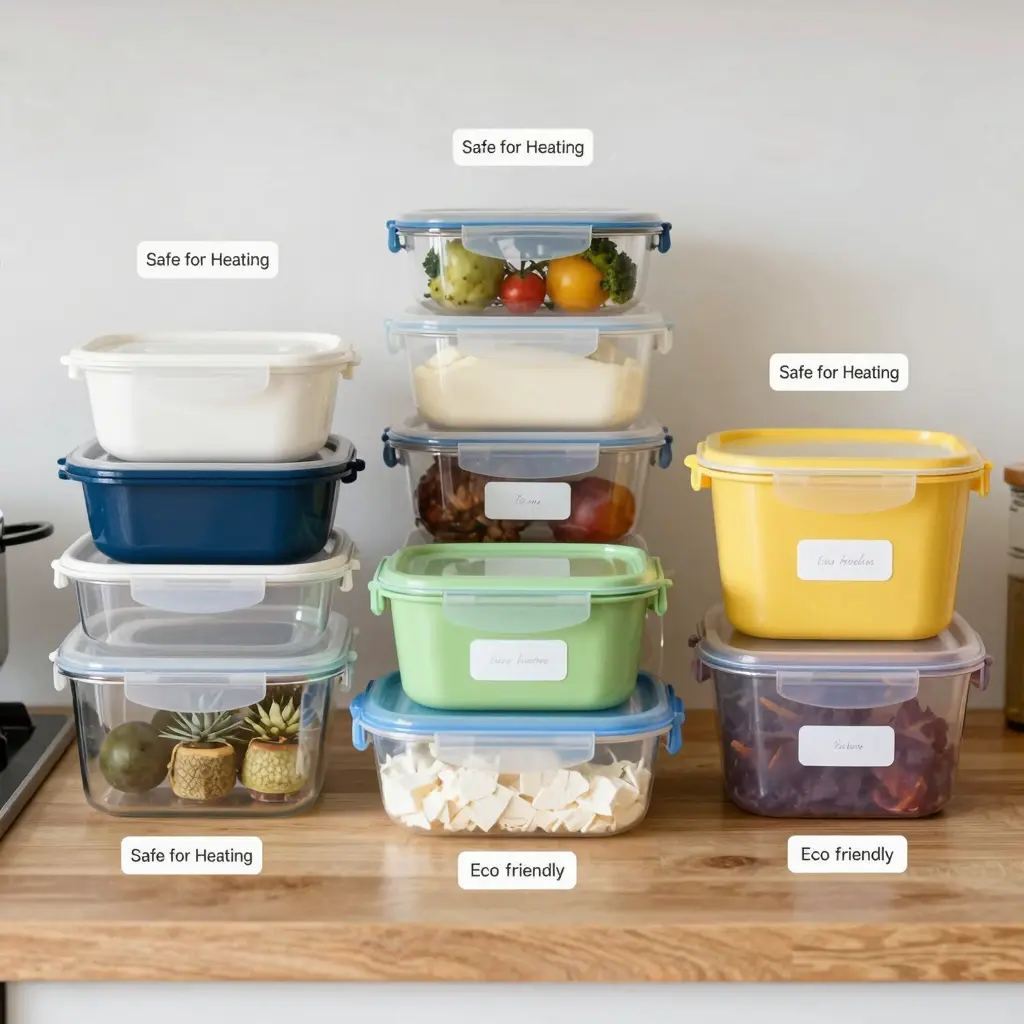
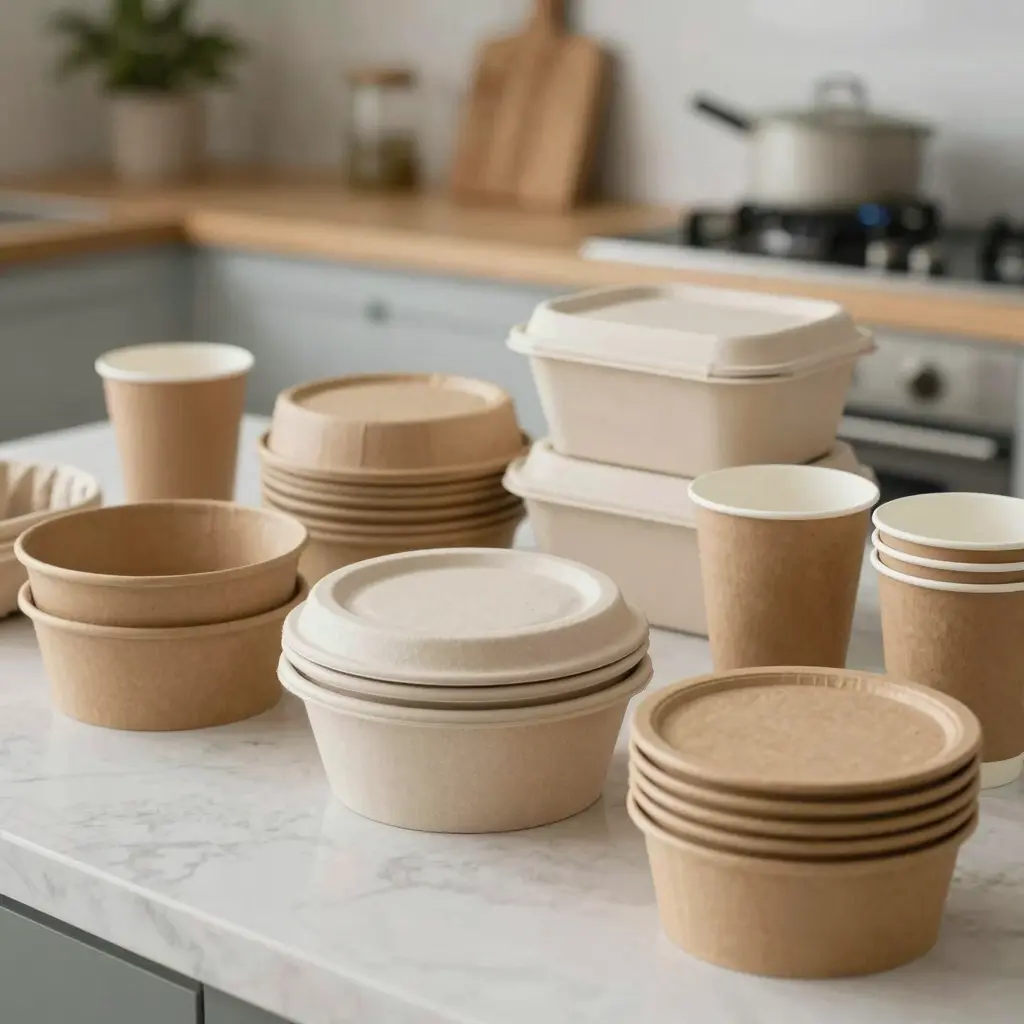
Image of safe plastic and eco-friendly containers for heating food.
Conclusion
Being mindful about the containers used for heating food not only promotes food safety but also aligns with health regulations that prioritize safe eating practices. Always opt for materials that are tested and approved for high-temperature use, and consider eco-friendly choices to enhance your brand’s sustainability efforts.
For those looking to implement safe practices in food preparation and packaging, exploring options like sugarcane tableware can provide an environmentally friendly solution while ensuring the safety of your customers.
Comparison Chart of Disposable Tableware Options
This chart provides an overview of disposable tableware options from Green Dispopack compared with competitors, focusing on safety, durability, and eco-friendly practices.
| Company | Safety Rating | Durability (Heat Resistance) | Eco-Friendly Practices |
|---|---|---|---|
| Green Dispopack | Not Found | Not Found | Not Found |
| BioLeaderPack | Not Found | Not Found | Not Found |
| Smarty Had A Party | Not Found | Not Found | Not Found |
For more insights into our paper bowl options and sugarcane tableware, feel free to explore these categories on our website.
Conclusion
In a world where culinary experiences matter greatly, the importance of safety in food preparation and heating practices cannot be overstated. Ensuring that food is prepared and served in a safe manner is crucial for the well-being of customers and the reputation of your business. Utilizing safe packaging materials can help to mitigate the potential risks associated with foodborne illnesses and contamination.
Research shows that certain plastic containers may release harmful chemicals when heated, emphasizing the need for restaurants, food trucks, and catering services to choose their food packaging wisely. For those who generate safe and delicious culinary creations, opt for containers made from materials that are not only strong and reliable but also safe for microwave and heat use, such as glass, ceramic, or high-quality paper products.
At Green Dispo Pack, we are committed to providing eco-friendly packaging solutions that prioritize safety and quality. Our extensive range of products, including paper bowls and sugarcane containers, ensures that your food is served safely while contributing to sustainability efforts.
Choose Green Dispo Pack for reliable packaging solutions that not only protect your culinary creations but also safeguard your customers’ health. Taking proactive steps in food safety can propel your business to new heights.
Safety Ratings of Food Packaging Materials
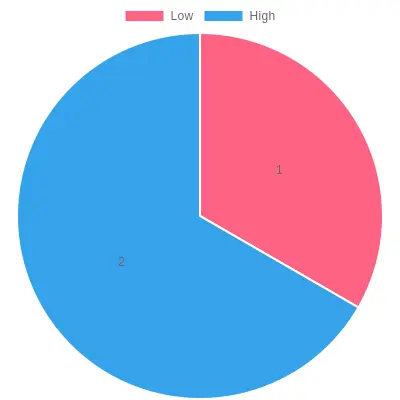
Understanding the safety ratings of different packaging materials can help in making informed choices that resonate well with your values and commitment to health.