
In the bustling world of gastronomy, especially for bubble tea shops, restaurants, and catering services, convenience often trumps all-particularly when it comes to heating food in plastic containers. However, this everyday practice invites a plethora of questions about safety and health. Are those handy plastic containers safe to use for reheating meals? Many studies suggest a cautious approach, highlighting concerns about chemical leaching and possible exposure to harmful substances such as BPA and phthalates, which can disrupt endocrine functions and impact overall health. As professionals in the food industry, understanding these risks is crucial not only for compliance with health standards but also for ensuring the safety of your customers. To dive deeper into these concerns and make informed choices, you can refer to articles discussing safe uses of plastic food packaging and the health implications on microwaving food in plastic containers.
In the food service industry, various types of plastic containers are utilized for their practicality, durability, and food safety features. Here are some common types of plastic containers, along with their typical uses:
-
Polyethylene Terephthalate (PET or PETE)
-
Used primarily for cold food and beverages.
-
Commonly found in bottles for salad dressings, soft drinks, and condiments.
-
Ideal for its clarity and strength.
-
Polypropylene (PP)
-
Utilized for both hot and cold food.
-
Often found in containers for takeout soup, microwaveable meal boxes, and deli foods.
-
Known for its heat resistance and flexibility.
-
Polystyrene (PS)
-
Generally used in disposable food containers and foam cups.
-
Good chemical resistance, making it suitable for a variety of foods.
-
Provides excellent insulation for hot items but involves some health concerns regarding microwave use.
-
High-Density Polyethylene (HDPE)
-
Commonly used for items like milk jugs, some grocery bags, and food storage containers.
-
Resilient and capable of handling various food types without leaching chemicals.
-
Low-Density Polyethylene (LDPE)
-
Often used for squeeze bottles, bread bags, and some flexible food wraps.
-
Known for its toughness and resistance to impact.
-
Polyvinyl Chloride (PVC)
-
Occasionally found in food packaging but less common compared to other plastics.
-
Used for cling films and food wraps, but safety concerns limit usage, especially in direct contact with heated foods.
Using the right type of plastic container is critical for ensuring food safety and maintaining quality. For more detailed information on safe plastic food containers, check out our guide on plastic packaging.
These containers not only make food service more efficient but also play a key role in helping businesses operate smoothly.
FDA Guidelines on Heating Food in Plastic Containers
Heating food in plastic containers is a common practice among restaurants and catering services. However, it is vital to adhere to the FDA’s safety guidelines to ensure food safety and consumer health. Here’s a concise summary of the key points:
Safety Standards for Plastic Containers
- The FDA allows specific plastic materials in food contact applications, provided they meet strict safety standards outlined in Title 21 of the Code of Federal Regulations (CFR).
- Containers must be labeled as “Microwave-Safe” if they are designed for this use, and should indicate instructions on temperature limits.
Recommended Plastic Types
- Polypropylene (PP): Safe for microwave reheating (up to 212°F), and suitable for both refrigeration and freezing.
- Polyethylene Terephthalate (PET): Best for single-use containers but not for high-heat cooking.
Risks to Consider
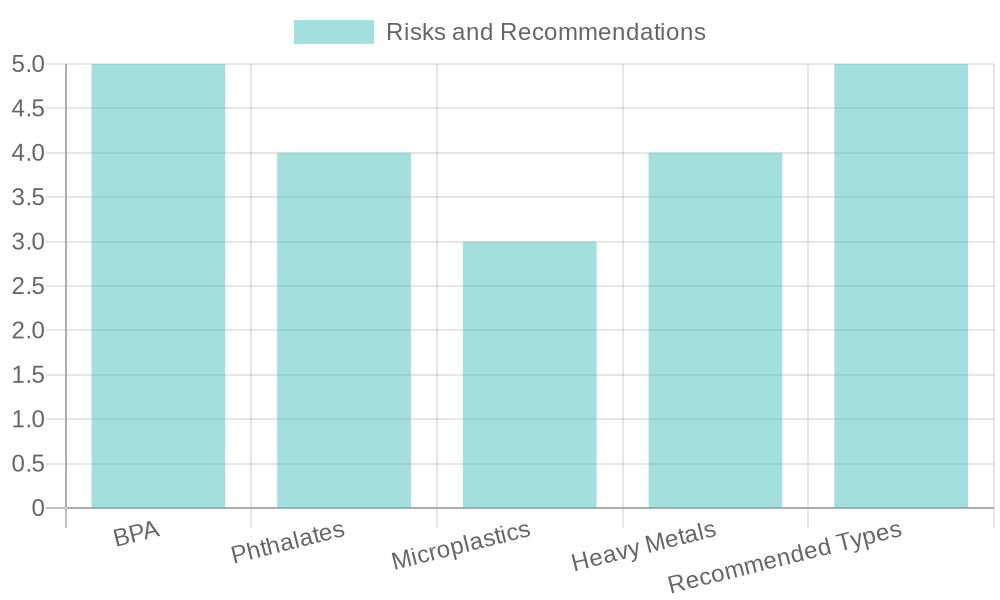
- BPA and Phthalates: Chemicals linked to health risks can leach into food when heated; avoid plastics marked with recycling codes #3 and #7.
- Heavy Metals: Some plastics can release metals like copper and lead under heat, ranging from 80% to over 300% increases in leaching.
For further insights on safe plastic options for your operations, consider visiting our post on plastic food containers and microwave-safe containers.
Potential Health Risks of Heating Plastics
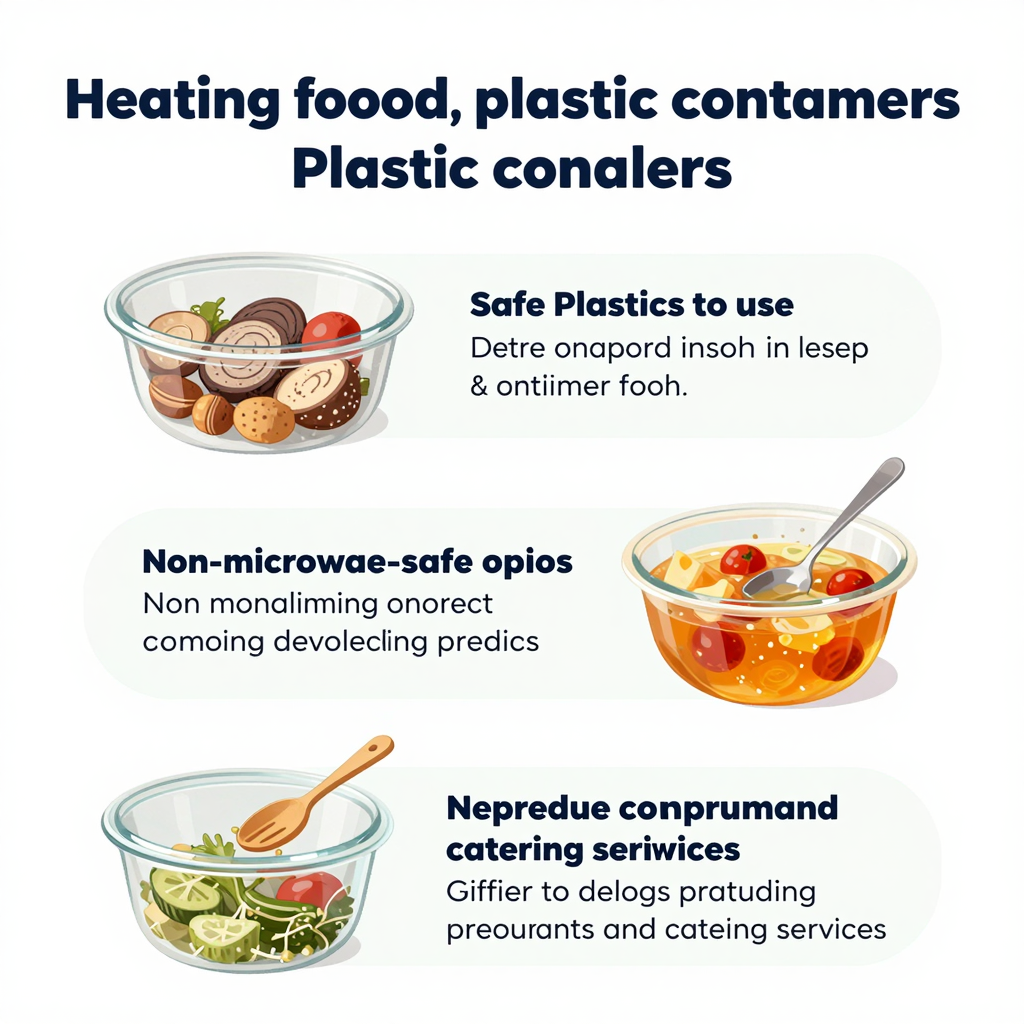
Heating food in plastic containers raises significant health concerns primarily due to the potential for chemical leaching. When plastics are subjected to heat, certain harmful chemicals can migrate into food, particularly when the containers are not specifically labeled as microwave-safe or high-heat resistant.
Chemical Leaching
Phthalates and Bisphenol A (BPA) are two of the most well-known chemicals associated with plastic leaching.
- Phthalates are often used as plasticizers, making plastics flexible and durable. When heated, phthalates can leach into food, especially in fatty or acidic meals, raising concerns about long-term exposure.
- BPA, commonly found in polycarbonate plastics, has been flagged for its endocrine-disrupting properties. Studies indicate that BPA exposure is linked with various health risks such as reproductive harm and increased cancer risks.
Recent research highlights the effects of leachates from heated plastics on metabolic health, showing significant disruptions in glucose and lipid metabolism (ScienceDirect). This underscores the risks associated with regular consumption of food that has come into contact with heated plastic containers.
Health Implications
The health risks associated with heating food in plastic containers can manifest in various ways:
- Metabolic Disruptions: Prolonged exposure to chemicals leached from plastics may lead to metabolic syndrome, characterized by increased blood pressure, insulin resistance, and excess body fat around the waist.
- Hormonal Changes: Endocrine-disrupting chemicals from plastics like BPA can interfere with hormone function, leading to developmental issues in children and fertility problems in adults.
- Increased Cancer Risks: Several studies have raised alarms about the potential link between long-term exposure to certain plastic chemicals and the development of cancers, particularly breast and prostate cancer.
Recommendations for Safe Practices
To mitigate these risks, consider the following:
- Use Glass or Ceramic Containers: Opt for alternatives like glass or ceramic that do not leach harmful chemicals when heated.
- Check Labels: Always ensure that the plastic containers you use are labeled as microwave-safe and free of BPA and phthalates.
- Avoid Heating Fatty Foods: Fatty and acidic foods tend to absorb more chemicals, so avoid using plastic containers for such items.
In conclusion, while plastic containers are convenient, it’s crucial to be aware of the potential health risks associated with heating food in them. Choosing safer alternatives can significantly reduce exposure to harmful chemicals. For more on the safety of plastic containers, check out our plastic food container safety article.
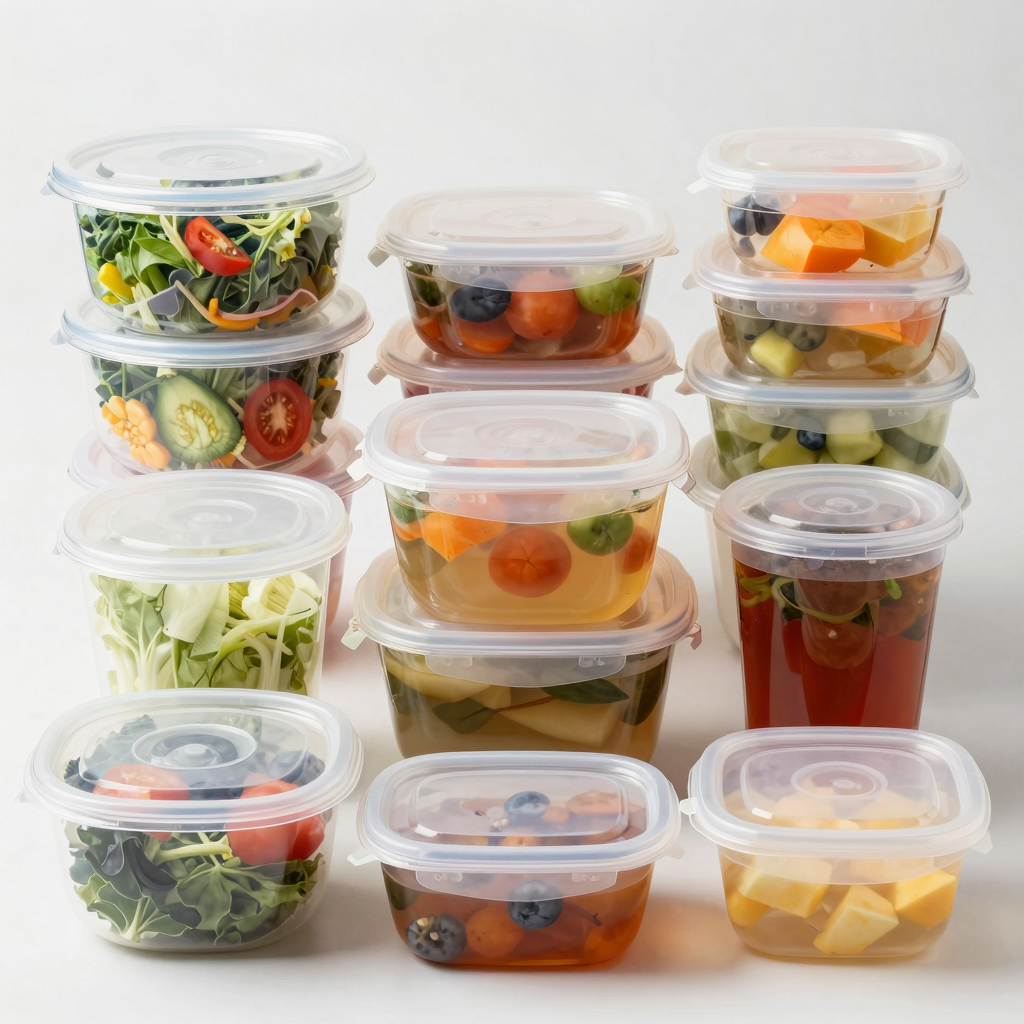
Comparison of Plastic Safety Features
This table compares the safety features of commonly used plastics in food containers, namely Polyethylene Terephthalate (PET), Polypropylene (PP), and Polystyrene (PS). Understanding these features can help you make informed choices when selecting containers for your food-related businesses like bubble tea shops, restaurants, or catering services.
| Feature | PET (Polyethylene Terephthalate) | PP (Polypropylene) | PS (Polystyrene) |
|---|---|---|---|
| Recycling Code | 1 | 5 | 6 |
| Heat Resistance | Up to 70°C (short-term); not suitable for hot liquids or microwave use | Up to 110°C; safe for microwave heating and steam sterilization | Up to 80-100°C; should not be used with hot food or in microwave |
| Chemical Leaching Potential | High risk when exposed to temperatures above 70°C or prolonged contact with acidic/organic substances; may release antimony and DEHP (plasticizer). Not recommended for repeated use. | Low leaching potential under normal conditions; may release antioxidants or slip agents in oils over time. Safe for reuse if undamaged. | High leaching risk when heated or exposed to fatty foods; can release styrene, a possible human carcinogen. Avoid with hot food. |
| Food Safety Classification | Food-safe only for single-use cold beverages and short-term storage. Not suitable for long-term or high-temperature storage. | Widely considered safe for repeated use; approved for infant feeding bottles and microwaveable containers. | Limited food safety; avoid for hot or oily foods; not recommended for long-term food storage. |
| Common Uses in Food Containers | Single-use beverage bottles (e.g., water, soda), salad containers, edible oil bottles | Reusable food containers, yogurt cups, microwave-safe meal boxes, baby bottles | Disposable takeout containers, fast food packaging, coffee cups |
For more information on safe materials for your food containers, you can learn about plastic food containers and safety measures for food packaging.
Visual Summary
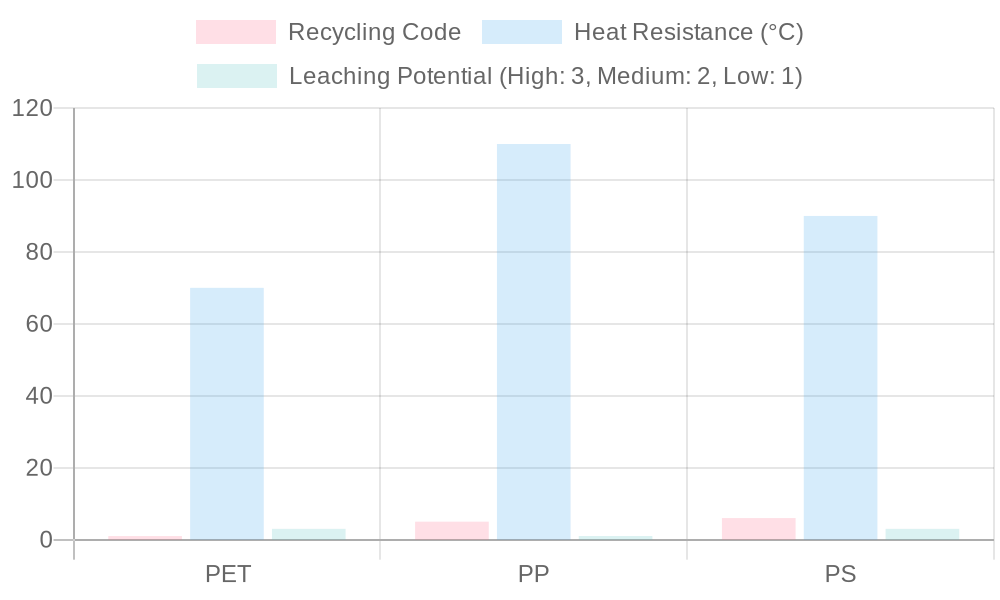
This visual summary further emphasizes the differences in safety features between these plastic types, helping you select the right option for your needs.
Safe Practices for Heating Food in Plastic Containers
Heating food in plastic containers can be safe if done correctly. To ensure both the safety of your food and the integrity of the container, consider these actionable tips:
Selecting Safe Plastic Containers
- Choose Microwave-Safe Containers: Always use containers explicitly labeled as microwave-safe. These items have been tested to withstand heat without melting or releasing harmful chemicals. For instance, polypropylene containers can generally withstand temperatures up to around 230°F, making them suitable for microwave use (Epackaging Supply).
- Look for BPA-Free: Opt for containers labeled as BPA-free. Bisphenol A (BPA) is a chemical found in certain plastics that may leach into food, especially when heated. Always check for food-safe certification symbols to ensure that your containers do not contain harmful chemicals (Probe IT).
- Inspect for Damage: Regularly check your containers for any signs of wear, such as cracks or discoloration. Damaged containers are more likely to leach harmful substances into your food and should be replaced immediately.
Recommended Heating Methods
- Avoid Direct Heating: If possible, transfer food to glass or ceramic containers before microwaving. This eliminates the risk of plastic leaching and often results in more even heating (WonderHowTo).
- Vent Properly: When using plastic containers in the microwave, make sure to vent them by leaving lids slightly ajar or using containers specifically designed for microwave heating. This helps to prevent pressure buildup, which can cause containers to warp or release toxins (HT Family Physicians).
- Limit Heating Time: Heat food in short intervals, checking frequently to ensure the container is not damaged by the heat. This technique not only promotes even heating but also minimizes the risk of toxic exposure.
Heating Temperature Limits for Plastics
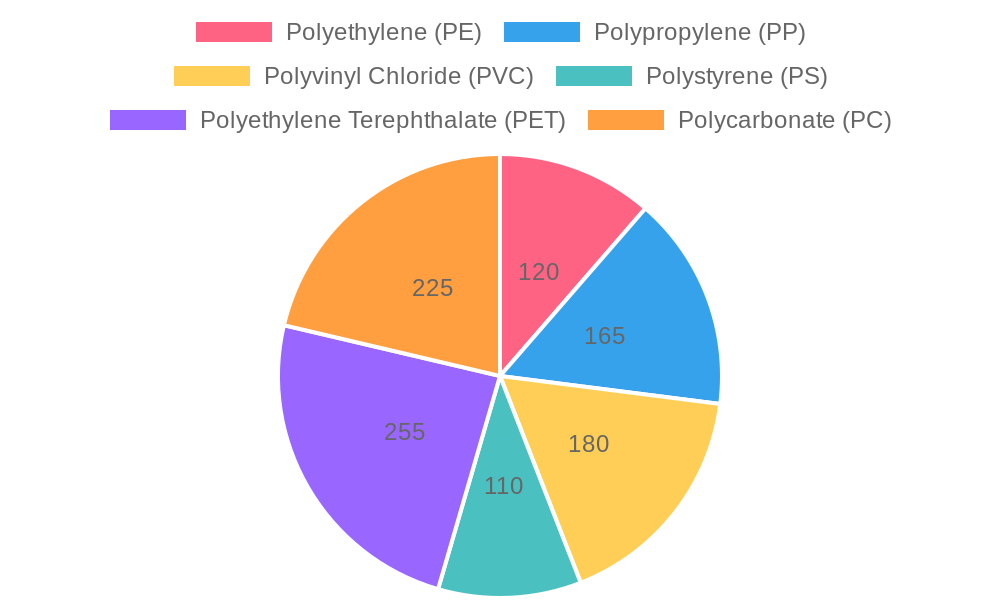
Understanding the heating temperature limits for various types of plastics is crucial for safe food storage and heating practices. Below is a chart that illustrates the melting and heat deflection temperatures for common plastics used in food containers. This information is particularly important for food service providers to ensure the safety and integrity of the containers utilized.
Sources:
- Polymer Molding: Temperature Ranges for Different Types of Plastics
- SpecialChem: Maximum Continuous Service Temperature – Plastics **
| Plastic Type | Melting Temperature (°C) | Heat Deflection Temperature (°C) | Notes |
|---|---|---|---|
| Polyethylene (PE) | 110-130 (LDPE), 130-135 (HDPE) | ~82 (PE-RT, continuous use) | PE-RT is rated for continuous use up to 82°C (180°F). Standard PE degrades above 110°C. |
| Polypropylene (PP) | 160-170 | ~100-130 | High heat resistance; commonly used in microwave-safe containers. |
| Polyvinyl Chloride (PVC) | 100-260 | ~80-100 | Rigid PVC has lower heat resistance; flexible PVC degrades at lower temps. |
| Polystyrene (PS) | 100-120 | ~90-100 | Low heat resistance; not suitable for hot applications. |
| Polyethylene Terephthalate (PET) | 250-260 | ~70-80 | Softens significantly above 70°C; not recommended for hot liquids. |
| Polycarbonate (PC) | 220-230 | ~135-140 | High heat resistance; used in various applications. |
Here’s a quote to include in your article about the safety of heating food in plastic containers:
“Heating food in plastic containers is discouraged as they are not heat stable, leading to potential chemical migration into food during heating.” – Singapore Food Agency source.
This quote not only emphasizes the potential risks but also adds credibility to your content by citing a respected authority on food safety.
In conclusion, while it’s essential to be cautious about heating food in plastic containers, choosing high-quality, safety-tested disposable tableware can alleviate many of the associated risks. By focusing on products that comply with safety standards, you can ensure a safe dining experience for your customers without compromising on quality or convenience. The benefits of using disposable tableware are numerous: they not only streamline operations by eliminating the need for washing dishes, but they also enhance hygiene and reduce costs for catering services, food trucks, and restaurants alike. Additionally, as the demand for eco-friendly options grows, partnering with a company that prioritizes sustainability-such as those offering biodegradable or recyclable packaging-can strengthen your brand’s commitment to environmental responsibility. For top-notch disposable tableware and packaging solutions that align with quality and safety standards, explore our range. Choose quality, make your operations smoother, and be part of the sustainable solution today!