
In today’s fast-paced culinary landscape, understanding the wholesale pricing of monosodium glutamate (MSG)-containing foods is more vital than ever, especially for bubble tea shops, restaurants, food trucks, and catering services. As flavors become increasingly competitive, ensuring that your menu can delight customers while maintaining reasonable costs is crucial. MSG, widely recognized for enhancing taste, is a key ingredient in many popular dishes and beverages, from savory broth in bubble tea to flavorful sauces in Asian cuisine. By grasping the intricacies of wholesale prices and sourcing quality MSG-rich foods, businesses can not only streamline their operations but also improve their profit margins. This knowledge empowers chefs and procurement teams to make informed decisions that benefit their bottom line while satisfying the taste buds of their patrons. To learn more about selecting the right packaging for your delicious MSG-infused recipes, consider exploring this guide on plastic food containers to elevate your culinary offerings. Let’s dive deeper into the market trends and factors affecting wholesale prices in this exciting food sector!
Common Foods Containing Monosodium Glutamate (MSG)
Monosodium Glutamate (MSG) is a widely used flavor enhancer known for its ability to amplify the umami taste in various foods. For vendors, event planners, and catering services, understanding which products commonly contain MSG can assist in menu planning and customer preferences. Here’s a list of ten common items featuring MSG:
-
Instant Noodles
These quick-prep meals often contain MSG to enhance flavor, making them a popular choice for busy consumers. They provide a savory taste that appeals to a wide audience, from students to busy professionals. -
Canned Soups
Many brands use MSG to enrich their soups’ tastes, ensuring a warm, hearty flavor that customers love. They are staples for food trucks and catering services alike. -
Frozen Dinners
Convenience meals often combine various ingredients to deliver flavorful experiences. MSG is frequently used to enhance the complexity of these dishes, appealing to time-strapped diners. -
Snack Chips
Potato chips, tortilla chips, and other snack foods often contain MSG for added flavor, making them a popular choice in vending machines at events and parties. -
Soy Sauce
This common condiment, essential in many Asian dishes, typically contains MSG, giving it that irresistible umami flavor. Restaurants commonly use soy sauce to enhance sauces and marinades. -
Seasoning Blends
Many pre-packaged seasoning mixes include MSG, making them convenient for chefs looking to create deep flavors in a hurry. -
Fast Food
Numerous fast food items, from burgers to chicken sandwiches, are seasoned with MSG. This inclusion helps maintain a consistent flavor profile across chains, appealing to returning customers. -
Barbecue Sauce
This popular condiment often contains MSG to give it a rich, savory flavor that enhances grilled meats-perfect for outdoor events and catering services. -
Salad Dressings
MSG can be found in many commercial salad dressings, adding depth and flavor that makes salads more appealing to customers. -
Ready-made Meal Kits
Many meal kits feature MSG to elevate the umami taste in their dishes, making these convenient options appealing for families and individuals alike.
Understanding these common foods with MSG can help businesses tailor their offerings and ensure they meet customer preferences. For tips on packaging and serving, you might also want to check out our blog on disposable food containers or learn more about customizing your food presentation.
Wholesale Prices Comparison of MSG-Containing Foods
Here’s a comparison table showcasing the wholesale prices of various MSG-containing foods from different suppliers. This information can help businesses like bubble tea shops, restaurants, food trucks, and catering services make informed purchasing decisions.
| Supplier | Product Description | Price (per kilogram) | Minimum Order Quantity | Link |
|---|---|---|---|---|
| Fufeng Meihua | MSG (E621), bulk powder (25kg bags) | $1.26 – $2.83 | 1,000 kg | View Product |
| Best-Selling 30 Mesh Monosodium Glutamate | 99% Sodium Glutamate, minimum order of 5 tons | $890.00 – $1,190.00 | 5 tons | View Product |
| Meihua Group | 99% pure MSG, OEM product | $0.53 – $0.69 | 1,000 kg | View Product |
| Large-scale Supplier | 25kg PP bags, 60-mesh particle size | $880.00 – $1,050.00 | 21 tons | View Product |
| Henan Sinowin Chemical Industry Co., Ltd. | 99% pure MSG, made from natural corn and rice | Starting at $890.00 | 5 tons | View Product |
By reviewing this table, wholesalers and procurement teams can evaluate the prices and select the supplier that best meets their budget and quality standards. For more insights into packaging options, consider exploring eco-friendly packaging options that can enhance your food offerings.
Benefits of Using MSG in Food Preparation
Monosodium glutamate (MSG) is known for its ability to enhance the flavor of foods, making it a popular ingredient in a wide range of culinary applications. Here are some key benefits of incorporating MSG in your restaurant or bubble tea shop:
Flavor Enhancement
- Umami Flavor: MSG is renowned for intensifying the umami flavor, which is often considered the fifth taste. This makes dishes more savory and appealing.
- Taste Improvement: Adding MSG can significantly improve the overall taste profile of dishes, especially in savory items like meat, soups, and sauces. It balances flavors and rounds out the dish.
- Compatibility: MSG works well with various ingredients, enhancing the taste of protein sources like meats and seafood as well as vegetables.Mayo Clinic reports that MSG can amplify the flavor of many food types, ensuring customers enjoy every bite.
Cost-Effectiveness
- Reduced Ingredient Cost: By using MSG, businesses can decrease the amount of more expensive flavoring ingredients, like meats and certain spices, without compromising on taste. This can lead to considerable savings on food costs.
- Flavor Enhancement at Low Quantity: Only a small amount of MSG is required to produce a significant flavor boost. This means you can maintain quality while utilizing less of your base ingredients.
- Long Shelf Life: MSG has a long-shelf life, making it a good investment for restaurants and shops focused on cost management. It can easily be stored and used as needed without concerns of spoilage.
Application in Bubble Tea Shops and Restaurants
For bubble tea shops and restaurants, MSG can be a secret ingredient that enhances the taste of various menu items. By incorporating MSG in:
- Sauces and Marinades: Boost the flavor profile of your chicken or beef dishes, elevating their taste.
- Broths and Teas: Enhance the base for bubble tea or savory broths, ensuring a rounded and fulfilling experience for customers.
- Add-Ons: Consider using MSG in dessert syrups or toppings to create a surprising yet pleasant flavor dimension.
By embracing MSG, food businesses can not only enhance their offerings but also improve profitability through reduced ingredient costs while keeping customers satisfied. For those interested in exploring functional and excellent serving options, consider exploring packaging solutions that complement their dishes further.
Monosodium Glutamate (MSG) has gained significance across various food sectors, particularly in enhancing flavor profiles. Its adoption is notable among bubble tea shops, restaurants, and catering services, where regional preferences play a crucial role.
Current Trends and Adoption Rates
- General Adoption Rates:
- The global MSG market is anticipated to reach a valuation of $5.5 billion by 2024, with the food service sector-specifically restaurants and catering services-experiencing a remarkable 6.05% annual growth rate. This implies a growing acceptance and integration of MSG into various menus, especially for flavor enhancement in sauces and soups.
- Regional Insights:
- Asia-Pacific Influence: Approximately 80% of households in East and Southeast Asia use MSG in home cooking, reflecting a strong cultural preference that spills over into commercial settings, including bubble tea outlets and restaurants. The incorporation of MSG helps enhance the umami flavors expected in these culinary traditions.
- Market Integration: Notably, the bubble tea market itself is projected to witness substantial growth, valued at $2.99 billion in 2025 and expected to reach $4.72 billion by 2030, fueled by consumer demand for innovative flavors. This sector is increasingly adopting MSG to create unique beverage experiences that cater to local tastes.
- Specific Use in Bubble Tea Shops:
- In areas where bubble tea thrives, MSG is regularly used to bolster flavor, particularly in specialty drinks and food pairings. The trend towards enhancing flavor using MSG is further supported by shifts in consumer preferences towards tastes that reflect local ingredients and cultural influences.
Catering and Restaurant Insights
-
Catering services and restaurants across regions, including the U.S., are increasingly blending MSG into their dishes, with around 35% of high-end snack brands in the U.S. incorporating bubble tea elements and flavors. This illustrates a competitive landscape where MSG is leveraged to elevate culinary offerings and meet the growing consumer demand for unique and enhanced flavors.
-
As MSG becomes more mainstream, the preference among businesses to utilize it aligns with consumer trends favoring natural and high-quality ingredients, signaling that MSG may soon be a staple in various food service menus.
Conclusion
The upward trend in MSG adoption across bubble tea shops, restaurants, and catering services reflects broader shifts in consumer taste preferences and regional culinary practices. By strategically incorporating MSG into their offerings, businesses can enhance flavor, cater to local preferences, and maintain a competitive edge. For those interested in innovative packaging solutions to complement these trends, check out our custom plastic forming machines for disposable bowls.
Adopting such trends not only promises flavor enhancement but may also align businesses more closely with evolving consumer expectations in the food and beverage industry.
Safe Use Practices for MSG in Food Preparation
Monosodium glutamate (MSG) is a widely used flavor enhancer that adds a savory taste to various dishes. To ensure safe and effective use in food preparation, it’s crucial to follow certain guidelines. Below are key practices to observe while incorporating MSG into your culinary creations:
Recommended Guidelines for Using MSG:
- Use in Moderation: MSG should be added in small amounts. A general guideline is to limit its use to about 0.5 to 1 teaspoon per dish, depending on taste.
- Balance with Other Flavors: Combine MSG with other seasonings rather than using it as a sole flavoring agent. This helps to create a more rounded taste without overwhelming the dish.
- Incorporate During Cooking: Adding MSG midway during the cooking process enhances flavor absorption and allows for better integration into the dish.
- Pair with Fresh Ingredients: Choose fresh vegetables, meats, and grains, which not only benefit from MSG but also contribute nutrients and natural flavors.
- Perform Taste Tests: Always taste your dish after adding MSG. This ensures you achieve the desired flavor without overshooting.
- Follow Food Safety Standards: Ensure to follow Good Manufacturing Practices (GMP) when storing and using MSG, as improper handling can lead to contamination.
- Educate Staff: If you’re running a restaurant or food service, educate your team about the proper use of MSG to maintain consistency and safety.
Health Considerations:
While MSG is considered safe by organizations like the FDA, it’s wise to be cautious with its quantity, especially for individuals sensitive to it. Encouraging open communication with your customers about ingredient usage can enhance trust and satisfaction in your service.
For more tips on food preparation tools, check out our guide on disposable plastic food containers or explore eco-friendly options like compostable paper cups.
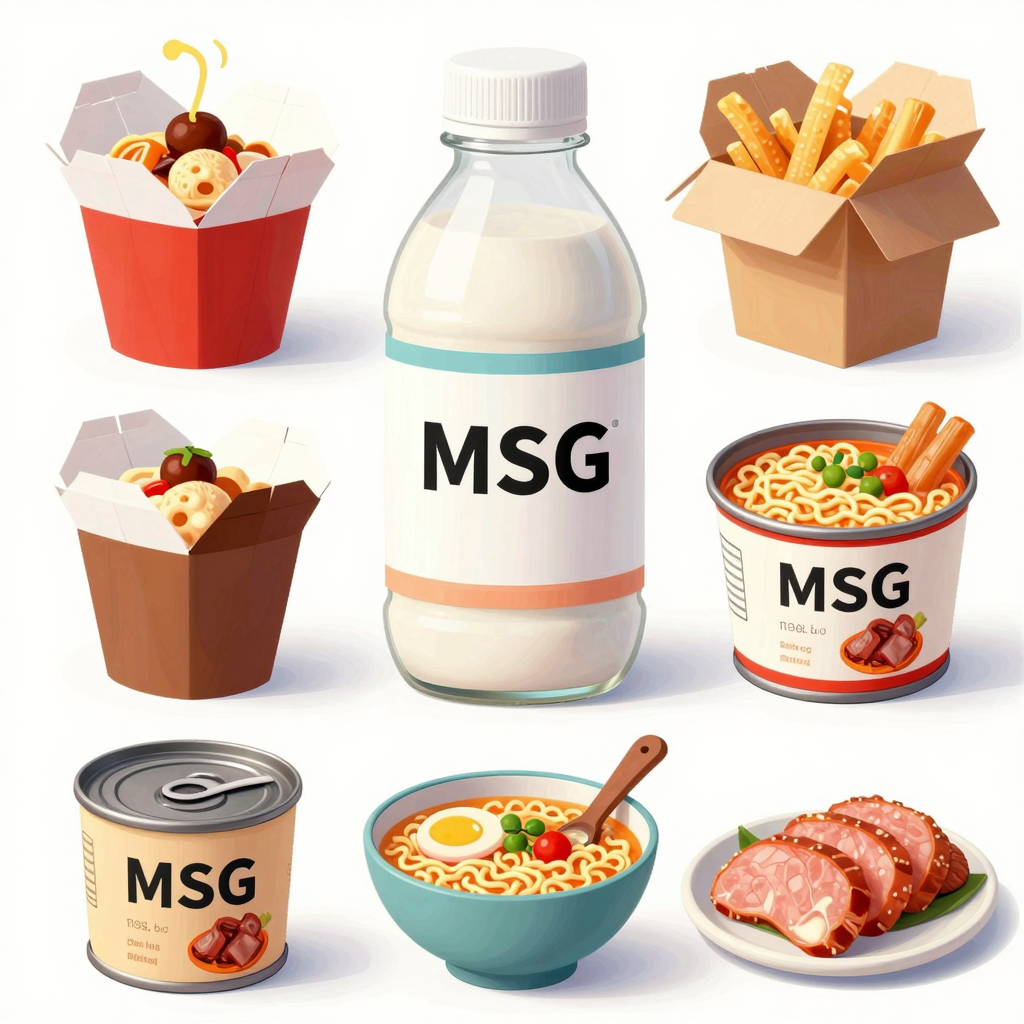
In conclusion, monosodium glutamate (MSG) stands out as a valuable ingredient widely used in various culinary applications. Its ability to enhance flavor, particularly the umami taste, allows chefs and food manufacturers to create delectable dishes while often reducing overall sodium content. As highlighted in recent studies, MSG has been recognized as generally safe (GRAS) and is an essential component in many processed foods, from soups to snacks and Asian cuisine. The global MSG market is thriving, valued at approximately $1.8 billion, with pricing that varies based on quality and region-from $1,200 to $2,000 per metric ton. This growing demand reflects MSG’s significance in modern cooking and food production strategies.
For businesses operating in the food service industry, the choice of reliable disposable tableware and packaging solutions is equally crucial. High-quality, eco-friendly options not only enhance customer experience but also align with sustainability goals. Companies like GreenDispoPack offer a range of sustainable and disposable packaging that complements your delicious offerings. By selecting the right tableware, you can ensure that your dishes meet your customers’ expectations for convenience and environmental responsibility.
Don’t miss out on the opportunity to elevate your brand! Explore sustainable packaging solutions with GreenDispoPack, and make a positive impact while serving your delicious creations. Together, let’s enhance dining experiences, prioritize health, and promote a greener planet.
Understanding MSG: Insights from Experts
Monosodium glutamate (MSG) has long been a topic of discussion in the food industry, with various opinions and perceptions regarding its safety and benefits. To shed light on this, here’s a powerful quote from Dr. Linda M. Bartoshuk, a respected sensory scientist:
“Extensive research over decades has shown that MSG is safe for the vast majority of people. The idea that MSG causes adverse reactions in most individuals is not supported by scientific evidence. It is a naturally occurring compound found in many foods, including tomatoes, cheese, and breast milk.”
- Dr. Linda M. Bartoshuk, Institute of Food Technologists
For food businesses, understanding the safety and perceptions of MSG can influence purchasing decisions and product offerings. For further reading about food packaging related to MSG-containing products, you might find this analysis of plastic food containers informative.
Frequently Asked Questions (FAQ) About MSG
What is MSG?
MSG, or monosodium glutamate, is a flavor enhancer commonly used in cooking, especially in Asian cuisines and processed foods. It enhances the umami taste, which is often described as the fifth basic taste alongside sweet, sour, bitter, and salty.
Is MSG Safe to Eat?
Yes, multiple health authorities-including the FDA, EFSA, and WHO-have recognized MSG as safe for consumption. According to Harvard Health Publishing, extensive research has not found consistent evidence linking MSG to serious health problems in the general population. Sensitivity reactions may occur in a small number of individuals, but these reactions are rare and not evident in controlled studies.
Can MSG Cause Allergic Reactions or ‘Chinese Restaurant Syndrome’?
The term ‘Chinese Restaurant Syndrome’ is outdated and lacks scientific backing, as noted by the FDA. There is no reliable evidence that MSG causes serious reactions; rather, its presence in food is enjoyed for the enhanced flavor it provides.
What Foods Typically Contain MSG?
MSG is commonly found in savory foods such as soups, processed meats, sauces, and snacks. It’s also present naturally in products like cheeses, tomatoes, and mushrooms. This versatility makes it a popular ingredient in dishes served at restaurants and food vendors.
How Does MSG Enhance Flavor Without Increasing Sodium?
MSG provides the umami flavor which can enhance palatability without the need for added salt. This characteristic is beneficial for those aiming for lower sodium diets while still wanting flavorful dishes, as confirmed by the European Food Safety Authority.
What Should Food Vendors Know About Using MSG?
Food vendors can benefit from using MSG to improve the taste of their offerings. However, it’s essential to be transparent with customers about its use. Increasingly, consumers are opting for dishes made with natural ingredients, such as tomatoes and Parmesan cheese, that also provide umami without added MSG. Understanding the realities versus myths surrounding MSG can help vendors better inform their customers and cater to dietary preferences.
By addressing these frequently asked questions, we can foster a better understanding of MSG’s safety and potential benefits in food preparation. For more information on food safety and proper packaging, check out our clear plastic cups guide.