
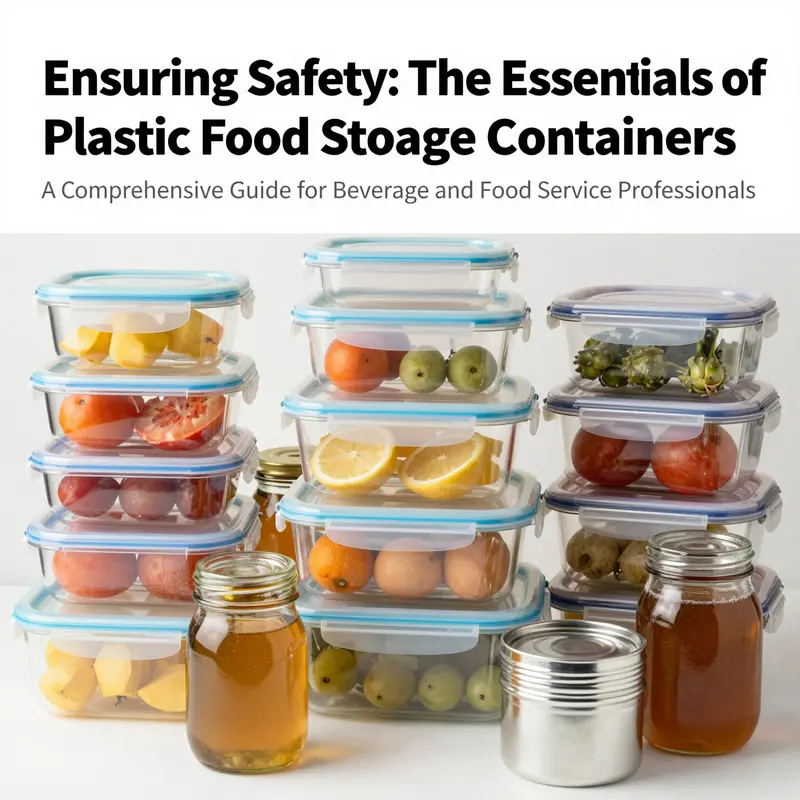
Plastic food storage containers are a staple in food service operations, providing convenience and affordability. However, ensuring their safety is critical for the health of your customers and the integrity of your business. This guide explores essential topics such as the different types of plastics and their safety implications, the risks associated with chemical migration, best practices for using these containers correctly, and viable alternatives that promote better safety standards. Each chapter will deepen your understanding of how to optimize the use of plastic food storage containers while safeguarding your operations.
Material Truths: How Resin Types Define the Safety of Plastic Food Storage Containers
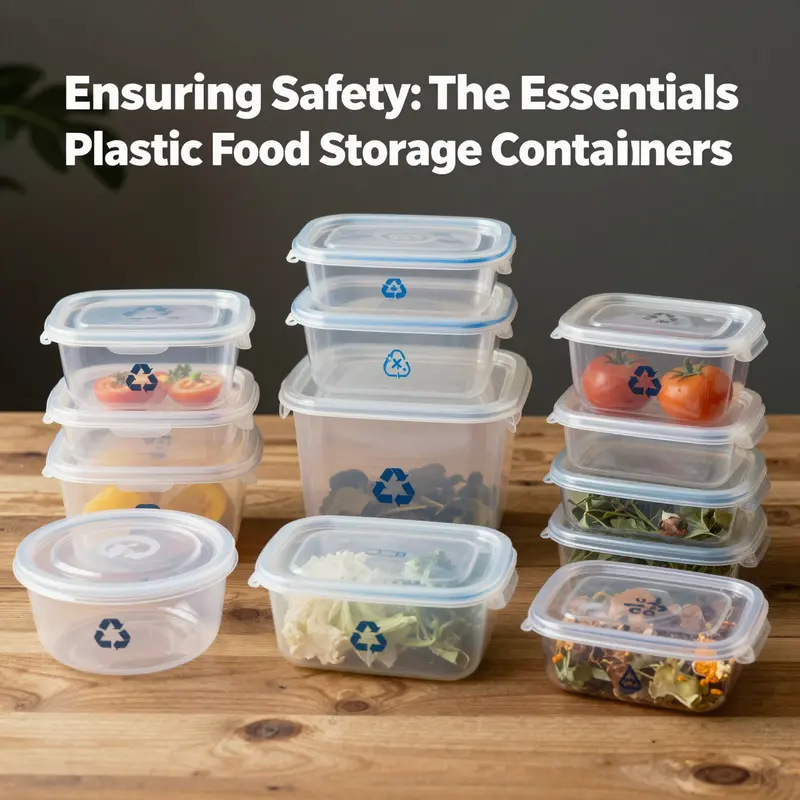
The anatomy of safety in plastic food storage begins with the resin itself. Every plastic carrying a food-contact claim carries a set of chemical promises and limitations defined by its polymer family. The resin type, identified by the familiar recycling codes 1 through 7, is not a single indicator of safety but a map to understanding when and how a container will behave under real-use conditions. The most reassuring path to safe storage at room temperature lies in materials known for chemical stability: HDPE (#2), LDPE (#4), and PP (#5). These polymers have earned a long record of inertness in contact with foods, resisting moisture and most common household chemicals. Yet even these champions of stability are not perfect books with closed chapters. Over time, repeated use, washing, and the simple passage of time can alter the interior landscape of a plastic container, introducing scratches, microcracks, and roughened surfaces that become prime real estate for bacteria, odor retention, and, in some circumstances, greater chemical release.
To understand why some plastics are safer for food contact than others, it helps to compare the major resin families and their tendencies. Polyethylene terephthalate, PET or #1, sits at the edge of day-to-day food storage. It is common in single-use bottles and some disposable containers. Short-term storage is generally considered acceptable, but repeated use or exposure to heat moves you into murkier territory. PET’s stability dampens as temperatures rise, and the migration potential of minute amounts of additives or residual monomers can increase when the container is warmed or filled with fatty or acidic foods. The message here is practical and precise: avoid using PET containers for repeated, long-term, or heated storage. In other words, today’s bottle might be tomorrow’s cautionary example if it is repurposed beyond its original design.
HDPE (#2) is widely regarded as among the safest options for food contact. It is chemically inert, highly resistant to moisture, and notably resilient to a wide range of household chemicals. Even when heated, HDPE shows a lower propensity for leaching compared with many other resins. This is why many milk jugs, juice bottles, and numerous reusable food containers are made from HDPE. For everyday refrigerating and occasional heating, HDPE remains a sturdy choice. The same broad confidence applies to LDPE (#4), a material frequently used for plastic wrap and bags. Its flexibility, low melting point, and relatively stable performance at common fridge temperatures make LDPE a staple in kitchen storage. While no plastic is entirely inert to every potential interaction, LDPE’s leaching risk under typical refrigerator and room-temperature conditions is generally minimal.
Polypropylene (#5) offers another strong safety profile, largely due to its higher heat resistance. PP is commonly found in reusable containers, yogurt cups, and bottle caps. Its heat tolerance makes it a frequent choice for microwave-safe labeling, though that status should be treated with caution. Labels and testing protocols that allow microwave use are specific: not every PP container is microwave-safe, and even those that are can release small amounts of additives if heated beyond the designed limits or subjected to harsh cycling in microwaves and dishwashers. A prudent rule of thumb is to follow manufacturer guidance to the letter and avoid heating containers that lack explicit microwave-safe labeling.
The more controversial end of the spectrum is the #7 category—the “Other” group. This broad category includes polycarbonate, various acrylics, and other assorted plastics that can contain bisphenol A (BPA) in older formulations. BPA has been linked to endocrine disruption in laboratory and animal studies, and many consumers have pursued BPA-free options. But the substitution story is not straightforward. Substitutes such as BPS and BPF have emerged as replacements, yet recent research has shown that these analogs may exhibit hormonal effects similar to BPA under some conditions. The practical implication is not to vilify all #7 plastics but to treat them with caution, especially when heating, scratching, or aging is involved. For hot foods, long-term contact, or repeated use, the safest course remains to limit exposure or switch to materials with stronger safety track records.
Those general patterns translate into palpable everyday guidance. The safest long-term, high-use, or high-heat storage strategy emphasizes materials with proven stability: HDPE (#2), LDPE (#4), and PP (#5). In contrast, plastics that carry the #7 designation—particularly those that may contain BPA or its analogs—should be avoided for hot foods, microwaving, or prolonged storage of fatty or acidic items. It is also critical to recognize that even the most robust plastics can degrade over time. Micro-scratches, visible wear, or staining are not mere cosmetic flaws; they can indicate polymer breakdown, roughened surfaces, and the emergence of niches where food particles and microbes can reside. This reality helps explain why many safety guidelines recommend replacing damaged containers promptly, even if the container appears structurally sound.
A parallel thread in the safety conversation concerns heat and mechanical stress. When plastic containers are heated—whether in a microwave, a dishwasher, or a hot storage environment—the risk of chemical migration increases. Heat acts as a catalyst that can accelerate the movement of additives and degradation products from the plastic matrix into the food. The dielectric and contact interactions that occur during heating are complex, but the practical consequence is clear: heating plastic containers increases the opportunity for substances to migrate. The clearer the food’s profile—acidic, fatty, or highly salted—the greater the potential for migration, especially if containers are old, scratched, or heavily reused.
If safety hinges on choosing the right material and using it wisely, one might wonder about the role of replacements and alternatives. The case for glass, in particular, is compelling for high-heat, long-term, or frequent use. Glass is chemically inert and does not degrade, leach, or off-gas even after repeated thermal cycling. Its performance remains remarkably stable from the moment it is filled to many years of responsible storage. In practice, many households rely on a mixed approach: use glass for high-heat applications, such as reheating leftovers, and reserve plastics for light, cold, or short-term storage. This approach aligns with the principle of minimizing chemical migration by placing the most heat-sensitive applications in non-plastic materials while preserving plastics where risk is inherently lower.
The conversation about plastic safety is nuanced by the realities of everyday life: the urge to reuse, the temptation to speed up cleanup with a dishwasher, and the need to store leftovers that may sit for days. Scratches and discoloration serve as visible reminders that a container’s interior has experienced a lifetime of use. When a plastic surface becomes rough, it can trap microscopic food particles that resist thorough washing, creating a lingering odor or taste. This cycle underscores a broader truth: safe storage is not a single action but a sequence of choices—selecting the right resin type, using containers within their intended temperature range, inspecting for wear, and replacing when wear is evident.
For readers seeking practical alternatives to plastics, there is a growing roster of non-plastic options designed to minimize chemical exposure while maintaining convenience. Among these, paper-based and other compostable materials offer viable paths away from resin-based containers for many uses. If you are curious about non-plastic options, you may explore disposable kraft paper bowls and related products, which serve as a case study in sustainable packaging while illustrating how materials with different performance profiles can meet daily needs. See disposable kraft paper bowls with lids for a concrete example of these alternatives and to compare how design choices affect usability and safety in real-world settings. disposable kraft paper bowls with lids
Even as the debate around BPA-free and similar substitutions continues, the larger frame of safety remains anchored in the material’s fundamental properties and the way it interacts with food and heat. The safety calculus includes the resin’s chemical stability, its resistance to leaching under different temperatures, and the physical integrity of the container over time. Add to that the user’s behavior—whether heating is involved, how long contact lasts, and how the container is cleaned—and the result is a nuanced guidance map rather than a single authority decree. In other words, the science is practical because it is messy: it reflects real kitchens and real-life decisions, where every choice has the potential to affect safety in subtle, cumulative ways.
Within this map, one can anchor decisions on a few simple, testable signals. If you need to store hot foods, or you anticipate heating in the container, favor materials with higher heat resistance and documented safety in microwave conditions—typically PP—but always check the manufacturer’s labeling. If the container has visible wear—scratches, cracks, or staining—replace it. If you must reuse a container for long periods or in contact with fatty or acidic foods, isolation from heat and careful inspection become essential. And for those who want to minimize exposure altogether, glass and metal containers, while heavier and less convenient for certain tasks, provide a reliable baseline against which plastics can be benchmarked.
The NIH review on plastic food storage safety provides a comprehensive synthesis of these issues, including the behavioral aspects of consumer use and the regulatory framework that shapes how plastics are tested and labeled. It is a foundational resource for understanding the broader landscape of chemical migration, exposure risk, and the evolving choices in consumer packaging. While the review confirms that no material is entirely without risk under all circumstances, it also highlights that informed choices—grounded in resin type, usage patterns, and wear—can meaningfully reduce the chance of unwanted exposure. For readers who want a deeper dive beyond practical guidance, the NIH resource offers a rigorous, evidence-based perspective on how plastic containers interact with food across a spectrum of conditions. External reference: https://www.ncbi.nlm.nih.gov/pmc/articles/PMC8369950/
Heat, Hormones, and Hidden Leaks: A Deep Dive into Chemical Migration from Plastic Food Storage Containers
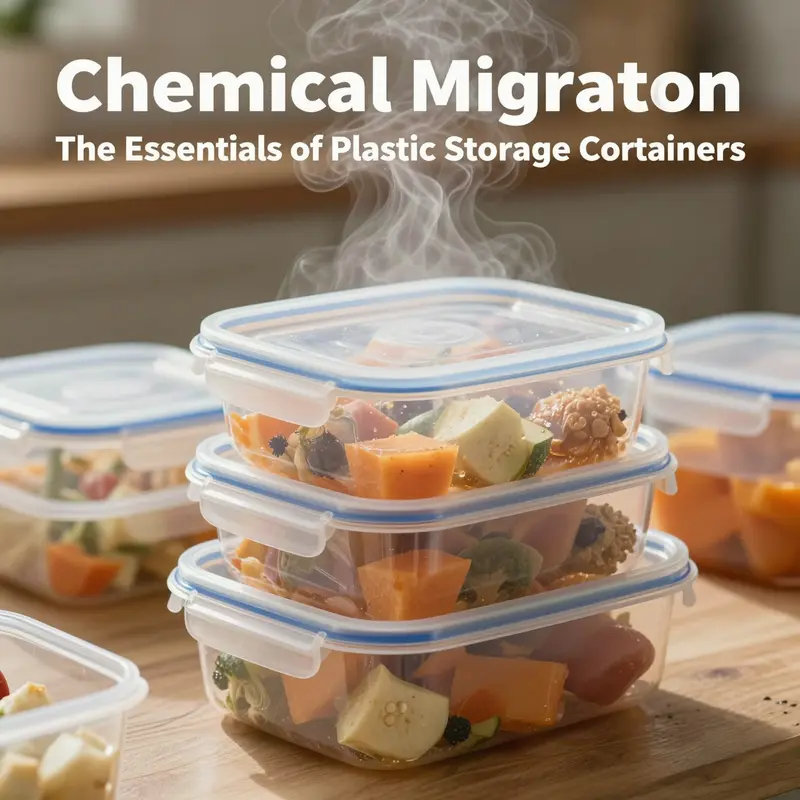
The safety of the foods we keep in plastic containers hinges on a quiet, ongoing process that most of us never see: chemical migration. Plastic, by its very nature, is a matrix of polymer chains interlaced with additives that confer strength, flexibility, color, and durability. But under certain conditions those additives can migrate from the plastic into the food we consume. The practical risk is not a single dramatic event; it is a slow, cumulative exposure that can accumulate over time, especially for vulnerable individuals such as children and pregnant people. This risk is not just a theoretical concern; it is echoed in regulatory discussions, scientific studies, and everyday kitchen practices. To understand how to navigate plastic storage safely, we need to explore how and why these chemicals move, which plastics pose greater risks, how everyday use alters the likelihood of migration, and what steps can meaningfully reduce exposure while preserving the convenience that makes plastic storage so popular in the first place.
At the heart of the issue are additives such as bisphenols and phthalates. Bisphenol A (BPA) was the scaffold for many hard, clear polycarbonates and other rigid polymers used in food-contact applications for decades. When BPA was found to exhibit endocrine-disrupting properties even at low doses, manufacturers began offering BPA-free alternatives, like BPS and BPF, and many consumer products began to carry BPA-free labels. But the story did not end there. Emerging research has demonstrated that these substitutes can exhibit hormonal effects of their own, sometimes with similar patterns of activity to BPA. The result is a cautionary tale about “the replacement problem”—substituting one chemical that raises concerns with another that may carry similar risks, often without comprehensive long-term testing. In practical terms, this means that a container labeled “BPA-free” should not automatically be assumed to be risk-free. The field has also identified other families of additives—phthalates used as plasticizers in many flexible plastics—that can leach into fatty or oil-rich foods, where the migration is enhanced by the lipophilicity of these compounds.
The regulatory framework is important here, but it does not erase everyday risks. The U.S. Food and Drug Administration (FDA) regulates materials intended for contact with food and sets safety thresholds based on acute exposure. That is, the agency considers how much might be ingested in a single day under typical use. However, growing evidence points to concerns about chronic, low-dose exposure to endocrine-disrupting chemicals over time. The populations most at risk include developing fetuses, infants, and young children, whose physiological systems can be especially sensitive to hormonal perturbations. The regulatory emphasis on acute thresholds is complemented by researchers’ attention to cumulative exposure from multiple sources, including repeated use and washing of containers, variations in food acidity, and differences in storage duration. Taken together, these ideas push toward a precautionary approach that prioritizes reducing potential exposure, particularly for high-heat or high-fat scenarios.
The mechanism by which migration accelerates is straightforward in theory but nuanced in practice. When a plastic container is heated, the molecules in the polymer matrix gain kinetic energy. The matrix expands, micro-mobility increases, and the barrier that normally keeps additives sequestered becomes more permeable. This is why heating in a microwave is repeatedly emphasized as a situation with elevated risk. Fatty and oily foods compound the problem. Many migration-prone compounds dissolve more readily in fats, so the same food heated in a plastic container may release more chemicals than a non-fatty counterpart. It is not merely the temperature that matters; contact duration, the surface area of the food in contact with the plastic, and the presence of scratches or wear in the container all play critical roles. A container that has been microwaved, washed vigorously, or dropped repeatedly can develop micro-scratches and microcracks that encase remnants of food and serve as reservoirs for chemical residues. These features can both mask and magnify what we interpret as “clean” storage—the reality is that micro-degradation can accompany visible wear and tear, and with it may come higher potential for chemical release over time.
A notable line of inquiry in the literature centers on microwave-safety labels. The phrase “microwave-safe” can be misleading if interpreted as a guarantee of chemical inertness. In a 2023 study published in Environmental Science & Technology, researchers found detectable levels of BPA, BPS, and several phthalates in nearly 40 percent of tested plastic containers after as little as two minutes of simulated microwave heating. Importantly, even containers labeled as microwave-safe demonstrated lower, but still measurable, migration compared with non-labeled counterparts. This finding underscores a pattern seen across multiple studies: labeling alone cannot convey risk-free use. It also invites consumers to weigh the benefits of plastic’s convenience against the lingering possibility of chemical migration, especially when high heat and fatty foods are involved.
What about the plastic families themselves? Not all plastics are equally risky. Plastics categorized as #3 PVC (polyvinyl chloride) and #6 PS (polystyrene) have a higher propensity for leaching certain additives when heated or in contact with acidic or fatty foods. In contrast, plastics designated as #2 HDPE (high-density polyethylene), #4 LDPE (low-density polyethylene), and #5 PP (polypropylene) are generally considered safer for food storage at room temperature. Yet even these more resilient polymers are not immune to wear. Over time, repeated washing and handling can cause surface scratches and minor fractures that trap food particles and micro-residues, creating niches that are difficult to clean thoroughly and that may, in theory, contribute to gradual chemical release or microbial contamination.
An additional complication comes from a broader chemical-safety perspective: the term “BPA-free” has become a selling point, but it does not guarantee safety. The chemicals used to replace BPA—BPS, BPF, or other bisphenol analogs—can display hormonal activity in laboratory studies. Likewise, some measures of safety for plastic containers consider only the polymer itself, not the full suite of additives or residual monomers that might still migrate under heat or stress. This nuance is especially relevant for people who routinely reheat leftovers in plastic containers or store acidic foods, like citrus or tomato sauces, for extended periods. While the FDA regulates food-contact materials and sets safe thresholds for acute exposure, the cumulative burden of daily life—snack packs, school lunches, and office meals—adds up over months and years. In this sense, plastic safety is about both regulatory compliance and practical risk management in real-world kitchens.
From a practical standpoint, what should a consumer do with this layered understanding of migration? First, be mindful of the temperature and the type of food you are storing. The more heat and fat involved, the greater the potential for migration. Where possible, avoid reheating in plastic altogether. The safest strategy for high-heat use and prolonged storage is to pivot toward inert materials such as glass for reheating and long-term storage. Glass is chemically inert, does not degrade with thermal cycling, and does not off-gas in the way some plastics can. The elasticity of plastic—that coveted ability to resist breakage and remain lightweight—comes at the price of potential chemical migration under stress. When glass or stainless steel is not convenient, consider using plastics that are explicitly designed for low migration risks and are well maintained. It is crucial to inspect containers regularly. Deep scratches, clouding, or staining may indicate polymer breakdown and an increased likelihood of residual buildup, which can harbor contaminants and complicate cleaning.
Another important consideration is how you wash your containers. Dishwasher cycles can intensify migration in two ways: by exposing containers to repeated high-temperature exposure and by subjecting them to detergents that can interact with certain additives. Scratches, even minor ones, can accumulate micro-residues from meals, especially if foods are oily or highly acidic. The cumulative effect is that a container’s protective barrier gradually weakens, and this can translate into greater chemical migration over time. Hence, a practical rule of thumb is to limit microwave and dishwasher use for plastic containers that have visible wear, and to replace aged containers rather than continually reusing them. This approach aligns with the precautionary ethos that many environmental health experts advocate for, particularly for households with children or pregnant individuals.
Against this backdrop of science and everyday practice, it can be provocative to think about alternatives beyond glass. Some households adopt a hybrid approach: using glass for reheating and primary storage, and reserving high-durability plastics for non-heated use or for short-term storage of items with minimal risk of migration. Another line of thought is to explore packaging designed with minimized additive profiles and more robust barrier properties, such as materials that leverage barrier coatings or alternative polymers with lower migration potential. Even within the family of reusable plastics, there is variation in how these materials respond to heat and chemical exposure, underscoring the value of careful selection based on the intended use. For those seeking a broader perspective on alternatives to traditional plastic storage, a practical option to consider is kraft paper-based containers. These paper-based solutions present a different risk profile—no polymer-based migration in the same sense—and can be viable for dry or non-fatty foods, with lids designed to be leak-resistant. For a tangible example of this approach in practice, you can explore kraft paper options such as the disposable kraft paper bowl with lid, which offers a different balance of convenience and safety. You can learn more about this option here: disposable kraft paper bowl take away kraft paper salad bowl with pet lid.
The search for safer food storage is not about chasing a single perfect material. It is about understanding trade-offs, keeping up with evolving science, and aligning everyday choices with a cautious, informed philosophy. If you routinely use plastic for reheating or extended storage, prioritize containers with simple, well-documented compositions and maintain them carefully. Do not rely solely on labels like “microwave-safe” or “BPA-free” as assurances of safety. Instead, read the broader context: the presence of additives beyond BPA, the possibility of substitution with similar hazards, and the cumulative nature of exposure across meals and days. Complementary practices—such as cooking and cooling foods in non-plastic vessels, letting foods cool before sealing, and cleaning containers thoroughly with gentle brushes to avoid micro-scratches—can collectively reduce risk.
Ultimately, the journey toward safer food storage is incremental. It requires attention to material science, listening to evolving regulatory guidance, and making practical adjustments in the kitchen. The goal is not perfection but a meaningful reduction in potential exposure, especially for those most vulnerable. In parallel, the public health conversation is increasingly moving toward risk reduction through better design, improved labeling clarity, and broader access to safer alternatives. The science remains dynamic, and consumer choices should reflect a willingness to adapt as new findings emerge. To stay engaged with the broader conversation, readers may consult peer-reviewed resources and syntheses that map the landscape of chemical migration from food packaging, such as the Semantic Scholar entry on chemical migration from food packaging, which offers an authoritative overview of the pathways, additives, and regulatory considerations that shape this field. [External resource: https://www.semanticscholar.org/paper/Chemical-migration-from-food-packaging-19765a5e3a8b2f18d3c90c355c1c140524a37c88]
For readers seeking a tangible exploration of alternatives to traditional plastic storage in daily life, consider the practical option of kraft paper-based containers for certain use cases. These solutions, while not a blanket substitute for all storage needs, offer a pathway to reduce reliance on plastics for specific tasks, especially when the priority is minimizing chemical exposure linked to heat and lipids. An example you can explore is the kraft paper bowl with lid, which demonstrates how packaging choices can align with environmental and health considerations without sacrificing the ability to enjoy hot or cold foods away from home. See a representative option here: disposable kraft paper bowl take away kraft paper salad bowl with pet lid. This kind of option invites households to think more broadly about the lifecycle and safety profile of food-contact materials while retaining the convenience that modern life demands.
In sum, chemical migration from plastic containers is a real, multi-faceted concern that sits at the intersection of chemistry, regulation, and everyday behavior. The safest, simplest stance remains a combination of informed use and prudent substitution: heat-sensitive or long-term storage should lean toward glass or other inert materials; plastics should be chosen with care, maintained to minimize wear, and replaced when signs of deterioration appear; and readers should stay aware that even seemingly minor choices—like microwaving a container labeled merely as “microwave-safe” or storing leftovers in plastic overnight—carry different levels of risk. The science does not yield a single universal rule, but it does offer clear guidance: reduce high-heat exposure, minimize contact with fatty foods in plastics, replace aging containers, and consider safer non-plastic options where feasible. By weaving these principles into daily habits, individuals can align convenience with a more conservative, health-conscious approach to food storage.
null
null
Choosing Safer Storage: A Cohesive Path from Glass to Paper for Reducing Chemical Exposure in Everyday Food Storage
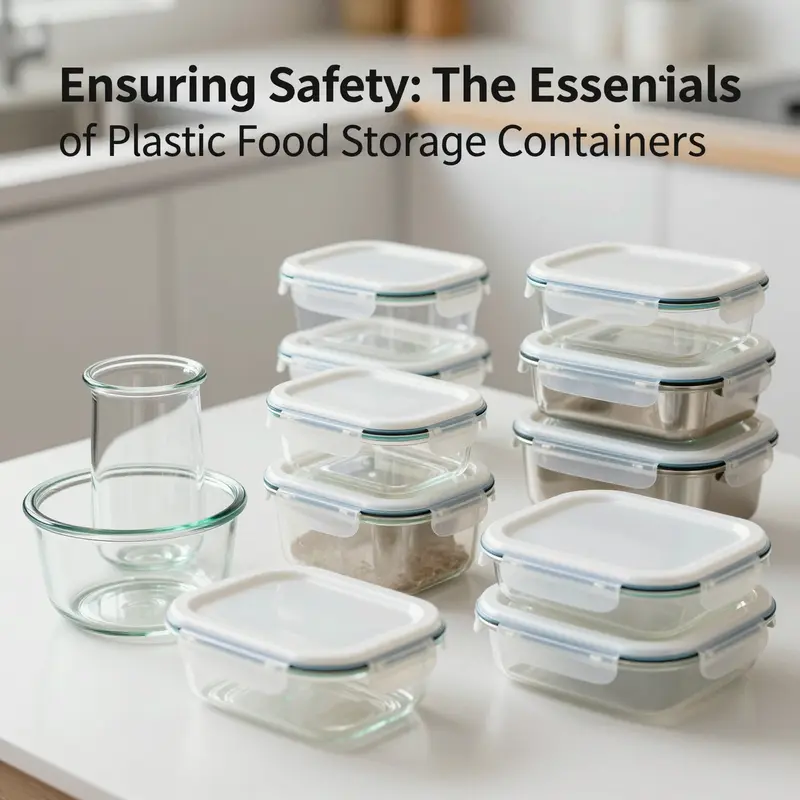
Plastic has become nearly invisible in modern kitchens, a quiet backbone of our routines. Yet when we peel back the comfort of convenience, the safety of plastic storage hinges on more than a single regulation or label. The choice of material, how it is used, and how well it ages under heat, acidity, and repeated washing all shape the risk landscape. The broader conversation is not a simple yes-or-no verdict about plastics, but a careful assessment of where migration of chemicals can occur and how to minimize it in daily life. The conversation matters because safe storage is not just about keeping food fresh; it is about safeguarding health over time. The goal is not to vilify every plastic option, but to illuminate practical, evidence-based paths toward safer, more reliable food storage that still fits real-world needs.
A practical way to reframe the issue begins with glass, the oldest and most stable ally in kitchen safety. Glass is inert. It does not interact with food the way many plastics do, and crucially, it does not degrade into tiny particles or leach additives with ordinary use. When we store leftovers, meal-prepped components, or hot liquids, glass remains resistant to the thermal extremes that often drive chemical migration in plastic. The surface of non-porous glass resists odors and stains, which means it is easier to clean thoroughly and less likely to harbor residues that could harbor microbes or interfere with taste. In households where the safety boundary between hot and cold storage is frequently crossed—think of day-long leftovers, soups chilled and then reheated, or sauces that are simmered and later portioned—glass stands out as the most reliable long-term option for maintaining both safety and flavor.
That said, safety is not synonymous with inflexibility. For many people, the appeal of silicone storage bags is their compact, flexible portability and their excellent performance in freezing and reheating contexts. Food-grade silicone bags exist to replace disposable plastic bags for snacks, sandwiches, and bulk portions. They are designed to withstand low temperatures for freezing as well as moderate heat for reheating, and their sealability helps reduce exposure to air and contamination. The material itself does not contain the traditional additive concerns of many plastics, and its flexibility makes packing and portioning easier, particularly for on-the-go lifestyles. Still, not all silicone products are identical. Some designs rely on metal clasps, others on simple presses, and as with any reusable option, malformed seals or wear over time can create microleaks. Proper use, regular inspection, and adherence to manufacturer guidelines about heat and dishwasher safety are essential to maintain their protective function. In everyday use, silicone bags can perform as a practical bridge between the wish for convenience and the need for reduced chemical exposure when families navigate school lunches, travel, or rapid meal prep.
Another strong contender in the safer-storage landscape is stainless steel. Stainless steel containers bring a different set of strengths: durability, non-reactivity, and often a robust seal when paired with a gasket and a secure lid. These containers excel at keeping foods at stable temperatures for longer periods and can stand up to the rough handling that sometimes accompanies weekly meal-prepping cycles. They do not leach what plastics do, and they generally resist microbial colonization better than many porous surfaces. However, a word of caution is warranted: stainless steel is not microwave-friendly. If you regularly reheat in a kitchen microwave, steel storage requires a transfer to a microwave-safe vessel before heating. Additionally, while many stainless options are designed with gasket-sealed lids to preserve freshness, the gasket itself can be a point of failure if not cleaned and replaced as needed. The seal quality matters as much as the material itself, because even a sturdy container cannot fulfill its safety promise if air and moisture infiltrate over time.
Beyond glass and metal, paper-based storage presents a different set of advantages—especially when the aim is to minimize single-use plastics and reduce waste. For short-term storage needs, pre-formed paper-based and compostable options can be surprisingly effective, provided they are free from plastic coatings and derived from certified sustainable sources. When used thoughtfully, paper products can offer a practical way to wrap and protect foods in the fridge or during short-term transport, while ending up in compost or recycling streams with a lighter environmental footprint than many plastic alternatives. The caveat is that paper-based solutions are generally intended for shorter time frames and cooler storage. They may not be suitable for long-term refrigeration or for liquids that can soak through or weaken the structure. Yet in many everyday scenarios—such as wrapping greens, storing thirds of a roasted chicken for a day, or lining a shelf for dry goods—paper can be a clean, compostable, and low-risk choice that helps cut down plastic use while maintaining safety and freshness.
Integrating these options into a cohesive daily practice requires a nuanced approach. The path to safer storage is not a single flip from plastic to one other material, but a layered strategy that aligns the storage method with the food type, the intended duration of storage, and the heating or cooling contexts in which the food will travel. For instance, hot foods and highly acidic or fatty items stress plastic more than neutral, room-temperature storage does. In contrast, glass handles high heat with more reassurance, provided that the containers are robust enough to withstand thermal cycling. Silicone bags meet the need for flexibility and portion control, especially for freezing or travel, but they demand diligent cleaning to prevent residue buildup. Stainless steel offers a rugged, long-lasting solution for prepared meals and bulk items, yet requires care to avoid microwaving and to maintain seal integrity. Paper-based options shine in low-wash, low-waste contexts, especially for short-term fridge storage or transport, with the understanding that they are not a universal replacement for all food types or durations.
This holistic view also invites attention to the lifecycle and maintenance realities of each material. Glass, while highly durable, can be heavy and prone to chipping if dropped. Proper handling and appropriate storage racks or stackable designs mitigate these concerns and keep kitchen workflows efficient. Silicone bags wear over time. Their seams can split or their valves can deform if misused, but with gentle washing and air drying they can outpace many disposable plastics in both cost and environmental impact. Stainless steel, the nearly unassailable workhorse for many households, might demand more upfront investment and a bigger footprint in a kitchen cabinet, but its longevity often justifies the cost with years of dependable performance. Paper-based options, though kinder to the planet in disposal, require careful selection—look for FSC-certified materials and coatings that avoid barrier plastics—to ensure they meet both safety and compostability expectations.
Education plays a critical role in translating these material advantages into safer everyday use. Consumers frequently assume that any container labeled “food-safe” is equally inert across all contexts. In reality, the safety of a storage system hinges on how the container is used, not just what it is made of. Heating is one of the most significant influences on chemical migration. The same container that performs admirably at room temperature may release more substances when heated in a microwave or dishwasher. This is not an absolute condemnation of all plastics, but a reminder that heat alters the risk calculus. Glass, by contrast, remains inert through typical reheating scenarios, which can give it the edge for people who regularly reheat meals in the same container.
In everyday practice, choosing safer storage also means recognizing when a particular container is nearing the end of its reliable life. Scratches, clouding, or staining can indicate polymer breakdown or surface wear that creates micro-environments where bacteria can thrive or where residues accumulate. Such signs should prompt a replacement rather than prolonged use. With glass, scratches are far less likely to become a harbor for microbes than micro-scratches on some plastics could be. Stainless steel surfaces are easier to sanitize and maintain, but the gaskets in their lids require periodic inspection, since degraded rubbery seals can compromise freshness and allow moisture ingress. Silicone has the advantage of repairability, but once a bag’s seams become compromised, ongoing risk increases unless the item is retired. Paper-based options, though appealing for their compostability, must be used with an eye to the timeline of their structural integrity and the fridge’s environmental conditions; damp air and heavy moisture can degrade their performance, undermining safety rather than improving it.
One practical way to blend safety with convenience is to treat storage as a modular system. Reserve glass for long-term, heat-exposed storage of leftovers and reheatable components; use silicone for portability and flexible portioning; rely on stainless steel for meal-prep containers and bulk store-and-freeze tasks; and employ paper-based options selectively for short-term, no-plastic needs or as neutral, recyclable fillers in cold storage. This managed portfolio helps shelter food from unnecessary chemical exposure while still catering to the daily realities of busy households. It also aligns with environmental goals by reducing single-use plastics and expanding the repertoire of reusable materials. When selecting any approach, prioritize containers that are simple to clean, that fit well in your fridge or pantry, and that allow you to visually assess the contents without needing to open every lid.
For readers seeking concrete steps, consider integrating a small, recurring routine into weekly shopping and kitchen habits. First, audit your current storage: how much plastic do you still reach for in everyday tasks, and how often do you heat food in those containers? Second, replace the most frequently heated plastic options with glass or a heat-tolerant alternative and set aside a dedicated space for them so they are easy to grab during busy mornings. Third, experiment with silicone bags for lunches or snacks, ensuring the seals are intact and cleaning them after each use. Fourth, designate a few stainless steel containers for prepared meals and bulk items, testing their seals and observing whether they preserve texture and moisture as expected. Finally, leave a small, clearly labeled paper-based option for very short-term fridge storage or for wrapping cold items when a compostable route is preferable. These steps, approached gradually, help families transition away from high-risk storage patterns without compromising daily practicality.
As a concluding thread, the safety conversation around storage is ultimately about choices that minimize chemical exposure while still supporting healthy eating and a healthy environment. The evidence suggests that glass remains the safest default in terms of chemical inertness, heat stability, and cleanability. Silicone and stainless steel offer compelling, durable alternatives for specific uses, with attention to seals, heat contexts, and lifecycle care. Paper-based options, when properly sourced and applied to the right scenarios, contribute to sustainability without sacrificing safety in the short term. The goal is not to force a single solution but to build a flexible, informed approach that respects both health considerations and day-to-day practicality. In this way, safer storage becomes a routine built from thoughtful material choices, careful use, and ongoing attention to wear and cleanliness.
For readers curious about bridging storage choices with practical kitchen practices, a close-up example is worth considering. In many kitchens, the short-term needs of a busy day can be met with a disposable, no-plastic wrap-and-go approach for certain foods. If you encounter situations where you need a temporary, crack-resistant wrapper that still minimizes plastic contact, a disposable kraft paper bowl with lid can serve as a functional interim storage solution in some contexts. This approach is particularly relevant for on-site meal assembly or for transport where a rigid container is impractical. See the linked reference for a concise overview of how such paper-based options can function within broader safety goals. disposable kraft paper bowl with lid.
In sum, safer storage emerges not from a single choice but from a refined, context-driven toolkit. If you favor minimal risk, glass offers a robust baseline for everyday safety. If you need flexibility or on-the-go functionality, silicone bags and stainless steel containers provide strong complements, with due regard to cleaning, sealing, and reheating contexts. If your priorities include environmental responsibility alongside safety, paper-based options can fill specific roles—especially for short-term fridge storage and low-wog uses—without reintroducing the same plastic-associated concerns. By adopting a blended system tailored to your foods, routines, and values, you take meaningful steps toward reducing chemical exposure while maintaining the reliability and convenience your household relies on. Safety in storage does not have to come at the expense of everyday life; it can be achieved through deliberate material choices, thoughtful use, and a readiness to replace worn containers before their performance declines.
External resource for broader regulatory context: guidelines and discussions about how food-contact materials are evaluated, including considerations of heat, acidity, and repeated use, can be found at responsible regulatory sources that summarize the science behind safe packaging practices. https://www.fda.gov/food/food-additives-petitions/food-contact-materials-and-packaging
Final thoughts
Understanding the safety of plastic food storage containers is essential for maintaining the quality of your food service operations. By recognizing the different types of plastics, being aware of chemical migration risks, and implementing best practices for usage, you can significantly enhance your food safety protocols. Furthermore, exploring alternatives to plastic containers may yield even greater safety benefits. Keeping these insights in mind will help you create a safer and more reliable food storage environment for your business and customers.