
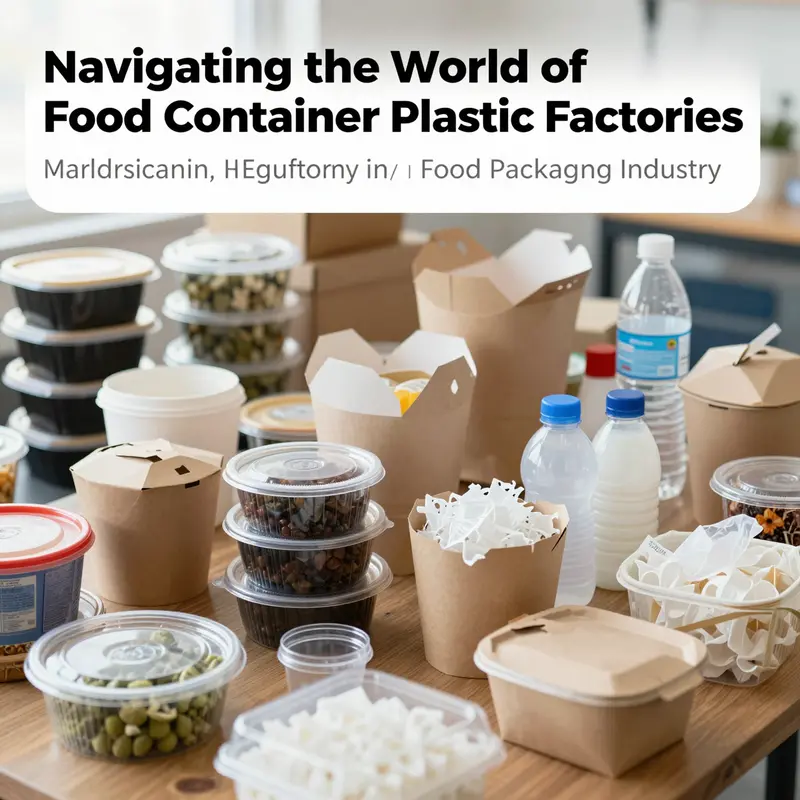
Plastic food containers are vital to various industries, from bubble tea shops to catering services. These containers ensure food safety, maintain freshness, and facilitate efficient service. Understanding the intricacies of food container plastic factories is crucial for businesses that rely on packaging solutions. This article delled into four key aspects: manufacturing processes that drive production, the economic impact of these factories on global markets, regulatory standards safeguarding food safety, and the sustainability challenges manufacturers face in today’s environmental advocacy landscape. By exploring these areas, businesses can make informed decisions when sourcing food packaging solutions, ensuring both quality and compliance in their operations.
From Melt to Meal: Inside the Manufacturing Lines of Plastic Food Container Factories
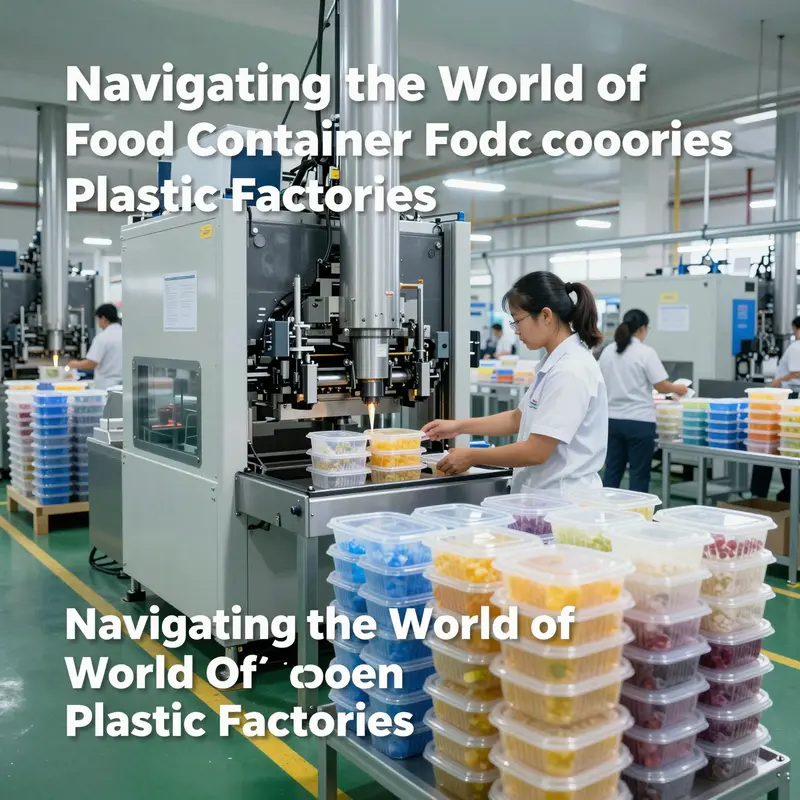
The manufacturing of plastic food containers rests on a trio of core processes that dominate the modern landscape: injection molding, blow molding, and thermoforming. Each method speaks to different shapes, wall thicknesses, volumes, and resin chemistry, and each has been honed in China’s sprawling plastics ecosystem to balance performance with cost-effectiveness. Injection molding is the go-to technique for rigid, precision-engineered containers. In this process, thermoplastic resins—typically polypropylene, polystyrene, or sometimes ABS—are melted and injected under high pressure into closed molds. Once cooled, the part is ejected with remarkable dimensional accuracy and a surface finish that can approach glass-like clarity in some configurations. High repeatability is the hallmark here, along with the ability to realize complex geometries and tight tolerances. This makes injection molding ideal for premium packaging items such as food storage tubs, compact meal-prep containers, and caps or lids that demand exact fit and reliable closure systems. In facilities where tight tolerances matter for stackability and spill resistance, the tooling becomes a primary driver of quality. The molds themselves, often crafted from hardened steel, embody years of design refinement—draft angles that facilitate release, gate locations that minimize blemishes, and cooling channels that optimize cycle times. Cycle times range from seconds to tens of seconds per part, depending on part geometry, resin, and the sophistication of the cooling regime. In a high-volume factory, automation lines thread such parts through robotic pick-and-place operations, in-line quality checks, and automated packaging, delivering consistency that supports the brand promises of safety, convenience, and cleanliness. The materials chosen for injection molding emphasize food compatibility. PP, PS, and ABS have long been used because they balance rigidity with chemical resistance, barrier properties, and cost. In some cases, clear or translucent outcomes are highly desirable for consumer visibility of contents, which makes transparency an appealing feature for certain premium-storage shapes. In all cases, compliance with food-contact regulations remains non-negotiable; designs are validated to ensure they meet migration limits and safety standards across key markets. This is where the integration of regulatory knowledge with process engineering turns a molded form into a trustworthy consumer good. The factories behind these products are not simply shops that heat plastic and push it into a mold. They are tightly controlled systems that align resin procurement, mold maintenance, cycle optimization, and downstream assembly with the realities of global distribution. The result is a product family capable of withstanding freezer temperatures, microwaving, or repeated dishwasher cycles, depending on how the resin is formulated and how the part is engineered. Injection molding, in this sense, is the backbone of precision-based plastic packaging, offering a level of finish and stability that is hard to beat for certain containers and closures.
Blow molding, by contrast, specializes in hollow structures that require a seamless, lightweight form. In the blow-molding family, the process starts with a preform—a narrow, test-tube-shaped piece of plastic that has been injection-m molded separately. The preform is heated to a pliable state and then inflated inside a mold using pressurized air, which pushes the softened plastic outward until it conforms to the cavity of the chosen shape. The result is a hollow container with a smooth interior surface, minimal seams, and uniform wall thickness when optimized. Blow molding is especially favored for beverage bottles, transparent food tubs, and larger storage containers where weight reduction matters for logistics without sacrificing containment strength. The approach scales efficiently for large-volume production runs and is well-suited to incorporating recycled content into the material mix. Recycled PET and other post-consumer plastics can be integrated, provided the process controls address molecular integrity, melt flow consistency, and barrier performance. This makes blow molding a practical path for sustainability-minded manufacturers seeking to meet circular economy goals while maintaining price competitiveness. The equipment footprint for blow molding is different from injection, with preform preparation lines, stretch-blow machinery, and oven configurations shaping the overall throughput. Operators in Chinese facilities optimize cycle times through precise heat management, air-release strategies, and mold cooling. The economics hinge on efficient parison control, robust air systems, and mold cooling strategies that minimize energy use while keeping defect rates low. The clean, crisp aesthetics produced by blow-molded containers can be a strategic advantage when product visibility is a selling point, or when the container’s geometry emphasizes ergonomic handling and stackability. In all, blow molding complements injection by broadening the family of shapes available to brand owners and food-service operators—ranges that extend from slender beverage bottles to larger, translucent deli containers.
Thermoforming offers a different route altogether and has carved out a niche for clear or translucent containers that benefit from low tooling costs and fast changeovers. In thermoforming, a flat plastic sheet—often PET, PS, or PP—is heated until pliable and then formed over a mold using vacuum or pressure. The sheet’s thickness translates into wall strength and overall heft, while the mold determines shape and depth. Thermoforming is particularly effective for take-out trays, clamshells, and deli containers where a bright, see-through presentation can enhance product appeal. The tooling can be simpler and less expensive than injection molds, which means shorter lead times for new SKUs or seasonal packaging. This makes thermoforming attractive for short-run or seasonal production lines where brands might want to test new shapes or sizes without committing to a heavy capital investment. Additionally, thermoforming can incorporate recycled sheets more readily, aligning with sustainability objectives while delivering rapid response to changing consumer packaging formats. The surface finishes achieved through thermoforming can vary from glossy to matte, and printing or labeling can be integrated into the process flow to support branding and product information. The technique’s flexibility supports a broad spectrum of container sizes—from compact snack cups to larger take-out trays—often with excellent optical clarity when clear plastics are used. Across all three families— injection molding, blow molding, and thermoforming—China’s manufacturing hubs leverage integrated supply chains, digital tooling management, and rigorous quality assurance programs to ensure containers comply with medical-grade and consumer safety expectations, while also meeting performance criteria around leak resistance, impact strength, and heat resistance.
The question, then, is how these processes come together to enable the distinctive capabilities observed in leading Chinese suppliers. The factories that push the boundaries of food-contact safety do not rely on a single magic formula. They blend materials science with process engineering and regulatory compliance to craft containers that perform consistently across a spectrum of conditions. For instance, the use of high-clarity resins in injection molding supports premium packaging lines where visibility and product appeal are critical. In blow molding, the reduced weight of hollow containers lowers shipping costs and improves energy efficiency during distribution. Thermoforming brings a rapid response capability to market—allowing a brand to pivot toward new shapes or sizes for seasonal offerings with minimal capital expenditure. Across all methods, manufacturers emphasize the capacity to scale from small trial runs to multi-million-unit programs, which is essential for B2B buyers who require reliability in both early-stage development and mass production.
These capabilities sit within a larger ecosystem that links material choice, process selection, and regulatory oversight to the realities of global commerce. In China, the integrated supply chains and export-oriented infrastructure enable manufacturers to source resins, tools, and automation equipment with a level of synchronization that is harder to replicate in more fragmented markets. Compliance with global food-contact standards—such as FDA requirements for food-contact materials in the United States, EU 10/2011, and LFGB in Germany—provides a universal baseline that helps buyers avoid the risk of regulatory setbacks. This regulatory scaffolding is inseparable from the technical choices made on the shop floor. For example, a facility may optimize resin compatibility with common additives used to improve impact resistance or heat resistance, while simultaneously validating that migration limits remain below established thresholds in key markets. The result is a packaging system that can be specified, tested, and certified for international distribution, reducing the overhead and timing associated with market entry for new products.
A practical dimension of this nodal manufacturing strength lies in customization. Modern plastic container factories offer a spectrum of customizable features—ranging from branding and logo printing to functional enhancements like microwave-safe or freezer-resistant properties, leak-proof lids, and improved stackability. The ability to tailor containers to customer needs is amplified by the use of modular tooling, rapid prototyping, and coating or surface treatment options that enhance barrier properties or sealing performance. The combination of customization and scale is central to meeting diverse end-user demands, from household storage solutions to professional catering ware. In practice, this means a client can specify a container that perfectly fits a particular storage volume, includes a lid with a precise closure mechanism, and carries a brand identity through color, texture, or print. The capacity to deliver on such precise requests at high volumes speaks to the maturity of the tooling, automation, and process control systems in place across the major manufacturing clusters.
Alongside capability and compliance, sustainability has become a defining criterion for modern plastic packaging. Many facilities actively pursue lightweighting strategies—reducing wall thickness without compromising strength—to lower material use and energy during transport. The push toward recyclability is also evident in material selection; PET, HDPE, and PP are favored for their recyclability profiles and compatibility with widely accepted end-of-life streams. In some cases, recyclability is complemented by the integration of recycled content into new containers, provided process controls ensure consistent melt integrity and performance. The eco-credentials of a packaging solution increasingly influence procurement decisions, especially among global brands that want to align packaging choices with corporate responsibility goals. This environmental emphasis dovetails with the economic logic of modern factories: lean manufacturing, waste minimization, and energy-efficient equipment upgrades converge with the demand for high-precision, leak-resistant packaging that still enjoys favorable price access through economies of scale.
The clustering effect within China is not merely about geographic proximity to the raw material supply chain or the ease of exporting finished goods. It is about a dense ecosystem where mold makers, machine suppliers, and automation integrators operate in a rhythm with resin producers and quality-assurance laboratories. A typical facility will integrate advanced molding technologies with inline inspection systems, such as vision-based defect detection and automated leak testing, to maintain strict quality standards without sacrificing throughput. This ensures that containers used for perishable foods—where safety and integrity are paramount—meet the necessary performance criteria from first fill to last use. The capacity to deploy high-throughput lines that can switch between product families—single-serve cups, mid-sized storage tubs, or larger family-size containers—helps factories manage variations in demand across markets while preserving the efficiencies gained from large-scale production.
In the broader packaging landscape, buyers often seek complementary packaging formats to support multi-category menus and retail concepts. While this chapter centers on plastic containers, the value of a well-coordinated supply chain becomes apparent when considering adjacent packaging forms. For example, a product line may span rigid plastic containers and thermoformed or molded fiber alternatives, providing a coherent family of packaging options for a brand. The ability to coordinate lead times, labeling, and branding across these formats reduces time to market and helps maintain consistency in consumer experience, regardless of the packaging material chosen. For readers exploring the wider world of take-out and food-service packaging, a practical example of the kinds of solutions available can be found in disposable-takeaway packaging with customizable branding. See the internal product page: disposable-takeaway-paper-coffee-cup-custom-logo-kraft-coffee-cup-with-lid.
The manufacturing processes described here are not static; they continue to evolve with advances in tool design, automation, and material science. Manufacturers continually refine mold cooling networks to shave seconds off cycle times, and they experiment with multi-cavity molds that deliver greater piece-per-hour output without sacrificing accuracy. They also pursue smarter material formulations that balance clarity, toughness, and heat resistance, supporting safety and performance even under challenging conditions like microwave reheating or dishwashing. In practice, this means a factory floor where engineers, technicians, and operators collaborate across disciplines to align resin chemistry, mold design, and process timing. It also means a culture of ongoing validation and testing—mold trials, material migration testing, and packaging performance evaluations—that feed back into design decisions and batch release criteria. The end result is a reliable, scalable supply chain that can respond to shifting consumer preferences, regulatory updates, and the demands of international distribution networks. These efficiencies emerge not from a single breakthrough but from the systematic, coordinated optimization of processes, tooling, and quality control across a dense network of specialized producers.
For readers seeking deeper technical detail on machinery, workflows, and performance benchmarks beyond this overview, a thorough technical resource on the underlying machinery can be consulted at Plastic Food Containers Making Machine Explained: Technical Specifications, Performance Insights, and Best Practices. This external reference provides granular data on machine types, cycle-time optimization, and maintenance considerations that complement the high-level perspectives presented here. The discussion in this chapter intentionally centers on how these processes translate into real-world packaging solutions—how the choice of process, resin, and tooling translates into containers that are safe, durable, and cost-competitive in a global marketplace. It also highlights how manufacturing clusters in China integrate with international buyers to deliver a spectrum of products that meet varied regulatory regimes while maintaining quality, consistency, and supply predictability across orders of all sizes.
In sum, the three dominant manufacturing processes— injection molding, blow molding, and thermoforming—constitute the core toolkit for plastic food container factories. Each process contributes its own strengths, yet all are stitched together by common threads: rigid adherence to food-safety standards, the ability to scale production from pilot runs to full-scale programs, and a relentless focus on reliability and performance. The competitive advantage of the leading Chinese suppliers lies not only in their access to advanced machinery but in the way they coordinate resin selection, mold design, process control, and regulatory compliance into an end-to-end capability. This capability, in turn, funds the innovation required to meet evolving consumer demands—whether that means more transparent containers for visibility of food, stronger seals to preserve freshness, or lighter designs that reduce environmental impact without compromising strength. As the packaging landscape continues to evolve, the manufacturing processes inside plastic container factories will remain a defining factor in shaping how meals travel from kitchen to table, how brands differentiate themselves on shelf presence, and how the industry advances toward safer, more sustainable, and more economical solutions for food packaging around the world.
The Economic Footprint of Plastic Food Container Factories: Growth, Regulation, and the Push Toward Circular Packaging
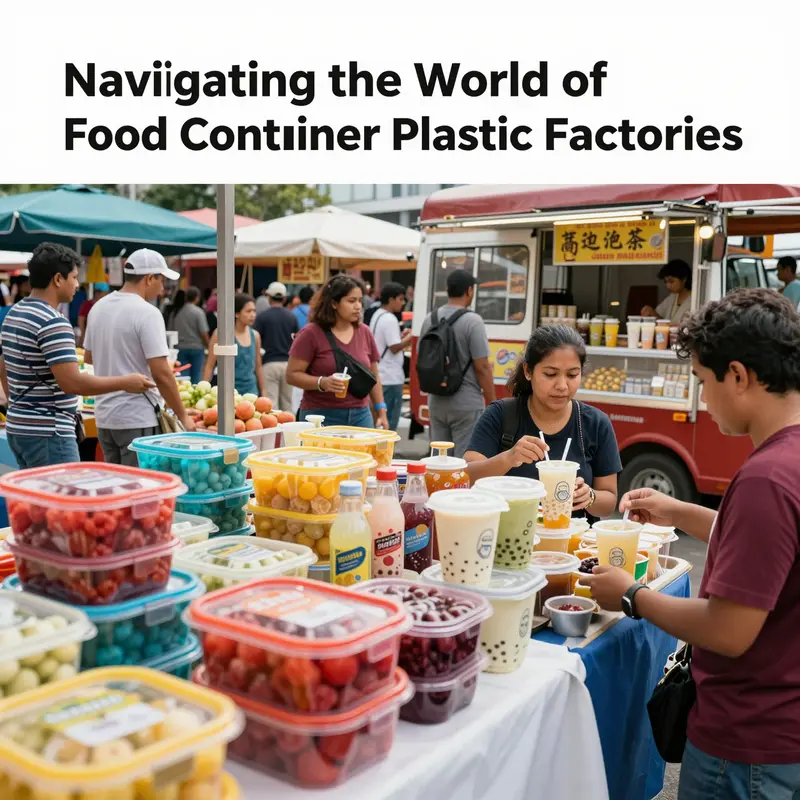
The economic footprint of plastic food container factories extends far beyond the factory floor. It ripples through supply chains, regional development, and national balance sheets, shaping costs, competitiveness, and the tempo of regulatory adaptation. In a global landscape where production clusters coalesce around efficiency and scale, the economic logic of plastic container manufacturing has always rested on a delicate balance: leveraging lightweight materials to lower transportation costs, while delivering durable, reliable packaging that protects what is inside. This balance has become more intricate as regulators tighten the screws on environmental performance and as consumer preferences tilt toward sustainability. The story of these factories is thus not only about raw materials and throughput but about how value is created, retained, and reimagined in a world increasingly demanding accountability for waste, emissions, and resource use. In the most mature hubs, such as those that concentrate advanced injection molding and integrated supply chains, the economic advantages accumulate quickly: the cost per unit declines with volume, the speed of iteration accelerates with digital tooling, and the risk of supply disruption falls when suppliers and manufacturers are co-located in dense ecosystems. Yet even these advantages sit within a shifting regulatory and consumer context that asks factories to do more than minimize price; they must demonstrate stewardship, resilience, and adaptability to a future in which circularity is no longer optional but expected.
The lightweight nature of plastic containers is a bedrock economic driver. When containers weigh less, the entire logistics chain—from plant floor to retailer shelves to consumer homes—moves with lower fuel consumption and lower emissions. This translates into tangible cost savings for food producers who rely on just-in-time supply chains and on reliable, predictable delivery windows. The durability and airtight properties of modern plastics compound those savings. Airtight seals and robust construction extend shelf life, reduce spoilage, and cut waste across the supply chain. In a world that treats food waste as both a moral and an economic cost, every percentage point of waste reduction matters. Factories that can guarantee long shelf life without sacrificing palatability or safety create a cushion for margins and a buffer against price volatility in raw materials and energy, while offering retailers a more predictable inventory profile. The ability to tailor packaging formats—ranging from single-use cups and clamshells to resealable tubs and multi-component lids—amplifies economies of scale. A single design platform can yield multiple product formats with minimal incremental tooling, enabling rapid diversification of product lines without proportionally escalating capital expenditure.
The integration of manufacturing processes with design for manufacturability underpins another layer of economic advantage. Advanced molding technologies, especially precision injection molding, support mass production of lightweight, leak-proof containers while enabling high precision tolerances and consistent performance. This consistency reduces returns and complaints, which in turn lowers warranty costs and strengthens relationships with major food-service operators and retailers. When a factory can deliver a high volume of uniform parts with predictable quality, it shortens the cycle from concept to market, a cadence that matters as brands seek differentiation through packaging reliability as well as aesthetics. In practice, this means faster time-to-market for new formats, compatibility with automated filling lines, and the ability to scale global distribution networks without a commensurate spike in quality control overhead. The resulting efficiency gains cascade through the value chain, boosting not only the bottom line of the manufacturing operation but also the profitability of downstream food producers who depend on stable, cost-competitive packaging solutions.
Yet the economics of plastic containers do not exist in a vacuum. The broader business environment matters as much as the factory floor. First, the structural advantages of scale and integrated supply chains in major hubs create a backdrop of competitive pricing that attracts buyers from around the world. In Ningbo and other key regions, factories benefit from proximity to materials producers, tooling specialists, and logistics infrastructure. This proximity reduces lead times, lowers inventory carrying costs, and supports flexible manufacturing that can respond to fluctuating demand. For buyers, such clustering translates into predictable delivery schedules and favorable terms for large-volume orders, crucial for food-service chains, caterers, and exporters who require consistent packaging performance across multiple markets. The price point for bulk recyclable takeaway containers—illustrative evidence of how economies of scale translate into tangible cost savings—showcases the potential for competitive pricing when demand density is high. These dynamics are not merely about lower unit costs, but about the reliability and resilience of supply in a market where disruptions—whether from port congestion, raw-material spikes, or regulatory changes—pose real risks.
Alongside these advantages, the economic landscape is evolving under the pressure of environmental regulation and shifting consumer expectations. The push toward sustainability has introduced new costs and new opportunities. On the cost side, compliance demands—from material traceability to standardized design, to the establishment of closed-loop collection networks—require investments in equipment, software, and process redesign. For a factory, this may mean upgrading labeling systems to meet traceability standards, adopting die-cutting and molding practices that support recyclability, or integrating with reverse logistics partners who can collect used containers for cleaning and reprocessing. The upfront capital outlays can be significant, and the payoff often comes as a reduction in waste, a boost in recycling content, and the ability to participate in high-value sustainability programs that command premium pricing or preferential procurement in certain markets.
Regulatory momentum is most visible in regions that have anchored ambitious reuse and recycling targets for beverage and food containers. The European Union, for example, is moving toward mandates that require a growing share of non-alcoholic beverage containers to be reusable by 2030 and even more by 2040. While these rules apply directly to certain packaging categories, the ripple effects are wide. Manufacturers facing tighter constraints push toward modular packaging concepts, standardized interfaces, and common materials that facilitate disassembly and recycling. The economics of this transition are complex. Reusable systems involve higher upfront costs for durable components, data-enabled tracking, and logistics networks designed for return flows. But the long-run economics can be favorable: reduced material throughput, lower waste disposal costs, and access to incentives or subsidies for circular initiatives. In practice, factories that can align their product architectures with closed-loop systems position themselves not just as suppliers of goods but as partners in waste management, cleaning, and reprocessing ecosystems. The economic narrative thus shifts from one of single-use efficiency to a broader value proposition that includes service elements and long-horizon savings.
In this shifting environment, the idea of packaging formats expands beyond the traditional one-and-done model. The same plastics that enable lightweight, fast-moving consumer goods can be repurposed into a spectrum of formats that support both single-use and reusable ambitions. The versatility of plastics—its ease of molding into bags, wraps, bottles, tubs, and resealable pouches—supports an expansive set of packaging strategies. This flexibility is a cornerstone of the economic argument for plastic containers: the factory can pivot between different formats as demand patterns change, ensuring that capacity remains fully utilized even as product mix evolves. Such adaptability reduces the risk that a single market downturn will derail a plant’s profitability. It also means cross-market resilience: a container design that works for a ready-meal service in one region may be adapted for a similar service in another, preserving capital investments by spreading them across more product lines.
Still, the path from throwaway convenience to circular economy is not without friction. An emergent challenge is the rise of reusable packaging systems, including deposit-refund schemes that incentivize consumer returns and industry-supported take-back programs. In markets like Germany and Denmark, such models illustrate how economic activity can be redirected from new production toward reverse logistics, cleaning, and repurposing infrastructure. The commercial potential of these models is substantial; assessments suggest the opportunity could reach up to $100 billion by 2040 as infrastructure grows and consumer participation expands. The lifecycle analyses accompanying these shifts reveal compelling results: reusable options, even with higher upfront material and processing costs, can yield significant long-run advantages in carbon intensity and resource efficiency. For plastic container factories, this means rethinking not only the end-of-life outcomes of their products but also the operational structure that supports them—from the design phase through to the end-of-life treatment network. The economic calculations become a question of total cost of ownership across multiple life cycles, rather than the price tag on a single unit.
Regulatory pressures intensify the need for strategic adaptation. The EU’s packaging and packaging waste regulation is a clear signal that the economics of packaging can no longer be considered in isolation from environmental performance. The regulatory trajectory imposes a broader set of obligations: standardization to reduce complexity, safer materials for food contact, and robust tracking to demonstrate compliance across borders. Factories that anticipate these changes can avoid abrupt capital write-offs and instead invest in conversion plans that preserve asset value. The shift toward sustainability also intersects with consumer expectations—today’s buyers routinely weigh environmental credentials in their purchasing calculus. A factory that can demonstrate durable performance, low waste, and a clear plan for recyclability or reuse becomes more attractive to international buyers who want to minimize supply-chain risk and align with corporate sustainability goals. In this sense, the economic impact of packaging manufacturing has widened to encompass reputational and strategic dimensions as well as purely cost-based considerations.
The adaptation pathways open a spectrum of strategic responses. Some factories pursue investments in alternative materials or blended formulations that increase recyclability while retaining performance. Others pursue modular or standardized designs that reduce the burden of design-for-disassembly. Still others invest in digital tools that enable better material tracking, quality control, and forecasting for regulatory compliance. These strategies share a common logic: to transition from a linear production model to a more circular, data-informed model in which each packaging decision is evaluated through the lens of life-cycle impact, end-of-life options, and total cost of ownership. The economic benefits of this evolution manifest in several channels. First, improved material efficiency and higher recycling rates can lower raw-material costs and reduce volatility exposure. Second, standardized components and scalable tooling lower unit costs and shorten lead times. Third, enhanced traceability and compliance reduce the risk of product recalls and penalties, preserving brand value and customer trust. Taken together, these benefits strengthen the resilience of factories and their buyer ecosystems in a marketplace that rewards performance, transparency, and responsibility.
The industry’s trajectory also invites a broader view of what constitutes value in packaging. Value is increasingly defined not merely by the price per unit but by the total value delivered across the packaging lifecycle. That includes the packaging’s ability to preserve product quality, reduce waste, enable efficient logistics, and support sustainable business models for customers. In practice, this reframes competitive advantage. A factory that integrates design-for-recyclability, reliable performance, and a credible plan for circularity can differentiate itself not just on price but on the strength of its sustainability narrative and the robustness of its end-to-end systems. In turn, buyers gain greater assurance that their packaging partners will stay compliant, deliver consistent quality, and participate in the infrastructure needed to support reuse and recycling. This alignment between producer capabilities and consumer expectations is where the long-run profitability of plastic container factories increasingly resides.
The economic outlook for plastic food container manufacturing, therefore, rests on three pillars: scale and efficiency within established hubs, regulatory alignment that reduces uncertainty and unlocks new markets, and the strategic adoption of circular models that reallocate value from disposal to reuse, refurbishment, and energy-efficient recycling. In major clusters, the baseline productivity is already high, and the marginal gains from automation, design optimization, and process standardization can be substantial. In parallel, the regulatory environment is no longer a distant backdrop but an active driver of investment decisions. Companies that anticipate future standards, rather than merely reacting to them, are better positioned to capture opportunities in markets that prize sustainability as a core competitive attribute. Finally, the transition toward circularity invites a redefinition of business models—from packaging suppliers who merely provide containers to partners who manage material streams, advise on product design for end-of-life, and participate in the financing of reuse networks. This broader role carries its own economics: it can unlock new revenue streams, improve asset utilization, and stabilize long-term demand, even as the packaging mix evolves toward higher-reuse and higher-recyclability content.
The layered economic story of plastic food container factories is thus a story of balancing cost and value across a dynamic system. It is about how scale reinforces efficiency, how regulation pushes toward cleaner materials and smarter design, and how consumer demand for sustainable options reshapes what buyers seek in a packaging supplier. It is a narrative of resilience—built through upgraded tooling, smarter inventory control, and more transparent supply chains—as well as a narrative of opportunity, with significant upside in markets that reward sustainable economics. As the industry continues to adapt, one core truth remains: the economic viability of plastic containers will increasingly depend on the ability to connect manufacturing performance with environmental performance, delivering products that are not only affordable and reliable but also part of a system that preserves resources for future generations. The factories that succeed will be those that embrace this integrated view, investing in technologies and partnerships that reduce waste, improve lifecycle outcomes, and align with a rapidly evolving global standard for responsible packaging.
For readers seeking deeper context on how environmental and economic dimensions intersect in food-packaging systems, a detailed study on food waste reduction and packaging life cycles offers valuable insights into how design choices translate into broader sustainability benefits. See external resource: https://doi.org/10.1016/j.jclepro.2023.140927. Within industry discussions, it is also worth exploring the ongoing debate around alternative packaging formats as potential complements or replacements for conventional plastics. Some practitioners highlight the potential of paper-based or recycled-content solutions to reduce environmental impact while maintaining performance. A productive way to frame this discussion is to view packaging choices through the lens of lifecycle performance and system-level costs, rather than focusing solely on unit price. As markets evolve, the economic logic favors those who can orchestrate end-to-end value—delivery, demand sensing, material selection, and end-of-life management—into a coherent, data-driven strategy. This holistic approach better equips plastic container factories to weather regulatory shifts, satisfy evolving consumer preferences, and sustain growth in a globally interconnected economy.
Internal resources can offer practical perspectives on how packaging design interacts with sustainability goals. For example, the eco-friendly ripple-wall paper cup with lid resource provides a look at how paper-based packaging is positioned within broader discussions of sustainability and packaging alternatives, illustrating the kinds of design considerations that communities and regulators may favor in a transition toward circular packaging (see internal link). This exploration helps situate plastic container factories not as isolated manufacturers but as participants in a broader packaging ecosystem in which different materials and formats coexist, compete, and sometimes converge around shared goals of safety, usability, and environmental responsibility. As the industry continues to adapt, the most durable economic value will arise from those who can translate performance into responsible packaging systems that satisfy efficiency, safety, and sustainability criteria across multiple markets, with clear pathways for end-of-life redemption and material recovery. The chapter’s overarching message is that the economic future of plastic food container factories rests on their ability to integrate circular economy principles into every phase of product development and production, turning regulatory pressure and consumer demand into catalysts for innovation and sustained profitability.
null
null
From Production Lines to Planet: Navigating Sustainability Challenges in Plastic Food Container Factories
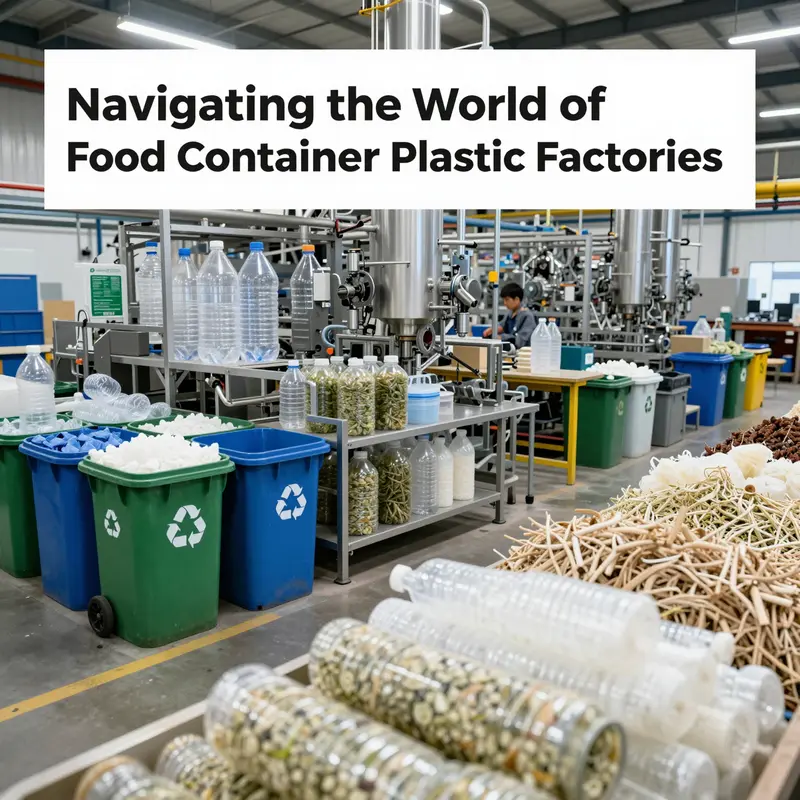
The plastic food container industry has long stood at the intersection of convenience and complexity. In major manufacturing clusters, especially those that power global supply chains from a few dominant hubs, efficiency, scale, and speed have been the guiding metrics. Yet, these factories do not operate in isolation. They sit within a broader economy that increasingly demands accountability for environmental footprints, social impacts, and long-term resilience. The sustainability challenges facing plastic food container factories are intricate, spanning environmental, economic, and social dimensions. They are not merely about recycling rates or waste streams; they are about transforming production systems, redefining materials, and reimagining the lifecycle of packaging within a rapidly evolving regulatory and consumer landscape. In this chapter, I trace how these challenges emerge, how they intersect with the realities of mass production, and how transformative governance and systemic collaboration can steer the industry toward outcomes that are better for the planet without erasing the benefits of modern food culture.
Environmentally, the most evident pressure stems from plastic waste persistence. Single-use and short-lived containers are often designed for a compact window of use, after which they become waste that can endure for centuries. In ecosystems—from crowded landfills to streams in remote regions—these materials accumulate, fragment, and migrate, posing risks to wildlife and to human health through microplastics. The takeout culture that many urban centers rely on accelerates this dynamic: containers designed for one meal can end up in municipal waste streams or in the natural environment, where their slow degradation becomes a long-term externality. The environmental costs do not stop at end-of-life disposal. The production of plastics for food packaging is energy-intensive and heavily tied to fossil fuels. The manufacturing processes require high-energy inputs, feedstocks sourced from non-renewable resources, and complex chemical processing that can generate emissions and by-products. As a result, factories that run at global scale become significant points of energy use and carbon emissions within their countries’ industrial portfolios. Yet recycling remains stubbornly low in practice, and not solely because of consumer behavior. Contamination from food residues, the variety of plastics used in multilayer packaging, and the logistics of sorting make recycling challenging. Even when recycling facilities exist, the economics and technical feasibility of reclaiming post-consumer packaging can be limited, leading to a gap between potential circularity and actual practice.
These environmental pressures intersect with economic realities in ways that compound the challenges. Water and energy consumption in plastic manufacturing are substantial, and emissions associated with these inputs contribute to local environmental burdens. Pollutants can be released into air and waterways if effluent controls are insufficient or if waste management steps are rushed under tight production schedules. In nearby communities, this translates into health concerns and social tension, as residents respond to air and water quality issues around large industrial sites. The social dimension is not merely a byproduct of pollution; it is woven into the business model itself. Jobs created by heavy industry bring economic benefits, but they also place communities in a position where environmental safeguards are essential to long-term well-being and social trust. The ethical question arises: can the industry preserve livelihoods and affordable packaging while reducing risks and external costs borne by the public? The tension between growth and stewardship is rarely a single-policy problem. It demands governance that aligns corporate incentives, public policy, and civil society toward a shared aim: sustainable packaging systems that do not externalize costs onto ecosystems or vulnerable neighborhoods.
Solutions to these intertwined challenges require a systems view that extends beyond end-of-life outcomes to encompass design, production, and post-use management. One of the most widely discussed strategies is a shift toward alternative materials and redesigned products that improve recyclability or reduce resource intensity. This does not simply mean swapping one polymer for another; it implies rethinking the entire packaging architecture. Products can be redesigned to minimize the use of additives that complicate recycling streams, to enable easier separation of materials, and to reduce the number of different polymers within a single package. Designing for recycling means considering the end-of-life path at the moment of design: compatibility with available sorting technologies, contamination controls, and the preservation of material value through multiple reuse cycles where feasible. In practice, this approach also points toward more standardized packaging formats that simplify collection and processing and toward the use of materials with established, scalable recycling infrastructure.
Beyond design, extended producer responsibility (EPR) emerges as a pivotal governance instrument. EPR policies place a clear onus on manufacturers to finance or administer the lifecycle management of their packaging. When implemented effectively, EPR can shift the economics of waste management so that producers invest in better packaging design, improved waste collection, and recycling facilities. It can stimulate the development of local recycling capacity, reduce leakage into the environment, and promote transparency in reporting environmental performance. This shift is more than regulatory compliance; it is a lever to harmonize corporate strategy with societal expectations about resource stewardship. The Finland case referenced in related research highlights how governance arrangements can catalyze transformation across the packaging sector, encouraging collaboration among government, industry, and civil society to create conditions that move packaging systems toward sustainability. The takeaway is not only about policy mandates but about building ecosystems that reward responsible innovation and measurable progress.
A deeper layer to the discussion concerns the potential and limits of alternative materials. Bioplastics, compostable options, and paper-based substitutes offer appealing narratives for reducing environmental footprints. However, each alternative comes with its own constraints. Bioplastics may require specialized composting infrastructure, which is unevenly distributed across regions. Compostable materials can contaminate conventional recycling streams if misused. Paper-based alternatives, while celebrated for renewability, still require water and energy in production, and not all paper products are truly end-of-life friendly unless they are certified for appropriate disposal. The choice between plastics and alternatives is rarely a binary decision; it requires a nuanced assessment of local waste management capabilities, market demand, performance requirements, and lifecycle environmental impacts. This complexity underscores the need for robust lifecycle assessment in decision-making and for credible communication with stakeholders about trade-offs and real-world capabilities.
Within China’s manufacturing landscape, the combined effect of scale, efficiency, and integration offers both opportunity and risk. The same channels that enable cost competitiveness and fast delivery can also amplify environmental externalities if governance is weak or fragmented. As factories intensify output to meet global demand for disposable lunch boxes, bento boxes, and resealable containers, the temptation to optimize for short-term gains can overshadow longer-term sustainability considerations. Yet the same productive capacity can be redirected toward cleaner production methods, energy and water stewardship, and cleaner end-of-life systems if policy signals, investor expectations, and consumer pressures align. Cleaner production technologies—such as energy-efficient molding, waste-heat recovery, closed-loop water systems, and advanced emissions controls—can reduce both resource use and environmental emissions without compromising throughput. Digital traceability and data-driven optimization can identify inefficiencies, reduce scrap rates, and improve quality while lowering environmental intensity. In other words, the path to sustainable manufacturing is not a retreat from scale; it is a reconfiguration of how scale is used and measured.
A crucial but sometimes overlooked element is end-market demand and consumer behavior. Public awareness of plastic waste and its ecological footprint has been rising, reshaping expectations for packaging. When buyers request higher recyclability, clearer labeling, and lower contamination risk, factories are incentivized to redesign products and processes. The supply chain, from suppliers of raw materials to converters of finished goods, must align incentives to reduce the total lifecycle impact. This alignment often requires collaborative platforms that share data on material performance, end-of-life outcomes, and recycling rates. In practice, achieving such alignment depends on credible metrics, transparent reporting, and trusted verification. What counts as “sustainable packaging” must be defined with shared criteria, not just marketing language. The risk of greenwashing is real, especially in markets rapidly expanding to meet demand for eco-friendly options. A rigorous, science-based approach to evaluating environmental performance helps ensure that improvements are genuine and scalable across the supply chain.
Amid these considerations, there is room for practical, near-term actions within factories. Process improvements can yield meaningful gains in energy efficiency and water stewardship. Many plants can implement better heat recovery, optimize curing cycles in molding, and adopt low-emission or alternative-energy sources where feasible. Waste management can be enhanced through better on-site sorting, partnerships with recyclers to handle specific streams, and a move toward processes that generate less hazardous by-products. On the materials side, exploring recycled-content streams and working toward higher-yield formulations reduces raw material demand and can lower overall emissions per unit produced. It is essential to pursue a portfolio of solutions rather than a single fix. A factory might blend improved design for recyclability with modest shifts toward recycled content, while simultaneously upgrading water treatment and energy systems.
For producers curious about practical alternatives, the landscape of packaging options is expanding. Some manufacturers are experimenting with single-material designs that reduce complexity and contamination challenges. Others are exploring coatings and barrier technologies that extend shelf life while maintaining recyclability. Whether the goal is to maintain performance in hot and cold environments or to improve microwave safety and freezer resilience without sacrificing recyclability, there is no one-size-fits-all answer. The best path often combines design simplification, better material selection, and stronger end-of-life infrastructure. In the dialogue between efficiency and sustainability, close attention to lifecycle analyses helps ensure that any shift in materials or design yields net environmental benefits rather than moving the burden elsewhere in the system. For readers exploring alternatives, consider examining the growing family of eco-friendly, paper-based packaging options that pair functional performance with end-of-life clarity. For instance, biodegradable eco-friendly take-away kraft paper bowls illustrate how packaging can be designed to meet consumer expectations while steering systems toward more sustainable trajectories. You can learn more about this option here: biodegradable eco-friendly take-away kraft paper bowl.
Alongside material and design considerations, governance and policy frameworks play a decisive role in shaping corporate behavior and industry trajectories. The debate around EPR and related policy instruments is not abstract; it translates into financing for recycling infrastructure, standardized labeling, and accountability for packaging across its entire lifecycle. In practice, effective governance requires clear targets, measurable indicators, and transparent reporting. It also requires integrating waste management into urban planning, manufacturing zoning, and regional development strategies so that infrastructure keeps pace with production. The Finnish case cited in research results demonstrates how transformative governance can create conditions that spur sustainability transformation across the plastic food packaging sector. The important takeaway is that policy and governance shapes incentive structures—encouraging investment in cleaner technologies, better product design, and more robust end-of-life systems—and that these changes are most effective when they engage industry, government, and civil society in a shared mission.
As the global market for disposable containers continues to evolve, so too will the expectations of customers who value sustainability but still rely on affordability and convenience. The integration of sustainable practices into massive manufacturing ecosystems requires leadership that can balance technical feasibility, economic viability, and social responsibility. It is not enough to claim that a packaging solution is recyclable; it must be part of a functioning system that collects, sorts, processes, and reuses materials at scale. This is where the interplay between supply chain design, regulatory signals, and consumer behavior becomes decisive. The challenge is to accelerate the development of circular packaging systems that reduce material use, promote recycling, and minimize environmental externalities without undermining the reliability of food delivery and service. In the end, the goal is a packaging ecosystem where production lines can operate at high capacity while still honoring the commitments that society places on environmental stewardship, public health, and social equity.
For readers seeking a practical foothold in this transition, turn your attention to packaging alternatives that emphasize recyclability and responsible disposal. The movement toward eco-friendly, compostable, or recyclable designs is not merely a marketing stance; it is a strategic shift toward resilient packaging systems. To explore one concrete example of this direction, consider the biodegradable eco-friendly take-away kraft paper bowl linked earlier. While not a panacea, such options illuminate a path toward packaging that aligns with agriculture, waste management, and consumer habits in ways that reduce environmental burden while preserving function and safety. Embracing these approaches does not absolve manufacturers from accountability; rather, it invites them to participate in a broader, more integrated stewardship that spans design, production, post-use collection, and material recovery.
Ultimately, the sustainability challenges in plastic food container factories are a call to action for coordinated, systemic change. They invite a reimagining of how products are designed, manufactured, and disposed. They require governance that aligns incentives, investments, and accountability with the public interest. They demand that suppliers, producers, regulators, and consumers collaborate to close the loop on packaging, reduce waste, and green the industrial practices that power global food systems. The journey is long and complex, but the direction is clear: progress will come from combining cleaner production, smarter design, robust end-of-life infrastructure, and governance that prizes long-term value over short-term gains. As the industry continues to evolve, the path toward sustainable packaging will increasingly depend on transparent metrics, collaborative innovation, and a shared commitment to protecting the very ecosystems that sustain food production, delivery, and consumption.
External reference for further reading: Creating conditions for sustainability transformation through transformative governance – The case of plastic food packaging in Finland. https://doi.org/10.1016/j.jclepro.2023.140296
Internal link for further context on eco-friendly packaging options: biodegradable eco-friendly take-away kraft paper bowl. https://greendispopack.com/product/biodegradable-eco-friendly-take-away-odm-oem-round-kraft-paper-bowl/
Final thoughts
Understanding the dynamics of plastic food container factories is essential for businesses in the beverage and food service industries. By examining manufacturing processes, economic impacts, regulatory standards, and sustainability efforts, companies can navigate the complexities of sourcing the right packaging solutions. Engaging with these factors not only ensures compliance and quality but also enhances customer satisfaction. As the industry evolves, embracing sustainable practices alongside innovation will be key to meeting both consumer demands and environmental responsibilities.