
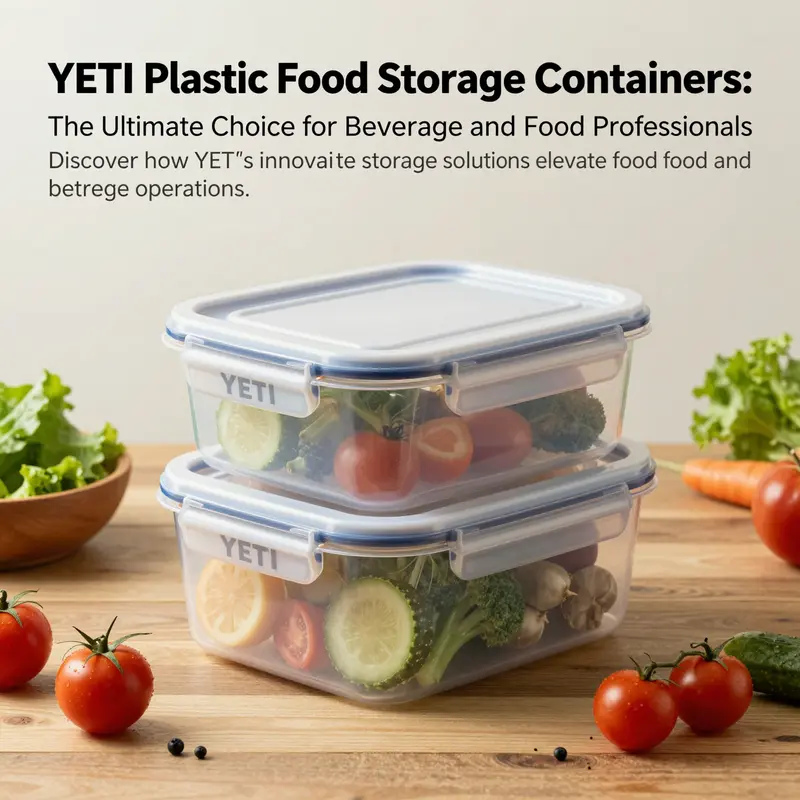
The YETI Plastic Food Storage Container stands out as a premium choice in the foodservice industry, merging durability, safety, functionality, versatility, and environmental consciousness. As Bubble Tea Shops, Restaurants, Food Trucks, and Event Planners aim to enhance operational efficiency while ensuring food safety and quality, the YETI container meets and exceeds expectations. In this article, we delve into how its exceptional durability and quality, along with its safety features, functional design, versatile applications, and eco-friendly materials, can enhance store, transport, and service offerings, providing a comprehensive overview of this indispensable tool for modern food and beverage handling.
Built to Endure: Material Integrity and Durability in Premium Plastic Food Storage Solutions
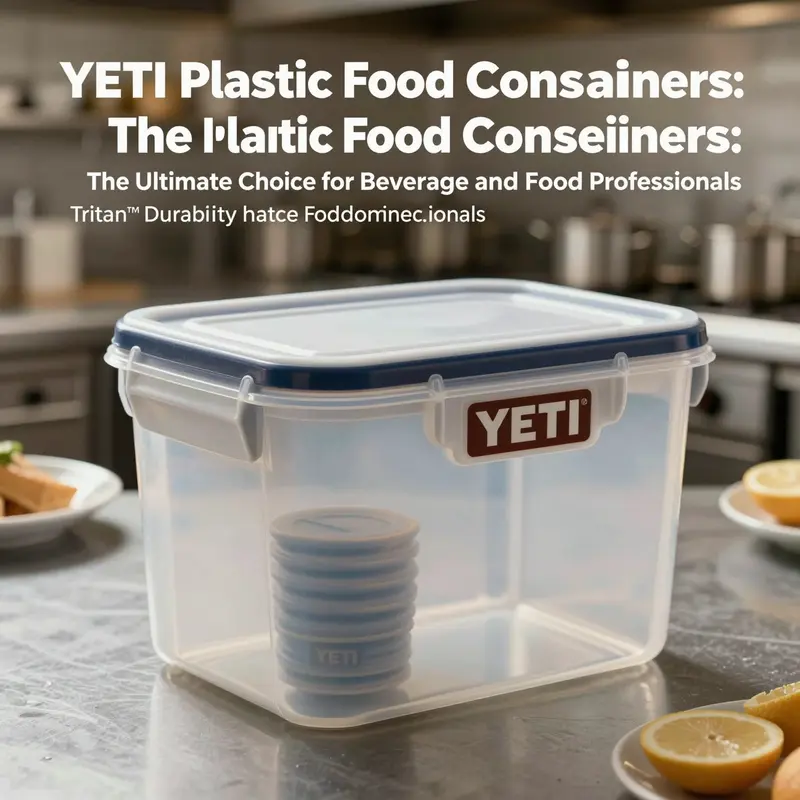
Durability is more than a selling point; it is the quiet assurance that a storage solution will perform when it matters most. In a category where everyday use transitions to rugged outdoor treks, the material choice becomes the first and strongest argument for longevity. The backbone of this durability is a rotomolded polyethylene construction, a high-density plastic that blends toughness with a forgiving interior. This material resists impact with ease, so a dropped container in a kitchen or on a campsite rarely leaves a mark on its performance. It can stand up to the kind of temperature swings that would warp or crack a lesser polymer, enduring subzero chill and desert heat without compromising its structure. In practice, that means you can rely on it for a broad spectrum of tasks—from daily leftovers in the fridge to prepped meals for overland adventures—without worrying about brittle edges, warping lids, or stained interiors. The choice of rotomolded polyethylene signals a deliberate emphasis on resilience, a feature that translates into fewer replacements and less frustration over time. It also communicates a design philosophy that favors lasting utility over frenetic trendiness, a principle that informs every other design decision in the line.
Durability in this line is not just about the material; it is engineered into every seam, latch, and surface through a holistic approach. The latches are described as military-grade in spirit—robust, easy to operate, and secure even when the container is moved or stacked. A tight, trackable closure system is essential for keeping contents from leaking and for maintaining a consistent interior environment that preserves freshness. The seal itself is designed to be leak-proof under typical loads and conditions, resisting the kind of small but often persistent leaks that plague cheaper plastics when containers are carried, stacked, or jostled in transit. The importance of a reliable seal compounds when liquids, sauces, and ingredients need to be transported without fear of a spill, and the system is built to cope with daily handling as well as more demanding travel scenarios.
UV-resistant coatings further bolster durability by protecting surfaces from environmental stressors. Prolonged sun exposure, outdoor heat, or the constant glare of a campfire glow can degrade plastics over time, leading to weakened seals and surface wear. A UV-resistant finish helps preserve the integrity of both the exterior shell and the interior surfaces, reducing the chances of micro-scratches that harbor bacteria or stain easily. These interior surfaces are reinforced and designed to be seamless, a practical detail that minimizes crevices where grime and biofilms can linger. In kitchen use or on rougher rides across rugged terrain, this design reduces maintenance needs and supports a hygienic, easy-to-clean profile.
Beyond the shell and seals, the geometry of the container reinforces durability. Reinforced corners, a hallmark of rugged design, resist impact and distribute stress that would otherwise concentrate at weak points. The interiors are crafted to be seamless, avoiding joints that can trap residues or crack under pressure. This combination makes it possible to rinse out food particles quickly and thoroughly, a practical benefit for busy households and outdoor crews who rely on sanitary, low-effort cleaning routines.
Functionality emerges from the same design discipline that underpins the materials. Ergonomic handles are not cosmetic; they enable confident transport when hands are wet, cold, or gloved. The ability to grab and go without fumbling reduces the risk of drops and spills, an everyday advantage that matters as much on a kitchen countertop as it does on a campsite or in a backcountry kitchen setup. The containers are designed to be stackable, a feature that maximizes storage efficiency in small apartments, campers’ packs, or warehouse-style kitchens. When stacked, the weight distribution remains stable, and the lids align with predictable precision, which minimizes wear on the sealing gaskets and reduces the likelihood of lid misalignment during transit. These practicalities are more than conveniences; they reflect a philosophy of smart storage where every interaction—from lifting to locking to stacking—is optimized for reliability.
User feedback in recent consumer evaluations underscores the real-world impact of these choices. Buyers repeatedly describe the line as sturdy and well-made, noting that it holds up to daily drops, rough handling, and extended use without visible wear. Such feedback is not merely about aesthetics or a perception of quality; it confirms that the underlying engineering holds up under the diverse rigors of modern life. When a container can survive a week of daily reuse, a weekend of outdoor cooking, and the incidental bumps of a busy household, it signals that durability has shifted from a spec sheet claim to an everyday performance standard.
This emphasis on material quality dovetails with a broader design ethos: durability paired with intelligent functionality. The goal is to deliver a system, not just a single container, that scales with needs. The stackable profiles, for example, are designed to create an organized, efficient ecosystem for meal prep, portion control, and pantry management. Labeling compatibility—an understated but valuable feature—lets users mark contents and dates, supporting an orderly workflow that reduces waste and confusion. In practice, that means fewer misfires in meal planning and less time spent searching for the right container in a crowded kitchen or packed caravan. The result is a product line that functions as a practical toolkit for everything from home cooks preparing weekly meals to adventurers packing for an extended trip where every ounce of reliability matters.
From a safety perspective, the material choices are aligned with contemporary health-conscious design. The containers are advertised as BPA-free, reflecting a broader industry shift away from substances that have raised health concerns. Yet, even within BPA-free formulations, it is prudent to recognize that any plastic can degrade with heat, fats, and acidic foods. Repeated exposure to microwaving or high temperatures, even when labeled microwave-safe, may gradually affect the material’s properties. This reality does not undermine the durability narrative; rather, it contextualizes it. The best practice is to avoid prolonged heating, monitor for micro-scratches or wear, and replace items when signs of fatigue become evident. Regular inspection helps preserve the integrity of the seal and the cleanliness of the interior, ensuring safe storage over time. Environmental health literature reinforces the point that heat stress can alter plastic behavior, so a cautious approach to heating remains wise, even with modern, carefully engineered plastics.
As functional as these features are, the durability story also resonates with a sustainability mind-set. Longevity reduces the frequency of replacement, which in turn lowers the lifecycle footprint of the container. The design is mindful of daily use, but it also understands the realities of outdoor adventures, where reliable performance under demanding conditions translates into fewer disposables and less waste. In this sense, durability is a form of responsible choice: it stretches the value of materials while aligning with a practical, eco-aware approach to cooking, storage, and travel. For readers curious about how packaging choices influence broader sustainability in grab-and-go food consumption, consider exploring related packaging discussions through eco-conscious take-away options, such as durable, recyclable paper-based bowls and their lids—items designed to complement reusable storage systems and reduce single-use waste. See disposable-takeaway-paper-kraft-rectangular-square-rectangle-salad-paper-bowl for further context on this packaging landscape.
The narrative here is not a simple tally of features but a cohesive blend of material science, mechanical design, and user-centered thinking. Rotomolded polyethylene provides the tough backbone, while thoughtful detailing—tough latches, UV protection, secure seals, reinforced corners, and seamless interiors—ensures that the container remains reliable through years of use. Ergonomic handling and stackable geometry translate that resilience into everyday practicality. And while the safety and environmental considerations call for mindful use and regular inspection, the overarching message remains clear: a well-made plastic storage solution can be a faithful companion from the kitchen counter to the campsite, offering dependable performance without demanding compromises on volume, heat tolerance, or cleanliness. The result is a coherent system that supports organization, fosters responsible consumption, and stands up to the realities of modern living in both urban and outdoor settings.
External resources can provide complementary perspectives on material safety, lifecycle considerations, and design best practices. For reference, the official product documentation offers detailed specifications and performance data that illuminate how these design choices translate into real-world reliability: https://www.yeti.com/en-us/products/food-storage. This external resource helps situate the durability narrative within the broader context of high-performance plastics designed for demanding environments, while the internal discussion above centers on the material properties and design decisions that enable such performance in everyday use.
Internal link reference: for a related discussion on how packaging materials intersect with sustainability in take-away ware, see disposable-takeaway-paper-kraft-rectangular-square-rectangle-salad-paper-bowl.
Safeguarding Freshness: Safety Features in Modern Plastic Food Storage Containers for Home, Travel, and Outdoors
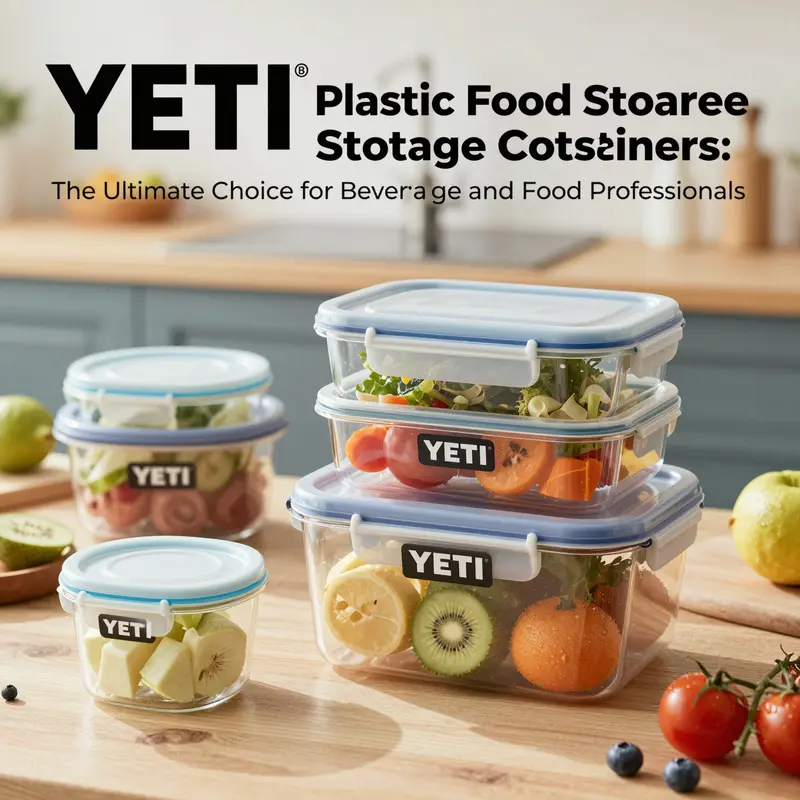
A modern plastic food storage container is more than a simple box with a lid. It is a compact system designed to protect what we eat, where we keep it, and how we interact with it day after day. When we peel back the layers of safety features embedded in today’s premium storage solutions, the logic is clear: the better the design, the less we worry about contamination, leaks, or flavor loss. At the heart of these considerations is a material science story—one that centers on BPA-free formulas and resilient polymers that resist heat, cold, and the knocks of daily use—so that a meal prepared in the morning remains inviting at lunch and beyond. The most trusted containers in this class rely on a material profile that blends clarity with toughness, and a philosophy that prioritizes both safety and practicality in equal measure.
A central pillar of safety is the prohibition of bisphenol A (BPA). In place of BPA, safer polymer blends form the backbone of contemporary storage solutions, standing up to contact with hot foods and yet staying inert enough to preserve flavor and texture. This combination matters because what we put into a container—and how we heat or chill it—can influence the journey from kitchen to table. The emphasis on BPA-free formulations is not merely a marketing stance; it is a response to long-standing concerns about chemical migration, especially under thermal stress. Yet even here, caution remains prudent. While BPA-free plastics significantly reduce risk, repeated heating, high-fat foods, or acidic ingredients can still cause subtle changes in material behavior over time. The science is nuanced, and the consumer message should be balanced: stay mindful of heat exposure, avoid prolonged microwaving, and inspect the container for wear that might signal micro-scratches or micro-cracks that could harbor residues. This prudent approach aligns with guidance from environmental health scientists who caution that no plastic is entirely risk-free under all conditions, especially after extended use.
The locking, airtight lid is more than a convenience feature; it is a guardian of freshness and a shield against unintended contamination. A secure seal ensures that liquids such as soups, sauces, or smoothies remain contained during transport, even when carried in a crowded backpack or a busy pantry. The practical payoff is clear: leak-proof performance reduces the risk of cross-contamination between foods and minimizes the mess that often accompanies travel or spill-prone storage. A well-engineered lid design also supports hygiene by limiting exposure to air and moisture that can accelerate spoilage or alter texture. The best systems balance a strong, resilient seal with an intuitive opening and closing action—favoring mechanisms that are easy to operate for people with dexterity challenges while still resisting daily wear and tear. In this way, the lid becomes part of a safety loop rather than just a cap: it preserves temperature, blocks leakage, and maintains the integrity of the contents from the fridge or freezer to the road or the campsite.
Versatility is not only about where the container can go, but how it shapes daily routines. These containers are designed to be microwave-safe, freezer-safe, and dishwasher-safe, a trifecta that speaks to the needs of a modern kitchen and beyond. The ability to go from fridge to microwave to table with minimal transfer risk reduces the chances of spillage and limit cross-contact with other foods. In practice, this means a single container can serve multiple roles—storage, reheating, and even portioning—without demanding a chain of separate vessels. Yet safety considerations persist here as well. While a container may be labeled microwave-safe, it is wise to use it within reasonable heat limits and to avoid heating fatty or highly acidic dishes for extended periods. The potential for heat to induce slight material changes over repeated cycles is real, so gentle reheating and short intervals help preserve the container’s structural integrity. The dishwasher-friendly aspect adds another layer of safety by promoting thorough cleaning and sanitization, but even in a dishwasher, uniform heat and agitation can eventually dull a seal or cause micro-scratches. Regular inspection becomes a simple, protective habit—an easy ritual that sustains safety as the container takes on more and more tasks in daily life.
The design language of these storage systems often borrows from the creed of rugged, purpose-built gear. Features like stackability, ergonomic handles, and labeling compatibility reflect a philosophy that everyday storage should be both efficient and resilient. Stackability saves space in crowded cabinets while making it straightforward to organize meals by day or by category. Ergonomic handles reduce the risk of accidental drops—an especially meaningful detail when the container is filled with hot soup or a heavy stew. Labeling compatibility, meanwhile, helps prevent mix-ups in busy households or when meal-prepping for a week away from home. Together, these design cues transform a simple plastic box into a reliable counterpart for home cooks, hikers, campers, and busy families who need to keep foods safe, fresh, and easy to locate. The resulting system becomes not just a container, but a small, organized ecosystem that supports healthy eating.
Yet the safety conversation cannot ignore the human element. The best containers acknowledge that real-world use often includes heat exposure, rough handling, and long storage times. For this reason, ongoing consumer education plays a crucial role. Experts remind us that even BPA-free plastics are not entirely inert under all conditions, and that repeated thermal stress can alter some plastics’ behavior. A practical takeaway is to reserve microwave sessions for moderate reheating rather than full, high-temperature bursts, and to give the containers a regular visual check for minor scratches or signs of wear. If damage is detected, replacing the affected unit is a small, prudent step toward sustaining safety. The emphasis here is not fear but vigilance—an approach that respects the material’s properties while acknowledging that all plastics have a finite lifespan under strenuous use.
In outdoor contexts, the stakes feel even higher. When a container accompanies a picnic, a backpacking trip, or a day on the trail, its ability to maintain temperature and resist impact becomes part of the safety equation. The compatibility with broader cooling systems—such as coolers and ice sheets—helps sustain a safe temperature regime and reduces the frequency of temperature fluctuations that could compromise freshness. The idea is straightforward: a robust seal plus a resilient material creates a protective micro-environment around the food, shielding it from the external world while still permitting practical access when needed. In this light, the container’s safety features are not only about chemical safety but also about preserving the sensory and nutritional qualities of food as it moves through varied environments.
To connect these threads back to the broader safety landscape, it is useful to recognize how the design choices reflect a mature, science-informed approach. The choice of a durable, BPA-free material like a modern Tritan Renew blend aligns with a wider push toward safer, longer-lasting plastics that stand up to heat, cold, and heavy use. While no material is entirely risk-free under every condition, the combination of a leak-proof lid, broad compatibility with heating and cleaning methods, and thoughtful ergonomic design represents a practical, science-backed framework for everyday safety. The result is a storage solution that supports consistent food safety practices—from portioning and packing to reheating and re-vacuuming for later meals.
For readers seeking further clarity on these topics, the official product page offers deeper material and safety specifics, including details on the resin composition and care guidelines that translate the science into everyday use. As a reminder, the broader conversation around plastics and health continues to evolve, and ongoing research—from environmental health scientists to material scientists—encourages mindful use and regular reassessment of how we store and heat our food. This balanced perspective helps ensure that the container you reach for in the morning remains a trustworthy ally through the day’s adventures, whether at home or on the trail. External resource: https://www.yeti.com/products/food-storage-containers
null
null
Durable, Leak-Proof, and Everywhere: The Evolution of Modern Plastic Food Storage for Home Kitchens and Outdoor Adventures
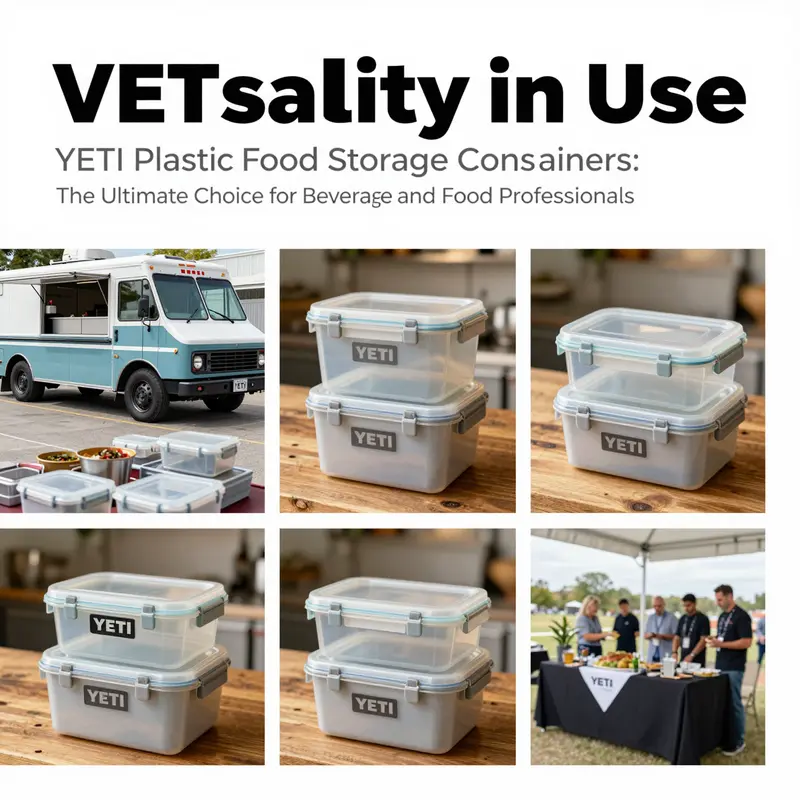
A modern kitchen often reads like a compact ecosystem of purpose-built tools, each designed to squeeze more value from a single day. Among these, plastic food storage containers have evolved from simple, throwaway boxes into durable, smartly engineered systems that travel from pantry to fridge to briefcase and back again. The latest generation emphasizes resilience as a core feature, anchored by materials that balance safety with performance. At the heart of this shift is a plastic family built on the promise of continuity: a resin that is BPA-free, tough enough to withstand the rigors of daily use, and capable of carrying a spectrum of foods without compromising flavor or texture. The material science is not glamorous in the way metal or glass can be, but it is quietly transformative. A crystalline clarity of purpose guides its development: lightweight convenience paired with long-term reliability. In practical terms, this means a container that does not crack under a drop, does not warp after repeated cycles in the freezer, and does not seep into sauces or leftovers after weeks in the fridge. It means a lid with a true lock and a seal that remains airtight, creating a dependable barrier against leaks that can ruin a meal or a backpacking plan. It means a design that stacks neatly with itself, reducing kitchen clutter and streamlining meal-prep routines. It also means compatibility with an ecosystem of accessories and use-cases that extend the life of the container well beyond the dinner plate. The result is a storage solution that feels almost crafted for both quiet evenings at home and the more demanding rhythms of outdoor life, where reliability is synonymous with safety and efficiency.
The material story is foundational. The core resin is a form of Tritan Renew, a family of plastics praised for its durability and its ability to minimize human exposure to legacy concerns associated with older plastics. This is not merely about avoiding a single chemical; it is about rethinking what “safe” means across real-world use. The Renew grade is engineered to resist staining and odors while standing up to the bumps and tumbles of daily transport. Importantly, it can contain a substantial portion of recycled content—up to half of its makeup—without sacrificing the clarity, stiffness, or heat tolerance that everyday tasks demand. That blend matters because it signals a broader shift in consumer expectations: performance should not come at the expense of the planet, and environmental considerations should not erode the practical benefits of a product designed for real life. When a container can be repeatedly used, washed, and re-stashed without losing its shape or its seal, the return on that investment stretches far beyond the check-out line.
The lid itself is more than a cap. It is a carefully engineered locking mechanism that creates an airtight seal, a feature prized by anyone who has spilled a sauce or witnessed a soggy week of leftovers. Leakage is not merely an inconvenience; it can ruin a meal plan, damage a bag, or compromise a trip. In containers designed for liquids or viscous ingredients, the confidence a well-made seal provides cannot be overstated. This is the kind of design detail that makes the difference between a container that stays in the cabinet and one that earns a regular spot in a backpack or a travel kit. The practical upshot is that users can transport soups, stews, and dressings with reassurance, knowing a well-sealed container will keep flavors intact and prevent the mess that often accompanies busy days.
Beyond the seal, the hinge between form and function is most visible in the daily rituals of use. The containers are designed to be safe for reheating, freezing, and cleaning, aligning with a modern kitchen that favors flexibility. In practice, this means you can defrost and reheat food, freeze portions for future meals, and toss the container into the dishwasher without fear of warping or residue buildup. The dishwasher compatibility, in particular, is a practical boon for households that juggle work, school, and activities, where time and energy are at a premium. Still, responsible use matters. While the material is designed to withstand heat, repeated exposure to high temperatures can accelerate wear or lead to micro-scratches that may harbor bacteria. For this reason, many safety-minded users exercise caution with prolonged microwaving or heating at high temperatures, and they inspect containers for scratches or wear over time. The aim is not to ban heat but to recognize how it interacts with plastics in real life, where the goal is safe, efficient use over many cycles.
The design language extends into everyday organization. Ergonomic handles, well-thought-out labeling areas, and stackable silhouettes transform ordinary storage into an organized system. When space is at a premium—on kitchen shelves, in a crowded cooler, or inside a tote during travel—the ability to stack securely without slipping is a quiet victory. The labeling compatibility—clear areas to note contents, dates, or portion sizes—helps families stay on track with meal planning and grocery budgeting. In short, the container is not just a box; it is a modular component of a larger workflow that moves with a user through the day, from the fridge to the car to the campsite and back again.
From an environmental perspective, the shift toward durable plastics with substantial recycled content reflects a broader reckoning with waste, use, and lifecycle impact. Ten years ago, the focus was often on disposability, but contemporary design emphasizes durability and reuse as a practical path to reducing waste. The use of Tritan Renew with up to 50 percent certified recycled content helps close the loop between consumption and reclamation. It is a tangible acknowledgment that plastic can be stewarded responsibly when materials are chosen with an eye toward longevity and recyclability. This doesn’t eliminate the need for careful disposal at the end of a product’s life, but it does tilt the balance toward a system where resilience and responsible sourcing meet the day-to-day demands of households and adventurers alike. The narrative here is not a single turning point but a continuum: higher safety margins, cleaner material choices, and smarter designs that together advance a more sustainable everyday plastic experience.
Of course, even with advances in safety and sustainability, concerns about chemical exposure persist in the public conversation. Experts emphasize that no plastic is entirely risk-free if subjected to persistent thermal stress or if used in ways that exceed manufacturer guidelines. BPA-free labeling is important, but it does not guarantee that the material will never release traces under prolonged heating, fats, or acidic foods. Micro-scratches, wear, and repeated cycles can create tiny pathways for leaching that accumulate over time. The prudent approach is to avoid prolonged microwaving, to avoid high-temperature heating when possible, and to conduct periodic checks for wear. In practice, this means following guidance about heating and reheating, using the containers within their intended temperature ranges, and retiring them when signs of wear appear. These cautions are not a rejection of the benefits of modern plastics but a reminder that safety is an ongoing practice, not a one-time certification.
The ecosystem surrounding the storage solution also matters. While the core product is designed to be a reliable home and travel companion, its value multiplies when integrated with other components that support a cohesive storage strategy. For instance, a related option in the packaging world—an eco-friendly, take-away kraft paper bowl with a lid—offers a different kind of sustainability story. It demonstrates how a thoughtful approach to materials and design can extend beyond plastic into other packaging formats, enabling a broader dialogue about responsible consumption. For readers curious about related packaging options that complement a plastic storage system, consider exploring this eco-friendly option: disposable-takeaway-paper-kraft-bowl-with-pet-lid.
The practical takeaway for readers is clear. A well-made plastic storage container, built with a safe, recycled-content material, and coupled with an airtight lid and a robust user experience, offers a reliable tool for both kitchen normalcy and outdoor practicality. It supports meal prep, portion control, and on-the-go meals, all while aiming to minimize environmental impact through recycled content and thoughtful design. Its compatibility with a broader accessory ecosystem ensures it remains relevant as food-protection needs evolve—whether a family is packing lunches for a school week, a commuter is stashing sauces for a car ride, or an outdoor enthusiast is organizing camp meals. The focus is not merely on keeping food fresh; it is about keeping routines efficient and predictable, so time and energy can be spent on what matters most.
In the end, the evolution of plastic storage is a narrative about trust. Trust that a container will perform in the moment and endure through many reuse cycles. Trust that the materials chosen align with health considerations and environmental responsibilities. Trust that a design can be both practical for everyday tasks and resilient enough to handle the unpredictability of outdoor life. This combination—durability, safety, and thoughtful design—defines the modern plastic storage chapter and signals a future where everyday containment is aligned with the values of today’s households and explorers alike.
External resource for further reading on safety considerations around plastics and heating practices: https://www.fda.gov/food/packaging-food-contact-substances/bisphenol-a-bpa
Durable, Leak-Proof, and Eco-Conscious: Environmental Realities of Outdoor-Brand Plastic Food Storage Systems
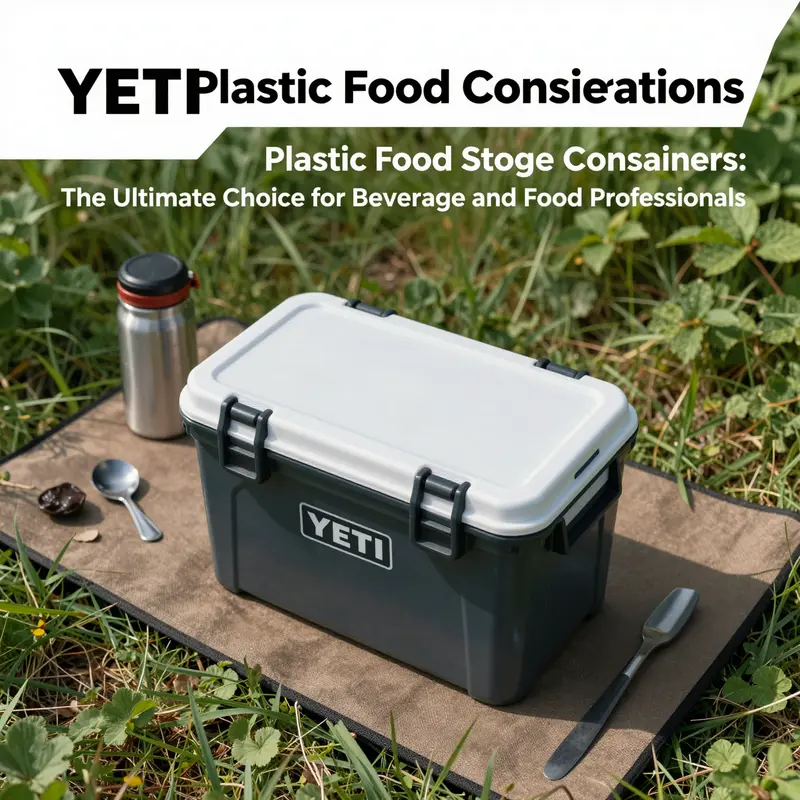
A storage system built for outdoor life promises reliability, convenience, and the freedom to roam with meals and sauces without worrying about leaks. Yet durability without thoughtfully considered end-of-life choices can still create environmental trade-offs. In this chapter, we examine the environmental considerations tied to high-durability plastic food storage systems—focusing on the design intent, material choices, safety implications under real-world use, and what happens when these containers finally reach the end of their usable life. While the most talked-about containers in this category have marketed themselves on toughness and airtight seals, the broader story is about how long we keep using a product, how it is manufactured, and how it is disposed of once it no longer serves its purpose. In this sense, the environmental footprint of such storage solutions hinges not only on performance on a single trip, but on a lifecycle that spans years of household use and eventual fate in waste streams.
Material choices matter deeply in shaping that lifecycle. A notable material used in these containers, Tritan Renew, is marketed as BPA-free and capable of incorporating up to half recycled content. This combination seems to merge safety with responsibility: a tough, shatter-resistant polymer that can endure the knocks of daily storage and the rigors of home and outdoor kitchens. The practical benefits are clear. A container that resists staining from oils and sauces, that can be washed without losing form, and that remains airtight across many cycles reduces the need for disposable options. The 100% leak-proof seal and microwave, freezer, and dishwasher compatibility reflect a design philosophy aimed at minimizing the frequency with which a consumer reaches for single-use plastics. Yet the environmental ledger is not simply a matter of one-time claims. Real-world aging—heat exposure, repeated cleaning, and the presence of fats or acidic foods—can subtly alter a polymer’s behavior. Even BPA-free formulations are part of a broader chemical ecosystem. Over time, micro-scratches and microabrasions can accumulate, potentially changing how the material interacts with heat and food, and, in some circumstances, increasing pathways for leaching under thermal stress. Current scientific thinking emphasizes that “BPA-free” does not automatically guarantee a risk-free long-term interaction with all foods and all temperatures. This is a nuanced reminder that safety and sustainability are ongoing commitments, not one-off labels.
Beyond the material, the design and intended use of durable storage systems influence their environmental impact in meaningful ways. The same features that enhance outdoor practicality—deep locking lids, secure gaskets, and robust, ergonomic handling—also shape how users store and manage food over time. A well-sealed container reduces spoilage and waste, supporting a meal-prep cycle that eliminates less-efficient disposables. In theory, that kind of reuse reduces the product’s per-use footprint. In practice, the true environmental benefit depends on how often the container is used, how regularly it is cleaned and maintained, and whether it remains in service for many years. A long lifespan lowers the aggregate demand for replacement packaging, but it does not automatically resolve end-of-life questions. The plastic’s ability to withstand daily wear, versus its eventual mechanical or aesthetic obsolescence, determines when it becomes necessary to retire the container and seek a responsible disposal or recycling path.
End-of-life realities pose some of the most stubborn questions for durable plastics. Recycling rates remain uneven around the world, and even containers classified as recyclable often face processing challenges at municipal facilities. The broader environmental literature repeatedly highlights a sobering truth: a relatively small fraction of all plastic ever produced has been recycled. When disposal pathways are limited or inconsistent, durable products can end up in landfills, where they persist for decades and may slowly degrade into smaller particles. In outdoor and home contexts alike, the risk of microplastic release—through scratching, abrasion, or heat-driven aging—remains a concern for ecosystems and, by extension, for public health. The story does not end with the container’s practical use; it extends into the era of waste management that society can or cannot provide for.
To place these considerations in a larger context, it is helpful to weigh the trade-offs against alternative materials and strategies. Lifecycles analyses for reusable containers broadly show that enduring use can dramatically lower environmental impact when a product is kept in service for many years and is disposed of responsibly at the end of its life. However, recyclability and end-of-life infrastructure are pivotal. Polypropylene (PP) and high-density polyethylene (HDPE) are common in durable containers because they strike a balance between strength, safety, and recyclability. Yet the reality remains that recycling facilities vary, and contamination—fats, sauces, or detergent residues—can complicate processing. In this landscape, some households choose to complement plastic storage with glass or stainless steel options, which sometimes offer longer lifespans and clearer end-of-life advantages, especially when municipal programs support robust recycling streams or specialized recycling for metal or glass items.
Another layer of complexity comes from evolving understandings of chemical exposure and long-term health implications. The conversation around plastics has shifted toward recognizing that exposure risks can arise not only from leaching of traditional substances like BPA, but also from the cumulative effects of microplastics and additives under repetitive thermal stress. Researchers emphasize that even BPA-free plastics can contribute to microplastic release, particularly when subjected to heat, abrasion, or aggressive cleaning regimens. In parallel, a growing body of literature on environmental health highlights the broader implications of microplastics for human tissues and ecosystems. For readers seeking context beyond the kitchen, the Mount Sinai School of Medicine body of work on microplastics underscores that plastic pollution is also a human health issue, with microplastics detected in blood, lungs, and other tissues. This evidence invites a precautionary approach when choosing storage solutions and handling food with plastics, particularly over long time horizons. External research, such as the Mount Sinai report, offers a sober reminder that consumer choices about storage materials reverberate beyond immediate convenience.
In translating these insights into practical guidance, many households and outdoor enthusiasts pursue a balanced strategy. They select materials with strong durability and a credible safety profile, while simultaneously prioritizing responsible end-of-life options. Where possible, using containers for as long as feasible, keeping them free from deep scratches, and avoiding high-temperature or prolonged heating of contents can help minimize potential risk. When replacement becomes necessary, opting for products with proven recyclability in one’s local system or choosing materials that align with accessible take-back programs can simplify responsible disposal. For those seeking to minimize plastic use altogether, exploring non-plastic alternatives—such as glass, stainless steel, or plant-based bioplastics—may offer end-of-life options that align better with local recycling or composting capabilities. In practice, this often means building a storage system that respects both daily convenience and the longer arc of environmental stewardship.
For readers curious about practical take-away alternatives that reduce plastic dependence in everyday use, consider options in the paper-based, single-use category that are designed to minimize waste when used thoughtfully. For example, eco-friendly disposable paper cups and bowls can serve in contexts where disposables are preferred, and their availability in a range of sizes and lids makes them relevant to transient storage needs without adding another plastic layer to the waste stream. You can explore one such option here: eco-friendly disposable paper cups. This internal link points to a product-focused page that showcases how greener disposables can fit into a broader strategy of plastic reduction in take-away and on-the-go consumption.
Ultimately, the environmental reality of outdoor-brand plastic storage systems rests on a set of interrelated choices: material science that limits risk while extending lifespan, design that supports reuse without compromising safety, robust waste management that can handle end-of-life plastic at scale, and consumer behavior that favors durability over disposable convenience. When these elements align, durable plastic storage can play a constructive role in reducing single-use waste. When they do not, the same durability simply delays the inevitable end of life and shifts the burden to waste streams and ecosystems. The precautionary thread that runs through this discussion is clear: safety and sustainability require ongoing attention to how products are made, used, and retired.
External resource: Microplastics in human tissues—Mount Sinai School of Medicine. https://www.mountsinai.org/newsroom/press-releases/microplastics-in-human-tissues
Final thoughts
The YETI Plastic Food Storage Container not only redefines reliability in food storage but also champions a commitment to safety and environmental stewardship. As Bubble Tea Shops, Restaurants, Food Trucks, Event Planners, and Corporate Procurement Teams seek quality solutions, YETI rises to the occasion with its innovative design and robust materials. By integrating these containers into your operations, you not only ensure the safety and freshness of your offerings but also align with sustainable practices that resonate with today’s eco-conscious consumers. Embracing YETI plastic food storage containers is a step towards modern efficiency and reliability in the foodservice industry.