
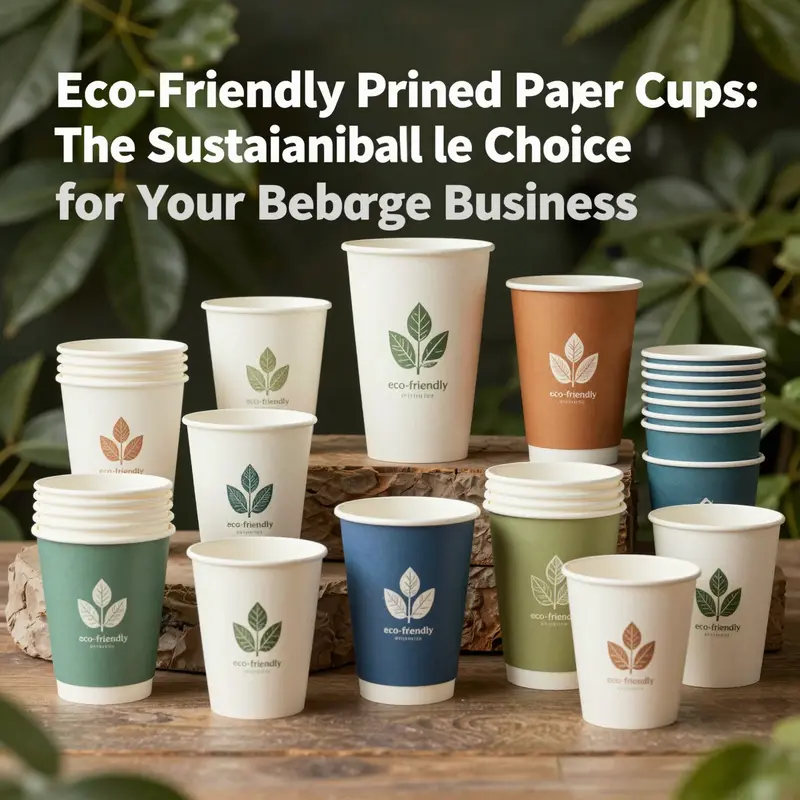
In today’s eco-conscious world, the shift towards sustainable practices has never been more critical, especially for the beverage industry. Eco-friendly printed paper cups are emerging as a key solution for not just reducing environmental impact but also enhancing brand identity. This article explores the multifaceted benefits these cups bring to various sectors, including bubble tea shops, restaurants, food trucks, catering services, and corporate procurement teams. Each chapter will delve deeper into the environmental advantages, design customization options, market demand trends, compliance certifications, and the sustainability challenges faced in manufacturing these innovative cups. By understanding these aspects, businesses can make informed decisions that align with their sustainability goals while promoting their brand effectively.
null
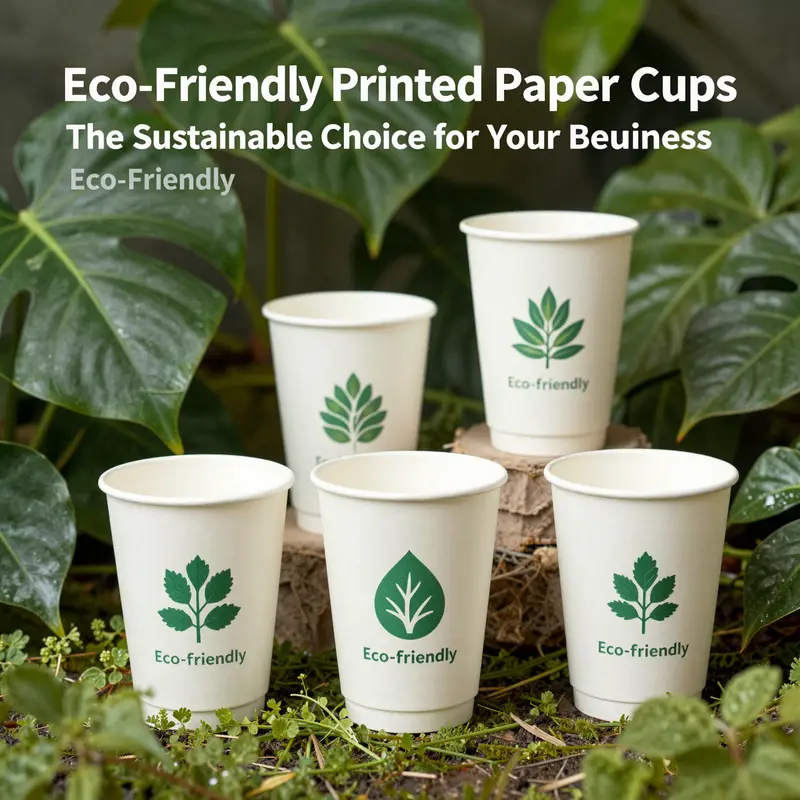
null
Design as Dialogue: Crafting Eco-Friendly Printed Paper Cups Through Thoughtful Customization
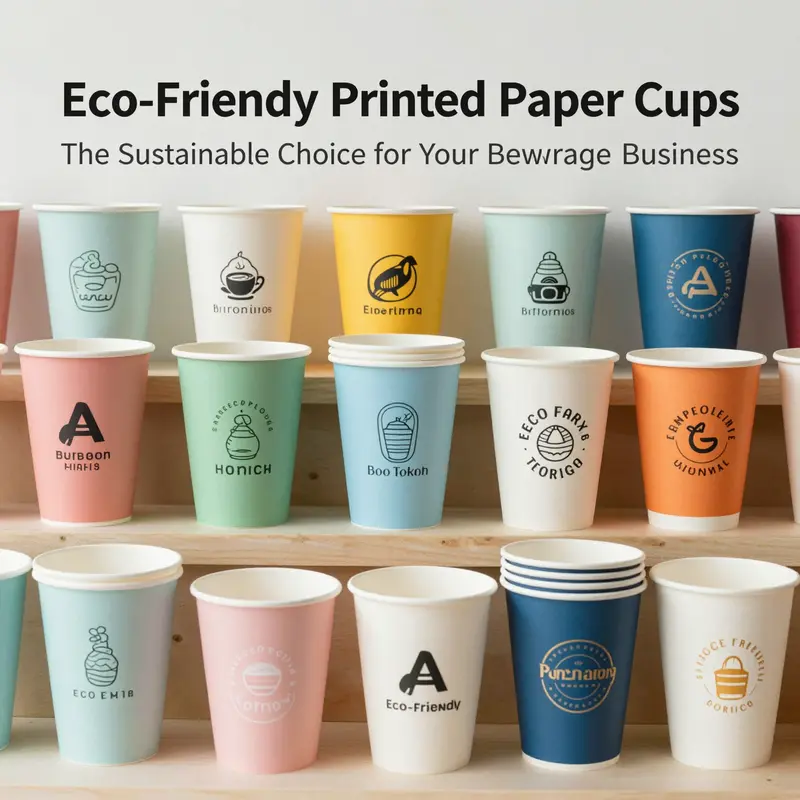
The moment a beverage meets the rim of a cup often frames a small conversation between practicality and personality. Eco-friendly printed paper cups have evolved beyond simple vessels; they are a canvas where sustainability meets brand storytelling. The design decisions behind these cups are not just about aesthetics but about how a packaging choice communicates values, performance, and trust. At their core, these cups are typically made from responsibly sourced paperboard, yet their environmental footprint is heavily influenced by the choices made in lining, coatings, and end-of-life infrastructure. A common thread across responsible designs is the shift away from traditional wax or plastic linings toward biodegradable or compostable options, such as plant-based polymers. This transition preserves functional integrity for hot coffees and chilled beverages while steering the product toward recycling or composting streams where feasible. The result is a cup that can perform across a spectrum of uses—hot or cold, liquid or semi-solid—without compromising on the ethical expectations of today’s consumers.\n\nCustomization is the heartbeat of this evolving category. Full-color printing, crisp logos, and unique designs are not merely ornamental; they are strategic instruments for brand visibility and consumer engagement. When a cup carries a logo or a color narrative that aligns with a brand’s broader identity, it becomes a mobile billboard for a moment of connection—whether a customer is on their way to work, attending a wedding, or enjoying a café ritual. The printing process itself has become remarkably versatile. Flexo printing, with its efficiency for multi-color runs, can deliver up to a few colors with strong, repeatable quality, while digital printing opens opportunities for high-resolution imagery and personalized messages. The balance between these methods depends on volumes, color depth, and the desired finish. In either case, the surface must hold intricate details and color fidelity through heat, grease, and moisture, which is why surface treatments, coatings, and barrier layers are chosen with care to maintain legibility and impact from first glance to second sip.\n\nThe practical repertoire of customization options is broad yet thoughtfully composed. Brands can opt for full-color designs that embrace gradients and photography, or they can anchor messaging through strategic logo placement, brand colors, and clean typography. Unique designs—whether abstract motifs, seasonal themes, or event-specific patterns—offer a tactile and visual cue that helps beverages stand out in a crowded marketplace. Personal branding on cups extends beyond the face of the cup; it can define an experience, such as a coordinated colorway with lids, sleeves, or sleeves that carry messaging in a way that reinforces the brand story at the moment of consumption. For institutions hosting events or giving away samples, the ability to customize in single or multiple color schemes, or even to incorporate batch-specific identifiers, turns ordinary cups into a component of experiential marketing. The design language must be legible, scalable, and durable, ensuring that a logo remains recognizable whether the cup is perched on a desk, held by a passerby, or stacked in a busy handoff. \n\nSizes play a crucial role in how design translates into consumer perception. Ranging from compact 4-ounce portions to generously sized 32-ounce servings, these cups must accommodate different beverage contexts while preserving aesthetic coherence. A smaller cup often invites concise branding cues—perhaps a bold symbol or a short tagline—whereas larger formats accommodate more expansive narratives: a brand story, a seasonal motif, or a longer call-to-action. Double-wall construction adds another layer to design thinking. It not only improves heat retention and grip but also creates additional surface area for branding elements on the outer shell. The interplay between insulation and visibility challenges designers to balance color density with the cup’s curvature, ensuring that graphics remain readable from multiple angles and that the texture of the material supports a premium look. In this sense, functionality and artistry must be designed in concert rather than as separate considerations. \n\nFrom a sustainability perspective, the responsibility of design extends to end-of-life outcomes. The choice of lining—often a biodegradable or compostable variant—interacts with local waste streams. In regions with advanced composting infrastructure, a PLA-based lining can facilitate compostability, while in others, curbside recycling or specialized industrial processes may be the more realistic pathway. This variability underscores a practical design principle: communicate clearly what can be done with the cup after use and design for the most common local disposal route. When a brand signals commitment to environmental stewardship, it invites customers to participate in a responsible lifecycle. It also nudges the conversation toward continuous improvement—seeking supply chain partners who share transparent certification standards and pursue safer, renewable materials without compromising regulatory compliance.\n\nCertifications and quality assurances form a quiet backbone to design-focused packaging. Many suppliers emphasize inspection certificates that verify safety and conformity to international standards. Certifications build trust with buyers who must navigate safety for food contact, cross-border shipments, and diverse waste management rules. When a supplier can demonstrate rigorous checks within a cadena of custody and provide documentation on material provenance, printing tolerances, and compliance with food-contact regulations, brands gain the confidence to scale their customization programs. In this environment, design transcends surface-level aesthetics and becomes a signal of reliability. It reassures customers that the cup’s visual appeal is matched by structural integrity and ethical accountability.\n\nScale is a consideration that informs both design feasibility and marketing strategy. Depending on the supplier, MOQs can vary widely, which influences how a business approaches a customization plan. For many startups and small brands, bulk pricing tends to be paired with tolerance for moderate-volume runs, while larger restaurants or event organizers may manage more extensive campaigns. The prospect of obtaining sample kits—often offered at modest costs or even free—helps teams evaluate print quality, color accuracy, and the tactile feel of the cup before committing to a full campaign. These samples serve as a bridge between concept and execution, enabling designers to calibrate color profiles, assess legibility under real-world lighting, and test lid compatibility. For teams seeking a concrete starting point, a practical step is to review a handful of generic design templates and then iterate with your chosen supplier to refine logos, color palettes, and messaging. The goal is to translate brand identity into a cup that becomes an extension of the consumer experience, not just a vessel for liquid transport. \n\nIn this evolving landscape, an emphasis on eco-conscious design does not preclude high-impact branding. Rather, it invites a more intentional approach to how color, shape, and typeface interact with the cup’s cylindrical surface. Designers must account for curvature, shrinkage, and the way light plays against a matte or gloss finish. Color psychology—how hues influence mood and perception—can guide choices that resonate with target audiences while remaining faithful to a brand’s core values. Accessibility remains a best practice: clear contrast between text and background, legible font sizes, and minimal clutter to ensure that essential information—such as a brand name or a call-to-action—remains visible even from a distance. The material itself can be treated as a design element; embossing, debossing, or subtle textures can elevate the tactile experience without compromising recyclability or compostability. The outcome is a cup that is not only seen but felt, inviting interaction and reinforcing memory long after the last sip.\n\nAs the discourse around sustainable packaging gains momentum, the marriage of design and environmental responsibility becomes a defining feature of competitive differentiation. Brands increasingly view their cups as ambassadors; a well-designed cup communicates care for the planet while reinforcing brand identity at the exact moment of engagement. The digital and print collaboration that brings these designs to life demands a shared vocabulary—an understanding of how ink interacts with paperboard, how coatings affect permeability, and how print runs translate across different regional waste ecosystems. In this sense, the design process embodies both craft and calculation, melding artistic intent with practical constraints. The result is a set of eco-friendly cups that do not force a trade-off between aesthetics and stewardship but instead invite consumers to participate in a more mindful consumption cycle.\n\nFor readers curious to explore practical examples of this approach, consider the option to browse a dedicated range of eco-friendly custom cups with lids, which demonstrates how a single design philosophy can be extended across sizes, wall configurations, and closure systems. disposable eco-friendly custom paper coffee cups with lid illustrates how branding can remain cohesive while adapting to different cup formats and use cases. This flexibility is essential for venues that host diverse events or operate across multiple channels, from retail to hospitality to corporate engagements. The ability to maintain a consistent brand narrative while tailoring the visual language to fit a specific context is a core advantage of thoughtful customization in eco-friendly paper cups.\n\nThe broader takeaway is clear: design and customization in eco-friendly printed paper cups are not peripheral features but central components of a sustainable packaging strategy. They offer a pathway to reduce plastic dependency, extend brand reach, and enrich the consumer experience without sacrificing performance. As technology advances—whether in ink chemistry, barrier coatings, or 3D-like color reproduction—designers will gain even more tools to craft cups that speak to people and the planet in equal measure. The cups become, in effect, portable messages of care: care for quality, care for communities, and care for the environments that host those communities. In keeping with that ethos, brands can pursue bold, expressive designs that are nonetheless mindful of material life cycles, waste infrastructure, and the realities of production at scale. The dialogue between form and function, branding and sustainability, will continue to shape how these vessels accompany our daily rituals while leaving room for broader systemic improvements in packaging. \n\nExternal resource: https://www.alibaba.com/product-detail/Eco-Friendly-Disposable-Double-Wall-Paper-Coffee_1600717967745.html
Demand in Color: The Economic Pulse Behind Eco-Friendly Printed Paper Cups
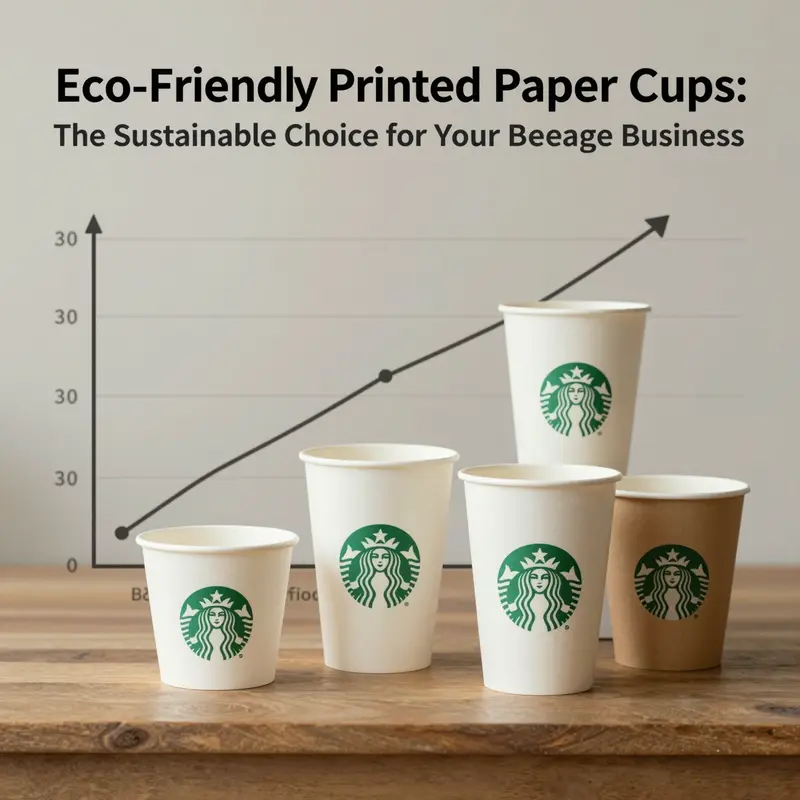
Across the world, the shift toward sustainability has moved from a niche concern to a mainstream expectation in packaging. Eco-friendly printed paper cups sit at the intersection of practicality, branding, and environmental responsibility, and their market trajectory reveals how consumer values, policy forces, and economics intersect to shape everyday choices. These cups, crafted from renewable paperboard and lined with materials designed to be recyclable or compostable where waste systems allow, embody a practical answer to the demand for greener hospitality and retail experiences. They are not merely vessels for beverages; they are carriers of identity, messaging, and a signal of commitment to responsible production. The demand for such cups is not static. It is dynamic, influenced by what people want to drink, how they want to receive it, and the incentives that markets and regulators create to reduce waste and pollution.
A defining driver of this growing demand is consumer preference. In many regions, shoppers and diners increasingly expect brands to align with environmental values. This shift sits closely with rising awareness of the life cycle of single-use products and the real costs of plastics in foodservice. When customers encounter a beverage in a cup that makes clear its sustainability story—recyclable materials, minimal or compostable coatings, and a design that supports reuse in the long term—brand loyalty can deepen. The marketing potential embedded in the cup itself cannot be overstated. Printed designs transform a disposable item into a mobile billboard, turning a routine purchase into a visible statement. The practical utility of branding on cups, especially when printed with logos, messages, or campaigns, has become a core element of how foodservice providers and retailers communicate with audiences in transit, at events, or on the go. For brands seeking a simple, yet effective way to carry their message, an eco-friendly, printed-logo single-wall cup demonstrates how sustainability and visibility can align. eco-friendly printed-logo single-wall paper cup.
Regulatory influences amplify these shifts. Policymakers in many jurisdictions have moved decisively to curb non-recyclable plastics in foodservice packaging. The European Union, for instance, has implemented directives aimed at reducing single-use plastics and encouraging recyclable materials, a trajectory that resonates beyond Europe as regulators in North America and parts of Asia pursue similar goals. When regulations tighten, manufacturers and retailers adjust by adopting materials that can be integrated into circular waste streams, reformulating coatings to improve recyclability, and investing in certified quality controls that ensure compliance with evolving standards. The outcome is a broader market pull toward products that not only meet functional needs but also harmonize with waste management infrastructures.
Economic forces underpinning demand are equally influential. The takeaway and food delivery sectors have expanded rapidly in many markets, driven by digital ordering platforms and convenient, contactless service. As more consumers opt for beverages to be consumed off-premises, the role of the cup as a portable, branded experience grows. This creates a complementary dynamic: cups must perform functionally—keeping beverages at the right temperature, ensuring safe handling, and fitting a range of cup holders and accessories—while also serving as a canvas for marketing and storytelling. The double-edged value proposition is clear. On the one hand, branded cups are a tool for customer retention and discovery; on the other, they offer a visible, scalable channel to reinforce a brand’s sustainability commitments.
Beyond immediate consumer behavior, macroeconomic trends shape supply and price. Improvements in global infrastructure, rising internet usage, and accelerating urbanization drive demand for paper and paperboard products. As cities grow, so does the density of foot traffic and the frequency of takeout and on-the-go consumption, elevating demand for packaging that is both reliable and responsibly designed. In many emerging economies, rising disposable incomes and expanding service sectors create opportunities for branded, eco-friendly cups to become standard rather than premium offerings. Yet the same infrastructure that enables growth also presents challenges. Waste management capabilities vary widely by region, and the environmental benefits of recyclable or compostable coatings hinge on local facilities able to process them. The result is a nuanced market landscape in which demand is robust but unevenly distributed, with urban centers often leading the adoption curve while rural or underdeveloped areas await compatible waste solutions.
From the production perspective, manufacturers and suppliers have responded to demand with a blend of material science and scalability. Cups that use 100% food-grade paperboard and employ biobased or compostable linings align with sustainability narratives without sacrificing performance. Some designs incorporate double-wall constructions to improve insulation for hot beverages, reducing heat transfer to hands and thereby enhancing user experience. This feature also broadens the appeal of eco-friendly cups to high-volume environments like cafes and office buildings where handling multiple beverages quickly is essential. A key aspect of this evolution is the balance between sustainability and practicality—achieving recyclability or compostability without compromising strength, seal integrity, or consumer safety. Certifications and third-party inspections have become important signals of reliability. Suppliers often provide inspection certificates to verify product safety and quality, reinforcing confidence among buyers who must meet regulatory and brand standards in diverse markets.
The economics of ordering, too, influences how widely eco-friendly printed paper cups are adopted. Minimum order quantities (MOQs) vary across suppliers, and this can affect small businesses, pop-up venues, or seasonal retailers seeking to manage cash flow while maintaining branding consistency. Some producers accept relatively large MOQs, which can be a barrier for smaller operators, while others are willing to accommodate more modest batches, though perhaps with trade-offs in customization options or color depth. The choice between single-wall and double-wall constructions, as well as decisions about printing in one, two, or multiple colors, interacts with MOQs and unit costs in ways that matter for budgeting and promotional strategies. In practice, brands and operators often weigh the incremental benefits of more elaborate branding against the incremental costs and risk of unsold inventory, especially in markets with fluctuating demand or seasonal peaks.
Another economic factor is the broader perception of value attached to sustainability. Consumers may be willing to pay a premium for products and packaging that align with environmental values, but price sensitivity remains a reality. Businesses often recoup extra costs through stronger brand differentiation, improved customer satisfaction, and reduced waste handling burdens. When packaging is designed with end-of-life in mind—whether through recyclable coatings, renewable materials, or compostable linings—the long-term cost calculus can tilt in favor of eco-friendly options as waste-management ecosystems mature. This is particularly relevant in places where municipalities actively invest in recycling infrastructure or composting programs, narrowing the gap between the ecological promise of a product and its real-world disposal outcomes.
Geographic variation matters as well. Regions with advanced waste infrastructure and supportive regulations tend to accelerate the transition to recyclable and compostable cups. In contrast, markets with fragmented waste streams may see slower uptake, not because demand is weak, but because the environmental benefits are unevenly realized. This underscores the importance of not only product design but also packaging optimization strategies that align with local waste-management capabilities. Companies that understand and adapt to these regional realities can tailor their offerings—printing options, coating choices, and product configurations—to the specific needs and capabilities of each market. In turn, this can improve throughput, reduce returns, and support more predictable inventory planning.
The broader market analysis suggests that the combination of consumer demand for eco-friendly products and the alignment of regulatory frameworks creates a robust growth trajectory for printed paper cups with sustainable features. While the specifics of market growth will vary by region, the underlying drivers—the desire for sustainability paired with practical utility, the branding value of printed designs, and the evolving infrastructure to support recycling and composting—point toward sustained momentum. In this context, suppliers and buyers alike are navigating a landscape in which environmental responsibility becomes a baseline expectation rather than an optional add-on. They are learning to balance performance, cost, and end-of-life outcomes in ways that maximize value across the supply chain, from raw materials to the consumer’s final use and disposal.
To gain a broader, strategic perspective on the market dynamics at play, readers may consult general market analyses of recyclable cup production and related supply chains. This external resource provides context for how global demand patterns are evolving, how innovations in materials influence recyclability, and how policy shifts continue to shape investment and production decisions across regions. For a deeper dive, see Global Recyclable Paper Cup Market Analysis (2026). It offers a comprehensive view of the market structure, competitive landscape, and forecasted trajectories that underpin the current chapter’s observations about demand and economics.
Certifications as a Compass: Ensuring Safety and Sustainability in Eco-Friendly Printed Paper Cups
Certifications are not mere paperwork; they are a practical compass that guides brands through the complex terrain of safety, performance, and environmental responsibility when choosing eco-friendly printed paper cups. In markets increasingly hungry for packaging that aligns with climate goals and consumer expectations, certifications translate vague promises into verifiable guarantees. They reassure buyers that the cups will not only perform reliably at the point of service but also align with the standards that govern food contact materials, waste management, and end-of-life outcomes. When a cup carries the right certification, it carries a story of process, testing, and accountability that can be trusted by café owners, event organizers, and retailers alike. The story begins with a clear understanding of what makes a cup eco-friendly in the first place and then follows the thread through the materials, the coatings, and the manufacturing practices that must meet rigorous criteria to earn recognition from respected bodies.
At the heart of this story is the simple but powerful assurance that the components touching a beverage — the paperboard, the internal lining, and the outer coatings — are compatible with human safety and with the environment beyond the dining table. In the United States, the FDA imposes standards that govern materials intended for direct contact with food and drink. Although FDA regulation is often framed as a safety net for consumer health, in the context of eco-friendly printed cups it functions more like a mark of diligence: it signals that the supplier has vetted the sourcing, processing, and finishing steps to minimize risk, and that the product has been designed with a consumer’s well-being in mind. In Europe, LFGB certifications serve a parallel purpose, reflecting the stringent expectations across multiple jurisdictions for substances that might migrate from packaging into a hot beverage. LFGB becomes especially important for markets where proof of rigorous testing accompanies every batch, giving brands a clear pathway to respect local and regional consumer protection norms.
Another pillar of credibility is compostability certification. EN 13432, the standard most widely cited for industrial compostability, sets explicit criteria for how a packaging material should behave in composting facilities. It requires that the packaging disintegrates within a defined period, that a given portion of the material breaks down into natural components without leaving hazardous residues, and that heavy metals and other contaminants stay below established thresholds. For eco-friendly cups, achieving EN 13432 acceptance often entails more than selecting a compostable lining; it demands an integrated design where the paperboard, the coating, and any sealants work in concert to meet disintegration and biodegradation timelines. This is particularly relevant when the lining is PLA, a compostable biopolymer derived from plant starches, or when a water-based PE coating is chosen as a transitional, recyclable-friendly option. The certification does not merely confirm the material’s compostability; it confirms the manufacturing ecosystem that surrounds it—how suppliers manage waste, how coatings are applied, and how products are tested before they reach the market.
The geographic dimension of certification matters as well. Global suppliers increasingly situate their operations in regions with established supply chains, and some of the most capable facilities operate in major Chinese manufacturing hubs such as Zhejiang, Guangdong, and Hunan. The convergence of high-efficiency coating technologies and advanced printing lines in Zhejiang speaks to a broader trend: the capacity to produce consistent, quality-coated cups at scale while maintaining adherence to international norms. Zhejiang’s facilities often emphasize precision processes and quality control that translate into repeatable performance across millions of units per day. Guangdong and Hunan offer complementary strengths, with access to diverse raw materials and a network of suppliers that can supply eco-friendly linings and renewables-based inputs. In Hunan, for example, the use of bamboo fiber or other sustainable feedstocks aligns with broader sustainability narratives and helps suppliers claim convincingly that their products can be certified for compostability or recyclability where appropriate.
The practical implication for a buyer is straightforward: certifications are how a brand reduces risk while pursuing mass customization. Today’s eco-friendly printed cups can be ordered in a range of sizes, from small to large, with options for single or double wall designs to optimize insulation and grip. The very choice between a compostable lining and a recyclable coating has downstream effects on waste infrastructure and end-of-life scenarios. A supplier’s ability to deliver 500,000-plus units per day, while maintaining traceable materials and documented quality controls, strengthens the case for customers who operate cafes, venues, or food-service programs with high throughput. It is not unusual for a compliant operation to accompany orders with inspection certificates, sometimes labeled CIQ or similar, that verify product safety and conformance with the standards that matter to buyers in different regions. This kind of documentation is essential when a brand expands into new markets, offering confidence that the product will meet regulatory expectations and consumer trust will not be compromised by a surprise supply-chain issue.
Beyond the statutory frameworks, the environmental promise attached to these cups is rooted in how the packaging is designed to interact with waste streams. The choice of materials—100% food-grade paperboard, compostable linings like PLA, or responsibly managed water-based coatings—must be evaluated not only for safety but for how they behave in a recycling or composting facility. In some cases, a cup might be technically recyclable, yet the local infrastructure lacks the capability to separate it from other paper streams. In others, a cup with a compostable lining could be accepted in industrial facilities equipped to process PLA, enabling a true end-of-life solution that minimizes landfill impact. Certifications thus act as a bridge between the product’s technical attributes and the realities of waste management in different communities. They help brands communicate realistic expectations to customers and stakeholders about what happens after the cup has fulfilled its service life.
The role of documentation cannot be overstated. Suppliers that proactively provide comprehensive documentation, including material safety data sheets, coating specifications, and third-party test results, enable buyers to verify compliance independently. This transparency is crucial when markets involve strict import controls or when retailers want to maintain a consistent sustainability story across their storefronts. Platforms that host verified supplier listings with accessible compliance documentation offer buyers a practical way to compare options without sacrificing confidence. For brands seeking ready-to-brand options that still adhere to the highest environmental and safety standards, there is a clear pathway to align marketing goals with regulatory expectations. For example, a category of eco-friendly cups that supports branding while maintaining safety and sustainability claims can be sourced with customization options that do not compromise the certification profile. eco-friendly custom paper coffee cups with lid is one such example of how certification-conscious design and branding can coexist, providing a reliable vessel for beverages and a canvas for storytelling about responsibility.
The broader ecosystem of sourcing supports this alignment. Buy-side teams increasingly rely on supply partners who can demonstrate not only product performance but also governance around environmental metrics. Certifications offer a tangible route to articulate this governance, from responsible sourcing of raw materials to the management of coatings and end-of-life options. When a supplier operates in regions with strong regulatory expectations and demonstrable standards, it becomes easier to translate those practices into a market-ready product that can be scaled to meet growing demand. The result is a more resilient supply chain, where risk of non-compliance, recalls, or misrepresentations is diminished and brand trust is enhanced. This is the essential advantage of certification-driven procurement in the eco-friendly cup category: it moves sustainability from a marketing narrative into a measurable, verifiable credential that can accompany every cup that leaves the factory floor.
As brands navigate this landscape, they should also attend to the practical realities of ordering and customization. MOQs and production schedules are still realities of mass manufacturing, and certifications can influence these logistics by shaping how often a supplier must run tests, how batches are tracked, and how quality control data is captured and shared with customers. The result is a procurement process that is more deliberate and, ultimately, more efficient. Buyers understand that certifications do not simply certify a product; they certify the manufacturer’s ability to sustain quality while meeting evolving environmental rules. This understanding empowers brands to pursue both scale and storytelling, allowing them to claim responsibility without compromising on performance or aesthetics. The consumer-facing value proposition becomes clearer: a cup that protects hands from heat, performs consistently across a busy service window, and aligns with the planet’s long-term health through certified, verified materials and processes.
External reference for further reading on industry standards and compostability criteria can be found at the following resource: https://www.alibaba.com/product-detail/Bamboo-Resource-Vending-Paper-Cup-Disposable-Eco_1600795784532.html?spm=a2700.15592794.0.0.3b3a4d3cJtKvLH
Rethinking the Lifecycle of Eco-Friendly Printed Paper Cups: Challenges, Innovations, and a Path Toward Circularity
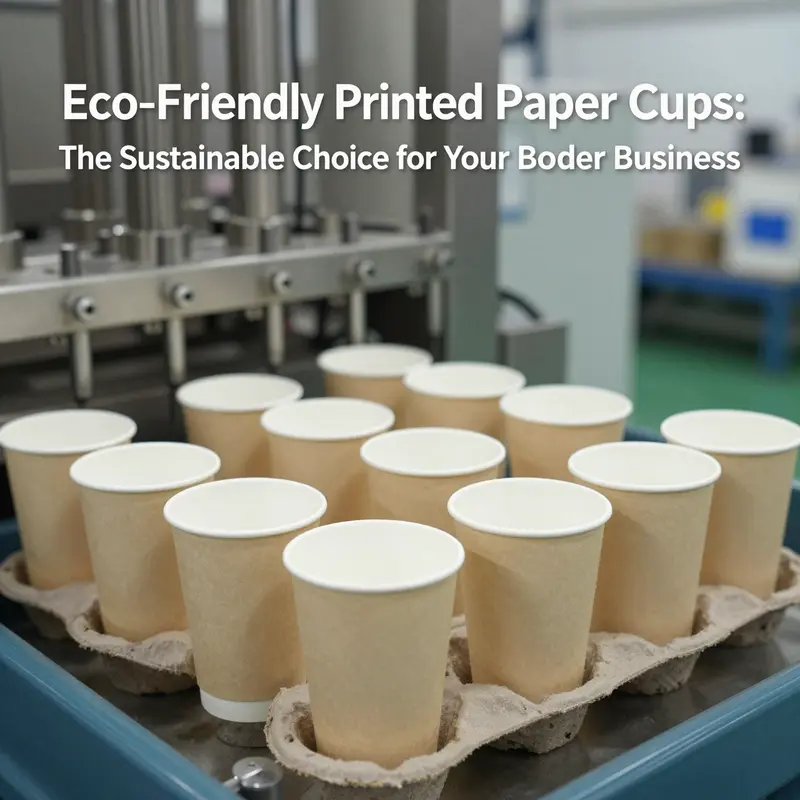
The promise of eco-friendly printed paper cups rests on a simple idea: replace fossil-derived plastics with renewable materials while preserving the user experience customers expect. Yet the path from plant-based pulp to a convenient beverage vessel is littered with paradoxes. The same thin plastic lining that prevents leaks often complicates recycling. Ink chemistry and surface coatings can contaminate recovered paper streams, slowing or even preventing material recovery. And as demand for customization rises, the push for vibrant branding can clash with the stricter constraints of sustainable processing. In this light, the sustainability of these cups hinges less on a single breakthrough than on a concerted shift across materials, manufacturing methods, waste management, and consumer behavior. The chapter that follows threads these threads into a cohesive narrative about where eco-friendly printed paper cups stand today and where they are headed, within the broader context of a beverage industry that seeks both market differentiation and environmental responsibility.
At the core of the challenge is the traditional cup structure. Most disposable cups rely on a paperboard substrate to hold liquid, but to keep the cup from soaking through, manufacturers apply a thin barrier layer. This barrier is often polyethylene, a plastic; it prevents leakage but renders the cup incompatible with standard recycling streams. Even when the inner layer is replaced with compostable plant-based coatings, the situation is not straightforward. Biodegradable alternatives must be compatible with existing industrial facilities and local waste infrastructure. If the facilities do not exist or if consumers do not separate streams correctly, cups meant to be composted can end up in landfills, wasting the technology designed to unlock their advantages. In short, material choice does not end at the cup’s edge. It reverberates through municipal systems, affects downstream recycling or composting viability, and ultimately shapes the cup’s true environmental footprint.
The inks and coatings used for printing—often selected to maximize shelf appeal—also influence environmental performance. Flexographic and digital printing can deliver eye-catching logos in multiple colors, but the chemistry of inks matters. Some inks can contaminate fiber streams used in recycling, and surface coatings designed to improve print quality or water resistance may complicate separation and processing downstream. The eco-friendly promise, therefore, must be evaluated in the context of a complete lifecycle: from raw material sourcing and production to distribution, consumer use, and end-of-life processing. This lifecycle lens helps explain why some seemingly green choices fail to deliver the anticipated environmental benefits when scaled across millions of cups annually.
Nevertheless, the industry is not standing still. Innovations are emerging that aim to resolve the tension between performance and sustainability. One notable direction is the development of fully compostable cups made from plant-based materials, such as sugarcane fiber or bamboo-derived pulp. These cups seek to eliminate the plastic lining altogether, replacing it with barrier systems designed to decompose in industrial composting facilities. The shift toward entirely plant-based architectures carries a logic of circularity: if the cup can be composted and returned to the organic cycle, its end-of-life impact can be significantly reduced, assuming the compost is properly managed and utilized. Yet this vision depends on aligning packaging design with the capacities of composting networks. Industrial facilities must accept and process these cups, and consumer disposal behavior must direct them into the correct stream. Without that alignment, even the most well-intentioned innovations can falter at the threshold of the waste system.
Alongside material revolutions, new production processes and coatings are reducing environmental harm without sacrificing performance. Water-based inks and biodegradable coatings are increasingly common features in eco-friendly print workflows. These choices can lessen the release of persistent chemicals into waste streams and improve compatibility with recycling or composting processes. The goal is to minimize contaminants that would otherwise require additional processing or downgrade the quality of recovered materials. As brands push for more vibrant designs and longer shelf lives, the temptation to add protective coatings must be weighed against end-of-life scenarios. The most transformative moves integrate both aesthetics and responsibility, enabling brands to deliver compelling visuals while maintaining a clear path toward reuse or safe disposal.
A particularly promising design development is the ripple-wall cup. Textured paper with a corrugated or wavy outer layer offers natural insulation and a secure grip without the need for a secondary sleeve or extra double-wall constructions. The ripple-wall approach reduces material usage and simplifies production in some cases, potentially lowering both cost and waste. By providing improved insulation and grip inherently, such a design can address hot-beverage use cases without the burden of additional layers that complicate recycling. In practice, the ripple-wall concept has shown potential for excellent heat resistance and user comfort while aligning with sustainability goals, provided the outer structure remains compatible with existing waste management streams. The absence of sleeves also means fewer consumable parts, which translates into fewer disposal items per cup and a leaner end-of-life footprint. As noted by researchers and industry analysts, these cups can offer a competitive blend of performance and environmental performance when implemented with cookware and packaging networks that support the same recycling or composting pathways.
From a lifecycle perspective, this shift toward innovative structures and materials also reshapes the commercial dimensions of eco-friendly cups. Brands seeking to differentiate themselves can leverage customizable printing to reinforce sustainability stories, yet they must do so within a framework that respects waste management realities. The economics of materials, coatings, and barriers are intertwined with MOQs, production scale, and logistics. Some suppliers advertise very large minimum orders for certain printing techniques, while others offer more accessible quantities for smaller brands. The implication is clear: achieving environmental gains at scale often requires collaboration among suppliers, retailers, waste managers, and policymakers. Only through cooperative supply chains can the industry harmonize design choices with available recycling and composting infrastructure and consumer disposal practices.
Beyond technical specifications, certifications play a crucial role in validating claims of sustainability. Standards and inspection certificates, such as CIQ in various markets, help verify product safety, material composition, and conformity with international guidelines. For buyers, these certifications reduce the risk of greenwashing and provide confidence that the cup’s claimed environmental advantages are backed by traceable processes. Consumers, in turn, benefit from clearer signals about how to dispose of cups and what outcomes to expect in their local waste streams. When transparency accompanies marketing, the perceived value of eco-friendly cups rises, which further incentivizes brands to adopt sustainable designs and align their branding with responsible disposal.
The market context for eco-friendly printed cups is also evolving. Demand for sustainable packaging has grown as consumers and retailers alike seek to reduce environmental footprints. This broader movement supports a shift toward thinner, plant-based barriers and more efficient production methods, but it also increases the complexity of managing end-of-life outcomes. In this environment, the ripple-wall cup emerges as more than a novelty; it represents a potential pathway to waste reduction that does not sacrifice thermal performance or usability. If adoption expands, it could encourage equipment manufacturers and waste facilities to adapt, creating shared benefits across value chains. The ripple-wall concept, by condensing insulation and handling capabilities into a single structure, can stimulate a rethinking of how cups are disposed of, recycled, or composted, and how those processes can be streamlined to minimize energy use, emissions, and material loss.
To connect these threads to practical realities, consider the broader implications for venues that serve coffee, tea, and cold beverages, as well as events and retail operations. Workers and volunteers who handle discarded cups are often the linchpins of proper waste separation. Their training, along with clear signage and accessible disposal options, determines whether cups enter recycling streams or compost facilities as intended. When labeling is accurate and disposal infrastructure is in place, even cups with complex textiles or multilayer constructs can be managed effectively. The challenge is not simply to design a better cup but to create a system in which the cup’s end-of-life aligns with its life-purpose. In this sense, innovations like plant-based barriers, water-based inks, and ripple-wall geometries gain value only when they are integrated with end-of-life strategies that the public understands and supports.
As the dialogue about sustainability deepens, so too does the recognition that no single solution will resolve all issues. The most effective path likely lies in a portfolio approach: a mix of plant-based materials, enhanced barrier technologies that are compatible with specific waste streams, and novel geometries that reduce material use while maintaining performance. This approach demands ongoing collaboration among designers, printers, packaging developers, waste-management professionals, and policymakers. It also requires ongoing assessment of trade-offs—between compostability and recyclability, between branding flexibility and processing compatibility, and between upfront costs and long-term environmental benefits. In this sense, the eco-friendly printed paper cup becomes a living case study of how a common object can evolve in response to new scientific understanding, changing consumer expectations, and the infrastructure that processes its afterlife.
For readers seeking to deepen their understanding of performance, specifications, and practical application in industry, a recent authoritative resource offers valuable context. It charts how cup designs behave under real-world conditions, how materials interact with processing streams, and how brands can align their packaging strategies with measurable environmental outcomes. This resource complements the chapters in this volume by grounding theoretical innovations in concrete performance data and industry practice. External resource: https://www.coffeeandcups.com/paper-takeaway-cups-performance-specifications-and-how-to-apply-it-in-industry/
Within the broader ecosystem of eco-friendly packaging, one internal example helps illustrate how design choices translate into practical use and end-of-life outcomes. A ripple-wall, eco-friendly corrugated cup is shaping how brands think about insulation, grip, and waste. Its outer texture reduces the need for additional components, while its material composition and processing pathways are chosen to support recycling or composting where infrastructure permits. When these cups are deployed, they carry a brand story that connects sensory experience with environmental responsibility, reinforcing consumer loyalty without compromising sustainability goals. As with any packaging evolution, the success of this approach depends on coherent implementation across procurement, production, and disposal networks, as well as consumer education that clarifies disposal expectations. In this light, the future of eco-friendly printed paper cups appears less as a single improvement and more as a coordinated shift toward design-for-end-of-life and design-for-circularity that honors both the planet and the people who use and recycle these vessels.
Final thoughts
Eco-friendly printed paper cups are more than just a product; they represent a movement towards sustainability and responsible consumption. Their environmental benefits, combined with customization options and growing market demand, offer businesses a powerful tool for branding and promoting eco-conscious practices. As compliance and certification continue to evolve, embracing these innovative solutions can enhance a brand’s reputation while meeting consumer expectations. Facing sustainability challenges will lead to further innovations, propelling the industry towards a more sustainable future. Businesses have an opportunity to be at the forefront of this change and make a lasting impact.