

Waxed disposable paper cups with lids and sleeves have become an essential component for businesses serving hot beverages, from bubble tea shops to food trucks. Their moisture-resistant properties ensure your beverages stay intact, providing a seamless experience for customers on the go. In this article, we will delve into the materials and design features of these cups, uncover market trends and customization possibilities, and explore the supplier landscape to help your business make informed decisions. Whether you run a catering service or a bustling restaurant, understanding these elements will enhance your service and align with rising sustainability efforts.
Wrapped in Heat: How Materials and Design Shape Waxed Paper Cups with Lids and Sleeves
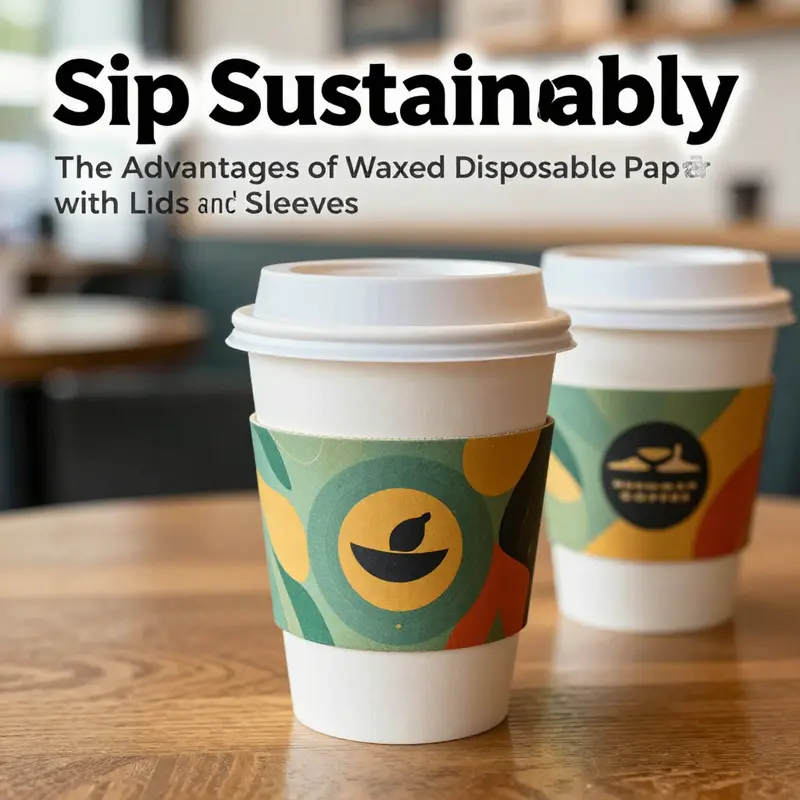
When a barista slides a steaming cup across the counter, the experience is already shaped by something more than aroma or caffeine content. It begins with the minute choices in materials, the way those choices interact to contain heat, resist moisture, and protect hands, and the subtle ways a sleeve and lid complete a system designed for takeout, sustainability, and smooth handoffs. The waxed disposable paper cup with a lid and sleeve is not a simple vessel; it is a carefully engineered combination of substrates, coatings, and geometry that translates a hot beverage into a safe, convenient, and brandable moment for the consumer. Every layer has a purpose, and every interface—cup to lid, cup to sleeve, sleeve to hand—contributes to a human-centered experience. In this chapter, the focus is on how materials and design converge to deliver performance, reliability, and a sense of care in everyday hot beverage service, without sacrificing environmental responsibilities or practical convenience for the user.
At the heart of the cup is the base material itself. Most waxed cups rely on food-grade kraft paper, valued for its combination of strength, recyclability, and biodegradability. Kraft paper provides a robust backbone that resists tearing when handled in busy cafés or during the jostling of a commute. Its natural texture and color offer branding opportunities, and its composition lends itself to printing and customization without compromising its structural integrity. Yet kraft paper on its own would be vulnerable to the challenges of hot liquids—stretching, weakening, and sogginess. That is where the inner science of coatings and barriers comes into play, turning a simple sheet into a reliable vessel for beverages that stay warm from the first sip to the last.
Inside the cup, a wax layer serves as the primary moisture barrier. This interior coating, typically paraffin or a soy-based wax, forms a barrier that resists seepage and keeps the paper from absorbing liquid. The wax is chosen for its compatibility with food-contact standards and its capacity to perform under repeated exposure to hot liquids. The result is a surface that remains relatively dry to the touch on the outside, while keeping the liquid contained within. The wax layer also interacts with the paper to preserve stiffness and reduce the risk of leakage at the seam where the cup is joined. Importantly, the wax coating is calibrated not only for containment but for heat retention to a reasonable degree, balancing insulation with the risk of overheating the contents or making the exterior uncomfortably hot to handle.
A common architectural choice for these cups is a double-wall structure. This design typically features an inner wall that holds the liquid, an outer wall, and a carefully designed air gap between them. The double-wall arrangement plays two critical roles. It provides insulation to slow heat transfer to the outer surface, reducing the burn risk for the hand, and it contributes to a more rigid feel when the cup is gripped. The air layer acts as a natural barrier, enhancing thermal performance without the need for excessive material thickness. This is especially valuable for hot beverages whose temperatures would otherwise demand heavier or more complex containers. In practice, the double-wall concept translates into a cup that feels comfortable in the hand even when filled with steam-laden liquids, while still remaining lightweight enough for cost-effective mass production and efficient packing for takeout.
Lids are another essential piece of the design puzzle. The lids used with waxed cups commonly come in two broad material families: polystyrene (PS) and polylactic acid (PLA). PS lids have long been favored for their durability, gas-tight seals, and splash resistance. They tend to snap into place with a secure fit, minimize leaks during vending or transit, and can be produced at scale with predictable performance. PLA lids, on the other hand, are valued for their compostability and a reduced environmental footprint, aligning with sustainability goals even though they may require specific disposal streams. The choice between PS and PLA is not merely a cost calculation; it reflects a product’s environmental strategy and the end-user’s expectations for recyclability or compostability. Regardless of material, lids are designed to include a venting feature that helps control the drink’s flow when sipping, reducing the likelihood of spills during movement and ensuring a smoother drinking experience on crowded sidewalks and transit.
The sleeve is the final element of the cup package that contributes to user comfort and brand presence. Sleeves are typically made from the same kraft paper or recycled cardboard as the outer cup surface and are designed to slide over the cup with a snug fit. A sleeve adds grip, which is particularly important for hot beverages when condensation or perspiration on the cup can make handling slippery. Beyond grip, the sleeve provides a discreet platform for branding, with logos and color schemes that can be printed to align with the overall cup design. The sleeve’s geometry must accommodate a range of cup diameters and heights, ensuring that it remains versatile across the standard sizes used for takeout—often in the neighborhood of eight to sixteen ounces. The result is a cohesive package in which cup, lid, and sleeve communicate a unified brand story while delivering reliable thermal management and safe handling.
Customization is a recurring theme in the life of these cups. Producers offer options that thread performance with brand visibility. Printed designs on the cup and sleeve can leverage CMYK or Pantone color systems, enabling catalogs of motifs that reflect seasonal campaigns, business identities, or event themes. However, coatings and coatings-into-inks can impose practical constraints; certain wax interiors may influence ink adhesion, and the need for food-safety compliant inks restricts some color and finish choices. Brands seeking tailored aesthetics must balance the desire for vibrant visuals with the enduring need for legible labeling and tamper-evident features, all while maintaining performance during the entire lifecycle of the cup—from the moment hot liquid is poured to the moment the consumer disposes of it.
In this context, the production flow matters just as much as the component choices. The manufacturing sequence usually begins with forming the kraft base, followed by coating the interior with wax, then assembling the double-wall structure or laminating layers to achieve the required insulation. Printing typically occurs on the outer surfaces before or after lamination, depending on the specific equipment and processes used by a given facility. The lids and sleeves are produced to precise tolerances so that they fit consistently across thousands of units in a single batch. Quality control plays a central role at every step: the wax thickness must be uniform to avoid weak points, the seam lines need to be sealed to prevent leaks, and the fit between cup and lid must resist accidental dislodgement during transport. In a high-volume environment, even minor deviations can ripple into customer dissatisfaction, so consistent processes, validated by rigorous testing and traceability, become non-negotiable.
From an environmental perspective, the waxed interior and the choice of lid material interact with broader waste-management realities. The wax barrier, while optimal for moisture control and heat retention, can complicate recycling in some systems because the wax and paper are fused in a way that requires specialized sorting. When PLA lids are employed, the disposal path shifts toward composting streams where supported; PS lids, though widely recyclable in many places, raise concerns about petrochemical-derived plastics and waste streams. The interplay among the paper substrate, the wax barrier, and the chosen lid material underlines a recurring design challenge: how to maintain a robust, user-friendly experience while navigating the practicalities of waste management. Consumers increasingly expect transparency about end-of-life options, and producers respond by offering clearly labeled disposal guidance and by investing in research and partnerships that improve recyclability or compostability where feasible.
The sleeve’s role in sustainability is often underestimated. By providing a textured, heat-dissipating surface, sleeves reduce the need for higher add-on insulation in the cup wall itself, contributing to material efficiency. The sleeve also becomes a billboard for branding messages, seasonal campaigns, and information about provenance or certifications. When sleeves are made from reclaimed materials or from recycled cardboard, they reinforce a message of stewardship that resonates with customers who measure value not only by taste but by the ethics of packaging. In practice, sleeve design must harmonize with the cup’s geometry so that the two components maintain grip and warmth without excessive bulk. A well-crafted sleeve will resist tearing under typical handling while still presenting a clean, printable surface for eye-catching graphics that align with store identity.
The path from raw material to finished cup, lid, and sleeve is guided by a set of practical constraints that shape every decision. For example, the size spectrum—from eight to sixteen ounces—drives diameter choices, wall thickness, and the alignment of the lid sealing surface with the cup rim. The interior wax must be thin enough to minimize interference with sealing while thick enough to perform as a barrier against steam and moisture. The lid must be compatible with the cup’s rim shape to avoid leaks, and the vent feature must be positioned to optimize sipping without producing splashes. The sleeve must accommodate both the cup’s exterior design and its grip profile, ensuring that customers can hold the beverage securely even when their hands are damp from condensation. These constraints form a design ecosystem that transcends one single feature; they reveal how a seemingly simple object functions as a composite engineered product.
In practice, brands and manufacturers often collaborate to translate this engineering into a consumer experience that feels seamless. A key part of that translation is the ability to print, emboss, or otherwise decorate the cup and sleeve without compromising the barrier properties or the integrity of the seal between lid and cup. The interior wax, while critical to moisture control, must not interfere with the integrity of the seal or the safety of the liquid. Ink systems are selected for food contact safety and color fastness; coatings and finishes are tested for rub resistance and adhesion. The end result is a cup that not only performs under heat but also conveys a story—one of care for the user, efficiency for the vendor, and responsibility for the planet. This is the essence of packaging design in the hot beverage segment: a reliable tool that supports daily rituals while navigating the practical realities of manufacturing and waste management.
An explicit thread that ties all these elements together is the way customization interacts with the materials’ properties. A faithful implementation respects the cup’s waxed interior, the paper’s strength, and the lid’s sealing geometry while offering visual differentiation that helps a brand stand out in a crowded market. The option to print logos, slogans, or seasonal artwork must be weighed against ink performance on a waxed surface and the readability of the design at a quick glance. The system’s flexibility matters to operations teams that manage inventory for multiple store formats, seasonal menus, or corporate gifting programs. In short, the design is not only about aesthetics; it is a pragmatic solution to the complex realities of hot beverage service, where speed, safety, sustainability, and brand expression must coexist.
For readers exploring the supplier landscape, the discussion of materials and design aligns with what many producers emphasize in catalog notes and technical sheets. If you are seeking options that balance eco-conscious goals with practical performance, you can explore the broader family of offerings that emphasize recyclable or compostable lids, as well as sleeves designed for greater sleeve-fit stability and branding capacity. The material choices influence the overall experience in tangible ways—how the liquid feels at the rim, how the cup warms the hands, how the surface takes ink, and how a sleeve can carry a company logo from the counter to the customer’s vehicle. The interplay of wax, paper, and plastic (or biobased) components is not a trivial matter; it is the backbone of a system that defines everyday rituals around coffee, tea, and other hot beverages, turning a simple disposable cup into a reliable participant in daily life.
A practical reminder for professionals navigating this space is that materials and design are about more than immediate performance. They are about lifecycle implications, end-of-use behavior, and the opportunities that come with responsible packaging choices. The decision to use a wax interior, to select PS or PLA lids, and to adopt a kraft sleeve is often a reflection of a broader philosophy about how a business engages with customers and communities. It is about balancing the warmth of a beverage with the warmth of a brand’s commitments to safety, cleanliness, and environmental stewardship. As such, the waxed disposable cup with lid and sleeve should be viewed as a system whose success hinges on the careful alignment of material science, ergonomic reasoning, and tactical branding—a commitment that runs from the factory floor to the customer’s hand and back into the waste stream, where responsible disposal completes the lifecycle.
To explore practical examples of how these principles translate into real-world offerings, consider the availability of customizable, eco-aware options that feature printed design on both cup and sleeve, with a lid that ensures secure closure while allowing sipping with minimal effort. For readers seeking to connect these ideas with concrete procurement paths, a glimpse into supplier catalogs can reveal a spectrum of configurations that balance heat management, barrier performance, and cost. One path is to learn how brands implement a unified packaging solution that travels well from store to street, preserving temperature and reducing the risk of spills while delivering visually compelling packaging that communicates a brand story at a glance. This emphasis on cohesion—materials that work in concert with design elements to deliver a reliable user experience—demonstrates how the craft of packaging design translates into everyday service quality. In this sense, the waxed cup, its lid, and its sleeve are not merely containers; they are the embodiment of a thoughtful, user-centered approach to takeout beverage service.
Internal resource for further reading: eco-friendly custom paper coffee cups with lid. This reference illustrates how a single packaging concept can blend sustainability with branding across multiple components, underscoring the practical value of choosing materials and designs with a clear end-of-life plan in mind. External reference: https://www.alibaba.com/product-detail/Disposable-Take-Away-8OZ-12OZ-16OZ-Ripple_1600489847755.html
From Barrier to Brand: The Rise of Waxed Disposable Cups with Lids and Sleeves in Takeaway Culture
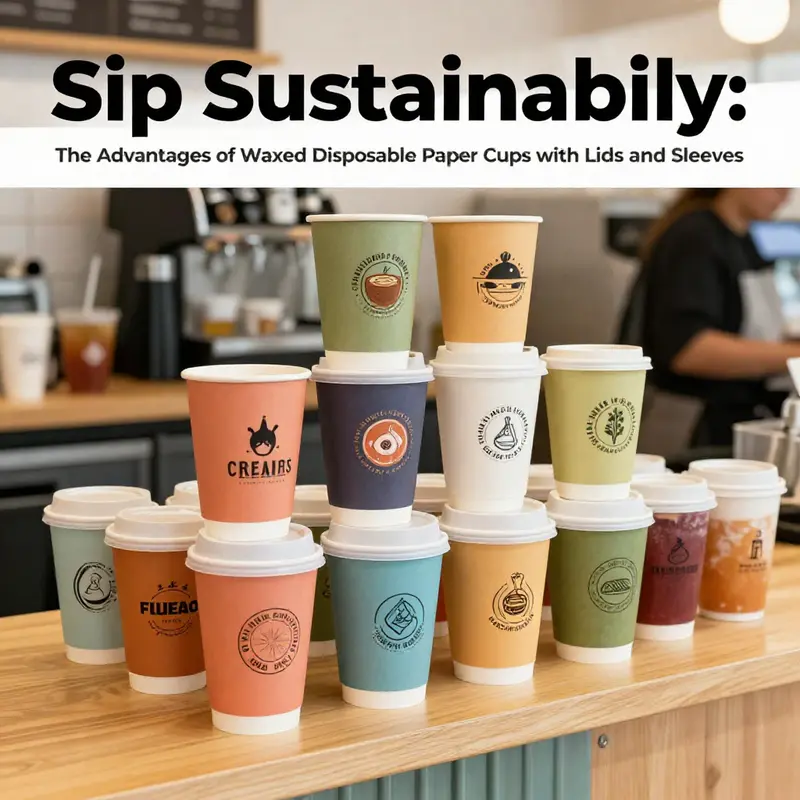
A quiet revolution travels from factory floor to storefront counter in a shape too familiar to notice at first glance: a waxed disposable cup, snugly fitted with a lid and wrapped in a sleeve. Yet within that familiar silhouette lies a careful orchestration of material science, design decisions, and consumer expectations that define modern takeout beverage packaging. The wax coating, once a simple moisture barrier, now bears much of the responsibility for a seamless on-the-go experience. It keeps hot liquid from soaking the paper, protects the hands from heat, and supports a clean, spill-resistant user journey. In markets across North America and Southeast Asia, where the demand for convenient, eco-conscious options continues to rise, these cups have become more than a temporary vessel. They are a branding surface, a practical tool for delivery logistics, and increasingly, a signal of a shop’s commitment to sustainability and quality. The story of waxed disposable cups with lids and sleeves is thus a narrative of how barrier performance, human factors, and brand strategy converge in a single everyday object.
The core purpose of the wax barrier is pragmatic. Paper alone would falter in the face of hot beverages, yielding sogginess, leakage, and a lukewarm, unappealing feel. A waxed lining or wax coating provides a moisture-resistant barrier that maintains the cup’s integrity while the liquid remains hot. This is not simply a matter of keeping the cup dry; it is also about preserving the drink’s temperature and aroma long enough for a customer to enjoy it before it cools. The coating works in tandem with the cup’s wall geometry. Ripple walls, a feature increasingly common in the supplier landscape, add an extra layer of insulation. The ridges disrupt heat transfer in ways that smooth walls cannot, helping to keep the beverage hotter for longer and the exterior cooler to the touch. A ripple design can also improve grip, which matters when a cup is sweating in a palm or slipping from a customer’s fingers. These small engineering choices—wall texture, lacquered or waxed interior surfaces, and the decision between PE-coated linings or fully waxed ones—shape both performance and consumer perception.
Beyond the physical barrier, the lid and sleeve complete the sensory and ergonomic package. A snug lid prevents spills during transit and communion with the beverage’s aroma, while a sleeve protects hands from heat and provides a comfortable grip, even when wearing gloves or when the cup is condensation-coated. In practice, most offerings come in standard sizes such as 8oz, 12oz, and 16oz, which aligns with common coffee shop and casual dining operations. This sizing cadence supports both personal consumption and bulk ordering for offices, events, and food-service partners. The choice between PP and PS lids—two common materials with different durability profiles and recycling implications—further tailors the experience. PP lids tend to offer robust heat resistance and a reliable snap fit, while PS lids can be lighter and cheaper in larger runs. The interplay of these materials invites buyers to weigh performance against environmental considerations, a tension that many brands now navigate with more care than ever before.
A growing strand of market intelligence highlights the sustainability thread weaving through every aspect of this category. The modern consumer looks for food-grade, BPA-free materials, but increasingly demands packaging that can align with environmental values. Several manufacturers promote biodegradable or recyclable options, while others emphasize reduced coating thickness or alternative barrier systems that lower environmental impact without sacrificing performance. The environmental calculus also extends to the sleeve and lid: sleeves that are recyclable when separated, and lids that allow for easier disassembly and recycling, can tilt a buyer toward a more sustainable overall solution. In regions like North America and Southeast Asia, eco-friendly packaging resonates with a broad audience of independent cafes, chain outlets, and mobile vendors who seek to differentiate themselves through responsible packaging choices. The result is a packaging ecosystem where functional integrity and ecological consideration are not mutually exclusive, but complementary pillars.
Customization remains a central driver of value in this space. The rise of full-color printing on cups has transformed the cup surface from a plain canvas into a brand-building platform. Businesses embrace logos, color schemes, and promotional messages that captivate at the moment of pickup and reinforce brand recall during the seconds of consumer interaction. The application of coatings and inks to a waxed or wax-lining substrate requires precise compatibility considerations to ensure legibility and durability under heat and moisture. Suppliers report that many brands are choosing to print across a spectrum of sizes—7oz to 16oz equivalents—so that a cohesive visual language can travel from a small single-serve cup to a larger take-away offer. The market has grown accustomed to bundled packaging sets that include cups, lids, and sleeves. This not only streamlines procurement but also delivers a cohesive look across the entire beverage experience, a factor increasingly tied to perceived quality and reliability.
On the production and supply side, the landscape has shifted toward more flexible, scalable options. Minimum order quantities (MOQs) can be accessible even for smaller enterprises, a shift that supports startups, boutique coffee shops, and local food trucks venturing into branded packaging without bearing prohibitive upfront costs. In practice, buyers can source from manufacturers that offer multiple sizes and a choice of coatings, enabling a single supplier to cover a broad range of needs. The interplay of customization and MOQ means that a brand can pilot its design with a relatively modest investment, then scale as demand expands. The ability to mix-and-match lids and sleeves with different cup sizes within a single order further enhances logistical efficiency for businesses juggling diverse daily volumes.
When a business considers moving toward waxed cups with lids and sleeves, the decision framework often starts with a simple question: does this packaging deliver both function and brand expression in the contexts where the product is used? From a functional perspective, the answer hinges on heat management, leakage prevention, and a comfortable handling experience. A wax barrier supports reliable performance for hot drinks, while ripple walls contribute to insulation and grip. From a brand perspective, the same vessel becomes a moving billboard. Full-color printing on cups turns the cup into a compact frontage for a brand, a subtle but persistent reminder of the store’s identity as the drink is carried out into the street or into a customer’s car. The presence of a sleeve extends this branding to the hand, where tactile engagement and visual cues work together to shape perception. In combination, these elements—barrier capability, wall design, lid selection, sleeve comfort, and visual treatment—create a packaging system that is more than the sum of its parts.
The customization trend is also about operational practicality. Suppliers frequently offer printed ripple cups with PS lids and sleeves in a spectrum of sizes, with minimums that can dip as low as a thousand units for many standard configurations. This kind of flexibility is particularly compelling for mid-sized operators testing a new menu concept, rebranding, or running seasonal campaigns. The ability to align the cup design with a broader branding strategy—while maintaining reliable heat management and spill resistance—helps ensure that the packaging reinforces, rather than undermines, the drink experience. In addition to branding, many buyers leverage the packaging as a promotional space, embedding messages or seasonal motifs that encourage repeat purchases or social sharing. The result is a packaging touchpoint that can do double duty: protect and deliver, while also communicating personality and values.
For businesses looking to explore these possibilities, there is a straightforward path to engagement. Suppliers provide both set-level options and bulk configurations, with finishes and coatings designed to be compatible with the chosen lid and sleeve. In practice, a customer can order complete packaging sets that deliver a cohesive, professional look across all cup sizes. The integrated nature of these sets minimizes assembly complexity at the point of sale and reduces the risk of mismatches during packaging or service. The convenience factor—having cups, lids, and sleeves delivered together—appeals to busy operators who need dependable, fast replenishment without sacrificing design or performance. With the right supplier, brands can expect transparent conversations about lead times, minimums, and shipping, ensuring that custom orders fit neatly into production calendars and store schedules.
The market research underpinning these trends also highlights regional variations in preference and emphasis. In North America, for example, there is strong demand for eco-conscious options and for premium branding. Businesses frequently look for a balance between high-quality barrier performance and the ability to execute bold, colorful designs that survive the rigors of transport and heat exposure. In Southeast Asia, convenience and cost efficiency often take center stage, yet there is growing appetite for sustainable alternatives and for packaging that aligns with local hospitality practices. Across both regions, the common thread is a desire for packaging that is dependable, adaptable, and aligned with brand storytelling. This is not merely about a cup that keeps coffee hot; it is about a packaging system that supports a positive customer experience from the moment a customer reaches for the cup until the last sip is enjoyed.
The practical guidance for buyers remains pragmatic and direct. Start with sizes that map to your most common beverage formats. Assess the barrier and coating options—waxed versus PE-coated linings—and consider how the lid material choices might affect long-term sustainability goals. Evaluate wall designs, such as ripple walls, for insulation performance and grip, and weigh the trade-offs between different lid closures in terms of spill resilience and consumer satisfaction. Finally, consider branding ambitions. If a bold full-color print is central to your identity, confirm colorfastness and print durability under heat exposure and moisture. If your emphasis is on sustainability, explore coatings or lining options that enable recyclability, compostability, or lower overall environmental footprint, while still delivering reliable performance. These decisions, when aligned with clear MOQs and transparent lead times, empower brands to adopt packaging that scales with demand without compromising the customer experience.
The conversation about waxed disposable cups with lids and sleeves is ultimately a conversation about reliability and recognition. The cup must performs well under the stress of daily use, and it must also be a familiar surface that carries a brand’s voice, a tiny billboard of color and identity in the bustling flow of a cafe or street-food scene. The design challenges are real but surmountable: optimizing the barrier system, selecting the appropriate wall geometry, choosing a lid type that balances rigidity with sealing performance, and coordinating with sleeves that fit securely while offering comfort. When done well, the result is a packaging system that not only protects the beverage but also elevates the entire takeaway moment. And as consumer expectations continue to evolve toward speed, convenience, and responsibility, the role of waxed cups with lids and sleeves as a cohesive packaging solution is likely to deepen, becoming less a disposable afterthought and more a deliberate element of brand experience.
For teams considering next steps, the path is simple yet strategic. Begin with a baseline evaluation of barrier needs and temperature expectations for your signature beverages. Map those requirements to available cup sizes and wall designs, then pair them with lids and sleeves that optimize handling comfort and spill resistance. Explore customization options that align with your brand narrative, from logo placement to color storytelling, and assess how a bundled packaging approach can streamline procurement and fulfill orders with consistent quality. Finally, reach out to suppliers to discuss lead times, MOQs, and the potential for a phased rollout that tests design concepts before committing to large-scale production. The goal is not merely to purchase a container for a drink but to acquire a packaging system that reinforces the drink’s warmth, the brand’s voice, and the customer’s sense of care with every purchase.
Internal resource note: for businesses exploring wholesale packaging options that fit a range of sizes and keep a consistent look across cups, lids, and sleeves, see our wholesale take-away cups with lids page. It provides a practical starting point for aligning product specifications with brand ambitions while maintaining cost-efficient procurement. wholesale take-away cups with lids.
External resource: industry data on waxed cup options and customization capabilities can be explored through widely available supplier listings, including detailed product specifications and bulk pricing. For a comprehensive overview of a major wholesale source, see the following external reference: https://www.alibaba.com/product-detail/Wholesale-High-Quality-Customized-Different-Size_1600549399790.html. This external resource provides context on how suppliers segment sizes, coatings, and customization services to meet diverse market needs while illustrating the breadth of options available to brand owners and packaging professionals who aim to blend performance with branding in scalable ways.
Waxed Paper Cups With Lids and Sleeves: Mapping the Supplier Web, Availability, and Sourcing Realities
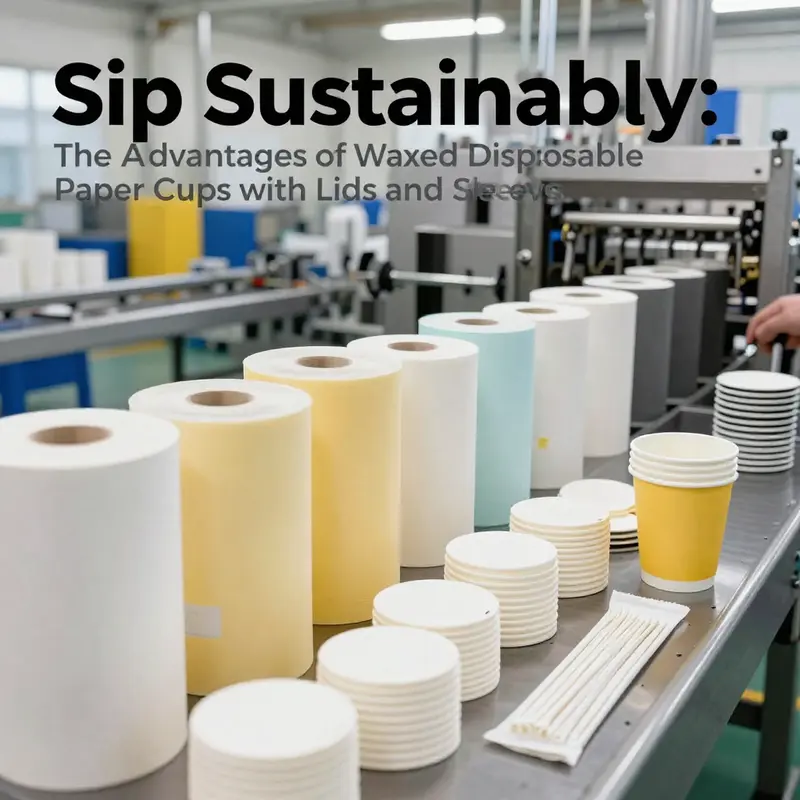
The landscape of waxed disposable paper cups with lids and sleeves unfolds as a study in concentration, logistics, and the art of aligning a simple product with the expectations of restaurants, coffee shops, and mobile consumers. The global supply chain for this packaging niche is heavily centered in a single manufacturing powerhouse, where clusters of factory floors, raw material suppliers, and export infrastructure knit together into an efficient ecosystem. Within this ecosystem, a few national hubs stand out for their proximity to raw materials, the depth of skilled labor, and the sophistication of their logistics networks. Among these, a particular region in the eastern coastal belt has become a critical node for waxed cups, lids, and sleeves. The advantages are practical: shorter lead times for customized runs, more predictable capacity for large-volume orders, and the ability to synchronize the production of cups, lids, and sleeves into complete sets that reduce handling for the buyer. For international buyers, these advantages translate into faster response times, clearer pricing signals, and a more straightforward path through the often opaque terrain of offshore manufacturing. The result is a supply chain that can deliver customized, branded solutions at scale, while also accommodating standard configurations for quick turnover needs. The wax coating itself, applied to the interior surface, creates a moisture resistant barrier that keeps the paper from becoming soggy when hot liquids are involved. The coating not only protects the cup, but it also preserves the user experience by limiting heat transfer and ensuring that the cup remains comfortable to hold. In practical terms, this insulation means a hot beverage can travel from shop to street without compromising the surface it touches. The coating and the sleeve work together to maintain that barrier, with sleeves designed to protect the hand from heat, a feature that matters when customers grab a cup in a rushing morning or during a long commute. These functional elements are complemented by lids, which seal in heat and prevent spills while still allowing the drinker to sip easily when on the move. The most common configurations present a coherent bundle: a waxed cup, a matching lid, and a sleeve that nests around the cup for insulation. This triad is a familiar sight in takeout operations, coffee carts, and office pantries, where the ability to provide a reliable, comfortable customer experience can influence repeat business and brand reputation alike. Alongside the core function of insulating hot drinks, the packaging must address broader concerns about safety and sustainability. For many buyers, the decision to source waxed cups is tied to the material choices and certifications that accompany the product. In the current market, suppliers emphasize food grade materials and safety certifications that reassure customers about contact with hot beverages. Certification schemes that verify safe paper bases, wax coating, and the absence of hazardous substances are increasingly the baseline expectation for buyers who plan to scale production or to enter agreements with major retailers. The drive toward sustainability adds another layer of complexity, as buyers weigh options for compostability or biodegradability against performance, cost, and supply chain reliability. Wax does its job effectively, but the industry is responsive to consumer pressure for greener packaging. In practice, this means many suppliers offer waxed cups made from virgin paper, treated with food safe coatings, and certified under widely recognized environmental standards. The emphasis on virgin paper and formal certifications is not merely a marketing claim; it is a practical requirement that underpins regulatory compliance, retail shelf life, and consumer confidence. Within this framework, the available sizes span a practical range for hot beverages and small sampling portions. Typical offerings include 12 oz cups, which balance capacity and portability, and smaller variants such as 3 oz cups for tasting flights, samples, or portioned syrups. The lids—typically made from polypropylene or polystyrene—provide a choice between durability and cost, with the PP variants offering robust heat resistance and potential for better sealing, while PS lids tend to be lighter and easier to source in some markets. The sleeve, designed to add a protective barrier for the consumer’s hand, completes the triad and is often viewed as a value-adding accessory that supports brand presentation and user comfort. The integrated effect of these elements—insulation, heat protection, and leak resistance—transforms a simple cup into a reliable takeout solution. Digital marketplaces and specialized B2B platforms have become essential avenues for buyers seeking to navigate the supplier landscape. In particular, online marketplaces hosted in major manufacturing hubs showcase a wide spectrum of configurations, from standard waxed cups with lids to fully customized systems that incorporate multi-color branding and packaging. The emphasis on customization is notable: buyers frequently seek OEM or ODM services that enable logos, color schemes, and text to be printed directly on cups or on packaging sleeves. In many cases, a single supplier can coordinate the entire order, delivering cups, lids, and sleeves as a complete set. The practicality of this approach is clear in fast moving food service contexts, where time and consistency are critical. For buyers, the ability to place a bulk order and receive a unified shipment reduces the friction that can accumulate when dealing with multiple suppliers and disparate shipping timelines. The supplier ecosystem in China, and particularly in Zhejiang and adjacent provinces, is buoyed by an interconnected network of raw material suppliers, flexo and offset printing services, and a mature export and logistics framework. This means that, for an order that combines printing with wax cup production, buyers can expect synchronized workflows, predictable lead times, and a more straightforward negotiation of terms. The same network that drives the production of the cups also supports the lids and sleeves, ensuring that a customer who chooses to bundle these items can negotiate a single price for a complete set. The practical implications for buyers are significant. First, the ability to source a waxed cup with a heat resistant lid and a protective sleeve from a single region reduces the risk of incompatibility across components. It also simplifies quality control, because standards for cup integrity, coating thickness, and lid fit can be verified at a single point in the supply chain. Second, the scale of production in these clusters gives buyers access to economies of scope. Large runs of similar cups and lids can be produced with minor adjustments to accommodate different branding or language requirements, enabling a buyer to maintain a consistent supply while still delivering localized or time bound promotions. Third, the depth of the supplier base affords buyers the flexibility to compare configurations, including both PP and PS lid options and a range of sleeve materials and thicknesses. The choice between PP and PS lids often hinges on durability and the expected handling conditions. PP lids generally offer higher heat resistance and improved chemical resistance, making them well suited to busy outlets and high volume use. PS lids, while lighter, can be sufficient for moderate traffic environments and may translate to lower unit costs. For buyers, this means a straightforward dialog around total cost of ownership, where the price of the cup is weighed against the durability of the lid, the quality of the sleeve, and the overall performance under heat, humidity, and transit conditions. The platforms that aggregate these products—be they global B2B marketplaces or regionally focused trade portals—function as gateways to a broader ecosystem of suppliers and buyers. On these platforms, buyers can explore standard configurations and then request customization through OEM or ODM pathways. A typical listing might emphasize food grade materials and the ability to print branding on the cups or sleeves, along with details about paper weight, wax coating, and printing capabilities. The breadth of options is matched by a careful emphasis on safety and compliance. Buyers who aim to serve mainstream retailers or hospital or corporate cafeterias will find that many suppliers offer virgin paper that carries FSSC or FSC certifications. The recognition of these standards in procurement decisions reflects an industry that seeks to align with responsible sourcing while maintaining the rigorous quality demanded by food service environments. When it comes to actual product availability, the market presents a coherent story across channels. Larger retailers and dishware suppliers stock waxed cups with lids and sleeves in 12 oz configurations, with the option for unbranded or branded variants depending on the buyer’s needs. In online marketplaces, listings often include unbranded 3 oz waxed cups with lids, which can be a cost effective option for tasting events, pastry shops, or catering contexts that require smaller increments. Suppliers commonly offer complete sets that include cups, lids, and sleeves, which is especially appealing for venues that want to simplify inventory management. The packaging ecosystem also integrates with sustainability and branding trends. Buyers increasingly seek options that are BPA free and that adhere to eco friendly packaging narratives. While the wax coating contributes to the product’s performance in hot beverage service, buyers are mindful of the end of life and the environmental footprint of the packaging. In response, manufacturers have begun to offer variations that balance functional performance with environmental considerations, including coatings approved for compostability in some contexts or at least proven to be recyclable in many municipal programs. Availability is bolstered by the breadth of the supplier base on major platforms, where hundreds of suppliers may advertise waxed cups with lids and sleeves in a range of sizes, weights, and finishes. The sheer breadth of choices means buyers can align product specs with the exact needs of their operation, from premium, multi color branding to simple, high volume white cups for high throughput venues. Beyond the product itself, the sourcing process is shaped by the practical realities of international trade. Secure payment options and supplier verification processes are common on leading platforms, which reduces the risk for buyers engaging in large orders. The concentration of manufacturing in a defined region is a reminder that timing and logistics are as critical as price. Lead times, minimum order quantities, and shipping schedules become part of the decision calculus. Smart buyers ask for transparent production calendars, ask for samples, and negotiate for predictable replenishment cycles that fit their seasonal demand. They also leverage the possibility of bundling cups with lids and sleeves into a single purchase to reduce handling, simplify freight, and ensure consistent quality across components. The potential for customization adds another layer of value. Brands can commission custom logos, color schemes, and printing on either the cups or the sleeves. In many cases, suppliers offer integrated design services as part of the OEM or ODM pathway, allowing a buyer to realize a cohesive packaging narrative that supports the brand story in the cup, on the sleeve, and even on the lid. This is especially relevant for venues seeking to reinforce a seasonal campaign or a corporate identity that travels with the beverage. To illustrate practical sourcing options, consider the pathway that many buyers pursue when evaluating wholesale take out options. The option to source a comprehensive bundle that includes the cup, lid, and sleeve can be accessed through dedicated wholesale channels on regional platforms. For example, buyers can explore wholesale configurations such as the 8 oz to 12 oz disposable coffee cup with lids, which are commonly offered in multi pack sets designed for café networks and catering outfits. These wholesale bundles streamline procurement, reduce transaction overhead, and accelerate time to market for promotions or seasonal campaigns. For buyers who want to anchor their sourcing to a single, easy to manage supplier, this integrated approach is especially appealing. It minimizes risk, simplifies quality control, and supports consistent branding across orders. On the demand side, retailers and food service operators increasingly expect a level of transparency around the materials and processes used to produce these cups. Suppliers that can demonstrate food safety certifications, environmental stewardship, and reliable lead times gain a competitive edge. The balance between cost, performance, and sustainability challenges buyers to make trade offs that reflect their business objectives, whether that means prioritizing the lowest price for disposable playlets or choosing a slightly higher cost option that offers stronger insulation and better printing fidelity. In the end, the story of waxed disposable cups with lids and sleeves is less about a single product and more about a resilient network that supports quick service operations, branding ambitions, and responsible sourcing. The Zhejiang cluster and adjacent regions are a focal point because they combine a deep materials ecosystem with a mature export apparatus. Buyers who engage with this ecosystem can expect to move from inquiry to order with relative efficiency, provided they are prepared to navigate the common expectations around minimum order quantities, sample availability, and shipping logistics. The right supplier will not only supply a cup and its lid and sleeve but will also align with a buyer’s brand standards, printing capabilities, and sustainability considerations, weaving these threads into a coherent packaging program. For those exploring the wholesale route to rapid expansion, one practical starting point is to examine the possibility of bundled orders that include the cup, lid, and sleeve as a single configuration. The advantage of such a bundle is clear: it reduces the administrative burden of coordinating multiple vendors, it minimizes the risk of misalignment between components, and it supports consistent quality checks across the entire set. A well-structured proposal can also address the often overlooked but critical components of after sales and post purchase support, including replacement parts, consistent supply of lids that fit a variety of cup diameters, and sleeve availability that can accommodate seasonal colorways or branding changes. The buyer who undertakes this approach typically benefits from a predictable supply schedule and a reduction in the lead time from design concept to shelf ready packaging. In closing, the supplier landscape for waxed disposable paper cups with lids and sleeves remains robust, with strong concentration in regional manufacturing hubs that support a comprehensive ecosystem for packaging goods. The combination of an established raw material supply chain, flexible customization options through OEM and ODM arrangements, and a market that values both performance and sustainability creates a viable path for buyers seeking reliable sourcing, consistent branding, and economical scale. For those who need to begin or accelerate procurement, the journey begins with an informed assessment of regional capabilities, platform options, and the alignment of packaging specifications with the operational realities of their food service programs. A practical step is to examine wholesale channels that offer complete cup and lid sleeve sets, then evaluate whether a supplier can deliver across the full spectrum of requirements, from material safety certifications to print quality and consistent packaging performance. As the market continues to evolve, the ability to integrate design, production, and logistics under one roof is likely to become the decisive factor in selecting a preferred supplier, a trend that supports the broader goal of delivering hot beverages safely, conveniently, and in a way that reinforces brand value at every customer touchpoint. External resource: https://www.alibaba.com/showroom/wax-paper-cups-with-lids.html
Final thoughts
Investing in waxed disposable paper cups with lids and sleeves not only enhances your beverage service but also resonates with eco-conscious consumers. By focusing on quality materials, tapping into market trends for customization, and partnering with reliable suppliers, your business can stand out in a competitive landscape. As the demand for sustainable and stylish packaging continues to rise, making informed choices about your beverage containers will enhance customer satisfaction and loyalty while supporting environmental sustainability.