
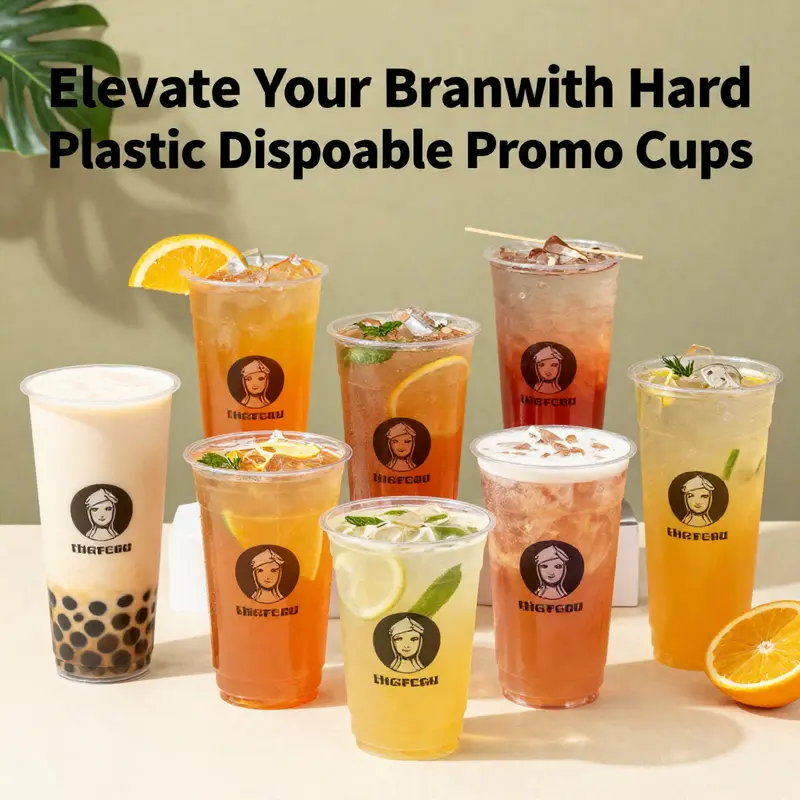
Hard plastic disposable promotional cups are more than just vessels for beverages; they’re an integral part of brand visibility and customer experience. Whether you’re managing a bubble tea shop, coordinating an event, or running a restaurant, understanding the advantages of materials like PETE and HIPS, their various applications, cost implications, and sustainability options can significantly enhance your offerings. In the chapters ahead, we’ll delve into the materials that make these cups an excellent choice, explore promotional strategies tailored for diverse businesses, conduct a cost analysis to aid procurement decisions, and examine environmental impacts and alternatives to ensure your choices align with sustainability goals.
Clarity, Durability, and Brand Presence: A Deep Dive into PETE and HIPS in Hard Plastic Promo Cups
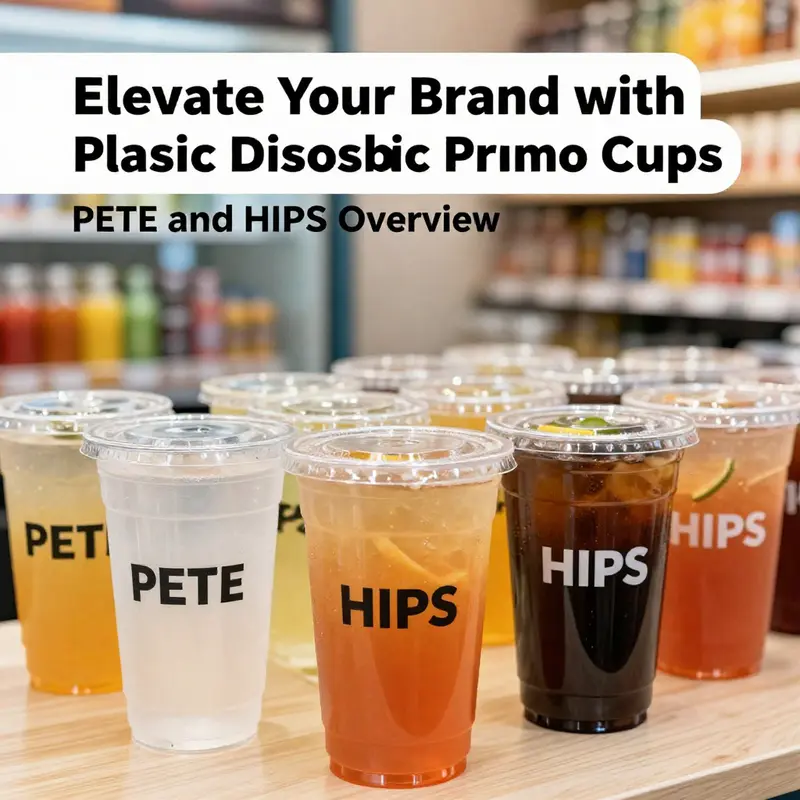
Every promotional cup is more than a vessel for a drink. In the world of brand promotion, hard plastic disposable cups act as moving billboards, canvases for logos, gradients of color, and small testimonials to a brand’s attention to detail. The two workhorses of this category are PETE, or polyethylene terephthalate, and HIPS, high‑impact polystyrene. They occupy distinct places in the promotional ecosystem: PETE emphasizes visibility, cleanliness, and a sense of premium clarity; HIPS emphasizes resilience, cost efficiency, and reliable performance under pressure. Understanding how these materials behave helps organizers, marketers, and suppliers optimize campaigns, ensuring that a disposable cup does more than hold a beverage. It conveys a message about quality, sustainability, and care for the attendee experience.
PETE is where the eye tends to land first. Its defining trait is clarity. When a drink is poured, the liquid’s color, carbonation, and presentation become part of the visual story, and the cup becomes a transparent stage on which the beverage performs. This is particularly important in events like weddings, trade shows, or retail promotions where the product’s appearance can drive curiosity and interaction. The sheer transparency of PETE supports branding strategies that rely on vivid, unimpeded color imagery. Logos and designs printed on or around the cup read clearly through the material, and the glassy surface invites touch and handling in a way that enhances engagement rather than distracts from the beverage itself.
In addition to presentation, PETE brings practical advantages. It is rigid and robust for its weight, resisting deformation during transport and busy event handling. This rigidity translates into reduced likelihood of leaks or spills when cups are shuffled in lines, stacked in crates, or passed from server to guest. The material’s gas barrier properties also matter for carbonated or even lightly fizzy beverages, where maintaining a sense of freshness and carbonation contributes to the consumer’s overall impression of the product. PETE’s versatility extends beyond the event floor; many PETE cups can be used for freezer storage, offering a measure of convenience for catering teams that prepare beverages in advance and service them as needed. For campaign planners who are mindful of the circular economy, a noteworthy attribute of PETE is its recyclability. In many municipalities, PETE is accepted as Recycling #1, which can simplify post‑event waste management and align with sustainability goals when disposal is properly managed. Yet PETE is not a perfect universal fit. Its susceptibility to heat means it should not be used for hot liquids. Above about 70°C (158°F), PETE can warp, which limits its use to cold drinks such as water, juice, soda, and cocktails. That constraint matters when a promotion features warm beverages or a seasonal menu that includes hot coffee or tea.
HIPS presents a compelling contrast. It is an opaque, durable plastic that stands out when the campaign calls for thick, sturdy cups designed to withstand rough handling and higher drop risk. For events, takeout contexts, or industrial settings where a cup may be dropped, set down hastily, or subjected to rough transport, HIPS provides a calm, reassuring reliability. The material’s rigidity translates into a sense of sturdiness that can be a subconscious cue of quality, especially in promotional runs that target venues with dense foot traffic and long queues. Because HIPS is opaque, it can serve as a distinct branding canvas for designs that rely on solid color blocks, metallic foils, or bold graphics that benefit from a nontransparent surface. Print fidelity on HIPS tends to be strong, enabling vibrant branding and labeling that remains legible when viewed from a distance or at a quick glance amid event noise.
Cost considerations naturally accompany performance tradeoffs. HIPS is often favored for high‑volume promotional runs because its production costs tend to be lower per unit when manufactured at scale. For campaigns designed to reach thousands of impressions with a limited budget, HIPS offers an attractive balance of durability and price while still delivering a high‑impact visual that can be printed with logos, slogans, or brand colors. PETE, with its crystal clarity and carbonation‑preserving properties, can command a premium, particularly when the campaign’s narrative leans heavily on beverage presentation and consumer perception of premium quality. The choice, then, is rarely only about food safety or printability. It is also about the campaign’s tone, the expected handling environment, and the brand’s promise of value. If a brand seeks a premium, crystal clear presentation that highlights the drink itself, PETE often becomes the material of choice. If the objective centers on ruggedness, cost efficiency, and a bold, opaque branding surface, HIPS presents a compelling case.
Beyond the basic material attributes, practical deployment considerations shape decisions in real campaigns. The surface of PETE cups lends itself to high‑fidelity branding in a way that complements the beer, juice, or mixed drink aesthetics customers expect at events. The possibility to pre‑print or inject vivid color graphics around the exterior can capture attention from across a room or through a crowded display. In contrast, HIPS’ printability shines when the goal is a bold, blocky brand message that remains legible even under dim lighting or distance. The opacity of HIPS can serve to make white logos pop, while the glossy or matte finish options can align with the event’s atmosphere—from modern and corporate to casual and festive.
A marketer’s toolkit often emphasizes pairing cups with additional branded elements to magnify brand presence. Placing matched lids, sleeves, or custom straws with the cups can turn a simple service into a coordinated visual experience. This idea resonates regardless of material choice: if a brand can extend its identity beyond the cup itself, the impression grows deeper and more lasting. The pairing approach also supports practical benefits, such as improved grip for hot or cold drinks, even though PETE itself is not recommended for hot liquids. The use of sleeves can disguise a potential condensation issue on cold drinks and provide a comfortable surface for guests to hold, while lids stabilize contents during movement and in transit during events. The sleeves also offer an additional branding surface, sometimes enhancing the color palette and reinforcing messaging without altering the cup’s core material properties.
For campaigns operating on a broader sustainability narrative, the environmental angle cannot be ignored. PETE’s recyclability makes it a favored option among programs that emphasize material reuse and waste reduction, provided disposal streams are properly managed. The presence of a clear, recyclable option supports messaging about responsible consumption and end‑of‑life stewardship, which can resonate with audiences increasingly attentive to a brand’s environmental footprint. HIPS, while also recyclable in many contexts, may present more complexity in recycling streams, depending on local facilities and market demand. The decision to select PETE or HIPS can thus become a signal about willingness to align with certain environmental priorities, a factor that can influence the reception of a campaign among eco‑mensitive audiences. Still, both materials come with caveats. PETE’s heat sensitivity is a clear boundary for hot beverages, and HIPS’ lack of microwave and dishwasher safety can constrain certain service models or consumer expectations. These limitations echo the broader principle of aligning product specifications with the user journey—from the moment the drink is poured to the moment the cup is disposed of or recycled.
The practical guidance that emerges from this material dichotomy is less about choosing a single “best” option and more about constructing a fit for purpose. For brands seeking the clean, glass‑like presence that emphasizes drink visibility—especially in promotional displays, beverage tastings, or signature cocktails—the PETE route is a natural fit. Its clarity elevates the product and makes the color, texture, and bubbles a feature of the branding story. In venues where the drink’s appearance is a centerpiece of the consumer experience, this can translate into stronger recall and a more cohesive visual narrative. By contrast, in environments where handling is frequent, temperatures are cooler but the pace is brisk, and the emphasis is on resilience and volume, HIPS proves its value. Its rigidity, lower unit cost for large runs, and printability on opaque surfaces help deliver a reliable brand message without compromising on durability.
Another layer that often informs material choice is consumer handling and perception. Guests at events tend to associate the visual and tactile qualities of a cup with the beverage experience. A cup that feels sturdy in the hand and reflects a brand’s seriousness about quality can reinforce trust and satisfaction. For cold beverages, the crisp, transparent surface of PETE may also aid in conveying freshness, particularly when the cup is empty or when the beverage’s hue and carbonation are part of the visual drama. For thicker or structured drinks—desserts served in cups, layered beverages, or thicker cold drinks—HIPS may provide the stability and grip needed to sustain the moment without compromising the guest’s comfort or the event staff’s efficiency. In sum, the choice between PETE and HIPS is rarely a binary decision. It is a nuanced alignment of how a brand wants to be seen, how the product will be consumed, and what logistical realities govern the promotional program.
The chapter of a campaign that often binds these considerations together is the tangible, on‑site execution. In practice, success hinges on how well the cup’s material behavior integrates with the event’s rhythms: the pace of service lines, the stacking and transport, the speed of production lines, and the supplier’s ability to deliver things on time and within budget. A well‑conveyed truth is that PETE’s clarity and barrier properties can contribute to a premium perception, especially when the beverage presentation is central to the campaign’s message. Yet the total cost of ownership—factoring raw material costs, printing fidelity, packaging, and wastage—might tilt the balance toward HIPS for campaigns prioritizing volume and durability. Each event planner must weigh the anticipated handling scenarios, the beverage profiles, and the post‑event waste management realities. The best choice often becomes a blend of both materials across different cups within a single campaign, where the most visible, brand‑critical moments utilize PETE for their clarity, while rugged, high‑traffic touchpoints rely on HIPS to withstand the rigors of a busy schedule.
For those designing a cohesive experience, there is value in treating the cup as part of a larger system. The cup interacts with the lid, sleeve, and straw as components of a branded experience. The lid’s sealing reliability, the sleeve’s grip comfort and branding surface, and the straw’s color or branding compatibility all contribute to guest perception and operational efficiency. The synergy among these elements can elevate a simple beverage into a memorable interface with the brand. In this sense, material choice becomes less about a single property and more about system integration—how the cup, lid, sleeve, and straw work together to carry a message, protect the beverage, and support the event’s flow.
Within the broader promotional packaging landscape, the decision to pursue PETE or HIPS also interacts with budgetary realities and production scales. For campaigns with tight timelines or large audience reach, the ability to procure in high volumes at predictable costs becomes a critical determinant. HIPS often offers advantages in this domain due to its cost structure and printability on opaque surfaces, which can translate into lower unit costs when orders are measured in tens or hundreds of thousands of pieces. PETE, while potentially more expensive per unit, delivers unmatched clarity for campaigns where visual impact is non‑negotiable and where the brand wants to avoid any perception of discounting quality. The reality is that many campaigns do not abandon one material in favor of the other; instead, they allocate different cups within the same promotional suite to fit the moment’s needs—clear cups for premium beverage stations and durable, opaque cups for durable service lines at busy venues.
When reflecting on the overall arc of promotional plastic cups, a forward‑looking note remains relevant. Innovations in material science and sustainability continue to evolve. Brands and producers alike explore biodegradable alternatives and compostable options that aim to maintain performance while reducing environmental impact. However, the core performance metrics—clarity and barrier properties for PETE, rigidity and cost efficiency for HIPS—still dominate the practical considerations that guide most campaigns. In many cases, PETE and HIPS remain the top performers in terms of performance, printability, and cost efficiency, especially when the campaign anticipates high volumes, varied usage contexts, and the need for a reliable, consistent brand presence across multiple touchpoints. The decision becomes less about chasing novelty and more about matching the material’s strengths to specific moments within the event experience.
In practical terms, if a campaign planner wants a clean, high‑impact beverage presentation that makes the drink the hero, PETE is the go‑to for the cold beverage scenario, provided the hot beverage constraint is respected. If the goal is rugged durability, predictable pricing, and clear branding opportunities on an opaque surface that reduces printing complexity while still delivering a strong visual identity, HIPS is the practical choice. The strongest campaigns may even deploy a mixed‑material approach, using PETE for signature drinks or premium tastings and HIPS for general service cups in high‑traffic zones, thereby optimizing both impact and efficiency without compromising the brand’s overall message.
To knit these ideas into a seamless strategy, brands should consider not only the material but also the broader packaging ecosystem, including the lids, sleeves, and branding methods. The presence of a well‑designed lid can stabilize contents, reduce spill risk, and contribute to a polished presentation during a promotional moment. Sleeves can protect hands from condensation while expanding the branding surface and reinforcing color schemes. Printing methods, color fidelity, and durability under event lighting all influence how well a logo or brand message reads on the cup’s surface. Each of these decisions, while seemingly minor in isolation, can compound to shape guest impressions, likelihood of engagement, and ultimately the campaign’s impact on brand recall.
As audiences become more discerning about sustainability, the conversation about PETE and HIPS often expands beyond immediate usability into end‑of‑life considerations. The public conversation about recycling, waste streams, and responsible disposal heightens the responsibility of brands to communicate clear disposal guidance and to participate in programs that support recycling or composting where appropriate. For audiences that value environmental stewardship, the ability to point to a recyclable option, alongside a plan for proper disposal, can reinforce a brand’s credibility. In this sense, material selection is not only a matter of performance and cost; it is also a signal about corporate values and commitments to responsible resource use. The interplay between performance and responsibility grows more nuanced as campaigns strive to harmonize guest experience with environmental integrity.
In sum, PETE and HIPS each offer distinctive merits that can elevate a promotional campaign when matched with the right use case, audience expectations, and logistical framework. PETE’s clarity and gas barrier properties make it ideal for presenting beverages in a way that makes the drink visually the star, while its heat limitations require thoughtful menu planning. HIPS’ durability, opacity, and cost advantages position it as a workhorse for high‑volume runs and rugged event environments, with branding opportunities that play to bold graphics and strong color blocks. The optimal strategy often involves a blend of both, guided by the campaign’s priority—be it premium presentation, durability, or cost efficiency—while always considering the broader system of lids, sleeves, and branding elements that translate a disposable cup into a coherent brand moment. For those who want to explore adjacent packaging formats and to see how related surfaces can support a consistent brand narrative, a related resource provides a broader panorama of disposable cup performance, technical features, and applications that complement this material‑driven discussion. External resource: https://www.plasticcupguide.pk/disposable-plastic-cups-pakistan-guide-performance-technical-features-and-applications-explained/
Within this framework, one practical approach to content planning is to integrate cross‑category references that illuminate how a brand can maintain consistency across materials without sacrificing performance. For example, consider a scenario where a campaign uses PETE cups for a signature cold drink at a tasting booth and reserves HIPS cups for general service in a crowded reception area. The cups’ distinct appearances and handling properties can help guests navigate the space more efficiently while reinforcing the brand’s visual language: the clarity of the PETE cup guiding attention to the beverage’s color, and the bold, solid branding on the HIPS cup communicating fortitude and reliability as guests move through the event. In this way, material choice supports both user experience and logistical efficiency, contributing to a cohesive narrative that resonates with attendees long after the last sip. As campaigns continue to evolve in parallel with sustainability goals, the combination of PETE’s visibility and HIPS’ durability remains a practical, scalable framework for delivering brand messages that are not only seen but also felt in the moment of consumption.
Internal link note: for readers exploring related beverage cup formats and branding surfaces, see the internal resource on disposable single‑wall paper cups with lids. This reference provides a complementary view of how branding surfaces can be leveraged across different cup formats to maintain a unified brand expression across channels. Disposable-single-wall-paper-cup-12oz-16oz-kraft-coffee-cup-with-lid.
In the end, the choice between PETE and HIPS is not merely a technical one. It is a strategic decision about how a brand wants to appear in motion—how it wants to be perceived at the moment a guest reaches for a drink and interacts with a display. It is about ensuring that the cup, the beverage, and the surrounding branding elements work in harmony to create a persuasive, memorable, and responsible promotional experience. When planners understand the strengths and limits of each material and design a system that leverages both where they shine, the result is a campaign that feels crafted rather than cobbled together. The cup becomes a trusted conduit for a brand story, without overpowering or distracting from the beverage’s own appeal. And in that balance—clarity meeting durability, presentation meeting practicality—the hard plastic promo cup proves to be not just a disposable item, but a carefully chosen instrument in the orchestration of a successful promotional encounter.
Clear Signals, Lasting Impressions: Applications and Promotional Strategies for Hard Plastic Disposable Promo Cups
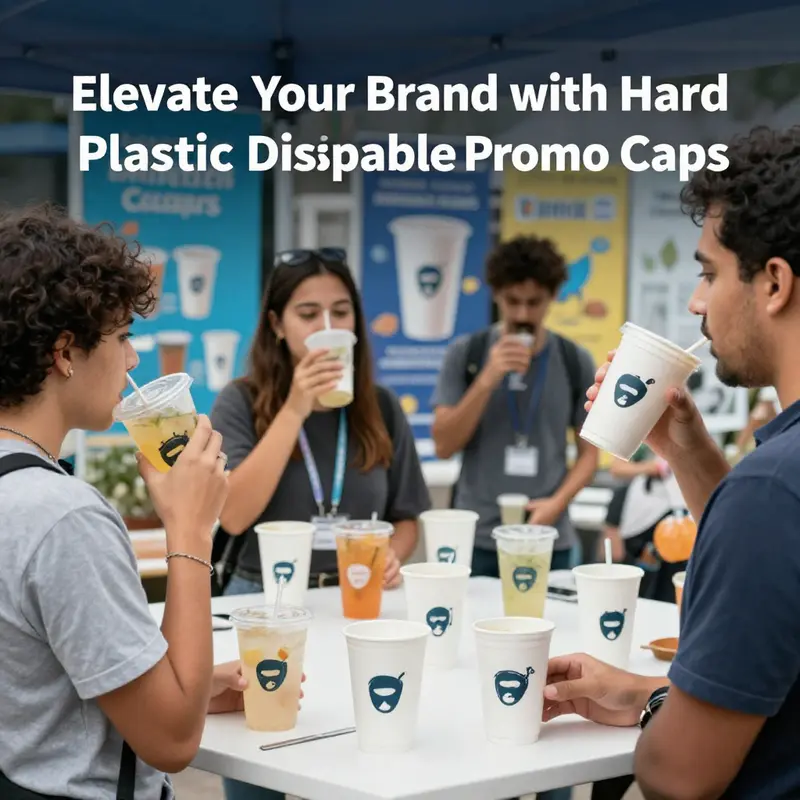
The journey of a hard plastic disposable promo cup from a simple beverage vessel to a strategic marketing touchpoint begins with its material realities and ends in the minds of attendees long after an event closes. These cups, typically crafted from clear or subtly tinted plastics, offer a blend of durability, visibility, and convenience that makes them a reliable workhorse for brands seeking scalable promotional impact. Their rigid walls, light weight, and transparent surfaces create ideal conditions for turning liquid visuals into branding opportunities. When a drink sits inside a crystal-clear cup, the beverage itself becomes part of the marketing narrative—the color, foam, and garnish are all framed by a clean, unobtrusive vessel that showcases more than just liquid. These cups often come in standard promotional sizes, tuned for events ranging from intimate gatherings to large-scale expos, and their practical simplicity makes them easy to distribute at high velocity at busy venues. The material choices behind these cups—whether PETE, HIPS, PS, or PP—carry implications for performance, cost, and environmental impact that ripple through every decision a marketing team makes about use, reuse, or responsibly ending their lifecycle. PETE, the backbone of many clear promotional cups, offers a near-silica clarity that amplifies the visibility of the beverage and any branding placed on the cup’s surface. Its high impact resistance helps these cups survive the realities of event logistics—staging, packing, and the inevitable gusts of wind or hurried handling that occur in crowded floors. Yet PETE’s strength comes with a temperature limitation: hot liquids can warp the material, so these cups are best reserved for cold drinks such as water, juice, soda, and cocktails. HIPS, by contrast, delivers greater opacity and enhanced drop resistance—traits that lend themselves to thicker cold drinks, layered beverages, or even semi-solid food items that might be served alongside. The trade-off is a sacrifice in transparency; HIPS excels where printability and bold branding are the priority, delivering a smoother surface for high-visibility logos and vibrant colors, while also offering a cost advantage for large-volume campaigns. For campaigns that demand microwave or dishwasher safety, these choices matter a great deal, since both PETE and HIPS, while dependable for single-use contexts, are less forgiving on repetitive heat exposure and extensive cleansing. The materials narrative is not just a technical aside; it informs every practical decision about how, where, and for whom these cups are deployed. It shapes the aesthetics of the branding, the logistics of supply chains, and the messages marketers craft around sustainability and safety. In many campaigns, the cups are paired with lids, sleeves, or branded straws to create a more complete on-site experience. Such add-ons often serve multiple purposes: they protect contents during transport, enhance grip, and provide additional branding surfaces that can carry logos, event details, or QR codes that drive engagement beyond the initial moment of receipt. In this sense, these cups function as portable billboards, traveling from the event floor to social feeds, photo walls, and later conversations around the water cooler. The potential for maximal impact grows when designers think beyond the cup as a container and treat it as a carefully engineered piece of a broader brand ecosystem. The event context itself helps shape how the cup is perceived. In weddings, corporate conferences, festivals, or sports outings, the cups can be integrated into the visual language of the occasion. A wedding might favor a crisp, elegant branding approach with simple typography and a delicate color palette that complements the décor, while a festival may call for bold, high-contrast graphics and playful icons that resonate with a larger, more diverse audience. The momentum toward experiential marketing has only intensified the cup’s relevance. People don’t just drink from these vessels; they interact with them. A clear cup can showcase a product’s color story, a signature recipe, or a promotional flavor in a way that printed signage sometimes cannot. In this way, the cup becomes a sensory amplifier for the beverage and, by extension, for the brand itself. Stylistic decisions, such as rim design and neck width, contribute to the perceived quality and usability of the cup, influencing whether attendees hold onto it as a practical keepsake or set it aside as a disposable afterthought. Both outcomes have marketing implications: when the cup is kept, a brand earns ongoing visibility through multiple exposures; when discarded, it still carries a final impression of brand ownership through its design, color, and the quality of the printing. The strategic question is not simply “which cup to choose?” but “how will this vessel collaborate with the broader campaign?” Printing methods are central to that coordination. Screen printing, digital printing, or direct-to-substrate approaches allow logos, taglines, and imagery to be layered with precision. Clear cups often serve as ideal canvases because beverages inside can act as dynamic color backdrops, highlighting the branding in ways that opaque cups cannot. The ability to print vibrant, high-contrast logos on a transparent surface enables campaigns to convey complexity—brand stories, contact information, or scannable codes—without cluttering the design. When the goal is to maximize engagement beyond the event, marketers commonly weave in QR codes or social handles into the cup’s art. A well-placed code can encourage photo sharing or direct visitors to a landing page offering exclusive content, samples, or loyalty rewards. In such cases, the cup becomes more than a promotional giveaway; it becomes an entry point to a broader digital experience. The social dimension of these promotions is increasingly critical. Encouraging attendees to post pictures with the branded cup on platforms like Instagram or TikTok, accompanied by a unique hashtag, can dramatically extend reach. The cup’s surface serves as a portable advertisement, a small stage for user-generated content that can accumulate momentum as more people participate. As with any promotional tool, the messaging around sustainability carries weight. Transparency about recyclability and material sourcing builds trust with modern consumers who are wary of vague green claims. In this regard, the conversation surrounding these promotional cups intersects with broader environmental and regulatory realities. PETE’s recyclability in many municipal programs is a practical advantage, but the process has limits if the cups are contaminated with residual liquids, food waste, or other non-recyclables. HIPS, while less transparent, offers durability that reduces breakage and waste in transit, contributing to a lower breakage rate during events. Yet neither material should be framed as a universal eco-solution without acknowledging disposal realities. The industry has faced scrutiny over “biodegradable” claims, a concern amplified by regulatory and consumer protection authorities in recent years. A notable official report from a major consumer protection body in 2026 highlighted the perils of mislabeling and the importance of honest, substantiated sustainability messaging. This context matters for any campaign that seeks to use promotional cups as part of an eco-conscious narrative. Brands should be explicit about what is recyclable, what is recycled, and what post-consumer recycled (PCR) content, if any, is incorporated into the cup. They should also be transparent about disposal expectations at the event and in the audience’s everyday environments. The practical takeaway is that the cup’s environmental story must be credible and actionable. If a campaign emphasizes recyclability, it should include guidance on proper disposal and, where possible, partner with local recycling streams or sponsor programs that encourage recycling compliance. The messaging should not hinge on overstated biodegradability claims that may be misleading to consumers and may invite scrutiny from regulators and watchdog groups. The chain of distribution matters as well. A promotional program that scales from a few hundred cups to tens of thousands requires reliable sourcing, consistent print quality, and predictable lead times. Standardized sizes help maintain uniform branding and simplify inventory planning, but campaigns often require flexibility to accommodate different event formats. The choice of sizes—whether compact 9-ounce variants for tasting events or larger 12-ounce servings for casual drink service—needs to align with the beverage category, the expected duration of interaction with attendees, and the event’s overall rhythm. Beyond the cups themselves, the strategic ecosystem includes the lids, sleeves, and straws that complete the branding narrative. Custom lids with matching color schemes can reinforce the brand while serving functional purposes, such as spill protection in bustling environments. Sleeves, when printed with imagery or messaging, provide an extra surface for branding without compromising the cup’s clarity. Straws or straw-free designs, chosen with user experience in mind, contribute to the campaign’s tone—whether whimsical, premium, or eco-forward. The integration of these components into a cohesive kit often drives efficiency in logistics and consistency in consumer experience across multiple touchpoints. Distribution planning must consider where cups will be encountered by potential customers. Placing cups at high-traffic locations—lobbies, conference rooms, entrance gates, or help desks—maximizes exposure while also shaping the interaction environment. Strategic distribution may involve partnering with local venues, gyms, or universities to ensure that cups appear in relevant contexts where audiences are already engaged with the brand or product category. Free samples at events can generate immediate trial and conversation, while a follow-up activation—such as a social media contest tied to a photo moment with the cup—extends the campaign’s life. The value proposition of hard plastic disposable promo cups rests in their ability to be both utilitarian and emblematic. They serve a practical purpose every day, which increases the likelihood of ongoing visibility for the brand, whether the cups are kept as a reminder of a special event or discarded with a positive impression of the company’s attention to design and quality. The design process, then, blends practical constraints with aspirational branding. Visual identity systems—color palettes, typography, and iconography—must be legible at a glance and resilient to the lighting and handling conditions typical of live events. The printing approach should optimize legibility while resisting wear from moisture, oils, and repeated use during the event’s duration. Even in single-use contexts, durability of the print matters as guests interact with the cup, place it on tabletops, or slip it into bags; rough handling can degrade a design that relies on fine serifs or intricate gradients. The overarching narrative for these promotional cups is one of economy meeting experience. They are cost-effective, scalable vessels that enable brands to deliver a consistent party guest experience across venues, audiences, and moments in time. They function as mobile brand ambassadors—visible in photos, in hands, and in conversations long after they leave the event space. The practical decisions—the material choice, the cup size, the print method, and the accompanying accessories—coalesce into a single strategy for generating awareness, driving engagement, and shaping perceptions. In this sense, the cup’s value is not merely in its ability to hold liquids but in its capacity to carry a story from the initial handshake at the registration desk to the shared post on a social feed. For teams pursuing differentiated, scalable promotions, the cup becomes a versatile instrument that can be integrated into broader campaigns—bundled with other branded items, and deployed in environments where the brand seeks to be noticed, remembered, and discussed. It is a surprisingly powerful lens on how a simple, disposable object can magnify branding when paired with thoughtful design, responsible messaging, and strategic distribution. The success of such programs ultimately hinges on aligning the cup’s capabilities with the event’s objectives, the audience’s expectations, and the brand’s promise of quality and reliability. To stay credible, marketers should foreground practical sustainability and avoid overclaiming environmental benefits that cannot be substantiated. This approach fosters trust, which is increasingly essential in campaigns that rely on participants to share experiences online and within their networks. As these cups travel through venues, streets, and social feeds, they become more than a fleeting prop—they become a tangible link between brand values and consumer behavior. When designed and deployed with care, hard plastic disposable promo cups contribute not only to beverage service and event efficiency but also to a coherent brand narrative that endures beyond the final toast of the evening. For readers seeking to explore adjacent options in the broader packaging ecosystem, consider examining eco-friendly, printed-logo options available for cold beverage cups with lids, which illustrate how branding can scale across material families while maintaining a consistent visual language. This broader perspective helps marketers weigh trade-offs between clarity, durability, recyclability, and cost when building a multi-channel promotional program. The dialogue around these cups should also acknowledge that environmental claims require honesty and verification. A recent regulatory notice underscores the importance of clear, factual communications about sustainability, reminding practitioners to anchor claims in evidence rather than speculation. By weaving practical material choices, thoughtful design, responsible messaging, and strategic distribution into a cohesive narrative, brands can leverage hard plastic disposable promo cups as an efficient, adaptable, and memorable conduit for their promotional ambitions. Ultimately, the cup’s value lies in its ability to translate a brand’s identity into a tangible, portable experience that audiences can see, touch, and share—ultimately shaping perceptions as much as the beverages it holds. External resource: https://www.shzx.org.cn/zhengce/2026/0212/12345.html
From Unit Cost to Brand Impact: Navigating the Procurement of Hard Plastic Promo Cups
Procurement for hard plastic disposable promo cups sits at the intersection of cost engineering, logistics, and brand storytelling. The goal is not merely to minimize price per unit, but to optimize a package of attributes that includes clarity, durability, branding fidelity, and sustainability. In practice, this means looking beyond a stickered price and evaluating how material choice, cup size, print method, and delivery timing align with the campaign’s objectives. For teams planning a large-scale promotion, the cost conversation should begin with a clear map of what is in scope: the base cup, the chosen capacity, the presence or absence of a lid, and the desired printing complexity. Each decision point carries a ripple effect on total cost, lead time, and how the cups perform in real-world settings such as trade shows, hospitality events, or retail promotions. The most successful cost strategies balance upfront investment with long-term brand value, smoothing the path from production to meaningful consumer engagement.
Across the market, unit price is the most visible facet of cost, but it is only one piece of a broader procurement puzzle. Current market data shows that bulk, generic, unprinted cups can be astonishingly affordable, with 500ml hard plastic cups available at prices as low as $0.01 per unit when ordered in bulk (minimum 1,000 units). Those numbers are a reminder that scale matters: the baseline unit cost of a simple container drops dramatically as volume climbs. However, when logos or designs are added, the economics shift. Custom-printed promotional cups with logos typically fall in a higher band, with prices commonly reported in the vicinity of $0.35 to $0.45 per piece for modest quantities around 420 units. The contrast between unprinted and printed cups helps illustrate a fundamental truth of promo‑cup procurement: branding is a premium, but an often worthwhile one when the print reinforces recognition and recall at the event or in the hands of customers beyond the moment of distribution. To translate these figures into a practical plan, teams should translate their brand objectives into a target range for printed coverage, then align that with a realistic MOQ that can still fit the campaign’s budget and timeline.
A second major lever is economies of scale. The relationship between volume and unit cost is not linear; it follows a curve where the cost per piece can fall by a meaningful margin as order quantities grow. For promotional programs, pushing volumes toward the tens of thousands can yield reductions of roughly 60 to 70 percent in per-unit cost relative to smaller runs. This is not just about couponing the price; it is about spreading fixed costs—such as setup, tool paths, and color separations—across more units. In practice, that means a meticulous build-out of the procurement plan: forecasting demand across multiple events, accounting for reorders, and negotiating with suppliers who can handle both transport and warehousing for a staggered rollout. The result is not only a lower unit price but a more predictable supply chain, reduced rush fees, and improved lead-time management when promotions hinge on timely delivery.
When branding is part of the objective, customization costs become a central line item. Logo printing for cups is influenced by several factors. The number of colors matters, as does print quality—full-color digital printing can command a premium over simpler screen printing, particularly when color accuracy and vibrancy are critical for beverage presentation or sleeve integration. Design complexity matters too, with intricate artwork and fine lines challenging to reproduce cleanly on curved surfaces. Some suppliers offer design support as a value add, but there can be setup fees that cover prepress work, color matching, and machine calibration. These upfront costs are not merely charges; they are investments in the campaign’s visual integrity. When evaluating quotes, teams should request a full breakdown of printing options, ink compatibility with the cup material, and the reprint policy in case a production run needs adjustments. A careful comparison should also consider whether the printing is applied to the cup, the lid, or both, as this choice affects branding impact and overall aesthetics.
Material quality sits at the heart of what the cup can withstand during a promotional cycle. Hard plastic cups are typically molded from polypropylene (PP) or polystyrene (PS). PP is generally preferred for its rigidity, impact resistance, and food-grade safety, which makes it well-suited for both hot and cold beverages and for scenarios where the cup might be jostled or stacked. It resists deformation under typical event conditions, and its durability translates into a more reliable customer experience when cups are passed between hands, dropped briefly, or reused during serving lines. PS, by contrast, can be more brittle under certain temperatures and stress, though it can offer good clarity and cost advantages in some markets. For users who emphasize sustainability, PP often pairs more readily with recycling programs and can tolerate a broader range of beverage temperatures without warping. Understanding these material traits helps procurement teams align the cup’s physical performance with the campaign’s environment—whether it’s a windy outdoor festival, a crowded conference hall, or a busy retail floor.
The spectrum of sizes available for promotional cups adds another layer of cost and utility. Common capacities span from 8 oz (237 ml) to 32 oz (946 ml), but for many campaigns the 12 oz (355 ml) and 16 oz (473 ml) options hit the sweet spot between practicality and branding canvas. The capacity chosen influences not only the user experience but also compatibility with standard beverage dispensers, promotional rigging, and even the liability considerations of spill-prevention measures. Larger cups may yield more surface area for branding yet require heavier cups to transport and stock, possibly increasing handling costs and waste. Conversely, smaller cups may limit the promotional message but shorten fulfillment times and reduce shipping weight. The procurement strategy, therefore, should map desired beverage experiences to a capacity that maximizes both visibility of the brand and the practicality of the event workflow.
Lids and accessories add another dimension of value—and cost. For many beverage-led promotions, cups with lids prevent spills, protect branding screens in windy environments, and enable on-the-go consumption. Lids can be a convenience for attendees and a safety feature in crowded venues, but they also introduce additional part numbers, manufacturing steps, and inventory complexity. From a logistics standpoint, lids increase box counts, modify packaging dimensions, and affect the pricing structure. Suppliers often offer cups with lids as a bundled option, sometimes with a modest premium that acknowledges the extra part and its impact on shipping weight. For campaigns that demand fast setup and controlled dispensing, the combination of cup and lid becomes a strategic requirement rather than a mere add-on. The procurement plan should therefore include decision criteria for lids—whether they are essential, optional, or suitable as a guest choice at certain stations—so that the overall solution aligns with event flow and budgetary constraints.
Sustainability and regulatory compliance are increasingly central to procurement decisions, even when the immediate price is compelling. While plastic cups are not biodegradable, many suppliers now emphasize recyclability and emphasize the suitability of certain plastics for standard municipal streams. Buyers should verify that materials meet applicable food-contact regulations—such as FDA standards in the United States or relevant EU regulations for food contact materials. Certifications like ISO 22000 or third-party sustainability assurances can also be valuable signals of reliability, especially for programs that aim to maintain long-term relationships with suppliers or to align with corporate responsibility goals. In addition, teams should consider whether a supplier can provide documentation about material safety data sheets (SDS) and compliance statements for the chosen resin. These considerations, while potentially increasing upfront effort, contribute to a brand narrative that respects consumer safety and environmental stewardship, which in turn can enhance trust and post-event perception.
Selecting the right supplier hinges on reliability and collaboration as much as on price. Platforms that connect buyers with manufacturers in large-scale markets can unlock access to a wide range of options, from base cup molds to customization capabilities across regions. When assessing suppliers, buyers should look beyond price and inspect qualitative signals: positive feedback, long-standing track records, clear communication channels, and transparent lead times. A flexible supplier with a demonstrated ability to accommodate modest MOQs or staggered production runs can be a critical asset for campaigns that unfold over multiple markets or dates. The procurement journey also benefits from establishing a rhythm of shared expectations, such as predefined sample policies, agreed quality checks, and a preferred process for approving artwork before mass production. In this space, a well-planned sampling phase can prevent costly misprints and ensure that color and opacity align with brand standards before a larger investment is made.
For teams navigating this landscape, strategic sourcing tips sharpen the edge of procurement. First, always request physical samples to verify thickness, print clarity, cup rigidity, and the overall feel in hand. Second, compare multiple quotes to benchmark pricing, but also weigh the service quality, responsiveness, and the supplier’s ability to meet deadlines. Third, factor shipping and duties into the total landed cost, especially for cross-border orders, because transport can dwarf unit price when volumes are large. Tools that provide freight estimates or Trade Assurance features can be valuable in minimizing risk. Fourth, think long term: for recurring needs, building a relationship with a dependable supplier can yield better pricing, faster turnaround, and priority service during peak demand. Finally, keep a small, reusable contact file of art revisions, packaging preferences, and regulatory documentation to streamline future cycles and reduce cycle times when campaigns recur.
In this broader framework, a practical internal reference point is to consider a mid-range promotional plan that blends practical capacity, moderate customization, and reliable delivery. The decision to pursue printed cups versus plain cups, to add lids or not, and to select a 12 oz or 16 oz format should all be anchored by the campaign’s event footprint, anticipated attendance, and the degree to which branding will be visible in the hands of attendees. While the cheapest path may tempt teams with a single click, the cost analysis should remain anchored in the total experience: the clarity of the logo, the ease of use for the guest, and the cup’s performance in real-world conditions. This is where the procurement discipline becomes a strategic advantage, converting purchase orders into durable brand impressions rather than transient tchotchkes. For teams curious about the broader pricing landscape and supplier options, the conversation is enriched by exploring comparative materials and formats, including eco-friendly alternatives that emphasize responsible design without sacrificing the impact of a well-displayed brand. disposable eco-friendly printed-logo single-wall paper cup can be a useful contextual contrast when evaluating the full spectrum of promotional drinkware, and it demonstrates how the choice of packaging media can influence sustainability narratives. You can read more about such alternatives here: eco-friendly printed-logo single-wall paper cup.
Ultimately, the procurement story for hard plastic promo cups boils down to aligning a measured cost strategy with brand objectives. The most successful campaigns frame the decision around three pillars: performance, price, and presence. Performance refers to how the cup handles beverages, how print quality holds up in a crowded event, and how reliably the product arrives when and where it is needed. Price is the tangible budget line item that must be reconciled with the campaign’s scale and the extent of customization. Presence captures the halo effect of branding—the way a well-designed cup reinforces recognition, drives word-of-mouth, and becomes a talking point across social channels. When these pillars are balanced through careful supplier selection, thoughtful design, and disciplined forecasting, the chapter on cost analysis and procurement moves from a simple arithmetic exercise to a strategic driver of campaign success. For teams that still need to ground their plan with concrete data, the marketplace remains a source of live pricing and specification, and the following external resource is a useful reference point for current, supplier-provided details on bulk, hard plastic cups: https://www.alibaba.com/product-detail/Disposable-500ml-Hard-Plastic-Cups1600394545783.html?src=productdetail&spm=a2700.gallery-merchant-10000000.0.0.0.1a2b1a2c1a2d1a.
Rethinking Hard Plastic Promo Cups: Sustainability in Branding
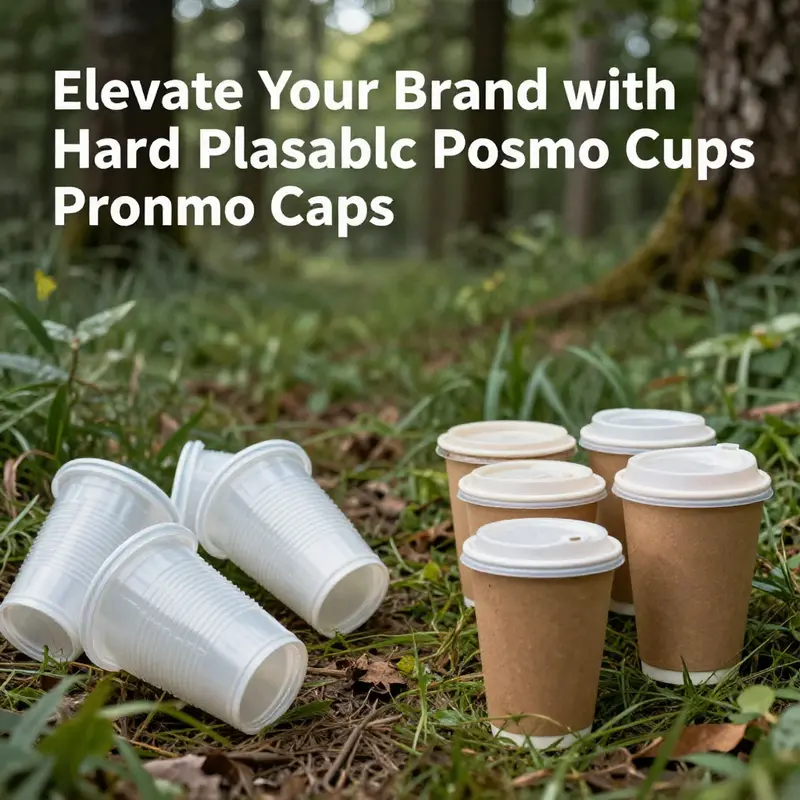
Promotional cups made from hard plastics are designed to showcase a logo while delivering a reliable hold and clear beverage visibility. The typical materials are PETE and high-impact polystyrene (HIPS), each with distinct advantages in clarity, rigidity, and cost. PETE offers crystal transparency and recyclability in many programs, but actual recycling rates depend on local infrastructure and contamination. HIPS provides durability and printability at a lower per-unit cost, yet is usually not microwave or dishwasher safe and remains a single-use option. Sustainability cannot be reduced to a single metric; it requires considering origin, energy to produce, end-of-life options, and the system around disposal. Recycling streams can fail when cups are contaminated, and even when recycling is technically possible, the effectiveness is variable. Alternatives like paper-based cups with PLA linings can reduce fossil fuel use but introduce concerns about industrial composting infrastructure and life cycle trade-offs. Edible wafer cups and other innovative approaches offer different end-of-life profiles but come with compatibility, flavor, and shelf-life considerations. A balanced strategy may combine the visual advantages of hard plastics for short, high-volume campaigns with a move toward recyclable or compostable alternatives for longer campaigns, all anchored by clear disposal messaging and supplier partnerships that support end-of-life recovery. The key takeaway is that sustainability arises from system-level choices rather than any single material, and brands should design cups as components of a circular economy rather than disposable artifacts.
Final thoughts
Choosing hard plastic disposable promo cups represents a smart investment for any beverage-oriented business. These cups not only elevate the customer experience but also provide businesses with numerous branding opportunities without compromising on performance. By understanding the materials and applications discussed, you can tailor your procurement strategy to maximize value while considering environmental impact. Your choice in using these versatile cups can significantly contribute to your market presence and customer satisfaction, setting the stage for successful branding and operational efficiency.