
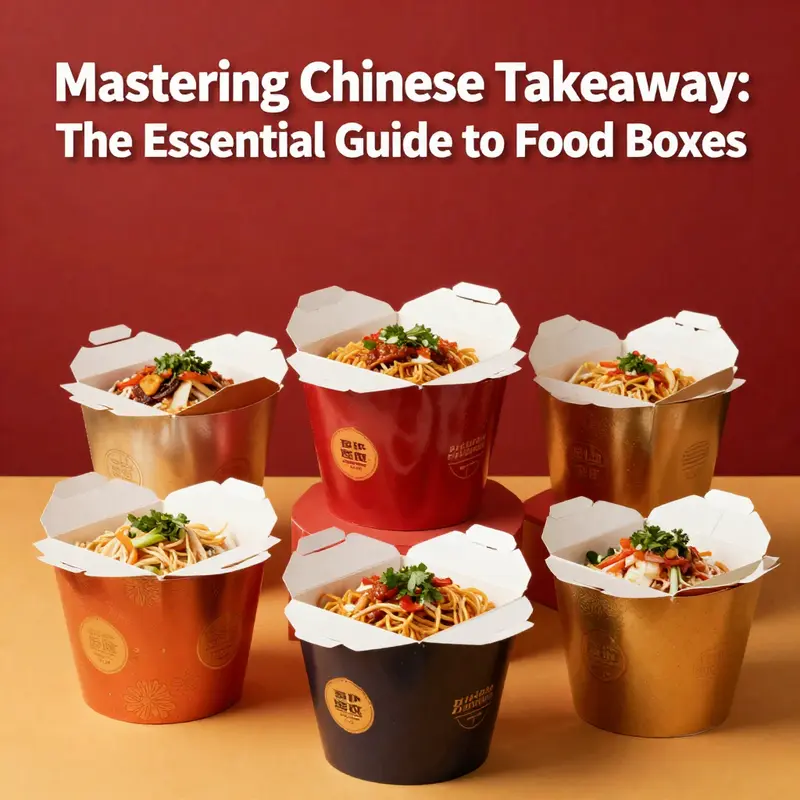
Chinese takeaway food boxes are an essential part of the global foodservice ecosystem, serving as the gateway for transporting delicious and diverse cuisines. As businesses—from bubble tea shops to catering services—step into a new era marked by sustainability and design innovation, understanding the types of food boxes available is crucial. In this guide, we’ll delve into the eco-friendly traits of paper boxes, the robustness of plastic designs, and the specialized options tailored for various dishes. Moreover, we’ll evaluate the competitive landscape of global manufacturing and consumer preferences essential for boosting customer satisfaction. Join us as we unravel the intricate world of Chinese takeaway food boxes.
Kraft, Handles, and a Greener Plate: The Eco-Driven Evolution of Paper Chinese Takeaway Boxes
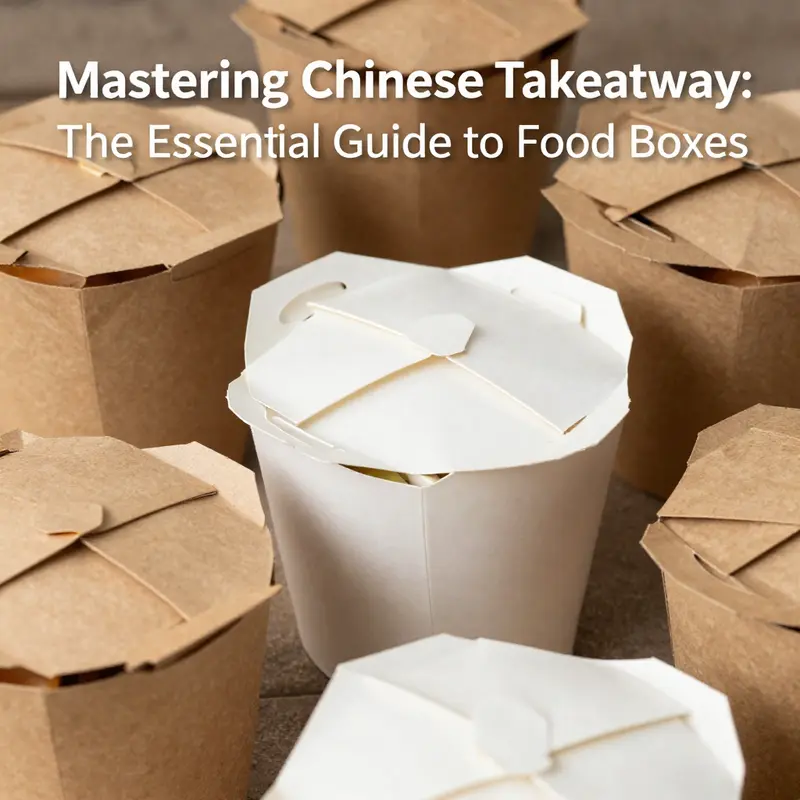
The packaging that carries Chinese takeaway is more than a vessel; it is a statement about responsibility, performance, and the promise of a cleaner future for a world in which meals travel from kitchen to curb with minimal ecological cost. As the global demand for sustainable food packaging rises, paper Chinese takeaway boxes are undergoing a quiet revolution. They are evolving from simple wrappers into sophisticated carriers that balance heat, moisture, and flavor with growing expectations for recyclability, safety, and brand storytelling. The result is a packaging ecosystem where the material and the design work in concert to protect food integrity while signaling a commitment to responsible production and end-of-life stewardship.
A central shift centers on material choices. At the heart of most eco-minded box designs is FSC-certified kraft paper. This certification signals that the sourcing of the raw material comes from responsibly managed forests and that the chain of custody can be traced from forest to finished box. Kraft paper offers a natural strength-to-weight ratio that makes it a practical substrate for hot meals, oils, and sauces without the brittleness or perceived heaviness of some older alternatives. Biodegradability is not merely a feature; it is a core expectation for many diners who want to see waste reduced without sacrificing reliability during transit. As regulations tighten and consumer awareness grows, brands increasingly align with standards that demonstrate legitimate forest stewardship and responsible manufacturing practices. The market is moving toward a narrative that merges performance with a public-facing environmental commitment, and kraft-based boxes are a visible emblem of that shift.
Design innovations reinforce this shift by addressing real-world use cases. Ergonomic, handle-equipped designs have moved from convenience to necessity for hot or heavy orders. A well-crafted handle reduces the strain on hands and minimizes the risk of spills when a customer carries a steaming box from the counter to the street. Side handles and foldable flaps improve grip, distribute weight more evenly, and reinforce the structural integrity of the box, which matters for meals that include liquids or sauces. These features are not cosmetic add-ons; they are practical responses to the realities of takeout logistics. For meals that include multiple components, design innovations extend to compartmentalization. The 3-compartment format, once a niche option, has become increasingly common because it helps keep rice from steaming the vegetables, prevents flavors from cross-contaminating, and supports portion control. In a world where customers increasingly expect restaurant-grade presentation even at home, the box itself becomes part of the dining experience rather than just a vessel for food.
Material technology further deepens the capabilities of paper boxes. PFAS-free coatings have gained prominence for their balance of grease resistance and safety. These coatings offer sturdy protection against oil and moisture without introducing controversial chemicals into the packaging cycle. In tandem, manufacturers are embracing thicker paperboard, with boxes reaching thickness levels around 2 millimeters in demanding applications. The thicker board resists deformation under heat and pressure, helping to maintain a crisp, tidy appearance even when a box is stacked or squeezed during transit. The combination of a strong board and a clean coating also supports more aggressive branding and higher printing fidelity, enabling restaurants to communicate their identity while meeting hygienic standards. All these material choices are aimed at delivering a package that holds up under practical conditions yet remains compatible with recycling or composting streams where available.
Branding and customization play increasingly central roles in the value proposition of paper takeaway boxes. Packaging is no longer a passive backdrop for food; it is a mobile advertisement and a trust signal. Suppliers offer customization options that range from logo printing and color coordination to modular configurations designed for specific meal concepts. A visually cohesive package reinforces a restaurant’s identity from pickup to plate, while modular designs support portion control and multi-course presentations. The ability to print consistent colors, reproduce logos clearly, and align lid designs with the overall brand message turns these boxes into brand ambassadors that customers encounter repeatedly. In this sense, the packaging helps to build familiarity, enhance perceived value, and create a more cohesive customer journey, even before the first bite.
Compliance and certification underpin the credibility of these eco-minded packaging solutions. In markets with stringent environmental regulations, Extended Producer Responsibility schemes and FSC certification are not optional; they are expectations that shape supplier choices and product lifecycles. EPR regulations push manufacturers to reveal and manage the end-of-life pathway for their boxes, encouraging reuse or responsible disposal. FSC certification, meanwhile, reassures buyers about the legitimacy of the forest-based supply chain, reinforcing the claim that the packaging aligns with broader environmental and social goals. For foodservice operators, such certifications translate into risk management, traceability, and the assurance that the packaging will perform as promised throughout its life cycle. As the supply chain becomes more transparent, these certifications help differentiate products in a crowded market and support responsible procurement decisions.
If the narrative remains anchored in responsibility, the future clearly leans toward how these boxes integrate into broader sustainability models. Closed-loop approaches, compostable paperboard innovations, and fully recyclable packaging systems are not theoretical ambitions but current developments being tested and scaled in response to market demand. The most successful solutions are those that fit neatly into existing waste management infrastructures, reducing the burden on municipal systems while delivering the expected performance. For lighter dry items, the market may favor flat, minimalist paper bags that streamline handling and transport, whereas for hot, wet, or complex meals, robust square-bottom or handle-equipped boxes may dominate because of their superior leakage control and heat retention. This diversification is a sign of a maturing market that recognizes the food-service ecosystem’s complexity and seeks packaging that can travel the full journey from kitchen to consumer with minimal environmental impact.
Within this evolving ecosystem, the supplier landscape has become more dynamic. Chinese manufacturers continue to play a pivotal role in global packaging, supported by advanced extrusion and forming capabilities and a well-developed export infrastructure. Yet buyers increasingly demand more than cost and capacity; they require material authenticity, verifiable certifications, and the ability to deliver packaging that meets evolving sustainability expectations at scale. In practice, this translates into supplier evaluations that weigh not just unit price but the integrity of the supply chain, the clarity of end-of-life pathways, and the ability to customize packaging to reinforce brand values. To illustrate the practicality of these trends, many operators seek out specialized boxes that are tailored to specific culinary formats while preserving a universal standard of quality. The result is a packaging lineup that can handle the most saucy noodles, the most delicate spring rolls, and the most substantial portions without compromising form or function.
In addition to the design and material advances, the market landscape is increasingly accessible to operators through digital marketplaces that connect buyers with compliant suppliers. Platforms that curate FSC- and EPR-certified options help buyers short-list choices that meet environmental commitments while providing dependable performance. These channels also expand capacity for customization, enabling restaurants to secure a distinct look without sacrificing the practical benefits of a well-engineered box. For many buyers, this is where sustainability meets scalability, and it is where a simple box becomes a strategic asset in a restaurant’s environmental and branding agenda. The interplay of design, material science, and certification demonstrates that modern paper takeaway boxes can deliver on both environmental promises and operational realities.
For readers seeking a concrete example of the evolving design vocabulary, consider the growing availability of specialized packaging forms adapted from broader foodservice trends. A notable feature is the ongoing refinement of windowed boxes that allow customers to glimpse their meals without opening the lid, a subtle but meaningful enhancement for consumer confidence and perceived freshness. The same family of products often includes reinforced side handles and secure lids designed to prevent movement during transport, addressing a recurrent concern for heavy or liquid-rich orders. The market’s willingness to adopt these features speaks to a broader consumer expectation: packaging should be invisible in terms of hassle while being unmistakably reliable in terms of performance. Such expectations push manufacturers to pursue innovations that merge form with function, aesthetics with practicality, and sustainability with affordability.
Within this convergence of design, material science, and policy, the takeaway is clear. Paper Chinese takeaway boxes are transitioning from commoditized containers into intelligent packaging that supports better food experiences while reducing environmental impact. The most successful boxes will be those that can demonstrate a credible story of responsible sourcing, durable performance, and end-of-life clarity, all while offering the flexibility to meet diverse cuisine formats and brand identities. The packaging becomes not merely a means of carrying food but a testament to how the industry is rethinking waste, resource use, and consumer trust in a complex, interconnected marketplace. For operators and suppliers alike, this is a moment to align product development with the dual goals of excellence in service and stewardship of the planet. As the market continues to evolve, the strength of paper takeaway boxes will lie in their capacity to deliver on both counts—hot meals that carry with them a promise of environmental responsibility and a user experience that feels seamless, safe, and satisfying even after the last bite.
External reference: https://www.alibaba.com/product-detail/Custom-color-kraft-paper-handle-equipped_1600537982422.html
Transit-Ready Plastic: How Chinese Takeaway Boxes Are Built for Durability and Global Delivery
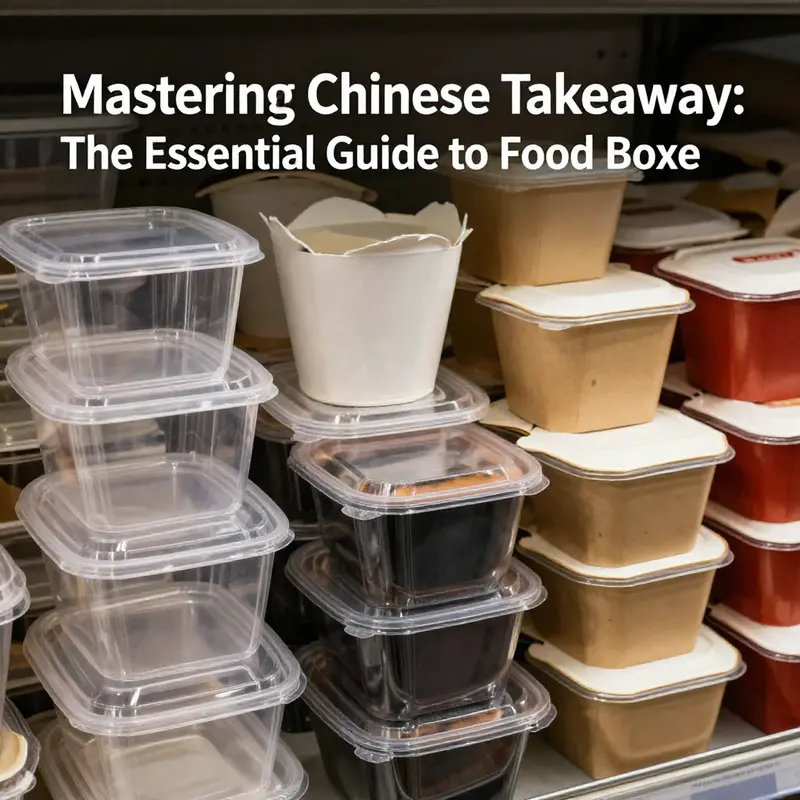
Plastic Chinese takeaway boxes are engineered for more than just holding food. They are the quiet workhorses of a global delivery system, where every leak, every dent, and every moment of heat transfer matters. The design teams behind these containers optimize material choice, wall thickness, lid geometry, and venting so a single box can carry a steaming noodle bowl, a saucy stir-fry, or a chilled assortment without compromising safety or taste. In this chapter we look at how high performance thermoplastics, notably PET and PS, are selected for these tasks and how the molding floor translates that selection into scalable, reliable packaging. We also trace the shift toward safer, more sustainable plastics such as food grade PP, and how this shift affects performance, recyclability, and compliance across markets. Finally, we consider the economics of mass production, how customization is balanced with speed, and what this means for restaurants and the supply chains that feed millions of takeout meals each day.
Materials selection sits at the heart of performance. PET and PS bring different strengths to the same task. PET contributes transparency options and robust moisture barriers, helping to keep sauces contained while allowing packaging teams to add window features that entice customers without compromising cleanliness. PS contributes rigidity and impact resistance, which helps boxes survive stacking in transit and the occasional rough handling at curbside. For containers designed to carry hot foods, the structural integrity matters even more; the risk of deformation or leaks rises with heat, so the wall geometry, lid fit, and sealing mechanism must hold up under pressure. In practical terms, this means a carefully engineered balance of wall thickness, ribbing, and fit tolerances that keep the lid secure while still enabling efficient manufacturing cycles.
The manufacturing process is where material science meets mass production. Injection molding is the backbone, delivering consistent wall thickness and sharp lid geometry at scale. The mold design must accommodate a fast cycle time without sacrificing dimensional stability. The result is a lightweight, cost-effective package that can be produced in large volumes to meet peak demand. Many boxes feature secure lids and sometimes integrated venting to manage steam and prevent soggy interiors. Venting is particularly important for items that release steam during transit; a controlled escape path preserves texture and prevents pressure buildup that could pop a lid or cause leaks. In essence, the molding line converts material choices into a repeatable product that can be relied upon across thousands of shipments.
Durability in this context means more than resistance to puncture. It includes the box’s ability to withstand temperature swings, moisture exposure, and the mechanical stresses of stacking and transportation. A notable capability in many modern designs is an extended temperature range. Typical configurations are engineered to perform from well below freezing to well above room temperature, with specific plastics rated for temperatures from roughly minus twenty degrees Celsius up to about one hundred twenty degrees Celsius. This broad range enables a single box to be used for hot meals, for cold or chilled ingredients, and even for short term freezing in some cases, depending on material type and lid design. The practical upshot is flexibility for operators who run diverse menus and rely on shared packaging across a delivery fleet.
As the industry evolves, so too does the emphasis on sustainability. Traditional PS remains common because it is easy to process and cost-effective, but there is a growing push toward BPA-free, food-grade PP for long term performance and environmental considerations. PP offers enhanced heat resistance and strength, which supports reliable lids and sealed interiors even during longer delivery windows. It also aligns with broader goals of recyclability and safer material profiles in food packaging. The move toward PP is not without its tradeoffs, however. Processing characteristics and cost profiles vary, and manufacturers must weigh heat resistance, seal quality, and end-of-life options when steering toward a different polymer. Yet the trajectory is clear: a shift toward safer, more recyclable plastics that still meet the demanding standards of hot and saucy dishes, while expanding the options for compostable or recyclable end-of-life streams in regions with robust waste management infrastructure.
Another driver of change is compliance and customization. Suppliers today offer a spectrum of sizes, shapes, and lid configurations, all designed to meet international food safety regulations and regional standards. The ability to print branding, add windows that showcase the food, or design multi-compartment boxes that separate rice, protein, and vegetables can differentiate a takeout program. At the same time, the core concerns of leakage control, steam management, and heat retention continue to anchor the design. In practice, that means a box might integrate vented lids, secure locking mechanisms, or interior channels to channel sauces away from the lid. The alignment of these features with safety standards is critical for retailers who operate across borders or who switch suppliers while maintaining quality and consistency.
Cost is a practical lens through which many decisions are viewed. Chinese manufacturers continue to hold a dominant position in the disposable packaging market by delivering a balance of affordability, performance, and scalability. Factory wholesale prices for these types of boxes can be surprisingly low when ordered in large volumes, reflecting the efficiencies of high-volume extrusion and injection molding operations, extensive supply chains, and proximity to raw materials. For operators, the implication is straightforward: the choice of box affects the bottom line, not only in the per-unit cost but in the ability to reduce breakage, minimize returns, and streamline packing processes. The economics also interact with durability and design complexity. A simple, sturdy box with a reliable lid and few moving parts may deliver the best total cost of ownership for many operators, while more elaborate designs with compartments or windows may justify a higher unit price when the perceived value and extended shelf life translate into higher order values or better customer satisfaction.
In this landscape, the decision to explore alternatives to plastic packaging also mirrors broader considerations about sustainability, corporate responsibility, and brand narrative. While this chapter centers on plastic takeout boxes, it is useful to acknowledge that the market often evaluates packaging types side by side. A quick comparison with paper-based options can reveal how design choices influence not just cost but the customer experience. For instance, a paper-based box line may emphasize compostability, natural aesthetics, and a different moisture management profile. Those attributes can shape consumer perception and restaurant branding, even when the practical needs for heat resistance and leak prevention favor plastic in many use cases. A quick illustration can be found in the broader packaging landscape as designers explore formats like octagonal paper boxes that balance visual appeal with transport performance; such options underscore how packaging decisions are a dialogue among cost, sustainability, and functional requirements. If you want a concrete look at a packaging format outside plastic, consider the concept of octagonal kraft paper packaging, which can be explored through an internal reference here.
Internal reference: octagonal kraft paper packaging. This link offers a sense of how designers tailor container geometry and materials to different food types, even as plastic remains the dominant workhorse for many delivery workflows.
The sourcing picture also matters. Given the scale and global reach of takeout business, buyers often evaluate suppliers on more than price. They seek consistent quality across batches, clear documentation for food safety compliance, predictable lead times, and the ability to customize features without triggering supply chain disruptions. This is where secure payment options and supplier verification play a role in fostering confidence, alongside transparent conversations about material safety, recycling streams, and end-of-life options. In practice, these conversations help ensure that the chosen packaging supports both operational needs and regulatory expectations, from food contact approvals to labeling and allergen disclosure.
As the industry continues to balance performance with sustainability, the plastic takeout box remains a central tool for chefs and deliverers alike. It is a product of multipart optimization: material science that yields resilience, manufacturing processes that produce scale, and design thinking that aligns with customer expectations and regulatory realities. The dialogue among these elements shapes not only how a box performs in transit but how a brand is perceived when a customer opens the package and experiences the first impression of a meal. In that sense, the box is more than a container; it is a link in a network of choices that spans farming the raw materials, shaping the product, and guiding a consumer toward a satisfying, consistent takeaway experience.
External resource: https://www.alibaba.com/product-detail/Overview-of-Chinese-Food-Plastic-Containers_1600584739788.html
Shape, Seal, and Society: Design Innovations in Specialized Chinese Takeaway Boxes for Diverse Dishes
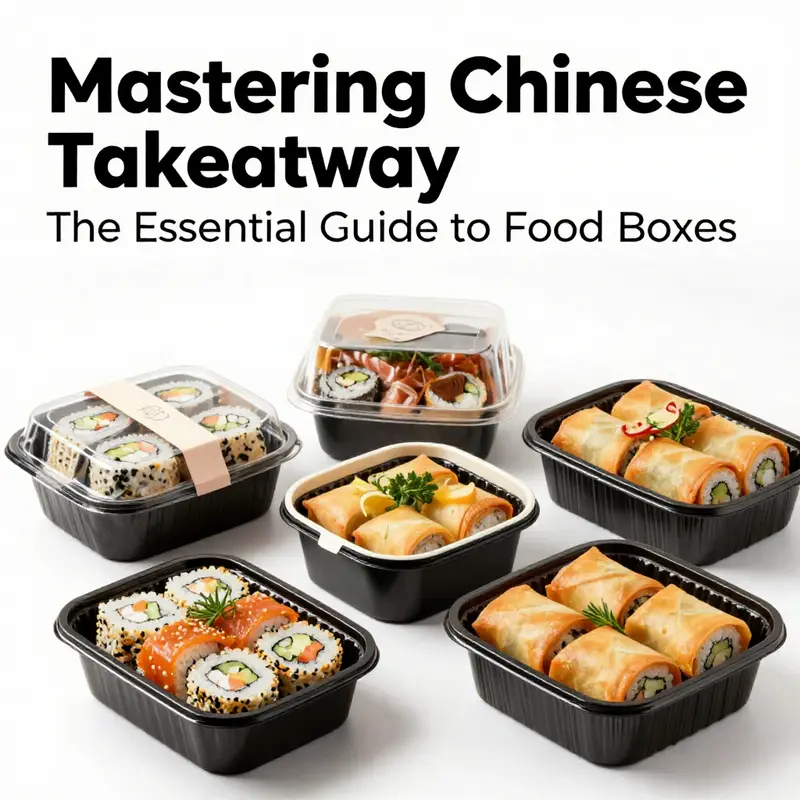
Specialized Chinese takeaway boxes are more than containers; they are designed systems that bridge kitchen craft and the consumer experience. They must preserve texture, manage moisture, and present the dish with care as it travels from restaurant to doorstep. Across noodles, dumplings, and multi-component plates, the packaging supports hot or warm items while keeping sauces contained and vegetables crisp. This balance of protection and presentation is the core of modern takeout packaging design.
A notable development is the square-bottom disposable paper lunch box. The geometry provides a flat, stable footing that reduces tipping and leakage during acceleration, deceleration, or pothole-ridden streets. A 1 mm-thick paperboard provides durability without excessive bulk, while relying on PFAS-free cardboard and responsibly sourced coatings to address safety and environmental concerns. The design also accommodates a range of temperatures and densities, helping noodles stay steaming and side dishes stay separate from saucier components.
Another thread is adapting sushi-style containment logic to Chinese meals. Secure lids, internal separators, and tight seals prevent mingling of textures and flavors while enabling multi-component plates to travel intact. Internal dividers and multi-compartment layouts support variety—crisp components can stay separate from sauces, and delicate appetizers can arrive with their integrity intact. A restrained aesthetic, with subtle branding on lids and panels, reinforces perceived quality without compromising food safety or recyclability.
Customization and sustainability have become central to packaging strategies. Operators can choose materials, thickness, and partition schemes that fit their menu while aligning with eco-conscious goals. Brands extend identity through color, texture, and printed cues, but always with an eye toward recyclability or compostability and minimizing chemical migration. The result is a family of packaging options that scales from a single pilot to national rollouts, enabling menus to evolve without sacrificing performance.
Supply chain realities anchor these innovations. Chinese manufacturers, particularly in regions like Guangdong, bring high-volume production, rigorous quality control, and rapid customization to market. Windowed designs, easy-to-seal closures, and multi-compartment inserts are not only appealing features but strategic assets that can reduce spoilage and improve the handoff to drivers and customers. The industry increasingly favors packaging that survives heat and moisture, resists leakage, and travels through crowded logistics with confidence.
In practice, the goal is a packaging ecosystem where a single box type can accommodate a spectrum of dishes, while a thoughtful compartment or insert can elevate any menu concept. The best designs do more than contain food—they curate the consumer experience, reinforce brand promises, and support sustainable practices from kitchen to curb.
From Factory Floors to Global Palates: The Strategic Craft Behind Chinese Takeaway Box Manufacturing
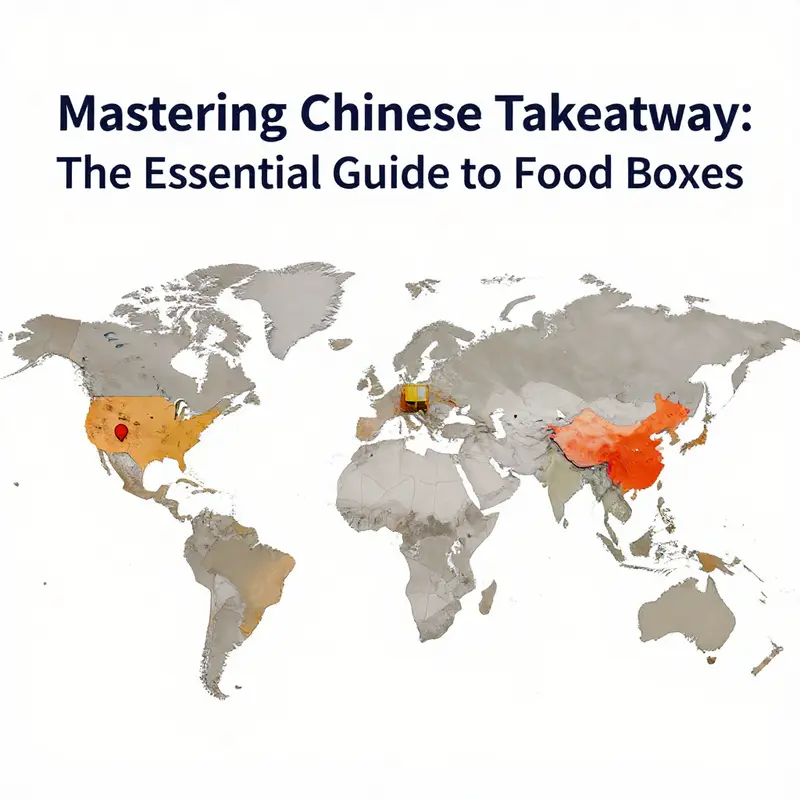
The global story of takeaway boxes begins on factory floors that hum with automation, and it ends in the hands of diners who may never notice the mechanical precision that keeps their meals intact from kitchen to doorstep. This chapter traces how Chinese takeaway box manufacturing has evolved from a traditional, price-driven supply chain into a sophisticated ecosystem defined by environmental policy, shifting consumer expectations, and rapid technological innovation. It is a story not of a single nation’s dominance, but of a living, competitive system where three broad kinds of players interact, each pursuing different levers of value. At the core lies a simple premise: containers must protect, present, and preserve food while minimizing waste and cost — a tall order that becomes more complex as global standards tighten and the menu of packaging materials expands.
The first leg of the landscape is the largest and most visible: the big, integrated packaging companies. In this segment, scale and process control matter most. These players maintain automated production lines that can churn out millions of units with consistent quality, enabling predictable procurement for large e-commerce platforms and multinational restaurant networks. Their appeal rests on reliability, supply chain visibility, and the ability to bundle packaging with related services such as design support, quality certifications, and logistics planning. When a restaurant chain or platform issues a rolling forecast, these firms translate it into a manufacturing schedule that minimizes stockouts and reduces cost per unit through economies of scope. Yet even among the giants, differentiation matters. Flexible tooling, stronger seal integrity, and heat resistance become meaningful competitive advantages in a market where a consumer’s sensory experience begins with the packaging as much as with the food.
The second category comprises specialized eco-friendly manufacturers. This group has chosen a strategic path that aligns with a broader market shift toward sustainability. They emphasize materials that are compostable or recyclable, such as plant-based polymers, molded pulp derived from agricultural residues, and other bio-based options. While their output volumes may be smaller than those of the integrated players, their value lies in the ability to tailor packaging to premium segments and to meet stringent environmental certifications. They are often more agile in product development, willing to experiment with novel forms, textures, and internal configurations that can elevate the perceived value of a meal. For customers who want to communicate a brand’s environmental commitments through packaging, these manufacturers provide a crucial bridge between sustainability goals and practical execution. The challenge for this group is scale: to remain economically viable as regulations tighten and consumer expectations rise, they must invest in materials science, certification processes, and scalable manufacturing technologies that can keep pace with the big players.
The third pillar consists of ODM and OEM suppliers who operate as contract manufacturers serving a wide range of brands and platforms. Their core discipline is speed and cost efficiency. They win on rapid turnarounds, flexible production capabilities, and the ability to deliver high volumes with tight price discipline. This segment is the bridge between raw material choices and end-market access. For many operators in the takeaway ecosystem, ODM/OEM suppliers are the first call when a new packaging concept needs a quick scale-up. But margins in this segment are thinner, and success hinges on reliability, repeatable performance, and the capacity to synchronize with growing digital ordering ecosystems. The result is a market that looks less like a rigid hierarchy and more like a dynamic lattice, where each player type complements the others and drives the entire value chain forward.
Against this structural backdrop, environmental policy acts as both compass and constraint. The tightening of plastic-use regulations, often framed in terms of plastic bans and carbon neutrality targets, creates a powerful tailwind for the shift toward sustainable materials. In this context, traditional plastic (PP) boxes face a long, uncertain horizon of demand. Companies that rely heavily on conventional plastics must either innovate away from their core products or risk obsolescence as policy environments tighten and consumer sensitivities rise. The shift is not simply about swapping one material for another; it entails re-engineering the entire packaging system. For example, designs must now balance barrier properties with compostability, all while supporting efficient manufacturing lines and minimizing contamination during the composting or recycling process. This is where the advantage of large, integrated players can be tempered by the advantages of sustainability-focused niche players: the former deliver scale, the latter deliver alignment with regulatory and reputational demands that increasingly shape procurement decisions.
Premiumization and differentiation have taken root alongside regulation. The marketplace is bifurcating into a high-end tier where design, performance, and certification drive price, and a low-cost tier where price remains the primary determinant. In the premium space, a box is more than a container; it is a product experience. Multi-compartment configurations, secure and spill-resistant lids, heat management, and tamper-evident features are not afterthoughts but baseline expectations for many buyers who aim to minimize flavor transfer between components and preserve texture. Food safety certifications, from recognized bodies, have become a meaningful criterion in supplier selection. For operators who want to reinforce a premium brand narrative in a competitive dining-out and takeout environment, the packaging becomes part of an integrated storytelling strategy.
Digital transformation is accelerating the pace of change in packaging procurement. The new generation of packaging providers is not content with simply delivering boxes. They offer online ordering, real-time inventory visibility, and on-demand production capabilities that align with the needs of fast-moving, data-driven food businesses. The ability to adjust orders in response to demand spikes, seasonal menus, or regional promotions translates into tangible reductions in waste and improved service levels. In practice, this means a packaging partner can act as a logistics collaborator, helping to optimize not just the container but the whole flow from kitchen to consumer. When a business runs on a platform that can forecast demand and automate replenishment, the benefits extend beyond cost savings to include more reliable menu performance and a stronger ability to maintain quality across multiple locations.
On the global stage, China remains the linchpin of takeaway box production, imprinting its methods on the broader market. Yet leadership is nuanced. While China dominates traditional plastic segment production and overall output, the eco-friendly segment of global packaging is increasingly led by international brands that have built strong reputations around sustainability targets and brand credibility. These international leaders often focus on end-to-end solutions for multinational corporations seeking to align packaging strategies with strict environmental targets. The implication for buyers is clear: choosing a supplier now means evaluating a broader set of capabilities than price and lead time alone. It requires assessing sustainability journeys, supply-chain transparency, and the ability to deliver not only a box but a package solution that supports branding, compliance, and distribution across borders.
For practitioners and decision-makers, the practical takeaway is that value in this market comes from a combination of operational prowess, environmental accountability, and service depth. A supplier’s capacity to design for functionality, certify for safety, and deliver at scale while respecting environmental constraints is increasingly essential. Moreover, the most successful players are those who can translate raw materials choices into tangible brand signals. The ability to showcase a box that communicates sustainability, safety, and reliability while meeting the practical demands of hot and cold foods becomes a differentiator in a crowded market. In this sense, the packaging decision is not merely about containment; it is about aligning packaging strategy with broader business goals, from cost control and supply continuity to brand positioning and customer experience.
As the landscape continues to evolve, buyers should look for suppliers who can offer more than a product line. The best partners anticipate regulatory changes, adapt to new materials, and provide intelligent options for customization and design. They also understand the logistics implications of global distribution, including how packaging affects temperature retention during transit, moisture management, and stackability in storage. The convergence of materials science, design thinking, and digital tooling is redefining what a box can do. Rather than being a passive vessel, packaging becomes an extension of product quality and corporate responsibility. This shift has practical consequences for both sides of the market: it elevates the value of well-engineered packaging and rewards those who invest in the ecosystems that make packaging choices a coherent part of a restaurant’s or platform’s operating model.
In closing, the competitive landscape of Chinese takeaway box manufacturing has matured beyond a simple matter of who can produce the most units at the lowest price. It has become a strategic contest over how well a container can support food safety, preserve quality, and reinforce brand narratives in a world of rapid digital ordering and heightened sustainability expectations. The strongest players will be the ones who blend scale with precision, sustainability with innovation, and delivery excellence with strategic insight. They will also be those who recognize that packaging choices are not isolated decisions but critical components of a holistic approach to food service in the twenty-first century. A practical demonstration of this principle can be seen in how certain packaging options are chosen to balance functional requirements with cost and environmental impact. For a concrete example of how a modern, paper-based packaging option can combine practicality with responsible design, you can explore this example: disposable octagonal box for restaurant food packaging.
External resource: For a broader market view and updated data, see the 2026 Global and Chinese Takeaway Food Box Market Research Report: https://www.reportlinker.com/p08975476/Global-and-Chinese-Takeaway-Food-Box-Market-Research-Report-2026.html
Form, Function, and Flavor: How Aesthetics and Sustainability Shape Chinese Takeaway Boxes
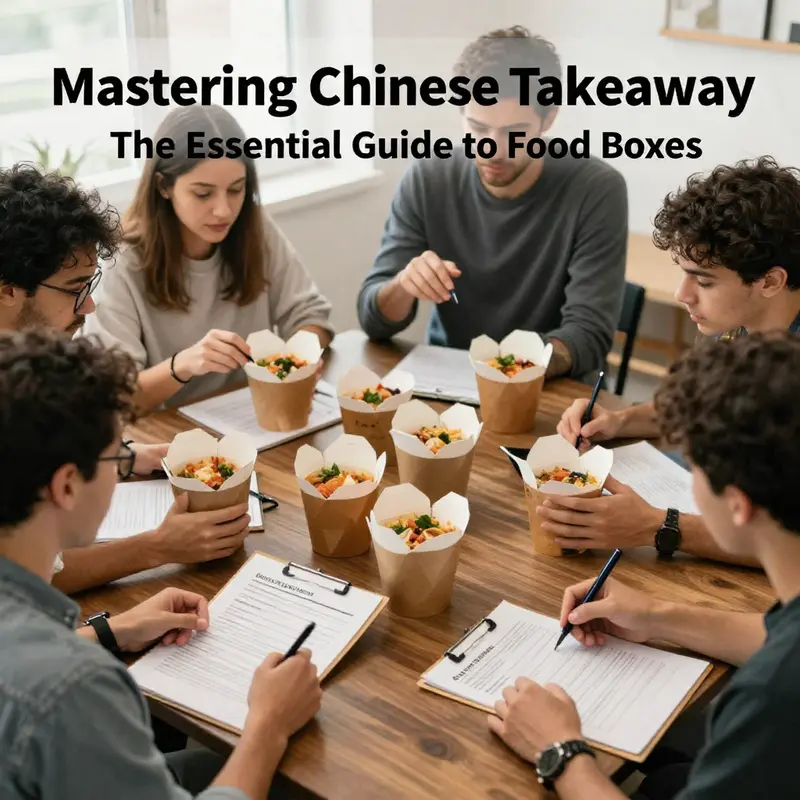
Packaging in the Chinese takeaway sector has long stood as more than a simple vessel; it is a short, portable extension of the dining experience itself. In cities worldwide, the box that carries the dish can set expectations just as surely as the menu description does. Consumers are increasingly judging a meal not only by its warmth and taste but by how its container preserves those qualities, signals care for the environment, and communicates a brand story in a single glance. This fusion of aesthetics and practicality has become a defining axis for the contemporary takeaway boom, where scarcity of time collides with the abundance of choice. The result is packaging that functions as both a stage set and a shield for flavor, from the moment the order leaves the kitchen to the moment it lands on the customer’s doorstep.
Aesthetics, for many younger diners, is not a garnish but a core element of value. The modern consumer has learned to interpret packaging as a cue about quality, attention to detail, and even cultural identity. On platforms that curate visual culture, the so called Chinese takeout box aesthetic has evolved far beyond the classic red-and-gold motif. Clean lines, minimalist typography, and patterns inspired by traditional motifs have become widely favored, with visuals that look equally at home on a phone screen as they do on a restaurant counter. The design language matters because it shapes perceived freshness, care, and modernity. In this context, the packaging becomes a portable advertisement—an ambassador for the dish inside. The trend is not merely about looking good; it is about aligning the container with the lifestyle values of a target audience that values sustainability, convenience, and social media shareability. When a consumer snaps a photo of a neatly arranged box with a clearly legible logo and tasteful graphics, that moment of social proof can translate into repeat orders and organic word of mouth. The aesthetic conversation is not superficial; it is a signal of brand discipline and culinary confidence.
Yet beauty alone does not win consumer loyalty. Functionality is the other half of the equation, and it has its own demanding criteria. The box must protect the meal during transport, resist leakage, and allow for a satisfying dining or reheating experience. Structural integrity during transit is crucial, because a saucy dish or a delicate arrangement risks being spoiled by poor containment. The lid must seal securely without fuss, enabling easy opening and reclosure for customers who want to portion meals across multiple sittings. Reheating compatibility has become especially important in busy urban life, where consumers increasingly expect leftovers to be rescued from the fridge and brought back to life in the oven or microwave. In some markets, aluminum containers have been embraced for their superior thermal conductivity and durability, making them a natural fit for oven-ready and reheated meals. This practicality resonates with urban dwellers who juggle work, family, and social commitments and rely on hot, freshly made meals with minimal effort. But as consumers become more aware of environmental impact, the sustainability of these materials can’t be ignored. The tension between durability and ecological responsibility is real. Plastic, with its flexibility and low cost, remains common for many traditional designs, especially where moisture resistance is a primary concern. However, a growing segment of buyers favors bamboo, wood, and recyclable plastics as eco-friendly alternatives. They seek packaging that reduces waste, is compostable or easily recyclable, and that aligns with broader values about responsible consumption. This shift does not imply a sacrifice in performance; rather, it invites designers to reimagine the containers so that they maintain heat and moisture control while also limiting environmental impact. A 2026 snapshot shows that consumers increasingly prefer systems that support recycling over any fiscal disincentives, signaling a demand for packaging policies that enable circularity without placing undue burden on households. That preference places pressure on suppliers and brands to offer packaging that is both visually appealing and environmentally responsible.
A deeper layer of functionality emerges when we consider specialized box designs that improve the eating and sharing experience. For instance, three-compartment or multi-compartment configurations are popular because they minimize flavor mixing and preserve the integrity of different components, such as rice, protein, and vegetables. This design sophistication supports a broader range of dishes, including those that feature delicate sauces or contrasting textures, and it translates into better consumer satisfaction and perceived value. While these designs may seem incremental, they are highly functional in terms of portion control, stacking efficiency, and transport stability. The packaging must be strong enough to handle a busy kitchen-to-door delivery workflow, yet nimble enough to be opened by a consumer without frustration. In addition, specialized designs for particular dishes—such as boxes in which a lid secures with a precise fit to prevent movement—develop a sense of culinary care that can elevate the customer experience. This is not merely about containment; it is about orchestrating an experience that feels thoughtful, as if the container itself is part of the meal concept.
The ongoing conversation about sustainability also shapes how packaging is developed and marketed. A growing emphasis on eco-friendly materials means brands are more likely to implement kraft or white paper boxes that can be biodegradable or compostable, and to experiment with plant-based materials that still meet the demands of heat resistance and moisture control. The shift away from single-use plastic is supported by consumer attitudes that favor recycling and responsible disposal over punitive taxation. Consumers increasingly want packaging that fits into their own recycling systems without adding complexity to their routines. This is where material science and design intersect. The choice of materials influences not only the environmental footprint but also the sensory experience—how the box feels, how it insulates, and how easily it can be recycled after use. The visual identity of the packaging, with its eco-conscious typography and patterns, communicates a brand’s commitment to sustainability, which in turn reinforces trust and preference among environmentally aware buyers.
Innovation in packaging is not limited to materials alone. Smart packaging concepts—though still evolving—are beginning to inform consumer acceptance. Early research points to positive attitudes toward features that enhance freshness, traceability, and interaction with the consumer, even if broad adoption remains on the horizon. Such innovations could enable containers to indicate temperature changes or to guide heating times, bridging the gap between the delivery moment and the consumer’s kitchen. This potential adds another dimension to the aesthetics-functionality balance, turning packaging into a dynamic tool for communication and quality assurance rather than a passive vessel. For any brand seeking to differentiate in a crowded market, the opportunity lies in weaving these elements into a coherent narrative: a box that looks great, performs reliably, and mirrors the values of the customer.
In practice, manufacturers and brands must balance several competing pressures while preserving a coherent, attractive identity. A box must reflect the cuisine it carries, echoing cultural cues that reassure customers of authenticity while avoiding stereotypes. It should also align with logistics realities—how the box is formed, sealed, stacked, and transported at scale. The dominance of manufacturing capabilities in places known for high-volume touchpoints, including regions with advanced thermoforming lines and robust export infrastructure, underlines how closely packaging design is tied to supply chain realities. In the end, the most compelling Chinese takeaway boxes are those that harmonize the emotional appeal of a beautiful aesthetic with the practical needs of the dish, the consumer, and the planet. They do so by marrying form and function in a way that supports the brand story, preserves the integrity of the food, and respects the environment.
The consequences for practice are clear. Brands should consider packaging options that offer both striking visuals and durable performance. A well-chosen aesthetic can elevate perceived value and drive engagement, while robust, user-friendly functionality reduces waste and improves satisfaction with every order. The opportunity to align with sustainable materials and recyclable or compostable options is not simply a trend but a response to a broader shift in consumer expectations. A packaging strategy that integrates reusable or recyclable components, clear disposal guidance, and a design language that resonates with cultural context is likely to strengthen loyalty and encourage repeat purchases in a marketplace where first impressions are measured in seconds and the composition of a single box can influence a customer’s entire meal experience. For instance, the use of an octagonal kraft paper packaging option blends heritage cues with modern practicality, providing a tangible example of how a simple design choice can convey care for both the food and the environment. See an example of this approach here: octagonal kraft paper packaging box. As practitioners explore these routes, they will increasingly ask how packaging can become a storytelling medium, one that communicates quality, sustainability, and a respect for the customer’s time and appetite.
In sum, the evolving preferences of consumers toward Chinese takeaway boxes reflect a broader shift in how people experience food outside the home. Aesthetics matters because it signals value and identity; functionality matters because it protects, preserves, and simplifies the meal journey. Sustainability matters because it aligns with evolving norms and shared responsibilities. The most successful packaging strategies will weave these threads into a single, coherent narrative—one that makes the food feel special in the moment and responsible in the long run. As the industry continues to learn how to balance beauty, practicality, and duty to the environment, the packaging that accompanies Chinese cuisine will keep evolving, increasingly resembling a well-curated extension of the dining room rather than a disposable afterthought. The future belongs to boxes that invite a moment of appreciation, promise reliable performance, and demonstrate a thoughtful commitment to the planet, all while staying true to the cultural and culinary craft they carry forward. External resource: https://www.sciencedirect.com/science/article/pii/S187704282300012X
Final thoughts
The journey into the realm of Chinese takeaway food boxes reveals the intricate balance between functionality, design, and sustainability that caters to the evolving needs of consumers and businesses alike. From eco-friendly paper options to the durability of plastic designs, every choice plays a pivotal role in enhancing the food experience. Understanding the competitive landscape and consumer preferences further helps businesses sharpen their offerings, ensuring they remain at the forefront in today’s foodservice market. Embracing these elements not only elevates customer satisfaction but also fosters a more responsible dining culture.