
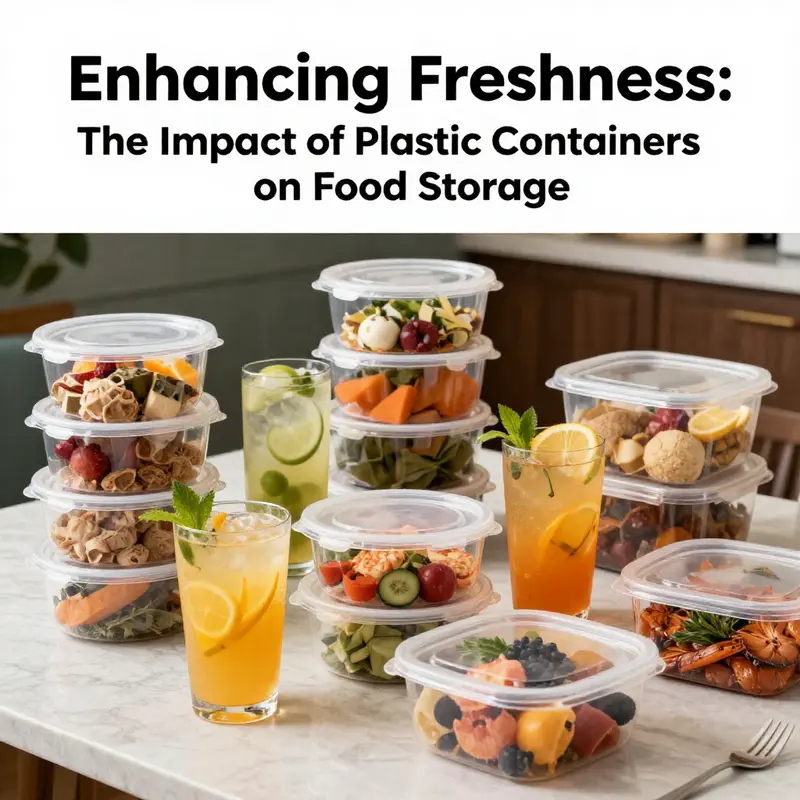
In the competitive culinary landscape, businesses from bubble tea shops to catering services understand the importance of keeping food and beverages fresh. One vital element in achieving this is the choice of storage containers. Properly selected plastic containers can significantly enhance food preservation, but it’s not just about any plastic; the type and quality matter. This article delves into the benefits of food-grade plastic containers, their role in food preservation, and how proper usage practices can maximize food safety and quality. We will explore the science behind food-grade materials, the mechanisms of sealing and moisture retention, and essential best practices for effective food storage.
Sealed for Freshness: How Food-Grade Plastics Guard Flavor, Texture, and Safety
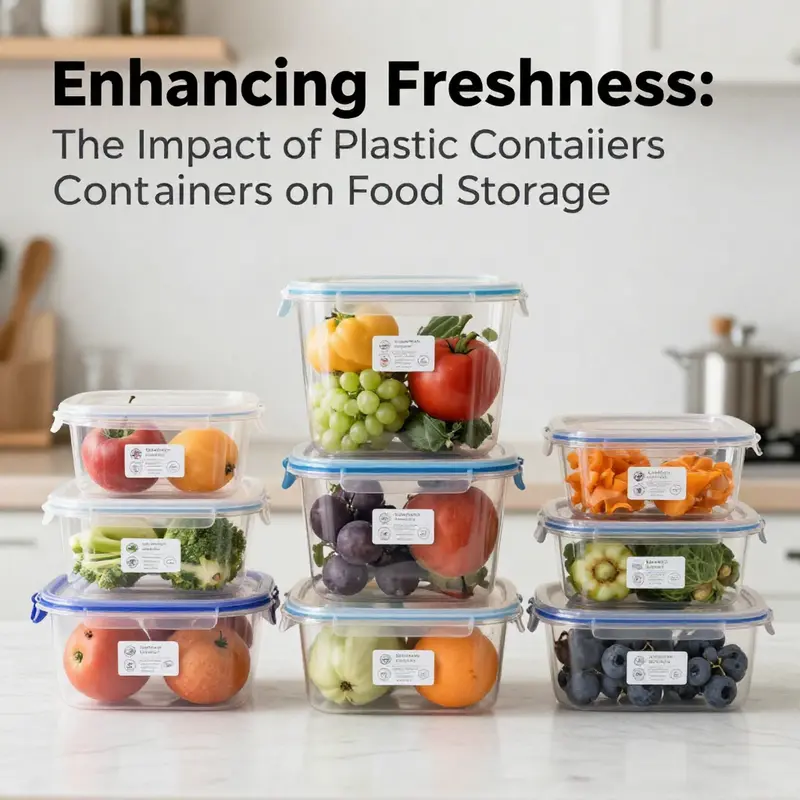
A simple question sits at the heart of every kitchen habit: do plastic containers keep food fresh? The short answer is yes, when the containers are made from the right materials and used with care. The longer answer unfolds as a careful balance of chemistry, design, and everyday practice. Food-grade plastics—most notably polypropylene (PP), along with other common food-safe options such as high-density polyethylene (HDPE) and certain forms of polyethylene terephthalate (PET)—offer a practical combination of lightness, durability, and barrier properties that can extend the freshness of leftovers, prepped ingredients, and grab-and-go meals. But those benefits aren’t universal. They depend on choosing the right plastic, using the right lids, and respecting the limits of what plastic can and cannot protect against. The chapter that follows is not a catalog of dos and don’ts; it is a narrative about how the physics of sealing, moisture, and air—paired with thoughtful use—shapes the everyday freshness of the foods we store.
To understand why these containers matter, it helps to imagine the kitchen as a system in which air, moisture, temperature, odors, and microbes are always in motion. When a high-quality food-grade container is closed tightly, it becomes a defined microenvironment. The lid, particularly one with a sealing ring or a robust locking mechanism, acts as a barrier. It slows the exchange of air with the outside world, reducing the rate at which moisture escapes and oxygen creeps in. Moisture retention is crucial. Foods stored without enough moisture in a sealed environment can dry out, losing that inviting texture. On the flip side, excess moisture can lead to sogginess or quicker spoilage if the lid traps liquid droplets that encourage microbial growth. The best containers strike a balance: they limit air flow enough to preserve moisture when the contents are meant to stay moist, and they allow the occasional air exchange when appropriate.
The chemistry inside the container is equally important. By limiting exposure to air, consumers slow the oxidative processes that cause fats to turn rancid and fruit surfaces to brown. Oxidation is a slow and invisible thief of flavor and aroma, particularly for fatty, oily, or vitamin-rich foods. A well-sealed PP container, when used properly, reduces the rate at which these reactions proceed. In practice, that means you notice a longer-lasting, closer-to-original taste and texture for many meals. But it is not magic; it is a barrier that buys time. The barrier exists at several levels: the plastic’s own permeability, the lid’s seal, and the overall system of temperature and moisture inside the storage space. Plastics do not block every molecule, and some volatile compounds can migrate, especially with heat. That reality is why high-quality containers emphasize both the material and the finish—smooth interiors, defect-free seals, and compatible lids that fit snugly without cracking.
Cross-contamination is another dimension of freshness that plastic containers can influence, sometimes for the better and sometimes for the worse. When food is stored in dedicated, airtight compartments, flavors, odors, and microbial hitchhikers are less likely to move from one item to another. The ability to store different foods separately is particularly valuable in mixed-prep households or meal-prep routines. A fishy aroma, for example, can easily migrate into a salad if both are stored in the same environment without proper separation. A well-sealed container helps prevent that phenomenon by maintaining discrete microenvironments. Yet the same seal that protects flavors can also trap moisture and encourage bacterial growth in certain contexts. This tension underscores a central theme: plastic is a tool, not a universal solution. Its effectiveness emerges when you select the right material and apply it with knowledge of the food’s properties and storage goals.
Temperature tolerance further defines what plastic can and cannot do for freshness. Food-grade PP containers typically withstand refrigeration, freezing, and moderate reheating. A common practical range is from about -20°C up to roughly 105–120°C, depending on the design and lid features. In everyday use, that means you can refrigerate leftovers, freeze portions for longer-term storage, and reheat meals in the same container in a microwave without first transferring to another vessel. This versatility is a major advantage of using proper plastic storage: fewer transfers, less dishwashing, and a smoother workflow toward timely consumption. However, the temperature caveats should not be ignored. Very hot foods dumped directly into plastic containers risk chemical leaching as the polymer relaxes and absorbs heat. The food’s own heat can accelerate any potential migration of additives or plasticizers, especially if the container is not explicitly labeled as heat-safe. The recommended practice is simple and wise: allow hot foods to cool to a safe temperature before sealing and refrigerating, and follow the manufacturer’s guidance on maximum reheating temperatures.
A practical music of properties underpins the narrative of freshness. The barrier properties of plastics are not equal to metal or glass. Plastics are generally more porous than glass and metal, meaning they are not absolute fortresses against gas exchange. Over time, especially with frequent use and exposure to heat, some plastics may degrade slightly and permit trace amounts of volatile compounds to migrate. This reality does not render plastic ineffective; it just means that plastic is often best suited for short- to medium-term storage, particularly in refrigerated conditions. For longer-term storage or for highly sensitive ingredients—such as oils with strong aromas, delicate herbs, or highly acidic sauces—many cooks turn to glass or stainless steel for their superior chemical inertness and barrier performance. The trade-off is clear: glass and metal can offer longer shelf life and fewer odor absorptions but require more care in handling and reheating, whereas plastic delivers convenience, lightness, and cost effectiveness with a mindful approach to usage.
At the same time, safety considerations enter the conversation with equal weight. Responsible use starts with choosing food-grade plastics that are labeled accordingly. Among the safest and most widely recommended options are BPA-free and phthalate-free plastics, designed to minimize chemical leaching even under less-than-ideal conditions. The quality of the seal matters, too. A lid that seals tightly is not merely a convenience; it is a core part of the container’s safety profile. A compromised seal can render the best material less effective by allowing air, moisture, and odors to circulate and by increasing the risk of contamination or flavor transfer. For households that prepare and store a variety of foods, investing in a few well-designed containers with robust lids is a practical safeguard against the quick degradation of flavors and textures.
Yet no material is perfect for every scenario. The initial research materials remind us of several important caveats. Not all plastics are equal, and not every plastic labeled as “plastic” is safe for food contact or reheating. Acidic ingredients, such as tomato-based sauces or citrus, can interact with certain plastics, potentially affecting flavor and safety over time. Oils and fatty foods can challenge some polymers by promoting breakdown of the plastic’s internal structure. Raw meat and fish stored in sealed plastic environments pose additional concerns because the barrier can also trap bacteria close to the surface. High-sugar foods, too, may interact with some plastics over time. And fresh produce sometimes benefits from airflow, as sealed environments can inadvertently speed spoilage for berries, leafy greens, and apples when stored exclusively in closed containers. These cautions are not reasons to abandon plastic storage but reminders to match the container to the food type and the intended storage duration.
The recommended approach, then, is a layered one. Choose food-grade plastics with clear, unambiguous labeling that include BPA-free and phthalate-free assurances. Inspect the seal and lid compatibility; a snug lid is a crucial ally in maintaining freshness. For short- to medium-term storage in the refrigerator, PP-based containers often do an excellent job of preserving moisture and blocking odors from migrating between meals. For freezer storage, verify that the container is designed for freezing and that the lid remains secure once filled with items that may expand or contract as they freeze. For reheating, prefer containers labeled microwave-safe within the manufacturer’s guidelines, and always allow hot foods to cool before sealing if the product label advises against direct exposure to heat. In short, plastic storage is a highly useful tool when chosen and used with intention.
A comprehensive approach to freshness also invites a reflective look at replacement cycles and long-term sustainability. While plastic offers convenience and economic value, it is not the only path to lasting freshness. For some applications, glass or stainless steel containers offer superior barrier properties and chemical inertness, especially when long-term storage or frequent reheating is part of the routine. Yet, plastics’ advantages—lightweight, impact resistance, affordability, and the ability to create airtight, leakproof designs—continue to make them a staple in many kitchens. The decision to store in plastic should be guided by the type of food, the expected storage duration, and the container’s design features. The practice becomes less about a universal rule and more about a thoughtful strategy: match the material to the meal, the temperature, and the timing of consumption.
To bring a practical thread into this broader narrative, consider a common household dish: leftovers from dinner, portioned into a few containers for the next day. A well-chosen PP container with a tight seal retains more moisture for a pasta night than a loosely capped vessel would. The aroma stays closer to the plate, and the texture remains more enjoyable. If you plan to freeze some portions for a future week, a container specifically specified for freezing can accommodate the expansion of foods as they chill, while a solid, compressible lid keeps the freezer burn at bay. If, instead, the plan is to prepare several meals in advance for a busy workweek, using containers that are both dishwasher and microwave safe can reduce the overall burden of cleaning and reheating while preserving the integrity of the meals you prepared. In each scenario, the value lies not merely in the container itself but in how well it aligns with the food’s nature and the user’s routine.
This alignment is where the internal link comes into play in this chapter’s broader tapestry. When readers explore storage options beyond traditional plastic containers, a related packaging option can offer a different balance of convenience and performance. For those curious about alternative storage formats that still support freshness, a linked resource such as the one described here can provide context and contrast. See the related packaging option: disposable-700ml-kraft-paper-bowl-take-out-octagonal-rectangle-paper-bowl for a sense of how other materials handle moisture, sealing, and airflow in on-the-go or meal-prep contexts. This reference is meant to illustrate the broader ecosystem of food storage solutions and highlight how material choices influence freshness differently depending on use case. The aim is not to dictate a singular solution, but to illuminate the trade-offs and help readers make informed decisions aligned with their cooking habits and safety concerns.
The chapter’s core message emerges from a synthesis of material science and kitchen practice: food-grade plastics can keep food fresh, often remarkably well, when the right plastic is chosen, when it is used correctly, and when sensitive foods are stored with an understanding of their unique needs. PP’s resilience, the barrier properties of high-quality containers, and careful temperature management all contribute to longer-lasting flavors and textures. But the same framework reveals why plastics are complemented by glass or metal in certain situations. The art of freshness is thus a duet between the container and the food, between design and behavior. A seal is not merely a feature; it is a promise that the environment inside the container remains controlled long enough for you to enjoy your meal as it was intended. A container is not a magic box; it is a calibrated tool that works best when you know its strengths and its limits.
As the research results suggest, the responsible takeaway is clear. Prioritize food-grade materials, especially PP, for everyday storage; verify sealing performance; avoid heating plastics unless the product is explicitly labeled as microwave-safe; and be mindful of the specific food’s properties. Acidic or oily items, raw meats, or produce that benefits from airflow all demand particular handling. If you are storing for longer horizons or dealing with particularly sensitive ingredients, consider glass or stainless steel to complement plastics. With these practices in place, plastic containers can indeed be allies in preserving freshness, flavor, and safety in the busy rhythms of modern cooking. And when in doubt, consult trusted guidelines and labeling, and lean on the science of barrier properties to guide choices in the pantry and the fridge.
For readers seeking a broader regulatory lens, official guidance can provide important assurances about safety standards and best practices. The U.S. FDA’s Center for Food Safety and Applied Nutrition offers detailed information on food-contact materials, safety testing, and regulatory expectations. Access to these resources can help consumers understand how plastic materials are evaluated for safety and how labeling communicates intended use. This external resource complements the experiential knowledge built in everyday kitchen use, offering a foundation for making informed, health-conscious storage decisions. As with all food preparation and storage practices, informed choices—grounded in material science and regulatory guidance—are the best way to preserve freshness without compromising safety. For a direct reference to official safety information, consult the FDA’s food safety materials: https://www.fda.gov/food
Locking in Freshness: The Subtle Science of Plastic Containers, Seals, and Moisture in Food Preservation
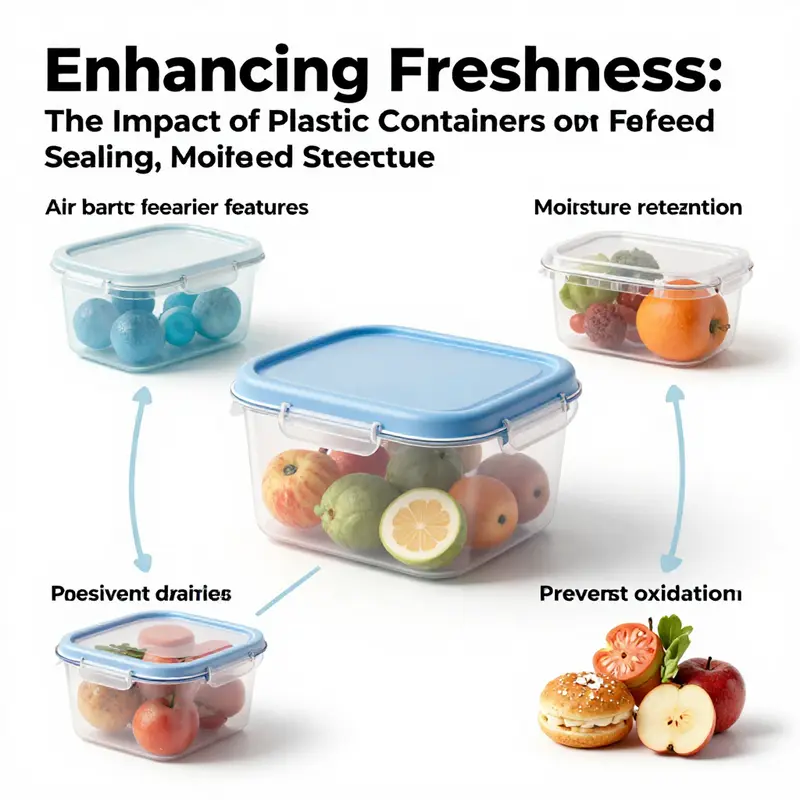
Plastic containers have become a quiet backbone of modern kitchens, offering a convenient way to divide, store, and reheat meals without repeatedly loading the dishwasher or unwinding a tangle of foil and cling film. Yet the question of whether plastic truly keeps food fresher hinges on more than a simple yes or no. It rests on a blend of material science, design, and careful daily use. When we peel back the surface, we discover that plastic’s value to freshness is not universal but conditional, tied to the right kind of plastic, the presence of a robust seal, and disciplined handling. In this light, plastic containers can be powerful allies for preserving texture, flavor, and safety—provided the context respects their strengths and their limits. The foundation of this dynamic lies in choosing the right material and using it with intent. Food-grade polypropylene, commonly abbreviated as PP, occupies a central place in this ecosystem. It is the plastic most often recommended for storage because it is designed to meet the demands of food contact, resisting deformation and maintaining clarity and stability under typical domestic temperatures. PP’s role is not merely to hold contents; it is to act as a barrier that slows the exchange of air and moisture, the twin drivers of spoilage in many foods. When these containers are well-made, the lid fits snugly, the seal is intact, and the container creates a near-airless environment that helps keep food moist where needed and protected from the vibrancy of the kitchen’s aromas and contaminants elsewhere. This reduction in air exchange slows both moisture loss and oxidation, the two processes that steadily erode freshness. In practical terms, a well-sealed PP container can help keep a crisp vegetable from wilting, a sauce from thick separation, and a cooked dish from drying out as it sits in the refrigerator. Yet the same container, if mishandled, can undermine freshness quickly, because the same barrier that protects also restricts the natural exchange of gases in certain situations. The balance is delicate, and the science behind it is surprisingly nuanced, especially when we compare plastics to alternatives like glass.
The first consideration is material choice. Food-grade PP is valued for its resilience in temperature, its safety profile, and its moldability into various shapes and lid mechanisms. In the kitchen, this translates into containers that can tolerate the chilly embrace of a fridge, the colder reach of a freezer, and the warmer warmth of a microwave when the product is specifically labeled as microwave-safe. The ability to go from freezer to microwave without transferring contents to another vessel is a valuable convenience, reducing the chance of contamination during transfer and limiting the number of surfaces that come into contact with food. However, this is not an invitation to heat all plastics or to treat them as a universal reheating vessel. The cautionary note remains essential: heating plastic can cause chemical leaching if the container is not designed for those temperatures, and even otherwise safe plastics can degrade under heat, shifting textures and flavors and potentially altering the food’s safety profile. In everyday practice, this means reading the labeling carefully and respecting temperature guidelines. When a container is labeled as microwave-safe within a defined temperature range, it is still wise to avoid unnecessary exposure to high heat, especially for extended periods.
Even with the right polymer, plastic’s performance is not limitless. The next layer of the puzzle is the seal. Sealing effectiveness is the heartbeat of freshness in a plastic storage system. A tight-fitting lid with a gasket or a locking mechanism creates a boundary that limits air intrusion and moisture escape. The best designs do not merely press down; they interlock with a gasket to form a continuous barrier. In principle, a well-sealed container minimizes the ingress of oxygen, the principal outside agent that can drive oxidation of fats, browning of fruits, and staling of baked goods. It also reduces moisture exchange, which is critical for keeping vegetables crisp and ready-to-eat items from turning mushy. In practice, though, the seal’s reliability is a function of use and care. Repeated cycles of washing, heating, and chilling can cause lids to warp slightly, or gaskets to lose their elasticity. Over time, small breaches can develop—micro-leaks that quietly undermine freshness, even if the container looks intact. This is a telling distinction between plastic and glass. Glass containers, by virtue of being non-porous and rigid with tightly fitting lids, tend to maintain a hermetic barrier for longer periods under similar handling. Plastic can come close, but it rarely matches the long-term reliability of glass without careful maintenance. For households that rely on daily versatility, the practical takeaway is clear: inspect lids for warping, replace damaged gaskets, and be mindful of the container’s age. If the seal feels soft or loose, it is time to retire that container or replace the lid.
A related challenge lies in odor and flavor transfer. Plastic materials can gradually absorb the aroma and flavors of strong-smelling foods, particularly if storage is for an extended time or if the container is reused with different items. This absorption can cause a faithful re-mention of a scent or taste to linger in subsequent meals, sometimes masking the intended freshness of the new contents. Glass, by contrast, is chemically inert and non-porous, so it does not reliably pick up or release flavors. In terms of perceived freshness, that inertness translates into a steadier baseline: each new contents begins with its intended aroma and taste, unaffected by the container’s past occupants. The flip side to this is that glass is heavier, can be more fragile in drop scenarios, and costs more upfront in many markets. Plastic offers lighter, more economical, and more versatile options, but with the caveat that odor transfer can be more pronounced unless the container is well-sealed and kept clean.
The question of permeability also matters. No plastic is perfectly impermeable. Even high-grade materials allow some diffusion of oxygen and water vapor over time. The practical implication is that while a good seal slows degradation, persistent exposure to air still gradually erodes freshness, particularly for items rich in fats and oils that are susceptible to oxidation. This is where the comparison to glass becomes instructive. Glass presents an essentially impermeable barrier; it does not exchange gases with its contents in any meaningful way. For long-term storage spanning several days or more, glass generally outperforms plastic because it preserves texture and flavor more reliably and minimizes chemical interactions between the container and the food. In the context of everyday domestic use, the choice tends to hinge on the balance of convenience versus long-term freshness. Plastic wins on weight, cost, and convenience, especially for quick meal prep and frequent re-use, while glass wins on long-term freshness and inertness.
The practical upshot from the research results is nuanced: plastic containers can indeed help preserve food freshness, particularly when a few guiding rules are followed. First, choose containers labeled as food-safe, preferably with a clear statement that they are suitable for food contact and, if you plan to heat, microwave-safe within a given temperature range. Second, favor containers that emphasize a secure seal—lids with robust gaskets, locking mechanisms, or snap-down edges that ensure the lid remains aligned with the base. Third, be mindful of what is stored together and how long. A few days of leftovers can thrive in a well-sealed PP container in the refrigerator, while longer periods or storage of very sensitive items may benefit from transfer into glass or other non-porous vessels. Fourth, avoid storing particularly reactive foods in a sealed plastic environment for extended periods. Acids, such as tomato-based sauces, and fatty, oily items can interact with some plastics over time, leading to flavor changes or a softened plastic surface that no longer seals as effectively. Raw meat and fish deserve special attention: while a sealed environment can limit cross-contamination, it is prudent to use fresh, clean containers for raw items and to reuse only after thorough washing, or to prioritize dedicated containers for raw foods to minimize the risk of bacterial growth from any micro-leaks. Finally, do not overlook the simple, everyday steps that reinforce freshness: quick cooling after cooking, prompt refrigeration, and portioning leftovers into small, meal-sized portions to reduce the number of times a container is opened and closed. These steps keep the protective advantages of plastic containers intact and reduce the time food spends in conditions that promote bacterial growth or moisture loss.
Temperature control and reheating practices further shape freshness outcomes. PP containers are typically designed to withstand cold temperatures, which makes them a natural fit for the refrigerator and freezer, enabling you to portion meals and preserve them without introducing different vessels. The ability to move from cold storage to reheating without transferring contents to another dish is convenient and minimizes contamination risk from multiple handling steps. Yet this very versatility carries a caveat: not all plastic is created equal when it comes to heat. Even when labeled as microwave-safe, the operating temperature must stay within the container’s defined range. Pushing beyond that range can cause the polymer to soften, warp, or even release trace substances, especially if fats or acidic components are involved. In practice, this means warming foods in short intervals, stirring between cycles, and avoiding long exposure to high heat. It also means letting very hot foods cool slightly before sealing and placing them in a plastic container for storage. This two-step approach—cooling to a safer temperature before sealing, then refrigerating promptly—reduces thermal stress on the plastic, helps preserve the container’s seal, and minimizes the chance of compounds migrating into the food.
Developing a routine around these principles can deliver consistently better results. For instance, when preparing a batch of leftovers, consider dividing the dish into several portions, each arriving at a similar temperature. This approach makes it easier to cool rapidly, which reduces the time that food sits in the “danger zone” where bacterial growth can accelerate. It also helps to prevent the build-up of condensation inside the container, which can dilute flavors and affect texture. Labeling each container with a date and contents is more than a time-saver; it supports decision-making about when to consume or discard, reducing the risk of keeping items long after their freshness has declined. Finally, the choice of container matters. In many homes, plastics provide the most flexible and affordable option for day-to-day storage, while for long-term storage or for high-fidelity preservation of taste and texture, glass often remains the preferred material due to its impermeability and chemical inertness. The challenge lies in aligning these tools with the user’s routine, so that the most appropriate container is chosen for each task, balancing convenience with a disciplined approach to freshness.
In this light, the practical guidance becomes clear and actionable. When you select a plastic container, prioritize those labeled as food-safe and microwave-safe, and choose PP where possible. Inspect the seal regularly and replace warped lids or cracked gaskets as necessary. Store foods in appropriate portions, promptly refrigerate leftovers within two hours of cooking, and avoid stacking containers too tightly in the fridge so that air exchange around the container remains consistent. Do not store very hot foods directly in plastic; allow cooling at room temperature, then transfer to a sealed container for refrigeration. Avoid storing highly acidic or highly fatty foods in the same containers for extended periods, as these combinations can stress some plastics and impair their long-term performance. Fresh produce typically keeps best when given airflow, so residents of the kitchen who prioritize produce freshness might consider alternative storage options for berries and leafy greens, while still using plastic for a significant share of their daily leftovers. These guidelines translate the science into a daily rhythm that helps your meals stay as fresh on day three as they were on day one.
For readers who are curious about alternatives or complementary options, a related packaging approach is to explore containers designed for different uses, such as those with lift-out compartments or vented sections that allow moisture to escape while keeping foods separated. The broader takeaway is that freshness is not a single feature but an ecosystem of design, material behavior, and user practices. A well-chosen plastic container can be a reliable ally for daily meal storage, but it is not a universal guarantor of long-term freshness. Its value rests on how well the container’s physical properties align with the food’s characteristics and how consistently it is used within a careful routine. If a reader takes away one core idea from this discussion, it should be that the science behind storage is about minimizing the exchange of conditions that drive deterioration while preserving the elements that define flavor and texture. The right container, used correctly, makes this possible with minimal fuss and maximum practicality. For readers seeking a broader packaging perspective, one might explore related storage solutions that emphasize lid integrity and breathability, while keeping in mind that plastics offer distinct advantages for everyday use even as glass remains the benchmark for ultimate impermeability. As the conversation about freshness evolves, the central point remains: plastic containers can help keep food fresh, but their effectiveness depends on material selection, seal quality, careful handling, and an understanding of the foods being stored.
For those who want a quick, practical anchor in the middle of a busy week, consider this mental checklist: Is the container labeled food-safe and microwave-safe? Does the lid seal firmly with no warping or looseness? Have you cooled hot foods to room temperature before sealing and refrigerating promptly? Are you storing foods by their compatibility with plastic, avoiding acidic, oily, or high-sugar items in fragile containers for extended periods? If the answer to these questions is yes, the plastic storage you rely on is more likely to preserve the texture, moisture, and flavor you expect, day after day. And if at any point the seal feels imperfect or the container shows signs of wear, replacing it before the next batch of leftovers makes a meaningful difference in the journey from fridge to plate.
Within this framework, the decision between plastic and glass becomes less about absolutes and more about suitability to the task at hand. Plastic containers shine when you need lightweight, affordable, and versatile storage for short- to medium-term freshness, portion control, and quick reheating. Glass excels when long-term freshness or flavor fidelity is paramount, especially for planning ahead or storing items that are particularly sensitive to air exposure. The choice is not a binary verdict but a spectrum along which a household can optimize its storage toolkit. In closing, plastic containers are indeed capable of helping preserve freshness—when the material is appropriate, the seal is secure, and the food is handled with an eye toward minimizing heat exposure, moisture loss, and aroma transfer. They are not a universal fix for all foods, all methods, or all timeframes. The art lies in recognizing which foods benefit most from plastic’s practical balance of performance and convenience, and which scenarios call for the unyielding barrier that glass provides.
If you are curious about a packaging option that emphasizes lid efficacy and portability in a different material family, you can explore a related solution here: disposable kraft paper bowl for food package with lid. This link offers a glimpse into how diverse storage solutions can be designed to protect freshness through physical barriers, even when the primary material differs from plastics. For readers who want to read more about the safety and performance of plastic storage in real-world contexts, a trusted external resource provides a detailed, science-based evaluation of plastic containers and food preservation. External resource: https://www.foodsafety.gov/news-events/2026/02/plastic-food-container-performance
Sealed for Freshness: A Practical Guide to Using Plastic Food Containers Without Compromising Safety
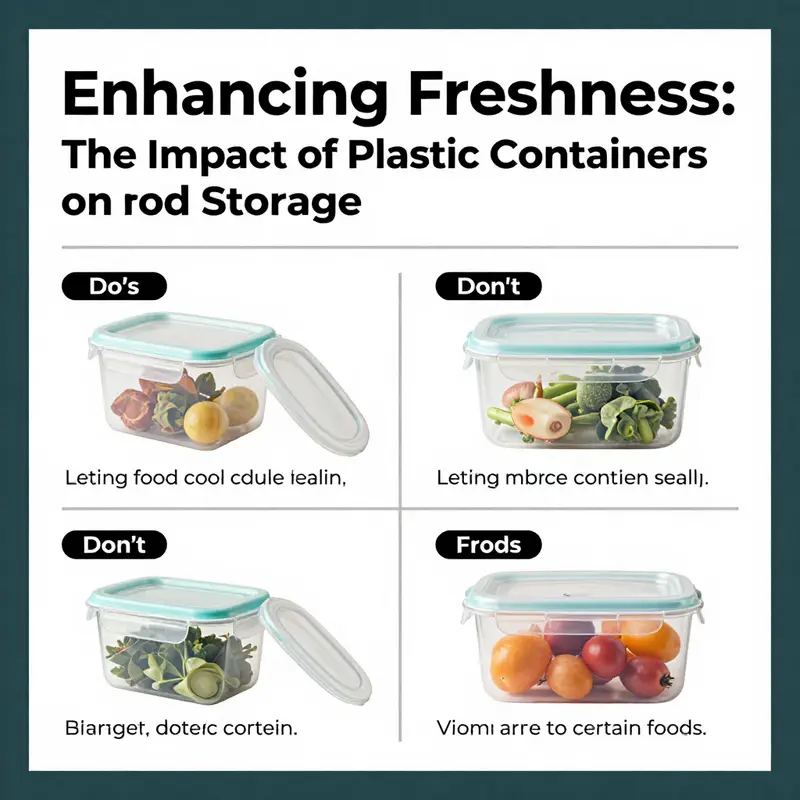
When you close a plastic container and snap the lid into place, you’re sealing more than leftovers. You’re setting a controlled microclimate around food. The right container, chosen with care and used correctly, can dramatically extend freshness, retain nutrients, and prevent cross-contamination. But the gains come with responsibilities. Not all plastics are created equal, and not every lid is a true seal. The goal is to combine the best materials with sound handling practices so food stays as close to its peak as possible from the moment it is prepared to the moment it is reheated or repurposed. In practice, this means choosing containers designed for food storage, understanding how sealing and temperature interplay, and respecting the limitations that come with plastics. The result is a storage system that is flexible, convenient, and, most importantly, safe for you and your family over days and even weeks of use.
The backbone of effective plastic storage lies in material choice. Food-grade polypropylene, commonly labeled as PP, and high-density polyethylene, or HDPE, stand out for their stability and resilience. These materials resist cracking, staining, and chemical breakdown far better than other plastics commonly found in households. They are less prone to absorbing odors and colors, and they maintain their shape and integrity through cycles of washing and reuse. In contrast, certain plastics—such as polystyrene or PVC—tend to degrade more quickly under storage conditions. They can become cloudy, brittle, or prone to micro-scratches that harbor bacteria and compromise barrier properties. Choosing PP or HDPE is not simply a preference; it is a practical step toward preserving the kind of freshness that shows up in aroma, texture, and color after storage. If you’re exploring alternatives for specific use cases, consider how the material’s stability under cold, heat, or moisture aligns with your typical meals. For readers curious about alternatives to plastic storage, you can explore a take-away kraft option with lids here: disposable-takeaway-paper-kraft-salad-bowl-with-pet-lid.
But material alone does not guarantee freshness. The lid is the door to an effective seal, and a truly tight seal hinges on design as much as on the material. The most reliable containers feature a gasket or a locking mechanism that compresses a seal against the rim, forming a barrier against oxygen and moisture. Within the kitchen science of storage, oxygen is one of the principal antagonists. It accelerates oxidation, which can dull fats, cause oils to rancidify, and dull the brightness of fruits and vegetables. It also supports the growth of aerobic bacteria that can degrade freshness and, in some cases, contribute to off-odors. A well-fitted lid with a proper gasket minimizes those risks and helps keep the internal environment stable for longer.
The sealing system also helps prevent cross-contamination. When foods with strong aromas or distinct flavors are stored together, the risk that one item will influence another increases. A lid that seals effectively creates physical separation, reducing flavor transfer and odor migration. This is especially important in households where a variety of foods are prepped in advance and then stored in the same refrigerator. A thoughtful approach to storage can extend not only shelf life but the overall perception of freshness when meals are later opened. For families who want to compare different storage options, a reference point can be found in a kraft paper bowl with a lid designed for take-out applications; such containers illustrate how design priorities—ease of opening, reliable sealing, and stackability—vary across packaging formats.
However, all sealing strengths aside, temperature management remains a central constraint. Food-grade PP containers are generally designed to withstand refrigerator and freezer temperatures, often down to about -20°C, and many are rated for microwave use up to roughly 105–120°C. This versatility makes them suitable for cold storage, freezing, and even reheating of certain foods without transferring the contents to another vessel. Yet there are caveats. High-fat or acidic foods, for instance, can be more aggressive on some plastic surfaces. Acids, acidic sauces, or fruit-based dressings can interact with the polymer in a way that gradually weakens the barrier or alters the surface properties. When heat is involved, the risk of chemical migration, even if minimal, becomes more relevant. It is prudent to heat only containers explicitly labeled microwave-safe and to avoid heating foods with high fat content or aggressive acidic components in containers not designed for it. When in doubt, it is safer to cool hot foods to room temperature first before transferring them to a storage container.
Within this framework, a general set of guidelines emerges: select containers built for food storage, prioritize those with secure lids and silicone gaskets, and be mindful of how heat and acidity interact with plastics. These rules do not guarantee perpetual freshness; they simply optimize the environment in which food rests. Freshness is a function of how long food is stored, at what temperature, and how effectively the storage system respects those boundaries. A critical part of this system is avoiding the use of plastics for foods they are not well suited to store. Certain foods—like raw meat and fish, or highly acidic, sugary, or oily ingredients—can undermine the barrier over time or encourage microbial activity if handled improperly. Fresh produce also has its own needs. Some items require airflow to stay crisp, and overly tight sealing can hasten moisture buildup and accelerate spoilage. In practice, the best approach is to tailor the storage method to the food, rather than forcing a single container to do all the work.
The weekly planning you do around meals can reinforce these principles. Store leftovers promptly, ideally within two hours of cooking, and into containers that are properly cooled and sealed. Label with dates to keep track of how long something has been stored, which helps you rotate stock and minimize waste. When you batch-cook, consider dividing portions into smaller containers rather than piling everything into one large vessel. Smaller volumes reach the appropriate temperature more quickly and chill faster, reducing the time food spends in the temperature danger zone. This practice also helps preserve texture and moisture, because the more uniform the temperature across a portion, the less moisture loss you will experience during cooling. In short, the path to freshness is paved by thoughtful portioning, appropriate container choices, and careful handling. If you want to explore more about alternatives to plastic storage, you can learn from a kraft-based option with lids here: disposable-takeaway-paper-kraft-salad-bowl-with-pet-lid.
The relationship between food type and container compatibility deserves particular attention. Not all foods are friendly to all plastics, and the seal does not erase this fact. Acidic foods such as tomato-based sauces, vinegars, and citrus-rich dressings can interact with certain plastics more aggressively over time, potentially leading to surface reactions or staining and, more importantly, altering the barrier properties. Oils and fats can pose a different challenge by softening the polymer surface in some formulations, which may affect clarity, rigidity, or long-term barrier performance. Raw meats and fish are best stored in a way that minimizes contact with other foods and reduces the chance of bacterial transfer. The sealed environment should be viewed as a controlled space where hygiene is maintained, not as an invitation to store any food at any time without regard for its specific needs. Fresh produce often benefits from airflow, and even a container with a tight seal can impede the natural respiration of the produce, leading to moisture buildup that invites spoilage. In such cases, using containers with venting features or opting for containers that allow partial air exchange is advisable.
Wear and tear are practical realities of real-world use. Repeated washing, especially with abrasive sponges or harsh cleaners, can create micro-scratches on plastic surfaces. These scratches are more than cosmetic; they can harbor bacteria and provide more surface area where residues cling. When you notice clouding, warping, or obvious scratching, it is time to retire the container. The small investment in replacement preserves both food safety and the quality of the seal. This is not merely about aesthetics. Micro-scratches can compromise the barrier to air and moisture, gradually diminishing the container’s effectiveness in maintaining freshness.
For daily practice, cleaning shoulders the weight of preserving freshness. Rinse promptly after use, then wash in warm soapy water. Use non-abrasive sponges and avoid aggressive cleaners that can erode the surface. If your containers are dishwasher-safe, a gentle cycle is acceptable, but always verify labeling. The goal is to prevent residue buildup that can harbor bacteria or contribute to off-odors. Dry completely before restacking to prevent mold or mildew growth in tight spaces. Proper drying also prevents steric stress on the seals, which can help maintain their integrity longer.
Storage conditions themselves matter. Keep containers in a cool, dark place when not in use. Light, especially UV light, can degrade certain plastics over time, affecting both the material and the contents. When possible, store containers in the refrigerator or freezer promptly after preparation if your meals are intended for extended storage. The cold environment can help preserve texture and color while slowing microbial growth. Yet freezing introduces its own considerations. Frozen foods can expand and stress the container walls and seals, so choose containers designed to withstand freezing without cracking or warping. This is another reason why selecting the right plastic and correct lid design matters, because it reduces the risk of leakage or compromised seals during temperature fluctuations.
An important practical limit emerges when considering long-term storage: plastic, while versatile, is slightly more permeable to gases than glass over extended periods. For storage beyond a week, especially for cooked meals or cut produce, glass can offer advantages in terms of inertness and non-reactivity. This does not render plastic storage obsolete; it simply encourages a mixed approach based on the duration and type of food. You may reserve plastic for day-to-day portions and use glass for longer-term stock or for items that are particularly sensitive to moisture or oxidation. The decision is not a rigid rule but a careful balance between convenience, safety, and freshness outcomes.
In practice, a mindful workflow emerges. Prepare, portion, and seal with intent. Check the lid’s fit, the integrity of the gasket, and the absence of cracks or clouding. Label each container with the date and intended storage level, and keep a simple rotation system so the oldest meals are used first. This approach honors the science of food preservation while respecting the everyday rhythms of family life. If you are exploring different packaging formats or want to compare the pros and cons of plastics against paper-based options, the linked kraft-based take-away bowls provide a useful reference point for design choices, sealing strategies, and user handling.
Ultimately, the core message is practical: choose right, seal tight, and use temperature appropriately. Avoid heating in containers not designed for it, and avoid storing incompatible foods in plastic when possible. Replace worn containers to maintain safety and performance, and consider glass when long-term non-reactivity is desirable. The goal is not to vilify plastic but to master its use. When used wisely, plastic storage is a reliable ally in keeping food fresh, reducing waste, and simplifying meal planning. For readers seeking a broader context on storage options beyond plastics, consult reputable guidelines that address chemical migration and best practices for plastic food storage. External guidance from recognized research bodies can provide a well-rounded perspective on safety and effectiveness: https://www.kitcheninnovation.org/plastic-food-storage-guidelines.
Final thoughts
In conclusion, understanding the benefits of high-quality food-grade plastic containers is crucial for businesses in the food service industry committed to keeping their products fresh and safe. By leveraging the advantages of proper sealing, moisture retention, and understanding best practices, professionals can ensure the highest standards of food quality. With the right methods, plastic containers can be an invaluable tool in enhancing food preservation, ensuring customer satisfaction, and promoting food safety across various dining environments.