
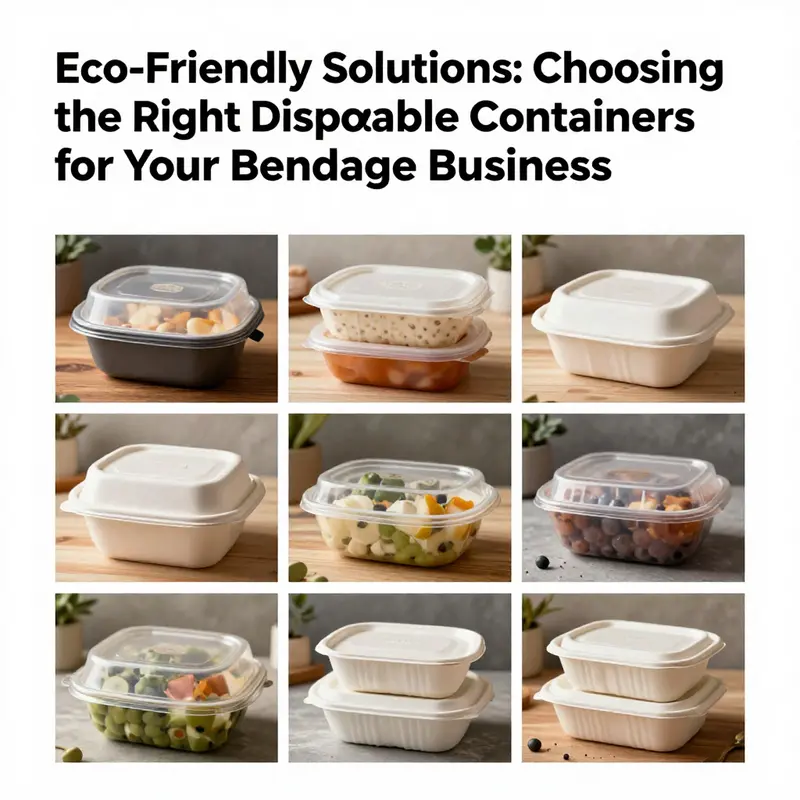
As the beverage and food industries evolve, understanding the best disposable containers for your business is not just about convenience; it’s about supporting sustainability, ensuring food safety, and enhancing customer experience. Organizations from bubble tea shops to event planners are adapting quickly to rising demands for quick service and eco-awareness. This article explores the manufacturing processes behind these containers, delves into sustainability trends, examines supply chain dynamics, highlights market leaders and innovative solutions, and clarifies the regulatory compliance landscape. Each chapter is crafted to provide insights that will help your business thrive in an increasingly competitive market, ensuring you make informed decisions for your packaging needs.
From Melt to Market: The Wholesale Pipeline for Disposable Food Containers
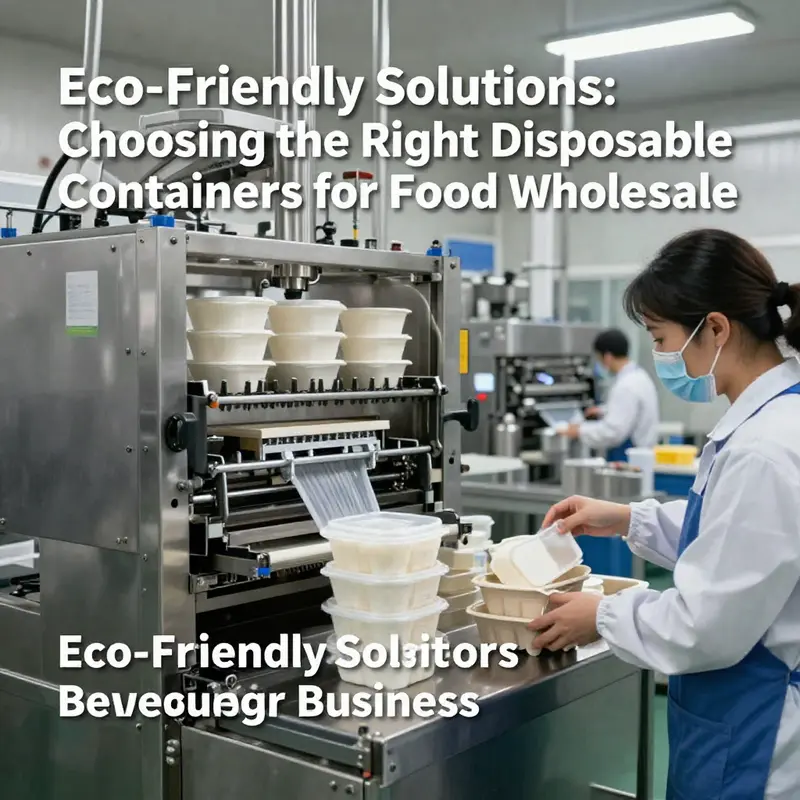
Exploring the production of disposable food containers reveals a complex, integrated system where material science, machinery, and logistics converge. At the heart of many facilities is extrusion, which forms films and sheets used in cups, clamshells, and lids. Downstream, injection molding, thermoforming, and other forming methods translate those materials into the final shapes, with each method offering different strengths in precision, weight, and cost. Modern plants also rely on automation to streamline feeding, forming, sealing, and packaging, enabling scale while reducing manual handling. The global map often centers on clusters in Asia, Europe, and North America, where suppliers coordinate multi-line operations to provide reliable lead times, from small trial orders to large private-label runs. Sustainability is increasingly shaping material choices, as bagasse, PLA-lined paper, and bio-based plastics gain traction alongside traditional PP and PS. Buyers benefit from transparent supplier data, strict QA, and flexible logistics that align with brand requirements and regulatory standards. In short, the wholesale market rewards partners who combine performance with predictability and responsible packaging decisions.
Circular by Design: How Sustainability Redefines Wholesale Disposable Food Containers
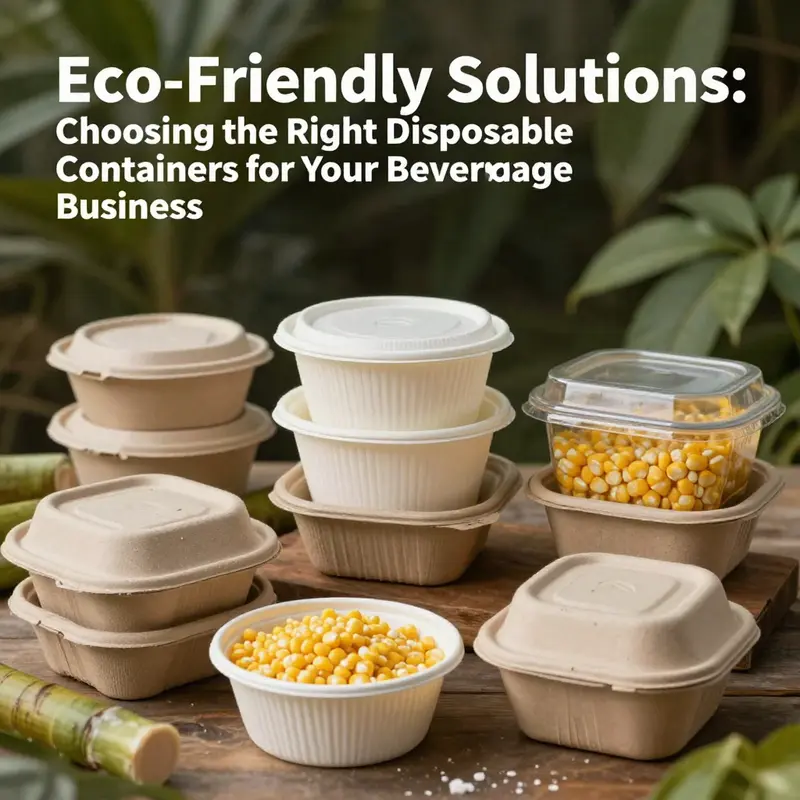
In the wholesale sector, sustainability is not a single material choice but a framework that shapes product development, supplier selection, and the very way brands communicate value to operators. The demand for disposable food containers continues to rise, yet the conversation has shifted from pure cost and performance to lifecycle impact, regulatory alignment, and the ability to scale responsibly with growing takeout and delivery networks. Wholesalers, distributors, and private label manufacturers now navigate a landscape where material science, end-of-life processes, and operational agility must converge. The result is a market that rewards not only reliable supply but also clarity about how a given package behaves from shelf to composting facility, and how its design supports efficiency in the kitchen, in transit, and at the consumer end of life. The trajectory is oriented toward circular economy principles, where reusability, recyclability, and compostability are not competing goals but complementary paths that together deliver lower total environmental footprints and more predictable cost structures over time.
The push toward biodegradable and compostable materials is the most visible shift. PLA, derived from corn or sugarcane, has emerged as a primary alternative to conventional petroleum-based plastics in many wholesale lines. The appeal is straightforward: similar functionality to traditional plastics with the potential for reduced long-term impact when industrial composting facilities are accessible. Yet the practical realities demand careful planning. PLA containers require appropriate end-of-life infrastructure to deliver their environmental advantage, and not all markets have mature industrial composting networks. Wholesalers must align with processors and haulers who can handle compostable materials, or risk the containers ending up in landfills where decomposition is unlikely to occur within a useful timeframe. The result is a nuanced decision matrix that weighs municipal waste streams, regional composting capabilities, and the costs associated with certified compostability, all while maintaining performance during storage and service in bustling kitchens.
Alongside plant-based plastics, paperboard and recycled paper-based materials have gained traction for their lower embedded carbon and high recyclability. Paper packaging is increasingly coated with bio-based or compostable films to improve moisture resistance without sacrificing recyclability. This blend of strength and sustainability is particularly well suited to liquid and dry foods that travel through fast-paced delivery channels. The shift toward paper-centric solutions often harmonizes with wholesale demand for consistent branding and uniformity across private-label lines. It also dovetails with consumer expectations for packaging that can be recycled in standard municipal streams rather than requiring specialized facilities. Within this space, materials like coated paperboard and barrier-enhanced paper have demonstrated that it is possible to deliver dependable performance while keeping the end of life clearer for recyclers and waste handlers.
Another important thread in the sustainability narrative is the evolution of recycled plastic feedstocks. Advances in mechanical and chemical recycling are expanding the range of durable, food-contact friendly resins that can be reprocessed without compromising safety or performance. These developments help close the plastic loop by enabling higher post-consumer content in containers designed for a broad spectrum of foods, from hot liquids to ready-to-eat meals. For wholesalers, the implication is a more robust supply of materials that can meet stringent regulatory standards while supporting lower resource use over time. It also reinforces the value proposition for private-label projects that aim to align with circular economy goals, since recycled content can be a meaningful differentiator in a crowded market.
Regulatory influence is a constant and rising force in shaping what makes sense for wholesale portfolios. Policies that restrict single-use plastics and encourage extended producer responsibility are aligning industry incentives with environmental outcomes. In many regions, regulatory frameworks emphasize not just the material itself but the entire chain of custody — from raw material sourcing through manufacturing, distribution, consumer use, and end-of-life processing. Wholesalers must plan for traceability, certifications, and the ability to demonstrate compliance with food contact regulations such as FDA and EU standards. This regulatory backdrop elevates the importance of transparent supplier audits, documented quality control, and the capacity to adapt product lines quickly as rules evolve. The emphasis on compliance also reinforces the credibility of vendors who can provide clear data on material composition, recycling or composting compatibility, and real-world performance.
Design criteria in this climate center on three interlocking ambitions. Reusability emphasizes containers that withstand multiple use cycles in controlled settings, particularly for prepared meals served through catering or micro-fulfillment hubs. Recyclability focuses on packaging that can be efficiently recovered and reinserted into the material stream, often aided by standardized coatings and barrier layers that do not complicate sorting. Compostability targets end-of-life options where industrial facilities are available, turning post-consumer waste into compost rather than landfill. These aims are not mutually exclusive; the most successful wholesale programs choreograph a portfolio where a plant-based composter, a recycled-content plastic, and a paperboard option all fit specific use cases. The decision matrix then becomes less about choosing a single path and more about selecting the right mix for different channels, from takeout and delivery to grocery-similar retail packaging.
For wholesalers, the supply chain dimension is crucial. Regions with mature industrial clusters in China offer vertically integrated pathways, from raw material streams to finished packaging and export logistics. Automated lines in these zones can deliver millions of units monthly with lead times that typically range from two to five weeks for standard orders. Such scale is essential for private-label runs and for distributors who must satisfy restaurant chains or foodservice providers with consistent quality and predictable availability. The ability to produce trial batches and scale to large private-label runs enables brands to test new materials and formats without risking large inventories of underperforming stock. In practice, this means wholesalers must maintain a bank of certified suppliers, conduct ongoing quality control, and invest in supply chain visibility that can defend against disruptions while still meeting sustainability commitments.
Within this landscape, supplier selection becomes a disciplined exercise. Buyers increasingly demand transparent data sharing, rigorous quality control, and clear evidence of regulatory compliance. They favor partners who can demonstrate consistent performance across material certifications, manufacturing tolerances, and real-world procurement metrics. In parallel, customization capabilities have become a selling point. From multi-compartment trays to novel shapes and coatings, private-label flexibility helps retailers and foodservice operators convey brand identity while aligning with sustainability goals. In this context, a well-managed supplier ecosystem is not merely a source of containers; it is a strategic asset that underpins menu innovation, speed to market, and customer trust. Interested buyers can explore practical examples of eco-friendly packaging options such as eco-friendly kraft paper bowls that illustrate how design choices intersect with end-of-life outcomes and branding across channels.
The wholesale landscape also reflects a growing emphasis on lifecycle data. Operators want to know not just what a container costs today, but how its use aligns with sustainability targets, waste diversion rates, and recycling or composting metrics. In response, suppliers are investing in data-driven claims, quality certifications, and traceable manufacturing footprints. This approach helps build trust with customers who manage sustainability reporting, branding commitments, and regulatory submitals. It also supports long-term planning, as retailers and food-service groups increasingly tie procurement decisions to corporate social responsibility goals and public-facing sustainability narratives. The consequence is a more collaborative ecosystem where material science, consumer expectations, and regulatory realities converge to drive continuous improvement rather than periodic one-off spec changes.
As this chapter closes, the path forward for wholesale disposable containers is not about chasing a single miracle material but about assembling a portfolio that can adapt to regional disposal infrastructure, evolving rules, and diverse consumer preferences. It requires relentless attention to end-of-life compatibility, transparent supplier partnerships, and the ability to scale responsibly as demand intensifies. The brands that succeed will be those that marry performance with purpose, delivering products that perform in the kitchen, travel well through delivery networks, and ultimately contribute to cleaner waste streams. In other words, the most resilient wholesale programs will be designed, tested, and communicated with an eye toward circularity from day one, not retrofitted after a compliance deadline arrives. External benchmarks and market analyses will continue to guide this evolution, but the core driver remains clear: packaging must enable good food experiences while supporting a more sustainable future for both business and society.
External resource: https://www.marketsandmarkets.com/Market-Reports/disposable-food-containers-market-301265478.html
Global Threads, Local Turns: The Supply Chain Dynamics of Wholesale Disposable Food Containers
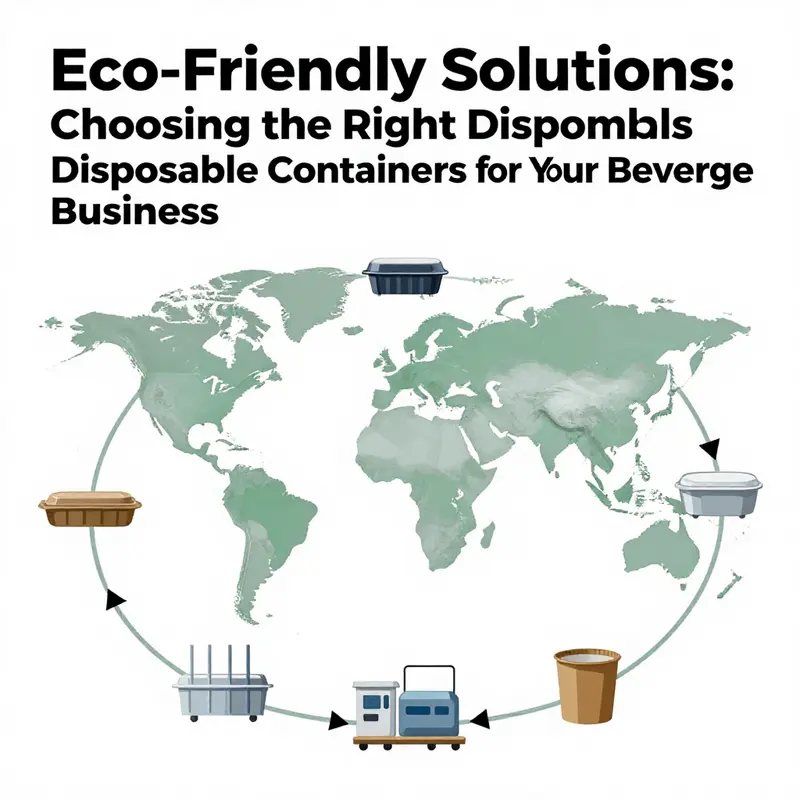
The rising demand for disposable food containers in wholesale channels mirrors the expansion of delivery services, the acceleration of convenience culture, and stricter sustainability mandates. For distributors, restaurant chains, and private-label brands, the ability to secure a dependable supply chain is not only about controlling cost and ensuring product safety. It is also about preserving brand consistency, enabling scale, and sustaining service levels across markets with diverse regulatory landscapes. In this context, the supply chain becomes a strategic asset, translating product specifications into reliable, repeatable outcomes from raw materials to end-use packaging.
At the heart of this system lies an exceptionally concentrated manufacturing ecosystem in China, where a dense network of material suppliers, advanced production technologies, and efficient export logistics converge. Industrial clusters spanning Guangdong, Zhejiang, Fujian, Shanghai, and Dongguan host facilities that operate with high degrees of automation. They can turn raw materials such as food-grade polypropylene and polyethylene into finished containers at scale, often delivering millions of units monthly. This level of vertical integration—from feedstock procurement through to automated batching, molding, and final packaging—creates a distinctive advantage: streamlined production that can respond quickly to both small trial orders and large private-label programs. Lead times for standard orders typically fall within 15 to 25 days after sample approval, a window that is particularly critical for buyers managing cyclical promotions, menu resets, or seasonal demand spikes. When buyers use FOB or CIF terms, the geographic proximity to key ports translates into meaningful savings on freight and shorter replenishment cycles, reinforcing inventory turnover in North America, Europe, and Southeast Asia.
The geography of this supply chain is not incidental. It is reinforced by proximity to major ports and by a sophisticated customs framework that reduces friction in cross-border movement. Ports such as Xiamen and Yiwu provide streamlined export pathways and integrated logistics flows that can shave days off lead times. This logistical efficiency is especially valuable for items like multi-compartment trays, which come in a range of capacities from roughly 300ml to 800ml and in shapes that include round, oval, square, and rectangle. For buyers pursuing both standardization and customization, the ability to mix and match shapes and sizes within a single production line helps maintain consistency across product families while still enabling tailored options for different foodservice concepts.
Yet the supply chain is no longer a simple calculus of price and speed. Environmental and regulatory pressures have reshaped both what is produced and how it is produced. In major markets, there is a growing preference for eco-compliant alternatives to traditional plastics. Sugarcane pulp, bagasse, PLA-lined paper, and cornstarch-based bioplastics are gaining traction as governments tighten rules on single-use packaging and as consumer demand tilts toward sustainability. This shift is more than a trend; it is redefining the value proposition for wholesale suppliers who now offer a broader portfolio that blends conventional PP and PS containers with compostable and biodegradable options. In practice, this means a broader product range, more complex supplier capabilities, and a heightened emphasis on material performance under real-world conditions—heat exposure, moisture, and grease resistance—without compromising safety or regulatory compliance.
From the supplier side comes a parallel evolution. Modern manufacturers are increasingly aligning with international standards for food contact materials, including HACCP, ISO 22000, and FDA-compliance frameworks where relevant. This shift reflects a broader trend toward environmental supply chain dynamics, a concept in which powerful buyer firms shape supplier behavior through collaborative goals and shared sustainability targets. In response, suppliers are investing in traceability systems, quality management programs, and more resilient production planning. They are also extending their capabilities to support private-label runs, standardized catalogs, and scalable customization. The net effect is a more sophisticated supplier ecosystem that can deliver not only volume and speed but also reliability, risk management, and transparency across the supply chain.
For buyers, the implications are practical and strategic. A comprehensive supplier evaluation framework that weighs not just price and minimum order quantities but also technical competencies, responsiveness, and sustainability alignment becomes essential. Compliance and quality assurance are not merely checkboxes; they are performance indicators that predict on-time delivery, batch-to-batch consistency, and adherence to regulatory requirements across different markets. Logistics resilience—how a supplier handles sudden demand surges, port congestion, or raw-material shortages—also matters, because even the most efficient production line can be disrupted without robust contingency planning. In this context, the choice of partners shifts from a focus on cheapest unit costs to a more holistic assessment of capability, reliability, and shared value creation.
The wholesale channel itself benefits from this shift. Distributors and private-label brands gain the flexibility to deploy a mix of traditional polypropylene and polystyrene containers alongside greener alternatives, enabling them to tailor packaging strategies to different segments, menus, and service formats. This flexibility supports brand control, enables mixed-market strategies, and helps sustain margins in a highly competitive landscape. It also supports the logistics calculus of stock management, where a few well-chosen suppliers and a diversified material mix can reduce lead times, buffer against material shortages, and improve forecasting accuracy. In practice, a buyer can secure a reliable supply chain that scales with a growing fleet of partner restaurants, catering programs, and retail distribution channels—without sacrificing performance or compliance.
To illustrate how procurement strategies translate into tangible options for buyers, consider the role of standardized yet adaptable packaging formats within the ecosystem. The market now favors trays and bowls that can be customized in small trial batches or scaled for mass production, balancing the need for consistent branding with the realities of regulatory compliance and consumer expectations. For organizations pursuing scalable options, a catalog of octagonal and other versatile shapes offers a practical way to deliver on-brand presentations while maintaining functional performance across warmed and cooled service contexts. This balance between form and function is a core driver of wholesale viability, particularly when coupled with transparent data-sharing and robust quality-control systems that support trust across the supply chain.
For readers seeking concrete examples of scalable options, consider exploring a catalog of octagonal kraft paper packaging opportunities that demonstrates how form factors can be aligned with sustainability goals and production capabilities. This resource exemplifies how an optimized mix of shapes and sizes can support diverse menu concepts while remaining compatible with automated production lines and efficient logistics. Such options underscore the importance of choosing partners who can handle end-to-end requirements—from raw-material sourcing to final packaging, including private-label customization and reliable delivery schedules. This approach emphasizes not only manufacturing efficiency but also the collaborative mindset necessary to drive continuous improvement across environmental performance, regulatory compliance, and product quality.
External-informed decision-making also invites buyers to engage with broader regulatory and industry contexts. For a regulatory overview of food-contact materials and related safety considerations, see the FDA guidance on food packaging materials. This resource complements the practical experience of working with suppliers who can deliver compliant product lines and transparent documentation across markets. FDA food contact materials guidelines
To connect the narrative back to practical sourcing, consider that a well-managed wholesale program relies on more than just the chemistry of the packaging. It requires a coherent strategy for partner selection, supplier development, and risk oversight that acknowledges the regional realities of manufacturing clusters while preserving the flexibility to adapt to evolving market demands. The best suppliers will be those who offer not only competitive pricing and fast turnarounds but also clear compliance credentials, robust quality assurance, and a willingness to collaborate on environmental goals. In this sense, supply chain dynamics are not just about moving boxes from factory to fork; they are about building an ecosystem that sustains safety, reliability, and responsible growth across a global landscape.
Market Leaders, Material Shifts, and the Innovation Wave in Wholesale Disposable Food Containers
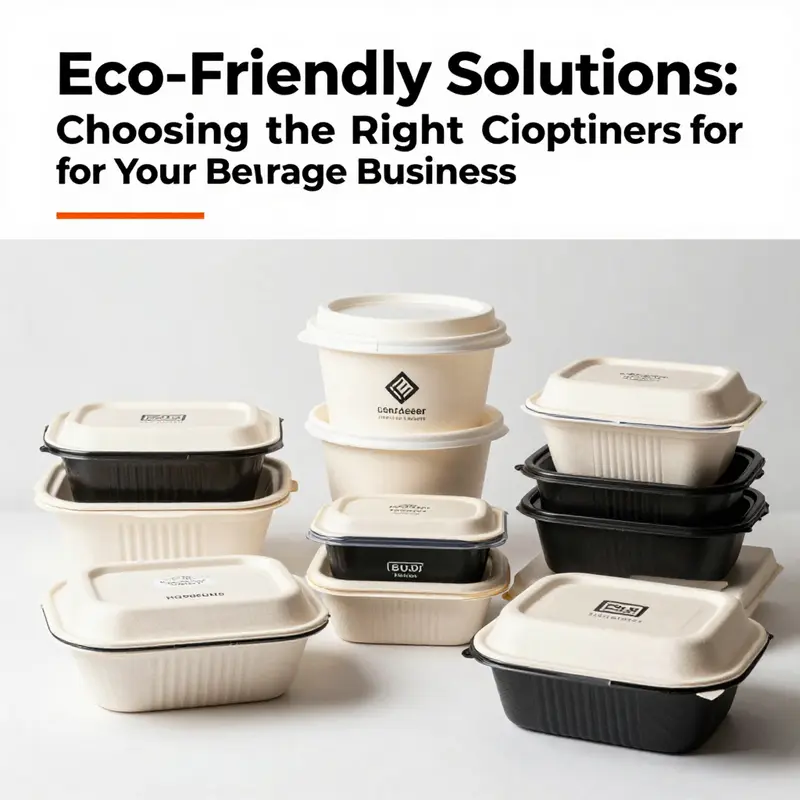
Across the wholesale landscape of disposable food containers, technology and sustainability have become the two engines powering growth, risk management, and operational scale. The market is no longer defined by a single seller’s price advantage or a narrow range of shapes; it is increasingly a complex ecosystem where automation, material science, and regulatory alignment converge to deliver consistent safety, predictable lead times, and responsible environmental performance. For distributors, restaurant groups, and private-label brands, leadership hinges on three intertwined capabilities: securing a resilient supply chain that can weather demand volatility, selecting materials and designs that meet safety and regulatory standards while satisfying evolving consumer values, and embracing innovations that reduce total cost of ownership through efficiency and waste reduction. In this context, the wholesale arena reflects the global push toward smarter packaging that protects the product, preserves brand integrity, and minimizes environmental impact over the product life cycle.
China remains the core hub of this ecosystem, with significant clusters in Shanghai, Zhejiang, and Shandong where manufacturers have built vertically integrated operations touching every step from raw materials to finished packaging. These regions support mature injection molding ecosystems, advanced thermoforming technologies, and efficient export logistics that together enable rapid response times. Facilities in these zones routinely run fully automated lines capable of producing millions of units per month, delivering standard orders in roughly 15 to 25 days and accommodating a spectrum of manufacturing models—from small trial batches to large private-label runs. That scale and flexibility are not merely about volume; they reduce procurement lead times, enable closer alignment with customers’ seasonal demand, and allow vendors to invest in process improvements that improve consistency across batches.
Sustainability has moved from a compliance checkbox to a core value proposition. Suppliers now lean into eco-compliant alternatives like sugarcane bagasse, PLA-lined papers, and cornstarch-based bioplastics as they respond to tightening environmental regulations in North America and Europe. Wholesale offerings often include customizable 5-compartment trays in a range of capacities—from about 300ml to 800ml—and in shapes that suit diverse menus, including round, oval, square, and rectangle formats. These options are not simply about substituting one polymer for another; they reflect a holistic design approach: lighter weights where possible, easier stacking, reliable heat resistance, and reliable print surfaces for brand customization. For many operators, the sustainability narrative supports premium positioning with eco-conscious consumers while still meeting the cost benchmarks required by high-volume catering and quick-service restaurant channels.
In terms of governance and risk management, the market has matured in how it evaluates suppliers. Prospective buyers now demand transparent data sharing, robust quality-control systems, and certifications that verify compatibility with food contact regulations—FDA in the United States and LFGB in Europe being prominent examples. It is common for leading vendors to highlight their testing regimes, traceability protocols, and corrective-action workflows as proof of reliability. In this regard, the best practice is not simply to pick a cheap supplier but to engage with partners who can demonstrate end-to-end quality and timely communication about any deviation that could affect safety or shelf life. The cases of well-established manufacturers in China illustrate this approach: they offer not only a broad product range but also strong documentation, standardized testing, and scalable production lines that support consistent outcomes across large private-label programs.
Innovation within the sector is increasingly tactile and visual. On the supply side, platforms and trade channels expose a growing array of packaging solutions that fuse sustainability with functional design. The Alibaba Innovation Disposable Food Packaging zone, for instance, showcases packaging solutions that blend biodegradable or recyclable materials with thoughtful design, creating products that reduce environmental impact while preserving the integrity of the food they carry. This type of innovation—where material science meets consumer expectations—helps brands differentiate themselves in crowded markets and gain access to markets with strict green standards. The emphasis is not just on using greener materials, but on smart packaging that integrates lifecycle thinking, from material sourcing and manufacturing energy use to end-of-life outcomes and recyclability. This shift supports brands seeking to enter markets with robust environmental requirements while maintaining a clear value proposition for reliability and safety.
Within the realm of leading Chinese producers, one can observe a blend of long-standing experience and continuous upgrade of capabilities. A prominent example, in terms of production architecture and product breadth, is a company that has built a multi-tier facility capable of handling a wide material portfolio—from PP, PS, PVC, PET, and BOPS plastics to paper-based packaging. Such manufacturers have amassed years of process knowledge, enabling them to offer customizations that align with retail and food-service expectations, including heat-tolerant designs for hot foods, moisture barriers for sauces, and printable surfaces for brand imprinting. With certifications in place, these players can support distribution for global markets, meeting not only safety requirements but also the aesthetic and ergonomic standards that influence consumer choice.
Design and customization are also a marker of leadership. Beyond raw material selection, smart packaging features—such as optimized lid systems, improved stacking geometry, and integrated branding opportunities through lamination or decorative printing—provide tangible value for operators who must manage high-density storage and rapid turnover. The ability to move from standard catalog items to dedicated private-label lines—whether it’s a standard PP/PS cup or a bespoke kraft paper bowl with a unique lid—depends on a vendor’s capacity to align color, finish, texture, and regulatory compliance across large production runs. In this space, the market recognizes that leadership is increasingly measured by a supplier’s capacity to translate a brand’s visual identity into a food-safe, manufacturable design while maintaining cost discipline and supply reliability.
The market is also adjusting to regional dynamics. In some high-volume markets, traditional plastic containers remain dominant due to proven heat resistance and cost advantages; yet, the tide is turning as public opinion and policy steer incentives toward more sustainable alternatives. The Pakistan market example, though not exclusive to any one region, signals a broader global trend where cost and protective performance have historically driven adoption, but environmental concerns are compelling manufacturers to accelerate the transition to compostable or recyclable solutions. What emerges from these shifts is a code of leadership that rewards those who can cut carbon footprints, optimize supply chains for speed and predictability, and deliver full lifecycle stewardship—from cradle to cradle whenever possible.
This broader movement toward sustainable, scalable, and smart packaging is why the reference points for market leadership have widened. It is no longer enough to be a large producer with a broad catalog; the leading players must show efficiency in manufacturing, transparency in data sharing, and a credible plan for reducing environmental impact across the product’s life. The strategic implication for distributors and restaurant groups is clear: align with suppliers that demonstrate both technical capability and principled sustainability. A practical illustration of this alignment is the availability of eco-friendly packaging options that still support branding and customer experience. For instance, a notable packaging option can be found in the market that combines kraft paper materials with heat-sealed features, delivering a sturdy take-out solution while maintaining recyclability. This type of product, reflected in the industry’s ongoing push toward greener packaging, underscores how design and material choices translate into real-world advantages for operators seeking consistent performance and a compelling green narrative. For readers exploring concrete supplier offerings, consider looking at the integrated packaging solutions available through the category of disposable octagonal kraft paper packaging, which exemplifies how form, function, and sustainability can converge to support wholesale distribution strategies. disposable octagonal box packaging.
In sum, market leadership in disposable food containers wholesale now rests on the triad of scale, sustainability, and smart design. Leading manufacturers bring robust, automated production capabilities and global certifications; they also push the envelope with eco-friendly materials and consumer-ready aesthetics. Distributors and brands that win in this space often do so by pairing a resilient supply chain with a supplier who can translate environmental commitments into measurable business value—lower waste, reduced lifecycle costs, and stronger brand trust. As consumers increasingly demand packaging that aligns with a greener ethos, wholesale buyers will gravitate toward partners who can deliver both dependable performance and responsible stewardship. The result is a market that rewards not just the ability to produce at scale, but the proven capacity to innovate responsibly, integrate with the supply chain, and support a brand’s durability in a rapidly evolving consumer landscape. External resource for those seeking broader industry perspectives: https://www.alibaba.com/trade/search?CatId=&SearchText=innovation+disposable+food+packaging&from=product_list
Compliance as the Compass: Navigating Global Standards for Disposable Food Containers in Wholesale
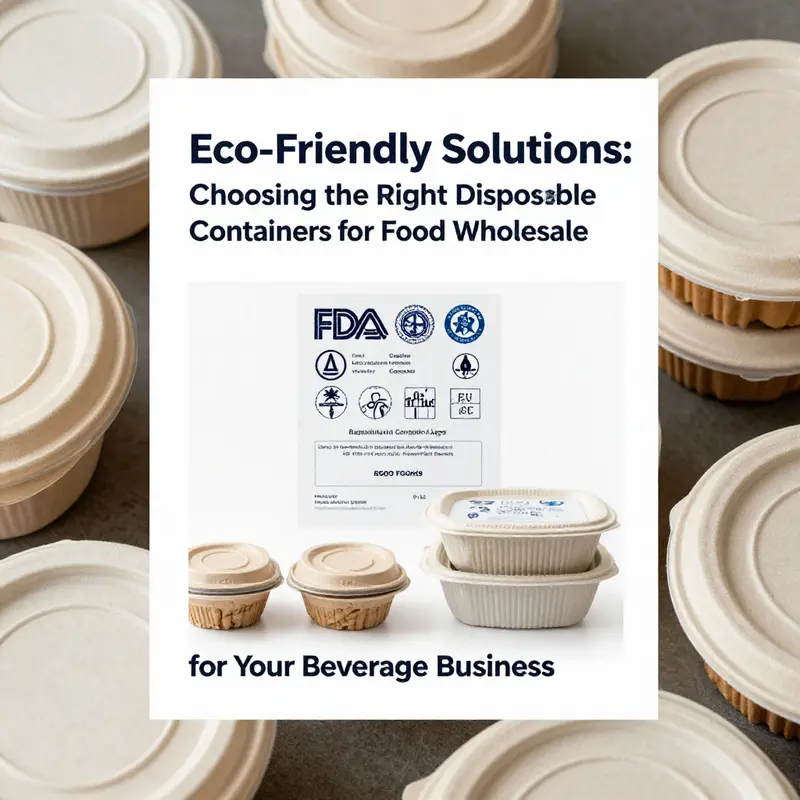
Compliance is the compass that guides wholesale decisions for disposable food containers. In a market shaped by service expansion and evolving consumer expectations, how a supplier demonstrates safety, responsibility, and reliability becomes a key differentiator. The journey from resin to ready to ship product is governed by standards that vary by country, time, and use case. Yet the throughline is clear: when compliance is integrated into product design, testing, labeling, and end of life planning, brands gain trust, resilience, and smoother access to markets.
In the United States, the framework starts with the FDA and the Food, Drug, and Cosmetic Act. The core demand is straightforward: only FDA approved resins may contact food, with PET and PP among widely accepted polymers. The obligation extends beyond the resin to how the container might interact with food. Chemical safety is a daily discipline, with no leaching of restricted substances such as BPA. Labeling must clearly communicate material composition, usage limits, and disposal guidance. This clarity supports kitchens, retailers, and end customers in managing safety and waste streams.
Across the Atlantic, the European Union enforces a migration based regime. Regulation 1935/2004 creates a safety perimeter for materials intended to contact food, with specific migration limits. The Single Use Plastics Directive adds an environmental dimension, tightening waste rules and placing responsibility on producers for collection and recycling. Wholesalers must verify end of life behavior and migration metrics that align with EU expectations while preserving safety and performance.
In Asia Pacific, China sets permissible migration levels under GB 4806.7-2016, Japan requires pre market notification under the Food Sanitation Law, and India is tightening plastic waste rules to encourage recyclable packaging. For wholesalers with global reach, this mosaic demands disciplined product development, regional validation, sampling plans, batch traceability, and third party verification.
Non compliance risks include product recalls, fines, lost market access, and damaged brand equity. In a digitally transparent environment, misalignment can become a public story and disrupt supply chains. Therefore compliance is not a defensive posture but a strategic accelerator that enables faster market entry, smoother private label programs, and clearer communication with customers who demand proof of safety and responsibility.
To translate regulation into practice, wholesalers rely on a quality management system, regular third party testing, and robust documentation such as certificates of conformity and material safety data sheets. Proactive monitoring of regulatory updates is essential, as new concerns like microplastics and additives require ongoing vigilance and the ability to adapt formulations and lines without sacrificing performance.
Global production often clusters in regions with mature molding ecosystems and scalable logistics. Compliance becomes embedded in process controls and automation, governing resin selection, molding parameters, and surface finishes to ensure repeatability and traceability across millions of units per month. Even as suppliers optimize for speed, migration testing, allergen controls where applicable, and clear disposal guidance remain non negotiable, reducing risk and enabling predictable pricing and long term supply.
Packaging carries its own safety and environmental story. Clear usage instructions, such as microwave safety or suitability for freezing, help prevent misuse. Label accuracy supports brand integrity and trust. As demand for eco friendly options grows, verify that biodegradability or compostability claims are backed by recognized standards and third party verification, particularly for materials like bagasse, PLA lined papers, or corn starch based bioplastics, which require clear end of life guidance and compliant performance data.
For wholesalers, compliance is also growth. It involves active supplier management, transparent data sharing, and continual improvement. A blended strategy often works: standard PP and PS for core applications, complemented by compliant biodegradable options for markets with stricter environmental mandates. This balances supply comfort with cost discipline while expanding the portfolio.
In practice, a well curated product page can illuminate compliance in real terms. An example of wholesale compliant packaging is a disposable kraft paper bowl with a PET lid, illustrating material composition, usage guidance, and end of life considerations in a single package that mirrors large chains and private label distributors expectations.
External resources provide foundational guidance on food contact regulations. See the FDA guidance on food contact materials for a deeper dive into the standards that matter to buyers and regulators alike: safety, clarity, and consistent performance.
Ultimately, compliance is a strategic compass that steadies wholesale operations through diverse markets while preserving trust in the safety and performance of disposable containers. When compliance is integrated into product design, supplier collaboration, and everyday workflows, it becomes a driver of resilience and scalable growth that respects regulations and the environment. External stakeholders, including customers, regulators, and communities, benefit when wholesalers treat compliance as a continuous practice rather than a one off milestone. The result is a wholesale ecosystem where safety, sustainability, and commercial success reinforce one another.
Final thoughts
In today’s rapidly evolving food and beverage market, selecting the right disposable containers is crucial for both operational success and customer satisfaction. From understanding the intricate manufacturing processes to keeping up with sustainability trends and regulatory requirements, businesses have many factors to consider. Keeping an eye on supply chain dynamics and innovative market offerings will ensure that your beverage shop, restaurant, or catering service remains competitive. Remember, the choices you make in your packaging reflect not only on your brand but also on your commitment to the environment and social responsibility.