
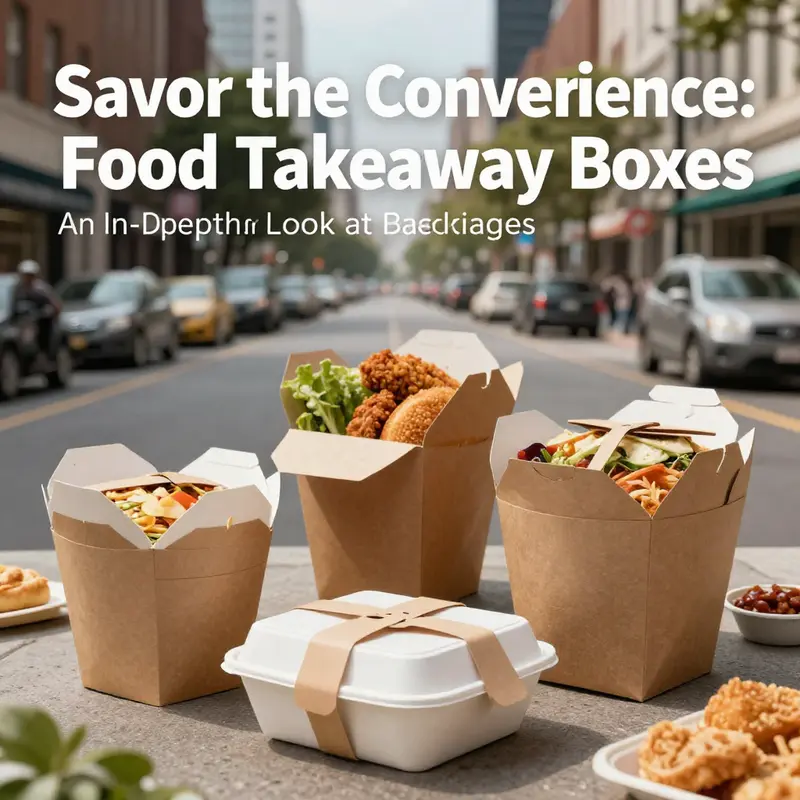
As the food and beverage sectors evolve, so does the emphasis on effective takeaway packaging solutions. From bubble tea shops to catering services, the right takeaway boxes are essential for maintaining food quality and enhancing the customer experience. Understanding the various aspects of these packaging solutions—from global sourcing strategies to sustainable materials and diverse applications—equips businesses with the knowledge to make informed decisions. This exploration breaks down the market landscape and sourcing considerations, highlights environmentally friendly materials, and analyzes the product types that cater to various culinary needs, all crucial for streamlining food service operations and meeting consumer expectations.
From Fiber to Front Door: The Global Landscape of Boxes for Food Takeaway
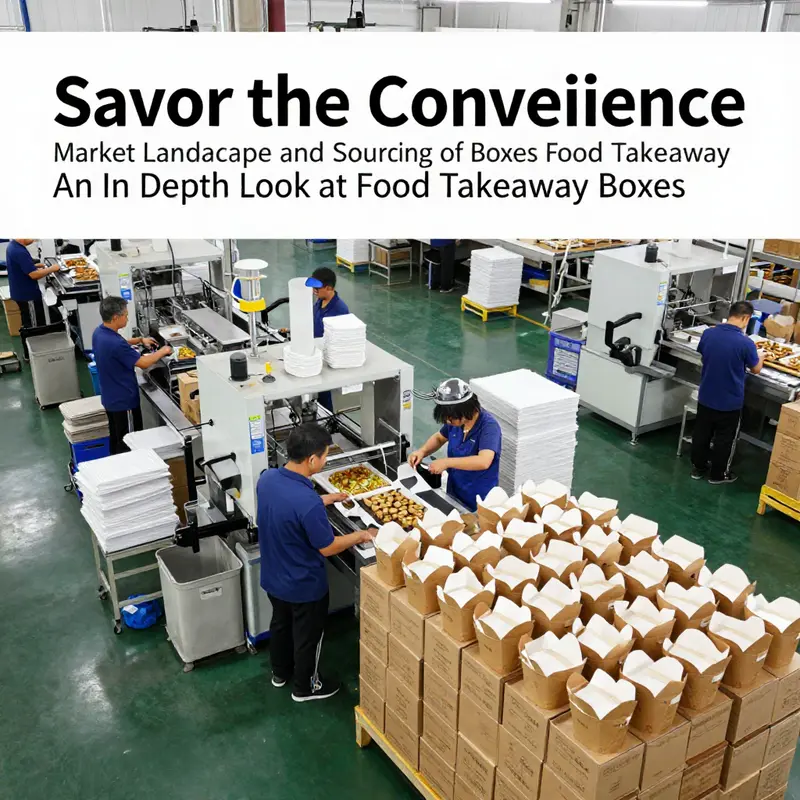
The silent architecture of modern food delivery is not the food itself but the box that carries it. It is the first boundary the diner encounters after tapping a screen and placing an order, and it remains the last mile of the experience, influencing temperature, aroma, even the perception of freshness. In recent years, the packaging that wraps every takeaway meal has become a focal point for manufacturers, restaurateurs, and regulators alike. The chapter that follows traces this evolution from the vantage point of material science, manufacturing ecosystems, and market dynamics, revealing how boxes for food takeaway have grown from simple vessels into complex, purposeful objects that anchor sustainability, safety, and branding in a rapidly changing ecosystem. The trend lines are clear: online food delivery and convenience eating are expanding the universe of packaging, while environmental and safety demands are reshaping the choices available to buyers and designers alike.
At the heart of the market lies a three-dimensional demand: efficiency in production and lead times, performance across a spectrum of temperatures and transport conditions, and the ability to convey a brand story through design and material choice. This triad has given rise to a spectrum of materials and forms that can be broadly categorized into traditional plastics, paper-based options, and biodegradable or compostable alternatives. Plastic remains the most common choice in many markets due to its low cost, high versatility, and resilience against leaks and crushing during transit. Yet environmental concerns and policy shifts—such as bans or restrictions on single-use plastics in several jurisdictions—have accelerated experimentation with plant-based fibers and bio-derived coatings. In a market where more than half of the box volume in some regions is still plastic, the push toward sustainability is not merely aesthetic; it is strategic and regulatory. Consumer attitudes reinforce this, with surveys indicating that a majority of shoppers are willing to pay a premium for packaging that is biodegradable or compostable. The market thus sits at an inflection point where cost, performance, and responsibility must align for packaging to stay competitive.
In the Chinese context, the scale of production and the geography of manufacturing have created a unique ecosystem. Guangdong, Sichuan, Jiangxi, and Hubei stand out as production clusters where integrated supply chains, access to raw materials, and sophisticated converting machinery converge to produce high volumes with impressive efficiency. The ability to convert diverse feedstocks—bamboo pulp, recycled kraft paper, and sugarcane bagasse—into consumer-ready boxes at scale is a powerful argument for near-shore and offshore procurement strategies that aim for reliable lead times and consistent quality. In practical terms, this means many buyers source from suppliers who can deliver bulk orders in the tens or hundreds of thousands of units over a few weeks, typically with sea freight lead times ranging from 20 to 35 days. Such logistics efficiency supports the fast-paced nature of cloud kitchens and frantic weekend delivery surges, where stockouts translate quickly into lost revenue and frustrated customers.
The material landscape itself is a mosaic of trade-offs and opportunities. Sugarcane bagasse, a 100% natural byproduct of cane processing, is a standout for its microwave-safe, compostable properties and suitability for hot or cold foods. Its appeal lies in aligning compostability with practical performance, reducing the environmental burden at the end of life without sacrificing the usability of the packaging. Bamboo pulp offers another renewable option, celebrated for durability and heat resistance, and when paired with recycled kraft paper, it yields a robust combination of strength and recyclability. Recycled kraft, with its dependable printability and structural integrity, remains a staple for branded boxes where the visual identity is as important as the box’s gastro-intestinal performance. Plastic, while challenged by rising scrutiny, continues to be used widely for its low cost and versatility, though suppliers increasingly emphasize PFAS-free formulations and more sustainable plastic alternatives as part of a broader transition. Stainless steel embodies a different value proposition altogether: it is reusable, non-toxic, corrosion-resistant, and geared toward premium brands that emphasize a circular economy and a long lifecycle for their packaging infrastructure.
The product landscape mirrors this material diversity with a wide array of forms designed for specific contexts. Clamshell containers—often hinged—remain a staple for burgers, fried items, and other foods where lids must resist accidental opening. Compartmentalized boxes are the natural choice for meals that feature multiple components, ensuring that sauces and sides stay partitioned and flavors do not mingle. Dim sum and sushi boxes are engineered to hold delicate items while maintaining temperature and preventing sticking. There are also specialty boxes born from novelty or branding needs, including designs that cater to ethnic cuisines, premium experiences, or restaurant-centric narratives. This vibrancy in form reflects a market that understands packaging as more than containment; it is a storytelling medium and a functional toolkit.
Underpinning these forms are standards that safeguard consumer health and support reliable performance in transit. Food safety compliance is non-negotiable for direct food contact materials, with international frameworks such as FDA 21 CFR and EU LFGB playing critical roles in guiding material choices and testing protocols. The ability of a container to resist leaks, withstand transport stresses, and retain temperature is essential, especially for soups, fried items, and cold dishes where thermal performance directly maps onto consumer satisfaction. The capacity to customize—through logos, colors, and brand-specific shapes or finishes—has also moved packaging from a logistical item to a marketing asset. Yet even as brands seek personalization, the fundamental requirement remains: secure seals and tamper-evident features that preserve food integrity up to the moment the box is opened by the customer.
The economics of packaging for takeaway meals ride on multiple rails. If cost is a baseline consideration, the total cost of ownership—encompassing durability, leakage resistance, and the end-of-life scenario—often proves decisive. Basic plastic or paper boxes may start as low as a few cents per unit, while biodegradable, custom-printed options can range higher, depending on the material, coating, and print complexity. In bulk procurement, suppliers emphasize not only the unit price but the reliability of supply chains, the ability to meet seasonal demand spikes, and the capacity to maintain consistent quality across large production runs. A structured procurement approach that evaluates technical capability, compliance rigor, and operational reliability—beyond price alone—frequently yields more sustainable and cost-effective outcomes over time. In this sense, the box becomes a strategic decision rather than a mere commodity.
From a design and sourcing perspective, the market is marked by a clear division between large, vertically integrated manufacturers and smaller, specialized players. Large producers harness automation, digital printing, and high-speed thermoforming to achieve scale, consistency, and broad geographic coverage. These capabilities are particularly valuable for brands seeking uniform packaging across multiple markets or those launching national campaigns with standardized visuals. Smaller firms, by contrast, carve out niches—such as eco-friendly plant-fiber boxes, camping-oriented containers, or custom-designed solutions that reflect a specific culinary or cultural identity. These players often thrive through regional specialization, rapid prototyping, and a willingness to optimize costs at the margins without sacrificing functional performance. The competitive dynamic is thus a balance of mass production efficiency and boutique customization, with both ends of the spectrum feeding a diverse ecosystem that can respond to evolving consumer expectations and policy environments.
To understand the sourcing dimension more deeply, one can follow the chain from upstream raw materials to downstream demand. Raw material suppliers provide the feedstocks for plastics, papers, metals, and bioplastics. The cost of these inputs is highly sensitive to global commodity swings, which can ripple through unit pricing and lead times. In manufacturing, techniques such as injection molding, thermoforming, and stamping translate raw materials into packaging with precise tolerances and surface finishes. Modern facilities increasingly adopt automation and intelligent systems to reduce waste, monitor quality in real time, and optimize energy use—an important consideration given the environmental footprint of large-scale packaging. Downstream, the end-users of these products span traditional eateries, cloud kitchens, meal-kit providers, and corporate catering services. They require reliable suppliers who can meet stringent industry standards, provide certified biodegradable options where desired, and offer scalable solutions that align with their growth trajectories. In this intricate web, the packaging choice can influence cost structures, speed to market, and even consumer trust in a brand.
Practical decisions in procurement also reflect a tension between the desire for sophisticated, branded packaging and the realities of supply chain resilience. Buyers increasingly adopt a framework that weighs technical capability and compliance over sheer price. This means vetting a supplier’s quality management systems, certifications, and traceability to ensure that materials intended for direct contact have been tested and approved for safety. It also means assessing the supplier’s capacity to deliver on time and to maintain consistent quality across multiple production lines and shifts. The net effect is a packaging ecosystem that rewards transparency, reliability, and a proactive stance toward environmental responsibility. In this context, the choice of packaging material and design becomes a statement about how a brand balances operational excellence with environmental stewardship and customer experience.
For readers seeking to explore market data and future projections beyond this chapter, a comprehensive industry study provides detailed market size, segmentation, and trend analysis for global and China markets (2025–2031). This resource offers an expansive view of takeout box development, including the drivers behind the three-way material split—plastics, paper-based options, and biodegradable alternatives—and the evolving regulatory landscape that shapes material choices and end-of-life options. External insights from such reports can help practitioners benchmark their strategies, identify growth opportunities, and anticipate regulatory shifts that could alter packaging design and supplier selection. In particular, the report highlights how consumer demand for sustainable packaging, backed by a willingness to pay a premium, has become a powerful incentive for innovation across both materials and manufacturing processes. It also documents the emergence of value-added features and specialized packaging for premium markets, reflecting the breadth of the market beyond basic containment.
Within this broader framework, a practical takeaway emerges for procurement professionals and packaging designers: balance is the driver of long-term value. The efficiency of production, the safety and performance of the container, and the alignment with brand narrative all converge to determine the packaging’s impact on the overall dining experience. The supply chain’s geographic realities, particularly in major production hubs, offer opportunities for cost optimization and risk mitigation—but they also require careful attention to lead times, quality control, and the potential for disruptions. When these factors are managed well, packaging becomes a lever for growth, enabling restaurants to scale effectively while maintaining a consistent customer experience across channels and geographies.
To connect the dots between materials, manufacturing, and consumer expectations, consider how the packaging choices interact with branding and marketing. The box is not a mere wrapper for the meal; it is a medium through which a restaurant communicates its values, promises consistency, and reinforces trust. For instance, boxes made from renewable fibers with compostable coatings can signal a commitment to sustainability, while a well-crafted branded surface can reinforce premium positioning or a family-friendly identity. The ability to print high-fidelity logos and designs is more than aesthetics; it is a channel for storytelling that travels from the kitchen to the customer’s hands and back through social sharing. In this sense, packaging design is an extension of the dining experience itself, shaping perceptions even before the consumer bites into the first morsel.
The sourcing decision, therefore, sits at the intersection of supply chain engineering and experience design. It requires a disciplined approach to evaluating materials for safety and performance, a clear understanding of end-of-life implications, and a strategic eye for how packaging will function as a brand asset in a crowded marketplace. When done well, it creates a packaging system that is not only cost-effective and compliant but also resilient, adaptable, and capable of evolving in tandem with consumer preferences and regulatory expectations. The market’s current trajectory suggests continued growth and diversification, with innovation likely to center around bio-based materials, enhanced barrier technologies, and more sophisticated forms that maintain or improve heat retention, leak resistance, and shelf appeal. In this dynamic landscape, the box remains a critical interface—an element that translates the kitchen’s craft into a reliable, trusted, and branded consumer experience.
For readers who want a concrete, sourceable view of ongoing market developments and a rigorous outlook, the external resource below offers a comprehensive analysis of global and China takeaway packaging dynamics and forecasts into the next decade. This research resource complements the synthesis offered here by providing a structured view of market size, segmentation, and macro drivers, helping stakeholders plan with greater confidence. External resource: https://www.qyresearch.com/reports/378688/global-and-china-food-takeaway-box-development-status-analysis-and-market-outlook-report-2025-2031
Internal note for further practical reading: practitioners may find value in exploring branded, eco-friendly packaging options that align with specific restaurant identities while maintaining compliance and cost controls. A representative example of how design and material choices translate into branded packaging can be explored through industry exemplars that emphasize the feasibility of sustainable, attractive, and functional boxes in high-volume operations. When brands prioritize a balance of performance, safety, and sustainability, packaging ceases to be a cost center and becomes an investment in customer loyalty and operational resilience. This holistic perspective—where manufacturing capability, regulatory compliance, environmental responsibility, and brand storytelling coalesce—defines the current era of takeaway packaging and will shape its future trajectory into the next decade.
From Pulp to Plate: Material Choices and the Environmental Promise of Takeaway Boxes
Takeaway boxes do more than hold meals; they carry expectations about safety, convenience, and the footprint they leave behind. The material choices sit between a steaming plate and a consumer’s hands, revealing a choreography of performance, cost, and ethics. In recent years the industry has moved from a nostalgia for rigid plastics to a more nuanced appreciation of fibers that can echo the plant-based energy of the menu they carry. This chapter traces that material journey, from the pulp and bagasse at the heart of box walls to the coatings that protect sauces, to the premium real estate of reusable options. It isn’t only about what the box is made of; it is about what it can do, how it interacts with heat and moisture, and how its end of life aligns with a circular economy.
Plastic remains a durable, cost-effective workhorse in many supply chains. Boxes formed from polypropylene and polyethylene terephthalate offer dependable moisture sealing and microwave-safe performance that restaurants rely on for saucy dishes and takeout soups. Yet plastic is singular in its challenge: it is not inherently biodegradable, and its resilience can become a long-term environmental burden if waste streams are not carefully managed. Even when plastics are engineered to be PFAS-free or designed to minimize toxic additives, the broader discourse has shifted toward reducing single-use plastics in favor of materials that can be recycled, composted, or reused without compromising safety or quality. In every kitchen and pickup counter, operators weigh the protection a plastic box affords against the responsibility of how that box will be disposed of once the meal has disappeared into a consumer’s bag.
Paper-based materials, by contrast, are riding a wave of renewed interest because they align with sustainability narratives without sacrificing practical performance. Paperboard and paper pulp boxes, often lined with plant-based coatings, provide a natural aesthetic that brands find compelling for marketing messages around stewardship and earth-friendliness. Their barriers to water and oil have improved with modern coatings, allowing boxes to perform in microwaves and freezers while being more compatible with composting streams. Still, paper-based boxes are not magic. They can warp when exposed to very hot oils or long exposure to condensation, and their performance can degrade under heavy, greasy foods. The balance between hydrophobic coatings and the desire for compostability shapes the design choices of manufacturers and the expectations of retailers.
Renewable plant-based materials such as bagasse and bamboo fibers are increasingly seen as central to a genuinely sustainable toolkit for takeout packaging. Bagasse, a byproduct of sugarcane processing, offers a robust, heat-resistant, and compostable option that aligns well with hot and cold items alike. Its natural texture and strength contribute to a sense of quality, and its biodegradability resonates with circular economy goals that many operators aspire to achieve. Bamboo pulp shares similar advantages, delivering durability and heat tolerance while remaining tethered to renewable agricultural cycles. The growing adoption of these materials reflects a broader ambition: to reduce plastic waste not merely by substitution but by rethinking the end-of-life path. When bagasse or bamboo boxes reach the waste stream, they are designed to break down in environments such as industrial composting facilities, translating consumer appetite for convenience into a tangible reduction in landfill burden.
Stainless steel represents the premium end of the spectrum, a reusable option that challenges the throwaway mindset with endurance and non-toxic performance. These metal containers are built to be cleaned and reused, resisting corrosion and stains while preserving the flavor and temperature integrity of meals. For brands that prioritize longevity and customer engagement in sustainability programs, stainless steel can be a compelling proposition. Yet the upfront costs and the operational overhead of washing and logistics mean that stainless steel is typically evaluated as part of a broader strategy that includes incentives for customers to return containers and participate in take-back schemes. In many settings, stainless steel serves as a complement to disposable formats rather than a wholesale replacement, creating a hybrid model that leverages the strengths of both approaches.
Between the extremes of disposable plastics and reusable metals, there is a continuum of performance that manufacturers tailor to specific cuisines and service models. Clamshell designs, often hinged, offer quick open-and-close utility for burgers and fried items. But even within clamshells, there is a spectrum: the degree to which the lid seals, the rigidity of the walls, and the quality of the inner lining all influence how well sauces stay put and how heat is retained during delivery. Compartmentalized boxes have become essential for bento-style meals or multi-dish formats, where the challenge is to preserve distinct flavors and textures without cross-contamination. Dim sum and sushi packaging straddles a different set of priorities, with heat resistance, secure lids, and delicate handling to preserve moisture balance and shape. Specialty boxes—designed for kebabs, Arabic skewers, or branded experiences—illustrate how packaging can function as an extension of a restaurant’s concept, not merely as a container but as a storytelling tool.
Underlying all these designs is a framework of safety, performance, and branding standards. Food safety compliance remains non-negotiable for any material touching edible contents. International regulations such as FDA guidelines and EU regulations define acceptable materials and coatings to ensure that direct contact with food remains non-toxic and free from harmful leachates. The movement toward PFAS-free plastics and the development of more sustainable coatings reflect industry adaptation to regulatory scrutiny and consumer concern alike. In this context, the choice of coating is as important as the box’s outer material, shaping how the product behaves in the oven, fridge, or on the road, and how it interacts with the consumer’s perception of quality and responsibility.
Performance considerations extend beyond heat and sealing. Many boxes must travel through crowded urban logistics networks, endure stacking pressures, and resist leaks for the duration of a delivery cycle. This translates into a demand for robust seams, secure lids, and interior surfaces that resist oil and moisture without compromising recyclability or compostability. In some cases, packaging is designed with multi-layer compositions that optimize barrier properties while still being compatible with end-of-life streams. The design challenge then is to balance barrier performance, weight, and cost with environmental objectives and consumer expectations. The push for transparency around material provenance further complicates procurement strategies, as buyers increasingly seek verifiable information about fiber sourcing, recycling rates, and the potential for closed-loop reuse.
As brands navigate these trade-offs, the supply chain architecture becomes a critical determinant of environmental impact. The takeaway box supply landscape is heavily clustered in certain manufacturing regions, where integrated raw material streams, specialized machinery, and efficient logistics converge to deliver large volumes with relatively short lead times. In practice, this means that decisions about box materials are not solely about performance in the kitchen but about how quickly and responsibly they can be produced, stored, and shipped to restaurants around the world. In many cases, this translated ecosystem supports a shift toward compostable paperboard and bagasse-based solutions, as these materials align with consumer expectations for a lower carbon footprint and more straightforward compatibility with circular waste streams. It is a reminder that procurement is as much about process design as it is about final product attributes.
Alongside material choice, branding and consumer experience play a pivotal role in modern packaging. Boxes now frequently feature logos, color schemes, and tactile finishes that reinforce a restaurant’s identity at the moment of delivery. This design freedom, while commercial in nature, also carries environmental implications. Coatings and inks, if not carefully selected, can complicate recycling or composting processes. Designers and manufacturers increasingly favor inks and coatings that minimize adverse interactions with composting streams while still delivering sharp graphics and heat resistance. The result is a packaging ecosystem where aesthetics and sustainability move in tandem rather than in conflict, enabling brands to signal their values without compromising performance or safety.
There is no single path to sustainability in box design, and the balance of materials will continue to evolve as consumer preferences, technological advances, and regulatory frameworks shift. Some operators will lean into the minimalist elegance of plain recyclable paperboard boxes, while others will experiment with bagasse or bamboo as the environmental narrative strengthens. Yet even as material science advances, the efficacy of a given box is inseparable from how it is collected, sorted, and treated after use. The full environmental benefit of compostable and recyclable packaging depends on the existence of robust disposal infrastructure, including industrial composting facilities and efficient municipal recycling streams. Without that infrastructure, the best materials cannot realize their claimed benefits, which underscores the importance of public policy and community initiatives in shaping the outcome of packaging choices.
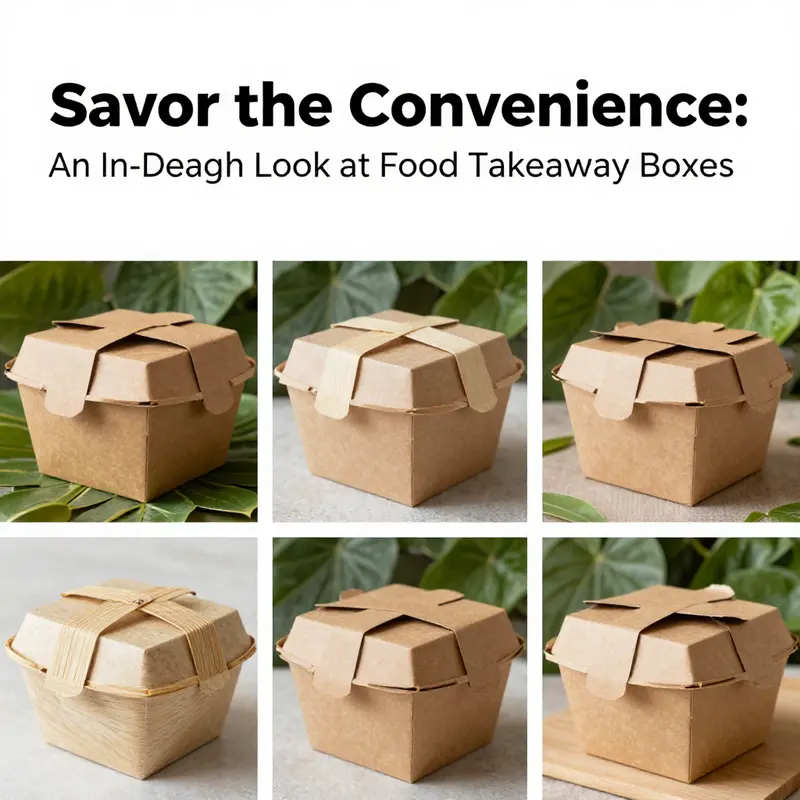
To illustrate the practical side of sourcing and design, many operators explore options that combine branded appeal with sustainability. A growing number of suppliers offer branded kraft paper boxes with customized lids and printed designs that align with corporate green storytelling. A useful example of this approach can be seen in octagonal kraft paper packaging that blends distinctive shape with earth-friendly materials. For further context on such packaging options, see this example: https://greendispopack.com/product/disposable-octagonal-box-restaurant-food-kraft-paper-packaging/. The availability of these formats demonstrates how packaging can function as a quiet ambassador for a brand’s environmental commitments, while still delivering the reliability customers expect during a busy lunch rush or late-night delivery.
As a practical matter, cost remains a major driver in material choice. Standard plastic or paper boxes can start at modest unit prices, while premium biodegradable or custom-printed options command higher price points. Buyers typically weigh total cost of ownership, which includes not only per-unit price but also handling, waste management, and potential returns in a reusable program. In some cases, bulk-volume procurement can unlock favorable pricing structures and a broader range of options, from plain recyclable options to advanced multi-layer constructs that optimize heat retention and leak resistance. Given the breadth of available choices, a structured evaluation framework that emphasizes technical capability, compliance rigor, and operational reliability—rather than price alone—tends to yield better long-term outcomes for both restaurants and their customers.
The environmental conversation surrounding takeaway packaging is inseparable from consumer behavior. Even the most durable and well-designed box can fail to deliver its environmental benefits if customers do not dispose of it properly. Education, accessibility to recycling or composting facilities, and clear labeling about end-of-life options can all tilt the balance toward more responsible outcomes. In this sense, takeout packaging is not merely a passive container but an active participant in a broader sustainability strategy that includes waste diversion, consumer engagement, and corporate accountability. The material story, from pulp to plate, thus becomes part of a social contract that connects food, commerce, and stewardship across the supply chain.
For readers interested in the broader policy and environmental context, public resources highlight how packaging waste intersects with food systems and waste management. The Environmental Protection Agency s sustainable management of food waste offers a framework for understanding how packaging choices can influence food waste, recovery, and disposal outcomes. External reference: https://www.epa.gov/sustainable-management-of-food-waste.
From Cartons to Companions: The Spectrum of Takeaway Box Types and Their Culinary Roles
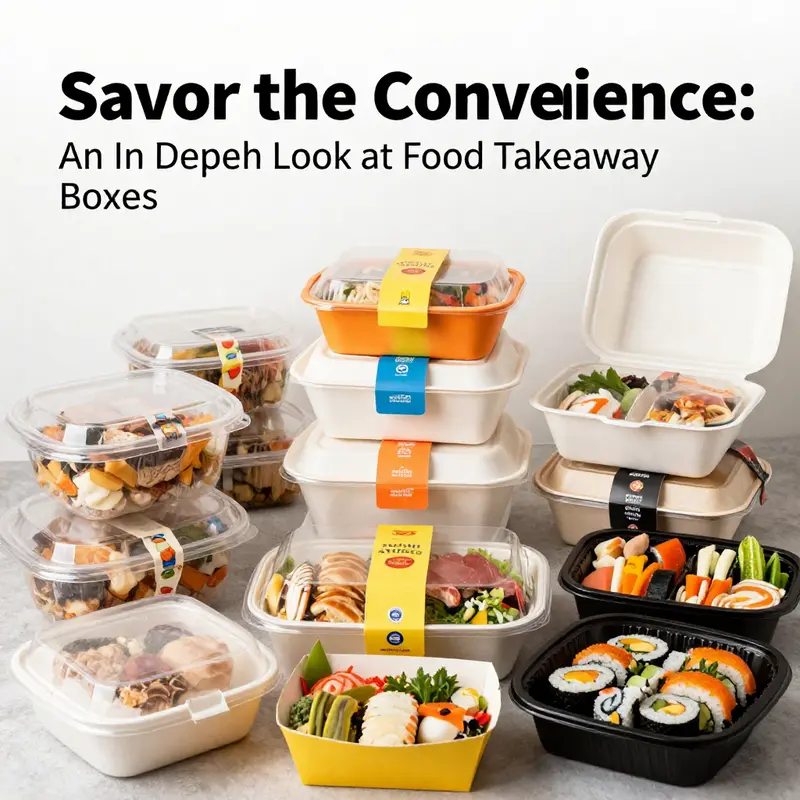
In the modern food service ecosystem, the takeaway box is more than a convenience; it is a quiet partner that carries the story of a meal from kitchen to curb, restaurant to home, with safety, presentation, and purpose in equal measure. The family of containers available to brands spans a spectrum from plain, sturdy cardboard to upscale, high-performance systems built for premium delivery. This chapter weaves together the material choices, design features, and practical applications that shape how a box performs in real-world settings. It considers not only the physical attributes that influence temperature retention and leak resistance, but also how each type interacts with branding, sustainability goals, and the complex logistics of bulk procurement. The goal is to illuminate how different product types support diverse menus and service models, enabling operators to tailor packaging to the food they provide, the customer they serve, and the environmental expectations that now accompany modern dining.
Cardboard and paperboard boxes remain among the most common solutions for takeaway needs. They are typically crafted from kraft paperboard or recycled fibers, and their versatility shows up in a variety of configurations that support dry items, snacks, and lighter hot offerings. The strength-to-weight ratio of paper-based boxes makes them economically viable for high-volume operations, while the ability to print on these surfaces supports branding without imposing prohibitive costs. Thermal insulation layers can be integrated into certain designs to help preserve temperature during transit, making them suitable for soups, noodles, fried items, and baked goods that must arrive with some degree of warmth intact. A practical advantage of paper-based systems is their end-of-life story: many suppliers emphasize recyclability and compostability, aligning with growing consumer expectations for responsible packaging. Within this category, compartmentalized layouts are especially valuable for keeping components separate—an important feature when a menu includes sauces, sides, or multiple flavors that might otherwise mingle. When a restaurant aims for a clean, simple box with a reliable seal, a paper-based option often delivers the needed performance at a favorable price point.
Alongside paperboard, plastic containers—typically made from PET, PP, or PS—occupy a crucial niche in takeout. They excel at moisture and grease resistance, making them well suited for sauces, oily dishes, and meals with substantial juiciness. The stability of plastics under a variety of temperatures supports reliable transport for both hot and cold items. However, the ecological conversation around plastic has become more pronounced, pushing many operators to seek PFAS-free formulations or to consider alternative materials where feasible. For menus that demand durability and a tight seal against leaks, plastic options offer a level of predictability that is still hard to match in some biodegradable formats. In many day-to-day delivery operations, plastic boxes act as workhorse containers, providing a straightforward user experience for customers who expect their food to remain neatly contained and visually appealing upon arrival.
Biodegradable and compostable boxes present a compelling case for brands seeking alignment with environmental values. Materials such as sugarcane bagasse, cornstarch, or bamboo fiber are derived from renewable sources and designed to break down more readily in appropriate industrial or home composting streams. These boxes can be heated to accommodate hot foods and are generally compatible with many standard foods, which makes them a versatile option for quick-service and casual dining concepts aiming for a lighter environmental footprint. Yet, there is a nuanced balance to strike: some biodegradable options may exhibit warp tendencies under very high heat or with extended exposure to oil-rich sauces. Understanding the specific performance envelope of each material—heat tolerance, oil resistance, and the handling requirements for composting—helps operators select the right box for their menu and their customers’ expectations. The evolving range of compostable coatings and barrier layers further enhances stability, enabling more food items to be packaged with confidence while maintaining a credible end-of-life narrative.
Specialty-shaped boxes push packaging from mere containment into branding and experiential marketing. Boxes with distinctive silhouettes, such as car-shaped designs or other playful configurations, serve as a tactile reminder of a brand identity and can spark social sharing among customers. These shapes are not just for novelty; they can reinforce the intended dining experience, signal a cuisine style, or create a memorable unboxing moment. From a functional perspective, specialty shapes still need reliable seals and stable stacking capabilities to withstand the rigors of delivery and storage. The design challenge is to harmonize the novelty with practicalities like printability, material compatibility, and cost efficiencies at scale. Such boxes often operate at a premium tier, but when executed well, they contribute to differentiation and repeated engagement without sacrificing safety or performance.
Multi-compartment boxes address a core culinary need: the preservation of flavor integrity when multiple components share a single meal. These boxes maintain distinct spaces for rice, proteins, vegetables, sauces, and sides, ensuring that sauces do not mingle and textures remain distinct. The compartmental approach is especially prevalent in values-driven menus, such as bento-style meals or fusion dishes, where portion control and presentation matter as much as taste. Beyond the aesthetic and culinary benefits, multi-compartment designs can improve dining convenience for customers who order several items at once, particularly in a takeaway setting where utensils, condiments, and napkins are bundled together. The engineering challenge here lies in balancing the number and size of compartments with the overall footprint of the package, ensuring the box remains easy to handle and stack for delivery drivers and customers alike.
Insulated boxes add a crucial performance layer for hot entrees, soups, and cold desserts. Built with double-wall constructions, foams, or other insulating materials, these designs slow the exchange of heat and cold, helping maintain a more consistent temperature across the journey from kitchen to customer. Insulation can be a differentiator for brands that promise hot foods arrive steaming, or for those that offer cold, refreshing items in peak condition. While insulation improves temperature retention, it can also influence weight and cost. Operators must consider whether the benefits in food quality justify the additional material and logistics costs, and whether the insulation strategy aligns with sustainability goals. The tradeoffs between insulation efficacy, packaging weight, and disposal options often drive a strategic choice among operators who prioritize both experience and responsibility.
Reusable and premium systems, including stainless steel or high-grade metal containers, occupy a distinct corner of the market. These containers are designed for durability, long-term reuse, and heavy-duty transport. They are common in higher-end delivery concepts, meal-prep services, and kitchens where a brand emphasizes longevity and reusability as part of its sustainability narrative. The upfront cost and the need for consumer participation in returning or maintaining the containers are trading points that influence adoption. Reusables also introduce considerations around cleaning, stacking, and logistics for returns. When integrated into a broader circular economy strategy, metal or robust reusable boxes can reduce waste over time, even if the initial investment is greater than that of single-use alternatives.
Across these categories, several features recur as universal benchmarks that influence performance across the board. Food safety compliance remains non-negotiable: containers intended for direct contact with food must align with regulatory frameworks that govern material safety, migration limits, and labeling. Durability and leak-proofing are practical necessities, especially given the rough handling that can occur during pickup, transit, and customer carrying. Thermal insulation capabilities, where present, must be designed to balance effectiveness with weight and cost. Customizability—whether through printed branding, color coding for different menus, or allergen labeling—plays a crucial role in marketing and information governance. Secure seals, snap-on lids, or tamper-evident features contribute to trust and food integrity, especially for orders that contain multiple components or delicate items.
On the procurement side, sourcing strategies must account for more than material cost. While base price per unit clearly influences budgeting, the total cost of ownership includes lead times, minimum order quantities, packaging compatibility with the menu, and the supplier’s ability to scale with demand. For many operators, bulk procurement from clusters that offer integrated supply chains—such as production hubs capable of high-volume output with modest lead times—helps stabilize pricing and ensure reliable delivery. This is where the offer of color-printed, branded options becomes attractive for chains seeking consistent brand presentation in every city they serve, while still maintaining cost discipline. In the end, the most effective choice emerges from a balanced assessment of technical capability, compliance rigor, and operational reliability rather than price alone.
A practical touchpoint for designers and buyers alike is the alignment of packaging type with menu architecture. A noodle shop that frequently ships hot soups might prioritize insulated or heat-retentive configurations, potentially pairing them with heat-resistant liners. A bakery that delivers pastries and creams may favor leak-resistant, sealed paper or PET-based containers that preserve moisture and prevent muddiness in presentation. A casual dining concept serving bowls, grains, and vegetables on the same order may lean into multi-compartment designs to maintain separation and portion control. Each scenario illustrates how form and function become a dialogue between culinary intent and packaging technology. When brands articulate this alignment clearly, customers experience not only the taste and texture of the food but also a consistent, reassuring standard of packaging that reinforces trust.
To illustrate the way design decisions leak into the customer journey, consider a design that emphasizes branding without sacrificing practicality. A box can feature a brand’s color palette and logo while also incorporating tight corners, rounded edges, and a lid with a secure snap or tamper-evident seal. The surface can be print-ready for nutritional information and allergen warnings, fulfilling regulatory requirements while delivering a clean, legible customer experience. The ability to print or emboss branding on the surface matters as much as the box’s resistance to crushing or leakage. The balance is delicate: a box must be visually compelling enough to catch a consumer’s eye, yet robust enough to withstand the rigors of transport and the expectations of service speed.
For a practical example of an unconventional yet functional box design, consider the octagonal kraft paper packaging. This option demonstrates how a nontraditional shape can support branding while maintaining the essential attributes of safety and performance. The design encourages efficient stacking and inspection, supports a stable base, and can be crafted from renewable fibers that align with sustainability goals. The packaging choice communicates a commitment to thoughtful materials and customer experience without compromising compliance standards. octagonal kraft paper packaging.
As operators plan their packaging architecture, they should also consider the lifecycle and end-of-life story of each option. Cardboard and paperboard boxes are often touted for recyclability, with some variants offering compostability in appropriate streams. Biodegradable materials emphasize renewability but require clear guidance for a consumer audience about composting or disposal pathways. Plastic options, while resilient, continue to face scrutiny that pushes innovation toward more sustainable resins and lower-impact coatings. The notion of sustainability is not a one-time decision but an ongoing conversation among designers, operators, and waste-management systems. The market has learned to harmonize performance with responsibility, recognizing that customers increasingly reward brands that align packaging choices with their values.
In sum, the spectrum of takeaway box types—from simple, recyclable paperboard assemblies to sophisticated insulated and multi-compartment systems—reflects the diversity of menus, service models, and consumer expectations in the takeaway economy. Each type brings a unique mix of material science, manufacturing capability, and design language, enabling operators to tailor packaging to each dish and each moment of the customer journey. The most effective packaging strategy emerges when the box supports the culinary outline, reinforces brand storytelling, and remains predictable and safe from kitchen to doorstep. This coherence—between menu, packaging, and customer experience—underpins the resilience and adaptability of takeout businesses as they continue to evolve in a landscape shaped by taste, technology, and values.
External resource: https://www.foodservicepackaging.com/takeaway-packaging-guide
Final thoughts
The significance of takeaway boxes extends beyond practicality; it reflects a commitment to quality, safety, and sustainability that modern consumers increasingly demand. From effectively sourcing materials in a competitive landscape to embracing eco-friendly innovations, businesses in the food and beverage industry are now faced with an array of choices that influence their branding and operational efficacy. By adopting the right takeaway packaging, providers not only ensure food safety during transit but also resonate with customers who prioritize sustainability. Awareness and adaptation to these evolving dynamics will be key to staying competitive in this ever-changing market.