
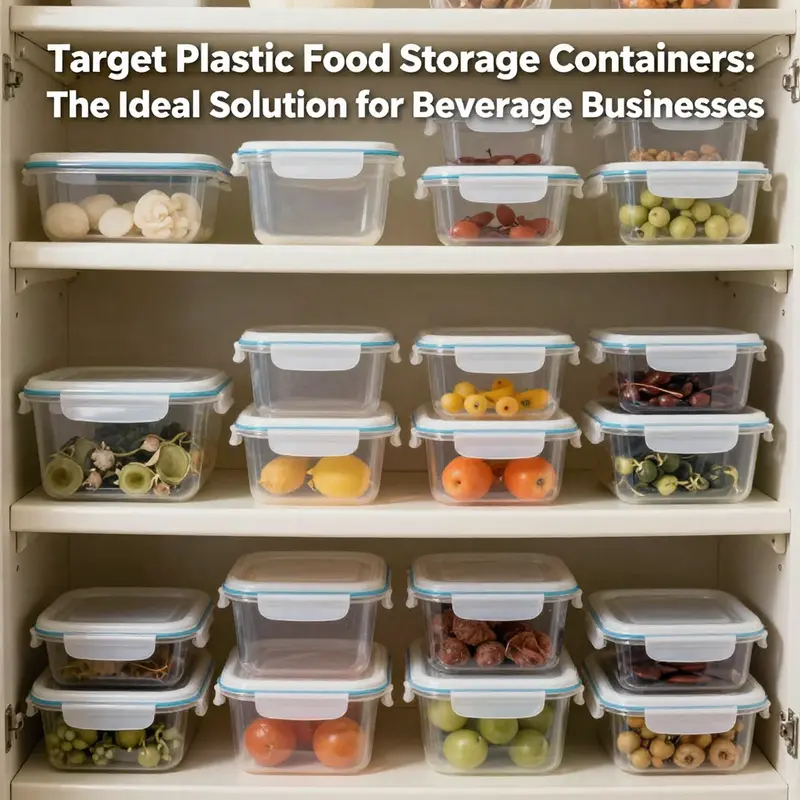
As beverage shops, restaurants, food trucks, catering services, and event planners constantly seek efficient and reliable solutions for food storage, Target’s range of plastic food storage containers emerges as a strong contender. Offering safety, durability, and versatility, these containers are designed to meet various culinary and operational needs. In the following chapters, we will delve into the durability and safety features that make these containers a preferred choice, explore their versatile uses in meal preparation, discuss environmental considerations associated with plastic use, and conduct a comparative analysis of Target’s offerings with those from other brands. Each chapter builds on the last, providing a comprehensive understanding of how Target’s storage solutions can elevate your business.
Durability and Safety Features of Target Plastic Food Storage Containers
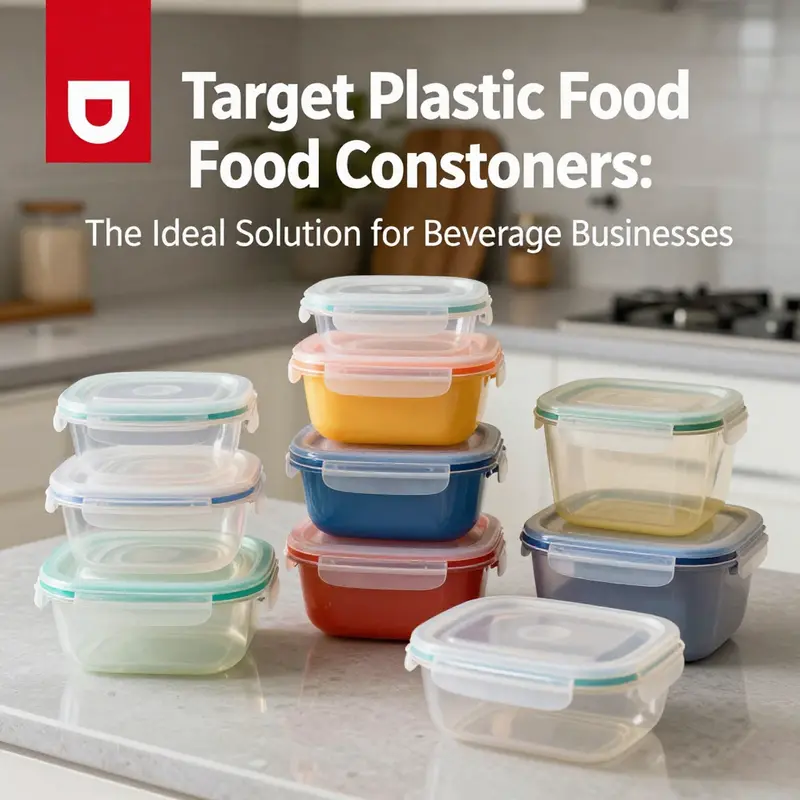
Durability and safety aren’t flashy, but they are the quiet workhorses of a well-stocked kitchen. When you grab a container for tomorrow’s lunch or to stash leftovers, you want something that can endure daily use without warping, cracking, or leaking. The best Target plastic storage containers balance lasting performance with practical design so they can keep foods fresh through many meals, trips to the fridge, and occasional dishwashing sessions. In short, durable materials paired with thoughtful lids and clear safety labeling create containers you can trust week after week.
A core factor is the material. Reputable storage options often rely on polypropylene, known as PP, for its heat resistance, chemical stability, and resilience during repeated cycles of opening, closing, washing, and stacking. This helps the container maintain shape and integrity whether it holds soup, yogurt, or sauces. A tight-fitting lid with a robust seal—often silicone or a silicone-like gasket—prevents leaks and minimizes air exposure, which helps preserve texture and flavor. A well-designed lid system also reduces the risk of spills during transport and in transit.
Safety signaling matters as much as physical sturdiness. Look for BPA-free labeling and clear temperature and care recommendations. Microwave-safe, freezer-safe, and dishwasher-safe (often top rack) guidance helps families heat safely, store safely, and clean without compromising the container’s walls or seals over time. Labels that specify heat tolerance and washing instructions provide a practical safety map for everyday use.
Durability and safety also hinge on how well a container stands up to real-life handling. Thick walls, reinforced corners, and precise lid fit resist denting and misalignment during stacking or travel. A transparent body helps you see contents at a glance, making meal planning easier and reducing waste. With proper care—avoiding harsh detergents on seals, air-drying lids, and following heating directions—the life of a container can extend from months to years, turning a routine purchase into a reliable kitchen companion.
Finally, responsible use and maintenance matter for longevity. Writing a simple routine: load and cool foods quickly, avoid mixing staining or strongly odorous ingredients with lighter containers, and store containers nested and dry. When durability is paired with clear safety signaling, you gain a dependable tool that protects food, supports efficiency, and reduces the need for frequent replacements.
From Prep to Plate: Mastering Meal Planning with Versatile Plastic Food Storage Containers
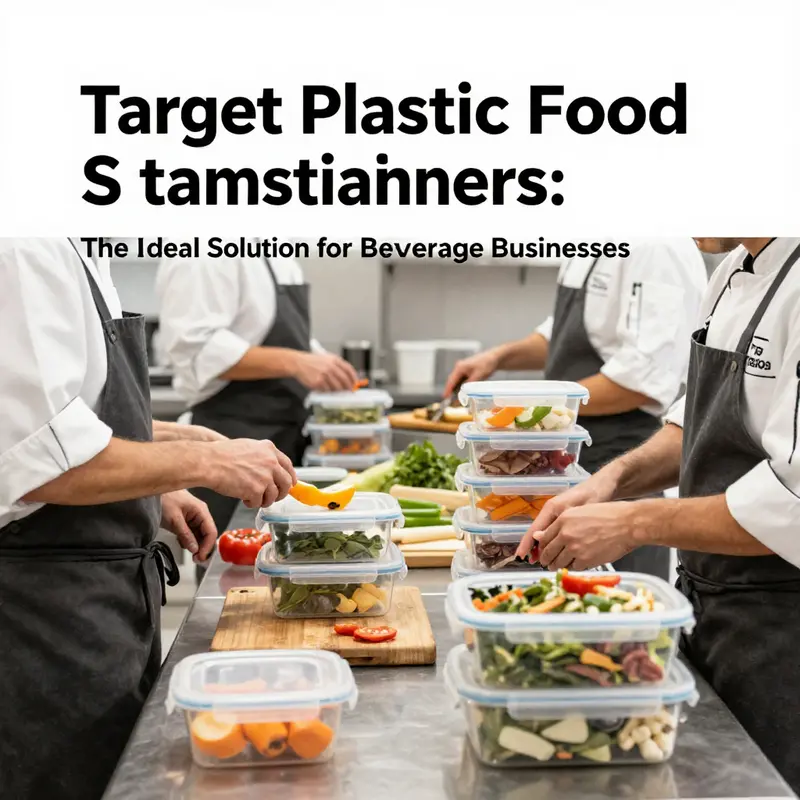
A well-organized week of meals often begins long before the first bite. It starts with a simple decision to use containers that can bridge the gap between raw ingredients, cooked dishes, and convenient, ready-to-eat portions. Plastic food storage containers, when chosen with care, become more than receptacles for leftovers. They turn into a modular system that supports consistent meal planning, reduces waste, and helps busy households stay aligned with healthy eating goals. The materials behind these containers are key to their versatility. Many are crafted from food-safe plastics such as polypropylene or high-density polyethylene. These materials are valued for their strength, light weight, and resistance to everyday temperature swings. They are typically BPA-free, a detail that reassures users who store both cold and warm foods. The safety credentials matter because containers often move from refrigeration to microwave or oven-safe reheating, and they may also make the leap from pantry to table during busy weeknights. In practice, this means choosing containers with explicit labeling that confirms microwave compatibility when reheating, freezer safety for long-term storage, and dishwasher friendliness for post-meal cleanup. A practical truth emerges from these features: versatility thrives when a single system can handle multiple kitchens tasks without sacrificing performance or safety. The right shape matters as much as the right material. Rectangular and square profiles maximize the usable area inside refrigerators and freezers, allowing a single stack of containers to fill a shelf with orderly, uniform rows. The ability to nest or stack adds to the sense of control that meal planners crave. In small kitchens, every square inch counts, and the geometry of storage can influence how efficiently the week unfolds. The transparent walls that many of these containers offer play a quiet but powerful role in managing food. When you can see what’s inside at a glance, you reduce the risk of forgotten ingredients turning stale or turning into waste. This visibility supports both practical planning and more mindful consumption, encouraging cooks to use what they already have before opening something new. It also helps with batch cooking routines, where knowing the exact contents and portions helps maintain consistency across meals.
The lids are often the unsung heroes of meal prep. Airtight seals or lockable lids prevent leaks, a feature that proves invaluable when transporting meals to work, school, or a weekend trip. The snap-on action should feel confident without excessive force, and the lids themselves should stay secure without warping after repeated use. Leaking sauces, soups, or dressings can derail a week’s worth of carefully prepared meals, so the guarantee of a leak-resistant seal matters as much as the containment itself. In many designs, lids are designed to accommodate venting—an important detail for reheating liquids—so that steam pressure can escape safely during the microwave process. This small but meaningful detail protects both the contents and the container over time, reducing the risk of lids cracking or seals loosening with repeated cycles.
The capacity to store a broad range of ingredients is where meal prep magic happens. A typical system supports everything from crunchy, pre-chopped vegetables to cooked grains, lean proteins, and portioned sauces. When you can preassemble complete bits of a meal in a single container, you cut down on cooking time on busy days. You can assemble a day’s lunch in the morning or even prepare a week’s worth of lunches on a single afternoon. The rule of thumb is simple: the more you can prebuild without sacrificing freshness, the more likely you are to maintain healthy eating habits. Layers of strategy come into play here. For example, placing vegetables and grains in separate compartments within a shared container can keep textures intact and flavors clean. In other cases, compartmentalized designs help with portion control, turning a single unit into a small, predictable meal that aligns with a chosen plan. The design flexibility of these storage options means you can adapt a single container system to a wide array of cooking styles, whether you are batching plant-forward bowls, portioning lean proteins for three different dinners, or freezing hearty soups for future weeks.
Healthy, consistent eating often hinges on portion control. Clear walls and standardized shapes make it easier to gauge portions at a glance, which supports dietary goals and reduces the impulse to overeat. When every container is the same height, width, and depth, stacking becomes a simple arithmetic exercise rather than a daily puzzle. This consistency translates into fewer decisions during a chaotic morning; grab a prepacked meal, warm it up, and know exactly how much you are eating. The mental bandwidth saved by streamlined portions can be as valuable as the physical space saved in the fridge. Over time, this clarity fosters better adherence to meal plans, a steadier intake of nutrients, and less reliance on last minute, less controlled food choices. The impact of these containers extends beyond the kitchen bench, shaping weekly routines, grocery lists, and even social meals with family or flatmates who share the same system.
A practical insight emerges for anyone who stores leftovers or meal-prepped foods: the combination of material safety, leak resistance, and visibility creates a durable workflow. Even though plastic containers are often cast as temporary tools, when they are well-designed and properly used, they become long-lasting assets. They withstand the chill of the fridge, the warmth of reheating, and the cleaning cycles of a dishwasher if they are labeled as top-rack safe. The ability to withstand these cycles repeatedly is not a trivial feature; it reflects attention to engineering that respects both the user and the environment. Durability translates into fewer replacements, which in turn reduces waste and supports a more sustainable kitchen routine. The space-saving, stackable attributes help keep cupboards and drawers organized, which reduces the cognitive load associated with meal planning and cooking. It is easier to maintain a consistent routine when the tools you rely on are predictable and reliable, and that reliability often originates in fundamental design choices—shape, material, lid system, and clear walls.
Beyond the mechanics of storage, there is a lifestyle dimension to consider. People who invest time in meal prepping frequently pursue a broader approach to health, time management, and budget. The containers support this triad by enabling batch cooking that preserves freshness, enabling portion control that aligns with calorie and macro goals, and offering a cost-effective alternative to dining out. When you see a week’s worth of lunches organized by day, it is not just a visual cue; it is a reminder of discipline and planning that extends to grocery shopping and ingredient buying. The containers help convert a concept—balanced meals on a schedule—into a concrete routine. The kitchen becomes less reactive and more proactive, turning the act of cooking into a deliberate, repeatable process rather than a daily improvisation. This shift often ripples outward, influencing how families approach nutrition, how students manage study schedules, and how professionals protect their time amid busy days.
A note on the environmental angle is warranted, not as a critique of plastic storage in general but as guidance for thoughtful use. While many plastic containers are designed for repeated use, the broader market is still heavily oriented toward disposable options. However, a growing emphasis on sustainability means more options include recyclable materials and more responsible manufacturing practices. For consumers who want to minimize environmental impact, the best practice is to reuse containers where possible and retire items responsibly when they wear out. When considering replacements, looking for durable construction that resists cracking and warping can extend the life of a storage system. An ongoing conversation about plastic sustainability also invites consideration of glass or stainless alternatives for certain foods or heat-intensive reheating scenarios. The goal is not to demonize a category but to optimize it—selecting tools that support longevity, ease of cleaning, and reliable performance while keeping an eye on end-of-life options.
For those mastering meal prep, tips that reinforce long-term success can feel almost instinctive after a while. Start with a core set of containers in a few standard sizes that cover the most common lunch and dinner portions. Keep a couple of small units for snacks and dressings, and reserve a couple of larger ones for batch-cooked grains, soups, or big batches of roasted vegetables. Labeling becomes a quiet system yes, with dates or simple color-coded markers to indicate when a batch was prepared. A simple rule helps maintain order: use the oldest items first, which minimizes waste and keeps taste profiles fresh. When it is time to reheat, open the vent if the lid supports pressure release and avoid overheating by following the container’s labeling. In practice, these routines reduce the daily burden of decision making, liberate time for other tasks, and support a sense of control that can be hard to achieve in a hectic week.
The practical benefits also extend to transportation and social meals. Containers with reliable leak resistance are particularly valuable for commuters, students, travelers, or anyone who needs to move meals between places. The confidence that a sauce or stew will stay contained makes it feasible to plan meals for long days away from home. It also broadens the possibilities for shared meals, potlucks, and family gatherings, where preportioned dishes can travel cleanly and arrive ready to serve. In these moments, the containers do more than preserve food; they sustain routine, health, and connection by removing friction from everyday logistics. The cumulative effect is a kitchen ecosystem that respects time, supports consistent nutrition, and adapts to evolving dietary goals and life rhythms.
The experience of using these containers can be almost tactile in its familiarity. The lids click into place with a reassurance that feels almost ceremonial after weeks of routine. The walls are clear, letting you see progress at a glance rather than digging behind opaque packaging to understand what’s inside. The sizes align in a practical hierarchy, which makes arranging a pantry or a fridge feel like solving a quiet puzzle rather than managing chaos. In short, the everyday act of meal prep becomes less about struggle and more about flow. The containers do not dictate your choices, but they shape possibilities. They offer a clear path from raw ingredients to plated meals, from grocery cart to lunchbox, and from planning to presence at the table. This is where the story of versatile plastic food storage containers intersects with modern meal prep: not as a single invention but as a durable system that grows with your cooking life, adapts to your schedules, and quietly supports healthier, more intentional eating patterns.
For readers exploring how to integrate these containers into their own routines, the guidance comes back to balance and intention. Start by assessing your typical week: how many days require prepared lunches, how often do you batch cook soups or grains, and what range of foods do you tend to store? Then map those needs to a small set of container sizes that cover most scenarios. Emphasize a robust seal and a clear wall policy, so you know at a glance what is inside and you can reheat safely without unnecessary handling. Consider how the containers will fit in your fridge, freezer, and dishwasher, and remember that the best system is one that you can maintain with the least friction. It is this combination of thoughtful selection, practical design, and disciplined use that transforms a basic kitchen tool into an indispensable ally for healthy, organized living. As you continue to refine your meal prep practice, you will likely find that the simplest choices—the right lid, the right shape, the right material—are the ones that unlock the most productivity, reduce waste, and support a more mindful relationship with food.
External resource for further reading on food-contact safety and packaging regulations:
https://www.fda.gov/food/packaging-food-safety
Rethinking Convenience: Environmental Realities and Human Health in Everyday Plastic Food Storage
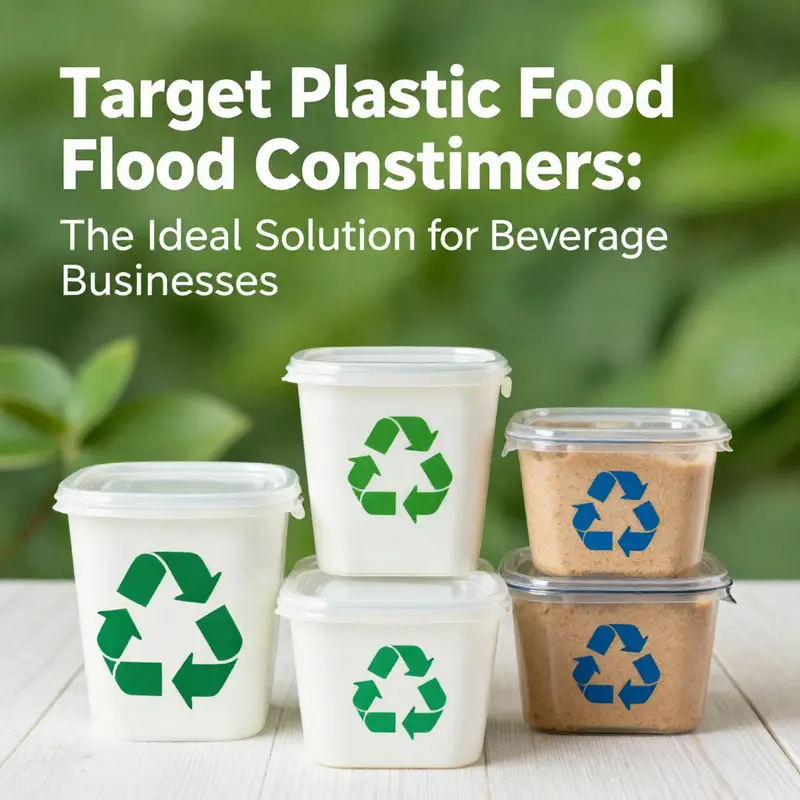
Every day, a simple decision about how to store, transport, and reheat food ripples outward. A seal, a lid, a clear rectangle that stacks neatly in the fridge—these are the small technologies of modern living. Plastic storage containers offer undeniable benefits: they reduce waste by enabling portion control, they keep leftovers organized, and they fit neatly into a crowded pantry or a busy kitchen drawer. Yet beneath the familiar snap of a lid and the whisper of a microwave beeping at the end of a reheat cycle lies a strand of concern that echoes far beyond the kitchen. The environmental and health questions surrounding plastic food storage urge a careful, informed look at how we store our meals, how these containers are made, and how long they stay in our lives—and in our environment—after we’re done with them. The dialogue between convenience and responsibility becomes not a debate about absolutism but a practical, human-centered negotiation about risk, durability, and the possibilities of safer, smarter material choices for everyday use.
A core thread in this conversation is chemical migration. Plastics are not inert. They are complex composites that include additives designed to modify properties like flexibility, color, and durability. Among these additives, bisphenol A (BPA) and phthalates have drawn particular scrutiny because they can migrate into food under certain conditions. The risk is not merely theoretical; more than a few studies have linked higher exposure to a range of health concerns that touch hormone systems and metabolic processes. When a plastic container is subjected to heat, fatty or acidic foods, or lengthy storage, the likelihood of chemical migration increases. The practical implication for daily life is clear: the way we use these containers matters as much as the containers themselves. A heat source, a fatty sauce, or even a long period of contact with hot coffee can create conditions in which the container and its contents exchange more than warmth. In some research there are connections drawn between exposure to plastic-associated chemicals and cardiovascular indicators, which underscores why many health professionals advise cautious use of plastics for hot foods or prolonged storage of sensitive items. This is not a bludgeon against convenience but a reminder that safety requires informed handling and thoughtful choices about when and how to heat and store food.
Microplastics widen the scope of concern. As plastics age and are cleaned, scratched, or degraded by repeated uses, tiny fragments shed from containers can become part of the daily diet. The long-term effects of microplastics on human tissues remain an evolving field of inquiry, but a growing body of evidence points to potential inflammatory responses and organ-level considerations. The picture is not that plastic is categorically harmful in every instance, but rather that microplastic exposure is a new frontier of risk assessment that deserves attention from consumers and policymakers alike. In practice, this means recognizing that even containers designed for repeated use can contribute to microplastic shedding if they are subjected to harsh cleaning, high temperatures, or abrasion. The takeaway is not to abandon all plastics but to use them more judiciously: avoid heating in non-approved plastics, replace containers with visible wear or scratches, and be mindful of the storage duration for foods highly susceptible to migration.
At the same time, the environmental footprint of plastic storage options is a broader, systemic story. The production of traditional plastics relies on fossil fuels, a non-renewable resource with climate implications. Even when marketed as reusable, many containers fail to deliver long-term durability; seals sag, walls crack, and containers end up in landfills or the broader waste stream sooner than expected. The end-of-life pathway for plastic is often blocked by contamination and complexity in sorting facilities. Recycling rates for everyday plastics are relatively low, not because the concept is flawed, but because real-world recycling faces hurdles ranging from material heterogeneity to consumer behavior and the economics of processing. The cumulative effect is a sizable share of plastic packaging leaving homes only to persist in the environment for hundreds of years, contributing to pollution that affects soils, waterways, and wildlife. In other words, the convenience of a cool, sealed container comes with a disposal story that deserves attention as part of responsible consumption.
Recognizing these realities opens a practical space for action. For many households, the answer is not a single panacea but a portfolio approach that balances convenience with safety and environmental stewardship. Where possible, glass containers stand out for their inertness and long lifespans. Glass does not leach chemicals, is highly recyclable, and does not absorb odors or stains. It is safe for a wide range of temperatures and can often endure many years of daily use when handled with care. Stainless steel is another strong candidate, particularly for on-the-go storage or for containers that may take some rough handling in a busy family routine. Stainless steel resists corrosion, does not leach chemicals, and offers remarkable durability. Food-grade silicone, with its flexibility and heat tolerance, serves well for flexible storage, freezer-to-oven transitions, and varied portion sizes. Ceramic and aluminum can also play roles in more specialized storage scenarios, especially for dairy or long-term storage where temperature stability is valued.
That said, plastics will persist in many kitchens for reasons that go beyond price alone. They offer lightness, affordable mass production, and the practical benefit of clear visibility to quickly assess what is inside without opening every container. In conversations about sustainability, the path is not to vilify plastics wholesale but to be honest about their limitations and to invest in safer, smarter choices wherever feasible. The culture of reuse can be strengthened by selecting containers designed for longevity and easy cleanability, with lids that maintain their seal after repeated cycles. A mindful approach to labeling is also valuable: choosing products that clearly indicate heat resistance, dishwasher top-rack compatibility, and safe material classifications reduces the risk of misuse that can amplify chemical migration or microplastic shedding.
This broad perspective invites a more deliberate shopping and usage discipline. For families, it means maintaining a rotating stock of containers and retiring those with visible wear or compromised seals. It means reserving plastic storage for specific, lower-temperature, short-term uses—such as cool beverages, fresh produce, or cold leftovers—and using materials like glass, stainless steel, or silicone for hot dishes or items that will be reheated or stored for longer periods. It also means building habits that minimize waste: portioning meals into pounds of food saved in reusable containers, labeling with dates, and washing containers in a way that preserves their integrity. In practice, this can feel like a careful choreography, a balance between the desire for easy cleanup and the responsibility to protect health and the planet.
On the industry side, the conversation is evolving. The market is gradually expanding beyond single-use paradigms toward more sustainable practice, with brands and retailers increasingly highlighting materials that can be recycled, reused, or endowed with safer properties. Even when plastic remains in the mix, retailers are strategizing around better waste management, clearer safety labeling, and collaborations with organizations pursuing alternative packaging streams. There is momentum in the direction of making containers safer by design, and in providing consumers with better information about heat tolerance, material composition, and end-of-life options. For households seeking to align daily routines with broader environmental goals, this often translates into a practical kit of storage options that emphasizes durability, clear usage guidelines, and a willingness to supplement plastics with safer alternatives when feasible.
In thinking through how to integrate these ideas into everyday life, it helps to consider specific, tangible practice. First, when heating any stored food, verify that the container is labeled microwave-safe and intended for reheating. If there is any doubt, transfer the food to a glass or ceramic dish before microwaving. This simple step can significantly reduce the potential for chemical migration and keeps microplastics from shedding into meals. Second, avoid storing highly fatty or acidic foods in plastic for extended periods, particularly in hot climates or during summer travel where temperature control is harder to maintain. Third, when possible, choose storage that prioritizes durability and longevity rather than disposable designs. Even if a container is affordable, repeated use is more important for long-term environmental impact than a single longer-term purchase. Fourth, practice a thoughtful end-of-life routine: rinse containers, sort by material type, and participate in recycling programs that are equipped to handle the specific plastics involved. And finally, look for alternatives when you are shopping for new storage. A growing segment of the market now emphasizes glass, stainless steel, and silicone as mainstream, practical options for families seeking to reduce their plastic footprint while preserving the convenience of organized food storage.
To connect the broader narrative to daily decision-making, consider the packaging ecosystem that supports meals beyond the home kitchen. Packaging choices influence not only what we bring home from the grocery store but also how we plan, transport, and consume meals on the go. The aim is not to create a rigid rulebook but to cultivate a flexible mindset: choosing safer materials when practical, while also embracing reuse and durability as core priorities. In this light, a practical home setup emerges—one that acknowledges the virtues of plastic storage where warranted, but that leans toward safer, longer-lasting materials for the bulk of daily storage. This approach respects both health and environmental considerations, recognizing the realities of modern life without surrendering to fear or convenience as the sole guiding principle.
For readers who want to explore packaging alternatives that align with a more sustainable lifestyle, a convenient starting point can be found in the broader landscape of eco-friendly food packaging products. A tangible option in the realm of safer, reusable materials is the biodegradable eco-friendly take-away kraft paper bowl family, which demonstrates how packaging can perform well without relying on traditional plastics for every use. For a deeper look into these kinds of alternatives, you can explore a related product category at this resource: biodegradable eco-friendly take-away kraft paper bowl.
As a practical habit, many households can begin by assessing their current container stock. Identify which containers show wear, which seals no longer hold, and which are used for hot or fatty foods. Create a plan to phase in safer alternatives where heat and long storage are common. For example, reserve plastic for cold snacks or short-term storage and keep heat-tolerant tasks, such as reheating leftovers, aligned with glass or steel options. This approach keeps the kitchen functioning smoothly while advancing a longer-term transition that reduces exposure to potentially harmful substances and curtails the environmental footprint associated with frequent replacements and waste.
The conversations surrounding Target’s offerings, safety labels, and sustainability efforts are part of a larger, ongoing dialogue about responsible consumption. Retailers have the opportunity to guide customers toward safer choices through clearer labeling, educational content, and visible commitments to durability, recyclability, and reduced environmental impact. Consumers, in turn, can engage more actively with these messages by reinforcing practices that minimize risk and waste. The goal is a kitchen that remains functional and enjoyable while embracing a more resilient relationship with the materials that touch our food. In that sense, the everyday act of choosing a container becomes a small, practical expression of care—for personal health, for caregivers and children, and for the ecosystems that sustain our food systems over time.
For readers seeking a broader global perspective on the environmental challenges of plastic packaging, a reputable external resource offers a comprehensive look at how plastic pollution affects ecosystems and human health, as well as policy and practical considerations for reducing reliance on single-use plastics. External reference: https://www.who.int/news-room/fact-sheets/detail/plastic-pollution
Stacking, Sealing, and Saving: Target’s Plastic Food Storage Containers in a Crowded Brand Landscape
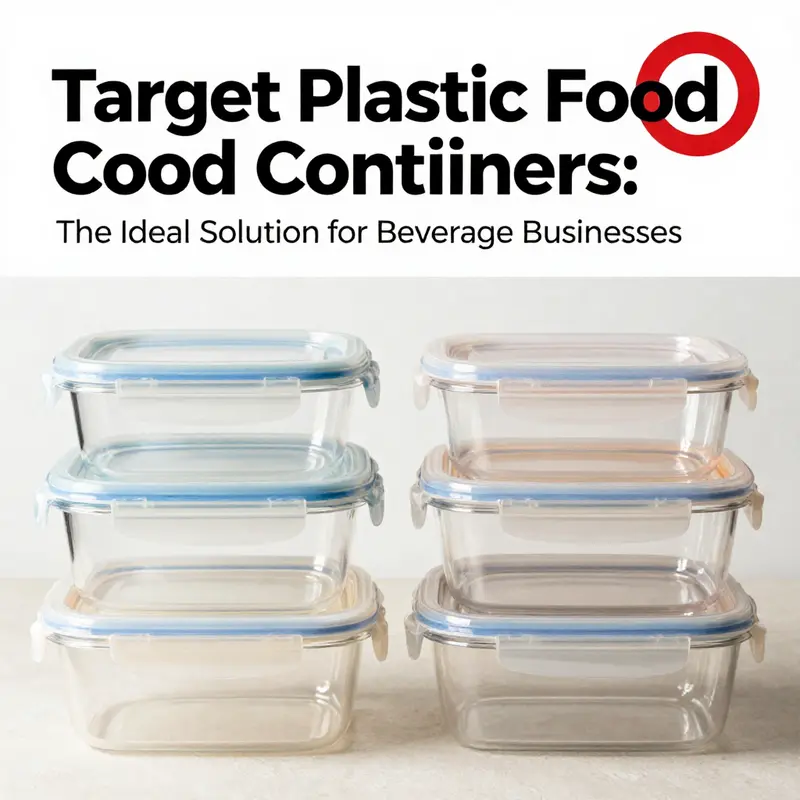
When you open a kitchen drawer or peek into a fridge, the plastic storage containers you reach for do more than hold leftovers. They shape how you plan meals, how often you cook, and how confidently you can move a warm bowl to the office or the car without spilling. In evaluating Target’s plastic food storage options, the question isn’t merely which lid snaps shut or which container fits in the refrigerator door. It’s about a broader equation: value, convenience, safety, and alignment with a lifestyle that prizes efficiency without compromising environmental responsibility. Across the board, Target’s offerings aim to satisfy a wide spectrum of daily needs, from the quick, everyday portioning of meals to the longer-term preservation of ingredients. They are primarily built from BPA-free plastics such as polypropylene and high-density polyethylene, materials chosen for their balance of safety, durability, and cost. The practical upshot is clear: these containers are designed to work in cold and warm conditions alike, provided the labeling confirms heat tolerance and care guidance. This simple truth—versatility across temperatures—drives much of the appeal in a busy household where a single container might serve multiple roles, from a yogurt cup to a soup transport vessel.
The lids, often a focal point for users worried about leaks, locking accuracy, and ease of use, reflect a similar balance. A secure locking mechanism is essential for transporting soups, stews, or sauces in a car or a backpack, yet it must remain straightforward enough for daily use. The typical Target range emphasizes leak resistance and practical closure systems. For many shoppers, this translates into a dependable everyday option rather than a premium, feature-laden choice. The reality that some users notice slight variability across sizes—where the locking precision may feel more robust in some dimensions than others—speaks to a broader industry truth. In mass-market lines, the trade-off between universal usability and absolute tightness of seal is common. Still, for most common refrigerators, freezers, and dishwashers, the functionality holds firm: containers are designed to be microwave-safe when labeled for warmth, freezer-friendly for long-term storage, and top-rack dishwasher-safe for straightforward cleanup. The emphasis on top-rack washing aligns with the practical demands of households that rely on routine, efficient cleaning routines rather than specialized care.
From a design perspective, the popularity of Target’s storage options often rests on a blend of clear visibility, stackability, and a straightforward geometric footprint. The transparent or semi-transparent bodies enable quick scans of the contents, a feature that helps curb waste by making it easier to identify what’s on hand and what should be used first. This visibility is an understated but powerful ally in meal planning and inventory management. In many homes, the ability to see a container’s interior without opening the lid translates into fewer forgotten leftovers and less food waste—a small but meaningful contribution to sustainability in everyday life.
Affordability remains a standout attribute in Target’s approach. Price sensitivity is a practical reality for countless households, and the store’s private-label lines have aimed to deliver core storage functionalities at a lower price point relative to some premium competitors. The value proposition is not merely price-parity but a deliberate effort to deliver core performance—reliable seals, durable materials, and space-saving designs—without the premium tag. In this light, Target’s containers are positioned as reliable, budget-conscious choices for everyday use, rather than luxury items meant for extreme or specialized scenarios.
Yet the picture is nuanced. Independent testing and third-party reviews note a few caveats that matter for specific use cases. Material quality and heat resilience can vary across models, with some products showing slightly more warping after repeated microwave exposure compared with premium counterparts. This observation does not negate the everyday practicality of the line; rather, it highlights a key insight for shoppers who routinely reheat meals multiple times a day or who frequently subject containers to high-heat uses. For many households, the containers perform admirably for standard daily routines—storing, reheating once, and then reusing—but those who push the envelope on heat and frequency may wish to consider more robust options for extreme daily use or long-term preservation of high-heat foods.
The breadth of Target’s range—across sizes, shapes, and lid configurations—also plays into its accessibility. A broad assortment means there is almost always a container that fits a particular volume, a specific dish size, or a lid configuration that aligns with a given pantry layout. The flexibility to mix and match sizes supports both meal prep and long-term storage strategies. In practical terms, this translates to a pantry that can flex with a family’s evolving needs—from single-serving meal kits for one to larger, family-sized batches for batch cooking. The result is a system that can be scaled up or down without forcing a consumer into a different price tier or a different design language.
From an environmental standpoint, Target has begun to weave sustainability into its plastic storage conversation, though the path remains complex. The majority of containers in this category are still single-use by traditional thinking; however, several products incorporate recyclable materials and are part of a broader corporate commitment to reducing plastic waste. The brand’s evolving strategy includes partnerships that promote reusable alternatives, even if these partnerships aren’t yet fully integrated into the core line. For consumers who want to minimize environmental impact, practical guidance still matters: reuse existing containers where possible, and consider glass or other reusable options for certain tasks where durability and longevity justify the investment. The tension between affordability and environmental stewardship is not unique to Target; it’s a broad industry conversation about how everyday kitchenware evolves toward greater sustainability without sacrificing convenience or accessibility.
A closer look at how these containers sit in the larger ecosystem of packaging and storage choices helps illuminate the decisions a shopper faces. The visibility of contents supports smarter consumption, helping to avoid duplicate purchases when you can quickly tell what you already have. The stackable design makes better use of shelf and refrigerator real estate, which is particularly valuable in kitchens with limited space. For households that routinely prepare meals in advance, the ability to nest containers neatly and to stack lids in a consistent configuration reduces clutter and streamlines the cleanup process after a busy week. The practical, everyday benefits—space efficiency, quick content checks, simple reheating, and straightforward cleaning—form a compelling narrative about why these containers persist as a go-to choice for many households.
In comparing Target’s plastic storage options with other brands, several threads emerge. Price and value are central, and Target’s squeeze on price without sacrificing core functionality makes it a strong contender for budget-minded shoppers. In terms of design and usability, Target’s range offers a modern aesthetic and practical features like clear visibility and volume-conscious shapes that align with everyday kitchen workflows. Material quality, while generally robust for standard tasks, shows some variability in high-heat, high-frequency use, a caveat that resonates with a broader consumer audience who tests containers against real-life cooking rhythms. Variety and accessibility stand out in Target’s favor, with a nationwide footprint and a broad online catalog that ensures a spectrum of choices at accessible price points. All these factors coalesce into a consumer recommendation that prioritizes reliability and practicality, especially for households seeking dependable, everyday storage solutions rather than top-tier, specialty items.
The conversation around storage choices is not merely a consumer-choice exercise; it intersects with broader trends in how families plan, prepare, and preserve food. The move toward meal-prep routines has elevated the importance of containers that can handle both the simplicity of a cold lunch and the demands of reheated meals. A container line that can swivel easily from freezer to microwave—while preserving the integrity of the contents and maintaining a clean, simple lid closure—becomes a small but meaningful ally in a busy kitchen. The visibility of the contents, the predictability of lid performance, and the predictability of the label’s heat tolerance all contribute to a sense of confidence in the choice, which in turn supports more consistent meal planning and less waste.
To make sense of the trade-offs, it helps to situate these containers within the practical realities of daily cooking and storage. For households that value a straightforward, no-fuss approach, Target’s bundles of containers can be a reliable baseline. They deliver the essentials: BPA-free materials, capable lid systems, temperature versatility within labeled limits, dishwasher-safe top-rack compatibility, and a design language that remains unobtrusive enough to fit into most pantry aesthetics. For those who occasionally push the limits—reheating multiple times, stacking many containers, or relying on containers for travel and transport—there’s value in recognizing where the line sits. The occasional warping or minor leak-precaution caveats are not universal, but they are worth noting for anyone who manages high-heat tasks, frequent reheating, or long-term storage of delicate ingredients. In such cases, a buyer might consider supplementing the standard line with more robust options or branching into non-plastic alternatives for particular uses.
In this sense, Target’s plastic storage containers become a practical entry point into a broader conversation about how households manage food, space, and time. They offer a balanced blend of safety, convenience, and affordability that can anchor a kitchen’s storage system. They also exemplify a broader consumer behavior pattern: people often begin with accessible, low-friction solutions and then adjust their selections as their cooking habits evolve or as priorities shift toward sustainability or resilience. The decision to stay with a budget-friendly option, to mix in higher-end lines for certain tasks, or to diversify into glass or other materials for long-term storage depends on how a household cooks, how often they reheat, and how important durability and heat resistance are to their routines.
In closing, the market landscape for plastic storage containers is not monolithic. It is a tapestry of features, performance signals, and price points that reflect different household priorities. Target’s plastic storage range embodies a particular philosophy: deliver everyday practicality with broad accessibility, ensure basic safety and usability, and provide enough design versatility to support a range of kitchen workflows. It is a design that respects the rhythm of daily life—quick checks, rapid cleanups, and efficient use of space—while acknowledging that some users will push the limits of heat tolerance and reuse longevity. For shoppers who want a solid, dependable baseline that reliably covers most of what a family needs—without sailing into premium territory or specialized equipment—Target’s offerings represent a sensible, value-driven choice that aligns with the realities of modern kitchen routines. For a broader context on how these containers are evaluated in real-world testing, see independent comparisons that assess performance across common tasks, including sealing reliability, warp resistance, and heat handling.
External resource for further context: https://www.consumerreports.org/food-storage-containers/best-plastic-food-storage-containers-a043768892/
Internal resource for packaging options: wholesale-custom-print-kraft-paper-food-storage-salad-noodle-bowl
Final thoughts
Target’s plastic food storage containers provide an exemplary combination of durability, safety, and versatility, addressing the unique needs of beverage businesses, from cafes to catering services. By utilizing these containers, you can enhance meal prep efficiency, ensure food safety, and contribute to a more sustainable environment. As you consider storage solutions for your establishment, Target stands out as a reliable partner ready to assist in optimizing your operations, reducing waste, and maintaining quality. Embrace the versatility and practicality of Target’s offerings for your food service needs today.