
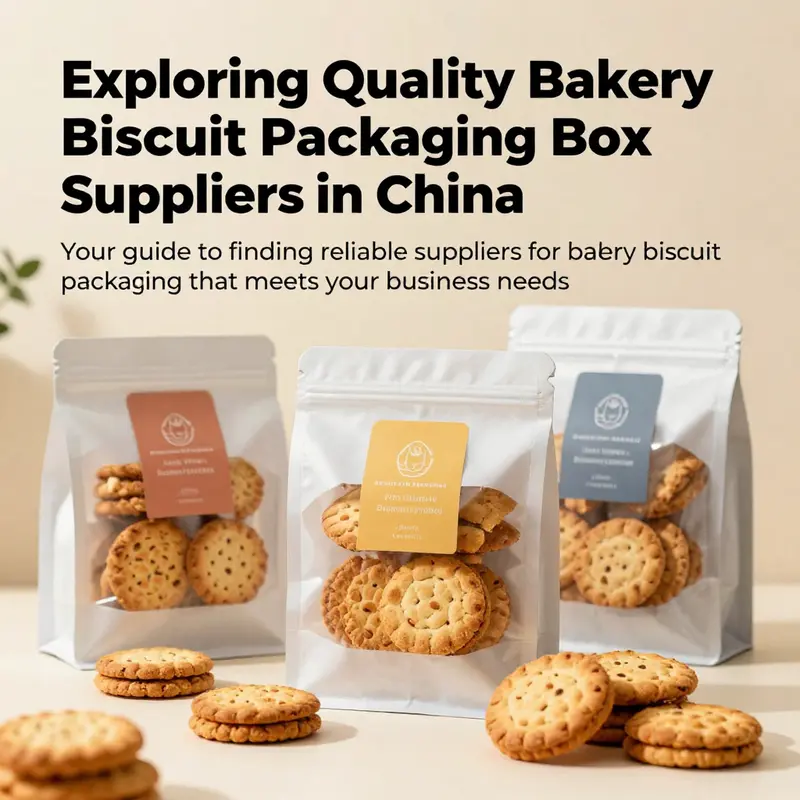
For businesses in the beverage and catering industry, the importance of high-quality packaging cannot be overstated. Bakery biscuit packaging plays a vital role in preserving product freshness and enhancing brand image. As demand for aesthetically pleasing and eco-friendly packaging rises, finding the right supplier becomes crucial. This article unravels the intricacies of sourcing bakery biscuit packaging boxes in China, from identifying core manufacturing areas to leveraging reliable procurement platforms. We will also explore the key cities where top suppliers are located and the personalized services they offer to meet diverse business needs. By the end, you will have a clearer understanding of how to navigate this growing sector.
Core Manufacturing Hubs: Tracing China’s Powerhouses in Bakery Biscuit Packaging Box Supply
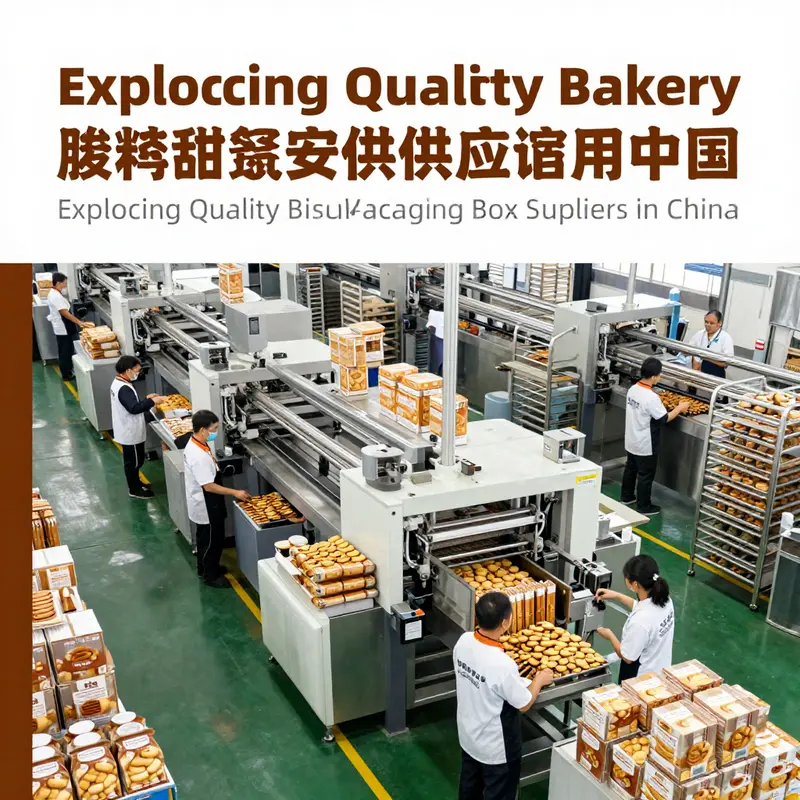
China has long established itself as the backbone of global packaging production, and the landscape for bakery biscuit packaging boxes is no exception. Behind every well-branded biscuit box lies a network of factories that blend scale, speed, material science, and ever-evolving design. For global buyers aiming to source reliable, high-quality packaging with the right balance of cost, customization, and export readiness, understanding where and how these hubs operate helps translate strategy into real outcomes. The core manufacturing areas, especially in the south, east, and the urban belt around Shanghai, form a triad of strengths that together drive China’s packaging prowess. In discussing these hubs, it is possible to see a layered ecosystem: Guangdong as the mass-production engine, Fujian as the logistics and value-for-money corridor, and Shanghai and its surroundings as the frontier for innovation and high-end customization. This regional division of labor does not merely reflect geography; it mirrors a mature industry architecture built on supplier ecosystems, local policies that support export, and a culture of rapid iteration that is essential when a brand seeks to refresh its unboxing experience without sacrificing reliability.
Guangdong stands as the absolute core of China’s food packaging manufacturing. The concentration of capabilities here is not simply a matter of factory count; it is the way the region links raw material sourcing, production, and global distribution into a tight, cost-competitive loop. Foshan, Dongguan, and Huizhou are more than names on a map; they are nodes within a dense web of suppliers, regrind mills, and converting houses that specialize in food-grade packaging containers. The supply chain is so tightly woven that raw materials can be procured within a radius that often sits inside a 50-kilometer belt, enabling what buyers value most in practice: shorter lead times and lower logistics variance. This proximity translates into real-world advantages, from planning stability to the ability to respond quickly to evolving packaging regulations and shifting demand cycles. Advanced digital printing and high-precision die-cutting are standard here, allowing clients to pursue full-color branding, window design, and bespoke structural features with a speed-to-market that is hard to match in other regions. The scale of Guangdong-based production also supports strong export capability. From factory floor efficiency to port access via Shenzhen, Guangzhou, and Zhuhai, shipments can reach major markets with predictable timelines. In the context of sustainability, Guangdong suppliers have already begun to experiment with eco-friendly materials and performance-driven design choices that improve box integrity while reducing material usage. For instance, the application of FSC-certified recycled cardboard and thicker corrugated structures demonstrates how a seemingly simple packaging choice can raise protection by tens of percent without inflating costs. This is not just a technical improvement but a brand storytelling opportunity, a practical way to communicate a bakery’s commitment to responsible packaging in a crowded market. The Guangdong ecosystem also resonates with the operational realities of B2B buyers who value clear documentation, consistent quality, and the ability to scale orders across multiple SKUs or campaigns.
If you move along the coastline toward Fujian, the picture shifts toward another set of strengths that complement Guangdong’s scale with different strategic advantages. Fujian’s appeal rests on its role as a coastal logistics hub that links manufacturing prowess with efficient export channels. Xiamen and other coastal cities provide reliable ports and streamlined customs processes, creating a gateway that reduces the friction often associated with cross-border packaging shipments. The region’s producers excel at handling mid-to-high-end orders with a balance of volume and cost efficiency. This is the kind of value-for-money proposition that many brands seek when expanding into new markets or when packaging budgets are anchored by a broader product rollout across multiple geographies. Additionally, Fujian suppliers have invested in production systems aligned with EU and US food safety standards, a critical consideration for brands aiming to reach regulated markets without compromising on cost competitiveness. The export orientation of Fujian-based operations is reinforced by a ecosystem of logistics partners, warehousing capacity, and established routes that enable predictable deliveries to Europe and the Americas. The region’s emphasis on exporting also encourages a culture of compliance and traceability, which helps buyers navigate quality checks across borders and reduces the risk of delays caused by documentation or material non-conformances.
Shanghai and its surrounding eastern corridor round out the triad with a focus on innovation, customization, and sustainability. This region is widely recognized for pushing the envelope in terms of design flexibility and the adoption of new materials and manufacturing techniques. The emphasis here is not only on making robust packaging but on enriching the consumer experience through thoughtful unboxing, value-added features, and longer-term product stewardship. Manufacturers in the Shanghai cluster invest heavily in research and development, digital prototyping, and eco-friendly material applications. They experiment with sustainable alternatives, such as recyclable or compostable substrates, and integrate these with smart design features that improve performance without adding complexity for the brand. Magnetic closures, resealable mechanisms, and tactile messaging are typical examples of how high-end bakers seek to elevate brand perception while maintaining a commitment to reducing plastic use. The region’s strength also lies in its ability to deliver customized solutions at scale, balancing bespoke aesthetics with consistent quality across thousands of units. This is particularly valuable for premium or seasonal bakery lines that require a distinctive packaging narrative while still demanding the reliability that mass production provides.
Together, these regions present a comprehensive, interconnected ecosystem. The phrase strength in the south, advantages in the east, and precision in the north captures the reality that the Chinese packaging industry has evolved into a coordinated network rather than a simple cluster of isolated factories. Guangdong supplies volume, speed, and cost effectiveness; Fujian delivers logistics efficiency and price-performance balance; Shanghai and nearby provinces drive innovation, sustainability, and high-end customization. For a bakery brand that needs dependable supply for a global rollout, this triad reduces risk and expands the design space. The factories across these regions share a common mindset: the packaging must protect the product, reflect the brand, and travel the globe without surprises at customs or in transit. That mindset is reinforced by modern quality systems, frequent collaborations with packaging engineers, and the ability to translate a brand’s identity into a tangible product through printing methods, finishing touches, and efficient conversion lines.
What does this mean in practical sourcing terms? First, the regional strengths suggest a staged approach to supplier selection. If a buyer prioritizes scale and predictable cost per unit, Guangdong is an efficient starting point. If the objective is to optimize landed cost through superior logistics and compliance readiness, Fujian provides a compelling value proposition, especially for mid-to-large batches and multi-country shipments. For brands seeking a premium packaging experience, the Shanghai belt offers design-forward solutions and ecologically minded materials that align with modern consumer expectations about sustainability and storytelling. Buyers should also consider the end-to-end supply chain implications: from raw material sourcing proximities to the ability to manage conversions, to the capacity to deliver consistent quality across SKUs and seasonal campaigns. The integration of these regional capabilities often translates into a more resilient supply chain. For instance, a brand launching multiple SKUs across different markets can leverage Guangdong for bulk box production, Fujian for logistic-dense shipments to Europe and beyond, and Shanghai for limited-edition or premium lines that demand high aesthetic precision and innovative features.
In practice, this means brands should map their packaging needs against regional capabilities. The southern cluster’s mass production capacity is a natural fit for standard sizes and frequent restocks. The eastern coastal belt offers a compelling balance when speed-to-market and export readiness are paramount, along with adherence to stringent safety standards. The Shanghai sphere gives the brand the opportunity to differentiate through material choices and clever design innovations that elevate the consumer experience without sacrificing performance. For global buyers, this regional framework also helps in planning lead times and inventory strategies. Local suppliers can align with production calendars, enabling synchronized campaigns across regions or staggered launches with overlapping supply chains. That alignment is crucial when dealing with seasonal biscuit lines, holiday promotions, or limited-edition flavors that demand timely packaging updates.
From a procurement perspective, the ecosystem in these core areas is supported by reliable procurement platforms and established international trade practices. Buyers can engage with Guangdong-based producers who operate with export-ready facilities and can provide the necessary documentation for cross-border shipments. In parallel, Fujian-based manufacturers’ strengths in cost efficiency and compliant production lines make them attractive candidates for distributors seeking steady performance at reasonable margins. Shanghai-area providers, meanwhile, offer not only customization but also a robust quality assurance framework, which helps mitigate risk when brands push the envelope in unboxing experiences or sustainable packaging revisions. When evaluating suppliers, buyers should request evidence of material specifications, print fidelity, and packaging performance tests. They should also consider traceability for critical packaging components, such as the durability of coatings and the recyclability of substrates, to ensure alignment with brand sustainability goals.
To illustrate how this regional understanding translates into sourcing practice, consider how a bakery brand might structure a supplier network. They could partner with Guangdong for core biscuit box production, leveraging the region’s robust supply chain to ensure consistency across large volumes and regional distribution. They could then engage Fujian-based partners for logistics optimization and cost-conscious production of secondary packaging or secondary box tiers that accompany the main packaging. Finally, for campaigns that demand a premium unboxing and a unique brand moment, Shanghai-based suppliers could be enlisted to deliver high-end finishes, smart closures, and eco-friendly material innovations that align with a responsible packaging narrative. This approach does not require a single supplier to do everything; rather, it uses each region’s strengths to build a cohesive, flexible supply chain that can adapt to market changes, regulatory updates, and shifting consumer expectations.
The underlying story is not merely about where to source; it is about how to source with confidence. The core manufacturing hubs offer a mature, diversified landscape where scale meets sophistication. The southern region delivers cost-effective mass production with strong export readiness. The eastern coastal belt provides the logistics backbone and price-performance balance that many global buyers need. The Shanghai corridor stands as the frontier for design and sustainability, where brands can realize a packaging experience that resonates with consumers while remaining faithful to responsible material choices. This is why the Chinese packaging ecosystem continues to attract bakery brands from around the world: it offers a blend of capability, reliability, and opportunity that is hard to replicate elsewhere.
For readers seeking further context on industry trends and the scale of Guangdong’s role in food packaging, a credible industry report published in 2026 confirms that Guangdong remains the largest hub for food packaging production in China, accounting for a substantial share of national output owing to its mature supply chain and proximity to export ports. This external reference reinforces the practical implications of the regional structure described above and highlights the strategic value of engaging with suppliers that operate within this established ecosystem. If you would like to explore related packaging formats and sustainability themes in more depth, you can also review additional materials on eco-friendly packaging options such as the following resource that discusses reusable and sustainable packaging approaches in the broader context of disposable and take-away solutions: eco-friendly-custom-paper-coffee-cups-with-lid.
As a closing note, global buyers who plan to leverage China’s core manufacturing hubs for bakery biscuit packaging boxes should approach sourcing with a clear view of how regional strengths map to project requirements. Begin with Guangdong for scale and consistency, lean on Fujian for cost efficiency and export readiness, and reserve Shanghai for premium design and sustainability-driven innovations. The outcome is not simply a box but a packaging strategy that supports brand storytelling, protects product integrity through the supply chain, and aligns with evolving consumer expectations around responsible packaging. The result is a supply architecture that can respond to both the stability demanded by everyday SKUs and the excitement required by seasonal campaigns, while maintaining the confidence that shipments will arrive on time and meet quality standards.
External reference for further industry context: https://www.chinapackfederation.org.cn/reports/2026-industry-trends
Mapping the Hubs: Zhejiang’s Bakery Packaging Powerhouse and China’s Regional Corridors for Biscuit Boxes
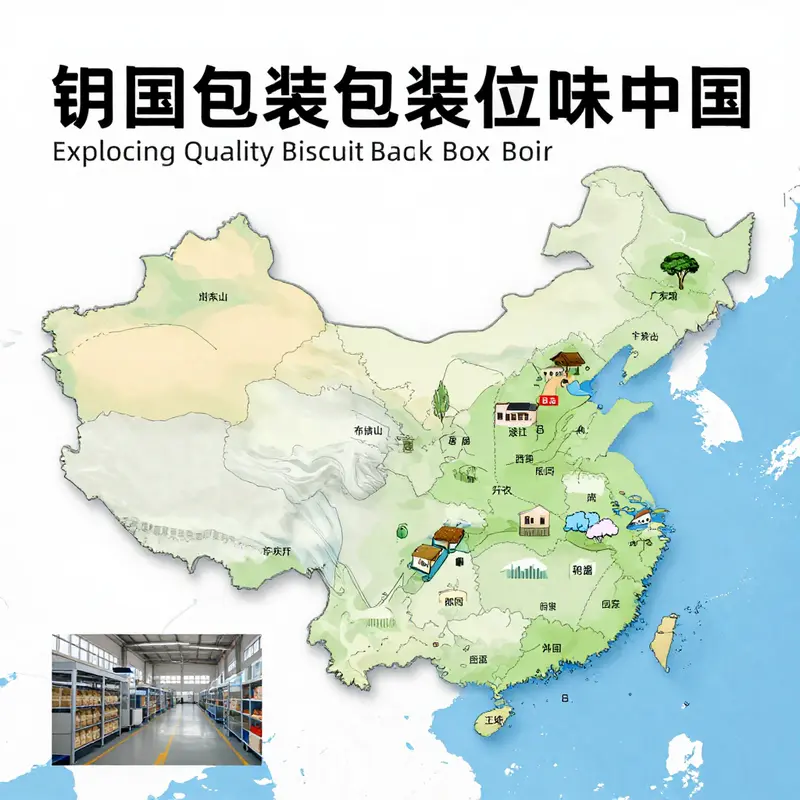
China remains a major engine for bakery biscuit packaging box production, a fact that has only intensified as brands seek supply partners who can combine scale, customization, and reliable export readiness. The country’s manufacturing landscape is shaped by a core concentration of packaging producers that, by some industry measures, accounts for a sizable majority of the world’s packaging capability. In practical terms, this means buyers who need consistent quality and efficient prototyping often begin their vetting by looking to the central manufacturing belts that have grown around major port cities and industrial zones. The result is a supply ecology where proximity to automation, print capability, and export-readiness translates into faster development cycles, lower lead times, and a more seamless transition from design to finished goods. In this context, the focus on Zhejiang as the core hub makes intuitive sense: the province hosts dense clusters of bakers’ packaging specialists, and within Zhejiang, particular cities have become synonymous with the kinds of die-cutting precision, window design, and carton formation that B2B buyers prize. Yet while Zhejiang anchors the narrative, true procurement strategy for bakery packaging must also acknowledge the complementary strengths found in other regional centers, each offering distinct capabilities that can be matched to a brand’s sustainability goals, cost targets, and packaging formats.
Zhejiang stands out for a reason. In the most practical sense, this province has cultivated a packaging ecosystem that can handle high-end customization, rapid prototyping, and export preparation with a level of automation that few other regions in China can match. The core manufacturing districts here benefit from a mature supplier network that is comfortable with complex run profiles, tight tolerances, and the fast swaps that come with B2B demand cycles. Within Zhejiang, Wenzhou is often described as the undisputed epicenter for bakery and biscuit packaging, not merely because of the sheer number of producers but because of the breadth of packaging solutions they offer. Longgang District, sometimes described as Dragon City, is a particularly dense cluster where a large number of suppliers operate in close geographic proximity. This clustering effect yields meaningful advantages: shared logistics for samples, rapid feedback across multiple iterations, and a culture of mutual learning about what works best in continental export markets. The activity here is not limited to a single product type. Instead, the district hosts a spectrum of boxes and containers designed for take-away and shop-counter bakery items, including formats that cover everything from sturdy takeout boxes to lighter, windowed pastry packaging.
Another notable node within Wenzhou is Qianku Town in Cangnan County. This smaller but potent cluster has built a reputation around cake boxes, muffin boxes, and other baking-specific packaging, emphasizing a balance of durability, print fidelity, and cost efficiency. The value of Qianku lies in its ability to offer both the standard, widely accepted formats and specialized variants that brand teams might require for limited edition lines or seasonal campaigns. For buyers, this means more options within a single geographic footprint, enabling a more nuanced approach to supplier selection that can consider factors like weight limits, moisture resistance, and even the tactile feel of the packaging after storage in varied climates. The scope across Wenzhou’s districts underscores a broader truth about Zhejiang: the province is less a single factory floor than a networked ecosystem where design insight, material science, and process engineering come together to deliver reliable, export-ready packaging at scale.
But Zhejiang’s strength does not end with Wenzhou. Lishui City, through its Lidian District, contributes a different but equally important piece of the puzzle. Here, the emphasis shifts toward broader packaging solutions, including bags and tote formats that often accompany bakery merchandise sold through direct-to-consumer channels or multi-brand retailers. This diversification is not a sideline; it reinforces the principle that a complete bakery packaging program requires more than a single box solution. It requires an interconnected set of packaging components that can align with a brand’s logistics and retail strategies, especially for brands that manage end-to-end distribution from central kitchens or regional bakeries to storefronts and e-commerce fulfillment centers. The Lidian presence, while smaller in footprint than Wenzhou’s giants, helps illustrate how Zhejiang’s supply chain radius extends beyond rigid box formats to encompass a broader packaging family that can be coordinated under unified design systems and material standards.
Beyond Zhejiang, other regional hubs contribute complementary capacities that a holistic procurement plan should consider. In Anhui Province, Tongcheng City has emerged as a significant supplier base for packaging materials that can support not only bags and gift-style presentation but the softly resourced needs of food packaging as a whole. Local manufacturers here often bring a mix of traditional carton skills and newer, more flexible bag formats suitable for regional retailers or brand tastemakers looking to test sustainable materials and novel finishes. In Guangdong Province, Chaozhou stands out for soft packaging products, including self-standing bags and moisture-controlled formats that connect well with bakery products requiring shelf stability. Dongguan, by contrast, anchors a line of desiccants and moisture absorbers that are critical to preserving the quality of baked goods in transit and on store shelves. For buyers, Dongguan’s offerings can translate into a more integrated solution set—packaging plus shelf-life support that reduces the risk of product degradation in high-humidity or long-distance logistics.
Shandong adds another layer to the regional mosaic. Jinan hosts producers that supply desiccants and oxygen absorbers tailored to food products, offering a way to address the challenge of maintaining freshness during storage and transit. Weifang, with its biodegradable and eco-friendly take on tableware and takeout boxes, aligns well with brands prioritizing sustainability and compostability. This eco-forward emphasis in Shandong complements Zhejiang’s established manufacturing prowess, enabling buyers to stage a more robust, diversified sourcing strategy that can balance cost, performance, and environmental commitments.
Taken together, these regional clusters create a map of capability that is not simply about finding a supplier with a favorable price. It is about assembling a network that can deliver on a brand’s design language, reliability demands, and sustainability ambitions while staying responsive to the volatility of global trade. The clustering effect in Zhejiang, particularly in Wenzhou, gives buyers an advantage in prototyping and development cycles. The quantity of nearby suppliers accelerates the iteration loop, allowing for rapid sampling, scale-up testing, and the evaluation of print quality, die-cut accuracy, and material behavior under varied temperatures and humidity levels. The closely connected suppliers can also help streamline factory audits, a step that is often essential when establishing export-ready supply lines. This is not merely about identifying a single source of truth but about building a portfolio of partners whose capabilities complement one another across a spectrum of packaging needs—from high-end custom boxes to standardized, eco-conscious formats.
For buyers navigating this landscape, procurement platforms often serve as the first gate. Platforms that are trusted for B2B transactions offer protections that align with the scale of bakery packaging programs. It is common for buyers to leverage marketplaces that provide payment protections, trade guarantees, and buyer protection windows that help validate supplier capabilities before committing to large orders. The practice of using these platforms is not just about risk management; it is about gaining access to a wide pool of Zhejiang-based and regional suppliers who regularly present samples, quotes, and lead-time estimates that can be benchmarked across multiple options. The combination of regional clustering with platform-based due diligence makes it feasible to shortlist suppliers who can deliver consistent quality, maintain compliance with export standards, and offer flexible MOQs appropriate for emerging brands testing in new markets.
In practical terms, an intelligent sourcing plan for bakery packaging boxes might start with a primary assessment of Zhejiang-based suppliers for core box formats and printing capability, followed by conversations with Anhui and Guangdong firms to source supportive components and sustainability-driven materials. The procurement journey benefits from a clear understanding of which suppliers excel at which parts of the value chain. Some firms may have deep experience in large-volume production with automated lines and stable color management, while others might specialize in rapid prototyping and custom finishes for limited runs. The overarching story remains: the best outcomes come from a coordinated network rather than a single source, with Zhejiang serving as the central nervous system and surrounding regions supplying specialized nutrients that strengthen the whole ecosystem.
For brands seeking a tangible touchstone within this ecosystem, a practical example can be found in a representative packaging format widely used in bakery contexts—a sturdy, food-safe box with a clean window insert for product visibility. The objective is to balance rigidity, print fidelity, and moisture resistance with a design that can be prototyped quickly across multiple suppliers in the Wenzhou cluster and iterated with feedback loops that shorten development timelines. Such a capability underlines why the regional map matters: the proximity of design minds, print houses, and conversion facilities is not cosmetic; it directly translates into shorter sample cycles, faster changes in component materials, and the potential to test sustainability claims in real-world conditions. Moreover, this proximity often means more accurate cost modeling. When teams can audit production lines, compare lamination and coating choices, and test with actual materials on hand rather than relying on one-off samples, the result is a more reliable quotation that aligns with a brand’s budget while preserving quality and performance.
From a procurement ethics and governance perspective, buyers should invest in factory-level diligence and supply-chain transparency. It is essential to verify certifications, compliance with food-contact materials standards, and the ability to trace material provenance. The Zhejiang-led cluster, with its breadth of expertise, invites a thorough audit approach where teams can observe the flow from raw stock through printing, die-cutting, and final packaging assembly. If a project requires eco-friendly materials or FSC-certified cardboard, the interplay between Zhejiang suppliers and those from nearby provinces allows for a practical way to assemble a mixed-material solution that still reads as a cohesive brand package. The regional spread can also support risk management by diversifying suppliers across multiple sub-suppliers and ensuring continuity even if one node experiences a temporary disruption.
To readers who want a tangible pointer as they map their supplier searches, the journey through these hubs also reflects a broader market movement: buyers increasingly seek a one-stop solution that can align packaging design, material choice, and sustainability goals under a single, coherent program. This is where the Zhejiang-centric model shines, offering not only production capacity but the cross-disciplinary expertise to translate a brand’s packaging aspirations into a real-world product. For practitioners, this means asking supplier conversations about not only typical specs—dimensions, paper weight, moisture resistance—but also about how the partners handle print finishes, window configurations, and assembly processes that affect shelf appeal and transport efficiency.
As buyers build their shortlist, the choice of procurement channels becomes part of the design strategy. Platforms that enable secure transactions, robust verification processes, and clear samples can be the first filter. They enable a discount on risk while not compromising the ability to scale. In practice, this means initiating conversations on platform-provided sample runs, requesting color and print proofs, and scheduling early-stage design reviews that bring together the packaging designer, operations engineer, and procurement lead. The result is a more resilient and creative packaging program that can adjust to shifting consumer expectations, retail packaging requirements, and even evolving regulatory considerations around sustainability and food-contact safety. The regional map offered by Zhejiang and its surrounding provinces provides more than a geographic convenience; it offers a structured route to a reliable, scalable, and responsible packaging program for bakery biscuit products.
For readers who want a concrete entry point into the broader ecosystem, consider exploring a practical example of packaging formats available in the market, such as an octagonal kraft paper box variety that demonstrates both form and function. This reference point can illuminate how similar formats are imagined, prototyped, and produced within the Zhejiang corridor and its nearby clusters. disposable octagonal box kraft paper packaging
In sum, the map of provinces and cities discussed here is more than a survey of geography. It is a lens on the capabilities buyers can align with, and a guide to building a sourcing strategy that leverages regional strengths. Zhejiang remains the dominant engine for bakery packaging boxes, particularly in Wenzhou, where the density of specialized producers sustains rapid prototyping, consistent quality, and export readiness. Yet the complementary clusters in Anhui, Guangdong, and Shandong offer practical extensions to the core capability, giving brands the flexibility to optimize material choices, sustainability commitments, and cost structures without sacrificing performance. When these regions are woven into a cohesive procurement plan, they translate into a packaging program that is not only fit for purpose but also responsive to changing flavors of demand in global markets. The chapter thus closes with a reminder that the journey from concept to carton is not a solitary tunnel but a networked route through which design, manufacturing, and logistics converge to deliver bakery packaging boxes that stand up to shelf life, travel, and brand storytelling. External resources can broaden this view: for a global perspective on packaging standards and industry best practices, readers may consult the World Packaging Organisation’s overview of packaging principles and trends.
External resource: World Packaging Organisation
Sourcing Bakery Biscuit Packaging Boxes in China: Geography, Platforms, and Sustainability
Finding the right bakery biscuit packaging box supplier in China is about aligning capacity, reliability, and sustainability with your brand promises. For buyers, the job begins with clarity: the packaging must protect the product, present it on shelf, and meet food safety standards while supporting efficient logistics. In a marketplace where supply chains tighten and consumer expectations rise, the path to a dependable packaging partnership runs through three intertwined currents: geographic manufacturing hubs, platform backed trust, and the growing demand for responsible materials. Read together, these currents offer a map for buyers who want high quality boxes at scale, without sacrificing speed or risk control.
China’s packaging ecosystem is concentrated in a few core corridors. In these hubs, factories have tuned high volume capability while preserving customization flexibility. Automation lines dedicated to rigid box production and to corrugated packaging work with printing technologies that reproduce logos, window designs, and brand colors. For a B2B buyer, this translates into the ability to move from concept to production with short iteration cycles and quick prototype testing before committing to full runs. The result is reproducible quality across thousands of boxes and reliable presentation across the supply chain.
Two regional stories shape most purchasing decisions. Guangdong in the south serves as a dense engine of packaging production with proximity to a wide supplier base, enabling rapid sourcing cycles, efficient sampling, and production flexibility to handle seasonal demand. Zhejiang inland has emerged as a leader in sustainable packaging, with manufacturers prioritizing recycled content, recyclable coatings, and certified paperboard that carries environmental assurances. This emphasis on green materials supports brand storytelling and resonates with consumer expectations about responsible packaging.
For buyers, sourcing logic starts with geography but quickly extends to platform driven due diligence. Alibaba.com is a leading global B2B marketplace that surfaces suppliers by capacity, lead times, and compliance with international food safety standards, with filters for delivery performance and supplier verifications. Made in China.com offers financial safeguards and transparent terms to protect payments and shipments. When used together, these platforms provide a practical framework for screening, validation, and safeguarded contracting, where speed and risk control go hand in hand.
The procurement approach becomes a disciplined process: define packaging objectives, specify sustainability criteria, and outline performance indicators such as on time delivery rate, defect rate, and responsiveness. Request samples from a mix of Guangdong and Zhejiang suppliers to verify color matching, window alignment, material compatibility with shelf life, and overall packaging system integrity. Check food safety certifications and reference clients to confirm real world performance. Create a concise briefing that translates brand requirements into dimensions, materials, printing methods, and finish, and use it to guide supplier conversations and pilot runs.
In practice, the strongest sourcing plans blend regional advantages with platform protections. Guangdong offers capacity and rapid iteration for high volume programs, while Zhejiang provides sustainability narratives and cost efficiencies. Combined with platform verifications and audits, they deliver a robust framework for choosing packaging boxes that protect product integrity, support brand promises, and adapt to shifting market demands.
The note on content and communication remains important. Multilingual collaboration and precise technical documentation reduce misinterpretation and keep QCD targets visible. Supplying partners respond to clear briefs and structured terms. As the program grows, containers of biscuits and the packaging that holds them can be scaled smoothly, with confidence that each layer and fold has been chosen with attention to product, planet, and people.
External reference to broader context on cross border packaging procurement dynamics: https://www.alibaba.com
Beyond the Box: Personalization, Sustainability, and Scale in China’s Bakery Biscuit Packaging Box Supply Chain
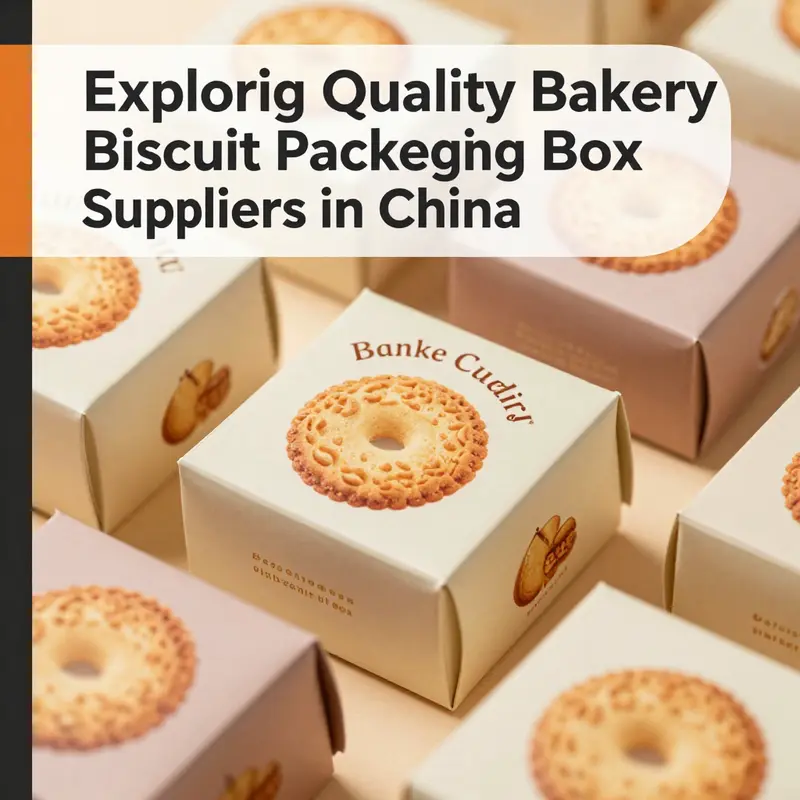
When a brand looks to transform its baked goods into a memorable experience, the packaging box becomes more than a container. In China, a tightly knit ecosystem of bakery biscuit packaging box suppliers has evolved from simple contract manufacturing into a partner-led service model. This shift mirrors the broader demands of modern consumer markets, where packaging is a deliberate extension of brand storytelling, a practical interface for protecting product integrity, and a voice for sustainability. The suppliers that have risen to this challenge operate with a sense of design maturity and operational discipline that enables brands to move quickly from concept to shelf without sacrificing consistency or compliance. The result is not merely a custom box, but a collaborative process that integrates design, materials, production, and logistics into one seamless journey.
At the heart of this transformation is personalized design service. Chinese packaging suppliers have built capabilities that align with a brand’s visual identity, ensuring that a box can communicate product quality, heritage, and promise at a glance. This is more than choosing a color and placing a logo. It involves a forensic approach to brand geometry, typography, and color theory, calibrated to the constraints of the packaging format. In practice, brands work with designers who can translate a logo, a slogan, or a seasonal motif into a complete packaging system, sometimes including a window that reveals the product inside. The window design is not just about aesthetics; it is a strategic tool to drive consumer engagement, letting the cookie or biscuit speak for itself while the branding remains legible and coherent across sizes and markets. Platforms that connect buyers with suppliers explicitly highlight this capability, with many Chinese suppliers offering “custom logo” and “window design” options as standard features of their service roster. For buyers, this reduces the complexity of vendor selection and provides a clearer path from concept art to production-ready files.
Materials and environmental considerations are a second pillar of this personalized yet practical approach. In an era of heightened environmental awareness, suppliers offer a spectrum of substrate choices and printing techniques that enable brands to meet ecological commitments without compromising on performance. Biodegradable and compostable materials, recyclable paperboard, and responsibly sourced FSC-certified options are increasingly common. Water-based inks and moisture-resistant coatings further enable shelf-life stability while keeping environmental impact in check. The result is a packaging proposition that aligns with consumer expectations for sustainability and brand responsibility. A brand can, for instance, choose a bio-based or recyclable paperboard with a clear window that showcases the biscuit’s texture while signaling a commitment to responsible sourcing. The ability to tailor material families to different product tiers or markets adds another layer of value: premium lines may use higher-end, aesthetically rich papers with smooth finishes, while mass-market lines can leverage cost-efficient, high-clarity print options that still meet sustainability goals.
A related dimension is the capacity to offer one-stop, end-to-end solutions that scale with a brand’s growth. The modern packaging partner in China is expected to handle not just the design and printing but also the logistics, quality assurance, and regulatory compliance that accompany large, multi-market rollouts. This means accommodating a spectrum of order sizes—from small pilot runs for testing and marketing campaigns to full-container shipments for regional or global launches. The flexibility to support batch sampling, small runs, and then scale to larger orders is essential in a market where brands repeatedly test concepts, test packaging, and test consumer response. A well-structured supply chain with transparent lead times and reliable capacity helps a brand avoid stockouts and last-minute freight costs. It also enables more frequent iterations of the packaging design as consumer feedback is gathered from early deployments, keeping the brand in step with market demand.
Beyond the mechanics of design and materials, the relationship with a packaging supplier increasingly includes rigorous quality assurance and safety frameworks. Food-contact packaging requires adherence to Food Safety standards, and reputable suppliers often hold certifications such as HACCP and ISO 22000. These certifications are not mere symbols; they are operational baselines that inform every stage of production—from raw material sourcing and supplier audits to process control and traceability. A mature supplier will also present a structured evaluation framework for its performance, including technical capability, response speed, and transaction history. For brands, this translates into a more predictable procurement experience, with higher confidence in on-time delivery and consistent product performance across batches. In China, the most capable suppliers have built these capabilities into their value proposition, recognizing that a one-off order is less important than a reliable, repeatable partnership. Payment protections and platform-based dispute resolution further reduce transactional risk, turning packaging from a cost center into a strategic procurement lane.
The integration of these elements—design, materials, scale-ready production, and quality assurance—reshapes how brands think about packaging as a function. It moves packaging from a passive safeguard to an active communications channel and, increasingly, a platform for innovation. A box can carry a story about how the cookies are baked, the care that goes into sourcing ingredients, and the brand’s stance on sustainability, all while preserving product integrity through efficient, automated production lines. In this landscape, a supplier is less a factory and more a partner in brand-building. The best partners listen to brand teams, translate intent into tangible specifications, and offer rapid prototyping to shorten the path from concept to consumer validation. This collaborative rhythm helps brands respond to changing consumer preferences and seasonal campaigns without breaking the supply chain or compromising quality.
A closer look at how this collaboration plays out reveals a loop of continuous refinement. It begins with a design brief, in which a brand communicates its aesthetic direction, target market, and performance requirements. The supplier’s design team then translates that brief into a packaging concept, including dieline development, material selection, and print strategy. If a window is involved, engineers consider its impact on product visibility, shelf appeal, and moisture control. After a design concept is approved, rapid prototyping models are produced to test fit, print quality, and user experience. This phase, often conducted with digital proofs or small-quantity runs, minimizes risk and accelerates learning. Once the concept proves viable, the project moves into full production, guided by tight quality controls and supplier-led process improvements. The supplier’s quality system becomes a living reference: each batch is checked against defined standards, with nonconformances tracked and corrected in real time. The end result is a box that not only protects the biscuit but elevates the brand narrative on the shelf.
Finally, the journey through a Chinese bakery packaging supplier’s ecosystem is deeply practical in its logistics and market execution. Brands expanding across regions must align with local requirements, including labeling, language, and compliance with regional packaging norms. Established suppliers leverage their cross-border logistics networks to consolidate shipments, optimize pallet configurations, and minimize transit times. They also bring a level of predictability to cost structures, with transparent quotes that cover materials, printing, tooling, and logistics, including duties and responsibilities in case of delays. The one-stop model reduces handoffs and the potential for miscommunication that can derail a new packaging program. For teams managing multiple product lines, this integrated approach offers clear advantages: fewer vendors to coordinate, faster iteration cycles, and a consistent standard of packaging across SKUs.
The practical implications for bakery brands are significant. A compelling package become a differentiator that supports consumer recognition and repeat purchase. At the same time, the packaging system can be tuned to protect freshness, reduce waste, and convey a brand’s ethical stance—elements that modern shoppers increasingly weigh when choosing products. The Chinese market’s emphasis on customization and scale makes it possible to tailor packaging to the precise needs of a bakery, from a limited-edition seasonal line to a steady stream of everyday biscuits and cookies. Brands can decide how bold or restrained their packaging should be, and the supplier will translate that decision into a physical reality that aligns with production capabilities and cost targets. This is a dynamic, symbiotic relationship—a shift from outsourcing to co-creating value around a common objective: packaging that is as brand-forward as the product it protects.
To illustrate the practical mood of this ecosystem, consider the breadth of options a brand can access without abandoning speed to market. A supplier can deliver a fully branded box with a designed window to showcase the product, in a form that withstands the rigors of distribution and shelf life. Or, for campaigns with tighter budgets, they can offer a simplified, cost-optimized version that still preserves brand cues and sustainability commitments. The breadth of material and design choices means a box can be iterated in response to consumer feedback, packaging metrics, or retailer requirements, without sacrificing the core identity of the product. The most resilient partnerships in this space are those that maintain alignment with a brand’s evolving story while safeguarding the practical needs of manufacturing and logistics. In this sense, the packaging box becomes a platform rather than a one-off artifact—a tool that amplifies the product’s voice across channels and geographies.
For readers seeking a concrete sense of how these services manifest in the market, a practical touchpoint is the availability of a range of customizable packaging options that emphasize transparency, eco-friendliness, and design flexibility. A real-world example of how customization can be deployed is reflected in the packaging ecosystem where suppliers offer design customization, eco-friendly material selections, and flexible order sizes. Brands can explore these capabilities through supplier catalogs and procurement platforms, which provide both design guidance and procurement security. For teams that want to glimpse the potential scope of customization, a reference page illustrating a disposable box concept with logo customization and window design offers a useful visualization of how these features come together in practice. This example underscores how design, materials, and production decisions converge into a single, coherent packaging solution.
In sum, the personalized services offered by bakery biscuit packaging box suppliers in China are not isolated capabilities. They form a holistic, end-to-end proposition that enables brands to articulate their identity through packaging, protect product integrity, and operate at scale with confidence. The most effective suppliers are those who treat packaging as a strategic asset—one that supports marketing, sustainability, and supply chain resilience in equal measure. As brands continue to experiment with flavors, formats, and market placements, the packaging box supplier becomes an essential partner in shaping consumer perception and ensuring that the baked goods arrive on shelves in a condition that mirrors the promise of the brand. The future of bakery packaging in this region is, therefore, a narrative of collaboration—where design, material science, and logistics are welded together by a shared commitment to quality, responsibility, and growth. For readers wanting a concrete example of ongoing customization capabilities, see the reference page that highlights disposable octagonal kraft-paper packaging as a demonstration of how form and messaging can align in practice.
External resource: https://www.alibaba.com/product-detail/China-Bakery-Box-Custom-Logo-Window_1600538937347.html?spm=a2700.19899950.0.0.5f1a3e5b1d7c7g
Final thoughts
As we’ve seen, the journey to finding quality bakery biscuit packaging box suppliers in China is multifaceted but manageable. By focusing on the core manufacturing areas and key provinces, utilizing reliable procurement platforms, and recognizing the value of personalized services, businesses can effectively meet their packaging needs. Ultimately, the right partners will not only help enhance your brand’s image but also cater to your operational demands, ensuring that your delicious bakery products are beautifully packaged. Making informed choices in this arena can significantly boost your brand’s visibility and sustainability efforts.