
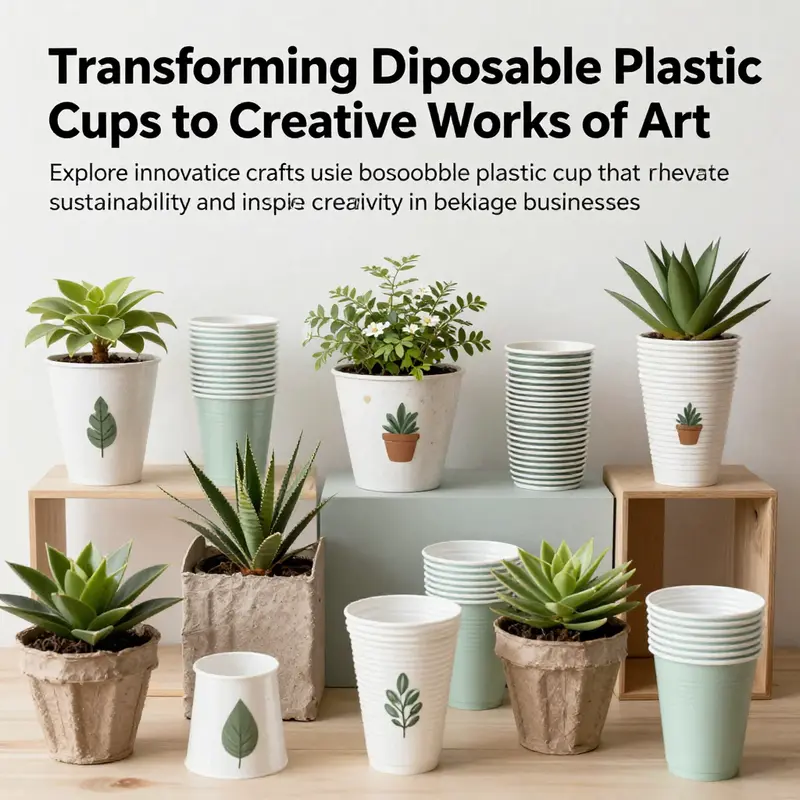
Disposable plastic cups are frequently seen as mere tools for serving beverages. However, an emerging trend highlights their potential as versatile materials for creative crafting. As beverage chains, food trucks, restaurants, and event planners integrate sustainability into their operations, repurposing these everyday items offers not only an opportunity to minimize waste but also a chance to create unique, eye-catching products. This article will guide you through the fascinating world of crafts using disposable plastic cups, from eco-friendly gardening projects to innovative organizers and decorative pieces. Learn how social media trends are amplifying this craft movement, and ultimately embrace the idea that mindfulness and sustainability can coexist beautifully in your operations.
From Waste to Green: Eco-friendly Gardening with Disposable Plastic Cups
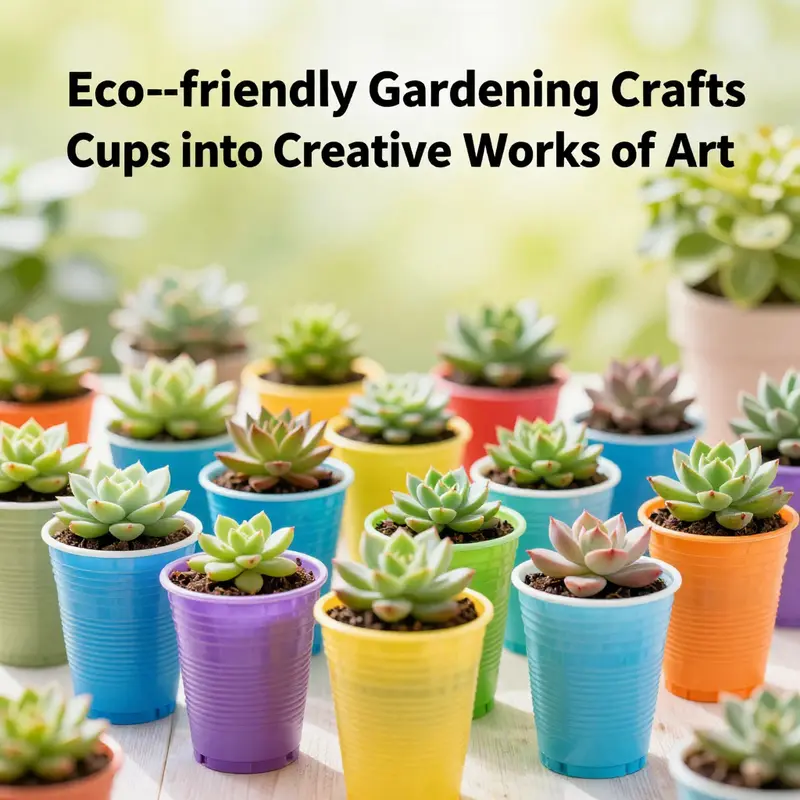
In the space where waste meets home gardening, disposable plastic cups can become tools for greener living. A single cup can cradle a seedling, serve as a tiny vertical planter on a balcony, or hold labels and small tools on a workbench. This chapter explores practical, space-efficient, and low-cost ways to reuse cups for eco-friendly gardening, with an emphasis on mindful design and circular habits.
Seedling starters: start with clean cups, punch small drainage holes, and fill with a light, compost-enriched soil mix. Plant one or two seeds, keep the cups on a bright windowsill, and water with care to avoid soggy roots. As the seedlings grow, transplant them into larger pots or into the ground when ready, checking the cups for signs of wear. The cup becomes a visible, manageable step in the journey from seed to plant, and its temporary life helps minimize waste while teaching patience and observation.
Vertical and modular plantings: cut the tops off cups to form shallow pockets, then mount them on a wall, fence, or reclaimed board as a vertical garden. When grouped in rows, these cups can cradle herbs, greens, or small flowers, creating a micro-ecosystem that enhances air and airflow in tight urban spaces. Water carefully and individually to prevent dampening neighbors.
Personal touches and lifecycle: decorate cups with safe paint or markers, label plant names, and reuse them across seasons when possible. If a cup has reached the end of its usable life, consider composting (if certified for composting) or adding it to recycling according to local guidelines. The goal is not perfection but a habit of design that prioritizes reuse and simple maintenance.
This approach frames everyday objects as opportunities for learning, community, and resilience in urban environments. By reimagining disposable cups as seed starters, planters, or labeled organizers, gardeners can cultivate greenery without adding clutter or waste, turning small acts into meaningful ecological practice.
From Cup to Clever Organizer: Functional Crafts Using Disposable Plastic Cups
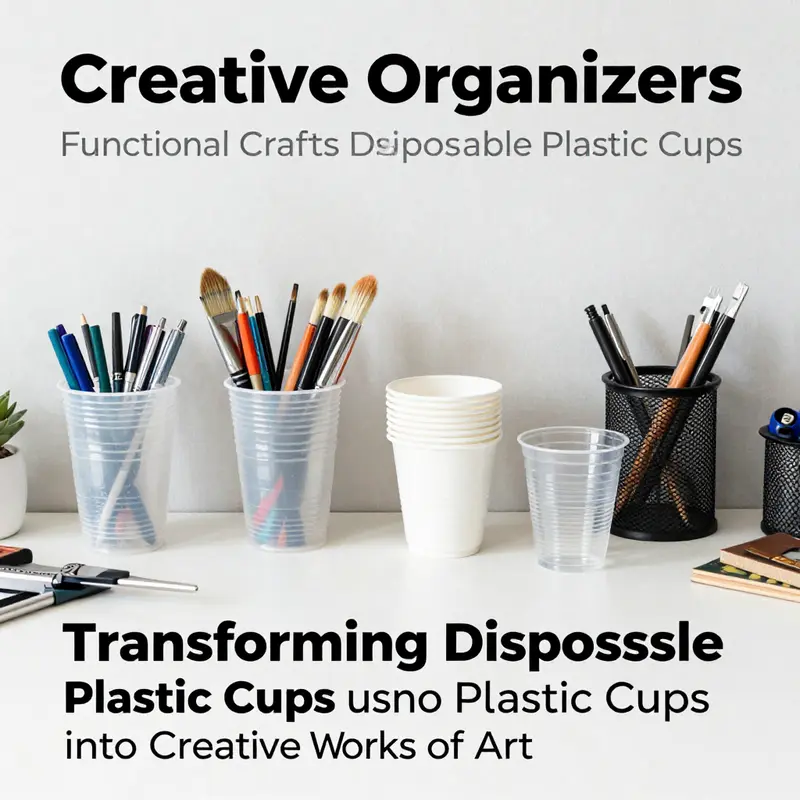
Disposable plastic cups are often dismissed as one-step, throwaway vessels. Yet when hands meet curiosity, their potential widens into small, practical systems that tidy a desk, a studio, or a classroom with minimal waste and maximum clarity. The idea is not to disguise a cup’s origins but to celebrate an inexpensive, adaptable module that can be repurposed into orderly, reusable solutions. This approach aligns with a broader design ethic that treats everyday disposables as materials that can live many lives, reducing clutter while extending usefulness. A cup may start its life as a generic container, but in the right hands it becomes a modular organizer—a compact stack that sorts pencils from paintbrushes, marks a workbench with distinguished color, or houses tiny, thriving seed beginnings. The appeal lies in speed, accessibility, and the small triumphs of making organization feel effortless rather than heavy-handed. As soon as the first cup is paired with a simple attachment or a bit of decoration, it ceases to be a single-use item and begins to function as a configurable component in a personal storage system. The transformation is not about reinventing the wheel; it is about reinventing the way the wheel is used.
Practical shapes and configurations make this approach especially inviting. A bare cup can be turned into a pen holder with a little paint or washi tape for a welcoming aesthetic. The clean, cylindrical silhouette invites a uniform look when several units are gathered on a desk, creating a corridor of color that makes supplies visible at a glance. When needed, the same cups can be stacked and secured to form a vertical storage tube holder. Think of a slim column where markers, scissors, glue sticks, or small tools sit at different heights, arranged for quick access. The lightweight construction helps with portability, yet the cups can be anchored to a stable base with a dab of adhesive or a carefully arranged surface to ensure that the vertical stack stays upright even when tools are pulled out. The bottom line is that a simple material, rendered with intention, can become a reliable system for everyday tasks. Aesthetics matter here, not as ornamentation alone but as a way to reduce cognitive load. When the cups are decorated in complementary colors or labeled with readable tags, the act of returning items to their place becomes intuitive rather than arbitrary.
Beyond the basic organizers, there is room for more elaborate applications that sit at the intersection of craft and practicality. A collection of cups can be joined to create an extended storage tube if you need a longer corridor for rolled-up papers, small rulers, or cutting tools. The key is to secure the assembly so it remains stable while still being easy to dismantle if a rearrangement is needed. This kind of modular thinking invites experimentation: you can add sections, subtract them, or reconfigure the stack to suit a new project without generating waste. The transparency of disposable cups offers another advantage: contents are visible without opening lids, which reduces the time spent searching and helps keep the workspace calm and organized.
For those who enjoy slightly more advanced crafting, resin art and seed starting expand the functional repertoire of these humble vessels. Clear, measurement-marked cups—often used in medical or laboratory contexts—become practical tools for small-batch resin casting, where accurate liquid ratios matter and cleanup is straightforward. The same cup can be repurposed as a seed starter, with a drainage hole punched in the bottom to mimic a mini greenhouse. Planted with hardy seedlings or seedlings that prefer gentle root development, these cups provide a controlled, portable micro-environment for observation and growth. The bottom drainage is essential; without it, moisture can stagnate and damage young roots. The idea is to use the cup’s natural shape to support a compact, rooted system that can be transplanted when the plant is ready. In this way, a disposable item becomes a tiny, living project—one that teaches care, observation, and patience as growth unfolds in real time.
The mindset of this craft economy is as important as the technique. It centers on reuse before recycle, on simplicity before excess, and on turning distraction into design. The practice invites people to consider how small changes in everyday routines can reduce waste without sacrificing function. It also frames crafting as a community activity, where sharing tips for stability, labeling, or decoration helps everyone achieve tidier spaces with less effort. When social platforms showcase these experiments, a carnival of ideas emerges: color-coded sections, labeled lids that snap into place, even whimsical touches like attaching tiny badges or ornaments to the cups to create personalized organizers for desks, studios, or classroom corners. This is not merely about making things; it is about reimagining the lifecycle of a common item.
To connect these ideas to ongoing conversations about sustainability, think of the cup as a node in a wider network of circular design. The goal is not to glamorize waste but to highlight how ordinary materials can be kept in circulation through thoughtful reuse. The simple act of repurposing turns what might have been trash into a reproducible blueprint for organization. It is a gentle reminder that mindful consumption does not have to be a radical abstention from convenience; it can be a shift toward smarter, more deliberate use of the materials already at hand. As communities share their setups—from clean, minimalist pen stations to colorful, modular storage towers—the practice becomes a practical example of circular design in everyday life.
For readers seeking concrete directions, a practical avenue is to explore related tutorials and real-world examples that demonstrate how these cup-based organizers perform under daily use. A notable example is a guide to repurposing plastic party cups that showcases multiple configurations, from simple holders to more sophisticated stacking systems. This resource highlights how accessible tools and basic adhesives can yield functional, aesthetically pleasing results with minimal effort. In the spirit of accessibility, the discussion encourages experimenting with what you already own rather than purchasing specialized gear. If you are curious about a recent demonstration of how an eco-friendly cup lineup can be integrated into a tidy workspace, you can check a related example here: disposable-eco-friendly-printed-logo-single-wall-paper-cup-with-lid.
The essential takeaway is that disposable cups can be more than containers for liquids; they can become reliable, modular elements of a home or classroom’s organizational fabric. Their versatility supports a gentle form of upcycling—one that respects simplicity while offering room to grow. This aligns with a cultural move toward mindful consumption and circular design, where creativity meets responsibility and everyday objects gain purpose beyond their single-use moment. By embracing this approach, crafters and non-crafters alike can experiment with small but meaningful projects that keep spaces orderly, accessible, and visually calm. The cups become not symbols of waste but instruments of clarity, reminders that good design often starts with something as ordinary as a cup and a little imagination.
External resource: https://www.hometalk.com/14567839/22-creative-ways-to-repurpose-plastic-party-cups-in-your-home
Aesthetic Alchemy: Decoratively Upcycling Disposable Plastic Cups into Artful Home Decor
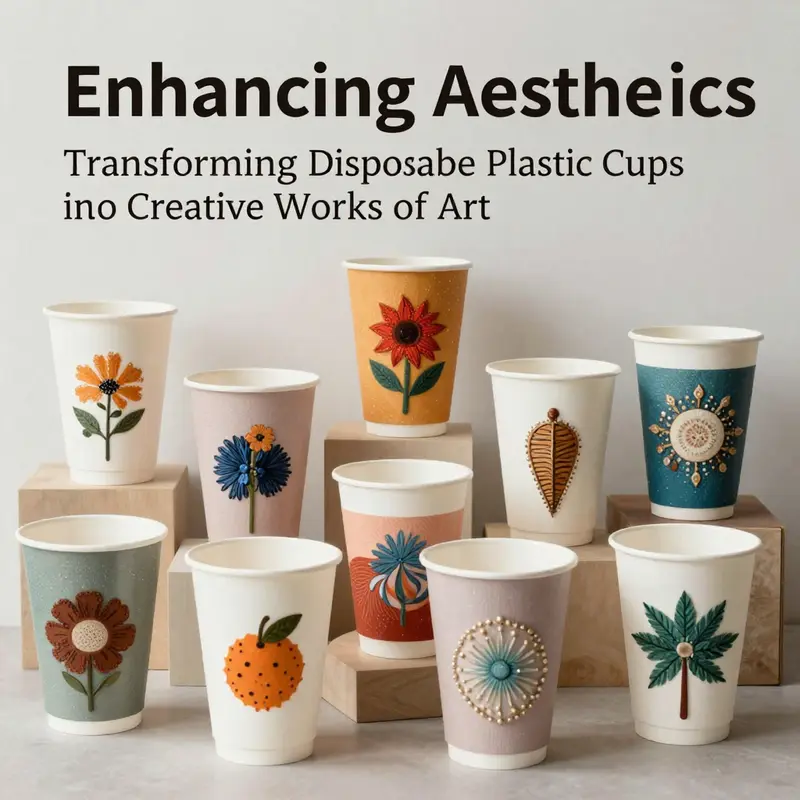
Disposable plastic cups are not mere refuse after a quick sip. Read as a field note from a culture reimagining everyday waste, they become portable palettes for color, light, and form. In tidy urban apartments and bustling creative studios alike, people are turning these common items into objects that enrich spaces rather than clutter them. The approach blends practicality with play, so that sustainability is not a sacrifice of style but a fertile ground for experimentation. What emerges is less a single project and more a philosophy: that the simplest, most accessible materials can carry the weight of design when curiosity, patience, and a touch of restraint guide their transformation. The result is decor that feels personal, tactile, and humane—pieces that carry a story of upcycling without shouting it from the shelf. In this chapter, the emphasis rests on how shape, color, and the mechanics of assembly can elevate a disposable cup from a temporary container to a lasting accent in the home. As makers navigate the delicate balance between fragility and durability, they discover that light passing through a translucent wall of cups can cast moving shadows, while painted surfaces invite touch and contemplation. This is aesthetic work rooted in circular thinking, and its charm grows wherever constraints inspire cleverness.
One of the most intuitive routes to beauty is through repetition and rhythm. Consider decorative wind chimes crafted from stacked and painted cups. A handful of cups, each bearing a different hue or pattern, suspended on strings at varying lengths, creates a mobile of color that sways gently with even a soft breeze. The translucence of many cups catches sunlight and refracts it into small prisms, turning a corner of a room into a quiet, shimmering gallery. The effect is more about mood than monument; it introduces a sense of whimsy that is approachable for beginners yet rich enough for more deliberate design thinking. The cups’ lightweight nature invites experimentation with layering and geometry—arranging them in concentric rings, spirals, or tessellations to form soft, lantern-like sculptures that glow when lamps illuminate them from within or behind. The result is an inexpensive, easily adjustable installation that can be relocated as tastes shift or as the seasons change.
Another classic pathway is to use the cups as miniature planters. Trim the bottoms, drill discreet drainage holes, and fill with tiny succulents, moss, or herbs. The transparency of the cups lets observers watch soil moisture and root development, turning a small gardening project into a microcosm of growth. For many urban dwellers, these “plant cups” provide a low-maintenance introduction to greenery, a calm visual anchor on a desk or shelf, and a reminder of nature’s cycles in compact spaces. The aesthetic payoff lies in the contrast between the clean, modern lines of the cups and the organic irregularity of living plants. Placed in a row, or clustered into a living wall, they can transform a bland surface into a living tapestry that evolves with the plants’ growth and the seasons’ light. The choice of plant matters: mosses and tiny grasses offer texture and motion, while air plants require minimal soil and maximum air contact, emphasizing airiness and ease.
For those drawn to more intricate sculpture, plastic cups can serve as the base for custom art installations. Artists have stacked, painted, and carefully cut cups to sculpt forms that resemble oversized petals, lanterns, or abstract mobiles. The cups need not be uniform; variations in height, angle, and color can create an organic tension that invites closer inspection. In some installations, the cups are pierced and linked with wire or thin thread to form delicate, flowerlike blossoms that breathe with every air current. The result is a piece that reads as both fragile and resilient, a paradox that nods to the material’s identity while elevating it to civic-scale craft. These works are particularly resonant in communal spaces such as galleries, maker fairs, or classrooms, where the act of assembling dozens of identical units into a cohesive whole echoes collaborative processes and shared stewardship of resource use.
Beyond purely decorative works, the interior design potential of upcycled cups extends into functional decor. A tea-light or LED candle can be safely housed within a capped cup to cast warm, layered glows through the stacked rings of color. Mindful placement mitigates heat concerns while turning the cups into soft, portable lanterns that can be rearranged to suit mood or event. Another practical application is the magnetic framing of images or textiles by attaching lightweight magnets to the back of cups and aligning them on a metal surface. The result is a mutable gallery that can be refreshed daily without waste, a gentle reminder that hospitality and artistry can share space with sustainability. The appeal here lies not in novelty alone but in the quiet confidence of a well-executed idea—the way a simple unit of plastic can become a chorus of color, texture, and light when thoughtfully arranged.
The social currents surrounding these practices amplify their value. Platforms that celebrate zero-waste living and creative reuse showcase a thriving community where people share tutorials, document growth, and swap tips for best results. The appeal is twofold: it provides a readily accessible entry point for beginners and a refined set of challenges for experienced crafters seeking to push the material’s boundaries. A striking aspect of these communities is how they refract cultural attitudes toward consumption. Instead of discarding cups after a single event or drink, creators treat them as a renewable resource with the potential to yield diverse, meaningful artifacts. This mindset aligns with a broader cultural movement toward circular design and mindful consumption, where the line between artist and organizer becomes blurred and collaboration becomes a primary driver of innovation. The democratization of craft—where a 3-yuan cup or a similar low-cost item emerges as a catalyst for creativity—speaks to a social ethic that values ingenuity as much as aesthetics.
For readers curious about variations and practical references, a quick glance at disposable eco-friendly printed logo single-wall paper cup can offer a lens into the broader landscape of disposable cups and their visual possibilities. This link provides a sense of how design language travels across disposable materials, illustrating that even standardized forms can become adaptable canvases when imagination leads the way. Disposable eco-friendly printed logo single-wall paper cup. The emphasis here is not on replicating a commercial product but on recognizing the cup as a portable micro-infrastructure for artistic exploration—a reminder that everyday items hold potential when perspective shifts toward reuse and display rather than disposal.
As these practices proliferate, their significance grows beyond novelty. They demonstrate how sustainability and style can cohabit without compromise, turning waste streams into design feedstock and creating moments of delight within everyday life. The resulting objects are durable not in the sense of permanence but in their capacity to spark conversation, inspire hands-on learning, and model a more circular relationship with the materials around us. In turn, this fosters not only personal creativity but social resilience: communities gather around shared projects, exchange techniques, and gradually embed these habits into daily routines. The practice is accessible, scalable, and—importantly—enjoyable. It invites people to slow down, observe, and participate in a small, tangible restoration of resource flows right in the heart of living spaces. The chapter you have read thus far signals a path forward where design literacy and ecological responsibility coexist as everyday aesthetic choices.
External resource: For broader inspiration and a reflective set of techniques, see The Spruce Crafts’ exploration of turning plastic cups into art. https://www.thesprucecrafts.com/upcycled-plastic-cup-art-4137952
From Feed to Keepsake: Social Media Trends in Crafts Using Disposable Plastic Cups
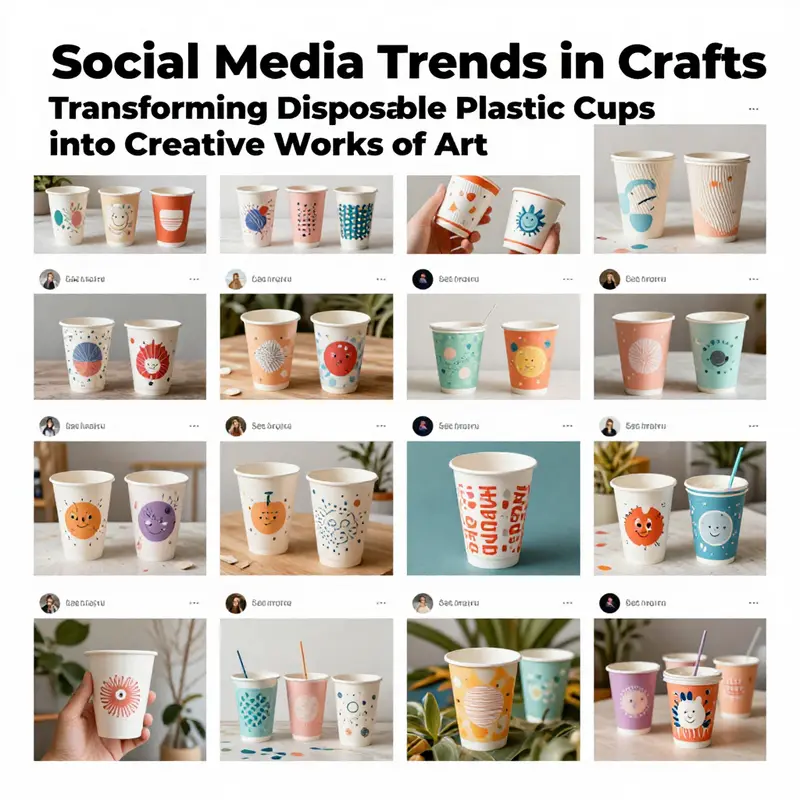
External resource: Sustainable consumption and production goals provide a global frame for understanding how these micro-crafts fit into larger sustainability aims. For a broader framework, see https://www.un.org/sustainabledevelopment/sustainable-consumption-production/.
From Cup to Care: Mindful Crafting and Circular Living with Disposable Plastic Cups
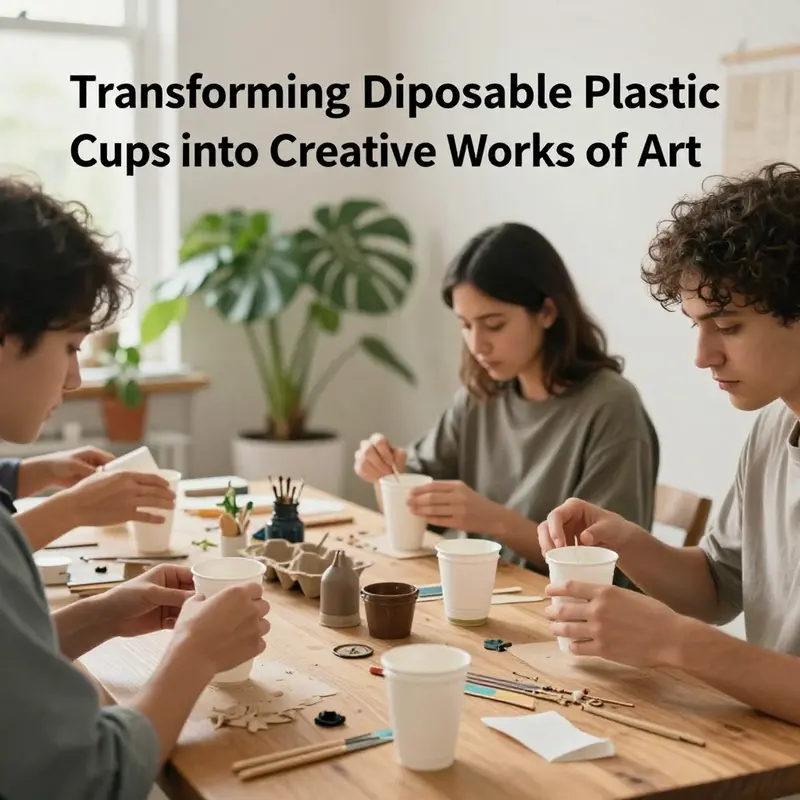
In neighborhoods, classrooms, and studio spaces, a simple disposable plastic cup has quietly become a doorway to mindful making. The act of transforming a single-use item into something functional or beautiful invites a different kind of attention—one that treats waste not as a final fate but as a resource with further possibility. This shift reflects a broader cultural movement toward circular design, where creativity and responsibility sit side by side. When people pick up a cup with a clear purpose beyond its original function, they are not merely crafting; they are rehearsing a mode of consumption that asks a different question: what if this material could live another life before it exits our spaces altogether? The result is often a tangible reminder that sustainability is not a distant ideal but a practical, everyday craft practice that can be learned, shared, and scaled in small, meaningful ways.
The way we think about plastic cups matters as much as the projects we make with them. While these items are typically considered disposable, repurposing them extends their lifecycle and diverts them from landfills. In discussions about sustainable design, the focus shifts toward circular systems where waste becomes a resource and where individuals participate in stewardship through hands-on work. Tutorials that show how to convert a plain cup into a miniature tree, a decorative hanging, or a tiny terrarium illustrate a principle: meaningful craft can be a quiet form of environmental education. They demonstrate that creativity and conservation can reinforce one another, making the act of crafting something with a cup feel purposeful rather than frivolous.
Among the most popular repurposing approaches is the transformation of an everyday cup into a plant container. By laying a layer of drainage stones at the bottom, filling the cup with soil, and carefully placing small vegetation—often moss or other small greens—the cup becomes a micro-garden you can move and observe. The appeal is twofold. First, it provides a low-maintenance indoor oasis for urban dwellers who crave greenery but lack space or ideal outdoor conditions. Second, it offers a gentle, observable lesson in growth: seeds sprout, roots take hold, and tiny ecosystems emerge in a compact, accessible format. Though plastic cups are not biodegradable, their reuse bridges the gap between convenience and care, turning a one-time purchase into a repeated act of reuse that neighbors and families can participate in together.
Beyond greenery, the spectrum of upcycled possibilities expands into organization and utility. A cup can become a practical dispenser by simply adding a small pump mechanism through a lid hole, producing a stylish hand sanitizer station for home or office. Turn the cup upside down and secure it with adhesive or tape to craft a sturdy pen holder that keeps desks tidy and thinking clear. People have even layered fruits inside cups to craft portable snack boxes, creating compact meals for busy days that encourage mindful portioning and sharing. In another line of experimentation, creators assemble miniature terrariums with tiny aquatic life—a miniature desktop ecosystem that blends art and science in a single, affordable package. Each project invites not just improvisation but a reflection on how small, deliberate alterations can convert waste into something useful, beautiful, and informative.
What makes these practices resonate widely is not only the novelty of the ideas but the community they foster. On social platforms, such as Xiaohongshu, tens of thousands of posts celebrate the ingenuity of cup-based crafts. People share step-by-step tutorials showing how to repurpose a modest plastic cup into a fashionable accessory or a functional item, and even turn a three-yuan cup into a personal charm by attaching badges or plush figures. The charm lies in the personal narrative each creator builds—stories about why a project matters, what it teaches about resource use, and how the finished piece fits into daily life. Some posts describe growing edible seeds inside the cup, a small, living demonstration of growth that users watch unfold over days. Even peanuts can sprout within the confines of a cup, offering a micro-forest that sits on a desk or windowsill. These stories become part of a larger conversation about sustainability, reminding audiences that care for the planet can be woven into play, learning, and everyday routines.
The practice of mindful crafting thus operates on several intertwined levels. It is a form of experimentation, a gentle education in waste reduction, and a cultural ritual that reframes consumption as a circle rather than a straight line. It invites people to slow down, to pause before tossing a cup, and to imagine an alternate life for a material already in circulation. In doing so, it cultivates a sense of gratitude for resources and a respect for craft that transcends the immediate project. Importantly, it also democratizes sustainability. Without expensive tools or specialized materials, a cup can become a seedling pot, a tiny dispenser, or a compact storage option. The simplicity of the medium lowers barriers to participation, inviting children and adults alike to experiment, learn, and contribute to a broader ethos of care.
In exploring these ideas, it is useful to acknowledge the guidance that contemporary sustainable design literature offers. A recent, widely cited guide emphasizes how upcycled crafts with disposable plastics can reduce household waste and spark community initiatives. The underlying message is clear: responsible reuse is practical and accessible, and it can ripple outward to influence neighbors, schools, and local groups. This perspective aligns with the everyday experiences of makers who see a cup not as waste but as a starting point for learning, sharing, and stewardship. To someone just starting out, the pattern might be this: find a cup, imagine a second or third life, and let the project reveal a little more about your own habits around buying, using, and discarding. The act itself becomes a quiet form of mindfulness—a practice of noticing and choosing with care.
Practical guidance supports this mindset without dampening the joy of making. When people begin, they learn to select compatible materials and to think through stability and safety. A well-balanced planter is more than a pretty look; it requires a proper drainage layer, the right kind of soil, and plant choices suited to the cup’s small footprint and light conditions. A dispenser or organizer benefits from a secure lid and stable mounting, ensuring that the final piece feels sturdy and durable rather than decorative only. The more people explore, the more they understand that sustainable crafting is as much about process as it is about product. It invites reflection on how to reduce waste not through a single heroic project but through repeated, thoughtful acts that become daily habits.
For those seeking ready-made inspiration and practical routes, a steady stream of online tutorials and community-led demonstrations offers approachable pathways. The sharing culture around cup-based crafts—whether through short videos or long-form instructions—emphasizes learning-by-doing, error-tolerant experimentation, and the social joy of creative problem solving. A tangible benefit of this approach is the opportunity to model responsible behavior for younger participants. By encouraging children to think critically about materials, reusability, and the environmental footprint of everyday objects, these crafts become informal lessons in sustainability that extend beyond the craft room into kitchens, classrooms, and playgrounds. In this sense, the cup becomes a stepping stone to broader conversations about resource use, care for the environment, and the humor and resilience that come with hands-on making.
For those who want to connect directly with resources that support this practice, look to practical channels that regularly showcase disposal-to-delight transformations. A useful example is how a common, everyday cup can be repurposed into a range of functional and decorative items, from plant holders to tiny ecosystems. The idea that a cup’s second life can be both practical and beautiful is at the heart of mindful crafting, and it aligns with a growing push toward community-based sustainability and shared learning. To deepen the exploration, readers may refer to broader discussions that place upcycling within a larger framework of household waste reduction and neighborhood initiatives. This perspective helps translate individual projects into collective action, reinforcing that small changes in daily habits can accumulate into meaningful ecological benefits.
Internal resources can guide hands-on practice while keeping the focus on thoughtful reuse. For practitioners interested in integrating cup-based crafts with broader product and packaging considerations, a practical avenue is to explore affordable, accessible cup sources that offer consistency and safety for reuse. A convenient example in this space is the availability of wholesale, take-away coffee cups with lids, which many makers repurpose into organized storage or decorative pieces. take-away coffee cups with lids provides a real-world touchpoint for imagining how varied cup designs can influence craft outcomes and project durability. These experiments illustrate how material choices shape craft possibilities and sustainability outcomes, underscoring the idea that thoughtful selection and reuse matter as much as the final form.
For a broader, more global perspective on upcycling practices and their social impact, readers can explore externally focused analyses that connect individual creativity to community resilience and waste reduction. A recent overview emphasizes how responsible reuse through craft projects can inspire both households and communities to rethink consumption and create shared spaces for learning and collaboration. External resources like this remind us that mindful crafting is part of a larger conversation about living well with less waste, and they encourage ongoing engagement with ideas that move material life cycles toward greater flexibility, responsibility, and care. External link: https://www.theguardian.com/sustainable-living/2026/jan/15/upcycling-plastic-cups-kids-crafts-sustainability
Final thoughts
Embracing the potential of disposable plastic cups for creative projects not only supports sustainability but also enhances your brand’s appeal in a world increasingly focused on environmental responsibility. By integrating crafts into your business practices, you can capture the attention of your clientele, showcasing a unique narrative about reusing and recycling. Encourage your customers to join this movement by highlighting practical uses and creative expressions of disposable cups. With every crafted piece, you’re not just reducing waste—you’re telling a story of innovation and care for our planet.